
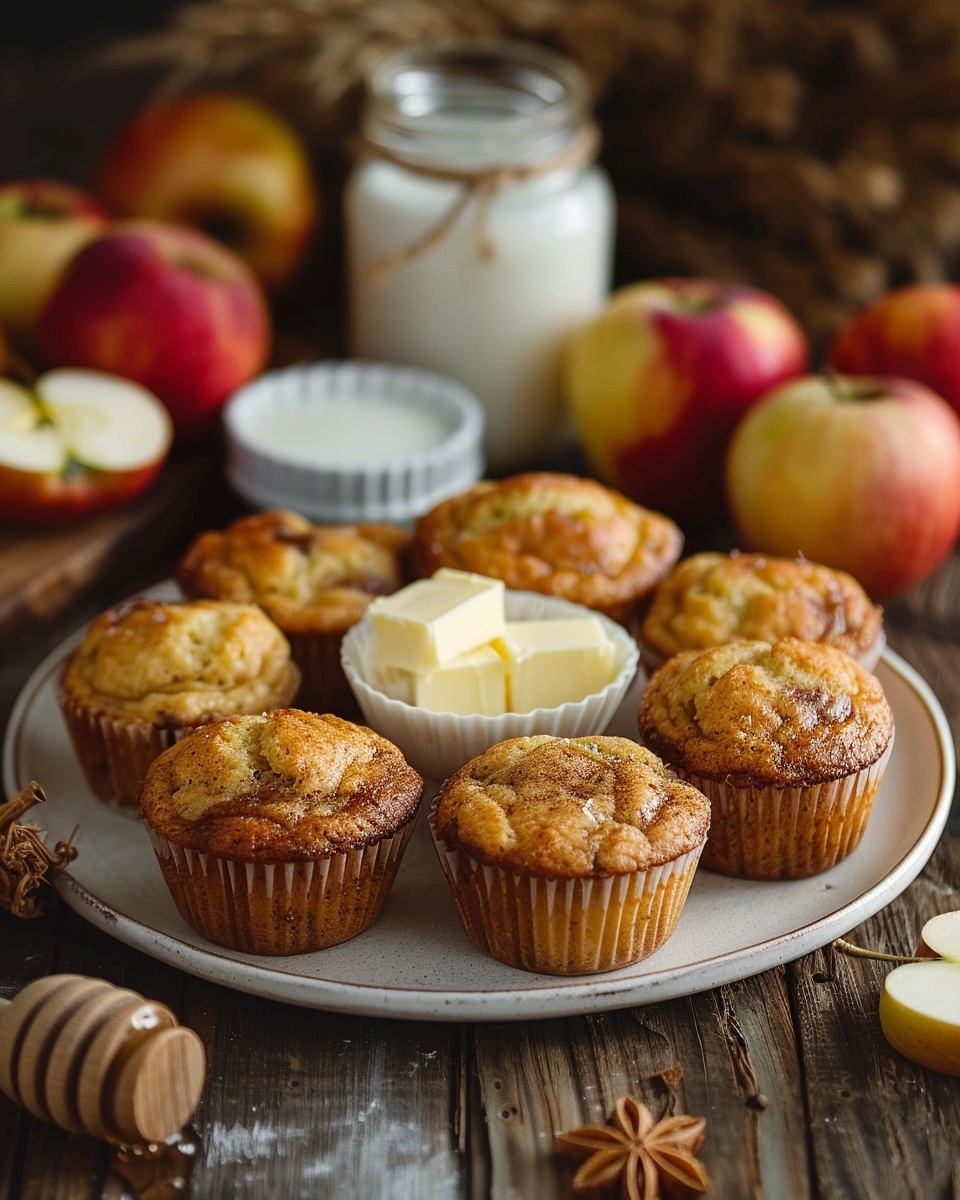
Why These Apple Cinnamon Breakfast Muffins Will Become Your Morning Favorite
Last Tuesday morning, I woke up to find five apples sitting in my fruit bowl, getting softer by the day. You know that moment when you realize you need to either use them or toss them? I grabbed my muffin tin instead. Two hours later, my kitchen smelled like a cozy fall bakery, and I had a batch of warm apple cinnamon breakfast muffins cooling on the counter.
These muffins changed my breakfast routine completely. No more grabbing processed snacks on my way out the door. Now I bake a batch on Sunday, freeze half, and enjoy fresh-tasting muffins all week long.
What makes these apple cinnamon muffins special? They’re simple enough for busy weekday mornings but taste like you spent hours in the kitchen. The apples add natural sweetness and moisture. The cinnamon fills your home with that irresistible warm spice smell. And best of all, you can whip up a batch in about 30 minutes from start to finish.
I love how flexible this recipe is. Want healthier muffins? I’ll show you how to make apple cinnamon muffins healthy with a few simple swaps. Craving something indulgent? Add a buttery streusel topping. Have random apples cluttering your fridge? This recipe uses them all up without waste.
My kids ask for these muffins constantly. My neighbor knocked on my door last week asking for the recipe after she smelled them baking. That’s when I knew I had to share this with you.
What You’ll Need for Perfect Apple Cinnamon Muffins
Let me walk you through everything you need. I promise nothing on this list is fancy or hard to find. Most ingredients are probably sitting in your pantry right now.
The Apple Situation
Apples are the star here. I typically use Granny Smith apples because their tartness balances the sweetness perfectly. But honestly? Use whatever apples you have on hand. I’ve made these with Honeycrisp, Gala, and even those random apples from the farmer’s market whose names I can’t pronounce.
You’ll need about two medium apples for a standard batch. Some people prefer diced apples for chunks in every bite. I’m a fan of grated apple muffins because the shredded fruit distributes evenly and adds amazing moisture throughout. The grated version also means no one bites into a huge apple chunk that’s still slightly raw.
One quick tip: don’t peel your apples. The skin adds fiber, saves you time, and you won’t even notice it in the final muffin.
Your Dry Ingredients
For the base, you’ll need standard baking staples:
- All-purpose flour – about 2 cups for a dozen regular muffins or six jumbo apple muffins
- Sugar – I use white sugar, but brown sugar adds a deeper flavor
- Baking powder and baking soda – these give your muffins that perfect rise
- Salt – just a pinch to enhance all the flavors
- Cinnamon – the real hero of this recipe
Let’s talk about cinnamon for a second. This spice makes the whole recipe sing. I use about two teaspoons, but if you’re a cinnamon fanatic like my husband, feel free to add more. The warm, sweet spice pairs beautifully with apples and makes your kitchen smell incredible while baking.
Your Wet Ingredients
Here’s where things get interesting. The wet ingredients create moisture and bind everything together:
- Eggs – usually two large eggs work perfectly
- Oil or melted butter – I alternate between vegetable oil and melted coconut oil
- Milk – any kind works, including almond or oat milk
- Vanilla extract – don’t skip this, it adds depth
Now here’s a game changer: applesauce. Adding applesauce to your batter creates incredibly moist muffins. I make apple cinnamon muffins with applesauce when I want to cut back on oil. You can replace half the oil with applesauce and still get amazing results. Your muffins stay tender and slightly healthier without sacrificing taste.
If you’re in the UK searching for apple and cinnamon muffins uk recipes, this version works perfectly with your local ingredients. Just use self-raising flour and adjust the baking powder accordingly.
Optional Add-Ins That Make Them Special
This is where you can get creative. I rarely make the same batch twice because I love experimenting with toppings and mix-ins.
The streusel topping deserves special mention. When I make apple cinnamon streusel muffins, I mix together flour, brown sugar, cold butter, and extra cinnamon. This creates a crumbly, sweet topping that gets slightly crispy in the oven. Trust me, it’s worth the extra five minutes of prep time.
Other fun additions include:
- Chopped walnuts or pecans for crunch
- Raisins or dried cranberries for extra sweetness
- A sprinkle of coarse sugar on top before baking
- A dash of nutmeg or cardamom with the cinnamon
Making These Muffins Healthier
Want to make apple cinnamon muffins healthy without losing flavor? I’ve tested plenty of substitutions that actually work.
Replace white flour with whole wheat flour for added fiber. Start with half whole wheat and half white if you’re worried about density. The muffins might look darker but taste just as good.
Swap regular sugar for coconut sugar or reduce the sugar amount by a third. The apples and applesauce add natural sweetness anyway.
Use Greek yogurt instead of some of the oil. This adds protein and keeps everything moist. I’ve replaced up to half the oil with plain Greek yogurt with excellent results.
Add ground flaxseed or chia seeds to boost nutrition. A tablespoon or two mixed into the batter adds omega-3s without changing the texture.
The Shortcut Option
Some mornings you just need speed. I keep an apple cinnamon muffin mix in my pantry for those rushed days. But honestly? Making these from scratch only takes a few extra minutes and tastes ten times better. The mix works when you’re camping or need something super quick, but fresh ingredients make a real difference.
You can also prep your dry ingredients ahead of time. I measure flour, sugar, baking powder, salt, and cinnamon into a container on Sunday. During the week, I just add wet ingredients and apples. It cuts my morning prep time in half.
Whether you’re making a standard batch or going for jumbo apple muffins that need longer baking time, this recipe adapts easily. The ingredient list stays simple, the method stays easy, and the results always impress.


How to Make Apple Cinnamon Breakfast Muffins Like a Pro
Now that your ingredients are ready to go, let’s actually bake these things. I’m going to walk you through exactly how I make them every single time, including the little tricks I’ve picked up after dozens of batches.
Step-by-Step Guide to Muffin Perfection
First thing’s first: preheat your oven to 375°F. I know, I know, everyone says to preheat, but I’m serious about this one. A properly heated oven makes a massive difference in how your muffins rise. While the oven heats up, grab your muffin tin and either line it with paper cups or give it a good spray with cooking oil. I prefer the paper liners because cleanup is basically nonexistent, and honestly, who wants to scrub a muffin tin on a Tuesday evening?
Here’s where organization saves you. Get two mixing bowls out. In the larger one, whisk together your dry stuff: the flour, sugar, baking powder, baking soda, salt, and that beautiful cinnamon. I use a regular whisk and mix for about thirty seconds. This distributes everything evenly so you don’t end up with pockets of baking soda or cinnamon clumps.
In your second bowl, combine the wet ingredients. Crack in your eggs, pour in the oil or melted butter, add your milk and vanilla extract. If you’re making apple muffins with applesauce, this is when you add it too. Beat everything together with a fork until it looks uniform and slightly frothy. Takes maybe twenty seconds of vigorous whisking.
Now comes the crucial part. Pour your wet mixture into the dry ingredients. And here’s where most people mess up their muffins: they overmix. Seriously, this is the number one muffin killer. You want to fold everything together gently with a spatula or wooden spoon just until you don’t see dry flour anymore. The batter should look lumpy and slightly rough. If it’s smooth and perfectly mixed, you’ve already gone too far. Overmixed batter creates tough, dense muffins instead of light, tender ones.
By the way, this is the exact moment to fold in your grated apples. I use a box grater on the large holes, and I don’t bother peeling them. The apples should go right into that lumpy batter with maybe ten gentle folds. You want them distributed throughout but not beaten into oblivion.
Grab an ice cream scoop or a large spoon and fill your muffin cups about two-thirds full. I used to fill them halfway, but then my muffins looked sad and flat. Two-thirds gives you those gorgeous domed tops that bakeries achieve. If you’re making jumbo apple muffins, fill those bigger cups three-quarters full since they need more batter to create that impressive size.
Want to add that streusel topping I mentioned earlier? This is your moment. I mix together three tablespoons of cold butter, a quarter cup of brown sugar, a third cup of flour, and half a teaspoon of cinnamon. Use your fingers to rub everything together until it looks like wet sand with pebbles. Sprinkle this generously over each muffin before they go in the oven. When I make apple cinnamon streusel muffins for guests, this topping always gets mentioned first.
Slide that muffin tin into your preheated oven. Standard muffins take about eighteen to twenty-two minutes. You’ll know they’re done when the tops turn golden brown, they spring back when you touch them lightly, and a toothpick inserted in the center comes out clean or with just a few moist crumbs. If you’re baking jumbo ones, add another eight to ten minutes to the baking time.
The smell at minute fifteen is absolutely intoxicating. It’s that same cozy scent you get when making cinnamon french toast with strawberries, but somehow even better because it fills your entire house.
Tips for Perfect Muffins Every Single Time
Let me share something embarrassing: my first batch of these muffins turned out like hockey pucks. Dense, heavy, and definitely not Instagram-worthy. I’ve since figured out what went wrong and how to fix it.
The texture issue almost always comes down to mixing. I cannot stress this enough: stir until just combined and then stop. Your arm might want to keep going, but resist the urge. Those lumps in the batter? They’re your friends. They disappear during baking and leave you with tender, fluffy muffins.
Temperature matters more than you’d think. Room temperature eggs and milk mix more easily with your other ingredients and create better texture. I take mine out of the fridge about twenty minutes before I start baking. Forgot to do this? Run your eggs under warm water for a minute. Problem solved.
Here’s the thing about jumbo muffins: they’re basically the same recipe but require patience. Use a jumbo muffin tin, fill each cup a bit fuller than you would regular muffins, and extend your baking time. I check mine at the twenty-five minute mark and usually end up baking them for about thirty minutes total. The centers take longer to cook through, so don’t pull them out too early just because the tops look done.
Funny enough, I’ve learned that letting the batter sit for five minutes before filling the tin actually helps. The flour absorbs the liquid better, and you get a slightly better rise. I usually use this time to make the streusel topping or clean up my mixing bowls.
If you’re grabbing an apple cinnamon muffin mix from the store because life got hectic, I totally get it. We’ve all been there. Just doctor it up with some fresh grated apple and extra cinnamon to make it taste more homemade. Add a handful of chopped walnuts if you have them. Most people won’t even realize you used a mix, though between you and me, the from-scratch version is worth those extra ten minutes when you have them.
Variations Worth Trying
Once you’ve mastered the basic recipe, the world of grated apple muffins opens up all sorts of possibilities. I’ve experimented quite a bit, and here are my favorite twists.
The grated apple version isn’t just easier than chopping—it changes the entire muffin experience. The moisture distributes evenly throughout, and every bite has that apple flavor. I grate my apples right before mixing them in to prevent browning, though a quick toss with lemon juice works if you need to prep ahead.
For those looking up apple and cinnamon muffins uk style recipes, the British version tends to use slightly less sugar and sometimes includes a bit of golden syrup. I tried this once after visiting London, and it adds a lovely caramel-like depth. Swap two tablespoons of your sugar for golden syrup, and you’ll see what I mean. The texture becomes slightly chewier in the best possible way.
I’ve also made a savory-ish version for breakfast that pairs incredibly well with breakfast hash with potatoes and sausage. Cut the sugar in half, add some sharp cheddar cheese, and reduce the cinnamon to just half a teaspoon. Sounds weird but trust me on this one.
Want to make apple cinnamon muffins healthy without anyone noticing? I’ve successfully hidden grated zucchini alongside the apples. Use one small zucchini and one apple instead of two apples. The zucchini adds moisture and sneaks in vegetables without affecting the taste. My kids have been eating these for months and have no idea.
Another variation I love involves adding a cream cheese center. Cut your batter amount in half when filling each cup, drop a teaspoon of sweetened cream cheese in the middle, then top with more batter. The cream cheese creates this amazing surprise filling that makes these feel extra special. Perfect for when you want something slightly fancier than your everyday breakfast muffin but not as elaborate as scrambled eggs with toast and avocado.
If you’re into meal prep like me, these muffins freeze beautifully. Let them cool completely, wrap individually in plastic wrap, and toss them in a freezer bag. They keep for up to three months. I microwave frozen ones for about forty-five seconds, and they taste freshly baked. Way better than grabbing a homemade breakfast sandwich with egg from a drive-through on rushed mornings, though I love those too.
The beauty of this recipe is how forgiving it is. Forgot to add the vanilla? Still tastes great. Only have one apple? Add extra applesauce. Ran out of milk? Water works in a pinch. I’ve made successful batches under all sorts of chaotic kitchen conditions, and they always turn out delicious.


Your Biggest Apple Cinnamon Muffin Questions Answered
After posting about these muffins on my blog last month, my inbox exploded with questions. People wanted to know everything from substitutions to storage tricks to why their muffins turned out weird. So let me tackle the most common questions I’ve been getting, plus some troubleshooting tips that’ll save you from muffin disasters.
The Substitution Questions Everyone Asks
Can you actually use applesauce instead of oil? Absolutely, and I do this all the time. Replace up to half the oil with unsweetened applesauce for a lighter version. If your recipe calls for half a cup of oil, use a quarter cup oil and a quarter cup applesauce. Going beyond a 50/50 ratio sometimes makes the texture a bit gummy, but honestly, I’ve done full applesauce substitutions when I ran out of oil and they still tasted great. Just slightly different in texture—a little denser but still moist.
The gluten-free question comes up constantly. Yes, you can make these muffins gluten-free pretty easily. Swap the all-purpose flour for a good quality gluten-free baking blend that includes xanthan gum. I’ve used Bob’s Red Mill 1-to-1 Baking Flour with perfect results. Don’t use single-ingredient flours like almond or coconut flour unless you’re ready to completely redesign the recipe. Those behave totally differently and need different ratios of wet to dry ingredients.
Here’s something interesting: I’ve also tested these with oat flour because my sister follows a specific eating plan. Grind rolled oats in a blender until they’re powdery, then measure. You’ll need slightly less liquid since oat flour absorbs differently. Start by reducing the milk by two tablespoons and add more if the batter looks too thick.
Apple Varieties and Why They Matter
Which apples should you actually use? I mentioned Granny Smith earlier because the tartness balances sweetness beautifully. But I’ve experimented with pretty much every apple variety at my local store, and here’s what I’ve learned.
Firm apples work best because they hold their shape during baking. Honeycrisp, Gala, Fuji, and Pink Lady all work wonderfully. Each brings a slightly different flavor profile. Honeycrisp adds sweetness and stays crisp. Gala creates a softer, sweeter muffin. Pink Lady sits somewhere in the middle with balanced sweet-tart flavor.
Avoid Red Delicious apples. They turn mushy and kind of mealy when baked. I learned this the hard way after buying a bag on sale and ending up with weird-textured muffins that nobody wanted to eat.
Mixing apple varieties actually creates more complex flavor. Try half Granny Smith and half Honeycrisp for a balanced sweet-tart combo. The different textures and flavors play off each other nicely.
By the way, choosing quality ingredients matters if you’re thinking about ethical food choices and nutrition. Organic apples avoid pesticide residue since you’re keeping the peels on, though conventional apples work perfectly fine if you wash them well.
Storage and Freshness Tips
How long do these muffins actually stay fresh? In an airtight container at room temperature, they last three to four days. But here’s the trick: let them cool completely before storing. Warm muffins in a sealed container create condensation, which makes them soggy.
I keep mine in a glass container with a tight lid on my counter. By day four, they’re still good but definitely taste better warmed up for fifteen seconds in the microwave. The texture firms up a bit as they age, but a quick zap brings back that fresh-baked quality.
Refrigerating extends their life to about a week, though I find the fridge dries them out faster. If you go this route, warm them before eating to restore moisture.
Freezing is honestly the best option for longer storage. I mentioned this briefly before, but let me give you more details. Once completely cooled, wrap each muffin individually in plastic wrap, then put them all in a freezer-safe zip-top bag. Squeeze out excess air before sealing. They keep beautifully for up to three months this way.
To thaw, leave one on the counter for an hour, or microwave for forty-five seconds straight from frozen. Sometimes I split a frozen muffin in half and toast it like an English muffin. The edges get slightly crispy while the center stays soft. Totally different experience from the original but equally delicious.
Troubleshooting Common Muffin Problems
Dense muffins are probably the most common complaint I hear. This usually happens for one of three reasons. First, check your baking powder and baking soda. Are they fresh? Both lose potency over time. If your baking powder is older than six months, it might not provide enough lift. Test it by dropping a teaspoon in hot water—if it doesn’t fizz actively, toss it and buy fresh.
Second reason for density: overmixing. I’ve said this multiple times, but it bears repeating because it’s such a common mistake. Mix just until the dry ingredients disappear into the wet. Those lumps are fine. Your arm should barely get tired from stirring.
Third culprit: measuring flour incorrectly. If you scoop your measuring cup directly into the flour bag, you’re likely packing in way too much flour. This creates a dry, dense batter that bakes into heavy muffins. Instead, spoon flour into your measuring cup and level it off with a knife. This simple change made a huge difference in my baking consistency.
Dry muffins frustrate me because they’re so close to being perfect but just miss the mark. Usually this means you need more moisture. Add an extra tablespoon or two of applesauce next time. Or try adding a quarter cup of sour cream or Greek yogurt to your wet ingredients. Both add richness and moisture without making things overly sweet.
Sometimes dry muffins happen simply because they overbaked. Every oven runs differently. Mine runs about ten degrees hotter than the dial says, which I discovered after buying an oven thermometer. Check yours at minute eighteen instead of waiting the full twenty-two minutes. Pull them when a toothpick comes out with just a few moist crumbs attached.
Streusel topping that won’t stick together or falls off needs more fat. The butter binds everything together, so if your mixture looks too dry and crumbly, add another tablespoon of melted butter. Mix it in gently with your fingers. The texture should resemble wet sand that clumps when you squeeze it.
If your streusel melts into the muffin top instead of staying crumbly, your butter was probably too soft or melted. Use cold butter cut into small pieces and work it in with your fingertips or a fork until you get that pebbled texture. Pop the whole bowl in the fridge for ten minutes before sprinkling it on your muffins if your kitchen is really warm.
Making These Work for Special Diets
Dairy-free versions work perfectly with simple swaps. Use any plant-based milk you prefer—almond, oat, soy, coconut all work equally well. Replace butter with coconut oil or vegetable oil. I’ve made successful batches with olive oil too, though it adds a subtle savory note that some people love and others find weird in sweet baked goods.
Vegan apple cinnamon breakfast muffins require a bit more adjustment. Replace each egg with a flax egg (one tablespoon ground flaxseed mixed with three tablespoons water, let sit five minutes). Use plant milk and oil instead of dairy. I’ve tested this version multiple times, and while the texture is slightly different—a bit denser and less fluffy—they still taste delicious and satisfy that muffin craving.
Reducing sugar is easier than you’d think. I’ve successfully cut the sugar by a third without anyone noticing. The apples provide natural sweetness, especially if you use sweeter varieties like Gala or Fuji. You could also try monk fruit sweetener or erythritol if you’re avoiding regular sugar entirely, though I haven’t personally tested those substitutions.
Adding protein powder turns these into legitimate post-workout snacks. Replace a quarter cup of flour with unflavored or vanilla protein powder. The texture changes slightly—they become a bit more cake-like—but it works. My husband eats these after his morning runs, and they keep him full until lunch.
Batch Baking and Meal Prep Strategies
Want to know my secret for always having fresh muffins available? I triple the recipe once a month and freeze everything. Three batches make about thirty-six muffins, which sounds insane until you realize how quickly they disappear when everyone in the house grabs one for breakfast.
If you’re exploring more breakfast options for meal prep, these muffins fit perfectly alongside other make-ahead favorites. They’re portable, require no utensils, and taste good at any temperature.
Here’s a time-saving tip: prep your dry ingredient mix for multiple batches. Measure out flour, sugar, baking powder, baking soda, salt, and cinnamon for three batches into separate containers or bags. Label them and store in your pantry. When you want fresh muffins, you’ve already done half the work. Just add wet ingredients and apples.
Another strategy involves prepping just the streusel topping in advance. Mix up a big batch and keep it in the freezer in a zip-top bag. Crumble it directly onto your muffin batter from frozen. No thawing needed. This cuts several minutes off your prep time and means you can make apple cinnamon streusel muffins without any extra work.
If you’re baking for a crowd or a bake sale, consider making jumbo apple muffins instead of standard size. People love them because they feel more substantial and special. You’ll get six jumbos from a standard recipe instead of twelve regular ones. Just remember that longer baking time I mentioned earlier.
Mini muffins work beautifully too, especially for kids’ lunchboxes or parties. Same batter, smaller tins, much shorter baking time—check them at the ten-minute mark. I’ve made dozens of mini versions for my daughter’s school events, and they disappear faster than anything else on the table.
The beautiful thing about this recipe is how it grows with your confidence. Start simple. Nail the basic version. Then experiment with variations, try different apples, test the healthy swaps, add fun mix-ins. Each batch teaches you something new about what you like and what works in your kitchen with your oven and your ingredients.
Whether you’re looking for a quick weekday breakfast, a weekend baking project, or a treat to share with friends, these muffins deliver every single time. They’ve become such a staple in my house that I genuinely can’t imagine my Sunday meal prep without them. Give yourself permission to adjust them to your taste, and don’t stress if your first batch isn’t perfect. Even my “failures” still tasted pretty darn good with butter melted on top.
Frequently Asked Questions About Apple Cinnamon Muffins
Can I make the batter the night before and bake in the morning?
I don’t recommend this because the leavening agents start working as soon as they get wet, and your muffins won’t rise as well. Instead, measure your dry ingredients the night before and combine everything fresh in the morning. The whole mixing process takes maybe ten minutes anyway, so you’re not saving much time by making batter ahead.
Why do my muffins stick to the paper liners?
This frustrated me for months until I figured out the issue. Usually it’s because the muffins are still warm when you try to peel the liner off. Let them cool completely first. Also, cheaper paper liners tend to stick more than quality ones. I buy unbleached parchment liners now and rarely have sticking issues.
Can I double this recipe successfully?
Absolutely, I do this all the time. Just make sure you have enough muffin tins or bake in batches. The batter can sit at room temperature for twenty minutes while the first batch bakes without any problems. Don’t try to triple or quadruple the recipe in one bowl though—it becomes difficult to mix evenly.
What’s the best way to reheat these muffins?
Microwave for fifteen to twenty seconds if they’re room temperature, or forty-five seconds if frozen. For a crispy exterior, split them in half and toast them cut-side down in a pan with a little butter. The toaster oven also works great—about five minutes at 300°F brings back that fresh-baked texture.
Can I leave out the cinnamon if someone’s allergic?
Sure, though they’ll taste pretty plain without it. Try substituting with nutmeg, cardamom, or pumpkin pie spice instead. I’ve also made an apple vanilla version using extra vanilla extract and a tiny bit of almond extract. Different flavor profile but still delicious.
My muffins sank in the middle after baking. What happened?
This usually means underbaking. The edges set while the center is still too wet, and when you remove them from the heat, gravity pulls the wet center down. Bake them a few minutes longer next time. Also make sure you’re not opening the oven door during the first fifteen minutes of baking, which can cause sudden temperature drops.
Can I use this recipe to make bread instead of muffins?
Yes, but you’ll need to adjust baking time significantly. Pour the batter into a greased loaf pan and bake at 350°F for about fifty to sixty minutes. Check with a toothpick at the fifty-minute mark. The bread version slices beautifully and makes amazing toast.
Do I need to add anything special for high-altitude baking?
High altitude requires some adjustments. Increase your oven temperature by 15-25 degrees, decrease sugar slightly, and add an extra tablespoon of liquid. You might also need to reduce baking powder by about a quarter teaspoon per teaspoon called for. High-altitude baking is tricky, so expect to experiment a bit.
Can I make these without a muffin tin?
In a pinch, yes. Use oven-safe ramekins or even a regular baking dish to make it like a snack cake. Just adjust the baking time based on how deep your dish is. Deeper pans need longer baking; shallow pans need less time. Check for doneness with the toothpick test.
What should I do with muffins that turned out badly?
Don’t throw them away! Crumble them up and use as topping for yogurt or ice cream. Mix crumbled muffins with melted butter and press into a pan for a quick cheesecake crust. Or make a trifle by layering crumbled muffins with whipped cream and fresh apples. Even “failed” muffins have potential.
Ingredients
Equipment
Method
- Preheat your oven to 375°F (190°C).
- Line a muffin tin with paper liners or spray with cooking oil.
- In a large bowl, whisk together the flour, sugar, baking powder, baking soda, salt, and cinnamon.
- In a second bowl, whisk together the eggs, oil or melted butter, milk, vanilla extract, and applesauce if using.
- Pour the wet ingredients into the dry ingredients and fold gently until just combined.
- Gently fold in the grated apple until evenly distributed.
- Fill muffin cups about two-thirds full with the batter.
- If using, mix the streusel ingredients until crumbly and sprinkle over the muffins.
- Bake for 18-22 minutes or until the tops are golden brown and a toothpick comes out clean.
- Allow muffins to cool before serving.