
Introduction
I’ll never forget the Sunday morning my grandmother taught me to make her famous breakfast skillet. The kitchen smelled amazing as colorful vegetables sizzled in her cast-iron pan. She cracked eggs right on top and let them cook until the whites set perfectly. That meal changed how I thought about breakfast forever.
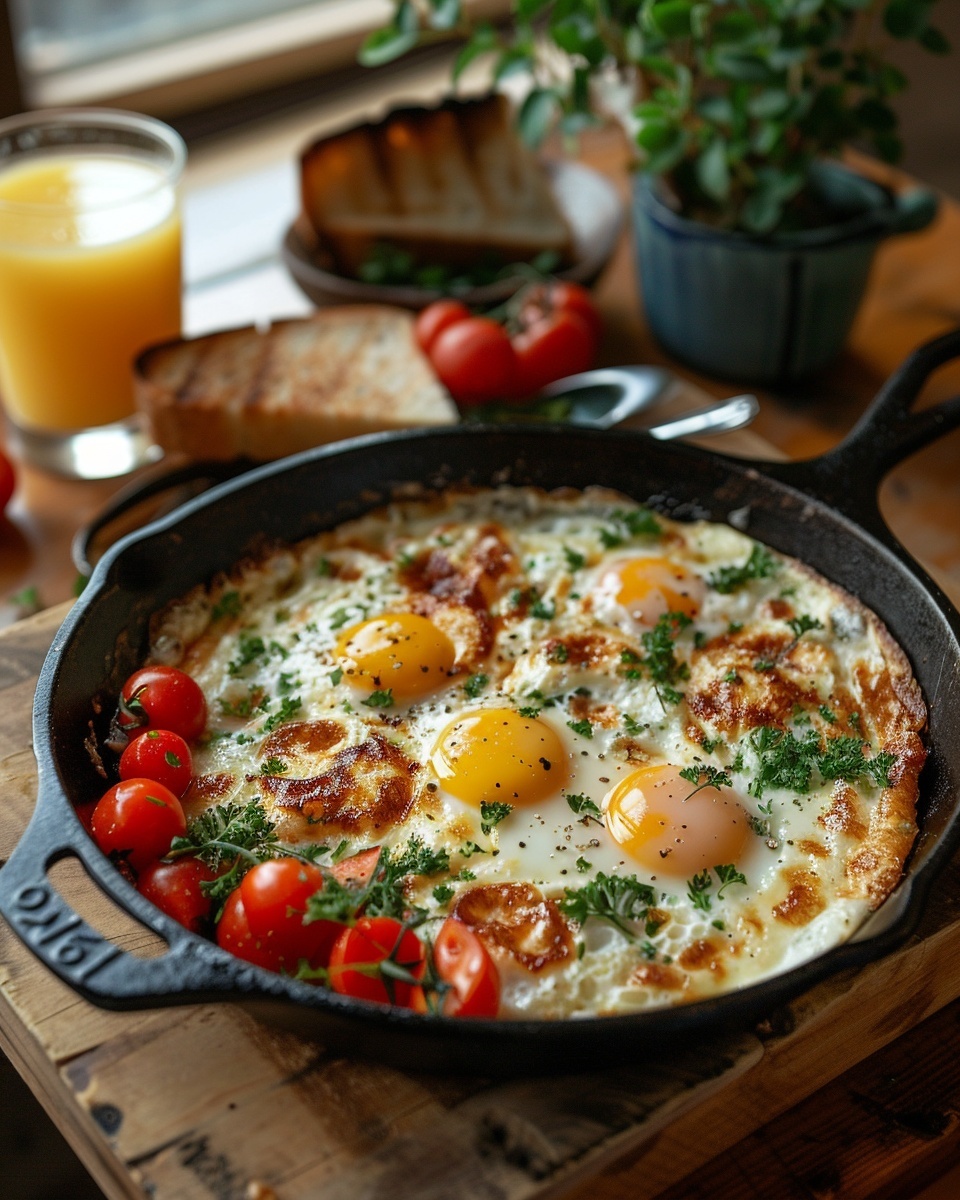
Welcome to my kitchen! Today I’m excited to share with you how to make a delicious breakfast skillet with eggs and veggies. This hearty and nutritious meal is perfect for starting your day with a burst of energy. You don’t need fancy cooking skills or expensive ingredients. Just a good pan and about 20 minutes of your time.
I love this recipe for so many reasons. It’s quick enough for busy weekday mornings but impressive enough for weekend brunch guests. The combination of protein from eggs and nutrients from fresh vegetables keeps me full until lunch. Plus you can customize it based on what’s sitting in your fridge.
This one pan breakfast has saved me countless times when I needed something filling and healthy in a hurry. No more grabbing processed breakfast bars or skipping the most important meal of the day. Making this skillet takes less time than standing in line at a drive-through.
In this article I’ll walk you through everything you need to know. We’ll cover the essential ingredients and how to pick the best ones. You’ll learn my favorite preparation techniques and cooking tips that guarantee perfect results every time. I’ll also share some fun variations to keep things interesting throughout the week.
Gathering Your Ingredients for Your Breakfast Skillet
Let’s start by gathering all the ingredients you’ll need for your breakfast skillet. Having everything ready before you start cooking makes the whole process smoother. Professional chefs call this “mise en place” but I just call it smart planning.
The beauty of a veggie egg skillet is its simplicity. You need fresh eggs as your protein base. I usually use 4 to 6 eggs depending on how many people I’m feeding. Free-range or organic eggs taste better and have richer yolks, but regular eggs work just fine too.
Next comes the star of the show – your vegetables. A variety of colorful vegetables makes your skillet both nutritious and visually appealing. Bell peppers bring sweetness and crunch to the dish. I love using red, yellow, or orange peppers because they add beautiful pops of color. Green peppers work too if that’s what you have.
Onions create the flavor foundation for your skillet. Yellow onions offer a nice balance of sweet and savory. Red onions add a sharper bite and pretty purple color. White onions work in a pinch. Dice them small so they cook evenly.
Spinach is my go-to leafy green for this recipe. It wilts down quickly and doesn’t make the skillet watery. Fresh spinach tastes better than frozen but either works. Baby spinach is tender and doesn’t need chopping. Regular spinach leaves should be roughly chopped first.
Don’t forget your seasonings. Salt and black pepper are essential. I also like adding garlic powder or fresh minced garlic for extra flavor. A pinch of paprika or red pepper flakes adds a nice kick. Fresh herbs like parsley or chives make a great finishing touch.
You’ll need a good cooking fat too. I switch between olive oil and butter depending on my mood. Olive oil is healthier and works great for higher heat. Butter adds rich flavor that makes everything taste better. Some people use coconut oil or avocado oil.
How to Choose the Best Vegetables for a Breakfast Skillet with Eggs and Veggies
Picking quality vegetables makes a huge difference in how your skillet turns out. I learned this lesson the hard way after using sad, wilted produce from the back of my fridge. The dish tasted bland and looked unappetizing.
Look for fresh, firm, and vibrant veggies at your local market or grocery store. Fresh vegetables have better texture, flavor, and nutritional value. They also cook more evenly and look more appetizing on your plate.
When choosing bell peppers, examine the skin closely. It should be smooth, shiny, and tight. Avoid peppers with wrinkles, soft spots, or brown patches. The pepper should feel heavy for its size. This means it’s juicy and fresh inside. The stem should look green and fresh, not dried out or moldy.
For onions, select ones that feel firm and heavy. The outer skin should be dry and papery. Stay away from onions with soft spots, sprouting greens, or strong odors. A good onion shouldn’t smell until you cut it. Store them in a cool, dry place but not in the fridge.
Spinach quality is easy to spot. Fresh spinach leaves should be dark green and perky. Pass on yellowing leaves or slimy bunches. If buying bagged spinach, check the expiration date and look through the bag for any signs of decay. Fresh spinach smells earthy and clean.
Shopping at farmers markets gives you access to the freshest seasonal vegetables. The produce hasn’t traveled far so it retains more nutrients and flavor. You can also ask the farmers for tips on selecting and storing their vegetables. I’ve learned so much from these conversations.
Seasonal vegetables taste better and cost less. In summer, tomatoes and zucchini are perfect additions. Fall brings mushrooms and kale into season. Winter squash works beautifully when diced small. Spring offers asparagus and fresh peas.
Buy organic when possible, especially for vegetables on the “dirty dozen” list. Bell peppers and spinach both make this list because they absorb more pesticides. If organic isn’t in your budget, don’t stress. Washing your vegetables thoroughly removes most surface residues.
Store your vegetables properly to keep them fresh longer. Bell peppers stay crisp in the fridge crisper drawer for up to a week. Keep onions in a cool, dark place with good air circulation. Spinach should go in the fridge in a breathable bag. I put a paper towel in the bag to absorb excess moisture.
Prep your vegetables the night before to save morning time. Chop your peppers and onions and store them together in an airtight container. Wash and dry your spinach. This way you can throw your healthy breakfast skillet together in minutes when you wake up.
Don’t be afraid to mix different vegetables based on what looks good at the store. Mushrooms add an earthy, meaty texture. Cherry tomatoes burst with sweet juice. Zucchini provides mild flavor and extra nutrition. The best vegetables for a breakfast skillet with eggs and veggies are simply the freshest ones you can find.


Preparing the Vegetables
Now that you’ve picked out the best produce, it’s time to get those vegetables ready for cooking. This is where the magic really starts to happen in my kitchen. The way you prepare your vegetables affects both how they cook and how they taste.
Start by giving everything a good wash. I fill my sink with cold water and let the vegetables soak for a minute or two. This removes dirt, pesticide residues, and anything else you don’t want in your breakfast. For spinach, I swish it around in the water and then lift it out instead of draining. This way the grit sinks to the bottom of the sink instead of clinging to your greens.
Here’s the thing about chopping vegetables – size really matters. You want everything cut into similar-sized pieces so they cook at the same rate. Nothing’s worse than crunchy onions mixed with mushy peppers. I learned this the hard way during my first attempt at making a veggie breakfast skillet.
For bell peppers, I slice off the top and bottom first. Then I stand the pepper up and cut down the sides to remove the flesh from the core. This gives me flat pieces that are super easy to dice. I aim for roughly half-inch squares. Some people like bigger chunks but I find smaller pieces distribute better throughout the skillet.
Onions require a different approach. Cut the onion in half from top to root, then peel off the papery skin. Place the flat side down for stability. Make horizontal cuts toward the root without cutting all the way through. Then make vertical cuts the same way. Finally, slice across and watch perfect dice fall away. Your eyes might water but it’s worth it for evenly cooked onions.
Spinach is the easiest of all. If you’re using baby spinach, you don’t need to do anything except wash it. Regular spinach benefits from a rough chop. I stack several leaves, roll them up like a cigar, and slice across. This technique is called chiffonade and it sounds fancy but takes about ten seconds.
By the way, keep your vegetables separate after chopping. Onions take longer to cook than peppers, and peppers need more time than spinach. Adding everything at once is a rookie mistake I made countless times before figuring out the proper timing.
How to season vegetables for a breakfast skillet is something people ask me all the time. The truth is, vegetables need seasoning at different stages for maximum flavor. I season my onions with a pinch of salt as soon as they hit the pan. This draws out moisture and helps them caramelize beautifully.
When the bell peppers go in, I add another small pinch of salt and some black pepper. The salt enhances their natural sweetness. I’m generous with black pepper because I love that little bite it adds. Freshly ground pepper tastes so much better than the pre-ground stuff sitting in your cabinet for who knows how long.
For the spinach, I barely season it at all. Just a tiny sprinkle of salt right before it wilts. Spinach naturally concentrates flavors as it cooks down, so it doesn’t need much. Over-salting at this stage makes the whole dish taste too salty once everything combines.
Garlic powder is my secret weapon for this easy breakfast skillet recipe. I add it to the vegetables about halfway through cooking. Adding it too early makes it burn and taste bitter. Too late and it tastes raw and harsh. Timing is everything with garlic powder.
Fresh herbs go on at the very end or as a garnish. Heat destroys their delicate flavors. I love sprinkling fresh parsley or chives over the finished skillet. It adds a pop of color and fresh taste that dried herbs just can’t match. Sometimes I’ll throw in some fresh basil if I’m feeling Italian-inspired, similar to how I top my homemade breakfast sandwich with egg.
Red pepper flakes are optional but amazing if you like heat. Just a small pinch transforms the dish. I usually put them on the table so people can add their own. My husband loves spice but my kids not so much.
Cooking the Perfect Eggs
Let me tell you about eggs. I’ve probably cooked thousands of eggs in my life and I’m still learning new things. The key to a great breakfast skillet with eggs and veggies is getting those eggs cooked exactly how you like them.
Most people wonder what’s the best way to cook eggs in a breakfast skillet and honestly, it depends on your preference. I’ve tried every method and they all work if you know the tricks. Scrambled eggs mixed right into the vegetables create a cohesive dish where every bite has protein. Fried eggs on top look gorgeous and give you that runny yolk to break over everything. Poached eggs are fancy and impressive for brunch guests.
For scrambled eggs, I crack them into a bowl first and whisk them with a fork. Some people add milk or cream but I prefer just eggs. A tablespoon of water actually works better than milk for fluffy scrambled eggs. The water turns to steam and puffs them up. I push the vegetables to the sides of the pan, pour the eggs in the center, and let them sit for about thirty seconds before stirring.
The stirring technique matters more than you’d think. I use a spatula to gently push the eggs from the edges toward the center. Then I let them sit again. This creates those beautiful soft curds instead of tiny dry pieces. When the eggs are about eighty percent done, I turn off the heat. They’ll finish cooking from residual heat and stay creamy instead of rubbery.
Fried eggs require a different approach entirely. I make little wells in the vegetables by pushing them aside. Then I crack an egg directly into each well. Some people crack eggs into a small bowl first to avoid shells, which is smart if you’re not confident with your cracking skills. I cover the pan with a lid for about two minutes if I want the tops to set without flipping.
Funny enough, the tips for cooking eggs in a breakfast skillet are simpler than most people think. First, use a non-stick pan or a well-seasoned cast iron. Nothing ruins breakfast faster than eggs welded to your pan. I learned this lesson when I tried using a cheap stainless steel pan and spent twenty minutes scrubbing.
Medium heat is your best friend. High heat makes the bottoms brown too fast while the tops stay raw. Low heat takes forever and makes eggs rubbery. Medium heat cooks them gently and evenly. If your eggs are browning within the first minute, your pan is too hot. Turn it down and be patient.
Fat is crucial for good eggs. Whether you use butter, olive oil, or another cooking fat, don’t skimp. I add a little extra fat to the pan right before the eggs go in, even if there’s already some from cooking the vegetables. This ensures they don’t stick and adds richness to every bite.
Here’s a pro tip I wish someone had told me years ago: remove your eggs from the heat before they look done. Eggs continue cooking after you turn off the burner. I take mine off when they still look slightly wet. By the time they hit the plate, they’re perfect. Cooking them until they look done in the pan means they’ll be overcooked by the time you eat them.
The whites should be fully set but still tender. Overcooked egg whites get tough and rubbery. The yolks are personal preference. I love a runny yolk that breaks and creates its own sauce over the vegetables. My kids prefer hard yolks they can cut with a fork. Both are right – cook them how you like them.
If you’re making this healthy breakfast skillet for a crowd, you might want to crack multiple eggs at once. I can handle two eggs at a time before things get chaotic. More than that and I’m scrambling to keep track of which one went in first. Space them out in the pan so they’re not touching. This makes serving easier too.
Sometimes I switch things up completely and make this skillet similar to my blueberry oat pancakes with honey – as a sweet and savory combo by adding a drizzle of honey at the end. Sounds weird but trust me, that sweet-salty thing really works.
For meal prep, scrambled eggs work better than fried. They reheat more evenly and don’t get weird like reheated fried eggs do. I make big batches on Sunday and portion them into containers. Then I have a quick protein-packed breakfast ready to microwave all week. Though honestly, nothing beats a fresh skillet made that morning.
Don’t forget that eggs keep cooking even on the plate. Serve your veggie egg breakfast immediately for best results. The vegetables should be tender but still have a bit of bite. The eggs should be soft and creamy. Together they create this amazing combination that keeps me full until lunchtime, unlike when I just grab a simple yogurt bowl with fruit and granola which leaves me hungry an hour later.
Practice makes perfect with eggs. Don’t get discouraged if your first few attempts aren’t Instagram-worthy. I’ve made some truly ugly breakfast skillets that still tasted delicious. Focus on flavor and texture first. The pretty presentation will come with experience.


Assembling and Serving Your Breakfast Skillet
Alright, this is where everything comes together and your kitchen starts looking like a real cooking show. The assembly part is honestly my favorite because you get to see all your hard work transform into something beautiful. Plus, the smell at this point is absolutely incredible.
If you cooked your eggs separately from the vegetables, now’s the time to bring them together. I like to arrange the veggies as a colorful base across the bottom of the skillet. Then I either nestle the fried eggs on top or gently fold in the scrambled eggs. The key is doing this while everything is still hot so the flavors meld together properly.
Here’s the thing about presentation – even if you’re just feeding yourself on a Tuesday morning, making it look nice actually makes it taste better. I’m not talking about going crazy with fancy plating, but just taking an extra ten seconds to arrange things thoughtfully makes a difference. When I’m serving straight from the skillet for a family breakfast, I make sure the eggs are evenly distributed and the colorful peppers are visible. People eat with their eyes first.
Now let’s talk about the fun part – garnishes. This is where you can really make your breakfast skillet with eggs and veggies sing. A handful of shredded cheese sprinkled over the hot skillet melts beautifully and adds creamy richness. I usually go with sharp cheddar because it has bold flavor, but pepper jack adds a nice kick. Feta cheese crumbles are amazing if you want a Mediterranean vibe.
Sour cream or Greek yogurt dolloped on top adds cool creaminess that contrasts perfectly with the warm vegetables. I prefer Greek yogurt because it’s higher in protein and tastes almost identical to sour cream. A little goes a long way – just a tablespoon or two makes everything feel more indulgent.
Hot sauce is non-negotiable in my house. I keep three different kinds on the table so everyone can choose their own adventure. Sriracha adds garlicky heat. Classic Tabasco brings vinegary brightness. Green chile sauce contributes smoky depth. My husband drowns his portion in hot sauce while I just add a few strategic drops.
Fresh avocado slices transform this into a truly special meal. The buttery texture and mild flavor balance the savory eggs and vegetables perfectly. I usually slice half an avocado per person and fan it out on the side. Sometimes I’ll mash it right into the skillet for a creamier texture throughout.
Salsa is another game-changer. A couple spoonfuls of fresh pico de gallo or your favorite jarred salsa adds brightness and acidity. The tomatoes, onions, and cilantro in salsa complement the cooked vegetables without overwhelming them. Plus it adds moisture if your skillet turned out a bit dry.
Don’t sleep on fresh herbs as a finishing touch. Chopped cilantro, green onions, or chives scattered over the top add visual appeal and fresh flavor. I keep scissors in my kitchen specifically for snipping herbs directly over dishes. It’s faster than chopping and feels very chef-like.
A squeeze of fresh lime juice right before serving brightens all the flavors. I didn’t believe this made a difference until my friend insisted I try it. Now I can’t imagine serving my skillet without that little acidic pop. Lemon works too if that’s what you have.
People always ask me how can I make my breakfast skillet more flavorful and honestly, layering flavors is the secret. Season at every stage of cooking, not just at the end. Use aromatic vegetables like onions and garlic as your base. Add herbs and spices while cooking. Then finish with fresh garnishes that add contrasting flavors and textures.
Toast is a fantastic companion to this dish. I love using crusty bread to soak up any runny yolk or juices from the vegetables. Whole grain toast adds fiber and keeps you full longer. Sometimes I’ll rub a cut garlic clove on the warm toast for extra flavor. Buttered sourdough is my weekend treat.
Serving size matters more than people think. I usually portion about one and a half cups of the veggie mixture per person, topped with one or two eggs. That’s filling without being overwhelming. You want to feel satisfied and energized, not stuffed and sluggish.
Temperature is crucial for enjoyment. This veggie egg breakfast needs to be served hot, straight from the pan. I’ve made the mistake of letting it sit while I did other things, and it just doesn’t taste the same. The eggs get rubbery and the vegetables lose their appeal. Make it, garnish it, serve it – in that order, quickly.
When serving family style, I bring the whole skillet to the table on a trivet. Everyone can dig in and serve themselves. It feels casual and fun, plus there’s one less dish to wash. Just make sure your skillet handle isn’t scorching hot – I’ve warned people about this so many times but someone always forgets.
For a fancier presentation, plate individual portions in shallow bowls. The bowls contain everything nicely and make the dish feel more substantial. I’ll arrange the vegetables first, place the egg on top, then add all my garnishes artfully. This is my go-to method when I’m trying to impress brunch guests.
Garnishing ideas for a breakfast skillet with eggs and veggies are limited only by your imagination. I’ve tried everything from crumbled bacon to pickled jalapeños to crispy fried onions. Some worked better than others, but experimenting is half the fun. Recently I discovered that everything bagel seasoning sprinkled on top is absolutely incredible.
Variations and Customizations
By the way, one of the best things about this recipe is how adaptable it is. Once you master the basic technique, you can riff on it endlessly. I’ve probably made fifty different versions over the years and I’m still coming up with new combinations.
Mushrooms are my favorite vegetable addition. They add meaty texture and earthy flavor that makes the skillet feel more substantial. I use baby bella mushrooms sliced thin and cooked until they release their moisture and start to brown. Shiitake mushrooms are amazing if you want to get fancy. Regular white button mushrooms work perfectly fine too.
Zucchini is brilliant in summer when it’s everywhere. Dice it small and add it with the bell peppers. It cooks quickly and has a mild flavor that doesn’t compete with the other vegetables. Yellow squash works the same way. Just don’t use too much or it’ll make your skillet watery.
Tomatoes bring juicy brightness to the dish. Cherry tomatoes halved and thrown in during the last few minutes of cooking burst and create a light sauce. Regular tomatoes should be seeded and diced to prevent excess liquid. Sun-dried tomatoes add concentrated sweet-tart flavor and chewy texture.
Sweet potatoes turn this into a heartier meal. I dice them really small – like quarter-inch cubes – because they take longer to cook than other vegetables. Sometimes I’ll microwave them for two minutes first to give them a head start. They add natural sweetness and a beautiful orange color.
Kale is tougher than spinach but adds great nutrition and texture. Remove the tough stems and chop it fine. It needs a few extra minutes of cooking compared to spinach. Massage it with a bit of oil and salt before adding to the pan – this breaks down the fibers and makes it more tender.
Different cheese varieties completely change the personality of your skillet. Monterey Jack melts smoothly and has mild flavor. Gouda adds smoky richness. Cotija cheese crumbles don’t melt but add salty, tangy pops of flavor. Parmesan grated over the top brings umami depth.
Spice blends let you take this dish in different cultural directions. Cumin and chili powder make it Southwestern. Italian seasoning with oregano and basil goes Mediterranean. Curry powder creates an Indian-inspired breakfast. Everything bagel seasoning makes it deli-style. Cajun seasoning adds Louisiana flair.
Funny enough, people wonder can I add meat to my breakfast skillet with eggs and veggies more than any other question. The answer is absolutely yes, and it’s delicious. Meat adds protein and makes the dish even more filling. It does change the cooking process slightly, but nothing complicated.
Bacon is the obvious choice and probably the most popular addition. I cook it separately first until crispy, then crumble it over the finished skillet. Cooking bacon in the pan with everything else makes it soggy and releases too much grease. Save that rendered bacon fat though – it’s liquid gold for cooking your vegetables.
Sausage works beautifully in this dish. I prefer chicken or turkey sausage to keep things lighter, but pork sausage is traditional and tastes incredible. Remove it from the casings and cook it first, breaking it into small crumbles. Remove it from the pan, cook your vegetables in the flavorful drippings, then add the sausage back at the end.
Chorizo gives you a spicy, smoky flavor that’s hard to beat. Mexican chorizo needs to be cooked and crumbled like sausage. Spanish chorizo is already cooked so you just dice it and throw it in. Both versions add so much flavor that you barely need other seasonings.
Ham is my easy weekday option. Leftover ham from Sunday dinner gets diced and added to Monday’s breakfast skillet. It’s already cooked so you just warm it through. Deli ham works too – I buy the thick-cut kind and dice it myself rather than using thin slices.
Ground turkey or chicken makes a lighter protein addition. Cook it first with some seasonings until it’s no longer pink. I like to add taco seasoning to ground turkey for a Mexican-inspired skillet. Ground beef works the same way if you prefer it.
Adding meat to a breakfast skillet with eggs and veggies does increase the calories and fat, but it also increases the protein significantly. This keeps you full even longer. I find that when I add meat, I can easily go four or five hours before needing a snack. The United States Department of Agriculture’s MyPlate guidelines recommend building a balanced diet with appropriate portions of protein, vegetables, and whole grains, which this dish achieves beautifully when paired with whole grain toast.
Leftover rotisserie chicken is genius for this. Shred it and add it during the last minute of cooking just to warm through. It saves time and money. The seasoning from the rotisserie chicken adds extra flavor without any effort on your part.
Smoked salmon transforms this into a fancy brunch dish. Don’t cook it – just lay thin slices over the top after everything else is done. Add capers, red onion, and a dollop of cream cheese for a deconstructed bagel vibe. My mother-in-law makes this version and charges her friends for the recipe.
Beans and legumes count as protein too. Black beans or pinto beans make it Southwestern. Chickpeas give it Middle Eastern flair. White beans work for an Italian version. Rinse canned beans well and add them with the vegetables so they warm through.
You can even make this dish fit specific dietary needs. For keto folks, skip any starchy vegetables and load up on cheese and avocado. Whole30 participants can use compliant sausage and skip the cheese. Vegans can replace eggs with tofu scramble – I press extra-firm tofu, crumble it, and season it with turmeric for color.
Honestly, the combinations are endless. Last week I made a Greek version with olives, feta, tomatoes, and oregano. The week before was Tex-Mex with jalapeños, black beans, and pepper jack. This coming weekend I’m planning an Italian one with sun-dried tomatoes, mozzarella, and fresh basil. If you’re looking for more breakfast inspiration, check out my other breakfast recipes for different ways to start your day right.
The beauty of this breakfast skillet with eggs and veggies is that it grows with you. As you get more comfortable with the basic technique, you’ll naturally start experimenting. Some combinations will be home runs. Others might be learning experiences. That’s all part of the fun of cooking.
Don’t be intimidated by the idea of customizing. Start small – maybe just swap spinach for kale one day. Try a different cheese the next time. Add one new vegetable or spice blend. Before you know it, you’ll be creating your own signature versions without even thinking about it.
Making this recipe truly your own turns a simple breakfast into something special. It becomes more than just fuel for your day – it’s a creative outlet, a source of pride, and honestly, a really delicious way to start your morning. So grab whatever looks good at the store, trust your instincts, and make something amazing.
Frequently Asked Questions
How long does it take to make a breakfast skillet with eggs and veggies?
From start to finish, you can have this on the table in about 20 to 25 minutes. If you prep your vegetables the night before, you can cut that down to 15 minutes. The actual cooking time is only about 10 to 12 minutes once everything is chopped. This makes it perfect for busy weekday mornings when you want something nutritious but don’t have a lot of time. It’s faster than going through a drive-through and so much healthier.
Is a breakfast skillet with eggs and veggies suitable for vegetarians?
Absolutely, yes. The basic recipe with eggs and vegetables is completely vegetarian. Just make sure any cheese you add is made with vegetarian rennet if you’re strict about that. Some cheeses use animal rennet, but most grocery stores carry vegetarian versions. You can boost the protein even more by adding beans or extra eggs. This dish provides a great balance of protein from eggs and nutrients from all those colorful vegetables.
Can I use frozen vegetables in my breakfast skillet?
You definitely can, though fresh vegetables give you better texture and flavor. If using frozen, make sure to thaw them completely first and pat them very dry with paper towels. Frozen vegetables release a lot of water when cooked, which can make your skillet soggy. I’d recommend frozen bell peppers and onion blends, which work reasonably well. Skip frozen spinach for this recipe – it’s too watery and doesn’t have the same texture as fresh.
What are some good side dishes to serve with a breakfast skillet?
Toast is my go-to accompaniment – either whole grain or sourdough works great. Fresh fruit on the side adds natural sweetness and balances the savory skillet. Hash browns or breakfast potatoes make it more filling if you’re really hungry. A simple green salad with lemon vinaigrette is surprisingly good with this for brunch. Some people like to serve it with tortillas and make breakfast tacos.
Can I make a breakfast skillet ahead of time?
You can prep components ahead but I don’t recommend cooking it completely in advance. Chop all your vegetables the night before and store them in the fridge. Cook the whole thing fresh in the morning for best results. If you must make it ahead, slightly undercook everything, store it in the fridge, and reheat gently. The eggs won’t be quite as good but it’s still edible and convenient for meal prep.
What’s the best pan to use for a breakfast skillet?
A 10 or 12-inch cast iron skillet is my absolute favorite because it distributes heat evenly and can go from stovetop to oven if needed. Non-stick pans work great too and make cleanup easier, especially for the eggs. Stainless steel works but eggs tend to stick more, so use plenty of fat. Whatever pan you choose, make sure it has a lid if you want to cook the egg tops without flipping them.
How do I keep my breakfast skillet from getting soggy?
The key is not overcrowding your pan and controlling moisture. Cook vegetables in batches if necessary so they can brown instead of steam. Don’t add salt to vegetables until they’re already cooking, or they’ll release too much water. Pat any wet vegetables dry before adding them to the pan. Use fresh spinach instead of frozen, and avoid adding too many watery vegetables like tomatoes or zucchini at once.
Can I make this breakfast skillet dairy-free?
Sure thing. Just skip the cheese and butter, and use olive oil or another plant-based oil for cooking. The dish is still incredibly flavorful without dairy. You can add nutritional yeast for a cheesy flavor without actual cheese. Avocado on top adds creaminess that you might miss from cheese or sour cream. Many people don’t even notice when I make a dairy-free version because the vegetables and seasonings carry so much flavor.
How should I store leftover breakfast skillet?
Let it cool to room temperature, then transfer to an airtight container and refrigerate within two hours of cooking. It’ll keep for three to four days in the fridge. Reheat in a skillet over medium heat with a splash of water or broth to prevent drying out. You can also microwave it, but the eggs get a bit rubbery. I prefer making just what I’ll eat fresh, but leftovers work fine for a quick weekday breakfast.
What vegetables should I avoid in a breakfast skillet?
Avoid really watery vegetables like cucumber or lettuce, which obviously don’t cook well. Very hard vegetables like raw carrots or broccoli need too much cooking time and won’t be done when everything else is ready. If you want to use harder vegetables, blanch them first or dice them super small. Beets work but they’ll turn everything pink, which doesn’t bother me but some people don’t like it. Very delicate vegetables like pea shoots should be added raw at the end as a garnish.
Ingredients
Equipment
Method
- Wash your vegetables thoroughly and dry them well.
- Chop the bell peppers into half-inch squares.
- Dice the onion small for even cooking.
- If using regular spinach, roughly chop it; baby spinach can be used whole.
- Heat olive oil or butter in a cast-iron or non-stick skillet over medium heat.
- Add the diced onion to the skillet and season with a pinch of salt.
- Sauté the onions until they are translucent and fragrant.
- Add the bell peppers to the skillet and season with another pinch of salt and black pepper.
- Cook for a few minutes until the peppers are tender.
- Push the vegetables to the sides of the pan and create wells for the eggs or, alternatively, crack eggs into a bowl and whisk if scrambling.
- For fried eggs, crack an egg into each well and cover the skillet with a lid for two minutes; for scrambled, pour the whisked eggs into the center of the pan.
- Cook until the eggs are set to your desired doneness, then gently fold in the spinach.
- Season the spinach lightly right before it wilts.
- Serve immediately, garnished with fresh herbs, cheese, avocado, hot sauce, or salsa as desired.