
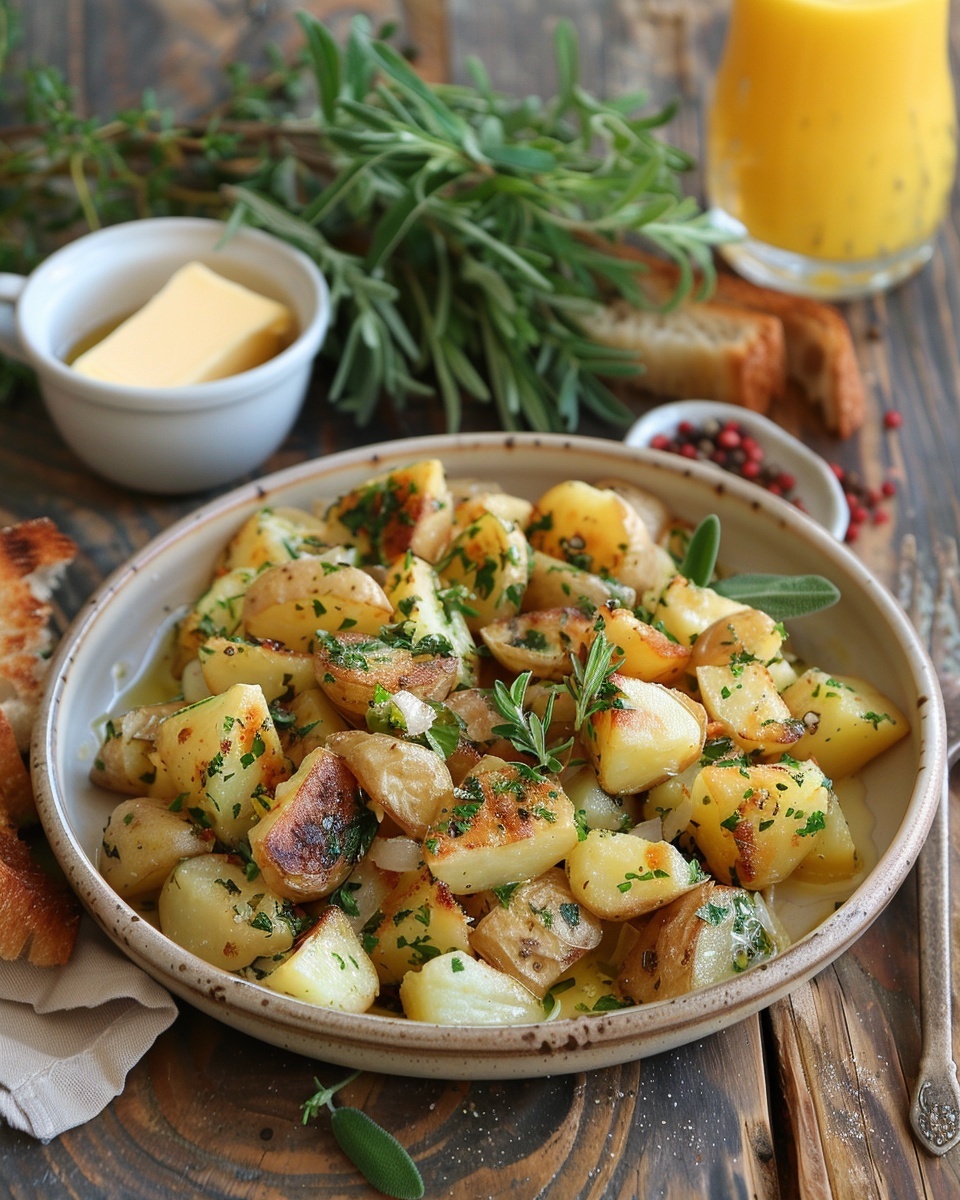
I’ll never forget the morning my grandmother taught me how to make breakfast potatoes in her tiny kitchen. She tossed diced potatoes into a cast-iron skillet and reached for her herb garden jars. “This is where the magic happens,” she said with a wink. That simple act of adding fresh rosemary and thyme transformed ordinary potatoes into something that made the whole house smell incredible. I was hooked from that first crispy, herb-scented bite.
Breakfast potatoes with herbs are one of those dishes that seem basic on the surface but hold tremendous potential. Most of us have made plain breakfast potatoes at some point. They’re fine, sure, but they can taste pretty boring. Adding herbs changes everything. Suddenly, you’ve got layers of flavor that wake up your taste buds along with the rest of you.
The beauty of this dish lies in its simplicity and flexibility. You can make it your own based on what you have in your kitchen or what flavors you’re craving that day. Fresh herbs bring brightness and depth without adding calories or unhealthy ingredients. They also pack vitamins, antioxidants, and anti-inflammatory compounds that turn your breakfast into a more nutritious meal.
This meal works for busy weekday mornings and lazy weekend brunches alike. You can prep the potatoes ahead of time or throw everything together in less than 30 minutes. Pair them with eggs, bacon, fresh fruit, or enjoy them on their own. The versatility makes breakfast potatoes with herbs a go-to recipe worth mastering.
Why Breakfast Potatoes with Herbs Are a Great Choice
Breakfast potatoes have earned their spot on diner menus and brunch tables across the country for good reason. They’re filling, affordable, and satisfying in a way that few breakfast sides can match. There’s something comforting about crispy, golden potatoes that makes any morning feel a bit more special.
The starch in potatoes provides steady energy to fuel your morning. Unlike sugary breakfast options that lead to energy crashes, potatoes digest more slowly and keep you full longer. This makes them practical for people who need sustained energy throughout busy mornings.
When you add herbs to breakfast potatoes, you’re not just improving taste. You’re boosting the nutritional profile significantly. Fresh herbs like parsley, rosemary, thyme, and chives contain vitamins A, C, and K. They also offer minerals like iron and calcium. Rosemary has compounds that may improve memory and concentration. Thyme contains antibacterial properties. Parsley supports kidney function and freshens breath.
The flavor transformation is remarkable. Plain potatoes taste earthy and mild. Add rosemary and you get a pine-like, woody aroma that feels rustic and hearty. Thyme brings a slightly minty, peppery note. Fresh chives offer a gentle onion flavor without overpowering the dish. Parsley adds freshness and helps balance richer, heavier herbs.
You have incredible flexibility when choosing your ingredients. Different potato varieties work well for different textures and flavors:
- Russet potatoes get extra crispy on the outside while staying fluffy inside
- Yukon Gold potatoes have a buttery flavor and creamy texture that holds up well
- Red potatoes keep their shape beautifully and have a slightly sweet, waxy texture
- Purple or fingerling potatoes add visual interest and a nutty flavor
Your herb choices can change the entire character of the dish. Mediterranean herbs like rosemary, thyme, and oregano create a warm, earthy profile. Fresh dill and parsley lean lighter and brighter. Sage brings an almost savory, thanksgiving-like quality. Cilantro and chives add a fresh, garden-style taste.
You can also mix and match based on the season. Summer calls for lighter herbs like basil and mint. Fall and winter work well with heartier rosemary and sage. Spring invites fresh chives and tarragon. This seasonal flexibility means you’ll never get bored with the recipe.
What is the Secret to Good Breakfast Potatoes?
After years of testing and tasting, I’ve learned that amazing breakfast potatoes come down to a few key techniques. The secret isn’t complicated, but it makes all the difference between soggy, bland potatoes and crispy, flavorful ones.
First, start with dry potatoes. This is critical. After you cut your potatoes, rinse them to remove excess starch, then pat them completely dry with paper towels or a clean kitchen towel. Moisture is the enemy of crispiness. Wet potatoes will steam instead of brown, leaving you with mushy results.
Second, don’t crowd the pan. When potatoes sit too close together, they release steam that gets trapped. This creates a humid environment that prevents browning. Give each piece some breathing room. Cook in batches if you need to rather than piling everything into one pan.
Third, use enough fat. Whether you prefer olive oil, butter, bacon grease, or a combination, don’t skimp. The fat helps conduct heat evenly and promotes that golden, crispy exterior we all crave. About two to three tablespoons per pound of potatoes works well.
Fourth, get the pan hot before adding potatoes. A properly heated pan sears the outside quickly, creating a crust that locks in moisture and flavor. If you add potatoes to a cold pan, they’ll absorb oil and turn greasy.
Fifth, resist the urge to stir constantly. Let the potatoes sit undisturbed for several minutes so they can develop a crispy crust. Flip them only when they release easily from the pan. This usually takes about four to five minutes per side.
Finally, add fresh herbs at the right time. Dried herbs can go in earlier because they need time to rehydrate and release flavor. Fresh herbs should go in during the last few minutes of cooking. This preserves their bright color and fresh taste. Add them too early and they’ll burn and turn bitter.
Are Breakfast Potatoes OK for Diabetics?
This question comes up often, and the answer is more positive than many people expect. Potatoes have gotten a bad reputation in diabetes communities, but they can absolutely fit into a diabetic-friendly breakfast when prepared thoughtfully.
Potatoes do contain carbohydrates, which affect blood sugar levels. A medium potato has about 35 grams of carbs. That sounds high, but context matters. How you prepare potatoes and what you eat with them changes their impact on blood sugar significantly.
The glycemic index (GI) measures how quickly foods raise blood sugar. Cooking method affects potato GI dramatically. Boiled potatoes have a higher GI than roasted or fried ones. Letting cooked potatoes cool before eating actually lowers their GI because some of the starch converts to resistant starch, which digests more slowly.
Adding healthy fats to your breakfast potatoes helps slow digestion and moderate blood sugar spikes. Olive oil, avocado oil, or a small amount of butter creates a more balanced meal. Pairing potatoes with protein like eggs or turkey sausage further stabilizes blood sugar response.
The herbs you add also help. Some herbs have compounds that may improve insulin sensitivity and blood sugar control. Rosemary contains carnosic acid, which research suggests may help regulate glucose metabolism. Cinnamon, while not traditional for savory breakfast potatoes, can be added to sweet potato versions and has well-documented blood sugar benefits.
Portion control matters for everyone, especially people managing diabetes. A reasonable serving is about one cup of cooked potatoes. This provides satisfaction and energy without overwhelming your carbohydrate budget for the meal.
Choosing the right potato variety can help too. Sweet potatoes have a lower glycemic index than white potatoes and contain more fiber. Red and purple potatoes have antioxidants that may offer additional health benefits. Leaving the skin on adds fiber, which slows digestion and improves blood sugar response.
The bottom line is that diabetics don’t need to avoid breakfast potatoes entirely. Smart preparation methods, reasonable portions, and pairing with protein and healthy fats make them a viable option. As always, individuals should monitor their own blood sugar response and consult with healthcare providers about their specific dietary needs.


Now that you understand the health considerations and techniques, it’s time to talk about the foundation of this dish: picking the right potatoes and matching them with perfect herbs.
Selecting the Right Potatoes
Walking through the produce section, staring at five different types of potatoes, can feel overwhelming. I used to just grab whatever was cheapest. Big mistake. The potato variety you choose completely changes the final result of your breakfast potatoes with herbs.
Here’s what I’ve learned about each type. Russet potatoes are the workhorses of the potato world. They’re high in starch and low in moisture, which means they crisp up beautifully on the outside while staying light and fluffy inside. When I want that classic diner-style breakfast potato with maximum crunch, I reach for russets every time. They absorb flavors wonderfully, so they soak up herb-infused oils like a dream. The downside? They can fall apart if you’re not careful with them. Cut them into larger chunks and handle them gently when flipping.
Yukon Gold potatoes are my personal favorites for weekend brunches. They have this naturally buttery flavor that makes you think you added more fat than you actually did. The texture lands somewhere between waxy and starchy, giving you a creamy interior with a golden, crispy exterior. They hold their shape better than russets, so you can cut them smaller without worrying they’ll turn to mush. I love how they look too—that yellow flesh just seems more appetizing on the plate.
Red potatoes bring a completely different vibe. They’re waxy, which means they stay firm and hold their shape no matter what you do to them. The skin is thin and tender, so there’s no need to peel them. Just scrub and dice. They have a slightly sweet, earthy taste that pairs wonderfully with lighter herbs like chives and parsley. Red potatoes don’t get as crispy as russets, but they develop these amazing caramelized spots that taste incredible. They’re also gorgeous when mixed with other varieties for a colorful presentation.
Then you’ve got the specialty options. Purple potatoes aren’t just Instagram-worthy; they contain anthocyanins, the same antioxidants found in blueberries. They taste nutty and earthy, almost like chestnuts. Fingerling potatoes are small, elongated, and come in various colors. They’re naturally bite-sized, so you can roast them whole or halved. Their creamy texture and subtle flavor make them excellent carriers for bold herbs like rosemary and thyme.
When I’m at the store selecting potatoes, I follow a few simple rules. First, I look for firm potatoes without soft spots, wrinkles, or sprouts. Sprouted potatoes aren’t dangerous in small amounts, but they’ve converted sugars to starch and won’t taste as good. I avoid potatoes with a green tint, which indicates solanine, a mildly toxic compound that develops when potatoes are exposed to light.
Size consistency matters more than you might think. When potatoes are roughly the same size, they cook at the same rate. Nothing’s worse than having half your potatoes perfectly done while the other half is either raw or burnt. I usually pick medium-sized potatoes that fit comfortably in my palm.
By the way, if you’re meal prepping for the week, different potato varieties store differently. Russets and Yukon Golds keep well in a cool, dark place for weeks. Red and purple potatoes have thinner skins and shorter shelf lives, so use them within a week or two of purchase. Never refrigerate raw potatoes—the cold converts their starches to sugars, making them taste weird and causing them to brown too quickly when cooked.
One trick I picked up from a chef friend: if you’re mixing potato varieties in one batch, cut the starchier ones slightly larger than the waxier ones. This helps them finish cooking at the same time since starchy potatoes cook faster. It’s a small detail that makes a noticeable difference.
Herb Selection and Combinations
Choosing herbs for your breakfast potatoes feels a bit like being a DJ mixing tracks. Each herb has its own personality, and the magic happens when you blend them in the right proportions. After serving breakfast potatoes to friends who insist they don’t like herbs, then watching them go back for thirds, I’ve learned which combinations work best.
Rosemary is the bold, confident herb that takes charge of any dish. It has this piney, almost resinous flavor that smells like a Mediterranean hillside. When you chop fresh rosemary and toss it with hot potatoes, the oils release and create an aroma that makes everyone wander into the kitchen asking what’s cooking. I use rosemary when I want the potatoes to feel hearty and substantial. It pairs beautifully with garlic and works especially well with russet or Yukon Gold potatoes. The key is not to overdo it—rosemary can be overpowering. One tablespoon of finely chopped fresh rosemary is plenty for about two pounds of potatoes.
Thyme is rosemary’s gentler cousin. It has a subtle, earthy flavor with hints of mint and lemon. Unlike rosemary, which announces itself loudly, thyme works in the background, adding complexity without dominating. I love thyme with red potatoes because both have that slightly sweet quality. Fresh thyme leaves are tiny, so I strip them off the woody stems and sprinkle them generously. Thyme also pairs wonderfully with butter, so if you’re finishing your potatoes with a pat of grass-fed butter, add thyme.
Parsley is the underrated hero of the herb world. People dismiss it as just a garnish, but fresh parsley brings a bright, peppery freshness that cuts through the richness of fried potatoes. It also has this clean, grassy flavor that makes the whole dish taste lighter. I always add parsley at the very end—literally in the last 30 seconds of cooking—to preserve its vibrant green color and fresh taste. Flat-leaf parsley has more flavor than curly parsley, though both work fine. For a breakfast that feels fresh and energizing, especially when you’re also serving something like a refreshing fruit smoothie, parsley is your friend.
Chives bring a mild onion flavor without any of the harshness. They’re perfect for people who find raw onions too aggressive for breakfast. I snip fresh chives with kitchen scissors right over the finished potatoes. They add these beautiful green flecks and a subtle sharpness that wakes up your palate. Chives are also fantastic when you’re serving breakfast potatoes alongside eggs because the flavors complement each other naturally.
Here’s the thing about herb combinations: you want contrast and balance. Pairing two bold herbs like rosemary and sage can be overwhelming. Instead, combine one strong herb with one or two milder ones. My go-to combination is rosemary and parsley. The rosemary provides depth and warmth, while the parsley adds brightness. Another winning combo is thyme, chives, and a tiny bit of fresh dill. This creates a more delicate, garden-fresh flavor profile that works beautifully with lighter breakfast options.
Funny enough, I discovered my favorite combination by accident. I was making breakfast potatoes for a brunch party and grabbed what I thought was parsley from my herb garden. It was actually cilantro. I panicked for a second, then added some lime zest and a pinch of cumin. Those potatoes disappeared faster than anything else on the table. Now I make “Southwest breakfast potatoes” regularly with cilantro, a squeeze of lime, and just a whisper of smoked paprika. They’re amazing alongside a cheesy breakfast quesadilla.
Sage is another herb worth mentioning, though it’s polarizing. Some people love its earthy, slightly peppery flavor. Others find it too medicinal. If you’re a sage fan, it pairs exceptionally well with butter and creates an almost Thanksgiving-like flavor. Just use it sparingly—two or three fresh leaves, chopped fine, is enough for a large batch of potatoes.
Fresh versus dried herbs is a question I get constantly. For breakfast potatoes, fresh herbs win almost every time. The bright, vibrant flavors of fresh herbs bring life to the dish in ways dried herbs can’t match. That said, dried herbs aren’t useless. If fresh isn’t available, use about one-third the amount of dried herbs and add them earlier in the cooking process so they have time to rehydrate and bloom. Dried rosemary and thyme work better than dried parsley or chives, which lose most of their flavor when dried.
One technique I learned from a cooking class: create an herb oil. Warm your cooking oil gently with whole herb sprigs for a few minutes before adding the potatoes. This infuses the oil with herb flavor. Remove the sprigs, then cook your potatoes in that fragrant oil. Finish with fresh chopped herbs at the end. This double-herb technique creates incredible depth of flavor.
Seasonal herb choices keep things interesting. In spring, I lean toward chives, tarragon, and parsley for a light, fresh taste. Summer calls for basil and even a bit of mint, which sounds weird but actually works with smaller, sweeter potatoes. Fall and winter bring out the rosemary, sage, and thyme. This seasonal rotation means your breakfast potatoes never get boring, unlike that sad bowl of granola you’ve been eating every morning for three months.
Growing your own herbs might seem like extra work, but it’s honestly one of the best investments for your cooking. A few pots on a sunny windowsill give you fresh herbs year-round. Rosemary, thyme, and chives are practically indestructible. Even if you kill every plant you touch, you can probably keep these alive. The flavor difference between grocery store herbs and ones you snipped 30 seconds ago is remarkable.


Preparing and Cooking Breakfast Potatoes with Herbs
Here’s where theory meets practice. I’m going to walk you through the exact process I use every time I make breakfast potatoes with herbs. This isn’t complicated, but the order of steps matters more than you’d think.
Start with cleaning your potatoes thoroughly. Even if you’re planning to peel them, give them a good scrub under cold running water. I use a vegetable brush to remove any dirt hiding in the eyes and crevices. If you’re keeping the skins on—which I recommend for both nutrition and flavor—this step becomes even more important. Nobody wants gritty potatoes.
Next comes the cutting. This is where many people mess up without realizing it. Aim for uniform pieces, roughly three-quarters of an inch cubed. When pieces are the same size, they cook evenly. I learned this the hard way after serving potatoes where half were perfectly crispy and the other half were still crunchy in the middle. Not my finest moment. Use a sharp knife and take your time. Dull knives slip and make uneven cuts, plus they’re actually more dangerous than sharp ones.
After cutting, here’s the step most people skip: the rinse and dry. Place your cut potatoes in a large bowl and cover them with cold water. Swish them around with your hands. You’ll see the water turn cloudy—that’s excess starch washing away. Drain and repeat until the water runs mostly clear. This starch removal is what allows the exterior to crisp up properly. Then comes the critical part: dry them completely. I spread mine on a clean kitchen towel, roll it up gently, and press down. Some people use paper towels. Either way, get them as dry as possible. I can’t stress this enough.
Now for seasoning the raw potatoes. In a large bowl, toss your dried potato cubes with olive oil or your chosen fat. I use about two tablespoons per pound of potatoes. Add salt and pepper at this stage—about three-quarters of a teaspoon of salt and half a teaspoon of black pepper per pound. Some people wait to salt until the end, but I find that seasoning before cooking allows the flavors to penetrate better. If you’re using dried herbs, add them now too. Fresh herbs wait until later.
Let’s talk cooking methods because each one creates a different result. Pan-frying is my weekday go-to. Heat a large cast-iron or heavy-bottomed skillet over medium-high heat. Add a tablespoon of oil and let it shimmer. Add your seasoned potatoes in a single layer—don’t crowd them. This is where patience becomes a virtue. Let them sit undisturbed for about five minutes. You’ll hear them sizzle and smell them starting to brown. When the bottoms release easily from the pan and look golden brown, flip them with a spatula. Continue cooking, flipping occasionally, until all sides are crispy and the potatoes are tender when pierced with a fork. Total time runs about 20 to 25 minutes. Add fresh herbs in the last two minutes of cooking, tossing them through the hot potatoes so their oils release.
Roasting is my weekend method because it’s more hands-off. Preheat your oven to 425 degrees Fahrenheit. Spread your seasoned potatoes on a large baking sheet in a single layer. Again, don’t overcrowd—use two pans if needed. Roast for about 30 to 35 minutes, flipping them halfway through. The high heat caramelizes the outsides beautifully while the inside becomes creamy. I like to crank the heat up to 450 for the last five minutes to get extra crispiness. Toss with fresh herbs immediately after removing from the oven while the potatoes are still hot enough to release the herb oils.
By the way, I recently discovered grilling breakfast potatoes, and it’s been a game-changer for summer brunches. Parboil your potato chunks for about seven minutes until they’re just starting to become tender but still firm. Drain and dry them thoroughly. Toss with oil and seasonings, then place them in a grill basket. Cook over medium-high heat, shaking the basket every few minutes, until they’re charred and crispy, about 15 to 20 minutes. The smoky flavor adds this incredible dimension that you just can’t get from stovetop cooking. Fresh herbs go on right before serving.
Here’s a technique I picked up from a brunch restaurant I worked at during college: the double-cook method. Boil your cut potatoes for exactly eight minutes, then drain and let them steam-dry in the colander for five minutes. This creates a roughed-up surface that gets incredibly crispy when pan-fried. Funny enough, the chef who taught me this said the steam-drying step was the real secret. Those extra five minutes let moisture evaporate completely and the surfaces get slightly fluffy, which creates more texture to crisp up.
Temperature control makes or breaks your potatoes. Too low and they’ll absorb oil and turn greasy without crisping. Too high and they’ll burn on the outside while staying raw inside. Medium-high heat works for most stovetops, but you might need to adjust based on your specific equipment. When in doubt, test one potato piece first. If it sizzles immediately when it hits the pan, your temperature is right.
Adding and mixing herbs requires some finesse. For woody herbs like rosemary and thyme, I have two options. You can chop them finely and toss them with the potatoes in the last few minutes of cooking. Or you can leave whole sprigs in the pan while cooking, letting them infuse their flavor into the oil, then remove them before serving and finish with fresh chopped herbs. I usually do the latter when I want a subtler herb presence and the former when I want bold, in-your-face herb flavor.
Delicate herbs like parsley, chives, basil, and cilantro should always go in at the very end. Literally turn off the heat, add the herbs, toss everything together, and serve. These herbs contain volatile oils that dissipate quickly when heated. Adding them too early means you lose that fresh, bright flavor you’re after.
One trick that elevates everything: garlic herb butter finish. When your potatoes are about two minutes from being done, add a tablespoon of butter to the pan along with minced garlic and your fresh herbs. The butter melts, the garlic becomes fragrant, and everything coats the potatoes in this glossy, flavorful finish. It’s restaurant-quality with minimal extra effort.
Serving Suggestions and Variations
Breakfast potatoes with herbs are incredibly versatile. They play well with just about everything on a breakfast table, but some combinations are absolutely perfect.
The classic pairing is eggs and potatoes. Whether you prefer scrambled, fried, poached, or an omelet, crispy herb potatoes provide the perfect textural contrast to soft eggs. I like to serve my potatoes on the same plate so the runny yolk from a sunny-side-up egg can mingle with the crispy potato edges. It creates this delicious sauce that’s better than anything you could make intentionally. If you’re going with scrambled eggs, add a sprinkle of cheese and maybe some diced tomatoes. The fresh, juicy tomatoes cut through the richness of eggs and potatoes beautifully.
Bacon or sausage alongside herb potatoes creates a satisfying, protein-rich breakfast that keeps you full for hours. The smoky, salty meat flavors complement the earthy herbs perfectly. If you’re cooking bacon first, save a tablespoon of the rendered fat to cook your potatoes in. That bacon flavor infuses right into the potatoes and tastes incredible.
For lighter fare, serve your potatoes with fresh fruit and toast. This balanced approach gives you carbs, a touch of protein from the potatoes, vitamins from the fruit, and satisfaction from the crispy, savory elements. I especially like this combination when I’ve used lighter herbs like parsley and chives that won’t overpower delicate fruit flavors.
Now let’s talk variations because this is where things get really fun. Cheesy herb potatoes happen when you sprinkle shredded cheddar, gruyere, or parmesan over your potatoes in the last minute of cooking. The cheese melts into the crevices and creates these incredible crispy bits. Add chives and you’ve basically got loaded baked potato flavors in breakfast form.
Onions and bell peppers turn your breakfast potatoes into a heartier dish. Dice the vegetables to roughly the same size as your potatoes. Add the onions when your potatoes are about halfway done—they need less time to cook. Bell peppers go in about five minutes before the potatoes finish. This creates a hash-like dish that’s colorful and packed with vegetables. I love using red and yellow peppers for visual appeal, but green peppers have that classic diner taste if you’re feeling nostalgic.
Here’s a variation I stumbled on during a camping trip: breakfast potato nachos. Make a big batch of crispy breakfast potatoes and spread them on a baking sheet. Top with shredded cheese, diced tomatoes, jalapeños, and green onions. Broil until the cheese melts. Serve with sour cream, salsa, and maybe some scrambled eggs on top. It’s ridiculous and delicious and everyone always asks for the recipe.
Southwest-style potatoes get a sprinkle of cumin, smoked paprika, and a pinch of cayenne along with cilantro and lime. These work beautifully alongside breakfast tacos or quesadillas. The bright, spicy flavors wake up your taste buds in the best way.
Mediterranean herb potatoes use oregano, rosemary, and thyme with a squeeze of lemon at the end. Sometimes I add kalamata olives and crumbled feta cheese. These feel fancier and work well for weekend brunch when you’re trying to impress guests.
Don’t limit breakfast potatoes to breakfast. They make an excellent side dish for dinner too. Serve them alongside roasted chicken, grilled steak, or fish. The herb combinations you choose can complement your main dish—rosemary potatoes with lamb, dill potatoes with salmon, or thyme potatoes with roasted vegetables.
Leftover breakfast potatoes are actually a blessing. Reheat them in a hot skillet with a bit of oil until they crisp up again. Use them as a base for a breakfast bowl topped with a fried egg and avocado. Toss them into an omelet or frittata. Mix them into a breakfast burrito. Chop them up and add to soup for extra heartiness. I’ve even turned leftover breakfast potatoes into potato pancakes by mashing them roughly, mixing with an egg and a bit of flour, and pan-frying into crispy patties.
If you’re focusing on clean eating habits, breakfast potatoes fit right in when you use quality ingredients and moderate portions. Real, whole foods cooked simply with fresh herbs check all the boxes.
For those mornings when you want something truly special, create a breakfast potato bar. Make a large batch of crispy potatoes and set out bowls of toppings: different cheeses, herbs, sour cream, salsa, diced vegetables, hot sauce, and cooked proteins. Everyone builds their own perfect plate. This works wonderfully for feeding a crowd without having to take individual orders. If you’re looking for more inspiration for your morning meals, check out other creative ideas in our breakfast recipe collection to round out your brunch spread.
One last variation worth mentioning: sweet potato breakfast hash. Use the same techniques with cubed sweet potatoes instead of regular ones. They take a few extra minutes to cook through but develop this incredible caramelized sweetness. Add sage and a tiny drizzle of maple syrup at the end for something that walks the line between sweet and savory in the most delicious way.
The beauty of breakfast potatoes is that once you master the basic technique, the variations are limited only by your creativity and what’s in your fridge. Don’t be afraid to experiment with different herb combinations, add-ins, and seasonings until you find your signature version.
I hope these recipes and techniques inspire you to make breakfast potatoes with herbs part of your regular rotation. There’s something deeply satisfying about creating a simple dish that tastes restaurant-quality in your own kitchen. The crispy edges, the tender centers, the burst of fresh herb flavor—it all comes together to make mornings feel a little more special. Try different combinations, trust your instincts, and enjoy the process of making something delicious for yourself and the people you care about.
Frequently Asked Questions
What herbs go well with breakfast potatoes?
Rosemary, thyme, parsley, and chives are the classic choices that work beautifully with breakfast potatoes. Rosemary brings a bold, piney flavor that pairs well with the earthiness of potatoes. Thyme adds subtle complexity with its slightly minty notes. Parsley brightens everything up with its fresh, peppery taste. Chives offer a mild onion flavor that’s perfect for morning meals. You can also experiment with sage, oregano, dill, or even cilantro depending on the flavor profile you’re going for. The key is balancing bold herbs with milder ones so no single flavor overwhelms the dish.
What is the secret to good breakfast potatoes?
The secret lies in three critical steps: drying your potatoes completely after cutting them, using enough fat for proper browning, and not overcrowding your pan. Moisture is the enemy of crispiness, so pat those potatoes dry thoroughly. Give them space in the pan so steam can escape rather than making them soggy. Also, resist the urge to constantly stir—let them sit undisturbed long enough to develop a golden crust. Finally, add fresh herbs at the very end of cooking to preserve their bright flavor and aroma.
Which herbs go best with potatoes?
Woody herbs like rosemary, thyme, and sage complement potatoes exceptionally well because their robust flavors can stand up to the hearty nature of potatoes. Fresh parsley adds brightness and balance. Chives bring subtle onion notes without being overpowering. Dill works wonderfully with smaller, sweeter potatoes. For Mediterranean flavors, oregano is excellent. The best combinations usually include one strong herb paired with one or two lighter herbs for balance and complexity. Your personal taste and the other foods you’re serving should guide your choices.
Are breakfast potatoes ok for diabetics?
Yes, diabetics can enjoy breakfast potatoes when prepared thoughtfully and eaten in appropriate portions. The key is pairing them with protein and healthy fats to slow digestion and moderate blood sugar response. Cooking methods matter too—roasting or pan-frying creates a lower glycemic response than boiling. Keeping the skin on adds fiber, which helps stabilize blood sugar. A reasonable portion is about one cup of cooked potatoes. Adding herbs like rosemary may even help with glucose metabolism. As always, individuals should monitor their own blood sugar response and consult healthcare providers about their specific dietary needs.
Can I make breakfast potatoes ahead of time?
Absolutely, and it’s a great time-saver for busy mornings. You can cut and rinse your potatoes the night before, then store them in cold water in the refrigerator. Just make sure to drain and dry them thoroughly before cooking. You can also fully cook the potatoes ahead, refrigerate them, and reheat in a hot skillet with a bit of oil until crispy again. They won’t be quite as crispy as fresh-made, but they’re still delicious. Some people even parboil their potatoes in advance and finish them in the pan when ready to serve.
Should I peel potatoes for breakfast potatoes?
That’s entirely up to your preference, but I usually leave the skins on for several reasons. The skin adds fiber, vitamins, and minerals that boost the nutritional value. It also contributes texture and helps the potatoes hold their shape during cooking. Plus, it saves time. If you’re using thin-skinned varieties like red, Yukon Gold, or fingerling potatoes, the skin is tender and pleasant to eat. Just scrub them well before cutting. If you prefer peeled potatoes or are using russets with thicker skins, go ahead and peel them.
How do I keep breakfast potatoes from sticking to the pan?
Make sure your pan is properly heated before adding the potatoes, and use enough fat—about two to three tablespoons per pound of potatoes. A well-seasoned cast-iron skillet or a good non-stick pan helps tremendously. Most importantly, let the potatoes develop a crust before trying to flip them. If they’re sticking, they’re not ready to turn yet. Wait another minute or two and they should release easily. Adding potatoes to a cold pan or moving them around too frequently causes sticking and prevents proper browning.
What oil is best for cooking breakfast potatoes?
Olive oil is my first choice for its flavor and health benefits, but it has a lower smoke point so watch your heat. Avocado oil works great if you’re cooking at higher temperatures since it can handle the heat without breaking down. Vegetable or canola oil are neutral options that won’t interfere with herb flavors. Butter adds wonderful flavor but burns easily, so many people use a combination of butter and oil. Bacon fat or duck fat create incredibly flavorful potatoes if you’re not worried about keeping things vegetarian or heart-healthy.
How long do cooked breakfast potatoes last in the fridge?
Properly stored in an airtight container, cooked breakfast potatoes will keep in the refrigerator for three to five days. Make sure they’ve cooled completely before refrigerating to prevent condensation, which makes them soggy. When you’re ready to eat them, reheat in a hot skillet with a bit of oil to restore crispiness. You can also freeze cooked breakfast potatoes for up to three months, though the texture won’t be quite as good as fresh. Thaw in the refrigerator overnight before reheating.
Can I use dried herbs instead of fresh for breakfast potatoes?
You can, but the flavor won’t be quite as bright and vibrant. If using dried herbs, use about one-third the amount called for in fresh herbs since dried herbs are more concentrated. Add them earlier in the cooking process so they have time to rehydrate and release their flavors. Dried rosemary and thyme work reasonably well, but dried parsley and chives lose most of their flavor and aren’t worth using. If fresh herbs aren’t available, consider using dried herbs during cooking and finishing with a squeeze of lemon or a sprinkle of garlic powder to add brightness.
Ingredients
Equipment
Method
- Clean the potatoes thoroughly under cold running water, scrubbing off dirt.
- Cut the potatoes into uniform pieces, about three-quarters of an inch cubed.
- Rinse the cut potatoes in a bowl of cold water until the water runs mostly clear to remove excess starch.
- Drain and dry the potatoes completely using a clean kitchen towel or paper towels.
- Toss the dried potato cubes with olive oil, salt, pepper, and, optionally, dried herbs.
- For pan-frying: Heat a large skillet over medium-high heat and add oil. Add the seasoned potatoes in a single layer and cook undisturbed for about 5 minutes.
- Flip the potatoes when golden brown and continue cooking, flipping occasionally, until all sides are crispy and the potatoes are tender (20-25 minutes).
- Add fresh herbs during the last 2 minutes of cooking and toss to combine.
- For roasting: Preheat oven to 425°F. Spread seasoned potatoes on a baking sheet in a single layer and roast for 30-35 minutes, flipping halfway through.
- For grilling: Parboil potato chunks for 7 minutes, drain, toss with oil and seasonings, and cook in a grill basket over medium-high heat for 15-20 minutes, shaking occasionally.