
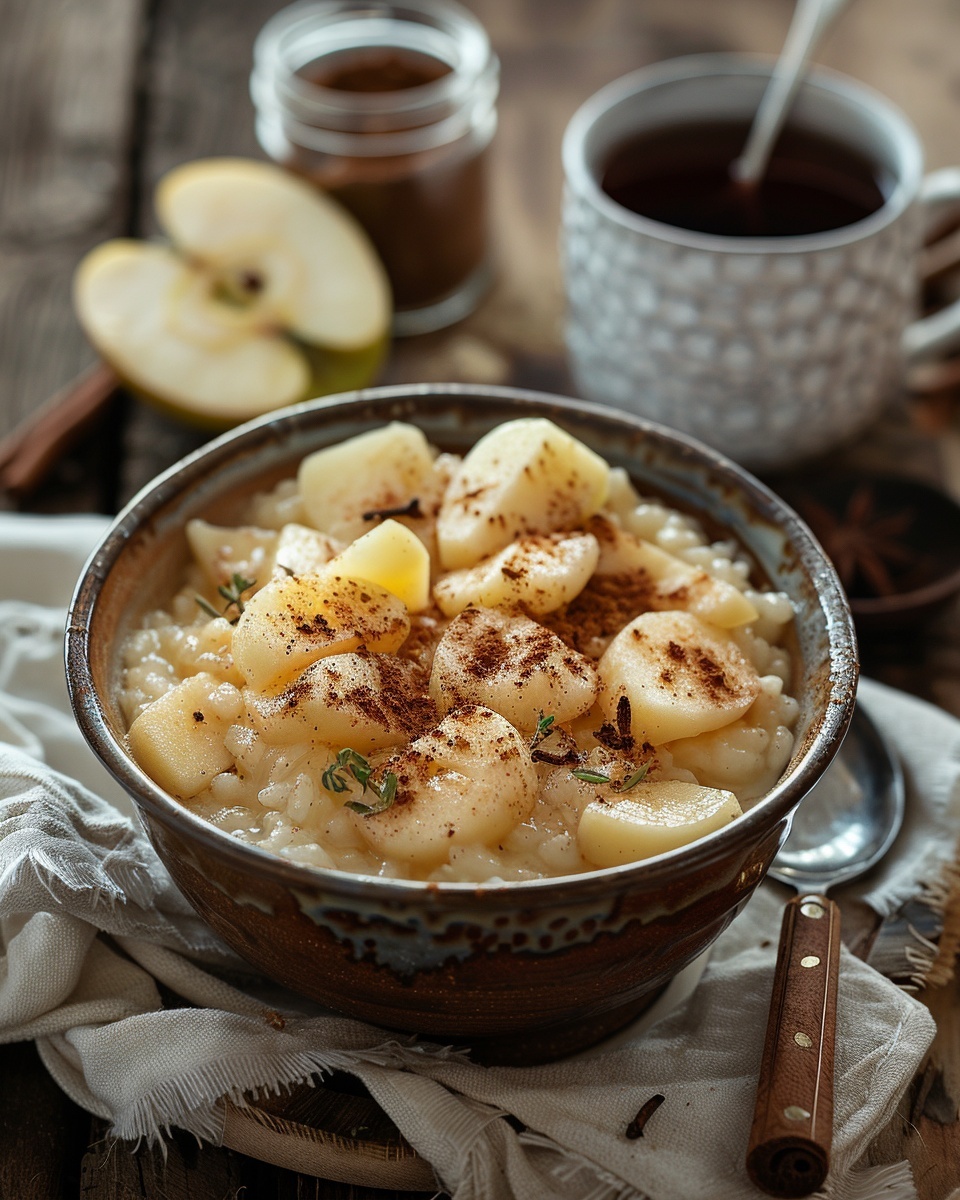
Introduction: My Love for Warm Cinnamon Rice Pudding
I still remember coming home from school on cold winter afternoons to find my grandmother stirring a big pot on the stove. The smell of cinnamon and vanilla would fill the entire house. That creamy, sweet warm cinnamon rice pudding became my ultimate comfort food. Now, decades later, I make it for my own family whenever we need a cozy treat.
If you’ve never tried making rice pudding at home, you’re missing out on one of the easiest and most satisfying desserts. This classic dish transforms simple ingredients into something magical. The creamy texture wraps around tender rice grains while cinnamon adds warmth and spice. It’s the kind of dessert that makes you feel like someone is giving you a warm hug.
I’m here to share everything I’ve learned about making the perfect warm cinnamon rice pudding. We’ll cover the basics, explore common mistakes, and I’ll give you my best tips for success. Whether you’re new to cooking or just looking to improve your pudding game, this guide will help you create a dessert your family will request again and again.
Understanding the Basics of Warm Cinnamon Rice Pudding
Warm cinnamon rice pudding is a creamy dessert made by slowly cooking rice in milk until it becomes soft and the mixture thickens. Sugar adds sweetness while cinnamon provides that signature warm flavor. The result is a comforting bowl of pure bliss that tastes like childhood memories and cozy evenings.
The beauty of this dessert lies in its simplicity. You only need a handful of basic ingredients that most people already have in their pantry. The magic happens during the slow cooking process when everything comes together into one smooth, creamy dish.
The key ingredients you’ll need are rice, milk, sugar, cinnamon, and a pinch of salt. Some recipes add vanilla extract, butter, or eggs for extra richness. I like to keep things simple and let the cinnamon shine through. The milk provides creaminess, the sugar balances the flavor, and the rice gives you that satisfying texture in every bite.
Now let’s talk about rice. Not all rice works the same way in pudding. The type of rice you choose affects the final texture and cooking time. Short-grain white rice is my top choice because it releases more starch as it cooks. This starch is what makes your pudding creamy and thick without adding flour or cornstarch.
Arborio rice, the kind used for risotto, works beautifully too. It’s a short-grain variety that creates an extra creamy texture. Medium-grain rice like Calrose also works well. I avoid long-grain rice like basmati because it stays too firm and doesn’t release enough starch. Your pudding will turn out thin and the rice grains will feel separate instead of creamy.
Jasmine rice can work in a pinch, but you’ll need to cook it longer and add more liquid. I’ve tried it when I ran out of short-grain rice, and while it tasted good, the texture wasn’t quite right. Save yourself the trouble and stick with short or medium-grain varieties.
Cinnamon plays a starring role in this dessert. It’s not just a garnish or afterthought. The warm, sweet spice transforms plain rice pudding into something special. Ground cinnamon mixed into the pudding distributes the flavor evenly throughout. I also like to add a cinnamon stick while cooking for deeper flavor, then sprinkle extra ground cinnamon on top before serving.
Can you put cinnamon in rice pudding? Absolutely! Cinnamon is actually one of the most traditional additions to rice pudding. It pairs perfectly with the creamy sweetness and adds complexity to what might otherwise be a plain dessert. Some cultures have been adding cinnamon to rice pudding for hundreds of years. You can adjust the amount based on your taste preferences.
Preparing the Ingredients for Perfect Rice Pudding
Getting your ingredients ready before you start cooking makes the whole process smoother. Here’s what you’ll need for a basic warm cinnamon rice pudding that serves about six people:
- 1 cup short-grain white rice (Arborio or sushi rice works great)
- 4 cups whole milk (plus extra if needed)
- 1/2 cup granulated sugar
- 1 teaspoon ground cinnamon (plus more for topping)
- 1/4 teaspoon salt
- 1 teaspoon vanilla extract
- 2 tablespoons butter (optional but recommended)
- 1 cinnamon stick (optional for extra flavor)
Choosing quality ingredients makes a real difference in the final result. For milk, I always use whole milk because the fat content creates a richer, creamier pudding. You can use 2% milk if you prefer, but skim milk will give you a thin, watery result. Some people mix in heavy cream or half-and-half for extra decadence.
When it comes to rice, buy it from a store with good turnover. Old rice takes longer to cook and can taste stale. I check the expiration date and choose packages that feel fresh. The rice should look white and clean, not yellowed or dusty.
Fresh cinnamon matters too. Ground cinnamon loses its potency over time. If your cinnamon has been sitting in the cupboard for years, it might smell weak or barely noticeable. Buy a fresh jar and you’ll taste the difference right away. Ceylon cinnamon tastes sweeter and more delicate, while cassia cinnamon has a stronger, spicier kick. I prefer cassia for rice pudding because it holds up well during cooking.
Measuring your ingredients accurately prevents many common problems. Too much rice and your pudding becomes thick and gummy. Too little milk and it dries out before the rice gets tender. I use measuring cups specifically designed for dry and liquid ingredients. For rice, I scoop it into the cup and level it off with a knife. For milk, I check the measurement at eye level to make sure it’s exact.
Sugar measurements matter less because you can adjust sweetness to your taste. Start with the recommended amount and add more at the end if needed. Remember that the pudding tastes sweeter when warm than when cold, so don’t overdo it.
Preparing each ingredient takes just a few minutes but sets you up for success:
The rice needs a quick rinse under cold water. I put it in a fine-mesh strainer and run water over it while stirring with my hand. This removes excess surface starch that can make the pudding gummy. Rinse until the water runs mostly clear, then drain well. Don’t skip this step even though you want starch in your pudding. You need the starch that releases during cooking, not the dusty starch coating the grains.
The milk should be at room temperature if possible. Cold milk takes longer to heat up and can cause uneven cooking. I pour the milk into a measuring cup and let it sit on the counter while I prep everything else. If you’re using a cinnamon stick, you can warm the milk gently with the stick in it to infuse more flavor.
The cinnamon and sugar can be mixed together in a small bowl. This helps distribute the cinnamon evenly when you add it to the pot. I also measure out the salt and vanilla extract so everything is ready to go.
What are common rice pudding mistakes? The biggest mistake is cooking over high heat. Rice pudding needs low, gentle heat and patience. Rushing it causes the milk to scorch on the bottom of the pot, the rice to cook unevenly, and the pudding to separate. Other mistakes include not stirring enough (leading to stuck, burned rice), using the wrong type of rice, and adding all the sugar at the beginning (which can prevent the rice from softening properly). I’ve made every one of these mistakes, and I learned from each one. Now I know that slow and steady wins the race when it comes to perfect rice pudding.


Cooking Techniques for Perfect Warm Cinnamon Rice Pudding
Now that everything’s prepped and ready, it’s time to actually make this beautiful dessert. I’m going to walk you through my foolproof method that creates creamy, dreamy warm cinnamon rice pudding every single time.
First thing: grab a heavy-bottomed pot. This isn’t me being fancy – thin pots heat unevenly and you’ll end up with burned spots on the bottom. I use a three-quart saucepan that distributes heat nicely. Add your rinsed rice and milk to the pot along with the salt. If you’re using a cinnamon stick, toss it in now. Place the pot over medium heat and bring everything to a gentle simmer, stirring occasionally.
Here’s where patience becomes your best friend. Once you see small bubbles forming around the edges, reduce the heat to low. And I mean really low. You want just a lazy bubble breaking the surface every few seconds. This gentle simmer is what creates that silky texture we’re after.
The stirring routine matters more than you might think. For the first ten minutes, I stir every couple of minutes just to make sure nothing sticks to the bottom. As the pudding starts thickening up, I increase my stirring to almost constant. Not aggressive stirring that breaks up the rice grains, but a gentle figure-eight motion that keeps everything moving. This prevents scorching and helps release the starch evenly.
The whole cooking process takes about thirty to forty minutes on the stovetop. I know that sounds like forever when you’re standing there stirring, but trust me – shortcuts lead to disappointment. The rice needs this time to soften completely and release enough starch to thicken the milk naturally. You’ll know it’s almost ready when the mixture coats the back of a wooden spoon and the rice is tender when you bite into a grain.
About five minutes before the rice is fully cooked, I add the sugar and ground cinnamon. Adding sugar too early can actually toughen the rice and make it take longer to cook. By the way, this is one of those common rice pudding mistakes I mentioned earlier that I learned the hard way. Once the sugar goes in, stir it thoroughly so it dissolves completely. The pudding will thin out slightly from the sugar but will thicken back up as it finishes cooking.
When the rice is tender and the pudding has reached a consistency that looks slightly looser than you want (it thickens more as it cools), remove it from the heat. Stir in the butter and vanilla extract. The butter adds a gorgeous sheen and richness that makes the whole thing taste more luxurious. Fish out the cinnamon stick if you used one.
Different cooking methods work for different schedules and preferences. The stovetop is my go-to because I like having control and watching the transformation happen. But there are other options that work beautifully.
The oven method requires less active stirring, which is perfect when you’re making dinner at the same time. Preheat your oven to 300 degrees Fahrenheit. Combine the rice, milk, and salt in an oven-safe dish with a lid. Bake for about two hours, stirring every thirty minutes. The rice cooks more evenly this way and there’s almost no risk of scorching. Add your sugar, cinnamon, butter, and vanilla during the last thirty minutes of cooking.
For those who love convenience, the slow cooker method is practically magical. Just dump everything except the butter and vanilla into your slow cooker, stir, and cook on low for four to five hours or high for two to three hours. Stir it once or twice if you remember, but honestly, you don’t have to babysit it. The gentle, even heat creates an incredibly creamy texture. Sometimes I’ll start it before I head out for errands and come home to a house that smells like heaven. Speaking of easy breakfast preparations, this reminds me of how I make my homemade granola with yogurt the night before – minimal effort, maximum reward.
Avoiding lumps and achieving creaminess comes down to a few key techniques. First, never let the mixture boil hard. High heat causes the milk proteins to seize up into lumps and the rice to cook unevenly. Second, stir regularly but gently. Aggressive stirring breaks the rice grains and creates a mushy, gluey texture instead of creamy.
If your pudding seems too thick, add milk a quarter cup at a time. If it’s too thin, just keep cooking it longer while stirring. The starch will continue to release and thicken everything naturally. Some people add cornstarch as a shortcut, but I find it gives an artificial, gummy texture that doesn’t compare to naturally thickened pudding.
Temperature control is everything. I can’t stress this enough. Low and slow wins the race every time with rice pudding. Funny enough, my husband learned this lesson when he tried to “speed up” my recipe by cranking the heat. We ended up with burned milk on the bottom and crunchy rice on top. Not his finest cooking moment.
Flavor variations let you customize this basic recipe into something uniquely yours. The classic cinnamon version is wonderful, but sometimes I like to mix things up. Raisins are traditional – I add a half cup about fifteen minutes before the pudding finishes cooking so they plump up and soften. Golden raisins look prettier than dark ones, but both taste great.
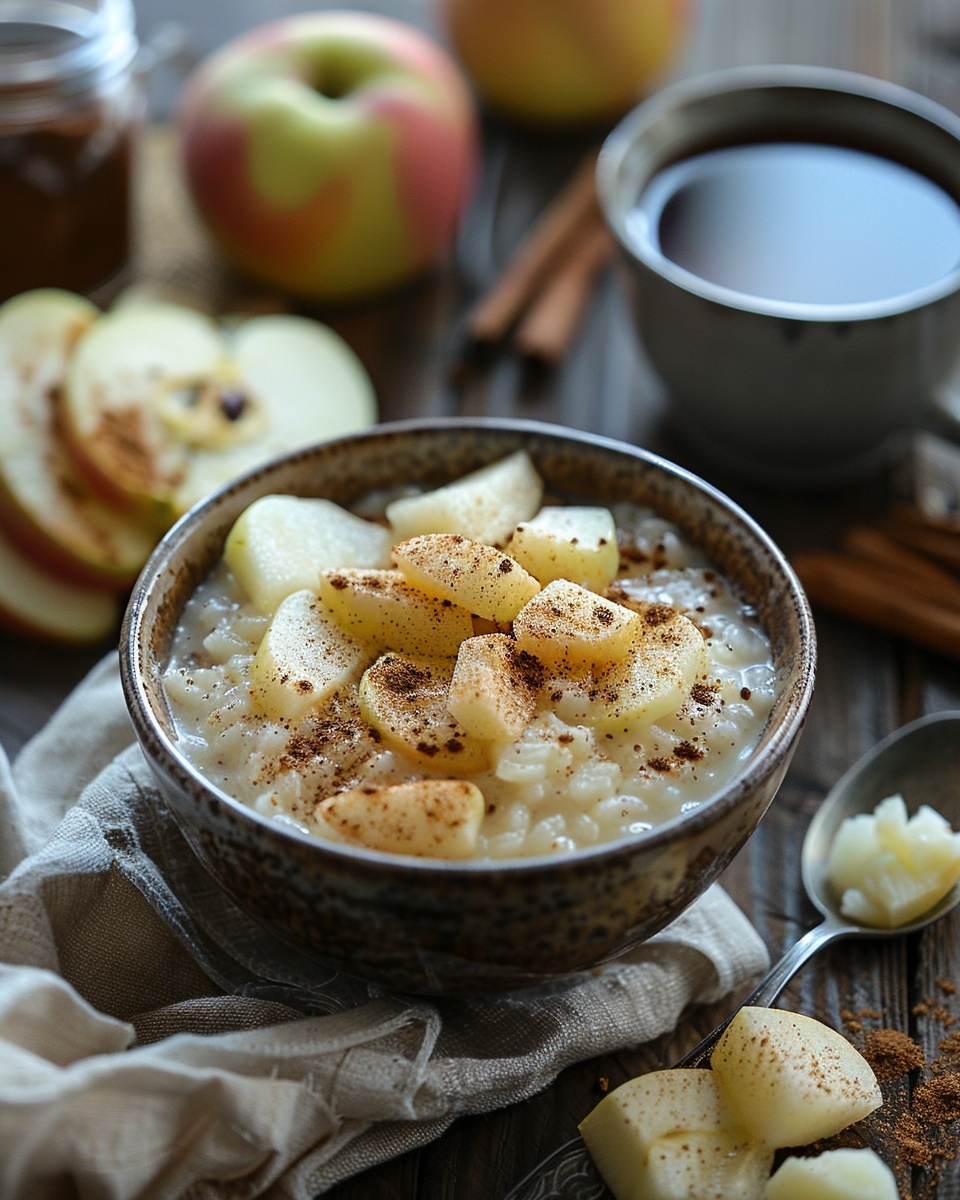
For a breakfast version that rivals my apple banana smoothie for breakfast, I’ll fold in diced apples that have been sautéed with a little butter and brown sugar. The tender apple pieces add texture and a fruity sweetness that makes the pudding feel lighter.
Vanilla lovers can increase the vanilla extract to a whole tablespoon or scrape in the seeds from a vanilla bean for intense flavor. Nutmeg pairs beautifully with cinnamon – just a quarter teaspoon transforms the spice profile. I’ve also stirred in cardamom for a Middle Eastern twist that my neighbor introduced me to. She’s from Lebanon and makes a version with rose water that’s absolutely incredible.
Coconut fans should try replacing one cup of the milk with coconut milk and adding toasted coconut flakes at the end. Orange zest brightens everything up and pairs surprisingly well with cinnamon. For special occasions, I’ll stir in a tablespoon of bourbon or rum right at the end for a grown-up version.
Is it okay to warm up rice pudding? Absolutely yes! In fact, I often prefer reheated warm cinnamon rice pudding because the flavors have had time to meld together overnight. Just add a splash of milk when reheating to loosen the texture since it thickens considerably in the fridge.
Serving and Storing Your Warm Cinnamon Rice Pudding
The perfect serving temperature depends entirely on personal preference, and honestly, there’s no wrong answer here. I grew up eating it warm right off the stove, spooned into bowls with extra cinnamon sprinkled on top. The warmth brings out the cinnamon aroma and the pudding has this incredibly comforting quality that just wraps around you like a blanket.
But here’s the thing – cold rice pudding is a completely different but equally delicious experience. When chilled, the texture becomes firmer and almost custard-like. The flavors taste more subtle and refreshing rather than intensely sweet. On hot summer evenings, I actually prefer it straight from the refrigerator.
Are you supposed to eat rice pudding warm or cold? Traditionally, it varies by culture. Scandinavian countries often serve it cold with berry sauce. Latin American versions are typically served warm with cinnamon. Indian rice pudding, called kheer, can go either way. I say do whatever makes you happy. That’s the beauty of home cooking.
Room temperature falls right in the middle and works great too. Sometimes I’ll make it in the morning and leave it on the counter for a few hours before serving it at lunch. The texture is creamy but not as loose as when it’s hot, and the flavors are balanced perfectly.
Garnishes and toppings take your pudding from simple to spectacular without much effort. My standard approach is a generous dusting of ground cinnamon on top – the contrast between the white pudding and the brown cinnamon looks beautiful and smells amazing. Sometimes I’ll drag a knife through the cinnamon to create a swirl pattern, kind of like fancy coffee art but way easier.
Whipped cream adds luxury and lightness. I make mine with just a touch of vanilla and sugar, then dollop it on top of each serving. The cool cream against warm pudding creates this wonderful temperature contrast. For a richer option, try a drizzle of heavy cream right before serving.
Toasted nuts bring crunch and sophistication. Sliced almonds, chopped pecans, or pistachios all work beautifully. I toast them in a dry skillet until fragrant, then sprinkle them over the top. The nutty flavor complements the cinnamon perfectly. This technique reminds me of how I top my breakfast potatoes with herbs – that final touch that makes everything come together.
Fresh or dried fruit brightens the whole dish. Sliced strawberries, blueberries, or raspberries add tartness that cuts through the richness. Sliced bananas taste classic and comforting. Dried cranberries or cherries stirred in during the last few minutes of cooking add chewy pops of flavor throughout.
For special occasions, I’ll make a quick berry compote by simmering frozen berries with a bit of sugar until they break down into a sauce. Spooned over the pudding, it looks restaurant-worthy and tastes incredible. Caramel sauce is another winner – the sweet, slightly bitter notes play off the cinnamon beautifully.
Storing leftover rice pudding properly keeps it delicious for days. Let the pudding cool to room temperature, then transfer it to an airtight container. Press plastic wrap directly onto the surface before putting the lid on. This prevents that weird skin from forming on top. The pudding will keep in the refrigerator for up to five days, though honestly, it rarely lasts that long in my house.
The texture changes as it sits. The rice continues to absorb liquid, so the pudding gets thicker and firmer. This is completely normal and easy to fix when you reheat it. I actually think the flavors improve after a day in the fridge as everything melds together.
Can you freeze rice pudding? Technically yes, but I don’t recommend it. The texture suffers when frozen and thawed. The rice can become grainy and the milk sometimes separates. If you must freeze it, do so in individual portions and thaw slowly in the refrigerator overnight.
Reheating without ruining the texture requires a gentle touch and a little extra liquid. For stovetop reheating, scoop the amount you want into a small saucepan. Add two to three tablespoons of milk per cup of pudding. Heat over low while stirring constantly until it’s warmed through and the texture loosens up. This takes maybe five minutes and brings back that creamy consistency perfectly.
Microwave reheating works great for single servings. Put the pudding in a microwave-safe bowl and add a splash of milk. Heat on fifty percent power in thirty-second intervals, stirring between each one. Full power makes it heat unevenly and can create hot spots that turn rubbery. The gentler approach keeps everything smooth and creamy, similar to how I gently reheat my baked eggs with spinach for the best texture.
If your reheated pudding seems too thick even after adding milk, don’t panic. Just add more liquid a tablespoon at a time until you reach the consistency you want. If it’s too thin, let it sit for a few minutes – it will thicken up as it cools slightly.
The warm cinnamon rice pudding you’ve created is more than just dessert. It’s comfort in a bowl, a connection to tradition, and proof that simple ingredients can create something truly special. Whether you eat it for breakfast, dessert, or a midnight snack, you’ve now got the skills to make it perfectly every single time.


Common Mistakes and How to Avoid Them When Making Rice Pudding
Look, I’ve made rice pudding at least a hundred times, and I’ve messed it up in almost every way possible. The good news? Each disaster taught me something valuable. Let me save you from the frustration I’ve experienced by walking you through the most common pitfalls and exactly how to sidestep them.
Using high heat to speed things up is hands down the biggest mistake I see people make. I get it – we’re all busy and who wants to stand at the stove for forty minutes? But cranking up the heat creates a whole mess of problems. The milk scorches on the bottom, leaving you with a burned taste that no amount of cinnamon can hide. The rice cooks unevenly, with some grains turning to mush while others stay hard. Plus, high heat can cause the milk to separate into weird curds that ruin the smooth texture.
My solution is simple: embrace the slow process. Put on a podcast or catch up on a TV show while you stir. The low, gentle heat is what transforms ordinary ingredients into creamy magic. If you’re really pressed for time, use the slow cooker method I mentioned earlier. Just set it and forget it.
Here’s the thing – I learned this lesson the hard way when I tried making rice pudding for my daughter’s birthday party. I was running late and thought I could just turn up the heat for the last fifteen minutes. The bottom burned, the whole batch tasted like charcoal, and I ended up serving store-bought ice cream instead. Not my proudest moment.
Not stirring enough ranks right up there with the heat problem. Rice naturally wants to settle at the bottom of the pot where it sticks and burns. Early in my rice pudding journey, I’d start cooking and then wander off to fold laundry or answer emails. I’d come back to find rice glued to the bottom and a thin, watery top layer. Total disaster.
The fix is developing a stirring rhythm. During the first half of cooking, stir every two to three minutes. As the mixture thickens, increase to almost constant gentle stirring. Keep a wooden spoon in the pot and just make it part of your routine. I actually find the repetitive motion kind of meditative now.
Choosing the wrong rice will sabotage your pudding before you even start cooking. Long-grain rice like basmati or jasmine stays too firm and separate. The grains don’t release enough starch to create that luscious, creamy texture we’re after. I wasted ingredients several times using whatever rice I had on hand before I understood why it mattered.
Stick with short-grain white rice every single time. Arborio, sushi rice, or Calrose all work beautifully. These varieties have higher starch content that creates natural creaminess as they cook. Check the package label if you’re unsure – it should say short-grain or medium-grain. This one simple change will dramatically improve your results.
Adding sugar too early is a sneaky mistake that extends cooking time and toughens the rice. Sugar interferes with how rice absorbs liquid, so the grains take much longer to soften. I didn’t know this for years and wondered why my pudding sometimes took forever to cook while other batches finished quickly. Turns out I was inconsistent about when I added the sweetener.
Always add sugar during the last five to ten minutes of cooking, after the rice has already softened. This allows the grains to cook properly while still giving the sugar time to dissolve completely. If you’re worried about forgetting, set a timer on your phone as a reminder.
Overcooking until it’s too thick happens when people forget that rice pudding continues to thicken as it cools. What looks perfect in the pot turns into cement in the bowl. By the way, I’ve served pudding so thick you could practically cut it with a knife. My family teased me about it for weeks.
The trick is to stop cooking when the mixture looks slightly looser than your desired final consistency. It should still jiggle a bit and flow slowly when you tilt the pot. The pudding will firm up beautifully as it cools to eating temperature. If you do accidentally overcook it, just stir in extra milk to thin it back out.
Not rinsing the rice seems like a minor detail, but it actually matters quite a bit. Unrinsed rice has dusty surface starch that can make your pudding gummy instead of creamy. There’s a difference between the starch that releases naturally during cooking and the excess starch coating dry rice grains.
Rinse your rice under cold running water in a fine-mesh strainer until the water runs mostly clear. Give it a good stir with your hand while rinsing. This thirty-second step improves the final texture noticeably. Drain well before adding to the pot so you’re not throwing off your liquid ratios.
Using skim or low-fat milk produces thin, watery pudding that lacks richness. The fat in whole milk contributes to both flavor and that luxurious mouthfeel we associate with great rice pudding. I tried making a “healthier” version with skim milk once, thinking I’d save a few calories. The result tasted like sweet rice soup – technically edible but deeply unsatisfying.
Whole milk is worth it for this dessert. If you’re concerned about maintaining a healthy lifestyle, just enjoy rice pudding as an occasional treat rather than trying to lighten it up. The full-fat version is so much more satisfying that you’ll actually eat a smaller portion anyway. For extra decadence, use half whole milk and half heavy cream.
Forgetting to account for evaporation catches people off guard, especially when using the stovetop method. As the pudding simmers, moisture escapes as steam. If you don’t compensate for this, you’ll run out of liquid before the rice fully cooks. I’ve had batches where the rice was still slightly crunchy but all the milk had been absorbed or evaporated.
Keep extra milk nearby while cooking. If the mixture looks too thick or the rice isn’t tender yet, add milk in quarter-cup increments. It’s much easier to add more liquid than to fix pudding that’s already dried out. Don’t be shy about this – I sometimes add an extra cup or more depending on how long it takes my particular rice to soften.
Skipping the resting period means missing out on improved texture and flavor. Rice pudding benefits from sitting for ten to fifteen minutes after cooking. During this time, the rice continues to absorb liquid evenly, the flavors meld together, and the temperature drops to a more comfortable eating level.
Once you remove the pot from heat, just let it sit on the counter with the lid on. Resist the urge to serve immediately. This brief rest makes a real difference in how creamy and well-balanced the final product tastes. I usually use this time to wash the stirring spoon and prep any toppings I’m planning to use.
Not tasting and adjusting before serving is a missed opportunity to perfect your pudding. Everyone’s taste preferences differ, and ingredients vary too. Your cinnamon might be stronger or weaker than mine. Your rice might absorb liquid differently. The only way to know if your pudding needs tweaking is to taste it.
Before serving, grab a clean spoon and take a taste. Does it need more sweetness? Stir in a tablespoon or two of sugar. Could it use more cinnamon warmth? Add another quarter teaspoon. Is the texture too thick? Thin it with milk. Too thin? Let it sit longer to thicken up. Making these small adjustments transforms good pudding into outstanding pudding.
Storing it improperly leads to that unpleasant skin forming on top or dried-out edges. Funny enough, my kids refuse to eat rice pudding with skin on it, so I learned to prevent this problem out of pure necessity. The skin forms when the surface is exposed to air as it cools.
Press plastic wrap or parchment paper directly onto the pudding’s surface before refrigerating. This creates a barrier that prevents skin formation. Transfer to an airtight container for longer storage. Properly stored pudding stays fresh and delicious for up to five days, maintaining its creamy texture throughout.
Being afraid to experiment keeps people stuck making the same basic version every time. While classic warm cinnamon rice pudding is wonderful, there’s so much room for creativity. I was intimidated at first, worried that changing anything would ruin the whole batch. But rice pudding is actually quite forgiving once you understand the basic technique.
Once you’ve mastered the fundamental recipe, try small variations. Add a handful of raisins, swap some of the milk for coconut milk, stir in orange zest, or fold in sautéed apples. Keep notes on what you try so you remember what worked. Some of my best versions came from happy accidents or random experiments. The worst that can happen is you learn what doesn’t work for your taste.
One last piece of advice: don’t let perfectionism stop you from trying. My first several batches of rice pudding were mediocre at best. One was too sweet, another too bland, and one particularly memorable disaster involved me confusing salt and sugar measurements. But I kept at it, and now making warm cinnamon rice pudding feels as natural as breathing. Each batch teaches you something, even the imperfect ones.
If you’re looking for more comforting recipes that the whole family will love, check out our collection of breakfast recipes that bring the same warmth and satisfaction to your morning routine. There’s something special about mastering these classic comfort foods that bring people together around the table.
Remember, the goal isn’t restaurant perfection – it’s creating something delicious that makes your home smell amazing and brings smiles to the faces of people you care about. Focus on the process, be patient with yourself, and enjoy the journey of learning this wonderful comfort food. Before you know it, you’ll be the person everyone asks for rice pudding at family gatherings.
FAQ About Warm Cinnamon Rice Pudding
How do you know when rice pudding is done cooking?
The rice should be completely tender when you bite into a grain, with no hard center. The mixture should coat the back of a wooden spoon and look creamy but still slightly pourable. Remember that it thickens considerably as it cools, so stop cooking when it’s a bit looser than your desired final consistency. Typically this takes thirty to forty minutes on the stovetop over low heat. Trust your instincts and taste a spoonful to check both texture and flavor.
Can I make rice pudding with leftover cooked rice?
Yes, but the texture won’t be quite as creamy as making it with uncooked rice. Cooked rice has already absorbed water and released most of its starch, so it won’t thicken the milk as naturally. If you’re using leftover rice, reduce the milk to about three cups and the cooking time to fifteen to twenty minutes. You might need to add a beaten egg or a tablespoon of cornstarch to help thicken the mixture. It’s a decent shortcut when you’re in a pinch, though I prefer starting with raw rice for the best results.
Why did my rice pudding turn out watery?
Several factors can cause thin, watery pudding. You might have used long-grain rice that doesn’t release enough starch, cooked it at too high a temperature causing excessive evaporation without proper thickening, or simply not cooked it long enough. The solution is to keep cooking it longer over low heat while stirring frequently until it thickens. You can also mash some of the rice grains against the side of the pot to release more starch. Next time, make sure you’re using short-grain rice and giving it adequate cooking time at the proper low temperature.
Can I make rice pudding dairy-free?
Absolutely! Coconut milk makes excellent dairy-free rice pudding with a rich, creamy texture. Use full-fat canned coconut milk for best results, not the watered-down beverage version. Almond milk, oat milk, and cashew milk also work, though they produce a thinner consistency. You might need to add a tablespoon of cornstarch mixed with water to help thicken non-dairy versions since plant-based milks don’t reduce and thicken quite the same way cow’s milk does. The flavor will be slightly different but still delicious, especially with good cinnamon and vanilla.
How can I make my rice pudding creamier?
Use short-grain rice like Arborio for maximum starch release, cook it low and slow while stirring frequently, and don’t skimp on the milk fat. Whole milk or a combination of whole milk and heavy cream produces the creamiest results. Adding a beaten egg during the last few minutes of cooking creates a custard-like richness, though you’ll need to temper it first by slowly adding hot pudding to the egg while whisking. Finally, a tablespoon or two of butter stirred in at the end adds both richness and a silky mouthfeel that takes the creaminess to the next level.
What’s the best way to reheat rice pudding without it getting dry?
Add milk before reheating – about two to three tablespoons per cup of pudding. Heat gently either in the microwave at fifty percent power in thirty-second intervals or on the stovetop over low heat while stirring constantly. The key is adding moisture and using gentle heat so the rice doesn’t dry out or develop hot spots. Stir thoroughly as it warms to redistribute the liquid evenly. If it still seems too thick after heating, just add a bit more milk until you reach the consistency you prefer.
Can I reduce the sugar without affecting the texture?
Yes, you can definitely cut back on sugar since it’s mainly there for sweetness rather than structural purposes. Start by reducing it to one-third cup instead of one-half cup and taste before serving. You can always stir in more sugar at the end if needed, but you can’t take it out. Keep in mind that warm pudding tastes sweeter than cold pudding, so if you’re planning to serve it chilled, you might want to keep a bit more sugar. The texture will remain creamy regardless of sugar amount since the starch from the rice does the actual thickening work.
Why does a skin form on top of my rice pudding?
The skin forms when milk proteins and starch dry out and coagulate on the surface as the pudding cools and is exposed to air. It’s completely harmless but not particularly appetizing in texture. To prevent it, press plastic wrap or parchment paper directly onto the pudding’s surface while it cools, creating a barrier between the pudding and air. If a skin has already formed, you can simply peel it off with a spoon before serving. Stirring the pudding occasionally as it cools also helps prevent skin formation.
How long does homemade rice pudding last in the refrigerator?
Properly stored in an airtight container, rice pudding stays fresh for up to five days in the refrigerator. Make sure it cools to room temperature before refrigerating, and press plastic wrap directly on the surface to prevent drying and skin formation. The texture will firm up considerably as it chills, which is completely normal. I’ve occasionally kept it for six days and it was still fine, but I wouldn’t push it beyond that. If you notice any off smell, unusual color, or mold, discard it immediately regardless of how long it’s been stored.
Can I add eggs to make it richer like custard?
Yes, adding one or two beaten eggs creates a richer, more custard-like rice pudding. The trick is tempering the eggs so they don’t scramble. Beat the eggs in a separate bowl, then slowly add about a cup of the hot pudding to the eggs while whisking constantly. This gradually raises the egg temperature without cooking them. Then pour this mixture back into the pot while stirring continuously and cook for another two to three minutes until slightly thickened. Don’t let it boil after adding eggs or you’ll end up with scrambled egg bits throughout your pudding.
Making warm cinnamon rice pudding isn’t just about following a recipe – it’s about creating moments of comfort and connection with the people you love. Trust the process, be patient with yourself as you learn, and pretty soon you’ll have your own signature version that your family asks for again and again.
Ingredients
Equipment
Method
- Rinse the rice under cold water until the water runs mostly clear, then drain well.
- In a heavy-bottomed pot, combine rinsed rice, milk, salt, and cinnamon stick if using.
- Place the pot over medium heat and bring to a gentle simmer, stirring occasionally.
- Once small bubbles form, reduce the heat to low and maintain a lazy simmer.
- Stir every couple of minutes for the first ten minutes, increasing to almost constant stirring as the pudding thickens.
- Cook for 30-40 minutes until the rice is tender and the mixture coats the back of a wooden spoon.
- About five minutes before rice is fully cooked, stir in sugar and ground cinnamon.
- Remove from heat when the pudding is slightly looser than desired, then stir in butter and vanilla extract.
- Remove the cinnamon stick if used and let the pudding rest with the lid on for 10-15 minutes before serving.