
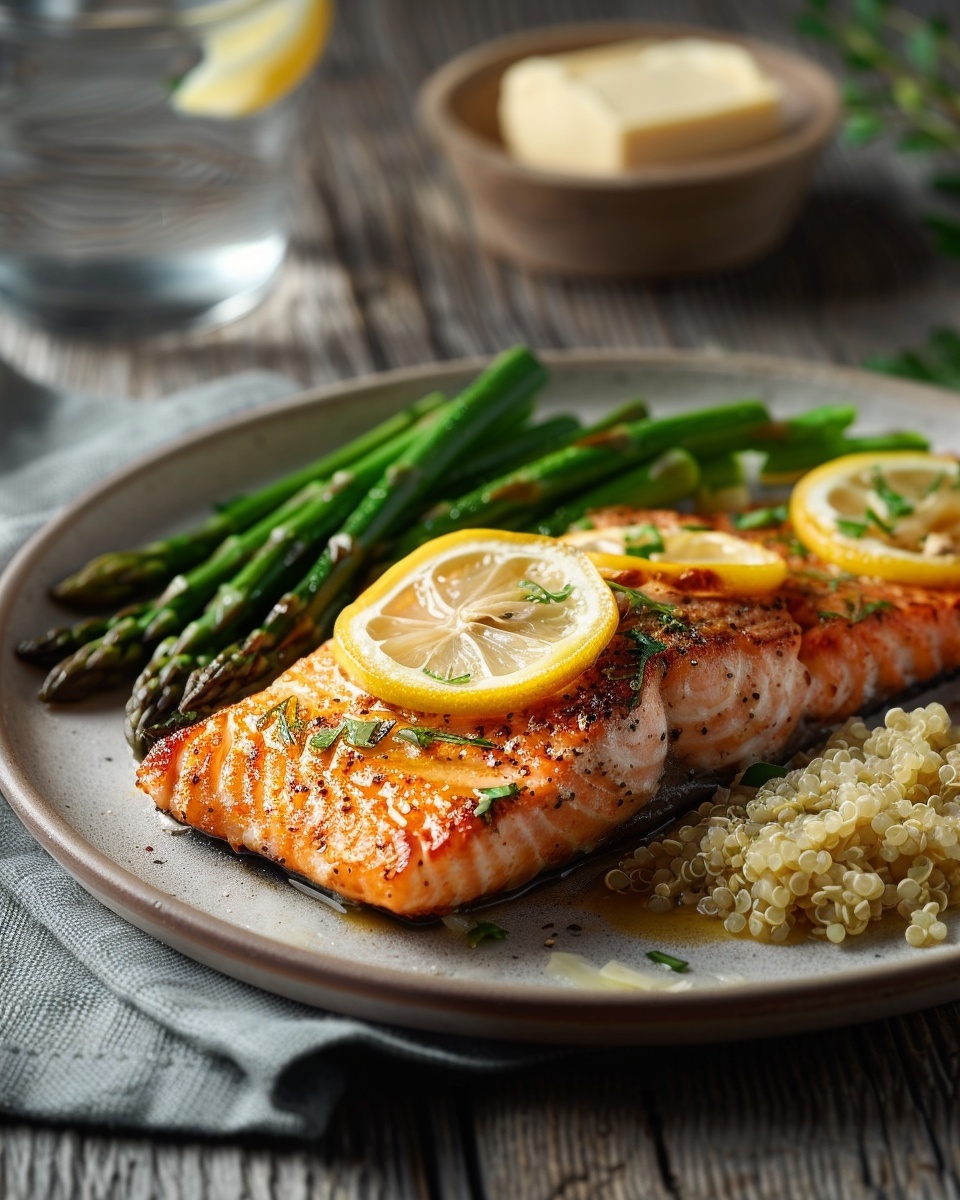
Why Baked Salmon with Lemon Will Become Your Go-To Weeknight Dinner
Last Tuesday, I stood in front of my open fridge at 6 PM, exhausted from work and completely out of dinner ideas. Then I spotted the salmon fillets I’d bought over the weekend. Twenty-five minutes later, my family sat down to a restaurant-quality meal that had me feeling like a culinary genius. That’s the magic of baked salmon with lemon.
I’ve been making this recipe for almost ten years now. It started when my doctor told me to eat more omega-3s, and I needed something that wouldn’t take forever or require advanced cooking skills. This dish checked every box. It’s healthy, quick, and tastes amazing without much effort.
The best part? You probably already have most of the ingredients sitting in your kitchen right now. No specialty store trips required. No fancy equipment needed. Just simple, real food that comes together beautifully.
Salmon is one of those proteins that seems intimidating until you actually try cooking it. I used to think you needed culinary school training to get it right. Turns out, salmon is actually very forgiving. The lemon helps keep it moist and adds a bright flavor that cuts through the richness of the fish perfectly.
This recipe works for busy weeknights when you’re rushing to get dinner on the table. It also works for date nights when you want to impress without stressing. I’ve served this healthy baked salmon recipe to guests who thought I’d spent hours in the kitchen. They’re always shocked when I tell them the actual prep time is about five minutes.
Gathering Your Ingredients for Perfect Baked Salmon with Lemon
Let’s talk about what you need. The ingredient list is refreshingly short. I love recipes that don’t require twenty different items because who has time for that?
Start with fresh salmon fillets. I usually buy wild-caught when it’s available, but honestly, use what fits your budget. A pound of salmon typically serves two to three people, depending on appetite. Look for fillets that are firm to the touch and smell like the ocean, not fishy.
You’ll need fresh lemons. I use two medium-sized lemons for every pound of salmon. One gets sliced thin for topping, and I squeeze the other over the fish before and after baking. The acidity from the lemon does something wonderful to salmon. It brightens the flavor and helps break down the proteins slightly, making each bite tender and flaky.
Olive oil is essential. It keeps the salmon from drying out and helps the seasonings stick. I drizzle about two tablespoons over the fillets before they go in the oven. Extra virgin olive oil adds a nice fruity note, but regular olive oil works just fine too.
Salt and pepper are your basic seasonings. Don’t skip these. They might seem simple, but they make a huge difference. I use sea salt because I like the texture, and freshly cracked black pepper adds a subtle heat that complements the lemon beautifully.
Now, here’s where you can get creative. For baked salmon with lemon and dill, add fresh dill sprigs on top of your fillets. Dill and salmon are a classic pairing. The herb’s delicate, slightly sweet flavor works perfectly with both the fish and the citrus.
If you want to try lemon pepper seasoning salmon, grab a quality lemon pepper blend from your spice rack. This shortcut gives you citrus and spice in one step. Just sprinkle it generously over your fillets before baking. You can skip the extra salt if your lemon pepper already contains it.
For baked salmon in foil, you’ll need aluminum foil or parchment paper. This method creates a steam packet that locks in moisture. I use this technique when I’m batch cooking or when I want absolutely zero cleanup. The foil also makes it easy to add vegetables like asparagus or green beans right alongside your salmon.
Sometimes I make baked salmon with lemon butter sauce when I’m feeling fancy. For this, you’ll need butter, minced garlic, and a bit of white wine or chicken broth. The sauce takes an extra five minutes but transforms this simple dish into something special.
Fresh rosemary is another excellent addition. I learned about lemon rosemary salmon grilled from a friend, and now I use rosemary in my baked version too. The woody, aromatic herb adds depth and makes your kitchen smell incredible.
Preparing Your Salmon the Right Way
Once you have your ingredients ready, preparation is straightforward. I like to take my salmon out of the fridge about fifteen minutes before cooking. Room temperature fish cooks more evenly than cold fish straight from the refrigerator.
Pat your salmon fillets dry with paper towels. This step matters more than you might think. Moisture on the surface prevents proper seasoning and can make your salmon steam instead of bake. You want that slight crust on the outside.
Check your fillets for pin bones. Run your fingers along the flesh, and you’ll feel them if they’re there. Use tweezers or needle-nose pliers to pull them out. It takes thirty seconds and saves your guests from an unpleasant surprise.
Line your baking sheet with parchment paper or lightly grease it with oil. This prevents sticking and makes cleanup easier. I’ve ruined too many pans by skipping this step in the past.
Place your salmon fillets skin-side down on the prepared baking sheet. The skin acts as a protective barrier between the fish and the hot pan. It also makes it easier to remove the fillet from the pan once it’s cooked.
Drizzle olive oil over each fillet. I use my hands to rub it in gently, making sure every part gets coated. Then comes the salt and pepper. Be generous here. A good amount of seasoning is key to flavorful salmon.
Slice your lemon into thin rounds. Lay two or three slices on top of each fillet. These will caramelize slightly as they bake, creating pockets of intense lemon flavor. Save some lemon wedges for serving too.
The Temperature Question: 350°F or 400°F?
Do you bake salmon at 350 or 400? I get asked this all the time. The answer depends on what you’re going for.
I usually preheat my oven to 400°F. This higher temperature gives you a beautifully cooked salmon in about twelve to fifteen minutes. The outside gets slightly crispy while the inside stays moist and tender. This is my preferred method for weeknight dinners when time is tight.
At 350°F, your salmon will take closer to twenty to twenty-five minutes. This lower, slower approach works well if you’re new to cooking salmon and worried about overcooking it. The gentler heat gives you a wider margin of error. The texture comes out silky and soft throughout.
I’ve made salmon both ways countless times. Both temperatures work. The 400°F method is faster and gives you more texture contrast. The 350°F method is more forgiving and produces an evenly cooked piece of fish.
Should I cover my salmon when baking it in the oven? Usually, no. Baking uncovered allows the top to develop some color and the edges to crisp up slightly. However, if you notice the top browning too quickly, you can tent it loosely with foil for the last few minutes.
The foil-packet method is different. When making baked lemon salmon in foil, you seal the fish completely. This traps steam and creates a more poached texture. It’s incredibly moist but won’t have any crispy bits. Both methods have their place in my cooking rotation.
Understanding What Lemon Does to Your Salmon
What does lemon juice do to salmon? This is a great question because the answer affects when and how you use it.
Lemon juice is acidic. That acid starts to denature the proteins in the fish, similar to how heat does. If you marinate raw salmon in straight lemon juice for too long, it will actually start to “cook” the fish chemically. This is how ceviche works.
For baking, I apply lemon strategically. I squeeze a little fresh lemon juice over the seasoned fillets right before they go in the oven. This adds flavor without breaking down the texture too much. The heat from the oven takes over the cooking process immediately.
Do you put lemon on salmon before or after cooking in the oven? Both, actually. The lemon slices on top during cooking infuse flavor throughout. Then I squeeze fresh lemon juice over the finished dish right before serving. This gives you layers of citrus, some mellowed by heat and some bright and fresh.
The lemon also serves a practical purpose. Its acidity balances the natural oils in salmon. Rich fish needs something bright to cut through that richness. Lemon does this perfectly without overpowering the delicate flavor of the salmon itself.
When I make lemon pepper salmon grilled or the baked version with lemon pepper seasoning, the dried lemon peel in the spice blend provides a different kind of citrus note. It’s more concentrated and slightly bitter in a good way. Fresh lemon and lemon pepper seasoning actually complement each other nicely if you want to use both.


Mastering Different Cooking Techniques for Your Lemon Salmon
Now that you understand how lemon works its magic on salmon, let’s explore the actual cooking methods that’ll make you look like a pro.
I’ve tried pretty much every salmon cooking technique out there over the years. Some were disasters. I once set off the smoke alarm trying to sear salmon at too high a temperature. My neighbors weren’t thrilled. But I’ve also discovered methods that work beautifully every single time, and I’m going to share those with you.
The Foolproof Foil Packet Method
Honestly, if you’re nervous about cooking salmon, start here. Making baked lemon salmon in foil is probably the most forgiving technique I know. It’s nearly impossible to mess up.
Here’s why this works so well. When you seal salmon in foil, you’re creating a little steam chamber. The moisture can’t escape, so your fish stays incredibly tender. Even if you accidentally leave it in the oven a few minutes too long, the steam protection keeps it from drying out completely.
I use this method at least twice a month. Sometimes I’m just tired and don’t want to monitor anything closely. Other times I’m cooking for people who are particular about their fish being moist. This technique delivers every time.
Tear off a piece of aluminum foil about twice the length of your salmon fillet. You want enough to fold over and seal completely. Place the fillet in the center, skin-side down if it has skin.
Drizzle your olive oil generously. I’m talking a good tablespoon per fillet. Then add your salt and pepper. Lay those lemon slices on top. If you’re doing baked salmon with lemon and dill, this is when you add your fresh dill sprigs right on top of everything.
Now comes the folding part. Bring the long edges of the foil together above the salmon and fold them down in small folds, kind of like you’re closing a paper bag. Then fold in the sides to create a sealed packet. You don’t want any openings where steam can escape.
Place your foil packets on a baking sheet. This catches any drips and makes it easier to move everything in and out of the oven. I learned this the hard way after a packet leaked and created a mess on my oven floor.
At 400°F, these packets need about fifteen to twenty minutes depending on thickness. A one-inch thick fillet takes closer to fifteen minutes. Thicker pieces might need the full twenty. The beautiful thing is that you have more wiggle room with timing than you do with uncovered salmon.
When I’m feeling ambitious, I add vegetables right into the packet. Asparagus spears, sliced zucchini, or cherry tomatoes all work wonderfully. They cook at the same rate as the salmon and absorb all those lemony juices. It’s like the technique I use when making garlic butter chicken with potatoes, where everything cooks together in one vessel and the flavors meld beautifully.
One trick I’ve discovered: add a splash of white wine or chicken broth to the packet before sealing. Just a tablespoon or two. This extra liquid creates more steam and adds another layer of flavor. You can also use this as the base for baked salmon with lemon butter sauce by pouring those cooking juices into a small pan afterward, whisking in a tablespoon of butter, and reducing it slightly.
The only downside to foil packets is that you don’t get any crispy edges. The texture is uniformly soft and flaky throughout. Some people love this. My husband prefers it. But if you want contrast in texture, the uncovered method I mentioned earlier is better.
By the way, cleanup is ridiculously easy. You literally just throw away the foil. No scrubbing pans. No soaking anything overnight. This is my go-to method when I’m already exhausted and can’t face doing dishes.
Taking It Outside: Grilled Lemon Pepper Salmon
Now let’s talk about grilling. This is a completely different experience from baking. Lemon pepper salmon grilled has this incredible smoky, charred flavor that you simply cannot get from an oven.
I’ll be honest, grilling salmon intimidated me for years. Fish is delicate. Grill grates are unforgiving. I had visions of my expensive salmon fillets falling apart and dropping into the flames. Then my brother-in-law showed me his technique during a summer cookout, and everything changed.
The secret is in the prep and the heat management. For grilled salmon, marinating makes a bigger difference than it does for baked. I mix together about three tablespoons of olive oil, the juice of one lemon, two tablespoons of lemon pepper seasoning, and a minced garlic clove. Sometimes I add a splash of soy sauce for depth.
Place your salmon in a shallow dish and pour the marinade over it. Let it sit for fifteen to thirty minutes. Don’t go much longer than that. Remember how lemon acid starts to cook the fish? You don’t want it sitting in all that lemon juice for hours. Thirty minutes is the sweet spot for flavor without texture changes.
While the salmon marinates, preheat your grill to medium-high heat. This is crucial. A hot grill prevents sticking. I aim for around 400°F to 450°F on the grill thermometer.
Here’s the thing about grilling fish: oil your grates. Use tongs to hold a paper towel soaked in vegetable oil and rub it across the grates right before you put the salmon on. This creates a non-stick surface. I also brush a little oil directly on the salmon skin if it has skin, or on the flesh side if it’s skinless.
Place your salmon skin-side down on the grill. Close the lid. Then walk away. Seriously. Don’t touch it. Don’t peek constantly. Let it cook undisturbed for about six to eight minutes.
The salmon will release from the grill when it’s ready. If you try to flip it and it’s sticking, it needs more time. When proteins cook, they naturally release from metal surfaces. Forcing it early just tears the fish apart.
After six to eight minutes, carefully slide a thin spatula under the salmon. It should lift cleanly. Flip it gently. The cooked side will have gorgeous grill marks. Cook the second side for another four to six minutes.
For lemon rosemary salmon grilled, I add fresh rosemary sprigs directly to the coals or wood chips if I’m using a gas grill with a smoker box. The aromatic smoke infuses the fish with this incredible herbaceous flavor. It reminds me of the herbs I use in dishes like creamy Tuscan chicken, where rosemary adds that classic Italian touch.
You can also lay rosemary sprigs directly on the grill grates and place the salmon on top of them. This creates a barrier between the fish and the grates while adding flavor. It’s a technique I picked up from a restaurant chef.
Grilled salmon cooks faster than baked because you’re applying direct heat from both the grates below and the reflected heat from the closed lid above. Total cooking time is usually twelve to fifteen minutes for a one-inch fillet. You’ll know it’s done when it flakes easily with a fork and the internal temperature reaches 145°F.
I always keep a spray bottle of water near the grill. If you get flare-ups from the salmon’s natural oils dripping onto the flames, a quick spray calms them down without having to move the fish.
The flavor profile of grilled salmon is so different from baked. You get that smoky char, especially on the edges. The lemon pepper seasoning salmon caramelizes slightly on the grill, creating these intense pockets of flavor. The texture is firmer too, with a slight crust on the outside.
Funny enough, my kids who claim they don’t like salmon will eat the grilled version. Something about that char and the lemon pepper combination wins them over. I serve it with grilled lemon halves on the side. Squeezing the charred, caramelized lemon over the finished salmon adds this incredible smoky-sweet citrus note.
Just like how I experiment with different proteins in recipes like beef stroganoff with mushrooms, I’ve tried grilling salmon with all kinds of seasonings. But the simple combination of lemon and pepper remains my favorite. Sometimes simple really is best.
One last tip for grilling: if you’re really worried about the salmon falling apart, use a grill basket or a cedar plank. Cedar planks add another layer of flavor and make flipping unnecessary. You just leave the salmon on the plank the whole time. It’s a game-changer for nervous grillers.


Creative Variations to Transform Your Lemon Salmon
After you’ve mastered the basic baked salmon with lemon, the real fun begins. This is where you get to experiment and make the recipe your own. I’ve spent years playing around with different combinations, and some have become family favorites that I rotate regularly.
The beauty of salmon is that it pairs well with so many flavors. You’re not locked into one specific preparation. Once you understand the basic technique, you can branch out in dozens of directions.
The Lemon Butter Sauce Game-Changer
Let me tell you about the first time I made baked salmon with lemon butter sauce. My in-laws were coming over, and I wanted something impressive but not complicated. I’d already planned to make my usual lemon salmon, but it felt too simple for company.
So I whipped up a quick lemon butter sauce while the salmon finished baking. It took maybe five minutes. I melted three tablespoons of butter in a small saucepan, added two minced garlic cloves, and let them sizzle for about thirty seconds until fragrant. Then I squeezed in the juice of half a lemon and added a tablespoon of white wine.
The sauce bubbled and reduced slightly. I whisked it to create an emulsion, then drizzled it over the salmon right before serving. My mother-in-law asked for the recipe three times that night. She couldn’t believe something that tasted so elegant was actually that straightforward.
Here’s what I learned about making the sauce: timing matters. You want to make it while the salmon rests after coming out of the oven. Those few minutes of resting help the fish finish cooking gently with residual heat while you prepare the sauce.
For an even richer version, I sometimes add a tablespoon of heavy cream to the butter sauce. It becomes almost velvety. A pinch of red pepper flakes adds subtle heat that contrasts beautifully with the bright lemon. Fresh parsley stirred in at the end brings color and a fresh herbaceous note.
You can also build the sauce right in the pan if you’re making baked lemon salmon in foil. After removing the salmon, pour those cooking juices into a small pot. There’s already lemon flavor and salmon oils in there. Add your butter and garlic, reduce it down, and you’ve got an intensely flavored sauce with minimal effort.
Herb Combinations That Actually Work
Beyond the classic baked salmon with lemon and dill, I’ve discovered some herb pairings that genuinely elevate this dish.
Rosemary is bold. It’s not shy. When I use it with salmon, I go light-handed. Two or three small sprigs are enough for a pound of fish. Too much rosemary overpowers the delicate salmon flavor. But the right amount creates this wonderful aromatic quality that fills your kitchen.
I actually prefer rosemary for grilled versions. The smoke and char complement its piney intensity perfectly. For baked salmon, I find it works best when combined with other flavors. Try rosemary with a touch of honey drizzled over the top. The sweetness balances the herb’s sharpness.
Thyme is gentler than rosemary. It has this subtle earthiness that I really love with salmon. I strip the leaves from a few sprigs and sprinkle them over the fillets along with the lemon slices. Thyme also pairs beautifully with garlic. Sometimes I scatter thinly sliced garlic cloves among the lemon slices for extra flavor depth.
Basil might seem unconventional, but hear me out. Fresh basil leaves tucked under lemon slices create this sweet, almost anise-like flavor that’s surprisingly good with salmon. It’s more of a Mediterranean direction than the Scandinavian vibe you get from dill. I serve this version with cherry tomatoes roasted alongside the fish.
Cilantro and lime instead of dill and lemon gives you a completely different profile. This turns your salmon more Latin-inspired. I add a pinch of cumin to the seasoning mix when I go this route. It’s like the salmon version of fish tacos, honestly.
Spice Blends Worth Trying
The lemon pepper seasoning salmon I mentioned earlier is just the beginning of what you can do with spice blends.
Cajun seasoning creates a totally different experience. The paprika, cayenne, and dried herbs in Cajun blends give salmon a spicy, bold flavor. I still use lemon with this because the acidity cuts through the heat and richness. Be careful with salt when using pre-made Cajun seasoning since most blends already contain quite a bit.
Everything bagel seasoning sounds weird but works incredibly well. I discovered this by accident when I ran out of regular seasonings one night. The combination of sesame seeds, poppy seeds, dried garlic, and dried onion creates this amazing crust on the salmon. The lemon still plays its supporting role, keeping everything balanced.
Smoked paprika with lemon gives you a smoky flavor without actually grilling. I use this when it’s raining outside and I’m craving that grilled taste but can’t actually fire up the grill. Just mix a teaspoon of smoked paprika with your salt and pepper before seasoning the salmon.
By the way, lemons themselves vary quite a bit. Meyer lemons are sweeter and less acidic than regular lemons. If you can find them, they create a more subtle, almost floral flavor with salmon. Regular Eureka or Lisbon lemons are more tart and provide that classic sharp citrus note most recipes expect.
Keeping It Healthy Without Sacrificing Flavor
Sometimes I want to keep things as clean and healthy as possible. Salmon is already packed with omega-3 fatty acids, high-quality protein, and important nutrients. The lemon adds vitamin C and compounds with antioxidants that support overall health.
For the lightest version of this dish, I stick to just olive oil, lemon, salt, pepper, and fresh herbs like dill or parsley. No butter sauce. No heavy additions. The healthy baked salmon recipes approach focuses on letting the natural flavors shine.
I’ve found that when you use really fresh, high-quality salmon, you need less stuff on it anyway. The fish tastes amazing on its own. Lemon enhances rather than masks that natural flavor.
One trick for adding flavor without calories: use more lemon zest. The zest contains oils that are incredibly aromatic and flavorful. I zest one lemon directly over the seasoned salmon before baking. It creates these little bursts of intense lemon flavor without adding the acidity of juice.
Fresh herbs are basically calorie-free and add tons of flavor. Load up on dill, parsley, cilantro, or basil. You literally cannot use too much from a health perspective. More herbs means more flavor, more nutrients, and more visual appeal on the plate.
Smart Ingredient Swaps
Not everyone has access to fresh salmon year-round, and that’s okay. I’ve successfully made this recipe with frozen salmon fillets many times. The key is proper thawing. Move frozen salmon to the refrigerator the night before you plan to cook it. Slow thawing preserves texture better than quick methods.
If you’re watching your budget, salmon portions from the freezer section are often much cheaper than fresh. The quality can be excellent since fish is typically frozen shortly after being caught, locking in freshness.
For those avoiding dairy, the lemon butter sauce can be made with olive oil instead of butter. Heat good quality olive oil with garlic, add lemon juice and a splash of vegetable broth, then whisk vigorously to create an emulsion. It’s different from butter but still delicious.
Avocado oil works well in place of olive oil if you prefer a more neutral flavor. It also has a higher smoke point, which matters if you’re baking at 400°F or higher.
Pairing Your Salmon With Perfect Sides
What you serve alongside your salmon matters almost as much as how you prepare the fish itself. I’ve learned that lighter sides work best since salmon is already rich.
Roasted asparagus with lemon is classic for a reason. The asparagus can go right on the same pan as your salmon for the last twelve to fifteen minutes of baking. Toss the asparagus with olive oil, salt, and pepper first. Everything finishes at the same time, and cleanup is minimal.
A simple arugula salad dressed with lemon vinaigrette echoes the citrus notes in the salmon. The peppery arugula cuts through the richness of the fish beautifully. I make the vinaigrette with lemon juice, olive oil, Dijon mustard, and a touch of honey.
Quinoa or brown rice provides a wholesome base that soaks up any sauce or juices from the salmon. I cook my grains in vegetable broth instead of water for extra flavor. Sometimes I stir in chopped herbs and lemon zest to tie everything together.
Roasted potatoes work when you want something more substantial. Baby potatoes tossed with olive oil, rosemary, and lemon wedges complement the salmon without competing with it. This combination creates a complete meal that satisfies even the heartiest appetites.
If you’re looking for more dinner inspiration that pairs well with salmon, consider steamed green beans with garlic or sautéed spinach with a squeeze of fresh lemon.
Storage and Meal Prep Tips
Leftover salmon is a gift, not a problem. I actually bake extra on purpose because cold salmon is fantastic.
Store cooked salmon in an airtight container in the refrigerator for up to three days. It’s great flaked over salads, mixed into pasta, or eaten straight from the fridge with a squeeze of fresh lemon.
For meal prep, I sometimes bake four to six fillets on Sunday and portion them into containers with different sides. Salmon reheats reasonably well in the microwave at 50% power, though I prefer eating it cold or at room temperature to avoid overcooking.
You can freeze cooked salmon, but I find the texture changes more than I’d like. If you do freeze it, wrap portions tightly in plastic wrap, then aluminum foil. Use within two months for best quality.
Here’s something I wish I’d known years ago: marinated raw salmon freezes beautifully. Mix your marinade, add the raw fillets, and freeze everything together in a freezer bag. When you’re ready to cook, thaw it overnight in the fridge. The salmon marinates as it thaws, and you can go straight to baking or grilling. It’s like having a restaurant-quality meal ready to go with zero effort.
One last variation that’s become a weeknight staple in my house: sheet pan salmon. I place the seasoned salmon in the center of a large baking sheet, then surround it with whatever vegetables I have on hand. Broccoli florets, sliced bell peppers, halved Brussels sprouts, or cherry tomatoes all work. Everything roasts together at 400°F for about twenty minutes. One pan, complete meal, minimal cleanup. It’s the kind of simple, practical cooking that makes real life easier.
The best part about all these variations is that none of them are complicated. You’re still working with the same basic technique. Season the fish, add lemon, apply heat. Everything else is just small tweaks that create different flavor profiles. Once you’re comfortable with the foundation, you can improvise based on what’s in your fridge or what sounds good that day.
That’s the real beauty of this dish. It’s a template, not a rigid recipe. Make it yours.
Frequently Asked Questions About Baked Salmon with Lemon
Do you put lemon on salmon before or after cooking in the oven?
I do both, actually. I place lemon slices on the salmon before baking to infuse flavor throughout the cooking process. The heat mellows the lemon and allows it to penetrate the fish. Then I squeeze fresh lemon juice over the finished salmon right before serving. This gives you layers of citrus flavor—some cooked and mellow, some bright and fresh. The combination creates more complexity than just using lemon at one stage.
What does lemon juice do to salmon?
Lemon juice serves multiple purposes. The acid brightens the flavor and cuts through the natural richness of salmon, making each bite more balanced. It also starts to denature the proteins in the fish, which is why you don’t want to marinate salmon in straight lemon juice for too long. The citrus enhances the overall taste without overpowering the delicate salmon flavor. Plus, lemon adds vitamin C and helps your body absorb the iron present in the fish.
Do you bake salmon at 350 or 400?
I usually bake salmon at 400°F because it cooks quickly and develops a slightly crispy exterior while staying moist inside. This takes about twelve to fifteen minutes for a one-inch fillet. Baking at 350°F works too, but it takes longer—around twenty to twenty-five minutes. The lower temperature is more forgiving if you’re new to cooking salmon and worried about overcooking. Both temperatures produce delicious results, so choose based on your schedule and confidence level.
Should I cover my salmon when baking it in the oven?
Generally, I don’t cover salmon when baking because I want the top to develop some color and texture. Baking uncovered at 400°F gives you nice edges with good contrast. However, if you’re baking at a lower temperature for a longer time, or if you notice the top browning too quickly, loosely tenting with foil helps retain moisture. The foil-packet method is different—you’re completely sealing the salmon to create steam, which produces a very moist, soft texture throughout.
How can I tell when my salmon is perfectly cooked?
The most reliable method is using an instant-read thermometer inserted into the thickest part of the fillet. You’re looking for 145°F for food safety, though I actually prefer pulling mine at 140°F since it continues cooking as it rests. Visually, properly cooked salmon will be opaque throughout and flake easily when you press a fork into it. The center might still look slightly translucent, which is fine—that means it’s moist and not overcooked. You’ll also notice white albumin protein appearing on the surface, which is completely normal and harmless.
Can I use bottled lemon juice instead of fresh lemons?
You can, but I really don’t recommend it for this recipe. Fresh lemon juice has a brightness and complexity that bottled versions lack. Bottled lemon juice often tastes flat or slightly bitter because of preservatives. Since lemon is such a prominent flavor in this dish, using fresh makes a noticeable difference. Fresh lemons also give you the zest, which contains flavorful oils you can’t get from a bottle. Lemons are inexpensive and keep well in the fridge, so I always have a few on hand.
What’s the best type of salmon to use for baking?
Wild-caught salmon like sockeye, coho, or king salmon have excellent flavor and firmer texture. They’re my first choice when available and affordable. Farm-raised Atlantic salmon is milder, fattier, and usually less expensive—it works perfectly fine for this recipe. The extra fat actually helps keep it moist during baking. More important than wild versus farmed is freshness. Look for firm flesh, bright color, and an ocean-like smell, not a strong fishy odor. If buying frozen, make sure there’s no frost or ice crystals in the package, which indicates it’s been thawed and refrozen.
Why does my salmon turn out dry even when I follow the recipe?
Overcooking is the most common culprit. Salmon goes from perfectly done to dry very quickly, sometimes in just a minute or two. Use a thermometer rather than relying solely on time, since thickness varies. Starting with cold salmon straight from the fridge can also cause uneven cooking—let it sit at room temperature for fifteen minutes before baking. Another issue might be your oven running hot. Oven thermometers are cheap and reveal if your oven temperature is accurate. Finally, make sure you’re using enough oil or fat to keep the surface moist during cooking.
Can I make this recipe with salmon that has skin on one side?
Absolutely, and I actually prefer skin-on salmon for baking. The skin acts as a protective barrier between the delicate flesh and the hot pan, helping to prevent overcooking on the bottom. Place the salmon skin-side down and leave it there throughout cooking—no flipping needed. The skin also contains healthy fats and becomes slightly crispy in the oven, which some people love. After cooking, the flesh lifts right off the skin easily if you prefer not to eat it. I leave the skin on for cooking even if I plan to remove it before serving.
What wine pairs well with lemon baked salmon?
A crisp, acidic white wine complements the lemon and richness of the salmon beautifully. Sauvignon Blanc is my go-to because its citrusy, herbaceous notes echo the lemon and herbs in the dish. Pinot Grigio or Albariño also work wonderfully—they’re light and refreshing without overwhelming the delicate fish. If you prefer something with a bit more body, an unoaked Chardonnay provides creaminess that pairs nicely with the salmon’s natural oils. For non-wine drinkers, sparkling water with lemon or iced green tea with mint are excellent alternatives that cleanse the palate between bites.
Making baked salmon with lemon doesn’t require perfection—just a willingness to try. Each time you make it, you’ll learn something new about timing, seasoning, or technique. Trust the process, taste as you go, and don’t be afraid to adjust things to your preference. That’s how good cooking actually happens.
Ingredients
Equipment
Method
- Preheat the oven to 400°F (or 350°F for a gentler cooking method).
- Take the salmon out of the fridge 15 minutes before cooking to bring it to room temperature.
- Pat the salmon fillets dry with paper towels to remove excess moisture.
- Check for and remove any pin bones using tweezers.
- Line a baking sheet with parchment paper or grease it lightly with oil.
- Place the salmon fillets skin-side down on the baking sheet.
- Drizzle olive oil over each fillet and rub it in to coat evenly.
- Generously season with salt and pepper.
- Slice the lemon into thin rounds and lay 2-3 slices on top of each fillet.
- Bake in the preheated oven for 12-15 minutes at 400°F or 20-25 minutes at 350°F, until the salmon is cooked through and flakes easily with a fork.
- Optional: Squeeze fresh lemon juice over the salmon before serving for added flavor.