
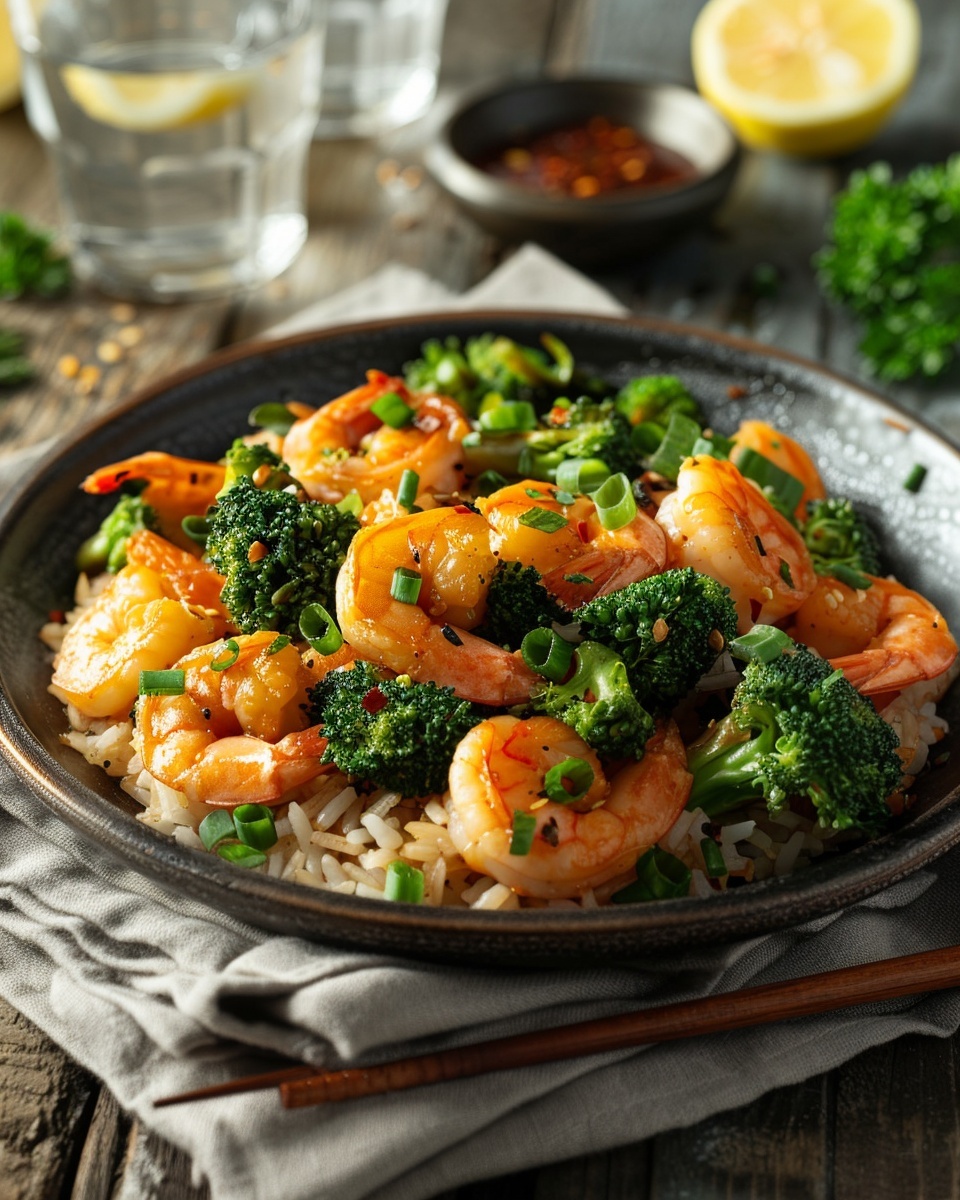
Simple Shrimp Rice Stir Fry Recipe
Last Tuesday night, I stood in my kitchen staring at leftover rice and a bag of shrimp in my fridge. I had exactly 20 minutes before my kids needed to be at soccer practice. That’s when I threw together what’s now become our family’s favorite weeknight dinner. The best part? Everyone cleaned their plates, and my picky eater asked for seconds.
Welcome to my kitchen! Today, I’m excited to share a simple shrimp rice stir fry recipe that’s both easy and delicious. Whether you’re a seasoned chef or just starting out, this dish is perfect for anyone looking to add some variety to their meal prep. I’ve made this recipe countless times over the past year, tweaking it until it became foolproof. Now I’m sharing all my tips and tricks with you.
This isn’t fancy restaurant food. It’s real, practical cooking that works for busy families, college students, and anyone who wants a tasty meal without spending hours in the kitchen. I make this at least twice a month because it never fails me. The kids love it, my husband requests it, and honestly, I enjoy making it because there’s no stress involved.
Why Shrimp Rice Stir Fry?
Let me tell you why this shrimp rice stir fry has earned a permanent spot in my weekly rotation. First, it’s incredibly versatile. You can customize it based on what you have in your fridge. Got bell peppers? Toss them in. Found some snap peas hiding in the vegetable drawer? Perfect. The base recipe stays the same, but you can change the vegetables every time.
Speed is another huge factor. From start to finish, this easy shrimp rice stir fry takes about 15 to 20 minutes. That’s faster than ordering takeout and waiting for delivery. I’ve timed myself multiple times, and even on my slowest nights, I never go past 25 minutes. This makes it perfect for those evenings when you’re exhausted but still want real food.
The flavor is what keeps people coming back. A good shrimp rice stir fry sauce brings everything together. It’s savory, slightly sweet, and has just enough garlic to make your taste buds happy. I learned through trial and error that the sauce is what separates okay fried rice from amazing fried rice. Get that right, and you’re golden.
Here’s something I love about this dish. It’s a fantastic way to use up leftover rice and veggies. I actually prefer using day-old rice for this recipe. Fresh rice tends to get mushy and clumpy when you stir fry it. Cold rice from the fridge? That’s your secret weapon. The grains stay separate and get that slightly crispy texture everyone loves.
This recipe also works great for meal prep. I make a big batch on Sunday and portion it out for lunches during the week. It reheats beautifully in the microwave or on the stovetop. Just add a tiny splash of water or chicken broth when reheating to keep it from drying out.
One more thing that makes this shrimp stir fry recipe special is how it impresses people. I’ve served this at casual dinner parties, and guests always ask for the recipe. They’re usually surprised when I tell them how simple it is. It looks and tastes like you spent way more effort than you actually did.
What You’ll Need
Let’s talk about what goes into this dish. I’m breaking this down into ingredients and equipment because having everything ready before you start makes the whole process smoother. This is called mise en place in fancy cooking terms, but I just call it being prepared.
Ingredients for Your Shrimp Rice Stir Fry
The star of our show is shrimp. I use medium to large shrimp, peeled and deveined. You can buy them fresh or frozen. I usually grab frozen shrimp because they’re cheaper and just as good. Just make sure to thaw them completely and pat them dry before cooking. Wet shrimp won’t get that nice sear we’re looking for.
For the rice portion, you’ll need about three to four cups of cooked rice. Like I mentioned earlier, day-old rice works best. If you only have fresh rice, spread it on a baking sheet and stick it in the fridge for 30 minutes. This dries it out a bit and prevents mushiness. I usually make extra rice with dinner the night before just so I have it ready.
Now for the vegetables. This is where you can get creative with your shrimp recipes with rice and vegetables. My go-to combination includes diced carrots, peas, corn, and green onions. Sometimes I add bell peppers, broccoli, or snap peas. Use what you like and what you have available. Frozen mixed vegetables work perfectly fine too.
The aromatics are critical for authentic flavor. You’ll need fresh garlic and ginger. Don’t skip these. They’re what make homemade garlic shrimp fried rice taste so much better than the takeout version. I mince about four cloves of garlic and a thumb-sized piece of ginger.
For the sauce, gather soy sauce, oyster sauce, sesame oil, and a little sugar. Some people add fish sauce for extra depth. These ingredients create that classic Chinese shrimp fried rice taste. I keep all these sauces in my pantry because I use them constantly.
You’ll also need eggs. I crack two eggs directly into the stir fry. They add protein and create those golden ribbons you see in restaurant fried rice. Cooking oil is essential too. I prefer vegetable oil or peanut oil because they have high smoke points.
Here’s a quick shopping list:
- 1 pound medium or large shrimp, peeled and deveined
- 3 to 4 cups cooked rice (preferably day-old)
- 2 cups mixed vegetables (carrots, peas, corn, bell peppers)
- 4 cloves garlic, minced
- 1 tablespoon fresh ginger, minced
- 2 eggs
- 3 tablespoons soy sauce
- 1 tablespoon oyster sauce
- 1 teaspoon sesame oil
- 1 teaspoon sugar
- 3 tablespoons cooking oil
- 3 green onions, chopped
- Salt and pepper to taste
Equipment for the Perfect Stir Fry
The right tools make this job easier. A wok is ideal for stir frying because of its shape and heat distribution. The sloped sides make tossing ingredients simple. But don’t worry if you don’t have one. A large skillet works just fine. I actually use my 12-inch skillet more often than my wok because it’s easier to clean.
You’ll need a good spatula. I use a wooden spatula or a heat-resistant silicone one. Metal spatulas can scratch your cookware, so avoid those unless you have a carbon steel wok.
Measuring spoons are important for the sauce. Eyeballing might work once you’ve made this a few times, but in the beginning, measure everything. The balance of salty, sweet, and savory matters.
Having small bowls for prep helps tremendously. I put my minced garlic in one bowl, vegetables in another, and the sauce ingredients mixed together in a third bowl. This way, when the cooking starts, everything moves fast.
A sharp knife and cutting board are necessary for prepping your vegetables and aromatics. Dull knives make prep work frustrating and dangerous. I sharpen mine every few months.
Here’s your equipment checklist:
- Wok or large 12-inch skillet
- Wooden or silicone spatula
- Measuring spoons
- Small prep bowls
- Sharp knife
- Cutting board
- Paper towels for drying shrimp
One thing I learned the hard way is to have everything prepped before turning on the heat. Stir frying happens fast. Really fast. If you’re still chopping vegetables while your garlic burns in the pan, you’re going to have a bad time. Trust me on this. I’ve burned more garlic than I care to admit when I wasn’t prepared.
Now that you know what you need, you’re ready to start cooking. Having all these ingredients and tools within reach makes the actual cooking process smooth and enjoyable. There’s something satisfying about having everything lined up and ready to go.


How to Make Shrimp Rice Stir Fry
With everything prepped and waiting, it’s time to actually cook this thing. Here’s where the magic happens, and honestly, this is the fun part. The sizzle, the aroma, the quick movements—it all comes together in less time than it takes to brew a pot of coffee.
Prepare the Ingredients
Before you even think about turning on that stove, let’s get serious about prep work. I cannot stress this enough. Stir frying moves at lightning speed, and you won’t have time to dice an onion while your garlic burns to a crisp in the pan.
Start with your shrimp. If you bought them frozen, make sure they’re completely thawed. I usually throw mine in a colander and run cold water over them for about five minutes. Once thawed, peel and devein them if they aren’t already. Remove the tails too—nobody wants to fish those out while eating. Pat the shrimp completely dry with paper towels. This step matters more than you’d think. Dry shrimp sear beautifully and get slightly crispy edges. Wet shrimp just steam and turn rubbery.
Season your shrimp lightly with a pinch of salt and pepper. Some folks add a tiny bit of cornstarch to the shrimp at this stage. It creates an extra crispy coating that’s really nice, but it’s completely optional. I do it about half the time, depending on my mood.
Next, tackle your vegetables. Whatever combination you’ve chosen, get them chopped into similar-sized pieces. This ensures even cooking. I learned this the hard way when I had crunchy carrots and mushy bell peppers in the same batch. Not ideal. Dice your carrots small—they take longer to cook than softer vegetables. Bell peppers can be slightly larger strips. If you’re using broccoli, cut it into small florets.
Here’s a trick I picked up: blanch harder vegetables like carrots and broccoli for just two minutes in boiling water before adding them to the stir fry. This gives them a head start and ensures everything finishes cooking at the same time. I don’t always do this—depends on how patient I’m feeling—but it does make a difference.
Mince your garlic and ginger finely. I mean really fine. Big chunks of raw garlic in fried rice aren’t pleasant. Sometimes I get lazy and use a garlic press, which works perfectly fine. For ginger, I actually use the edge of a spoon to scrape off the skin instead of peeling it with a knife. Way easier.
Mix your sauce ingredients together in a small bowl. Combine the soy sauce, oyster sauce, sesame oil, and sugar. Give it a good stir until the sugar dissolves. Having this ready to pour means you won’t be fumbling with bottles while your rice sits in a hot pan getting crispy. Though honestly, a little crispy rice is delicious. Just not burnt rice.
Crack your eggs into a small bowl and beat them lightly with a fork. Set everything within arm’s reach of your stove. Seriously, pretend you’re on a cooking show and you’ve got those cute little bowls all lined up. It feels professional and makes the actual cooking so much smoother.
Cook the Rice
Let’s talk about the rice situation because this is where a lot of people mess up their shrimp fried rice recipe authentic to the restaurant style they’re craving. Fresh, warm rice is your enemy here. I know that sounds weird, but trust me on this.
Day-old rice that’s been sitting in your fridge is perfect. The cold air dries out the grains, which means they won’t clump together when you stir fry them. Each grain stays separate and gets coated in that delicious sauce. This is exactly what you want. Similar to how timing matters in my beef rice skillet recipe, using the right rice texture makes all the difference.
If you forgot to make rice ahead of time—which happens to me more than I’d like to admit—spread your freshly cooked rice on a baking sheet in a thin layer. Stick it in the fridge for at least thirty minutes, or in the freezer for fifteen minutes if you’re really in a rush. This emergency method works surprisingly well.
Before adding the rice to your stir fry, break up any clumps with your hands. Just gently separate the grains. This prevents you from having to smash everything with your spatula later, which can make the rice mushy.
Some people ask me if they can use brown rice or cauliflower rice for this. Sure, you can. Brown rice works fine, though it has a chewier texture. Cauliflower rice is a different beast entirely—it releases moisture, so you need to cook it longer to evaporate that liquid. I’ve done it, and it’s okay, but it’s definitely not the same experience.
Stir-Fry the Shrimp
Alright, now we’re cooking. Literally. Heat your wok or large skillet over high heat. And I mean high. This is one area where people get timid, but you need serious heat for a proper stir fry. Let the pan heat for about two minutes until it’s really hot. You can test it by flicking a drop of water into the pan—if it sizzles and evaporates immediately, you’re ready.
Add about one tablespoon of oil and swirl it around to coat the bottom of the pan. Wait about ten seconds for the oil to shimmer. Then add your shrimp in a single layer. Don’t crowd them. If your pan isn’t big enough, cook them in batches. Crowded shrimp steam instead of sear, and you’ll miss out on that golden-brown color.
Let the shrimp sit undisturbed for about ninety seconds. I know the urge to poke and flip them is strong, but resist. They need that contact time to develop a nice sear. After ninety seconds, flip them and cook for another minute or so until they’re pink and just cooked through. Shrimp cook fast—usually two to three minutes total. Overcooked shrimp turn rubbery and tough, so pull them out while they’re still slightly tender.
Transfer the cooked shrimp to a clean plate and set them aside. They’ll finish cooking later when everything gets combined. This technique prevents that common mistake when stir frying shrimp where they end up like little rubber erasers. By the way, this same principle applies to my pan fried fish recipe where proper searing makes all the difference.
Add the Vegetables
Without cleaning the pan—those little brown bits add flavor—add another tablespoon of oil. Let it heat for just a few seconds, then toss in your minced garlic and ginger. Stir constantly for about twenty seconds. You want them fragrant and golden, not brown and bitter. The smell at this point is incredible. My whole house fills with that amazing aroma.
Immediately add your harder vegetables first—carrots, broccoli, anything that takes longer to cook. Stir fry them for about two minutes, keeping everything moving. The key word here is movement. Don’t just let things sit. Use your spatula to toss and flip constantly.
After two minutes, add your softer vegetables like bell peppers, peas, and corn. Cook everything together for another two to three minutes. You want the vegetables tender-crisp, not mushy. They should still have some bite to them. Funny enough, perfectly cooked vegetables in a stir fry should still make a slight crunch when you bite them.
Push all the vegetables to the side of your pan, creating a clear space in the center. Add a tiny drizzle of oil to that empty spot and pour in your beaten eggs. Let them sit for about fifteen seconds until they start to set on the bottom, then scramble them quickly. Once they’re mostly cooked but still a bit wet, mix them into the vegetables. Those golden egg ribbons are what make this look like proper Chinese shrimp fried rice.
Combine Everything
This is the grand finale. Add your cold rice to the pan with the vegetables and eggs. Use your spatula to break up any remaining clumps and mix everything together. This takes a bit of effort. Really press down with your spatula to break apart the rice and distribute everything evenly.
Stir fry the rice for about two to three minutes, letting it get slightly crispy on the bottom. Some people call this the “breath of the wok”—those little toasted bits that add so much flavor. I love scraping up those crispy pieces and mixing them back in.
Return your cooked shrimp to the pan. Pour your prepared sauce over everything. Now comes the fun part—toss everything together vigorously for about two minutes. Make sure every grain of rice gets coated in that sauce. The rice should take on a light golden-brown color and smell absolutely amazing.
Taste it at this point. Does it need more soy sauce? A pinch of salt? Maybe a tiny bit more sugar to balance the saltiness? Adjust the seasoning to your preference. I usually add a bit more soy sauce because I like mine on the saltier side, but my husband prefers it slightly sweeter.
Toss in your chopped green onions during the last thirty seconds of cooking. They add a fresh, sharp flavor that brightens up the whole dish. Some people also add a handful of bean sprouts at this stage for extra crunch.
Turn off the heat and give everything one final toss. If you want to get fancy, drizzle just a tiny bit more sesame oil over the top. Not too much—sesame oil is potent and can overpower everything else. Just a few drops.
Here’s the thing—this whole cooking process from heating the pan to the final toss takes maybe twelve minutes. That’s it. Twelve minutes of actual cooking for a complete meal that tastes like it came from your favorite Chinese restaurant. The preparation work takes longer than the cooking itself, which is why that mise en place we talked about earlier is so crucial.
The beauty of this easy shrimp rice stir fry is how adaptable it is. Once you’ve made it a few times, you’ll develop your own rhythm and preferences. Maybe you’ll add more vegetables like in my stuffed zucchini boats for extra nutrition, or perhaps you’ll experiment with different sauces. I’ve made versions with sweet chili sauce, teriyaki sauce, and even a spicy Korean gochujang version that my teenage son loves.
The satisfaction of pulling this off never gets old. You’ve got protein from the shrimp and eggs, vegetables for nutrients, and rice for substance. It’s a complete meal in one pan. Plus, cleanup is minimal—just the wok, your cutting board, and a few prep bowls. On busy weeknights, that matters almost as much as the taste. Much like my lemon chicken with rice dish, this becomes a go-to precisely because it delivers maximum flavor with minimum fuss.


Tips for Perfect Shrimp Rice Stir Fry
Alright, so you’ve got the basic technique down. But let me share some hard-earned wisdom from the dozens of times I’ve made this dish. These tips are the difference between good shrimp fried rice and the kind that makes people ask you to cook it again next week.
Avoid Overcooking the Shrimp
This is probably the biggest mistake I see people make, and honestly, I did it myself for the first few attempts. Overcooked shrimp are sad, rubbery little things that nobody enjoys chewing. They go from perfectly tender to bouncy erasers in about thirty seconds, so you’ve got to pay attention.
Here’s what I learned: shrimp are done when they just turn pink and start to curl into a C-shape. If they curl all the way into an O-shape, you’ve gone too far. They’ll continue cooking from residual heat even after you remove them from the pan, which is why I always pull them out when they’re about ninety percent done.
The size of your shrimp matters too. Medium shrimp cook in about two to three minutes total. Large shrimp might need an extra minute. Those tiny salad shrimp? They’re done in literally ninety seconds. I once used jumbo shrimp without adjusting my timing and ended up with half of them overcooked while the other half were perfect. Learn from my mistakes.
Another trick I picked up is to not stir the shrimp constantly. Let them sit undisturbed on one side for that initial ninety seconds. This creates a nice sear and actually prevents overcooking because you’re not extending the cooking time by constantly moving them around. The brown crust that forms is flavor, my friends. Don’t mess with it too early.
Temperature control is key here. If your pan isn’t hot enough, the shrimp will release moisture and steam instead of sear. They’ll take longer to cook and end up with a weird texture. Make sure that pan is screaming hot before the shrimp go in. You should hear a loud sizzle the moment they hit the surface.
By the way, removing the shrimp from the pan and setting them aside while you cook everything else is non-negotiable. They’ll get tossed back in at the end just to warm through and get coated in sauce. This two-stage cooking method is what restaurants use, and it works perfectly for home cooks too.
Keep the Rice Separate
This might sound counterintuitive, but the rice should be the last major ingredient you add to your simple shrimp rice stir fry, not the first. I learned this the hard way when I dumped everything in at once and ended up with a mushy, clumpy mess that looked nothing like the beautiful fried rice I was aiming for.
When you add rice too early, it absorbs too much moisture from the vegetables and eggs. It sits in the hot pan getting softer and softer, and those individual grains you worked so hard to keep separate all stick together. Not what we want. The goal is rice that’s slightly crispy on some pieces, with distinct grains that don’t clump.
Here’s my exact sequence: cook shrimp and remove, cook aromatics and vegetables, scramble eggs, then add the rice. This ensures the rice only spends about four to five minutes in the pan total. Just enough time to heat through, get coated in sauce, and develop those crispy bits on the bottom.
Breaking up the rice properly before it goes in makes a huge difference too. Sometimes I’ll even run my hands through it in the bowl first, separating any chunks. Cold rice straight from the fridge tends to stick together, so that pre-breaking saves you from having to smash it with your spatula later, which can turn it mushy.
The other thing about keeping rice separate until the end is that it maintains the cooking workflow in a logical order. Each ingredient gets its moment to shine at the right temperature. Vegetables get that high-heat sear. Eggs scramble quickly. Rice heats and crisps. Everything stays distinct instead of becoming one uniform blob.
I also discovered that using medium-high heat when the rice goes in, rather than the high heat you used for the shrimp, prevents burning. Once that rice is in there, you’ve got a lot more mass in the pan, and it needs slightly gentler heat to warm evenly without scorching the bottom layer.
One more tip about the rice itself: jasmine rice or medium-grain white rice work best for this. Long-grain rice can get too dry and separate. Short-grain sushi rice gets too sticky. I keep jasmine rice on hand specifically for fried rice dishes because it hits that perfect middle ground of staying separate while still having a slight stickiness that holds the sauce.
Get Your Heat Right
Temperature control is something I wish someone had explained to me earlier. A proper shrimp stir fry recipe requires high heat, but not the same level throughout the entire process. It’s more like a dance where you adjust the flame as you go.
Start with high heat for the shrimp. They need that aggressive temperature to sear quickly. Then, when you’re cooking the garlic and ginger, you might want to drop it to medium-high just for those twenty seconds. Garlic burns fast and tastes bitter when it does. I’ve ruined entire batches by keeping the heat too high during this step.
When the vegetables go in, crank it back up to high. You want them to cook quickly while maintaining their crunch. Slow-cooked vegetables in a stir fry turn limp and sad. The whole point of stir frying is that blast of intense heat that seals in moisture and creates that slightly charred flavor.
For the rice stage, I usually settle on medium-high. This is hot enough to crisp the bottom layer and heat everything through, but not so hot that the rice burns before it’s warmed all the way through. It’s all about finding that sweet spot.
Here’s the thing about home stoves versus restaurant woks—restaurants have those massive burners that put out way more BTUs than our home stoves. That’s why stir frying at home requires a little more patience and technique. We can’t just blast everything at maximum heat the whole time. We have to be smarter about it.
Sauce Balance Matters
The shrimp rice stir fry sauce is what ties everything together, but it’s easy to mess up the proportions. Too much soy sauce and the whole dish becomes unbearably salty. Too little and it tastes bland. I’ve calibrated my measurements through lots of trial and error, but you should taste and adjust based on your preferences.
Start with less sauce than you think you need. You can always add more, but you can’t take it away once it’s in there. I’ve salvaged over-sauced fried rice by adding more plain rice to dilute it, but that’s not ideal when you’ve already got the perfect amount of everything else.
The sweetness from the sugar balances the saltiness from the soy sauce and oyster sauce. Some people skip the sugar thinking it’s unnecessary, but trust me, that tiny bit of sweetness rounds out all the flavors. It’s like adding salt to cookies—you don’t taste it directly, but you notice when it’s missing.
Sesame oil is potent stuff. A little goes a long way. I use it at the end as a finishing oil rather than cooking with it. Heating sesame oil too much makes it lose that nutty aroma we’re after. Just a drizzle at the very end is perfect.
Prep Matters More Than You Think
I’m going to sound like a broken record here, but preparation is everything when it comes to an easy shrimp rice stir fry. The actual cooking happens so fast that if you’re not ready, things go wrong quickly. I’ve burned garlic while frantically searching for the soy sauce bottle more times than I’d like to admit.
Line everything up within arm’s reach. I literally arrange my prep bowls in the order I’ll use them—shrimp first, then aromatics, then vegetables, then sauce, then rice. This assembly-line approach means I never have to turn away from the stove once I start cooking.
Mise en place isn’t just fancy chef talk. It’s practical wisdom that makes cooking actually enjoyable instead of stressful. When everything’s ready to go, you can focus on the cooking itself rather than scrambling to find ingredients or chop vegetables mid-recipe.
Don’t Crowd the Pan
This is something I see even experienced home cooks do wrong. Overcrowding the pan drops the temperature dramatically, and instead of stir frying, you end up steaming everything. The result is limp vegetables, pale shrimp, and soggy rice.
If you’re making a large batch, work in batches. Cook the shrimp in two rounds if necessary. Same with vegetables if you’ve got a mountain of them. Better to spend an extra five minutes and get proper results than to rush it and end up with mediocre food.
My twelve-inch skillet can handle about a pound of shrimp comfortably. Any more than that and they overlap too much. For the rice portion, three to four cups is the maximum before things get crowded. If you’re feeding a bigger group, either use two pans or make it in successive batches.
Customize Without Fear
Once you’ve made this garlic shrimp fried rice a few times, start experimenting. Maybe you love spicy food—add some sriracha or red pepper flakes to the sauce. Want it more garlicky? Double the garlic. I’ve made versions with pineapple chunks that were surprisingly good, though my husband looked at me like I was crazy when I suggested it.
Different proteins work too. Sometimes I’ll use half shrimp and half diced chicken. Or I’ll throw in some Chinese sausage for a smokier flavor. The base technique stays the same regardless of what protein you choose.
Vegetables are completely flexible. Whatever’s in season or on sale at the grocery store works. I’ve used asparagus, mushrooms, bok choy, snow peas, edamame, and countless other combinations. The recipe is a template, not a rigid formula.
If you’re exploring different ways to make weeknight meals exciting, browsing through various dinner recipes can give you tons of inspiration for customizing this basic stir fry technique with different flavors and ingredients.
I hope these tips save you from some of the mistakes I made when I was figuring out how to make chinese shrimp fried rice that actually tasted like restaurant quality. The beauty of this dish is that even when you mess up, it’s usually still pretty tasty. You just learn what to do differently next time.
Remember, cooking is supposed to be fun, not stressful. If your first attempt isn’t perfect, so what? Your second one will be better. By the fifth time, you’ll be making this without even looking at a recipe. That’s when it truly becomes part of your regular rotation, and you’ll find yourself making it on autopilot while chatting with family or helping kids with homework. That’s the goal—effortless, delicious food that brings people together.
FAQ
How do you stir-fry rice with shrimp?
The key is to cook components separately and combine them at the end. Start by searing the shrimp in a hot pan until just pink, then remove them. Cook your aromatics and vegetables next, scramble some eggs, then add cold day-old rice. Toss everything together with your sauce and return the shrimp at the very end. This method ensures each ingredient is perfectly cooked rather than everything turning into mush. The whole process takes about fifteen minutes once you’ve got your ingredients prepped and ready to go.
What are some common shrimp rice mistakes?
The biggest mistakes I see are using freshly cooked rice instead of day-old rice and overcooking the shrimp. Fresh rice gets mushy and clumpy because it has too much moisture. Shrimp become rubbery when cooked too long—they only need about two to three minutes total. Another common error is not prepping everything before starting to cook. Stir frying happens fast, and if you’re chopping vegetables while your garlic burns, you’re in trouble. Finally, adding too much sauce at once instead of starting conservative and adjusting is a mistake that can make the dish too salty.
What are common mistakes when stir frying shrimp?
Overcooking is the number one issue—shrimp go from perfect to rubbery in seconds. Not drying the shrimp properly before cooking prevents them from getting that nice sear. Cooking them in an overcrowded pan causes steaming instead of searing. Using too low heat results in shrimp that release moisture and never develop color. Also, stirring them constantly instead of letting them sit undisturbed for the first ninety seconds prevents proper browning. These mistakes are all fixable once you know what to watch for.
What vegetable goes well with shrimp and rice?
Bell peppers, carrots, peas, and corn are my go-to combination. They add great color and different textures. Broccoli florets work beautifully if you blanch them first. Snap peas and snow peas add a nice crunch. Green onions are essential for that fresh, sharp flavor. Mushrooms bring an earthy note that complements the shrimp. Bok choy or napa cabbage add volume without being heavy. Really, any vegetable that cooks quickly works well—just avoid watery vegetables like tomatoes or zucchini unless you cook them separately to remove excess moisture first.
Can I use brown rice for shrimp fried rice?
Yes, absolutely! Brown rice works fine, though the texture and flavor will be different from traditional white rice versions. Brown rice has a chewier texture and nuttier flavor. You’ll need to make sure it’s completely cold and day-old, just like white rice. It might need an extra minute or two in the pan to heat through since it’s denser. I actually prefer brown rice sometimes because it adds more fiber and nutrition. Just don’t expect it to taste exactly like the chinese shrimp fried rice you get from restaurants, which almost always uses white rice.
How do I prevent my fried rice from getting mushy?
Day-old refrigerated rice is your secret weapon. The cold air dries out the grains, which prevents mushiness. If you only have fresh rice, spread it on a baking sheet and refrigerate for at least thirty minutes. Use high heat and keep everything moving in the pan. Don’t add too much sauce at once—start with less and add more if needed. Break up rice clumps before adding to the pan so you’re not smashing them with your spatula later. Finally, add the rice toward the end of cooking rather than at the beginning so it doesn’t sit in moisture too long.
Can I make shrimp fried rice ahead of time?
This dish actually reheats really well, which makes it perfect for meal prep. I make big batches on Sunday and portion them out for lunches all week. Store it in airtight containers in the refrigerator for up to four days. When reheating, add a tiny splash of water or chicken broth to prevent it from drying out. Microwave it in one-minute intervals, stirring between each, or reheat it in a skillet over medium heat. The texture changes slightly—it won’t be quite as crispy as fresh—but it’s still delicious and way better than takeout.
What’s the best type of shrimp to use?
Medium to large shrimp work best for this recipe. I usually buy the 31-40 count per pound size. They’re big enough to have presence in the dish but not so large that they overwhelm everything else. Fresh or frozen both work fine—I actually use frozen more often because they’re cheaper and just as good. Just make sure they’re fully thawed and patted completely dry before cooking. Avoid tiny salad shrimp because they overcook too easily. Pre-peeled and deveined saves time, though you’ll pay a bit more for that convenience.
How can I make this recipe spicier?
There are tons of ways to add heat to your shrimp recipes with rice and vegetables. Add red pepper flakes when you cook the garlic and ginger. Drizzle sriracha or chili oil over the finished dish. Mix some sambal oelek or gochujang into your sauce. Dice up a fresh jalapeño or Thai chili and add it with the vegetables. I sometimes use spicy chili crisp as a topping—it adds heat and a nice crunchy texture. Start with small amounts and taste as you go. You can always add more heat, but you can’t take it away once it’s in there.
Do I need a wok to make this recipe?
Not at all! A wok is nice to have, but a large twelve-inch skillet works perfectly fine. I actually use my skillet more often than my wok because it’s easier to clean and store. The key is having a large cooking surface and high heat. Cast iron skillets work great because they retain heat well. Non-stick pans are okay but won’t get as hot as other materials. If you do use a wok, a flat-bottomed one works better on home stoves than the traditional round-bottomed versions. The technique matters more than the equipment in this case.
With these tips and a little practice, you’ll be making restaurant-quality shrimp fried rice in your own kitchen any night of the week. The confidence that comes from mastering this recipe spills over into other cooking adventures too—suddenly stir frying doesn’t seem scary anymore, and you’ll find yourself experimenting with all kinds of variations. That’s the real reward here, beyond just having a delicious dinner ready in twenty minutes.
Ingredients
Equipment
Method
- Thaw shrimp completely and pat them dry with paper towels.
- Season shrimp lightly with salt and pepper.
- Chop vegetables into similar-sized pieces.
- Mince garlic and ginger finely.
- Mix sauce ingredients in a small bowl and set aside.
- Heat a wok or large skillet over high heat for about 2 minutes.
- Add 1 tablespoon of oil, swirl to coat, then add shrimp in a single layer.
- Let shrimp sear undisturbed for 90 seconds, then flip and cook until pink.
- Remove shrimp from pan and set aside.
- Add 1 tablespoon of oil to the pan, then sauté garlic and ginger for 20 seconds.
- Add harder vegetables first, stir-frying for about 2 minutes.
- Add softer vegetables and stir-fry for another 2-3 minutes until tender-crisp.
- Push vegetables to the side and add beaten eggs, scrambling until mostly cooked.
- Add cold rice to the pan, breaking up clumps and mixing thoroughly.
- Stir fry the rice for 2-3 minutes, allowing it to crisp slightly.
- Return shrimp to the pan and pour the prepared sauce over everything.
- Toss everything together for about 2 minutes until well combined.
- Add chopped green onions, toss again, and serve.