
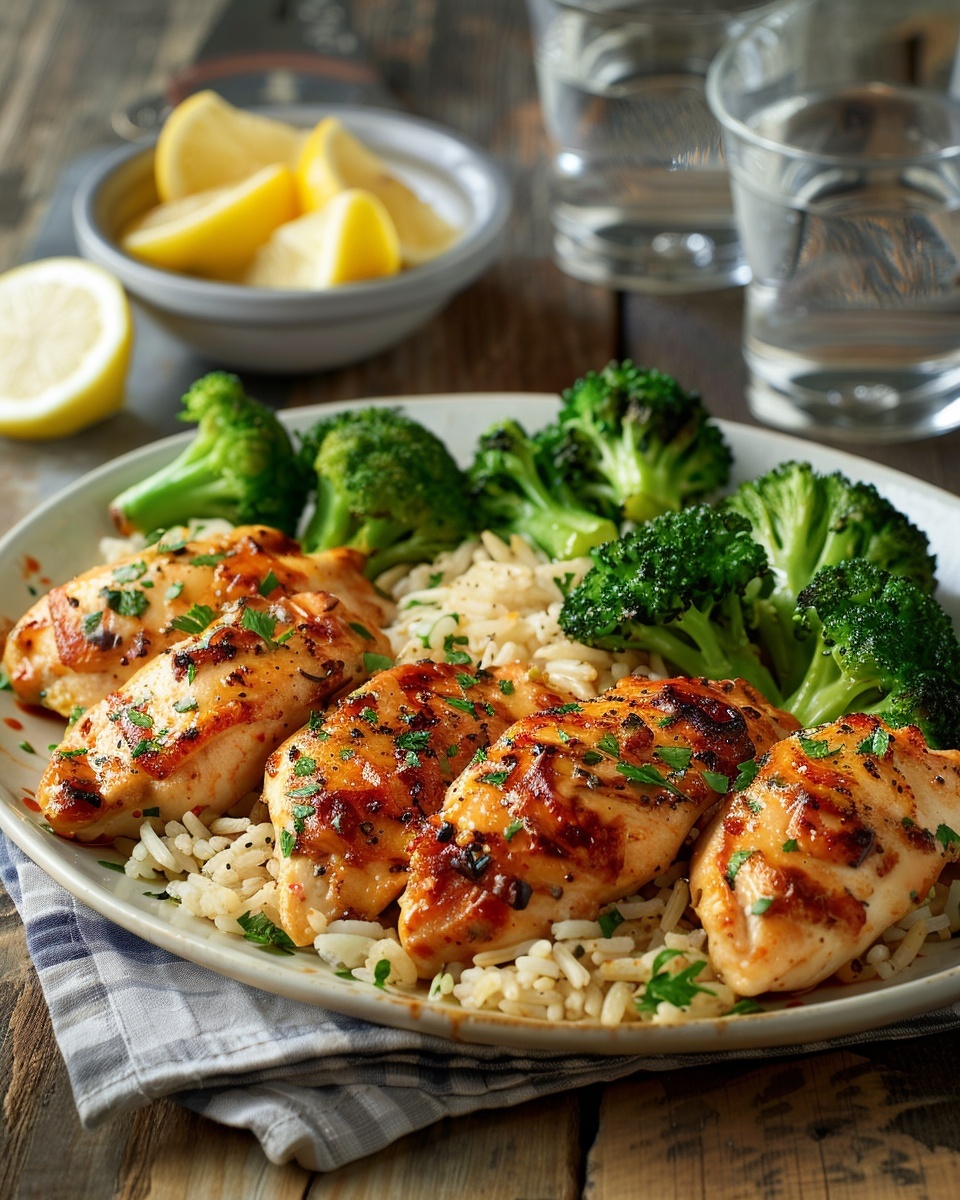
Last Tuesday night, my daughter walked into the kitchen and asked, “Mom, what’s for dinner?” I smiled because I knew exactly what I was making. Our go-to comfort meal. The one that never fails to bring everyone to the table with eager faces. Baked chicken with rice has saved me countless times on busy weeknights, and it’s become such a staple in our home that my kids now request it by name.
This dish reminds me of my grandmother’s kitchen. She’d pull a bubbling casserole dish from the oven, and the aroma would fill the entire house. The chicken would be perfectly tender, and the rice underneath would soak up all those incredible juices and flavors. I’ve been making my own version for over fifteen years now, and I’ve learned every trick to make it turn out perfect every single time.
What I love most about this recipe is how it adapts to whatever you’re craving. Some nights I want a cheesy chicken and rice bake that’s rich and indulgent. Other times I need a healthy chicken and rice recipe that’s lighter but still satisfying. The beauty of this one-dish meal is that you can customize it to fit your family’s tastes and dietary needs without losing that comforting, home-cooked goodness.
You might be wondering if this is really as easy as it sounds. The answer is yes. You don’t need fancy cooking skills or expensive ingredients. You probably have most of what you need in your pantry right now. This is the kind of recipe that builds your confidence in the kitchen because it’s nearly impossible to mess up. Even on my most chaotic days, when I’m juggling work calls and homework help, I can get this in the oven without breaking a sweat.
I’ve tried dozens of variations over the years. I’ve made spanish chicken and rice recipe versions with vibrant peppers and tomatoes. I’ve experimented with creamy chicken and rice that’s rich enough for special occasions. I’ve even mastered baked chicken and rice without canned soup because I wanted more control over the ingredients my family eats. Each version has its own charm, but they all share one thing in common. They’re incredibly satisfying and bring people together around the dinner table.
Today, I’m walking you through the best chicken and rice recipe that covers all the bases. You’ll learn the basic method first, and then I’ll share simple tweaks to create different flavor profiles. By the end of this guide, you’ll have a reliable recipe you can turn to again and again. Trust me, this is going to become your new weeknight hero.
Preparing Your Ingredients for Baked Chicken and Rice
Before you turn on the oven, let’s talk about what you need. Getting organized makes the actual cooking process smooth and stress-free. I always gather everything on my counter first. This way, I’m not scrambling around looking for ingredients while my oven preheats.
For a classic baked chicken and rice with chicken broth, your shopping list is refreshingly short. You need chicken pieces (I’ll talk about which ones work best in a minute), long-grain white rice or brown rice, good quality chicken broth, and basic seasonings like salt, pepper, garlic powder, and onion powder. That’s your foundation. Everything else is optional but can take your dish in exciting directions.
Let me share what I’ve learned about choosing chicken. Bone-in, skin-on pieces work beautifully because they stay moist during the longer cooking time. Chicken thighs are my personal favorite. They’re harder to overcook and add so much flavor to the rice below. Chicken breasts work too, but watch them more carefully. Drumsticks are perfect for chicken legs and rice casserole and kids love eating them. I sometimes mix different pieces in one dish to please everyone at the table.
The rice matters more than you might think. I usually reach for long-grain white rice because it cooks evenly and doesn’t get mushy. Each grain stays separate and fluffy. Brown rice is great for healthy chicken and rice recipes, but remember it needs more liquid and longer cooking time. Jasmine rice adds a subtle fragrance that’s lovely. Whatever you choose, don’t use instant rice. It turns to mush in the oven.
Chicken broth is your secret weapon. It transforms plain rice into something special. I prefer low-sodium broth because it gives me control over the salt level. If you only have regular broth, just skip adding extra salt until you taste at the end. Some people use water, but honestly, broth makes such a difference in flavor that I always keep boxes in my pantry.
Now let’s talk about variations. If you’re making a cheesy chicken and rice bake, add shredded cheddar, mozzarella, or a Mexican cheese blend to your ingredient list. The cheese can go on top for the last fifteen minutes of baking, or you can mix some into the rice before it goes in the oven. Both methods work beautifully.
For creamy chicken and rice, you’ll want to include cream of mushroom soup, heavy cream, or a homemade creamy sauce. I know some of you avoid canned soups. Good news! Making baked chicken and rice without canned soup is simple. Just whisk together some flour, butter, and milk to create your own creamy base. It takes five extra minutes but tastes fresher and lets you control what goes into your food.
If you’re craving a spanish chicken and rice recipe, grab some diced tomatoes (canned works fine), bell peppers, onions, and spices like cumin and paprika. Sometimes I add a pinch of saffron if I’m feeling fancy. The tomatoes add moisture and a slight tang that’s really delicious. Green olives and peas are authentic additions that my family loves.
Here’s a quick reference for vegetable additions that work well:
- Diced onions and minced garlic (add these to almost any version)
- Bell peppers in red, yellow, or orange for sweetness and color
- Frozen peas or green beans (add during the last twenty minutes)
- Sliced mushrooms for earthy flavor
- Diced carrots for a hint of sweetness
- Fresh or frozen corn for a pop of color
Seasonings make or break this dish. My basic blend includes garlic powder, onion powder, paprika, salt, and black pepper. Italian seasoning works wonderfully if you want a Mediterranean vibe. For Mexican flavors, use cumin, chili powder, and a bit of oregano. Fresh herbs like thyme, rosemary, or parsley added at the end bring brightness.
One ingredient note from my years of making this. Don’t skip the fat. Whether that’s leaving the skin on your chicken, adding a few pats of butter to the rice, or drizzling olive oil over everything, you need some fat for flavor and moisture. This isn’t the place to be overly cautious. The fat helps create that golden, crispy skin on top and keeps the rice from drying out.
I also keep a lemon on hand. A squeeze of fresh lemon juice over the finished dish brightens all the flavors. It’s a small touch that makes a big difference. My family noticed immediately the first time I added it.
Once you have everything measured and ready, you’re set. The actual assembly takes less than ten minutes. That’s what makes this recipe so practical for busy families. You’re not standing over the stove stirring constantly. You’re simply layering ingredients in a baking dish and letting your oven do the work.
If you’re meal prepping, you can prep ingredients the night before. Measure your rice, mix your seasonings, and cut any vegetables. Store everything separately in the fridge. The next day, you just need to assemble and bake. This advance preparation has saved me on those evenings when I get home late from work.
The best part about this preparation stage is that you can’t really mess it up. Even if you forget an ingredient or two, the dish still turns out delicious. I’ve made this when I was out of onion powder, when I only had vegetable broth instead of chicken broth, and when I substituted different vegetables for what I planned. Every time, dinner was still a hit. That’s the forgiving nature of this recipe, and it’s why I recommend it to new cooks all the time.


Now that your ingredients are prepped and waiting, let’s get into the actual cooking part, which honestly might surprise you with how straightforward it is.
Cooking Techniques for Perfect Baked Chicken with Rice
The first thing I tell anyone making this for the first time is to preheat your oven to 350 degrees. I know that sounds basic, but you’d be surprised how many people skip this step and wonder why their timing gets thrown off. That steady 350 degrees is the sweet spot. Not too hot that the top burns before the rice cooks through, and not too low that everything takes forever.
Here’s how I assemble everything. Take your baking dish, something around 9×13 inches works great for feeding a family. I spray mine with cooking spray or rub a little butter around the edges to prevent sticking. Then spread your uncooked rice evenly across the bottom. Don’t pack it down or anything, just spread it so it covers the base in an even layer. This rice is going to absorb all the cooking liquid and the juices from the chicken above it, so you want it distributed well.
Next comes your seasoned chicken pieces. Place them right on top of the rice, skin side up if you’re using skin-on pieces. I arrange them so they’re not overlapping too much because you want even cooking. Sometimes I nestle some sliced onions or garlic cloves between the chicken pieces. They soften beautifully and add another layer of flavor.
Now for the crucial part. Pour your chicken broth over the entire thing. The liquid should come up to just below the top of the rice, almost covering it but not quite drowning everything. For a standard 9×13 dish with about two cups of rice, I use roughly three to four cups of broth. The exact amount depends on your rice type. If you’re using brown rice, you’ll need more liquid because it absorbs more as it cooks.
This is your classic baked chicken and rice with chicken broth method, and it creates this beautiful self-basting situation where the chicken drippings flavor the broth, which then flavors the rice. Everything works together. I sometimes add a few pats of butter on top of the chicken pieces before it goes in. The butter melts and helps the skin get crispy and golden.
Cover your baking dish tightly with aluminum foil. This is important for the first part of cooking because the steam trapped inside helps cook the rice through. I’ve tried skipping this step when I was feeling lazy, and the rice came out crunchy and undercooked. Not good. The foil stays on for most of the cooking time.
Pop it in your preheated oven and set a timer. For white rice and chicken pieces, you’re looking at about an hour to an hour and fifteen minutes total. Brown rice needs closer to an hour and a half. About forty-five minutes in, I remove the foil to let the chicken skin crisp up and get that gorgeous golden color. If you like really crispy skin, you can even bump the temperature to 400 degrees for the last ten minutes.
One question I get constantly is whether you can actually cook raw chicken and uncooked rice together. Can you cook raw chicken and rice at the same time in the oven? Yes, absolutely. That’s the whole magic of this dish. The chicken cooks through completely while the rice absorbs liquid and becomes tender. The key is making sure both reach safe temperatures. Your chicken needs to hit 165 degrees internal temperature, which you can check with a meat thermometer inserted into the thickest part.
Is it okay to cook raw chicken with rice? Completely fine, and honestly recommended for this recipe. The rice sitting beneath the chicken catches all those flavorful juices. That’s what makes it taste so incredible compared to plain steamed rice on the side. Just make sure you’re using proper food safety. Don’t let raw chicken sit out while you prep other things, and wash your hands after handling it.
I remember the first time I made this, I was nervous about the raw chicken and rice cooking together. It seemed almost too simple. But when I pulled that dish out of the oven and tested the chicken, it was perfectly done. The rice was fluffy and had soaked up all this amazing flavor. My husband took one bite and said it tasted like I’d spent hours on it. I didn’t tell him it took me ten minutes to throw together.
By the way, if you’re someone who loves making multiple dishes like I do, this technique pairs beautifully with lighter sides. On nights when I want to balance the richness of this baked chicken with rice, I’ll throw together a quick hummus veggie wrap for lunch the next day using leftover vegetables. It’s all about balance.
Different Variations to Keep Things Interesting
After you master the basic technique, the fun really begins because you can take this in so many directions. Some nights call for comfort food that wraps around you like a warm blanket. That’s when I make chicken legs and rice casserole with cream of mushroom soup. The cream of mushroom adds this earthy, creamy element that kids especially love.
For this version, I layer the rice with a can of cream of mushroom soup mixed with about two cups of chicken broth. The soup thins out with the broth and creates this velvety sauce. Then I arrange the chicken legs on top, season them well, and bake using the same method. The result is incredibly comforting. My son requests this version specifically on cold winter nights.
Here’s the thing though. Not everyone wants that level of richness every time. Sometimes you need something lighter that still satisfies. That’s where healthy chicken and rice recipes come in. I’ll use skinless chicken breasts or thighs, add tons of fresh vegetables like broccoli, bell peppers, and carrots, and use brown rice for extra fiber.
For a lighter version, I reduce the amount of added fat. Instead of butter on top, I might brush the chicken with a little olive oil and lemon juice. The vegetables add bulk and nutrition without heaviness. I’ll toss in some cherry tomatoes during the last twenty minutes of baking. They burst and create these little pockets of sweet, tangy flavor throughout the rice. It’s delicious and doesn’t leave you feeling overstuffed afterward.
Funny enough, my daughter started requesting more vegetable-heavy versions after she tried a shrimp rice bowl with vegetables at a restaurant. She came home asking if we could make something similar but with chicken. Kids surprise you sometimes with what they’ll eat if you present it right.
Another variation I absolutely love is adding Mediterranean flavors. I’ll use chicken thighs, season them with oregano, garlic, and lemon zest, then tuck artichoke hearts and sun-dried tomatoes around the rice before baking. Sometimes I crumble feta cheese on top during the last few minutes. It’s like a vacation on a plate.
The spanish chicken and rice recipe version I mentioned earlier uses a different assembly method that’s worth explaining. Instead of plain broth, I use diced tomatoes with their juices as part of my liquid. I sauté onions and peppers first in a skillet, then spread them over the rice before adding the chicken. The paprika and cumin get rubbed directly onto the chicken skin. Everything bakes together and you get these beautiful Spanish flavors. Sometimes I add a handful of sliced olives and frozen peas during the last twenty minutes.
If you want to go the cheesy chicken and rice bake route, here’s my technique. I cook everything normally, but about fifteen minutes before it’s done, I sprinkle shredded cheese generously over the top. The cheese melts and gets slightly golden and bubbly. Cheddar works great, or try a Mexican blend if you’ve seasoned your chicken with taco spices. My kids go crazy for this version.
One more thing I’ve learned about variations. You can borrow techniques from other cuisines to keep this dish exciting. The stir-fry method of quick-cooking vegetables over high heat actually inspired me to add a handful of snap peas and water chestnuts to my rice mixture once. It gave a fun crunch that reminded me of takeout. If you’re into experimenting with different cooking styles, check out this beef and veggie stir fry for inspiration on vegetable combinations that work well together.
Temperature and timing can shift slightly with variations. If you’ve loaded your dish with lots of vegetables, you might need an extra ten minutes to make sure everything cooks through. Frozen vegetables release water as they cook, so account for that in your liquid measurements. I learned this the hard way when my rice came out slightly mushy after I added frozen broccoli without adjusting anything else.
The beauty of mastering these techniques is that you develop intuition. After making this a dozen times, you’ll know by looking whether you need more liquid, whether your oven runs hot and you should check earlier, or whether your chicken pieces are larger and need extra time. Cooking becomes less about following rigid rules and more about understanding how ingredients behave together.
And if you’re ever looking for a completely different way to use leftover chicken, a cold chicken pasta salad makes excellent use of any extra pieces. I’ve been known to intentionally make extra chicken just so I have leftovers for lunch the next day.


Making Baked Chicken with Rice Work for Special Diets and Preferences
Over the years, I’ve cooked for friends and family members with all kinds of dietary needs. My sister doesn’t eat dairy. My neighbor avoids processed foods whenever possible. My best friend’s daughter has a gluten sensitivity. The wonderful thing about baked chicken with rice is how easily it adapts to accommodate different eating styles without losing its soul.
Let’s start with the canned soup conversation because this comes up constantly. A lot of people reach for cream of mushroom or cream of chicken soup because it’s convenient and creates that creamy texture we all crave. But if you’re trying to avoid processed foods or just want cleaner ingredients, making baked chicken and rice without canned soup is actually simpler than you might think.
Here’s what I do instead. I make a quick homemade cream sauce that takes maybe five minutes. Melt three tablespoons of butter in a saucepan over medium heat. Whisk in three tablespoons of flour and cook it for about a minute until it smells slightly nutty. Then slowly pour in two cups of chicken broth while whisking constantly. The mixture will thicken into a beautiful sauce. Add a splash of heavy cream if you want extra richness, or leave it out for a lighter version. Season with salt, pepper, and whatever herbs you’re using for your chicken.
This homemade sauce replaces canned soup perfectly. You know exactly what’s in it, you can control the salt level, and honestly it tastes fresher. I started doing this after reading the ingredient labels on some canned soups and realizing they contained things I couldn’t even pronounce. The homemade version gave me peace of mind without sacrificing flavor. My kids didn’t even notice the switch.
For dairy-free cooking, I’ve successfully used coconut milk in place of cream. The coconut flavor is subtle, especially when you’ve got strong seasonings on your chicken. Another option is using cashew cream, which you make by blending soaked cashews with water until smooth. It’s surprisingly creamy and works beautifully in this dish.
Gluten-free folks have it easy with this recipe because rice is naturally gluten-free. Just watch your broth labels to make sure they haven’t added anything with gluten, and if you’re making a cream sauce, use cornstarch instead of flour as your thickener. Two tablespoons of cornstarch mixed with a little cold water creates a slurry that thickens your sauce perfectly without any gluten.
Low-carb or keto dieters sometimes ask if there’s a way to enjoy this concept without the rice. I’ve experimented with cauliflower rice as a substitute. It works, though you need to adjust your liquid amounts significantly because cauliflower doesn’t absorb nearly as much. Use about half the liquid you’d normally use, and consider adding the cauliflower rice halfway through cooking so it doesn’t turn to mush.
By the way, understanding basic food preparation techniques helps tremendously when you’re adapting recipes for different diets. Once you understand how ingredients interact during cooking, you can substitute with confidence.
I’ve also made this dish with different proteins for people who don’t eat chicken. Turkey thighs work wonderfully. So do bone-in pork chops, though they cook a bit faster so watch your timing. I even made a version with salmon once for my pescatarian cousin, though that required major adjustments to cooking time and I added lemon and dill to the rice mixture.
Now here’s something fun I discovered last summer. If you’re someone who loves camping or cooking outdoors, there’s actually a campbells chicken and rice recipe designed specifically for camp cooking. I tried it on a family camping trip when we had a Dutch oven over the fire. You basically layer everything the same way but cook it over coals instead of in your kitchen oven. The smoky flavor from the fire added something special. We used a can of Campbell’s cream of mushroom soup that time because it was easier to pack than making sauce from scratch in the woods.
The technique translated surprisingly well to outdoor cooking. You need good temperature control with your coals, which takes practice, but the principle is the same. Cover your Dutch oven, place coals underneath and on top of the lid, and let everything cook for about an hour. Check your chicken temperature the same way you would at home. That trip taught me that this dish is versatile enough to make anywhere, which speaks to how forgiving and adaptable it really is.
For vegetarians in your life, you can actually make a meatless version that’s still satisfying. Use vegetable broth, load up on mushrooms and other hearty vegetables, and consider adding chickpeas or white beans for protein. Top it with cheese if they eat dairy. I made this for a vegetarian potluck once and people were surprised at how flavorful it was without any meat.
Low-sodium diets require just a few tweaks. Use unsalted broth and control all the salt yourself, adding it gradually and tasting as you go. Fresh herbs become even more important when you’re cutting back on salt because they provide flavor complexity. I learned this when my dad’s doctor told him to watch his sodium intake. We started using way more fresh parsley, thyme, and rosemary in his portions, and he never felt like he was missing anything.
Getting Your Timing Right Every Time
Timing questions are probably the most common ones I hear about this dish. How long does it take to cook chicken and rice in the oven at 350 degrees? The answer depends on a few variables, but I can give you reliable guidelines that work almost every time.
For standard chicken pieces with white rice, plan on about 60 to 75 minutes total. The first 45 minutes should be with the foil on, trapping all that steam. Then remove the foil and let everything finish for another 15 to 30 minutes. The exact time depends on how thick your chicken pieces are and whether they’re bone-in or boneless.
Bone-in chicken takes longer than boneless. A big chicken breast with the bone still in might need the full 75 minutes, while boneless thighs might be done in 60. This is why I always, always use a meat thermometer. You’re looking for 165 degrees Fahrenheit in the thickest part of the chicken, making sure you’re not touching bone when you measure because that throws off the reading.
Brown rice changes everything timing-wise. It needs significantly more time to cook through, usually an extra 20 to 30 minutes beyond what white rice requires. So for brown rice versions, I plan on an hour and a half total, sometimes even longer. Check your rice around the 90-minute mark by carefully lifting a piece of chicken and testing a grain of rice. It should be tender all the way through, not crunchy or hard in the center.
Here’s something I figured out after making this probably a hundred times. Every oven is different. Mine runs a little hot, so things cook faster than recipes usually suggest. My mother-in-law’s oven runs cool, and when I make this dish at her house, I add at least 10 minutes to whatever time I’d use at home. Get to know your oven’s quirks. If you notice things always take longer than recipes say, your oven probably runs cool. Adjust accordingly.
The size of your baking dish matters too. A deeper dish with everything packed more tightly takes longer because heat doesn’t circulate as well. A wider, shallower dish cooks faster. I use a 9×13 inch pan most of the time, which is the standard size most recipes assume you’re using. If you’re using something different, keep an eye on things and test for doneness rather than relying purely on time.
One trick I use when I’m not sure about timing is to start checking early. There’s no harm in pulling your dish out, testing the chicken temperature, tasting a bit of rice, and putting it back if it needs more time. I’d much rather check twice than serve undercooked chicken or crunchy rice.
If you’re making a double batch for a crowd, you might need to increase cooking time slightly. More food in the oven means more thermal mass that needs to heat through. I usually add 10 to 15 minutes when I’m making a huge casserole for gatherings.
Altitude affects cooking time too. I learned this when we visited relatives in Colorado. At high altitude, things take longer because water boils at a lower temperature. If you’re cooking above 3,000 feet, you might need to add extra liquid and extend your cooking time. It’s frustrating to figure out, but once you know how your altitude affects things, you can adjust.
Some people ask if you can cook this faster at a higher temperature. Technically yes, but I don’t recommend it. At 400 degrees, your chicken might cook through in 45 minutes, but your rice often doesn’t have enough time to become tender. You end up with crispy chicken sitting on top of undercooked rice. The lower, slower 350-degree method ensures everything finishes at the same time.
When I’m planning dinner timing, I work backwards from when we want to eat. If we’re eating at six, I start prepping around 4:30, and the dish goes in the oven by 4:45. That gives me plenty of time for cooking plus a few minutes of resting. Yes, this dish benefits from resting for about five minutes after it comes out of the oven. It lets the rice finish absorbing any remaining liquid and makes serving much easier.
By the way, if you’re looking for more ideas for satisfying midday meals that come together quickly, browsing through different lunch recipes can spark creativity for how you use leftovers from dishes like this throughout the week.
The absolute best way to know your dish is done is through multiple checks. Your chicken should register 165 degrees. Your rice should be tender when you bite into it. The liquid should be mostly absorbed, though a tiny bit remaining is fine because it gets absorbed during resting. The top should be golden and slightly crispy if you removed the foil for the last portion of cooking. When all those things align, you know you’ve nailed it.
I still remember the first time everything came out absolutely perfect. The timing was right, the chicken was juicy with crispy skin, and the rice was fluffy and flavorful. I felt like I’d unlocked some kind of cooking achievement. The truth is, it just took practice and paying attention. Now I can practically make this dish in my sleep, and you’ll get there too.
So whether you’re making a classic version or adapting it for special diets, whether you’re cooking for two or twenty, whether it’s a quiet Tuesday or a camping adventure, this best chicken and rice recipe framework has you covered. It’s become so much more than just a recipe in my kitchen. It’s a solution, a comfort, and a way to bring people together over something delicious and homemade. I hope it becomes that for you too.
FAQs About Baked Chicken with Rice
How do you bake chicken and rice in the oven?
You spread uncooked rice in the bottom of a baking dish, place seasoned raw chicken pieces on top, and pour chicken broth over everything. Cover tightly with foil and bake at 350 degrees for about 45 minutes, then remove the foil and continue cooking for another 15-30 minutes until the chicken reaches 165 degrees internally and the rice is tender. The chicken juices flavor the rice as everything cooks together. It’s a one-dish method that’s incredibly simple and produces delicious results every time.
Can you cook raw chicken and rice at the same time in the oven?
Absolutely, and that’s exactly what makes this dish so convenient. The chicken needs to reach 165 degrees to be safe, which happens in the same timeframe that rice needs to become tender. The key is using enough liquid so the rice cooks through while the chicken reaches safe temperature. I’ve been cooking them together for years without any issues. Just make sure to check your chicken temperature with a meat thermometer to confirm it’s fully cooked before serving.
Is it okay to cook raw chicken with rice?
Yes, it’s completely safe as long as you follow proper food handling procedures and cook everything to the correct temperature. Don’t let raw chicken sit out at room temperature while prepping other ingredients, and wash your hands and surfaces after handling raw poultry. The rice cooking underneath the chicken will reach safe temperatures because it’s surrounded by hot liquid and the heat from the oven. The chicken juices that drip onto the rice get cooked thoroughly during the baking process, creating incredible flavor without any food safety concerns.
How long does it take to cook chicken and rice in the oven at 350 degrees?
Plan on 60 to 75 minutes for white rice with standard chicken pieces. Brown rice takes longer, usually 90 minutes or more because it needs extra time to become tender. The first 45 minutes should be covered with foil, then uncover and continue cooking until your chicken registers 165 degrees internally. Larger pieces take longer than smaller ones, so always check with a thermometer rather than relying solely on time. Every oven is slightly different too, so get to know how yours performs.
What type of rice works best for baked chicken with rice?
Long-grain white rice is my go-to choice because it stays fluffy and separate, and it cooks evenly in the oven timeframe. Brown rice works well if you want a healthier option, but it needs more liquid and longer cooking time. Jasmine rice adds a subtle fragrance that’s lovely. Avoid instant or minute rice because it becomes mushy in the oven. Short-grain rice can work but tends to be stickier. I’ve had the best results with standard long-grain white rice or basmati.
Can I make this dish ahead of time?
You can prep the ingredients ahead and store them separately in the fridge, then assemble and bake when you’re ready. I don’t recommend assembling the entire dish with raw chicken and letting it sit because the rice will start absorbing the cold liquid unevenly. However, you can fully cook the dish, refrigerate it, and reheat it later. Cover with foil and reheat at 325 degrees for about 20-30 minutes until warmed through. Add a splash of broth before reheating if it seems dry.
How do I make baked chicken and rice without canned soup?
Make a simple cream sauce by melting butter, whisking in flour, and slowly adding chicken broth until it thickens. This takes about five minutes and replaces canned cream soups perfectly. You can add cream or milk for extra richness. Season it with the same herbs and spices you’re using on your chicken. This homemade version tastes fresher and lets you control exactly what goes into your food. I’ve completely stopped using canned soups since learning this method.
What vegetables can I add to this dish?
Diced onions, bell peppers, carrots, and mushrooms all work beautifully mixed in with the rice before baking. Frozen peas, green beans, or corn should be added during the last 20 minutes of cooking so they don’t become mushy. Cherry tomatoes are wonderful added near the end because they burst and create pockets of flavor. Broccoli florets work well but may need a few extra minutes. I usually sauté harder vegetables like onions and peppers briefly before adding them to help them cook through in time.
Why is my rice coming out mushy or crunchy?
Mushy rice means too much liquid or overcooking. Crunchy rice means not enough liquid or undercooking. The standard ratio is roughly 1.5 to 2 cups of liquid per cup of rice, but this varies by rice type. Brown rice needs more liquid than white. Check your rice package for guidance. Also make sure you’re covering the dish with foil for the first part of cooking to trap steam. If your rice is consistently having issues, try adjusting your liquid by a quarter cup in either direction until you find what works with your specific setup.
Can I use chicken breasts instead of thighs or drumsticks?
Chicken breasts work fine, though they can dry out more easily than thighs because they’re leaner. I recommend using bone-in breasts with skin if possible, as the bone helps them stay moist and the skin protects the meat. Boneless skinless breasts need careful watching and might benefit from being removed a few minutes early or having some cream sauce drizzled over them. Check their internal temperature at the 50-minute mark because they often cook faster than dark meat. I personally prefer thighs for this dish because they’re more forgiving.
Ingredients
Equipment
Method
- Preheat the oven to 350°F (175°C).
- Spray a 9x13-inch baking dish with cooking spray or grease with butter.
- Spread the uncooked rice evenly across the bottom of the dish.
- Arrange seasoned chicken pieces on top of the rice, skin side up, without overlapping.
- Pour chicken broth over the chicken and rice, ensuring it covers the rice but does not drown it.
- Add a few pats of butter on top of the chicken for crispiness (optional).
- Tightly cover the baking dish with aluminum foil.
- Bake for about 45 minutes.
- Remove the foil and continue to bake for an additional 15-30 minutes until the chicken reaches 165°F and the rice is tender.
- Squeeze fresh lemon juice over the dish before serving, if desired.