
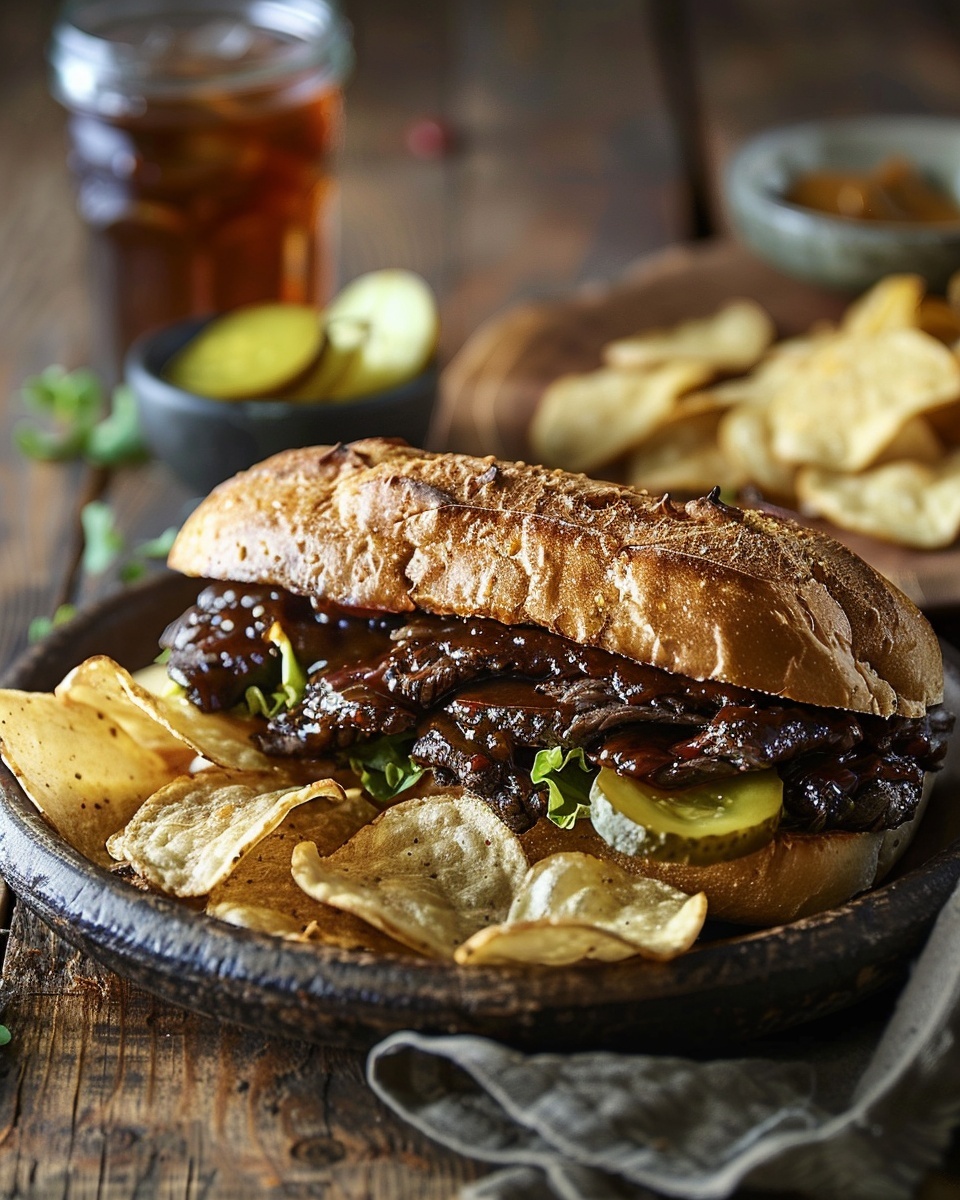
Why I Love Making a Great Beef Sandwich with Lettuce
I still remember the first time I bit into a really good beef sandwich. I was at my uncle’s backyard barbecue, and he’d just pulled a beautiful roast off the grill. He sliced it thin, piled it high on fresh bread, and topped it with crisp lettuce that still had tiny water droplets clinging to the leaves. That crunch, followed by the tender, juicy beef—it changed everything I thought I knew about sandwiches.
Hi there! I’m a food lover who’s spent years perfecting simple recipes that deliver big flavor. Today, I want to share everything I know about making an amazing beef sandwich with lettuce. This isn’t just any sandwich. It’s a meal that works for quick weeknight dinners, weekend lunches, or even when you’re feeding a crowd.
The beauty of a beef sandwich lies in its simplicity. You don’t need fancy cooking skills or hard-to-find ingredients. What you do need is good beef, fresh lettuce, and the right approach to putting it all together. I’ve made hundreds of these sandwiches over the years. I’ve learned what works and what doesn’t through plenty of trial and error.
This guide will walk you through every step. You’ll learn which ingredients to buy, how to prepare them, and the best ways to serve your creation. By the time you finish reading, you’ll have all the knowledge you need to make a sandwich that’ll have people asking for your recipe.
I believe cooking should be fun, not stressful. That’s why I break everything down into easy steps. Whether you’re a complete beginner or someone who cooks regularly, you’ll find tips here that make the process smoother and the results tastier.
Ingredients for the Perfect Beef Sandwich with Lettuce
Let me tell you something I learned the hard way. You can follow a recipe perfectly, but if your ingredients aren’t good, your sandwich won’t be either. I once made sandwiches for a family gathering using bargain beef from the discount bin. The meat was tough and flavorless. Everyone was polite, but I could tell they weren’t impressed. That taught me a valuable lesson about starting with quality ingredients.
The Beef: Your Star Ingredient
The beef is the heart of this sandwich. You need to choose wisely here. I prefer using roast beef, either from a deli counter or homemade from a fresh roast. Both options work great, but they give different results.
Quality beef makes all the difference. Look for meat with good marbling—those little white lines of fat running through it. This fat adds flavor and keeps the meat tender. If you’re buying pre-cooked roast beef from the deli, ask for a sample first. It should taste rich and savory, not bland or overly salty.
Here are the best beef options for sandwiches:
- Deli roast beef: Convenient and already cooked. Choose medium-rare or rare for the best flavor and texture.
- Home-roasted beef: A chuck roast, sirloin, or top round works perfectly. You control the seasoning and cooking level.
- Leftover steak: Got leftover grilled steak? Slice it thin and use it. Waste not, want not!
- Slow-cooked beef: If you have time, a slow cooker makes incredibly tender meat that falls apart in your mouth.
I usually buy about 4 to 6 ounces of beef per sandwich. That gives you a generous portion without being so much that the sandwich falls apart.
The Lettuce: Crunch and Freshness
Fresh lettuce is non-negotiable. Wilted, brown lettuce ruins a sandwich faster than anything else. I check my lettuce carefully at the store. It should be bright in color with no dark spots or slimy patches.
Not all lettuce is created equal for sandwiches. Some varieties work better than others. Here’s what I’ve found through years of sandwich making:
- Iceberg lettuce: My go-to choice. It’s super crispy and holds up well. The mild flavor doesn’t compete with the beef.
- Romaine lettuce: Adds a nice crunch with slightly more flavor than iceberg. The leaves are sturdy and don’t tear easily.
- Butter lettuce: Softer and more delicate. Use this if you want a gentler texture.
- Mixed greens: Good for adding color and variety, though they can be a bit too delicate for hearty sandwiches.
I always wash my lettuce, even if the package says it’s pre-washed. Then I dry it completely using a salad spinner or paper towels. Wet lettuce makes bread soggy, and nobody wants that.
The Bread: Your Foundation
The bread holds everything together. It needs to be sturdy enough to support all your ingredients but soft enough to bite through easily. I’ve had sandwiches fall apart because I chose the wrong bread. It’s frustrating and messy.
My favorite bread choices include:
- Ciabatta rolls: Crusty outside, soft inside. They have great flavor and structure.
- Kaiser rolls: Classic sandwich rolls that work every time.
- Sourdough bread: The tangy flavor pairs beautifully with beef.
- French baguette: Cut into sections for individual sandwiches.
- Whole wheat bread: Adds nutrition and a nutty flavor.
I like to lightly toast my bread. This creates a barrier that keeps moisture from soaking through. Just a minute or two in a hot pan or under the broiler does the trick.
The Toppings: Where Personality Shines
This is where you make the sandwich your own. The toppings for beef sandwich creations are almost endless. I keep certain staples on hand, then add extras based on my mood or what’s in my fridge.
Essential toppings I always have ready:
- Cheese: Sharp cheddar, Swiss, provolone, or pepper jack all work wonderfully. I use about one slice per sandwich.
- Tomatoes: Fresh, ripe tomatoes add juiciness and a pop of color. I slice them about a quarter-inch thick.
- Onions: Red onions give a sharp bite. White or yellow onions are milder. You can use them raw or caramelize them for sweetness.
- Pickles: Dill pickles add tang and crunch. They cut through the richness of the beef.
Optional extras that take things up a notch:
- Avocado slices for creaminess
- Roasted red peppers for sweetness
- Jalapeños if you like heat
- Bacon because bacon makes everything better
- Sautéed mushrooms for earthy flavor
The Condiments: Flavor Boosters
A good condiment ties all the flavors together. I never skip this step. The right sauce transforms a good sandwich into a great one.
My favorite condiment options:
- Mayonnaise: Classic and creamy. I spread it on both slices of bread.
- Mustard: Yellow, Dijon, or whole grain all bring different flavor profiles. Try mixing mustard with mayo for the best of both.
- Horseradish sauce: This is my secret weapon. The kick pairs perfectly with beef.
- Barbecue sauce: Adds sweetness and smoke. Great for a more casual sandwich.
- Au jus: For dipping. This turns your sandwich into a French dip style meal.
I make my own horseradish mayo by mixing two tablespoons of mayo with one teaspoon of prepared horseradish. It takes thirty seconds and tastes amazing.
Quick Shopping List
Here’s what you need for four sandwiches:
| Ingredient | Amount |
|---|---|
| Quality roast beef | 1 to 1.5 pounds |
| Fresh lettuce | 1 small head |
| Bread or rolls | 4 pieces |
| Cheese slices | 4 slices |
| Tomatoes | 2 medium |
| Onion | 1 medium |
| Condiments | As desired |
When I shop for these ingredients, I go to the store with my list and stick to it. I buy the best quality I can afford, especially for the beef and lettuce. These two ingredients carry the sandwich, so they deserve extra attention.
One more tip from my experience: don’t buy ingredients too far in advance. Lettuce wilts quickly. Tomatoes lose their flavor. Bread gets stale. I shop one or two days before I plan to make sandwiches. This keeps everything at peak freshness.
Now that you know what to buy, you’re ready to start building amazing beef sandwiches. The right ingredients set you up for success every single time.


Preparation Steps for Your Best Beef Sandwich
Okay, so you’ve got your ingredients sitting on the counter. Now comes the fun part—actually putting everything together. I’ll be honest, this is where I used to mess things up when I first started cooking. I’d rush through the prep work, skip important steps, and wonder why my sandwiches didn’t taste as good as the ones at my favorite deli. Then I learned that taking a little extra time in the preparation makes a massive difference.
Step-by-Step Guide on How to Prepare the Beef
Let me tell you about the time I decided to cook beef for sandwiches for my daughter’s birthday party. I had twenty kids coming over, and I thought I could just throw some meat in the oven without much thought. Big mistake. The beef came out dry and chewy. The kids were polite, but I saw them sneaking to the kitchen for extra condiments to mask the flavor. That day taught me that preparing beef properly is absolutely crucial.
The best way to cook beef for sandwiches depends on whether you’re starting with raw meat or using pre-cooked deli beef. I’ll cover both approaches because they each have their place.
If you’re cooking beef from scratch, here’s what I do. First, I take the roast out of the refrigerator about thirty minutes before cooking. Cold meat doesn’t cook evenly, and you’ll end up with an overcooked outside and raw inside. While the meat comes to room temperature, I prepare my seasoning mix. My basic blend includes salt, black pepper, garlic powder, and a touch of onion powder. Sometimes I throw in some dried thyme or rosemary if I’m feeling fancy.
Now here’s something important that changed my sandwich game completely. I sear the beef first. Heat a large skillet until it’s really hot—like, smoking hot. Add a tablespoon of oil, then place your roast in the pan. Let it sit for two to three minutes without moving it. You want a deep brown crust. Turn it and sear all sides. This step locks in juices and creates incredible flavor through something called the Maillard reaction. Fancy name, but it just means browning equals deliciousness.
After searing, I transfer the beef to a roasting pan and pop it in a preheated oven at 325 degrees Fahrenheit. The cooking time depends on your roast size and how done you like it. I use a meat thermometer because guessing doesn’t work. For medium-rare, I pull it at 130 degrees. For medium, 140 degrees. The temperature will rise another five degrees while it rests.
Speaking of resting, this might be the most important step people skip. When you pull that beef from the oven, cover it loosely with foil and let it sit for at least fifteen minutes. I know it’s tempting to slice right away, but don’t do it. Resting allows the juices to redistribute through the meat. Cut too early, and all those beautiful juices run out onto your cutting board instead of staying in the beef.
Want to add extra flavor? Try marinating your beef overnight. I mix soy sauce, Worcestershire sauce, minced garlic, and a bit of brown sugar. The beef soaks up those flavors and becomes incredibly savory. Just remember to pat it dry before searing, or you won’t get that nice crust.
For deli beef, the process is obviously simpler, but there’s still a trick. I never use it straight from the fridge. Cold beef tastes flat. I either let it sit at room temperature for twenty minutes, or I warm it gently. My method involves placing the beef slices in a skillet with a few tablespoons of beef broth or au jus. Heat it over medium-low, stirring occasionally, until it’s just warmed through. This takes maybe three minutes, but it makes the beef taste freshly cooked. The moisture from the broth also prevents it from drying out.
Preparing the Lettuce
You know what’s sad? A sandwich with wilted, soggy lettuce. I’ve been served those at restaurants where they clearly didn’t care about the details. Don’t be that person. Taking care of your lettuce properly shows you respect your ingredients and whoever’s eating your food.
First thing—and I cannot stress this enough—wash your lettuce even if the package claims it’s triple-washed. I once got food poisoning from supposedly clean greens. Not fun. I fill a large bowl with cold water, separate the lettuce leaves, and swish them around gently. Any dirt or grit sinks to the bottom. Sometimes I change the water and repeat if the lettuce came from my garden or a farmer’s market.
Drying is where most people go wrong. Wet lettuce makes your bread soggy within minutes. I invested in a salad spinner years ago, and it’s one of my most-used kitchen tools. You pile the washed lettuce in the basket, put the lid on, and spin it like crazy. The water flies off through centrifugal force. If you don’t have a spinner, spread the leaves on clean kitchen towels and gently pat them dry. It takes longer, but it works.
Here’s my answer to the question: how do I keep lettuce crisp for my beef sandwich? After washing and drying, I store the lettuce in the refrigerator between paper towels inside a container. The paper towels absorb any remaining moisture. This keeps lettuce crisp for two to three days. Some people add a paper towel to the original lettuce bag, which also works.
Right before assembling sandwiches, I take out only the amount of lettuce I need. I tear or cut it into pieces that fit the bread size. Big lettuce leaves that hang over the sides look messy and make the sandwich hard to eat. I learned this the hard way during a picnic when my sandwich fell apart because I’d used whole romaine leaves. Half my beef ended up in my lap.
By the way, if you’re making sandwiches ahead of time, keep the lettuce separate until serving. Pack it in a small container, and people can add it themselves. This trick has saved many a party sandwich from becoming a soggy disaster.
Assembling the Sandwich
Here’s where technique really matters. The order you stack ingredients affects everything—how the sandwich tastes, whether it stays together, and how easy it is to eat. I’ve assembled sandwiches hundreds of times, and I’ve developed a system that works perfectly.
Understanding how to layer a beef sandwich with lettuce is actually pretty logical once you think about it. You want to protect the bread from moisture while making sure every bite has a good mix of flavors and textures.
Start with your bottom slice of bread. If you’ve toasted it, place the cut side up. Now spread your condiment—mayo, mustard, or my favorite horseradish mixture. This creates a moisture barrier. Funny enough, fat-based spreads like mayo actually repel water from other ingredients, keeping your bread from getting soggy.
Next comes the lettuce. Yes, lettuce goes directly on the condiment. This might seem backwards, but there’s science behind it. The lettuce creates another barrier between the moist beef and the bread. I use enough lettuce to cover the bread completely, maybe two or three leaves depending on size.
Now pile on your beef. I like to fold the slices loosely rather than laying them flat. This creates little pockets of air that make the sandwich lighter and easier to bite through. Flat, compressed meat is harder to chew and less enjoyable. Use all your beef at this point—don’t hold back.
If you’re adding cheese, it goes on the beef while the beef is still slightly warm. The residual heat helps the cheese soften a bit and stick to the meat. Swiss, cheddar, or provolone all work great here. One slice is usually enough, though I won’t judge if you use two.
Then come your other toppings. I add tomatoes next, followed by onions and pickles. The tomatoes should be patted dry with a paper towel first to remove excess juice. Onions add flavor without much moisture, so they’re safe. Pickles are last because they’re the wettest ingredient besides the beef.
Finally, spread condiment on your top slice of bread and close the sandwich. Press down gently but firmly. This helps everything stick together. If the sandwich feels unstable, secure it with a toothpick. I cut large sandwiches diagonally because the triangle shape is easier to hold and looks more appealing.
Sometimes I’ll serve this alongside something lighter, like my hummus veggie wrap, especially if I’m feeding people with different preferences. Having options makes everyone happy.
Serving Suggestions
A great beef sandwich deserves equally great accompaniments. I’ve served these sandwiches at casual family dinners and at slightly fancier gatherings, and what you serve alongside can really change the whole meal’s vibe.
My go-to side dishes for beef sandwiches rotate based on the season and how much effort I want to put in. For a simple weeknight meal, I might just open a bag of chips and call it done. But when I have time or company, I like to do something more interesting.
Potato-based sides are classic for good reason. Crispy french fries are always a hit, especially with kids. I bake mine in the oven with olive oil, salt, and paprika for a slightly healthier version. Potato salad works great for picnics or potlucks. My recipe involves red potatoes, mayo, mustard, celery, and hard-boiled eggs. It’s creamy and tangy and complements the richness of the beef.
Coleslaw is another favorite of mine. The cool, crunchy cabbage provides a nice contrast to the warm, savory sandwich. I make mine with a vinegar-based dressing rather than mayo-heavy because it’s lighter and more refreshing. Just shredded cabbage, carrots, apple cider vinegar, a touch of sugar, salt, and pepper. Let it sit for thirty minutes before serving so the flavors blend.
If I’m feeling adventurous, I’ll roast some vegetables. Carrots, bell peppers, and zucchini tossed with olive oil and herbs, then roasted until caramelized. This adds color to the plate and makes the meal feel more substantial. Plus, it’s a sneaky way to get more vegetables into the meal, which my family always needs.
For something completely different, try pairing your beef sandwich with a warm bowl of lentil soup with vegetables. The earthiness of the lentils works surprisingly well with beef, and soup-and-sandwich combos always feel comforting. This works especially well in fall and winter.
As for drinks, I keep it simple most days. Iced tea, lemonade, or just cold water with lemon slices. If it’s a special occasion, I might make homemade fruit punch or set up a little beverage station with different options. Beer works for adult gatherings—something light like a pilsner or wheat beer that won’t overpower the sandwich flavors.
Sometimes I’ll round out the meal with something like my baked chicken with rice if I’m feeding a crowd with mixed preferences. Having multiple main options ensures nobody goes hungry.
One more thing I’ve started doing is putting out pickles, olives, and cherry tomatoes as a little snack platter before the sandwiches come out. It’s basically free—just open some jars and arrange things on a plate—but it makes the meal feel more thought-out. People munch while you’re doing final prep, and it keeps them from getting too hungry.
If you really want to go all out, finish with something light for dessert. Fresh fruit, a simple salad, or even store-bought cookies work fine. After a hearty beef sandwich, people usually don’t want anything too heavy. Personally, I love ending with watermelon slices in summer or apple slices with caramel dip in fall.
The key is balancing flavors and textures across the whole meal. The beef sandwich is rich and savory, so your sides should be lighter or provide contrasting flavors. Think fresh, crunchy, tangy, or bright. This approach is similar to how I plan meals like my chicken rice bowl with veggies, where different components balance each other out.
Don’t overthink it, though. Even just the sandwich on a plate with some chips and a pickle spear makes a perfectly good meal. The sandwich itself is the star. Everything else is just supporting cast.


Variations and Customizations
Here’s the thing about sandwiches—they’re incredibly forgiving. Once you master the basics, you can twist and change things up based on whatever you’re craving or what you have in your fridge. I’ve spent years experimenting with different combinations, sometimes creating amazing new versions and other times, well, let’s just say not everything was a winner. But those experiments taught me what works and what doesn’t.
The beauty of a beef sandwich with lettuce is that it’s like a blank canvas. You can keep it simple or go wild with additions. I remember one night when I was trying to use up ingredients before they went bad. I had some leftover blue cheese, arugula instead of regular lettuce, and some fig jam that my neighbor had given me. I thought, why not? That combination turned out to be absolutely incredible. The sweetness of the fig jam with the funky blue cheese and peppery arugula completely transformed the sandwich. My husband still asks me to make that version.
Different Types of Bread and Their Impact on the Sandwich
Switching up your bread completely changes the sandwich experience. I’ve tried probably every type of bread you can imagine over the years, and each one brings something different to the table. Some combinations work better than others, and honestly, personal preference plays a huge role here.
Let me walk you through some options I’ve tested. Pretzel buns are fantastic if you want something a bit different. The slightly salty, chewy exterior adds an interesting texture contrast. I brush mine with a little melted butter before toasting, and they become even better. The salt on the pretzel complements beef really nicely, especially if you’re using a leaner cut that needs flavor support.
Focaccia bread is another winner in my book. This Italian flatbread is soft, often flavored with herbs and olive oil, and has a wonderful texture. It’s thick enough to hold plenty of ingredients without falling apart. I slice it horizontally to create a top and bottom, then lightly grill the cut sides. The herbs in the bread—usually rosemary or oregano—pair beautifully with beef. Plus, focaccia just feels more special, so I use it when I want to impress someone.
For a lighter option, try pita bread. Now, this changes the whole structure because you’re stuffing ingredients into a pocket rather than stacking them between slices. I warm the pita first so it’s soft and pliable, then carefully open the pocket. The beef goes in first, followed by lettuce and other toppings. This style is messier but fun to eat, and it somehow feels healthier even though the ingredients are basically the same.
Croissants might sound fancy, but hear me out. A buttery croissant with roast beef, lettuce, and maybe some Dijon mustard is absolutely divine. The flaky layers soak up just enough juice from the beef without getting soggy because of all that butter. This is my go-to when I want something that feels like a treat. It’s rich though, so I usually pair it with a simple side salad rather than fries.
Want to go old-school? Rye bread is what delis used for decades, and there’s a reason. The slightly tangy, dense bread stands up to moist fillings and has enough flavor to contribute to the overall taste. Marble rye—the one with light and dark swirls—looks pretty too. I like rye especially with horseradish sauce and Swiss cheese for a classic deli-style sandwich.
If you’re watching carbs or just want more vegetables, consider lettuce wraps instead of bread entirely. Use large romaine or butter lettuce leaves as your wrapper. I know this technically makes it not a sandwich anymore, but it’s a tasty variation worth mentioning. Just wrap everything up like a burrito and secure with toothpicks. It’s crunchy, fresh, and lets the beef flavor really shine through.
By the way, don’t overlook English muffins. They might seem like breakfast food only, but toasted English muffins make surprisingly good sandwich bases. All those nooks and crannies catch juices and sauces perfectly. I use them for smaller, open-faced beef sandwiches that I serve as appetizers at parties. People always seem intrigued by them.
Creative Ways to Add More Flavor with Herbs and Spices
Once you’ve got your basic sandwich down, adding flavor to a beef sandwich with lettuce becomes the fun part. I’ve discovered that small additions of herbs and spices can completely transform the taste without requiring much extra effort or fancy ingredients.
Let’s start with herbs. Fresh herbs make a massive difference compared to dried ones, though dried certainly work in a pinch. Fresh basil is one of my favorites. A few whole leaves tucked between the beef and lettuce add a sweet, slightly peppery note that’s especially good in summer. Basil pairs wonderfully with tomatoes, so if you’re using tomato slices, definitely consider adding some basil.
Cilantro gives your sandwich a completely different vibe. It’s bright, citrusy, and works particularly well if you’re going for a more Mexican-inspired flavor profile. I use cilantro when I add jalapeños, pepper jack cheese, and maybe some chipotle mayo. The combination transports you straight to a street taco—in sandwich form.
Here’s something most people don’t think about: fresh dill. I started using it after trying a sandwich at a European café. The dill was mixed into the mayo along with some lemon juice. It was subtle but added this fresh, slightly tangy element that made the whole thing taste lighter. Now I make dill mayo regularly by mixing three tablespoons of mayo with one tablespoon of chopped fresh dill and a squeeze of lemon.
Arugula technically isn’t an herb, but I’m including it here because it adds such distinct flavor. Unlike mild lettuce, arugula is peppery and assertive. It stands up to strong beef flavors and adds a grown-up, sophisticated taste. I use it instead of regular lettuce when I’m making sandwiches for dinner parties or when I just want something with more personality.
Now let’s talk spices. One trick I love is creating a quick spice rub for the beef before cooking. My current favorite blend includes smoked paprika, garlic powder, onion powder, black pepper, and just a tiny pinch of cayenne. The smoked paprika is key—it adds depth and a subtle smokiness that makes people think you spent hours smoking the meat. According to USDA guidelines for home food preparation, properly seasoning meat before cooking not only enhances flavor but can also help you reduce the need for excessive salt, which is better for your health overall.
Cumin is another spice that works surprisingly well. A light dusting on your beef adds warmth and earthiness. I discovered this accidentally when I used a cutting board that still had traces of cumin from making tacos the night before. The slight cumin flavor on my roast beef was so good that now I add it intentionally.
Want some heat? Beyond jalapeños, you can kick things up with crushed red pepper flakes mixed into your mayo or sprinkled directly on the beef. Or try a dash of cayenne pepper in your horseradish sauce. Start small though—you can always add more heat, but you can’t take it away.
Everything bagel seasoning might sound weird, but trust me on this. Sprinkle some on your mayo or butter before toasting your bread. All those sesame seeds, poppy seeds, garlic, and onion bits create incredible flavor and texture. It’s become one of my secret weapons for making ordinary sandwiches taste special.
Here are some more creative flavor combinations I’ve tested successfully:
- Mediterranean style: Add oregano, feta cheese crumbles, sliced cucumber, and tzatziki sauce instead of regular mayo
- Asian fusion: Use hoisin sauce, fresh cilantro, thinly sliced cucumber, and pickled carrots with sriracha mayo
- Southern BBQ: Add coleslaw directly on the sandwich along with pickles and your favorite BBQ sauce
- French-inspired: Include caramelized onions, Gruyere cheese, fresh thyme, and Dijon mustard on a baguette
- Italian variation: Layer on provolone, roasted red peppers, fresh basil, and a drizzle of balsamic glaze
One more thing worth mentioning—compound butters. These are just softened butter mixed with herbs and spices. I make batches and keep them in the freezer. When I’m making sandwiches, I spread herb butter on the bread before toasting. It melts into all the bread’s crevices and adds so much flavor. My favorite is garlic-parsley butter, but I’ve also made rosemary-lemon butter and chipotle-lime butter. They take maybe five minutes to make and last for months in the freezer.
Sometimes I’ll experiment with different finishing salts too. A tiny sprinkle of flaky sea salt right before serving adds little bursts of saltiness that wake up all the other flavors. Or try flavored salts like garlic salt or celery salt for something different.
Speaking of creative variations of the beef sandwich with lettuce, don’t be afraid to borrow ideas from other cuisines. I once made a Korean-inspired version with gochujang mayo, kimchi, cucumber slices, and sesame seeds. Was it traditional? Absolutely not. Was it delicious? You bet. That’s the beauty of cooking at home—you get to make exactly what sounds good to you.
Temperature variations can be interesting too. Most people serve beef sandwiches warm or at room temperature, but have you tried a fully cold version? On a hot summer day, cold roast beef with crisp lettuce, cold tomatoes, and a tangy vinaigrette-based spread on crusty bread is incredibly refreshing. It’s basically a deconstructed salad in sandwich form.
Or go the opposite direction and make it a hot pressed sandwich. After assembling, press the whole thing in a panini maker or in a skillet with another skillet on top as a weight. The cheese melts completely, the bread gets crispy, and everything fuses together. Just be careful with the lettuce—add it after pressing, or it’ll wilt into sad green mush. I learned that lesson the hard way.
Texture additions can elevate things too. Try adding crispy fried onions like the kind you put on green bean casserole. They add crunch and savory flavor. Or what about some crushed potato chips right on the sandwich? It sounds childish, but that crunch factor is seriously addictive. My kids request “chip sandwiches” regularly now.
If you’re someone who enjoys exploring different recipes and meal ideas, you might also like browsing through other options in my lunch collection, where you’ll find plenty of inspiration for quick and satisfying midday meals that go beyond the usual sandwich routine.
The point of all these variations is simple: don’t feel locked into one way of making things. Every time you make a beef sandwich, you can try something slightly different. Keep what works, forget what doesn’t, and slowly build up your own collection of favorite combinations. That’s exactly how I developed my personal style of cooking—through lots of experimenting and occasionally some happy accidents.
I keep a little notebook in my kitchen where I jot down successful combinations so I don’t forget them. Nothing fancy, just quick notes like “blue cheese + fig jam = amazing” or “tried goat cheese, didn’t love it.” Over time, this becomes your own personal recipe collection that reflects exactly what you and your family enjoy.
Making a great beef sandwich with lettuce doesn’t require a culinary degree or expensive ingredients. It just takes good basics and a willingness to experiment a little. Start simple, then gradually add your own touches. Before long, you’ll have your signature sandwich that people specifically request when they visit. That’s one of the best feelings in home cooking—knowing you’ve created something that brings people joy.
So grab that bread, pile on some quality beef, add crisp lettuce, and don’t be afraid to throw in whatever else sounds good. The worst that can happen is it doesn’t turn out perfect, and you get to eat a merely okay sandwich instead of an amazing one. And honestly? Even a mediocre homemade sandwich is usually better than most takeout options. Happy sandwich making!
Frequently Asked Questions
Is a beef sandwich with lettuce a healthy option?
A beef sandwich can definitely be part of a balanced diet, though it depends on your ingredient choices. Lean roast beef provides protein, iron, and B vitamins, while lettuce adds fiber, vitamins, and barely any calories. To make it healthier, choose whole grain bread, go easy on mayo or use Greek yogurt instead, and load up on vegetables. Watch your portion sizes with the beef—about four ounces per sandwich is plenty. The biggest health concern is usually sodium from processed deli meat, so cooking your own beef at home gives you more control.
Can I use different types of meat for this sandwich?
Absolutely! While this article focuses on beef, the same techniques work beautifully with turkey, chicken, ham, or even pork. Turkey breast is leaner and lighter, making it great for people watching calories. Chicken works well when seasoned boldly since it’s milder than beef. Ham brings its own salty, sweet flavor that pairs wonderfully with sharp mustard. Leftover grilled pork tenderloin sliced thin is also fantastic. The assembly methods and lettuce preparation stay exactly the same regardless of which protein you choose.
How can I make a vegetarian version of this sandwich?
There are several excellent vegetarian approaches. Grilled portobello mushrooms have a meaty texture and rich, savory flavor that satisfies similar cravings. Slice them thick, marinate in balsamic vinegar and herbs, then grill or roast them. Plant-based deli slices have improved dramatically in recent years and work as direct substitutes. Another option is using thick slices of roasted eggplant or layering hummus with roasted vegetables for substance. You’ll still want that crisp lettuce for texture contrast, and all the other toppings work just as well without meat.
How long can I store leftover beef sandwiches?
Honestly, assembled sandwiches don’t store well—the bread gets soggy and everything loses its appeal after a few hours. If you need to prep ahead, store components separately in the refrigerator. The cooked beef keeps for three to four days in an airtight container. Washed, dried lettuce lasts two to three days stored between paper towels. Keep bread in its original packaging or a bread box. When you’re ready to eat, just assemble fresh sandwiches in a couple minutes. This approach works much better than trying to save complete sandwiches.
What’s the best way to reheat leftover beef for sandwiches?
Never use the microwave if you can help it—it makes beef rubbery and tough. Instead, place your beef slices in a skillet with a few tablespoons of beef broth or au jus over medium-low heat. Gently warm for two to three minutes, stirring occasionally, until heated through. The moisture from the broth keeps the meat tender and actually adds flavor. Alternatively, you can warm beef slices in a low oven (around 250 degrees) wrapped in foil with a splash of liquid. This takes longer but works great for larger quantities.
Can I make these sandwiches ahead for a party?
Yes, but with a strategy. Make sandwiches no more than two to three hours before serving and wrap each one tightly in plastic wrap or parchment paper. Store them in the refrigerator, not at room temperature. Skip the tomatoes completely since they make things soggy, or keep them on the side for people to add themselves. Use sturdier bread like ciabatta or baguette that holds up better. Better yet, set up a DIY sandwich bar where people assemble their own—this ensures freshness and lets everyone customize to their preferences.
What should I do if my beef is too tough?
Tough beef usually means it was either overcooked or sliced incorrectly. Always slice beef against the grain—those visible lines running through the meat. Cutting perpendicular to these lines shortens the muscle fibers, making each bite more tender. If your beef is already cooked and tough, slice it as thinly as possible, then warm it gently in au jus or beef broth. The moisture and thin slicing help compensate for the texture. For next time, use a meat thermometer and don’t cook past 140 degrees for optimal tenderness.
How do I keep my sandwich from falling apart when I eat it?
Several tricks help here. First, don’t overstuff—more isn’t always better. Secure large sandwiches with toothpicks, especially if cutting them in half. Press down firmly when you close the sandwich to help everything stick together. Cut sandwiches on a diagonal rather than straight across, as the angle makes them easier to hold. Wrap half in paper or foil to contain ingredients while you eat the first half. Finally, lean over your plate while eating and embrace the messiness—sometimes a bit of spillage is just part of a really good sandwich.
What’s the difference between roast beef and deli beef?
Roast beef typically refers to beef you’ve cooked yourself from a whole roast like chuck, sirloin, or round. Deli beef is pre-cooked, thinly sliced meat you buy at a grocery store deli counter or in packages. Home-roasted beef lets you control seasoning, cooking temperature, and has no preservatives, but requires time and effort. Deli beef is convenient and consistent but often contains added sodium and preservatives. Quality deli beef from a good deli counter usually tastes better than pre-packaged options. Both work fine for sandwiches, it just depends on your time and preferences.
Can I freeze beef sandwiches?
I really don’t recommend it. Lettuce, tomatoes, and other fresh vegetables turn to mush when frozen and thawed. Mayo separates and becomes watery. The bread gets weird and soggy. If you must freeze something, freeze only the cooked beef by itself, well-wrapped in freezer paper or vacuum-sealed bags. It’ll keep for two to three months. Thaw it overnight in the refrigerator, then reheat gently and assemble fresh sandwiches with new bread and vegetables. This gives you the convenience of having beef ready without sacrificing sandwich quality.