
Introduction
Last Tuesday night, I opened my fridge and found a beautiful piece of white fish and some leftover rice staring back at me. I was tired from work and needed something quick but healthy. That’s when I remembered my mom’s simple baked fish with rice recipe. Twenty minutes later, I was eating one of the best dinners I’d had all week.
If you’re looking for a meal that checks all the boxes, you’ve come to the right place. I’m sharing my favorite recipe for baked fish with rice that’s simple enough for busy weeknights but special enough for family dinners. This dish has saved me countless times when I needed something nutritious without spending hours in the kitchen.
Why is this combination so perfect? Fish gives you lean protein and healthy omega-3 fatty acids. Rice provides the energy your body needs. Together, they create a balanced meal that won’t leave you feeling stuffed or sluggish. Plus, baking the fish means you’re not adding extra oils or fats like you would with frying.
This dish works for so many situations. Maybe you’re trying to eat healthier. Maybe your doctor suggested more fish in your diet. Or maybe you just want to try something new for dinner tonight. Whatever brought you here, I promise this recipe won’t disappoint.
In this article, I’ll walk you through everything you need to know. First, we’ll cover the ingredients and how to pick the best ones. Then I’ll share the step-by-step cooking process with my personal tips. We’ll also talk about the health benefits and answer common questions people ask about pairing fish with rice.
Ingredients You’ll Need
The beauty of this baked fish with rice recipe is its simplicity. You don’t need fancy ingredients or a long shopping list. Most items are probably already in your kitchen. Let me break down exactly what you’ll need and why each ingredient matters.
For the Fish
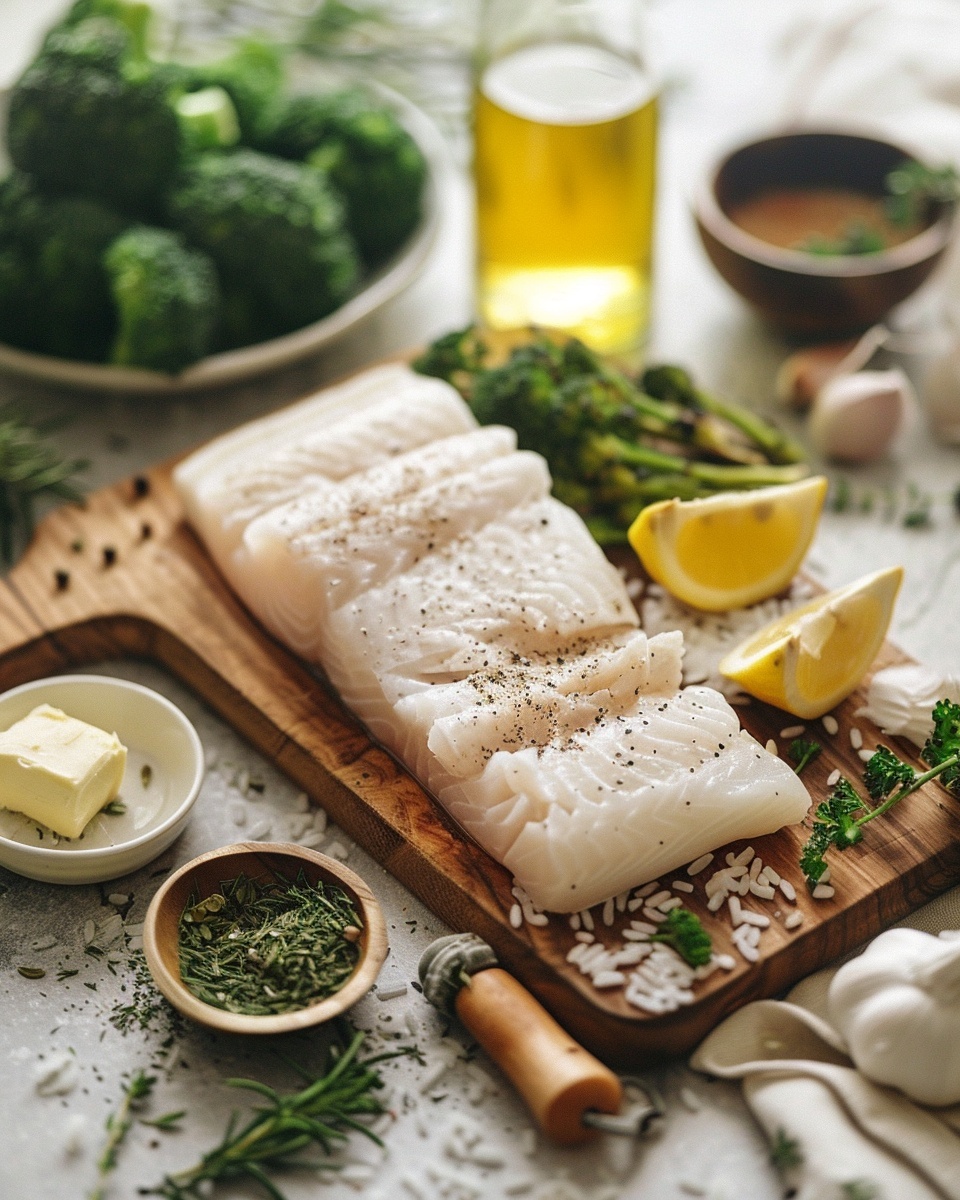
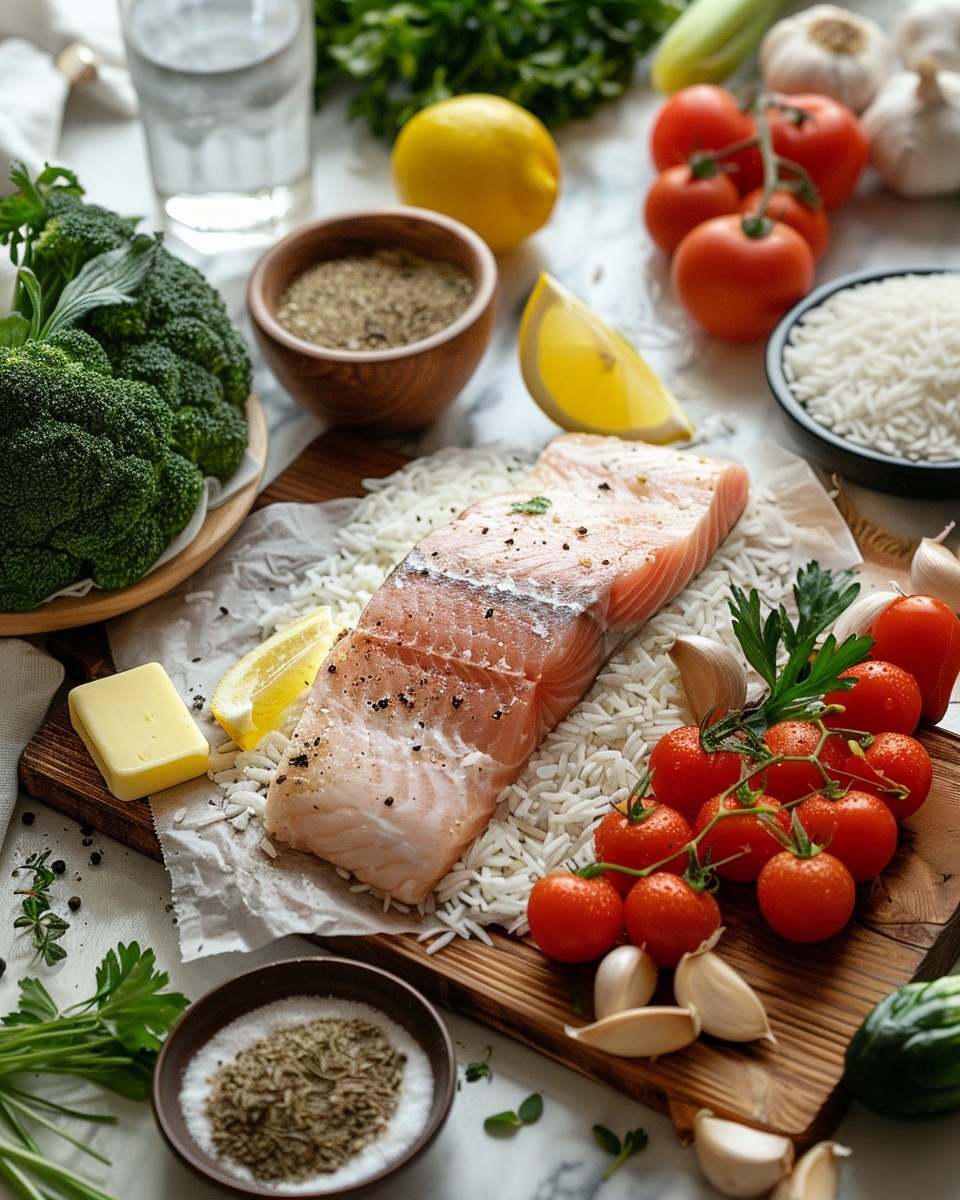
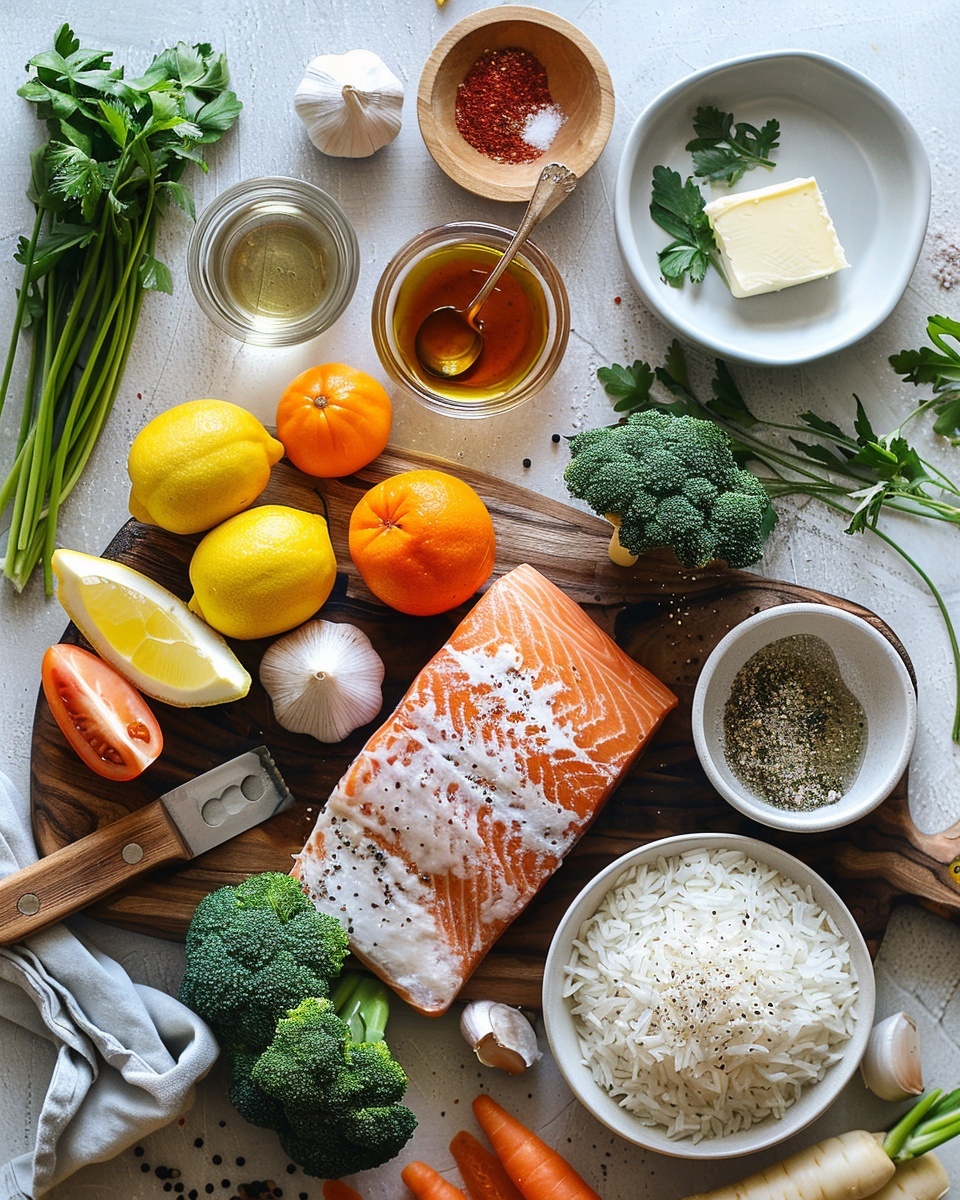
- 2 fish fillets (about 6 ounces each) – I prefer cod, tilapia, or halibut
- 2 tablespoons olive oil – helps keep the fish moist
- 1 lemon – fresh juice and zest make a huge difference
- 3 cloves garlic – minced or finely chopped
- Salt and black pepper – to taste
- Fresh herbs – I love parsley or dill, about 2 tablespoons chopped
- Paprika – optional, adds nice color and mild flavor
For the Rice
- 1 cup long-grain white rice – basmati or jasmine work great
- 2 cups water or chicken broth – broth adds more flavor
- 1 tablespoon butter – makes the rice fluffy and rich
- Salt – just a pinch
Optional Vegetables
- 1 bell pepper – sliced into strips
- 1 zucchini – cut into rounds
- Cherry tomatoes – halved, about 1 cup
- Onion – half an onion, sliced
Fresh ingredients make all the difference here. I learned this lesson the hard way when I used fish that had been sitting in my freezer too long. The texture was off and the taste was bland. Now I always buy fresh fish from the seafood counter, or I buy frozen fish that’s been flash-frozen at sea.
When choosing your fish, look for fillets that are firm to the touch and smell like the ocean, not fishy or sour. The flesh should look moist and slightly translucent, not dry or dull. If you’re buying whole fish, check the eyes. They should be clear and bright, not cloudy.
My favorite types of fish for baking are cod, tilapia, halibut, and sea bass. These white fish have a mild flavor that pairs perfectly with rice. Cod is my go-to because it’s affordable and stays moist during baking. Tilapia is great if you want something even milder. Halibut is a treat for special occasions.
You can also use salmon if you prefer a richer, fattier fish. Salmon actually works wonderfully with rice and adds even more omega-3s to your meal. Just remember that salmon has a stronger flavor, so adjust your seasonings accordingly.
For the rice, I recommend long-grain varieties. Basmati rice has a lovely nutty flavor and fluffy texture. Jasmine rice is slightly sticky and aromatic. Regular long-grain white rice works fine too. Brown rice is healthier but takes longer to cook, so you’ll need to adjust your timing.
Avoid short-grain or sticky rice for this recipe. You want rice that stays light and separate, not clumpy. The right rice texture makes a big difference in how the final dish feels in your mouth.
Are Fish and Rice Good Together?
This is a question I hear often from people who’ve never tried this combination. The answer is a strong yes. Fish and rice have been paired together in cultures around the world for thousands of years.
Think about Japanese cuisine with its sushi and rice bowls. Consider Spanish paella with seafood and rice. Look at Caribbean dishes that combine fried fish with seasoned rice and peas. These traditional dishes exist because the pairing just works.
From a nutrition standpoint, fish and rice complement each other perfectly. Fish provides complete protein with all the amino acids your body needs. Rice gives you carbohydrates for energy. Together, they create a meal that’s balanced and satisfying without being heavy.
The mild flavor of white rice doesn’t compete with the fish. Instead, it acts as a canvas that lets the fish shine while soaking up any delicious juices or sauces. The soft texture of rice contrasts nicely with the flaky texture of properly baked fish.
When I cook fish with rice, I usually prepare them separately but serve them together. This way, each component gets the cooking time and attention it needs. Some recipes bake everything together in one dish, which is convenient and creates great flavors as everything mingles.
If you’re worried about whether your family will like this combination, start with a mild white fish and simple seasonings. Most people, even picky eaters, enjoy the clean, light taste of this pairing. My nephew used to claim he hated fish until I made him this dish. Now he asks for it every time he visits.
One tip I always share is to add a squeeze of fresh lemon juice over everything just before serving. That bright acidity ties the fish and rice together beautifully. It’s a small touch that makes a big impact on the overall flavor.
Preparation and Cooking
Now that you’ve got your ingredients lined up, let’s get into the actual cooking process. I promise this is easier than it looks, and once you’ve made it a couple of times, you won’t even need to glance at the recipe.
Getting Your Rice Started
Here’s something I learned after many failed attempts at timing: always start with the rice. Rice takes longer than you think, and there’s nothing worse than having perfectly baked fish sitting around getting cold while you wait for rice to finish.
Rinse your rice under cold water first. I know some people skip this step, but trust me on this one. Rinsing removes excess starch that makes rice gummy and clumpy. Just put the rice in a fine-mesh strainer and run cold water over it until the water runs clear instead of cloudy. This takes maybe two minutes and makes a huge difference.
In a medium pot, bring your two cups of water or broth to a boil. I usually use chicken broth because it adds so much more flavor than plain water. Once it’s boiling, add your rinsed rice, that tablespoon of butter, and a pinch of salt. Give it a quick stir, then reduce the heat to the lowest setting and cover the pot with a tight-fitting lid.
Set a timer for eighteen minutes and don’t lift that lid. Seriously, don’t peek. Every time you lift the lid, steam escapes and your rice won’t cook evenly. I know it’s tempting, but resist. After eighteen minutes, turn off the heat but leave the lid on for another five minutes. This lets the rice steam and become perfectly fluffy. Then fluff it with a fork and you’re done.
Preparing the Fish
While your rice is doing its thing, you can prep the fish. Preheat your oven to 400°F. This temperature works perfectly for most white fish, giving you a nice cooked-through fillet without drying it out.
Pat your fish fillets dry with paper towels. This is important because wet fish won’t brown nicely and the seasonings won’t stick as well. Line a baking sheet with parchment paper or lightly grease it with a bit of olive oil to prevent sticking.
Place your fish fillets on the prepared baking sheet. Drizzle each fillet with olive oil, then squeeze fresh lemon juice over them. I usually use about half a lemon for two fillets. Sprinkle the minced garlic over the fish, then season generously with salt, black pepper, and paprika if you’re using it.
The beauty of this preparation is that you don’t really need to marinate the fish. The flavors from the lemon and garlic penetrate the fish as it bakes. However, if you have extra time, letting the seasoned fish sit for fifteen to twenty minutes before baking does intensify the flavors. I rarely have that kind of patience on weeknights, though.
If you’re adding vegetables to your baking sheet, now’s the time. Toss your sliced bell peppers, zucchini rounds, cherry tomatoes, or onions with a bit of olive oil, salt, and pepper. Arrange them around the fish on the same baking sheet. They’ll roast alongside the fish and pick up all those wonderful flavors. Similar to how I prepare my chicken rice bowl with veggies, adding colorful vegetables makes the meal more nutritious and visually appealing.
Baking the Fish to Perfection
Slide your baking sheet into the preheated oven. Here’s where timing gets important. Most fish fillets that are about an inch thick will take twelve to fifteen minutes to bake through. The general rule is to bake fish for ten minutes per inch of thickness.
How do you know when fish is done? The flesh should be opaque all the way through and flake easily with a fork. If you have an instant-read thermometer, the internal temperature should reach 145°F. I usually check by gently pressing the top of the fillet with my finger. If it feels firm and springs back slightly, it’s done. If it still feels mushy or soft, give it a few more minutes.
One mistake I made early on was overcooking my fish because I was paranoid about undercooking it. Overcooked fish becomes dry and rubbery, which is just sad. It’s better to err on the side of slightly underdone. Remember, fish continues cooking for a minute or two after you remove it from the oven due to residual heat.
By the way, the type of fish matters for cooking time. Thicker fillets like halibut take longer than thin tilapia. Salmon is denser and might need an extra minute or two. Keep an eye on it the first time you make this recipe, and you’ll quickly get a feel for your oven and your preferred fish.
Bringing It All Together
Once your fish comes out of the oven, sprinkle those fresh herbs over the top immediately. The heat from the fish will release the herbs’ aromatic oils. Then add another squeeze of fresh lemon juice. This final hit of acidity brightens everything up.
Spoon your fluffy rice onto plates or into shallow bowls. Place the baked fish right on top or alongside the rice. If you roasted vegetables, arrange them around the plate. The presentation doesn’t have to be fancy, but taking thirty seconds to make it look nice makes the meal feel more special.
For side dishes, I love serving this with a simple green salad dressed with olive oil and vinegar. Sometimes I’ll make a cucumber and tomato salad with red onion and fresh dill. A warm lentil soup with vegetables also pairs wonderfully if you want something heartier for cold evenings.
Funny enough, my kids always want garlic bread with this meal, even though we already have rice. I’ve stopped fighting it because honestly, garlic bread makes everything better. If you want to keep things lighter, steamed broccoli or asparagus work beautifully. The key is keeping sides simple so the fish remains the star.
How Long Should Fish Be Baked in the Oven?
This question comes up all the time, and the answer depends on several factors. As I mentioned earlier, the basic rule is ten minutes of baking time per inch of thickness at 400°F. So a half-inch thick tilapia fillet needs only five to seven minutes, while a thick two-inch halibut steak might need twenty minutes.
Different oven temperatures also change the timing. At 375°F, add a couple of extra minutes. At 425°F, reduce the time slightly and watch carefully to avoid overcooking. I prefer 400°F because it’s a sweet spot that works for most fish without requiring constant attention.
The fish’s starting temperature matters too. If you’re baking fish straight from the refrigerator, it needs the full cooking time. Room temperature fish cooks faster but shouldn’t sit out for more than twenty minutes before cooking for food safety reasons.
Health Benefits of This Delicious Meal
Let me tell you why I feel so good about serving this meal to my family. This isn’t just comfort food, it’s actually one of the healthiest dinners you can make.
Fish is packed with high-quality protein that your body uses to build and repair tissues. Unlike red meat, it’s low in saturated fat and calories. A six-ounce serving of cod has about 140 calories and 30 grams of protein. That’s impressive nutrition without the heavy feeling you get after eating a steak.
The real superstar here is omega-3 fatty acids. These are the healthy fats you hear nutritionists talking about constantly. Omega-3s reduce inflammation throughout your body, which helps protect against heart disease, stroke, and arthritis. They support brain health and might even improve your mood. Some studies suggest that people who eat fish regularly have lower rates of depression and anxiety.
When I learned that omega-3s can’t be made by our bodies and must come from food, I started making a conscious effort to eat fish at least twice a week. This baked fish with rice recipe makes that goal easy to achieve. Fatty fish like salmon have even more omega-3s than white fish, but even cod and tilapia provide these beneficial fats.
How to Cook Fish for High Cholesterol
My dad has high cholesterol, and his doctor specifically recommended eating more fish. Baking is the perfect cooking method if you’re watching your cholesterol because you’re not adding extra saturated fats like you would with frying or using heavy cream sauces.
Fish itself is naturally low in cholesterol and high in those omega-3 fatty acids that actually help lower your bad cholesterol levels while raising your good cholesterol. The American Heart Association recommends eating fish at least two times per week, especially fatty fish like salmon, mackerel, and sardines.
When preparing fish for someone with high cholesterol, stick with simple seasonings like we use in this recipe. Lemon, garlic, herbs, and a bit of olive oil provide tons of flavor without compromising the health benefits. Avoid butter-heavy sauces or deep-frying. Baking, grilling, or steaming are your best cooking methods.
The rice component is also heart-healthy when prepared simply. Using chicken broth instead of butter adds flavor without saturated fat. If you want to make this even more beneficial for heart health, swap white rice for brown rice, which has more fiber. Fiber helps remove cholesterol from your body. Just like I might add extra vegetables to a pasta salad with chicken, adding more veggies to this dish increases the fiber content further.
Rice provides complex carbohydrates that give you sustained energy without spiking your blood sugar like simple sugars do. White rice gets a bad reputation sometimes, but in moderate portions as part of a balanced meal, it’s perfectly fine. Brown rice offers more fiber and nutrients if you prefer, though I find white rice’s lighter texture pairs better with delicate fish.
This complete meal gives you protein, carbohydrates, and healthy fats. Add those roasted vegetables we talked about, and you’ve got a plate full of vitamins, minerals, and antioxidants. It’s genuinely hard to think of a more nutritionally balanced dinner that’s this simple to prepare. Even if you’re trying to follow a specific eating plan or dietary restriction, this meal probably fits. It’s naturally gluten-free if you use plain rice, and it’s low in saturated fat and sodium when you control your salt additions.
The portion sizes in this recipe are reasonable too. Six ounces of fish is a proper serving size that fills you up without making you feel stuffed. Paired with a cup of cooked rice and vegetables, you’re eating a satisfying meal that’s probably between 400 and 500 calories total. That leaves plenty of room in your daily calorie budget for other meals and snacks, unlike heavier dishes such as a rich beef sandwich with lettuce.

Serving and Storage
Let’s talk about making this dish look as good as it tastes. I’m not suggesting you need to be a professional chef or spend an hour arranging food on the plate. But a few simple touches can transform this from everyday dinner to something that feels restaurant-quality.
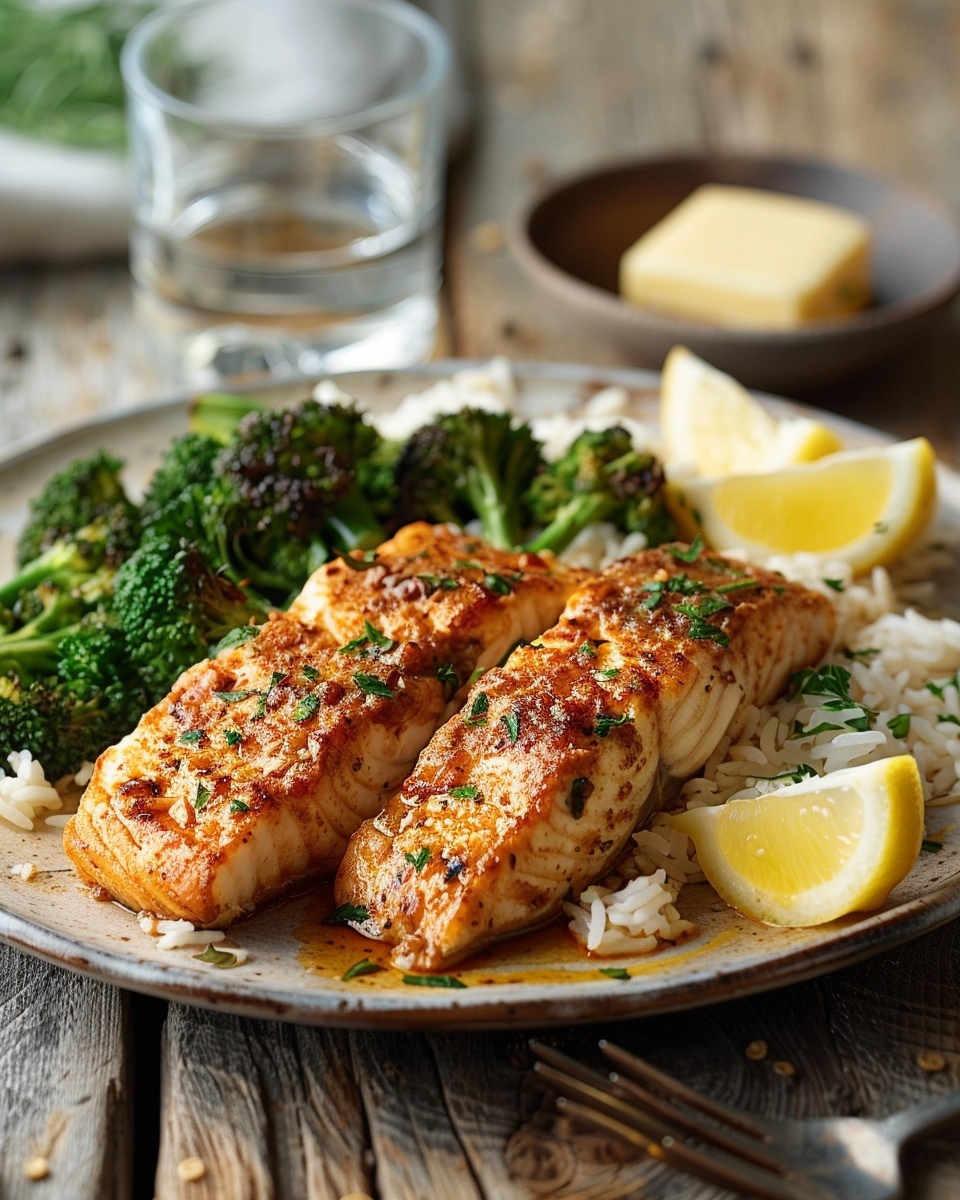
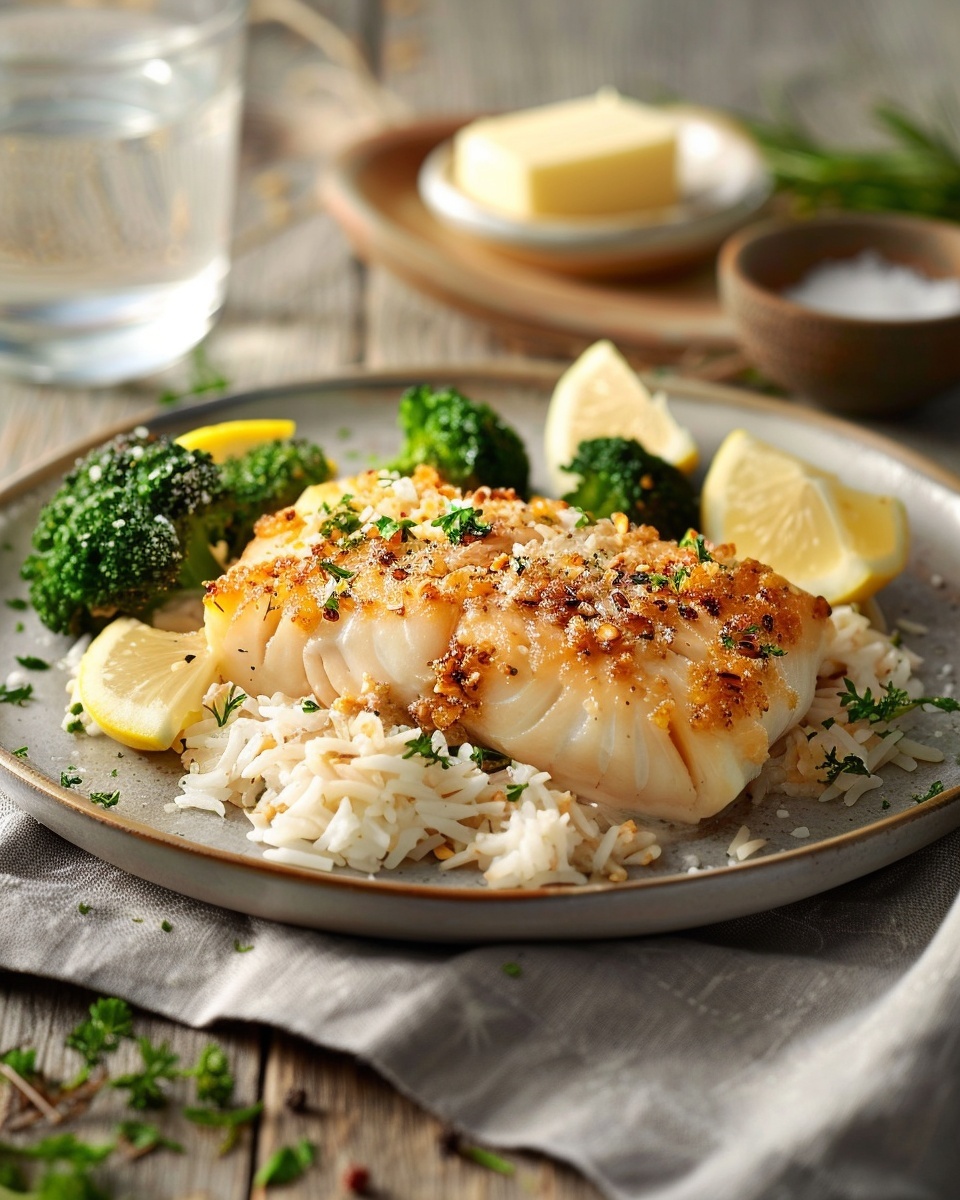
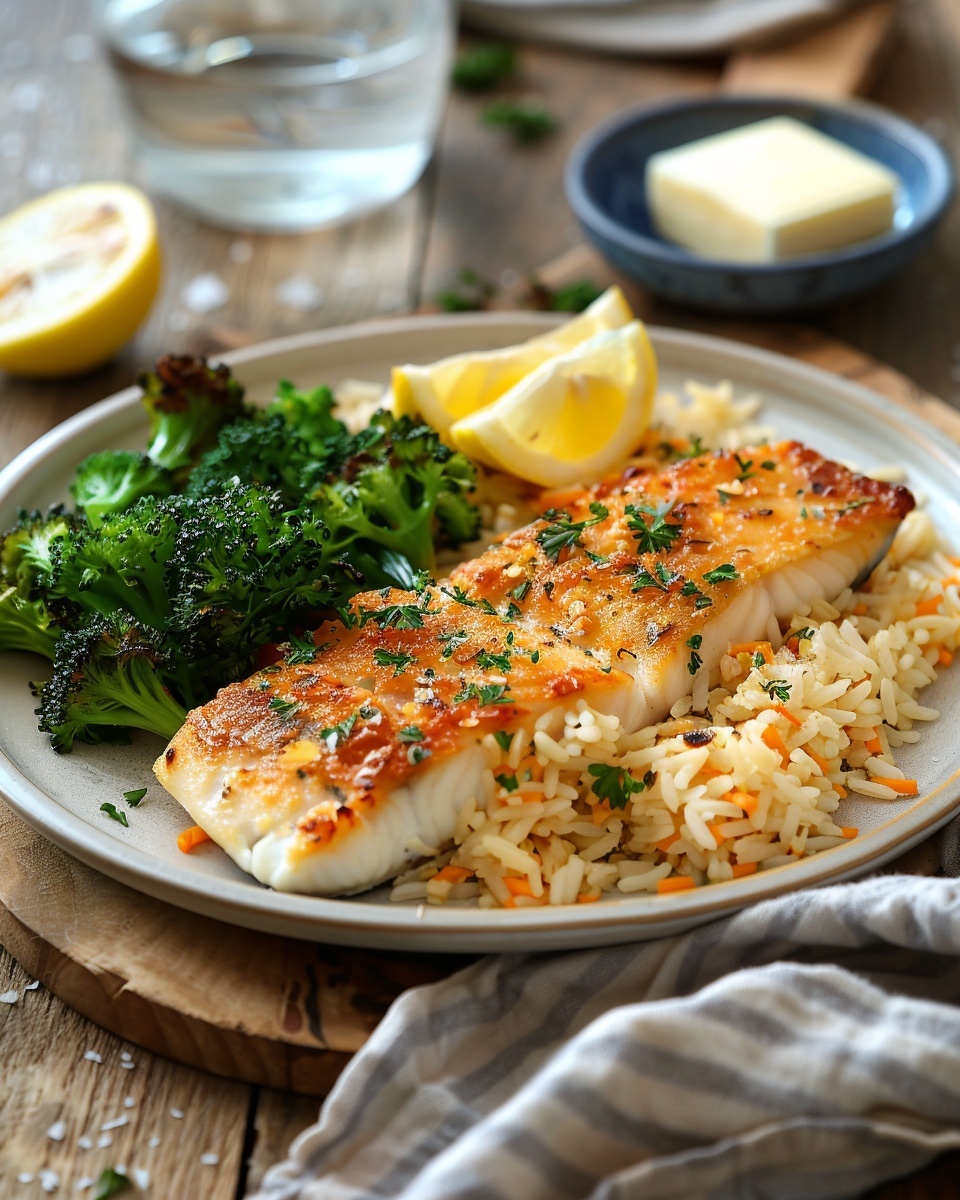
Start with the right plate. I like using wide, shallow bowls for this meal because they cradle the rice nicely and catch any juices from the fish. White plates work great too because they make the colors pop. The golden-brown fish, fluffy white rice, and colorful vegetables create a naturally beautiful presentation without any extra effort.
Here’s how I typically plate this dish: spread the rice across one side of the plate or bowl, creating a slight mound. Place your fish fillet either on top of the rice or leaning against it at an angle. Arrange your roasted vegetables around the other side. Drizzle any pan juices from the baking sheet over everything. Then finish with a sprinkle of fresh herbs, a lemon wedge on the side, and maybe a light drizzle of good olive oil.
That lemon wedge isn’t just for looks. I always squeeze it over my portion right before eating. My husband prefers his without extra lemon, while my daughter drowns hers in lemon juice. Having that wedge on the plate lets everyone customize their meal.
If you’re serving this for guests, consider adding a small garnish of microgreens or a sprig of fresh dill on top of the fish. These tiny touches take five seconds but make people feel like you really went the extra mile. Funny enough, my mother-in-law was convinced I’d ordered takeout the first time I served her this dish, simply because of how it looked on the plate.
Drinks That Pair Beautifully
The light, delicate flavors of baked fish call for drinks that won’t overpower the meal. If you enjoy wine, a crisp white wine is perfect here. Sauvignon Blanc, Pinot Grigio, or a dry Riesling all complement fish wonderfully. The acidity in these wines mirrors the lemon in the dish and cleanses your palate between bites.
Not a wine person? No problem. Sparkling water with a slice of cucumber or lemon feels refreshing and sophisticated. Iced green tea works beautifully, especially if you’ve used Asian-inspired seasonings on your fish. For something warming on cold nights, a light chicken broth or miso soup makes a great pairing.
My kids obviously aren’t drinking wine with dinner, so I usually make lemonade or serve cold milk. The key is choosing something that won’t compete with the subtle flavors you’ve worked to create. Save the heavy sodas or sweet fruit punches for different meals.
Dessert Ideas to Complete the Meal
After a light, healthy main course like this, I prefer keeping dessert on the lighter side too. Fresh fruit is always a winner. A bowl of mixed berries, sliced mango, or a simple fruit salad feels refreshing after fish.
If you want something a bit more special, lemon sorbet or vanilla ice cream works wonderfully. The citrus notes in sorbet echo the lemon in your fish dish, creating a cohesive meal experience. Greek yogurt with honey and walnuts is another favorite at my house. It feels indulgent but adds extra protein and probiotics to your day.
For guests, I sometimes make a simple panna cotta or serve dark chocolate with fresh strawberries. These light desserts satisfy your sweet tooth without leaving you feeling overstuffed. By the way, if you’re looking for more ideas for complete meals that work well together, you might enjoy exploring other lunch and dinner recipes that balance flavors throughout multiple courses.
Storing Your Leftovers Properly
Here’s the thing about leftover fish: it gets a bad reputation because people don’t store it correctly. Properly stored baked fish stays delicious for up to two days in the refrigerator. The key is cooling it quickly and storing it airtight.
Let your fish cool to room temperature, but don’t leave it sitting out for more than two hours. Once cooled, transfer it to an airtight container. I prefer glass containers with tight-fitting lids because they don’t absorb odors like some plastic containers do. Store the fish and rice in separate containers if possible. They reheat better that way and the rice won’t get soggy from the fish’s moisture.
Leftover rice should also go into an airtight container once cooled. Rice can actually harbor bacteria if left at room temperature too long, so get it into the fridge fairly quickly. Properly stored rice lasts three to four days in the refrigerator.
I don’t recommend freezing this dish. Fish changes texture when frozen after cooking, becoming mushy or rubbery when thawed. Rice can be frozen successfully, but it often becomes dry and crumbly. If you know you’ll have leftovers, it’s better to cook smaller portions fresh rather than trying to freeze and reheat.
Reheating Without Ruining Everything
Reheating fish is tricky because it’s already fully cooked and can easily become overdone and dry. The microwave is convenient but often makes fish rubbery. I’ve found the oven method works best for maintaining texture and flavor.
Preheat your oven to 275°F, which is much lower than the original baking temperature. Place your fish in an oven-safe dish and add a tablespoon of water, broth, or white wine. Cover the dish tightly with aluminum foil. This creates steam that keeps the fish moist. Heat for about ten to fifteen minutes until warmed through.
For rice, the microwave actually works fine. Place rice in a microwave-safe bowl, sprinkle a tablespoon or two of water over it, and cover with a damp paper towel. Microwave in thirty-second intervals, fluffing with a fork between intervals, until heated through. The moisture from the water and paper towel prevents the rice from drying out.
Another option for rice is reheating it in a covered pot on the stovetop with a splash of water or broth. Stir occasionally over low heat until warmed through. This method actually makes day-old rice taste freshly cooked.
One creative way I use leftover fish and rice is transforming them into completely new meals. Flake the fish and mix it with the rice, some frozen peas, soy sauce, and scrambled eggs for a quick fried rice. Or use the flaked fish in fish tacos, fish cakes, or a seafood salad. These dishes actually benefit from using pre-cooked fish because you’re not worried about overcooking it.
What is a Fish and Rice Dish Called?
This is actually a fascinating question because fish and rice combinations exist in so many cultures under different names. There’s no single universal term, which speaks to how widespread and beloved this pairing truly is.
In Japanese cuisine, you’ve got donburi, which refers to rice bowl dishes that often include fish or seafood on top. There’s also chirashi, a sushi dish where sashimi and other ingredients are served over rice. The famous sushi itself is essentially seasoned rice with fish.
Spanish cuisine gives us paella, though traditional paella includes various proteins and vegetables alongside the rice and seafood. Caribbean cooking features dishes like rice and peas with fried fish, which is comfort food at its finest.
In Louisiana, you’ll find jambalaya that sometimes includes fish, though it more commonly features shellfish. West African cuisine has jollof rice that’s occasionally served with grilled or fried fish on the side.
The simple baked fish with rice we’ve been making doesn’t have a fancy name in English. It’s just what it sounds like: baked fish served with rice. Sometimes you’ll see it called a fish and rice plate or fish rice bowl if served in that style. Some restaurants call it a fish dinner when served as a complete meal with vegetables.
Honestly, I think the lack of a specific name is actually nice. It means this dish belongs to everyone and can be adapted to any cuisine or flavor profile you prefer. You’re not bound by tradition or rules. Want to add curry spices and make it Indian-inspired? Go for it. Prefer Cajun seasonings? That works too. The basic concept of fish and rice is your canvas.
Making It Your Own
After you’ve made this recipe a few times and gotten comfortable with the basic technique, I encourage you to experiment. Try different fish varieties to see which you prefer. Swap the herbs based on what’s growing in your garden or what’s on sale at the market.
Consider different rice varieties too. I mentioned brown rice earlier for extra fiber and nutrients. Wild rice adds a nutty flavor and interesting texture, though technically it’s not rice at all but a type of grass seed. Cauliflower rice works if you’re reducing carbs. Each variation creates a slightly different eating experience.
The vegetables you add can completely change the dish’s character. Mediterranean vegetables like eggplant, olives, and artichoke hearts create one vibe. Asian vegetables like bok choy, snap peas, and mushrooms take you in another direction. Mexican-inspired versions might include corn, black beans, and poblano peppers.
You might also experiment with the cooking method while keeping the same flavors. Try grilling the fish instead of baking it during summer months. Or cook everything together in a large skillet on the stovetop. Some people even make this in their rice cooker by adding seasoned fish on top of the rice during the last ten minutes of cooking.
By the way, I’ve started using this basic recipe as my framework for using up whatever’s in my fridge. Got some leftover salsa? Spoon it over the fish before baking. Have some coconut milk? Use it to cook the rice for a tropical twist. This flexibility means I never get bored with this meal even though I make it regularly.
The beauty of home cooking is that recipes are guidelines, not laws. Professional chefs will tell you the same thing. Once you understand the basic technique and timing, you can adjust seasonings and ingredients to match your family’s preferences or dietary needs. Maybe you need to reduce sodium, so you use less salt and more herbs. Perhaps someone’s allergic to garlic, so you substitute shallots or omit it entirely. Reducing added fat in your cooking methods contributes to heart health, which is another reason why baking fish works so well compared to frying.
Give yourself permission to make this recipe your own. Write notes in the margins about what worked and what didn’t. Adjust quantities to match your household size. The recipe I’ve shared serves two to three people, but it’s easy to double for larger families or meal prep purposes.
This baked fish with rice has become one of those reliable recipes I return to again and again. It’s there for me on busy weeknights when I need something quick. It impresses guests when I want to serve something healthy but delicious. It satisfies my family’s varied tastes because it’s mild enough for picky eaters but flavorful enough for adventurous ones. That’s the mark of a truly great recipe, and I hope it becomes a staple in your kitchen too.
So next time you’re staring into your fridge wondering what to make for dinner, remember this simple combination. Pick up some fresh fish, cook a pot of rice, add whatever vegetables you have on hand, and create a meal that’s both nourishing and satisfying. You don’t need complicated techniques or expensive ingredients to eat well. Sometimes the simplest dishes are the most memorable ones.
FAQs
Are fish and rice good together?
Absolutely, fish and rice make an excellent pairing that’s been enjoyed across many cultures for centuries. The mild flavor of rice complements fish perfectly without overpowering its delicate taste. Nutritionally, they balance each other beautifully, with fish providing lean protein and omega-3 fatty acids while rice offers energy-sustaining carbohydrates. The soft texture of rice contrasts nicely with flaky fish, creating an enjoyable eating experience. Whether you’re making Japanese sushi, Spanish paella, or simple baked fish with rice, this combination works wonderfully for both taste and nutrition.
How to cook fish for high cholesterol?
Baking, grilling, or steaming are the best cooking methods for fish when managing high cholesterol. These techniques don’t require adding saturated fats like butter or heavy cream. Fish is naturally low in cholesterol and high in omega-3 fatty acids, which actually help improve your cholesterol profile by lowering bad cholesterol and raising good cholesterol. Season your fish with heart-healthy ingredients like olive oil, lemon juice, garlic, and herbs rather than butter-based sauces. The American Heart Association recommends eating fish at least twice weekly for cardiovascular health, making baked fish an ideal choice for cholesterol management.
How long should fish be baked in the oven?
The general rule for baking fish is ten minutes per inch of thickness at 400°F. A typical half-inch thick fillet needs about five to seven minutes, while a thicker one-inch fillet requires twelve to fifteen minutes. Fish is done when it reaches an internal temperature of 145°F and the flesh appears opaque throughout, flaking easily with a fork. Different ovens and fish types may require slight adjustments, so check your fish a minute or two before the expected finish time. Remember that fish continues cooking briefly after removal from the oven due to residual heat.
What is a fish and rice dish called?
Fish and rice dishes go by many names depending on the cuisine and preparation method. In Japanese cooking, you have donburi (rice bowls with toppings) and chirashi (scattered sushi rice). Spanish cuisine offers paella with seafood and rice. Caribbean cultures enjoy rice and peas served alongside fried or grilled fish. In English, the simple preparation we’ve discussed is often just called a fish and rice plate or fish dinner. The lack of one specific name reflects how universal and adaptable this combination is across different culinary traditions worldwide.
Can I use frozen fish for this recipe?
Yes, frozen fish works perfectly fine for this baked fish and rice recipe. The key is proper thawing to ensure even cooking and the best texture. Thaw frozen fish overnight in the refrigerator rather than at room temperature for food safety. If you’re in a hurry, place the sealed fish in a bowl of cold water, changing the water every thirty minutes until thawed. Pat the thawed fish very dry with paper towels before seasoning and baking. Fish that’s been flash-frozen at sea is often fresher than “fresh” fish that’s been sitting at the market for days.
What vegetables work best with baked fish and rice?
Almost any vegetable works well with this dish, but some particularly good choices include bell peppers, zucchini, cherry tomatoes, asparagus, green beans, and broccoli. Root vegetables like carrots and potatoes work too but need a head start since they take longer to cook than fish. Mediterranean vegetables like eggplant and artichokes create wonderful flavors when roasted alongside fish. Leafy greens like spinach or kale can be stirred into the rice during the last few minutes of cooking. Choose vegetables based on what’s in season and what your family enjoys.
How can I prevent my fish from sticking to the baking sheet?
Preventing fish from sticking is easy with a few simple techniques. Line your baking sheet with parchment paper, which creates a non-stick surface and makes cleanup effortless. Alternatively, lightly grease your baking sheet with olive oil or cooking spray before placing the fish on it. Make sure to pat your fish completely dry before placing it on the pan, as excess moisture can cause sticking. You can also place fish on a bed of sliced onions or lemon slices, which prevents direct contact with the pan while adding flavor.
Is brown rice or white rice better for this recipe?
Both white and brown rice work well, but they offer different benefits and textures. White rice cooks faster and has a lighter, fluffier texture that many people prefer with delicate fish. Brown rice is more nutritious, offering more fiber, vitamins, and minerals, but it takes longer to cook and has a chewier texture. If using brown rice, start it earlier since it typically needs forty to forty-five minutes compared to white rice’s eighteen minutes. You might also try mixing half white and half brown rice for a compromise between nutrition and texture.
Can I make this dish in one pan?
You can create simplified one-pan versions of this dish, though the traditional method cooks the rice and fish separately for best results. One option is to spread partially cooked rice in a baking dish, arrange seasoned fish and vegetables on top, add broth, cover tightly with foil, and bake everything together. Another approach is cooking rice on the stovetop, then adding seasoned fish on top during the last ten minutes with the lid on. These methods are convenient but require more attention to timing to ensure both components finish cooking properly without the fish overcooking or the rice remaining undercooked.
What’s the best way to add more flavor to plain rice?
There are countless ways to make your rice more flavorful beyond plain water and salt. Cook rice in chicken, vegetable, or fish broth instead of water for instant flavor improvement. Add aromatics like minced garlic, diced onion, or ginger to the cooking liquid. Toss in a bay leaf, cardamom pods, or a cinnamon stick while the rice cooks, removing them before serving. Stir in fresh herbs, lemon zest, or a pat of butter once the rice is done. You can also cook rice with coconut milk for a tropical flavor or add turmeric for color and a subtle earthy taste.
Ingredients
Equipment
Method
- Rinse the rice under cold water until clear.
- In a medium pot, boil 2 cups of water or broth, add rinsed rice, butter, and a pinch of salt.
- Cover and reduce heat to low for 18 minutes without lifting the lid.
- After 18 minutes, turn off the heat and let the rice sit for 5 minutes, then fluff with a fork.
- Preheat the oven to 400°F (200°C).
- Pat the fish fillets dry, line a baking sheet with parchment paper or grease it with olive oil.
- Place the fish on the baking sheet, drizzle with olive oil, and squeeze fresh lemon juice over the top.
- Sprinkle minced garlic, salt, black pepper, and paprika over the fish.
- If adding vegetables, toss them with olive oil, salt, and pepper, and arrange them on the baking sheet around the fish.
- Bake in the oven for 12-15 minutes until the fish is opaque and cooked through.
- Remove from the oven, sprinkle fresh herbs, and add another squeeze of lemon before serving.
- Serve the baked fish on top of or alongside the fluffy rice, with vegetables arranged around it.