
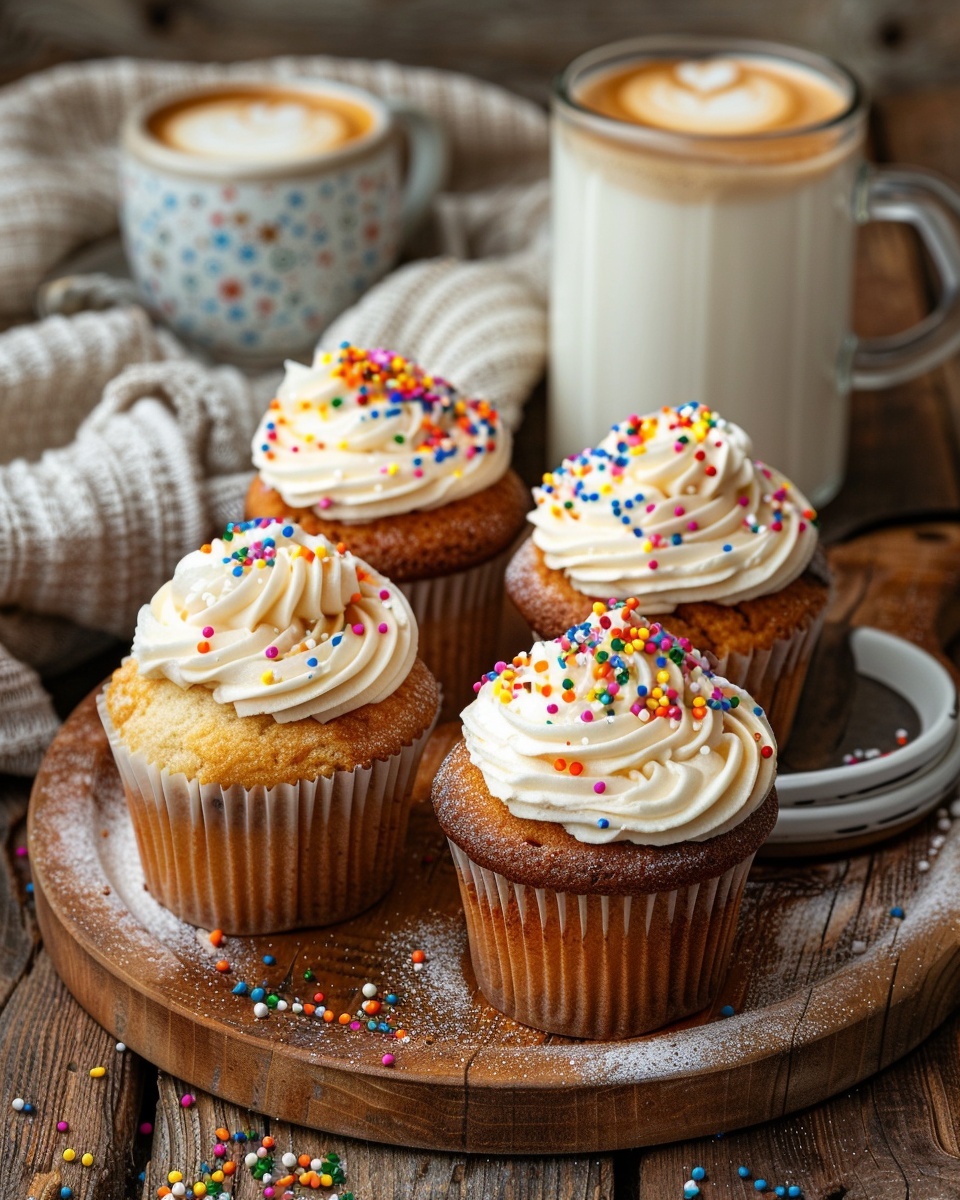
Welcome to Your New Favorite Vanilla Cupcakes Recipe
Last Tuesday, I opened my oven door to check on a batch of cupcakes, and the warm vanilla scent hit me like a hug from an old friend. My neighbor’s kid actually followed the smell right to my doorstep. That’s the magic of vanilla cupcakes. They have this power to make people stop what they’re doing and come running.
I’ve been baking these treats for almost fifteen years now. I started when my daughter asked me to make cupcakes for her fifth birthday party. Back then, I burned the first batch and ended up with sad, sunken middles on the second try. But I kept going because I wanted to get them right. Now I can make perfect vanilla cupcakes with my eyes closed, and I’m here to show you how.
This recipe doesn’t require fancy equipment or ingredients you can’t pronounce. You won’t need a stand mixer or years of baking experience. Just a bowl, a whisk, and a real desire to make something that tastes amazing. I’ve tested this recipe dozens of times and adjusted every little detail until I got it just right.
Why Vanilla Cupcakes Never Go Out of Style
Some people think vanilla is boring. Those people have never had a truly great vanilla cupcake. The truth is, vanilla is the most versatile flavor you can bake with. It’s like the perfect blank canvas that still looks beautiful on its own.
I remember serving these at a dinner party where I also made chocolate and red velvet cupcakes. Guess which ones disappeared first? The vanilla ones. Every single time, people reach for vanilla. There’s something comforting and familiar about it that brings us back to childhood birthday parties and bake sales.
Vanilla cupcakes work for every occasion. Need something for a baby shower? Add pink frosting. Planning a wedding? Dress them up with gold sprinkles. Just want a Tuesday night treat? Eat them plain with a cold glass of milk. That’s the beauty of these little cakes.
The flavor also lets your frosting shine. When you top a vanilla cupcake with cream cheese frosting or buttercream, you taste both elements clearly. The cake doesn’t compete with your decorations or fillings. It supports them and makes everything taste better together.
Making Vanilla Cupcakes Work for Everyone
One of my best friends can’t have dairy. Another friend watches her sugar intake carefully. I wanted to create a recipe that I could adapt for the people I love without making three separate batches.
That’s why I’ve spent time perfecting a vanilla cupcake recipe with oil instead of butter. Oil-based cupcakes stay moist longer and work great as a base for dairy-free versions. You can swap regular milk for almond milk or oat milk without much fuss. The texture stays light and fluffy.
For those looking for healthy vanilla cupcakes, I’ve figured out ways to cut down on sugar without sacrificing taste. You can replace half the sugar with applesauce or mashed banana. Using whole wheat pastry flour adds fiber while keeping the crumb tender. Greek yogurt in place of some oil adds protein and creates a richer texture.
If you need a vanilla cupcake recipe without milk, water actually works surprisingly well. I know that sounds strange, but I’ve done it many times when I ran out of milk at 9 PM and didn’t want to run to the store. The cupcakes turn out just fine. You can also use orange juice for a subtle citrus twist.
My go-to method is the one bowl vanilla cupcakes approach. Less cleanup means more time to enjoy your baking. I mix wet ingredients first, then add dry ingredients right into the same bowl. No need to dirty multiple dishes or stress about the order of operations.
What Makes These Cupcakes Different
I’ve tried recipes from everywhere. The vanilla cupcakes allrecipes versions, the taste of home vanilla cupcakes, and even the detailed cooks illustrated vanilla cupcakes method. Each taught me something valuable.
The stay at home chef vanilla cupcakes showed me the importance of room temperature ingredients. Cold eggs and milk don’t mix well with other ingredients, creating a lumpy batter that bakes unevenly. Now I always set everything out thirty minutes before I start.
From testing low sugar vanilla cupcakes repeatedly, I learned which sweeteners work and which ones don’t. Honey makes cupcakes too dense. Stevia can taste bitter in large amounts. But a mix of regular sugar and a touch of maple syrup creates nice depth without overwhelming sweetness.
The key to any great vanilla cupcake is the quality of your vanilla extract. I use pure vanilla extract, never imitation. The difference in taste is huge. Real vanilla has complex flavor notes that make your cupcakes smell incredible and taste even better.
Another secret is not overmixing your batter. When you stir flour too much, you develop gluten, which makes cupcakes tough and chewy. I mix just until the flour disappears, then I stop. Those few lumps will bake out just fine.
Temperature matters more than most people realize. Your oven needs to be fully preheated to 350°F before the cupcakes go in. I use an oven thermometer because built-in thermometers can be off by 25 degrees or more. That difference turns perfect cupcakes into dry or gummy ones.
Filling the cupcake liners correctly took me a while to master. Too little batter creates flat cupcakes. Too much makes them overflow and form mushroom tops. I fill mine about two-thirds full, which gives you that nice rounded dome everyone loves.
The toothpick test is your friend. When the timer goes off, stick a toothpick into the center of a cupcake. If it comes out with wet batter, give them two more minutes. If it comes out clean or with a few dry crumbs, they’re done. Take them out right away.
Let cupcakes cool in the pan for five minutes, then move them to a wire rack. This step stops them from getting soggy bottoms. The steam needs somewhere to escape, and a wire rack lets air flow all around them.
These simple steps create consistently great results every time you bake. No guessing, no hoping, just delicious vanilla cupcakes that make people ask for your recipe. And now you’re ready to make them yourself.


Gathering Your Ingredients and Tools
Now that you understand what makes these cupcakes special, let’s get everything ready on your counter. I learned the hard way that scrambling around for ingredients while your batter sits there waiting is not fun. Trust me, I once forgot the baking powder completely and didn’t realize until the cupcakes came out flat as pancakes.
For the basic perfect vanilla cupcakes, you need all-purpose flour, granulated sugar, eggs, vanilla extract, baking powder, salt, and either butter or oil depending on your preference. I keep my flour in an airtight container because humidity can make it clump. Nothing worse than sifting flour and having chunks refuse to break up.
Here’s something most recipes don’t tell you. The type of sugar you use affects texture. I’ve experimented with coconut sugar, brown sugar, and even date sugar. Regular white granulated sugar gives you the lightest, fluffiest texture. Brown sugar makes them denser and adds a slight caramel flavor, which isn’t bad but changes the classic vanilla taste. For low sugar vanilla cupcakes, I use three-quarters of the regular amount and add a quarter cup of unsweetened applesauce. The moisture stays perfect, and honestly, most people can’t tell the difference.
Eggs need to be large size, and like I mentioned before, room temperature matters. Cold eggs don’t emulsify properly with the other ingredients. If you forget to take them out early, just put them in a bowl of warm water for five minutes. Works every time.
Your vanilla extract should be pure, not imitation. I buy the big bottle from the warehouse store because I use it constantly. A good bottle might cost more upfront, but the difference in flavor is worth every penny. If you want to get fancy, try vanilla bean paste. It has those beautiful little specks and intense vanilla flavor that makes people think you’re a professional baker.
For oil-based versions, I prefer vegetable or canola oil. Coconut oil works but adds a slight coconut taste that some people love and others don’t expect in vanilla cupcakes. Olive oil is too strong unless you’re going for a specific flavor profile. The beauty of a vanilla cupcake recipe with oil is how incredibly moist they stay, even three days after baking. Butter-based cupcakes dry out faster, though they have that rich buttery flavor people associate with bakery treats.
Funny enough, salt might be the most underestimated ingredient. I use regular table salt, not fancy sea salt, because it dissolves better. That small amount of salt makes all the other flavors pop. Skip it and your cupcakes taste flat and one-dimensional.
Milk or a substitute is your liquid component. Whole milk creates the richest texture, but I’ve made excellent cupcakes with two percent and even skim milk. For a vanilla cupcake recipe without milk, almond milk works beautifully. Oat milk makes them slightly sweeter. Soy milk is fine but can sometimes create a weird aftertaste, so I avoid it. Water honestly works in a pinch, though you lose some richness.
Equipment-wise, you don’t need much. A mixing bowl, whisk or electric mixer, measuring cups and spoons, a muffin tin, and paper liners. I prefer metal muffin tins over silicone because they conduct heat more evenly. Those silicone ones always give me pale, soggy-bottomed cupcakes no matter how long I bake them.
Paper liners are worth buying the good ones. Cheap liners stick to the cupcakes and peel off in shreds, which looks terrible when you’re trying to serve them. I buy the ones that are a bit thicker and have foil backing when I want them to look extra nice. The regular ones from the grocery store work fine for everyday baking though.
An ice cream scoop changed my cupcake game completely. The medium size scoop holds about three tablespoons of batter, which is exactly the right amount for standard cupcakes. Every cupcake becomes identical in size, so they all bake evenly and look professional. Before I discovered this trick, I was using spoons and making a mess with batter dripping everywhere.
One more thing about equipment. An oven thermometer costs about six dollars and saves so many batches from disaster. My oven runs twenty degrees hot, which I never knew until I bought one. Now I just adjust the temperature dial accordingly, and everything bakes perfectly.
Making Your Vanilla Cupcakes Step by Step
Alright, everything’s ready and we’re doing this. First thing, preheat your oven to 350°F. Don’t skip this step and think you’ll just add a minute or two to the baking time. Starting with a properly hot oven makes the cupcakes rise correctly and develop that nice dome top.
Line your muffin tin with paper liners while the oven heats up. I fill all twelve spaces even if I’m only making six cupcakes because the empty spaces help with heat distribution. Place the tin on the middle rack position later, never the top or bottom, for the most even baking.
For my one bowl vanilla cupcakes method, start by cracking your eggs into your mixing bowl. Add the sugar and whisk them together until the mixture turns pale yellow and slightly thick. This takes about two minutes by hand or thirty seconds with an electric mixer. My arm got tired doing this manually for years until my sister bought me a hand mixer for Christmas. Life changing.
Next, pour in your oil or melted butter, vanilla extract, and milk. Whisk everything until it’s completely combined and smooth. The mixture should look like a thin pancake batter at this point. Sometimes I add a tiny splash of sour cream here, maybe two tablespoons, which makes the crumb incredibly tender. Similar to what happens with chocolate brownies when you add that extra bit of richness.
In this same bowl, now add your flour, baking powder, and salt right on top of the wet ingredients. Here’s where people mess up most often. Stir gently with a wooden spoon or rubber spatula, not a whisk. Mix just until you can’t see dry flour anymore. The batter will have small lumps, and that’s perfect. Don’t try to smooth it out completely. Overmixing develops gluten and creates tough, dense cupcakes that taste more like muffins.
By the way, if you’re making healthy vanilla cupcakes, this is when I swap in whole wheat pastry flour for half the all-purpose flour. You could also add a tablespoon of ground flaxseed, which nobody can taste but adds fiber and omega-3s. My daughter’s teacher has a nut allergy, so I make these modifications when I send treats to school, and the kids never notice the difference.
Using your ice cream scoop or a large spoon, fill each liner about two-thirds full. I usually get exactly twelve cupcakes from one batch. Don’t fill them more than that because they’ll overflow and create weird shapes. Less than halfway full and they turn out flat and sad looking.
Pop the tin into your preheated oven and set a timer for eighteen minutes. Don’t open the oven door before that. Every time you open it, the temperature drops, and your cupcakes won’t rise properly. I learned this lesson after making dozens of sunken-middle cupcakes and wondering what I was doing wrong. Turns out I was just too curious and kept peeking.
When the timer beeps, do the toothpick test. Stick a toothpick or thin knife into the center of one cupcake. It should come out clean or with just a few dry crumbs attached. If there’s wet batter, give them two more minutes and test again. The tops should be golden and spring back when you touch them lightly.
Take the pan out and let the cupcakes sit in it for five minutes. This cooling time lets them firm up enough to remove without falling apart. Then carefully lift each one out and place it on a wire cooling rack. The bottoms need air circulation to stay crisp, not soggy. Kind of like how you’d cool classic chocolate chip cookies so they don’t get soft and mushy on the bottom.
Here’s the thing about frosting. Wait until the cupcakes are completely cool, which takes about an hour. I know it’s tempting to frost them while they’re still warm, but the frosting will melt and slide right off. I’ve done this in front of dinner guests and had to scrape everything off and start over. Not my finest moment.
For a simple variation that tastes amazing, try making these with oil and replacing a quarter cup of the milk with sour cream. That’s my go-to vanilla cupcake recipe with oil adjustment. The texture becomes incredibly soft and tender, almost like the cupcakes from expensive bakeries. They also stay fresh longer, which is great if you’re making them ahead for an event.
Another trick I borrowed from testing various recipes, including approaches from cooks illustrated vanilla cupcakes, is adding a tablespoon of cornstarch to the flour. This makes the crumb even more delicate and fine. Professional bakeries use this technique, and it really does create that melt-in-your-mouth texture. Same principle works with apple pie with cinnamon filling when you want it to thicken perfectly without being gummy.
If you need to cut sugar but want to keep great flavor, try my low sugar vanilla cupcakes version. Use half the sugar the recipe calls for and add a mashed ripe banana to the wet ingredients. The banana adds natural sweetness and incredible moisture. You can barely taste it, honestly. The vanilla flavor still shines through, and the texture stays light and fluffy. I make these for my dad, who watches his sugar carefully, and he loves them.
Sometimes I make these while cooking other things, similar to multitasking when I’m preparing simple fried rice for dinner. The beauty of this recipe is how forgiving it is. You can mix it up quickly, get it in the oven, and focus on other tasks while they bake. The smell alone makes everyone happy, and you end up with perfect results without spending your whole day in the kitchen.


Professional Tips and Tricks for Bakery-Quality Vanilla Cupcakes
After all these years of baking, I’ve picked up tricks that separate okay cupcakes from the ones people beg you to make again. Most of these secrets came from mistakes I made along the way. Like the time I served cupcakes at my niece’s graduation party and half of them had sunken centers because I opened the oven door too early. That was embarrassing, but it taught me patience.
Measuring flour correctly is probably the biggest game-changer nobody talks about. When you scoop flour directly with your measuring cup, you pack it down without realizing it. This adds way more flour than the recipe intends, and your cupcakes turn out dry and dense. I learned this from a baking class I took three years ago. The instructor showed us how she was getting nearly two extra tablespoons per cup just from scooping wrong. Now I always fluff the flour with a spoon first, then spoon it gently into my measuring cup and level it off with a knife. My cupcakes have been consistently better ever since.
Room temperature ingredients blend together smoothly and create better texture. Cold butter won’t cream properly with sugar. Cold eggs can cause your batter to curdle or separate. Cold milk shocks the mixture and creates lumps. I set everything out on my counter about forty-five minutes before I start baking. In winter, when my kitchen is colder, sometimes I need a full hour. You can speed things up by placing eggs in warm water for ten minutes or microwaving milk for fifteen seconds, but naturally warming works best.
Here’s something I discovered by accident. If you add a tiny pinch of nutmeg to your batter, like barely a quarter teaspoon, it deepens the vanilla flavor without being noticeable. People taste the cupcakes and say something’s different in a good way, but they can’t figure out what. Same thing happens when I add a quarter teaspoon of almond extract alongside the vanilla. These subtle additions create complexity that makes your perfect vanilla cupcakes taste professional.
Oven hot spots ruin perfectly good batches. Most ovens have areas that run hotter than others. I figured this out when cupcakes on one side of my pan always browned more than the other side. Now I rotate my pan halfway through baking. Set a timer for nine minutes, quickly open the door, turn the pan 180 degrees, and close it right away. Takes five seconds and makes all twelve cupcakes bake evenly.
The type of pan you use matters more than I thought. Dark metal pans absorb more heat and can overbrown the bottoms of your cupcakes before the centers finish baking. Light-colored aluminum pans work better because they reflect heat and bake more gently. I switched to light pans two years ago and immediately noticed my cupcakes had better texture and more even color.
Don’t ignore visual cues. When cupcakes are done, they pull away slightly from the paper liners. The tops should be golden, not pale or dark brown. They should spring back when you lightly press the center. I used to rely only on the toothpick test, but watching these other signs helps me catch them at the perfect moment.
Cooling properly prevents so many problems. Those five minutes in the pan let the structure set. Moving them too soon means they might collapse or stick to the liners. Leaving them in the pan too long makes the bottoms soggy from trapped steam. After they move to the wire rack, resist touching them for at least thirty minutes. I know they smell amazing and you want to taste one immediately, but warm cupcakes are fragile and can squish or fall apart.
Making choices about ingredients that support healthy food choices doesn’t mean sacrificing flavor. You can reduce sugar gradually over several batches until you find the lowest amount that still tastes good to you. Adding Greek yogurt, mashed fruit, or unsweetened applesauce keeps things moist while adding nutrition. Even small changes like using whole grain flour for a portion of the all-purpose flour makes a difference over time. My kids honestly can’t tell when I make these swaps, which tells me the cupcakes still taste great.
Storage is where most people go wrong and end up with dry, stale cupcakes. Unfrosted cupcakes stay fresh at room temperature for two days if you keep them in an airtight container. I use a plastic container with a tight lid or cover them completely with plastic wrap. They’ll last four days in the refrigerator, though cold storage can dry them out a bit. Just bring them back to room temperature before serving, and they taste fresh again.
Frosted cupcakes are trickier because refrigeration can make some frostings weep or separate. Buttercream handles cold well and actually firms up nicely. Cream cheese frosting absolutely needs refrigeration for food safety. Whipped cream frosting should be made and applied right before serving. I’ve learned to plan according to my frosting choice, not just the cupcake itself.
Freezing is your secret weapon for advance preparation. I freeze unfrosted cupcakes all the time. Let them cool completely, wrap each one individually in plastic wrap, then put them all in a freezer bag. They’ll stay good for three months. The night before I need them, I move them to the counter and let them thaw in their wrapping. This traps moisture and keeps them from drying out. By morning, they taste like I just baked them. This trick saved me when I volunteered to bring cupcakes to a school event and then got sick the day before. I pulled out frozen ones from the previous week, thawed them overnight, frosted them the next morning, and nobody knew the difference.
Transporting cupcakes without disaster requires a good carrier. Those cheap cardboard boxes from the party store don’t secure anything, and I’ve had cupcakes sliding around and smashing into each other in my car. I invested in a plastic cupcake carrier with individual slots, and it was worth every penny. For shorter trips, a muffin tin actually works great. Put the cupcakes back in the tin, cover the whole thing with foil, and they stay put perfectly.
If you’re taking them somewhere hot, freeze the frosted cupcakes for an hour before you leave. They’ll stay firm during transport and thaw to perfect texture by the time you need to serve them. I did this for an outdoor summer party, and it worked beautifully. The frosting didn’t melt or slide off, even though it was ninety degrees outside.
By the way, presentation elevates even simple cupcakes. I keep a few decorating supplies on hand like colorful sprinkles, edible glitter, and piping bags with different tips. A simple swirl of frosting with some sprinkles on top makes cupcakes look special without much effort or skill. Sometimes I add fresh berries, chocolate chips, or crushed cookies on top. Takes two extra minutes and makes them look bakery-quality.
Testing for doneness is an art you develop over time. Beyond the toothpick test, I’ve learned to trust my nose. When cupcakes smell deeply vanilla and sweet, they’re usually done or very close. The edges should look set and slightly golden. The center should look dry, not shiny or wet. These observations work together with the toothpick test to tell you exactly when to pull them out.
One last thing about baking multiple batches. If you’re doubling or tripling the recipe for a big event, bake one pan at a time unless you have a large professional oven. Crowding two pans in a home oven blocks heat circulation and creates uneven baking. I learned this the hard way when I tried baking three pans at once for a fundraiser and ended up with some cupcakes perfect and others underdone. It took longer to bake them one at a time, but every single cupcake turned out identical.
When you’re exploring different ways to make cupcakes and other treats, you’ll find tons of inspiration throughout various dessert recipes that use similar techniques and adjustments. Each recipe teaches you something new that you can apply back to your vanilla cupcakes, making you a better baker overall.
Common Questions About Vanilla Cupcakes
What makes a vanilla cupcake ‘perfect’?
A perfect vanilla cupcake has a tender, moist crumb that’s not dense or dry. It should have a light, fluffy texture with a subtle dome top and golden color. The vanilla flavor needs to be rich and noticeable, not artificial tasting. The cupcake should stay moist for at least two days and peel away cleanly from the paper liner without sticking. When you bite into it, the texture should be soft and almost melt in your mouth, not crumbly or tough.
Can I use a vanilla cupcake recipe without milk?
Absolutely, and you have several options that work well. Water is the simplest substitute and creates surprisingly good cupcakes, though they’re slightly less rich. Almond milk, oat milk, or soy milk all work beautifully in place of regular milk. You can even use orange juice for a subtle citrus note, or coffee for depth without obvious coffee flavor. The measurements stay exactly the same as whatever milk amount the recipe calls for, making substitution easy.
How do I make healthy vanilla cupcakes?
Start by reducing sugar by one-third to one-half and replacing it with unsweetened applesauce or mashed banana. Swap half the all-purpose flour with whole wheat pastry flour for added fiber without a heavy texture. Use Greek yogurt in place of some of the oil or butter to add protein and moisture. You can also add ground flaxseed or chia seeds for omega-3s. These changes reduce calories and sugar while adding nutritional value, and the cupcakes still taste delicious enough that most people won’t notice they’re healthier.
Is there a one bowl vanilla cupcakes recipe available?
Yes, and it’s actually my favorite method because cleanup is so much easier. You mix wet ingredients first directly in one bowl, then add the dry ingredients right on top and stir gently until just combined. This method works perfectly and doesn’t require the traditional separate bowl for dry ingredients or creaming butter and sugar. The texture turns out just as good as more complicated methods, and you save time and dishes.
Where can I find the Stay at Home Chef vanilla cupcakes recipe?
The Stay at Home Chef vanilla cupcakes recipe is available on her website and emphasizes the importance of room temperature ingredients and proper mixing technique. Her approach focuses on creating a simple, reliable recipe that works every time without fancy equipment. She provides clear instructions and helpful videos that show exactly what the batter should look like at each stage. Many bakers love her recipe because it’s straightforward and produces consistently good results.
Are there any low sugar vanilla cupcakes options?
Definitely, and they can still taste great. You can cut the sugar amount by half and add mashed banana or unsweetened applesauce to maintain moisture and sweetness. Using vanilla bean paste instead of extract provides more intense vanilla flavor, which helps compensate for reduced sweetness. A tiny pinch of cinnamon or nutmeg also enhances perceived sweetness without adding sugar. Natural sweeteners like maple syrup or honey work too, though they change the texture slightly and you need to reduce other liquids a bit.
What is the Cooks Illustrated vanilla cupcakes method?
The Cooks Illustrated vanilla cupcakes approach is known for being incredibly detailed and science-based. They focus on reverse creaming, where you mix the flour with butter first to coat the flour particles and prevent gluten development. This creates an exceptionally tender crumb. They also test different mixing methods, baking temperatures, and ingredient ratios to find the absolute best combination. Their recipes often include steps that seem unusual but produce professional-quality results with better texture and rise.
How do I make vanilla cupcakes from Taste of Home?
Taste of Home vanilla cupcakes recipes tend to be reliable, home-tested versions that use common ingredients you already have in your pantry. Their website offers several variations, from basic to fancy versions with different frostings and decorations. Most of their recipes come with reader reviews and tips that help you avoid common problems. They often include make-ahead instructions and storage tips, which is helpful for planning events or parties. The recipes are written clearly for home bakers of all skill levels.
Can I use a vanilla cupcake recipe with oil for better texture?
Yes, and oil-based cupcakes actually stay moist longer than butter-based ones. Oil coats flour particles differently than butter, creating a tender texture that doesn’t dry out as quickly. These cupcakes are perfect for making ahead or for events where they’ll sit out for a while. The trade-off is that you lose some of that rich, buttery flavor, though most people can’t tell the difference once the cupcakes are frosted. Oil-based recipes also work better for dairy-free versions since you can use any neutral-flavored oil.
What are some popular vanilla cupcakes allrecipes?
Vanilla cupcakes allrecipes has dozens of highly-rated versions with thousands of reviews from home bakers. The most popular ones usually have simple ingredient lists and straightforward instructions that produce reliable results. Many include reader modifications and tips in the reviews section, which helps you troubleshoot or customize the recipe. The ratings system helps you identify which recipes consistently work well for other bakers. It’s a great resource when you want to compare different approaches and see what real people experienced when making them.
Now you’ve got everything you need to make amazing vanilla cupcakes that rival anything from a fancy bakery. The beautiful thing about baking is that each batch teaches you something new, and before you know it, you’ll be the person everyone asks to bring dessert. Start with one batch this weekend and see where it takes you.
Ingredients
Equipment
Method
- Preheat your oven to 350°F (175°C).
- Line a muffin tin with paper liners.
- In a mixing bowl, whisk together eggs and sugar until pale and slightly thick.
- Add oil or melted butter, milk, and vanilla extract to the mixture and whisk until smooth.
- Sprinkle flour, baking powder, and salt over the wet ingredients.
- Gently mix with a wooden spoon until no dry flour remains; small lumps are okay.
- Fill each paper liner about two-thirds full with batter.
- Bake in the preheated oven for 18 minutes, avoiding opening the door during baking.
- Perform the toothpick test; if it comes out clean, remove cupcakes from the oven.
- Let cupcakes cool in the pan for 5 minutes before transferring to a wire rack to cool completely.