
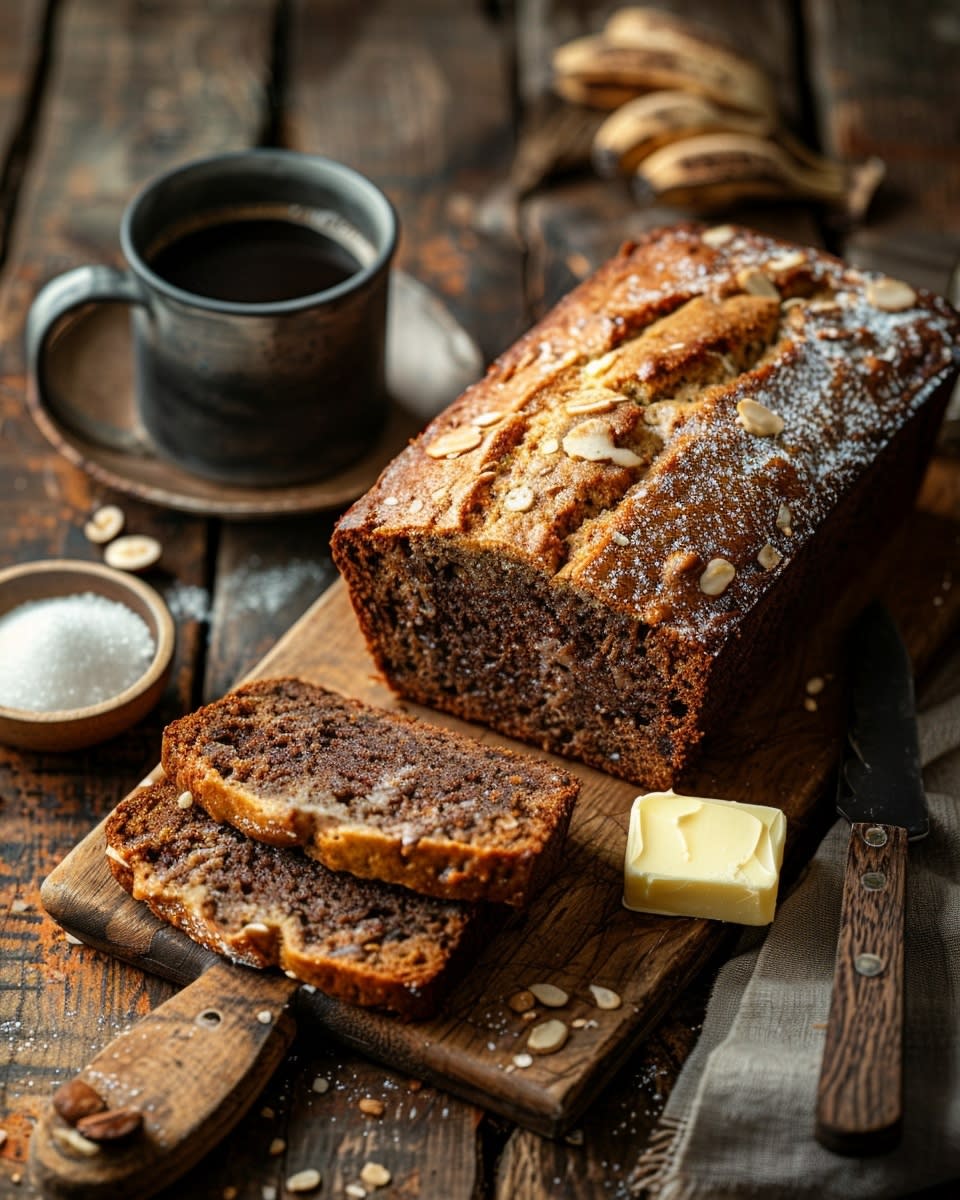
Last Sunday morning, I woke up to find three spotty, brown bananas sitting on my counter. You know the ones – too mushy for breakfast but too good to throw away. That’s when I remembered my grandmother’s words: “Those ugly bananas make the sweetest bread.” She was right. Within an hour, my kitchen smelled like heaven, and I had a golden loaf of banana bread cooling on the rack. This simple moment reminded me why banana bread holds such a special place in our hearts and kitchens.
Welcome to my kitchen! Today, I’m excited to share with you some of the best banana bread recipes that are not only delicious but also easy to make. Whether you’re a beginner or an experienced baker, you’ll find something here to suit your taste. I’ve spent years perfecting these recipes, testing different methods, and learning from both successes and flops. Now I want to pass that knowledge on to you so you can create amazing banana bread without any stress or confusion.
Why Banana Bread is a Favorite
Banana bread sits at the top of home baking favorites for good reason. It’s forgiving, flexible, and always delivers comfort in every slice. I’ve made this bread on rushed weekday mornings and lazy Sunday afternoons, and it never disappoints.
The beauty of banana bread lies in its simplicity. You don’t need fancy equipment or hard-to-find ingredients. Most recipes use pantry staples you already have at home. This makes it perfect for spontaneous baking sessions when you need something sweet but don’t want to run to the store.
People love banana bread because it transforms something ordinary into something special. Those forgotten bananas that nobody wants to eat suddenly become the star ingredient. There’s something satisfying about rescuing food from the trash and turning it into a treat everyone fights over.
The versatility of this bread amazes me every time I bake it. You can eat it warm with butter melting into every bite. Toast it the next day for a crispy outside and soft inside. Pack it in lunchboxes, serve it at brunch, or enjoy it as a midnight snack. I’ve even crumbled it over ice cream for an unexpected dessert.
An easy banana bread recipe becomes a reliable friend in your baking rotation. Once you master the basic version, you can customize it endlessly. Add chocolate chips one week, toss in walnuts the next, or swirl in some cinnamon sugar. The base recipe stays the same, but the flavors can change with your mood or what you have on hand.
Banana bread also brings people together. I can’t count how many times I’ve brought a loaf to a friend’s house and watched it disappear in minutes. It’s the kind of food that makes people smile and ask for the recipe. There’s no pretense with banana bread – it’s honest, humble, and absolutely delicious.
The moisture from ripe bananas keeps the bread tender for days. Unlike some baked goods that dry out quickly, banana bread actually gets better after sitting for a day. The flavors blend and deepen, creating an even richer taste. This makes it perfect for meal prep or baking ahead for busy weeks.
Basic Ingredients and Tools You Need
Let’s talk about what you need to create amazing banana bread. The ingredient list is short and straightforward, which is part of what makes this such an approachable recipe.
Essential Ingredients:
- Ripe bananas – The foundation of any good banana bread
- All-purpose flour – Provides structure and texture
- Sugar – Adds sweetness (granulated or brown sugar work great)
- Eggs – Bind everything together and add richness
- Butter or oil – Creates moisture and tender crumb
- Baking soda – Helps the bread rise
- Salt – Enhances all the other flavors
- Vanilla extract – Adds depth and warmth
That’s it for the basics. From this simple list, you can create an award winning banana bread recipe that rivals anything from a bakery. I’ve tested countless variations, and the quality of these core ingredients matters more than adding fancy extras.
Tools You’ll Need:
- Mixing bowls – At least two (one for wet, one for dry ingredients)
- Loaf pan – Standard 9×5 inch works perfectly
- Whisk or fork – For mixing ingredients smoothly
- Spatula – Helps fold ingredients gently
- Measuring cups and spoons – Accuracy matters in baking
- Toothpick or cake tester – Checks for doneness
You probably own most of these tools already. Banana bread doesn’t require a stand mixer or fancy gadgets. I usually mix mine by hand, which gives me better control over the texture.
Choosing the Right Bananas:
Here’s where many people hesitate. They see brown, spotty bananas and think they’ve gone bad. The truth is completely opposite. Those ugly bananas are exactly what you want for baking.
The best bananas for banana bread are overripe – covered in brown spots or even completely brown. At this stage, the starches have converted to sugar, making the bananas sweeter and easier to mash. They also add more banana flavor to your bread.
I keep bananas specifically for baking. When they get too ripe for eating fresh, I set them aside. If I’m not ready to bake immediately, I peel them and freeze them in a container. Frozen bananas work beautifully in banana bread. Just thaw them first and drain any excess liquid.
Green or yellow bananas won’t work as well. They’re too firm to mash properly and lack the sweetness needed. If your bananas aren’t ripe enough, you can speed up the process. Put them in a paper bag for a day or two, or place them in a warm oven (200°F) for about 15 minutes until the skins turn black.
The texture of your mashed bananas matters too. I like mine fairly smooth with just a few small chunks. This creates an even texture throughout the bread. Some people prefer chunkier bananas for more texture, which works fine too. Use a fork to mash them right in your mixing bowl – no need for complicated equipment.
When you’re ready to explore variations like chocolate chip banana bread or banana bread with walnuts, these same basic ingredients and tools apply. You’ll simply fold in your extras at the end. The foundation remains the same, making it easy to experiment without fear of failure.
Having the right ingredients and tools prepared before you start makes the process smooth and enjoyable. I always set everything out on my counter first. This way, I’m not searching through cabinets with flour-covered hands or realizing halfway through that I’m missing something important.


Classic Banana Bread Recipe
Now that you’ve got everything ready, let’s dive into making the classic version that’s been my go-to for years.
This banana bread with brown sugar brings a deeper, more caramel-like sweetness than regular white sugar. I switched to brown sugar about five years ago after a baking accident where I ran out of white sugar, and I’ve never looked back. The molasses in brown sugar adds complexity that makes people wonder what your secret ingredient is.
Here’s how I make it every single time:
Start by preheating your oven to 350°F. While it warms up, grease your loaf pan generously with butter or cooking spray. I also dust mine with a light coating of flour, which creates this beautiful crust on the edges.
In your first bowl, mash three large overripe bananas until mostly smooth. A few lumps are fine – they add character. Mix in one-third cup of melted butter until combined. If you’re using banana bread recipe with oil instead, substitute the same amount of vegetable or coconut oil here. Stir in three-quarters cup of packed brown sugar, one beaten egg, and a teaspoon of vanilla extract. The mixture will look a bit messy at this stage, but trust the process.
In your second bowl, whisk together one and a half cups of flour, one teaspoon of baking soda, and half a teaspoon of salt. This step matters more than you’d think. Whisking distributes the baking soda evenly, which means your bread rises uniformly instead of creating weird pockets.
Now comes the critical part. Pour your dry ingredients into the wet ingredients. Here’s where many people mess up. They overmix, which develops too much gluten and creates tough, dense bread. I stir gently with a spatula, folding the mixture just until the flour disappears. The batter should look slightly lumpy and thick. Stop mixing the second you don’t see dry flour anymore, even if it doesn’t look perfect.
Pour this batter into your prepared pan and smooth the top. Slide it into the oven and set your timer for 60 minutes. Your kitchen will start smelling incredible around the 35-minute mark.
After an hour, test the center with a toothpick. It should come out clean or with just a few moist crumbs. If it’s still wet, give it another 5-10 minutes. Ovens vary wildly, so use the toothpick test rather than trusting time alone. I learned this the hard way when I moved apartments and discovered my new oven ran fifteen degrees cooler than the dial showed.
Let the bread cool in the pan for about 10 minutes, then turn it out onto a wire rack. The hardest part is waiting another 10-15 minutes before slicing, but cutting it too early can make it gummy in the center.
Tips for Perfect Texture:
Room temperature ingredients blend better. I take my eggs out of the fridge 30 minutes before baking. Cold eggs can cause the butter to solidify into little chunks, creating an uneven texture.
Don’t skip the salt. I know half a teaspoon sounds like nothing, but it balances the sweetness and makes the banana flavor pop. Similar to how a tiny pinch of salt makes my chocolate mousse taste richer, it works magic here too.
The brown sugar creates moisture that keeps your bread tender for days. I’ve had slices stay fresh and soft for nearly a week when wrapped properly in plastic wrap or stored in an airtight container.
Variations to Try
Once you’ve nailed the basic recipe, the fun really begins.
Banana bread with walnuts was actually the first variation I ever tried. My neighbor brought over a loaf when I first moved into my house, and the crunchy texture against the soft bread was revelatory. To make this version, toast three-quarters cup of chopped walnuts in a dry skillet for about three minutes until fragrant. Let them cool, then fold them into your batter right before pouring it into the pan. The toasting step seems extra, but it deepens the nutty flavor dramatically.
I also like mixing the nuts with a tablespoon of flour before adding them. This keeps them suspended throughout the bread instead of all sinking to the bottom. It’s a trick I picked up from making my carrot cake with frosting, where the same principle keeps raisins from sinking.
For chocolate chip banana bread, fold in one cup of semi-sweet chocolate chips at the same time you’d add the nuts. I sometimes use half dark chocolate and half milk chocolate for a more complex flavor. Press a few extra chips onto the top of the batter before baking – they’ll create these gorgeous melty spots that make the loaf look bakery-professional.
Here’s the thing about chocolate chips: mini chips distribute more evenly throughout the bread, while regular chips create dramatic pockets of melted chocolate. Both versions are incredible, just different experiences. When I want pure indulgence, I go with regular chips and sometimes even chop up a chocolate bar for irregular chunks.
You can absolutely combine variations too. Chocolate chips and walnuts together create something close to what I imagine they serve in heaven. Or try pecans with cinnamon chips, or macadamia nuts with white chocolate. The base recipe is sturdy enough to handle about one to one and a half cups of add-ins total.
Healthier Options
I’ll be honest – traditional banana bread isn’t exactly a health food. But I’ve developed versions that lighten it up without turning it into cardboard.
Making banana bread healthy starts with understanding what you can change without ruining the texture. Fat provides moisture and tenderness, so you can’t just remove it completely. Sugar does more than sweeten – it also creates structure and browning. But you can reduce both without major sacrifices.
For banana bread no butter versions, I swap in unsweetened applesauce or mashed avocado. I know avocado sounds weird, but you absolutely cannot taste it in the finished bread. It just adds creaminess. Use half the amount of applesauce or avocado as you would butter. So if the recipe calls for one-third cup butter, use about three tablespoons of applesauce plus two tablespoons of Greek yogurt.
My favorite banana bread without butter uses coconut oil instead. It keeps the richness while adding a subtle tropical note that complements the bananas beautifully. Use the same amount as butter, melted and slightly cooled. This swap works especially well if you’re adding chocolate chips or macadamia nuts.
The banana bread recipe with oil I make most often uses vegetable oil or light olive oil. Oil creates an incredibly moist crumb because it stays liquid at room temperature, unlike butter which solidifies. The bread stays tender even when refrigerated. Use three-quarters the amount of oil as you would butter – so for one-third cup butter, use about one-quarter cup oil.
Funny enough, reducing sugar is easier than most people think. I cut the sugar by one-quarter and nobody notices because the ripe bananas provide so much natural sweetness. You can also replace half the sugar with unsweetened applesauce or mashed banana, though this makes the bread slightly denser.
Whole wheat flour works in place of half the all-purpose flour. Going completely whole wheat makes the bread heavy and dry, but a fifty-fifty blend adds fiber and nutrients while maintaining good texture. I also love white whole wheat flour, which has the nutritional benefits of regular whole wheat but a milder flavor that doesn’t overpower the bananas.
Adding flaxseed meal or chia seeds boosts nutrition without changing flavor much. Stir two to three tablespoons into your dry ingredients. They add omega-3s and fiber. Sometimes I’ll fold in a handful of old-fashioned oats too, which creates interesting texture similar to what I do with my lemon pound cake variations.
Greek yogurt is another fantastic substitute. Replace half the butter or oil with plain Greek yogurt. It adds protein and creates a tangy flavor that balances the sweetness. The bread stays incredibly moist for days, just like when I add yogurt to my cheesecake with berry topping.
By the way, you can combine several of these swaps in one recipe. My everyday healthy version uses whole wheat flour for half the flour, coconut oil instead of butter, reduced sugar, and a handful of walnuts. It tastes amazing and I don’t feel guilty eating it for breakfast three days in a row.
The key is making one change at a time until you find your perfect balance. Don’t try swapping everything at once or you won’t know what works and what doesn’t. Start with the butter substitute since that’s the easiest swap, then experiment from there.


Creative Twists and Serving Ideas
After you’ve mastered the classic loaf, it’s time to shake things up. I love experimenting with different forms and flavors, and some of my best discoveries happened by accident or necessity.
Let me tell you about banana bread muffins. These changed my entire morning routine. Last year, I was rushing to get my nephew to school and realized I didn’t have time to slice and toast banana bread. I grabbed the muffin tin, filled it with my usual batter, and baked them for about 20-25 minutes instead of an hour. Game changer. Now I make muffins more often than loaves because they’re perfectly portioned, they cool faster, and everyone can grab one without needing a knife.
The beauty of muffins is how they transform the same recipe into something more versatile. The edges get slightly crispy while the centers stay impossibly moist. I fill the muffin cups about two-thirds full, which yields around 12 standard muffins. They bake at the same 350°F temperature, but start checking them at 18 minutes. When a toothpick comes out clean, they’re done.
Here’s the thing about muffins – they freeze brilliantly. I bake a double batch, let them cool completely, then wrap each one individually in plastic wrap before tossing them in a freezer bag. On rushed mornings, I microwave one for 30 seconds and it tastes freshly baked. My sister does this every Sunday and has grab-and-go breakfasts for her whole family all week.
For extra flair, I sprinkle coarse sugar on top of the muffins before baking. It creates this sparkly, crunchy cap that makes them look bakery-fancy. Sometimes I press a banana slice onto each muffin top, which caramelizes beautifully in the oven. These little touches take zero extra effort but make people think you spent hours fussing.
Playing with Sugars and Spices:
Different sugars create totally different personalities in banana bread. We talked about brown sugar earlier, but there’s so much more to explore.
Coconut sugar brings an almost butterscotch flavor that pairs incredibly with the bananas. It’s also lower on the glycemic index, which matters if you’re thinking about heart health and blood sugar management. Use it as a one-to-one replacement for regular sugar. The bread comes out slightly darker and with this complex, caramel-like taste that people always ask about.
Maple sugar is another favorite, though it’s pricier. I save it for special occasions or when I’m gifting banana bread to someone important. It adds genuine maple flavor without any syrup, keeping the texture perfect while contributing this earthy sweetness.
Honey can replace up to half the sugar in banana bread. For every cup of sugar you replace with honey, reduce the liquid in the recipe by about three tablespoons. Honey makes the bread incredibly moist and adds floral notes. It also helps the bread stay fresh longer because honey is a natural humectant, meaning it attracts and holds moisture.
Now let’s talk spices, because this is where you can really make the recipe your own. Cinnamon is obvious but perfect – I add a full teaspoon to almost every batch I make. It amplifies the warmth and makes your house smell like a cozy café.
Cardamom is my secret weapon. Just half a teaspoon transforms banana bread into something exotic and sophisticated. I discovered this when I accidentally grabbed the wrong jar while baking, thinking it was cinnamon. The mistake turned into my most requested variation.
Nutmeg and ginger work beautifully together, especially in fall. I use a quarter teaspoon of each along with cinnamon for what I call my “spice market” banana bread. It tastes like the holidays in loaf form.
A pinch of espresso powder doesn’t make the bread taste like coffee, but it deepens all the other flavors. This trick works especially well in the chocolate chip version. The coffee enhances the chocolate the same way salt enhances sweetness.
Creative Mix-Ins and Toppings:
Beyond chocolate chips and walnuts, I’ve tried dozens of additions over the years. Some flopped spectacularly, but many became new favorites.
Dried fruit like cranberries or chopped dates adds chewy sweetness and visual interest. I soak them in warm water for ten minutes first, then pat dry. This prevents them from stealing moisture from the bread.
Peanut butter swirled through the batter creates marbled beauty and incredible flavor. Dollop three to four tablespoons on top of your batter, then swirl with a knife. Don’t overmix – you want distinct ribbons of peanut butter running through each slice.
Cream cheese filling turns banana bread into something bakery-worthy. Beat together four ounces of cream cheese, a quarter cup sugar, and one egg. Pour half your banana bread batter into the pan, spread the cream cheese mixture over it, then top with remaining batter. It bakes into this gorgeous layered effect.
Coconut flakes toasted until golden add tropical vibes and textural contrast. I fold in half a cup along with some macadamia nuts for what tastes like a vacation in bread form.
For toppings, streusel is king. Mix a quarter cup each of flour and brown sugar with three tablespoons of cold butter until crumbly, then scatter over the batter before baking. It creates a crunchy, sweet crust that’s absolutely addictive.
Serving Suggestions Beyond the Basics:
Banana bread doesn’t have to be just breakfast or snack food. I’ve discovered it’s incredibly versatile.
French toast made from thick banana bread slices is ridiculous in the best way. Dip slices in an egg and milk mixture, cook them in butter until golden, and serve with maple syrup. It’s like breakfast inception – bread made from bread, topped with more sweetness.
Banana bread pudding uses up any slices that have dried out a bit. Cube the bread, soak it in a custard mixture, and bake until set. Top with caramel sauce and nobody will believe you made it from leftovers.
Grilled banana bread sandwiches filled with Nutella or peanut butter make incredible desserts. Butter the outside, fill the inside, and grill like a regular sandwich. The outside gets crispy and caramelized while the filling melts into gooey perfection.
I’ve even used crumbled banana bread as a base for parfaits, layering it with yogurt and fresh berries. It adds substance and sweetness without being as heavy as granola. This works especially well when you’re exploring dessert options that feel lighter but still satisfying.
Funny enough, savory applications work too. Toasted banana bread with cream cheese and smoked salmon sounds weird but tastes amazing. The slight sweetness of the bread complements the salty fish perfectly. My friend served this at brunch and everyone raved about it.
Making It Special for Gifting:
Banana bread makes the perfect gift when you wrap it thoughtfully. I bake mine in disposable mini loaf pans, which you can buy in packs of ten at any kitchen store. This way, you can give away multiple loaves without worrying about getting your pans back.
Let the bread cool completely before wrapping. Wrap it tightly in plastic wrap, then again in decorative parchment paper tied with twine. Add a handwritten tag with warming instructions and it looks like something from an expensive bakery.
For holidays, I press themed cookie cutters into the top of the batter before baking. Hearts for Valentine’s Day, stars for Christmas, leaves for Thanksgiving. The impressions bake right into the bread and look adorable without any extra work.
By the way, banana bread ships beautifully if you’re sending care packages to college students or distant relatives. Wrap it well, tuck it in a box with some padding, and it arrives perfectly. I’ve mailed dozens of loaves across the country and never had one complaint.
These are just starting points. The real magic happens when you start combining techniques and flavors based on what sounds good to you. Maybe you’ll create chocolate chip muffins with a cream cheese swirl and streusel topping. Or perhaps walnut banana bread made with coconut sugar and cardamom. There’s no wrong answer as long as you stick to the basic ratio principles and don’t overmix your batter.
I hope these ideas inspire you to see banana bread as more than just a way to use up old fruit. It’s a canvas for creativity, a vehicle for experimentation, and honestly one of the most forgiving baking projects you’ll ever attempt. Whether you stick with the classic version or venture into muffins, health-conscious swaps, or wild flavor combinations, you’re going to end up with something delicious. Trust your instincts, have fun in the kitchen, and don’t stress about perfection – some of my favorite batches have been the wonky-looking ones that tasted incredible.
Frequently Asked Questions
What makes a banana bread recipe easy?
An easy banana bread recipe uses simple pantry ingredients that you probably already have at home, requires minimal equipment like just a bowl and spoon, and forgives small mistakes in measuring or mixing. The best easy recipes have short ingredient lists, clear instructions, and don’t require special techniques like creaming butter or folding egg whites. Basically, if you can mash bananas and stir ingredients together, you can make easy banana bread. It’s genuinely one of the most beginner-friendly baking projects because the ripe bananas provide so much moisture and flavor that they cover up minor errors.
Can I use different types of sugar in my banana bread?
Absolutely, and each type creates a unique flavor profile. White granulated sugar makes a lighter, sweeter bread, while brown sugar adds molasses notes and extra moisture. Coconut sugar contributes butterscotch undertones and works as a direct replacement. Honey can replace up to half the sugar but requires reducing other liquids slightly. Maple sugar adds genuine maple flavor without changing the texture. I’ve even used half sugar and half mashed dates for natural sweetness. The key is understanding that sugar does more than sweeten – it also affects moisture, browning, and texture, so dramatic reductions might require other adjustments.
Is there a way to make banana bread healthier?
Yes, several substitutions can make banana bread healthy without sacrificing too much flavor. Replace half the all-purpose flour with whole wheat or white whole wheat flour for added fiber. Swap butter for applesauce, mashed avocado, or Greek yogurt to reduce fat while maintaining moisture. Cut the sugar by one-quarter since ripe bananas provide natural sweetness. Add nutritional boosters like ground flaxseed, chia seeds, or wheat germ. Use oil instead of butter and choose heart-healthy options like coconut or olive oil. The trick is making one or two changes at a time rather than overhauling everything at once, which helps you maintain good texture and taste.
How do I add nuts to my banana bread?
For perfect banana bread with walnuts or any nut, toast them first in a dry skillet for three to five minutes to intensify their flavor. Let them cool completely, then toss with a tablespoon of flour before folding into your batter – this coating helps keep them suspended throughout the bread instead of sinking to the bottom. Add them as the very last step before pouring batter into the pan. Use about three-quarters to one cup of chopped nuts for a standard loaf. You can also press some onto the top before baking for visual appeal and extra crunch. Pecans, walnuts, almonds, and macadamia nuts all work beautifully.
Can I make banana bread without butter?
Definitely! Banana bread without butter works great with several substitutions. Vegetable oil, coconut oil, or light olive oil create incredibly moist bread that stays tender even when refrigerated. Use about three-quarters the amount of oil as you would butter. Greek yogurt or applesauce can replace half the butter while adding protein or reducing calories. Mashed avocado works surprisingly well and you can’t taste it in the finished product. Each substitute creates slightly different results – oil makes it moister, yogurt adds tang, applesauce makes it lighter. I actually prefer oil-based banana bread because it stays fresh longer and has an amazing texture.
What’s the best way to store banana bread?
Room temperature storage works best for banana bread you’ll eat within three to four days. Wrap it tightly in plastic wrap or store in an airtight container to prevent drying. For longer storage, refrigerate wrapped bread for up to a week, though it may firm up slightly. Freezing is perfect for long-term storage – wrap individual slices or whole loaves tightly in plastic wrap, then again in foil or a freezer bag. Frozen banana bread lasts up to three months. Thaw at room temperature or microwave individual slices for 30 seconds. Never store warm bread as condensation will make it soggy. I slice my loaves before freezing so I can grab single portions easily.
How can I turn banana bread into muffins?
Converting any banana bread recipe into banana bread muffins is incredibly simple. Use the exact same batter but pour it into greased or lined muffin tins instead of a loaf pan. Fill each cup about two-thirds full, which typically yields 12 standard muffins from one loaf recipe. Bake at the same temperature (usually 350°F) but reduce the time significantly to 18-25 minutes instead of an hour. Start checking at 18 minutes with a toothpick – they’re done when it comes out clean. Muffins cool faster, freeze better, and are perfectly portioned for grab-and-go breakfasts or snacks.
Can I use oil instead of butter in banana bread?
Yes, and many bakers actually prefer banana bread recipe with oil for its superior moisture. Oil stays liquid at all temperatures, which means the bread remains tender even when cold from the refrigerator. Use about three-quarters the amount of oil as butter – so if a recipe calls for one-third cup butter, use one-quarter cup oil. Vegetable oil is neutral-tasting, coconut oil adds subtle tropical notes, and light olive oil contributes richness without overwhelming the banana flavor. Oil-based banana bread tends to stay fresh longer and has an incredibly soft crumb. The trade-off is you lose the slight richness that butter provides, but most people don’t even notice the difference.
Why is my banana bread dense and heavy?
Dense banana bread usually results from overmixing the batter, which develops too much gluten and creates a tough texture. Mix just until the flour disappears and you still see a few lumps. Using too much flour is another culprit – measure by spooning flour into your cup and leveling off rather than scooping directly from the bag. Insufficient leavening or expired baking soda won’t provide enough rise. Not using ripe enough bananas means less moisture and natural sugar. Finally, opening the oven door repeatedly during baking causes temperature drops that affect rising. The solution is gentle mixing, accurate measuring, fresh ingredients, very ripe bananas, and patience while it bakes undisturbed.
How do I know when my banana bread is done?
The toothpick test is your most reliable indicator – insert a toothpick or cake tester into the center of the loaf and it should come out clean or with just a few moist crumbs attached. The top should be golden brown and spring back when gently pressed. The edges will pull away slightly from the pan sides. Most loaves take 55-65 minutes at 350°F, but oven temperatures vary wildly, so always rely on visual and physical cues rather than time alone. If the top browns too quickly before the center cooks, tent it loosely with foil for the last 15-20 minutes. A properly baked loaf will feel firm to the touch and smell amazing throughout your kitchen.
Whether you’re making a classic loaf on a lazy Sunday or whipping up a batch of muffins for busy weekday mornings, banana bread rewards every effort with comfort and deliciousness. Start with the basic recipe, trust the process, and before long you’ll be creating your own signature version that friends and family request by name. Happy baking!
Ingredients
Equipment
Method
- Preheat the oven to 350°F (175°C) and grease a 9x5 inch loaf pan with butter or cooking spray.
- In a mixing bowl, mash the bananas until mostly smooth, then mix in the melted butter.
- Stir in the brown sugar, beaten egg, and vanilla extract into the banana mixture.
- In another bowl, whisk together the flour, baking soda, and salt.
- Pour the dry ingredients into the wet mixture and fold gently with a spatula until just combined.
- Pour the batter into the prepared loaf pan and smooth the top.
- Bake in the preheated oven for about 60 minutes, or until a toothpick inserted in the center comes out clean.
- Allow the bread to cool in the pan for about 10 minutes, then transfer to a wire rack to cool completely before slicing.