
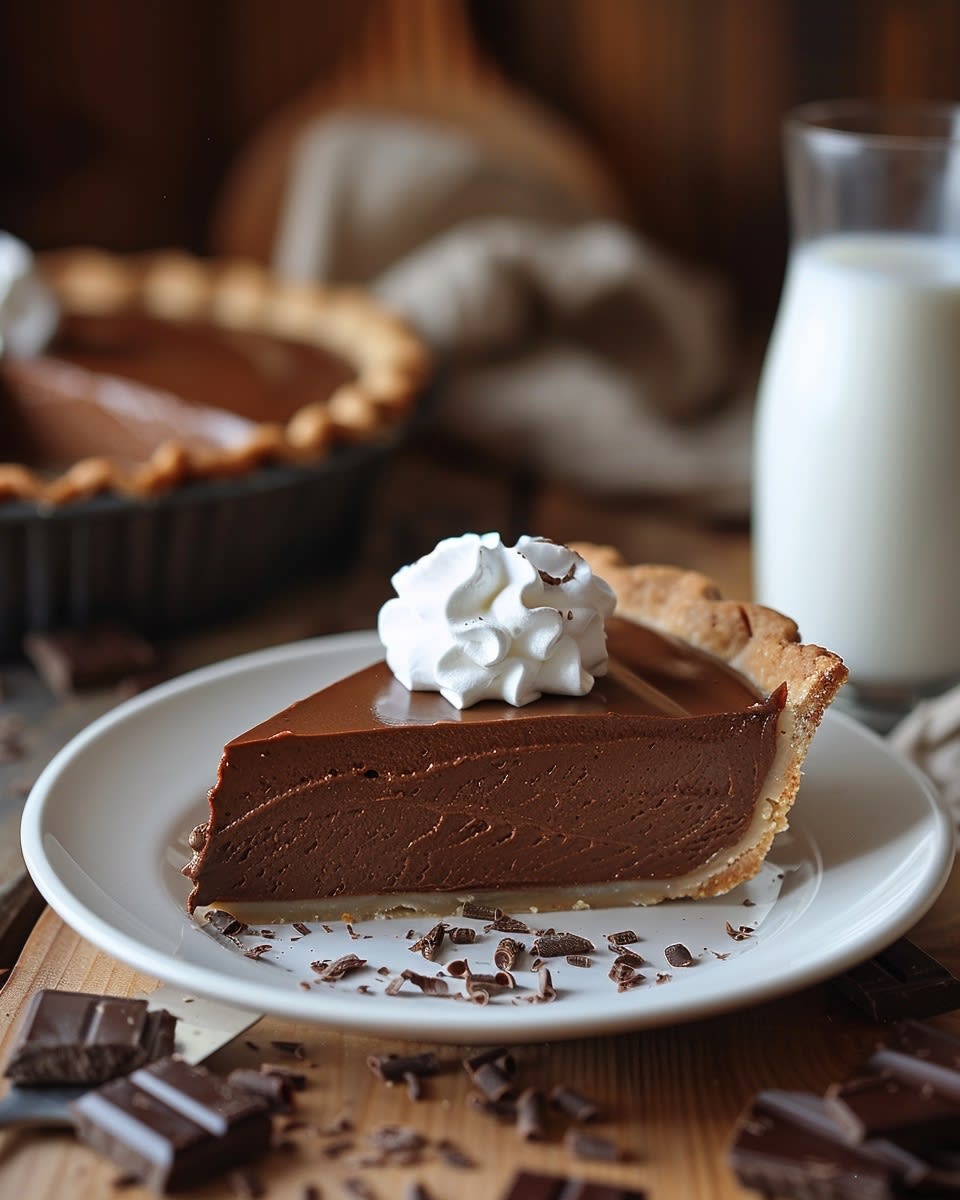
The Ultimate Guide to Making Perfect Chocolate Cream Pie
Last Tuesday, I caught my neighbor sneaking back for a third slice of chocolate cream pie at our block party. She looked guilty for about two seconds before declaring it was totally worth it. That’s the power of a really good chocolate cream pie – it turns reasonable adults into dessert thieves.
There’s something magical about the combination of a crispy crust, silky chocolate filling, and fluffy whipped cream topping. It’s the kind of dessert that makes people go quiet for a moment when they take that first bite. Chocolate cream pie has earned its place as a beloved classic in kitchens across America, and for good reason.
This pie strikes the perfect balance between rich and light. The chocolate filling is creamy without being heavy, and the whipped cream cuts through the sweetness just right. It’s fancy enough for special occasions but simple enough to make on a regular weeknight. Plus, you can make it ahead of time, which means less stress when you’re hosting.
I’ve spent years testing different versions, and I’m excited to share what I’ve learned. We’ll walk through some of the best recipes out there, from trusted names like the Pioneer Woman and Cooks Illustrated. You’ll learn which techniques really matter and which steps you can skip. By the end, you’ll know exactly how to make a chocolate cream pie that’ll have your friends asking for the recipe.
Classic Chocolate Cream Pie Recipes That Never Disappoint
Not all chocolate cream pies are created equal. Some recipes produce runny fillings that won’t slice cleanly. Others turn out too stiff or taste more like pudding than pie. The recipes I’m sharing here have been tested countless times and deliver consistent, delicious results every single time.
The Pioneer Woman’s Take on Chocolate Cream Pie
Ree Drummond knows comfort food, and her chocolate cream pie pioneer woman recipe proves it. What I love about her approach is how accessible it is. She doesn’t ask you to track down fancy ingredients or use complicated techniques. This is a recipe your grandmother would recognize and approve of.
The filling starts with a simple combination of sugar, cornstarch, cocoa powder, and milk. You cook everything on the stovetop, stirring constantly until it thickens. The key ingredient that sets this version apart is the addition of egg yolks. They give the filling an extra silky texture and rich flavor that cocoa powder alone can’t achieve.
Here’s what makes this recipe work so well:
- The cornstarch-to-liquid ratio is perfectly calibrated for a filling that slices cleanly but still melts on your tongue
- Using both cocoa powder and chocolate chips creates deeper chocolate flavor
- The recipe includes clear timing cues so you know exactly when your filling is ready
- A store-bought crust works just fine, making this a quick weeknight option
I’ve made this version at least a dozen times. It’s my go-to when I need something reliable and crowd-pleasing. The filling sets up beautifully in the fridge, and the pie slices like a dream. One tip I’ve learned: let the filling cool for about 10 minutes before pouring it into your crust. This prevents the crust from getting soggy.
People love the Pioneer Woman’s recipe because it tastes like the chocolate cream pie they remember from childhood. It’s not trying to be fancy or modern. It’s just really, really good chocolate pie. The flavor is straightforward and satisfying – pure chocolate without any fancy additions.
The recipe also works great as chocolate cream pie bars if you press your crust into a 9×13 pan instead. This makes serving a crowd much easier since you can cut neat squares instead of worrying about pie slices.
Cooks Illustrated’s Perfect Chocolate Cream Pie
If the Pioneer Woman’s version is your friendly neighbor, the cooks illustrated chocolate cream pie recipe is the overachieving honor student. This recipe comes from a team that tests everything dozens of times to figure out exactly what works and why.
The Cooks Illustrated approach uses a different technique entirely. Instead of making a cornstarch-thickened pudding, they create a custard with egg yolks and a smaller amount of cornstarch. This produces a filling that’s incredibly smooth and luxurious. The texture is somewhere between pudding and pastry cream.
What really sets this recipe apart is the type of chocolate. They call for dark chocolate cream pie made with bittersweet chocolate rather than just cocoa powder. This creates a more sophisticated flavor profile with complex notes that make the pie taste expensive. The filling has depth that keeps you coming back for another bite to figure out what makes it so good.
The technique is more involved than the Pioneer Woman’s version. You’ll temper the egg yolks by slowly adding hot milk, then cook everything together until it reaches exactly 180 degrees. Cooks Illustrated provides the science behind why this temperature matters – it’s hot enough to thicken the eggs but not so hot that they scramble.
Here’s what makes this the best chocolate cream pie recipe for serious bakers:
- Precise measurements and temperatures remove all the guesswork
- The filling is stable enough to slice perfectly even hours after making it
- Using real chocolate instead of just cocoa creates restaurant-quality results
- The recipe includes make-ahead instructions so you can spread the work over two days
I make this version when I really want to impress people. It takes more time and attention, but the results are worth it. The filling is so smooth it almost looks glossy when you slice into it. The chocolate flavor is intense but balanced, not too sweet.
One thing to note: this recipe works best with a graham cracker crust rather than traditional pastry. The slight sweetness and crunch of graham crackers complement the rich filling perfectly. You can buy a pre-made crust, but making your own takes just five minutes and tastes noticeably better.
The Cooks Illustrated version is also perfect for chocolate cream pie make ahead situations. The filling actually improves after sitting in the fridge overnight. The flavors meld together and the texture becomes even more silky. Just wait to add your whipped cream topping until a few hours before serving.
Both of these recipes deliver outstanding results, just in different ways. The Pioneer Woman gives you classic, comforting chocolate pie that reminds you why this dessert became a classic in the first place. Cooks Illustrated takes you to the next level with refined technique and premium ingredients. Depending on your mood and occasion, either one will make you a hero in the kitchen.


Variations and Special Twists on Traditional Chocolate Cream Pie
Once you’ve mastered those two classic approaches, it’s time to explore some variations that put a different spin on this beloved dessert.
The beauty of chocolate cream pie is that it’s actually pretty forgiving. You can simplify it, dress it up, or completely reimagine certain components while still ending up with something delicious. I’ve experimented with probably twenty different versions over the years, and some of these twists have become just as popular in my house as the originals.
Betty Crocker’s Easy Chocolate Cream Pie
Here’s the thing about Betty Crocker recipes – they understand that not everyone wants to spend an afternoon in the kitchen. The chocolate cream pie betty crocker version is brilliantly simple, and I’m not embarrassed to admit I’ve made it more times than I can count when time wasn’t on my side.
This recipe takes a few shortcuts that don’t sacrifice much in terms of flavor. Instead of making everything from scratch, it uses a boxed chocolate pudding mix as the base. Now, before you judge, hear me out. Betty Crocker’s genius move is showing you how to doctor up that pudding mix so it doesn’t taste like it came from a box.
The secret is adding extra ingredients that give it a homemade quality. You’ll fold in some melted chocolate chips for depth, add a splash of vanilla extract, and use whole milk instead of the amount called for on the pudding box. These small additions make a huge difference. My cousin swears this version is homemade every time I bring it to family dinners, and I’ve stopped correcting her.
What I really appreciate about this approach is how consistent it is. Making pudding from scratch can be tricky – cook it too long and it gets grainy, not long enough and it’s runny. The Betty Crocker method removes that variable entirely. You’re basically guaranteed success, which makes it perfect for beginner bakers or anyone who gets nervous about custards.
The whole thing comes together in about twenty minutes of active work. Mix your pudding, doctor it up, pour it into your crust, and let the fridge do the rest. I usually make this when I’ve already committed to bringing dessert somewhere but forgot until the day of. It’s saved me more than once.
Funny enough, this simplified version also works great as chocolate cream pie bars for potlucks. Just press some graham crackers into a rectangular pan, add the filling, chill it, and cut into squares. People can grab them easily without needing plates and forks, which somehow makes them disappear even faster.
If you want to make the Betty Crocker version feel a bit more special, try adding a tablespoon of espresso powder to the filling. It doesn’t make the pie taste like coffee – it just amplifies the chocolate flavor in this really nice way. I picked up that trick from my friend who’s a pastry chef, and now I do it every time. The same technique works beautifully in chocolate chip banana bread too, if you’re looking for other ways to enhance chocolate desserts.
Dark Chocolate Cream Pie
If you’re the type who reaches for the darkest chocolate bar in the store, this variation is calling your name. A dark chocolate cream pie takes everything you love about the classic and makes it more sophisticated and intense.
The main difference here is using high-quality bittersweet or dark chocolate instead of semisweet. I’m talking about chocolate that’s at least 60% cacao, though you can go higher if you really love that slightly bitter edge. The filling becomes less sweet and more complex, with these deep, almost wine-like notes that make each bite interesting.
Choosing your chocolate matters more in this version than in any other. I learned this the hard way when I grabbed whatever dark chocolate was on sale and ended up with a pie that tasted weirdly waxy. Now I stick with brands like Ghirardelli, Callebaut, or even Trader Joe’s dark chocolate pounds, which are surprisingly good quality for the price.
The percentage on the chocolate bar tells you how much of it is actual cacao versus sugar and other ingredients. A 60% bar will give you a nice balance – definitely dark but not overwhelmingly bitter. If you go up to 70% or higher, you might want to add an extra tablespoon or two of sugar to the filling to balance things out. I usually taste my melted chocolate before adding it to make sure it’s not too intense.
By the way, dark chocolate has this interesting property where it actually makes the pie taste less heavy even though the flavor is richer. Something about the slight bitterness cuts through the cream in a way that keeps you from feeling overwhelmed. My dad, who usually can’t finish a whole slice of regular chocolate cream pie, can polish off a piece of the dark version no problem.
One thing I’ve noticed is that dark chocolate cream pie pairs incredibly well with fruit. A handful of fresh raspberries on top or some sliced strawberries on the side really elevates the whole experience. The tartness of the berries plays against the deep chocolate in this back-and-forth that’s pretty magical. It’s similar to how lemon brightens up sweet cookies, like in these lemon sugar cookies that balance citrus with sweetness.
This version also makes an excellent chocolate cream pie make ahead option because the flavors actually improve over time. The chocolate mellows slightly after a day in the fridge, and everything melds together into this harmonious whole. I’ve made it three days ahead for dinner parties and it’s been perfect every single time.
Best Chocolate Cream Pie Recipe with Graham Cracker Crust
Let me tell you about graham cracker crusts, because they deserve way more credit than they get. The best chocolate cream pie recipe graham cracker crust combination is something I stumbled into almost by accident and now prefer over traditional pastry for this particular dessert.
Traditional pie crust is great, don’t get me wrong. But there’s something about the honey-sweet crunch of graham crackers against silky chocolate filling that just works. The slight molasses flavor in the crackers adds this subtle warmth that complements chocolate beautifully. Plus, and I can’t stress this enough, making a graham cracker crust is ridiculously easy compared to rolling out pastry.
You literally crush some graham crackers, mix them with melted butter and a bit of sugar, press everything into a pie pan, and bake for ten minutes. That’s it. No chilling dough, no worrying about it shrinking or getting tough, no stress about whether your butter was the right temperature. It’s basically foolproof.
The ratio I use is one and a half cups of graham cracker crumbs to five tablespoons of melted butter and a quarter cup of sugar. Some people skip the extra sugar, but I find it helps the crust hold together better and adds a nice sweetness that doesn’t compete with the filling. Pressing it firmly into the pan is important – use the bottom of a measuring cup to really pack it down so it doesn’t crumble when you slice the pie.
Here’s a pro tip I learned from my grandmother: add a tablespoon of cocoa powder to your graham cracker crust mixture when making chocolate cream pie. It creates this lovely chocolate-on-chocolate situation without being overwhelming. The crust becomes almost like a giant chocolate cookie base, and people always ask what makes it taste so good.
The texture contrast is what really sells this combination. That crispy, slightly sandy texture of the crust against the smooth, creamy filling creates this satisfying thing that happens in your mouth. It’s the same principle that makes apple crumble dessert so addictive – that play between crispy and creamy, crunchy and smooth.
Graham cracker crusts also have this nostalgic quality that people respond to. They remind us of summer pies and casual family dinners. There’s something less fussy about them compared to traditional pastry, which makes the whole dessert feel more approachable and comforting. When I bring a chocolate cream pie with a graham cracker crust to gatherings, people seem to relax around it more than when I show up with something that looks fancy.
If you’re making a thick chocolate cream pie recipe, the sturdiness of a well-made graham cracker crust really shines. It can support a generous amount of filling without getting soggy or falling apart. Just make sure you let it cool completely before adding your filling, and consider brushing the baked crust with a thin layer of melted chocolate before filling it. This creates a moisture barrier that keeps everything crispy even after a day or two in the fridge. The technique is similar to sealing techniques used in vanilla rice pudding when you want to prevent skin formation.


Tips and Tricks for Making the Perfect Chocolate Cream Pie
Now that you’ve got solid recipes under your belt, let’s talk about the details that separate a good chocolate cream pie from an absolutely spectacular one. These are the little things I’ve picked up through years of trial and error, late-night baking sessions, and yes, a few failures that taught me exactly what not to do.
Thick Chocolate Cream Pie Recipe
Nothing’s more disappointing than slicing into your pie only to have the filling ooze all over the plate. A proper thick chocolate cream pie recipe should hold its shape when you cut it, with the filling staying put in a neat wedge that looks as good as it tastes.
The secret to achieving that perfect thickness comes down to understanding your thickening agents and how they work. Most recipes use either cornstarch or eggs, or sometimes both. Cornstarch creates a firmer, more stable gel structure, while eggs give you a silkier, creamier texture. For the thickest filling, you want cornstarch as your primary thickener, using at least three tablespoons per two cups of milk.
Here’s what I learned the hard way about making thick filling: you absolutely must bring your mixture to a full boil for at least one minute after it starts to thicken. I know it looks thick enough before that point, and your arm is getting tired from stirring, but trust me on this. Cornstarch needs to reach around 203 degrees to fully activate its thickening power. If you pull it off the heat too early because it looks thick, it’ll thin out again as it cools. I made this mistake at least three times before I figured out what was going wrong.
The stirring technique matters more than you’d think. Use a whisk and make sure you’re scraping the bottom and corners of your pan constantly. Cornstarch has this annoying habit of settling on the bottom and scorching if you’re not paying attention. Once it scorches, you get these little brown specks in your filling and a slightly burnt taste that ruins everything. My grandmother used to tell me to stir in a figure-eight pattern to make sure I hit every part of the pan, and she was absolutely right.
Temperature is another factor people overlook. Your filling needs to cool completely before you can judge whether it’s truly thick enough. What looks runny when hot might be perfectly firm when cold. I always make a test batch by spooning a little filling into a small bowl and sticking it in the fridge for twenty minutes. This gives me a preview of the final texture without having to wait for the whole pie to chill.
Common pitfalls to avoid when aiming for thick filling:
- Using low-fat or skim milk instead of whole milk – the fat content helps create a richer, more stable filling
- Adding butter or chocolate while the mixture is still on the heat – this can interfere with the thickening process
- Skipping the step where you strain the filling – even tiny lumps of cooked egg or cornstarch can weaken the structure
- Not chilling the pie long enough – it needs at least four hours, preferably overnight, to fully set
- Cutting the pie while it’s still cold from the fridge – let it sit at room temperature for about ten minutes for cleaner slices
One trick that makes a huge difference is adding a tablespoon of unflavored gelatin to your filling. I know this sounds weird, but hear me out. The gelatin gives you this extra insurance that your filling will slice perfectly, even on a hot day or if the pie sits out for a while. Just bloom the gelatin in two tablespoons of cold water, then whisk it into your hot filling before you pour it into the crust. It doesn’t affect the flavor at all, but the texture becomes incredibly stable.
I started using this technique after a disaster at an outdoor summer party where my pie basically melted into soup within an hour. Now I always add gelatin to pies that need to stay out of the fridge for any length of time. My sister, who’s super sensitive to texture changes in food, couldn’t even tell I’d added it, which tells you how seamlessly it works.
Another thing about thickness – don’t confuse thick with stiff. You want a filling that’s firm enough to slice but still has that luxurious, creamy quality when you eat it. If it’s so thick that it feels like eating chocolate-flavored rubber, you’ve gone too far. The ideal texture is somewhere between pudding and fudge, yielding gently to your fork but not running all over the place.
Make-Ahead Chocolate Cream Pie
The beauty of chocolate cream pie is that it’s actually better when you make it ahead. The flavors develop, the filling sets up properly, and you get to enjoy your party instead of stressing in the kitchen. My friend who runs a small catering business makes all her chocolate cream pies at least two days in advance, and they’re consistently perfect.
For a chocolate cream pie make ahead strategy, here’s my game plan: Make the crust up to three days ahead and store it at room temperature, wrapped in plastic wrap. The filling can be made two days ahead and kept in the fridge in a covered bowl. I know it’s tempting to go ahead and fill the crust, but keeping them separate until the day before serving prevents any chance of sogginess.
The day before your event, assemble the pie by pouring the filling into your crust. At this point, you can cover it with plastic wrap, but here’s a pro move – press the plastic directly onto the surface of the filling. This prevents that weird skin from forming on top, which nobody wants to deal with. The pie needs to chill for at least six hours after assembly, so overnight is perfect timing.
Here’s where people usually mess up: they add the whipped cream topping too early. Whipped cream starts to weep and get watery after more than a few hours, and it can also pick up flavors from your fridge. Nothing ruins the fresh taste of whipped cream like it absorbing the scent of last night’s leftover garlic chicken.
I add my whipped cream topping no more than four hours before serving, and honestly, two hours is even better. If you’re really organized, you can make the whipped cream ahead and keep it in the fridge, then give it a quick whisk before spreading it on your pie. It’ll lose a tiny bit of volume, but it’s still way better than store-bought. By the way, if you’re worried about food safety when storing dairy-based desserts, the FDA has helpful guidelines about preventing cross contamination and proper refrigeration temperatures that are worth checking out.
Storage matters more than people realize. Your chocolate cream pie should always be covered and stored on a flat shelf in the fridge where it won’t get bumped. I learned this after my husband shoved a pie to the back of our fridge and the whipped cream got smashed against a casserole dish. Not pretty. I now keep a designated spot cleared on the middle shelf whenever I’m storing a pie.
The pie will keep beautifully for up to three days in the fridge, though the crust will gradually lose some of its crispness. If you’re planning to keep it longer than two days, consider that moisture barrier trick I mentioned earlier – brush the baked crust with melted chocolate before filling. This buys you extra time before any sogginess sets in.
When you’re ready to serve, let the pie sit at room temperature for about fifteen minutes. This takes the chill off and lets the flavors come forward. Chocolate tastes way better when it’s not ice cold. The texture also becomes more silky and smooth rather than firm and fudge-like. I set a timer on my phone so I don’t forget and leave it out too long, because nobody wants a pie that’s gotten warm enough for the filling to start softening.
Transporting a make-ahead pie can be tricky. I invested in a proper pie carrier with a dome lid after one memorable incident involving a sharp turn and whipped cream on my car ceiling. If you don’t have one, a large, flat container works, or you can wait to add the whipped cream until you arrive at your destination. Bringing a bowl of whipped cream and a spatula takes two minutes to deal with and eliminates all the transport stress.
Chocolate Cream Pie vs. Chocolate Silk Pie
People ask me about this all the time, and honestly, until I really dug into it, I thought they were basically the same thing. But chocolate cream pie vs chocolate silk pie is actually a legit comparison with some meaningful differences that affect which one you might want to make.
Chocolate cream pie, as we’ve been discussing, uses a cooked filling. You heat milk, add your thickeners and chocolate, cook everything together until it’s thick and smooth, then pour it into your crust to set. The texture is more like a firm custard or a really thick pudding. It slices cleanly and has a substantial, creamy bite to it.
Chocolate silk pie, on the other hand, is a completely different beast. The filling isn’t cooked at all. Instead, you whip softened butter with sugar until it’s incredibly fluffy, add melted chocolate and eggs, and beat the whole thing until it has this mousse-like, airy texture. The name “silk” comes from how unbelievably smooth and light it feels in your mouth. It literally melts on your tongue in a way that cream pie doesn’t.
The texture difference is the biggest distinction. Silk pie is lighter, fluffier, almost ethereal. Cream pie is denser, richer, more substantial. When I want something that feels indulgent and satisfying, I reach for cream pie. When I want something that feels fancy and delicate, silk pie wins. They’re both chocolate, they’re both in a pie crust, but the eating experience is totally different.
Taste-wise, silk pie tends to be a bit sweeter and more intensely chocolate because of how the butter and eggs amplify the chocolate flavor. Cream pie has a more balanced taste with the milk tempering some of that intensity. I’ve had people tell me silk pie is almost too rich, while others think cream pie is too mellow. It really comes down to personal preference and what kind of chocolate experience you’re after.
There’s also a practical consideration that nobody talks about enough: silk pie contains raw eggs. Traditional recipes call for uncooked eggs whipped into the filling, which gives some people pause for food safety reasons. You can use pasteurized eggs to address this concern, but they’re more expensive and sometimes harder to find. Cream pie, because the filling is cooked, eliminates this worry entirely. If you’re serving elderly folks, young kids, or anyone with a compromised immune system, cream pie is the safer choice.
Making silk pie is actually easier in some ways because you’re not dealing with a stove and the risk of scorching or lumps. You just need a good mixer and about fifteen minutes. But it’s less forgiving in other ways – if your butter isn’t the right temperature or you don’t beat it long enough, the texture won’t be right. Cream pie is more forgiving of technique variations, though it requires more attention during the cooking phase.
Funny enough, silk pie doesn’t hold up as well over time. After a day or two in the fridge, it can develop a slightly grainy texture as the butter firms up. Cream pie actually improves with time, staying smooth for three or four days. So if you’re planning a make-ahead situation, cream pie is definitely the way to go.
When I host dinner parties, I actually sometimes make both and let people choose. The contrast between the two is pretty fun to experience side by side, and it always sparks good conversation about which one people prefer and why. There’s no wrong answer – they’re just different approaches to putting chocolate and pie together in a way that makes people happy.
If you’re exploring different dessert recipes to expand your baking repertoire, trying both versions will teach you a lot about how different techniques affect texture and flavor in chocolate desserts. The skills you develop making cream pie will help with all sorts of other custard-based desserts, while silk pie techniques carry over to mousses and other whipped desserts.
At the end of the day, chocolate cream pie has earned its place in American dessert culture because it delivers exactly what people want: rich chocolate flavor, creamy texture, and that satisfaction that comes from a really well-made pie. Whether you’re making the Pioneer Woman’s comforting version, Cooks Illustrated’s refined approach, or trying your hand at a thick, make-ahead masterpiece, you’re creating something that brings people together and makes them smile. There’s something pretty special about that.
Frequently Asked Questions
What is the difference between chocolate cream pie and chocolate silk pie?
The main difference lies in the preparation and texture. Chocolate cream pie uses a cooked custard-style filling made with milk, cornstarch or flour, and eggs that’s heated on the stovetop until thick. Chocolate silk pie features an uncooked, whipped filling made with butter, sugar, chocolate, and raw eggs, creating a lighter, mousse-like texture. Cream pie is denser and more substantial, while silk pie is airier and melts more quickly on your tongue. Silk pie also typically contains raw eggs, which raises food safety considerations that cooked cream pie doesn’t have. Both are delicious, just different experiences entirely.
Can I make chocolate cream pie ahead of time?
Absolutely, and I’d actually recommend it. You can make the crust up to three days ahead and the filling two days ahead, storing them separately. Assemble the pie by adding filling to the crust the day before serving, then refrigerate overnight for the best texture. The filling actually improves as the flavors meld together. However, wait to add whipped cream topping until no more than four hours before serving to prevent it from getting watery. The assembled pie without topping keeps well in the fridge for up to three days, though the crust gradually loses crispness.
Which is the best chocolate cream pie recipe with a graham cracker crust?
The Cooks Illustrated approach works exceptionally well with a graham cracker crust because the slight sweetness and crunch complement their bittersweet chocolate filling perfectly. For a simpler option, the Pioneer Woman’s recipe also pairs beautifully with graham crackers for a more casual, nostalgic feel. I personally love adding a tablespoon of cocoa powder to the graham cracker mixture to create a chocolate-on-chocolate effect. The key is making sure your crust is firmly pressed and completely cooled before adding filling. A homemade graham cracker crust takes just five minutes and tastes significantly better than store-bought versions.
How do I make a thick chocolate cream pie?
The secret is using enough cornstarch (at least three tablespoons per two cups of milk) and bringing the mixture to a full boil for at least one minute after it starts thickening. Don’t pull it off the heat too early, even if it looks thick, because cornstarch needs to reach about 203 degrees to fully activate. Stir constantly in a figure-eight pattern to prevent scorching. For extra insurance, add a tablespoon of bloomed unflavored gelatin to the hot filling before pouring it into your crust. Make sure to chill the pie for at least four hours or overnight for the filling to fully set and achieve that perfect sliceable texture.
What are some variations of chocolate cream pie?
Popular variations include dark chocolate cream pie made with 60-70% cacao chocolate for a more sophisticated flavor, chocolate cream pie bars using a rectangular pan for easier serving, and adding espresso powder to amplify chocolate flavor without adding coffee taste. You can also experiment with different crusts like Oreo cookie crusts or traditional pastry. Some people add peanut butter to the filling, layer in caramel, or top with chocolate shavings instead of just whipped cream. The basic structure of the pie is forgiving enough that you can customize it to match your preferences while still getting excellent results.
Where can I find the best chocolate cream pie recipes?
The Pioneer Woman’s website offers a reliable, classic version that’s perfect for beginners and weeknight baking. Cooks Illustrated provides a more refined, sophisticated recipe with detailed explanations of technique and science. Betty Crocker has a simplified version that uses pudding mix as a base but can be doctored up to taste homemade. Food Network also features several versions from different chefs. For the most dependable results, I recommend starting with either the Pioneer Woman or Cooks Illustrated approach, then experimenting from there once you understand the basic techniques and what makes the filling work.
How long does chocolate cream pie last in the refrigerator?
A properly stored chocolate cream pie will keep for three to four days in the refrigerator when covered with plastic wrap or stored in an airtight container. The filling stays fresh and safe to eat during this time, though the crust may gradually lose some crispness. If you’ve added whipped cream topping, the pie is best eaten within two days as the whipped cream can start to weep and get watery. For longest freshness, store the pie on a flat shelf where it won’t get bumped, and bring it to room temperature for about fifteen minutes before serving to let the flavors and texture shine through.
Can I freeze chocolate cream pie?
I don’t recommend freezing chocolate cream pie because the filling texture changes dramatically when frozen and thawed. The custard-based filling tends to separate and become watery or grainy after freezing. The whipped cream topping also doesn’t freeze well and can become icy or deflated. If you absolutely need to freeze it, do so without the whipped cream topping, wrap it extremely well, and keep it frozen for no more than a month. Let it thaw slowly in the refrigerator overnight and add fresh whipped cream before serving. Honestly though, this pie is so much better when made fresh or just refrigerated.
Why is my chocolate cream pie filling runny?
The most common reason is not cooking the filling long enough or to a high enough temperature for the cornstarch to fully activate. You need to bring it to a full boil for at least a minute after it starts to thicken. Another possibility is using too much liquid or not enough thickener – measure carefully and use whole milk rather than low-fat versions. Also, make sure you’re chilling the pie long enough, at least four hours or overnight, as the filling continues to set as it cools. If you added butter or chocolate while the mixture was still on the stove, this can also interfere with proper thickening.
What’s the best way to serve chocolate cream pie?
Remove the pie from the refrigerator about fifteen minutes before serving to take the chill off, which allows the chocolate flavor to come forward and the texture to become more silky. Use a sharp knife dipped in hot water and wiped clean between slices for the neatest cuts. Serve each slice with a dollop of extra whipped cream if desired, and consider adding fresh berries like raspberries or strawberries on the side, especially if you’re using dark chocolate. A small fork works better than a large one for eating the pie, as it helps you get all the layers in each bite without the slice falling apart.
Ingredients
Equipment
Method
- Prepare your pie crust according to package directions or your recipe, and let it cool completely.
- In a medium saucepan, whisk together the sugar, cornstarch, cocoa powder, and salt.
- Gradually whisk in the milk until well combined.
- Cook the mixture over medium heat, stirring constantly, until it thickens and comes to a boil.
- In a separate bowl, whisk the egg yolks. Slowly add a cup of the hot chocolate mixture to the yolks to temper them.
- Add the egg mixture back into the saucepan and cook for another 2-3 minutes, stirring constantly until thickened.
- Remove from heat and stir in the chopped chocolate, butter, and vanilla extract until everything is melted and smooth.
- Let the filling cool for about 10 minutes before pouring it into the prepared pie crust.
- Refrigerate the pie for at least 4 hours or overnight to let it set.
- Just before serving, whip the heavy cream with powdered sugar until stiff peaks form, then spread over the pie.