
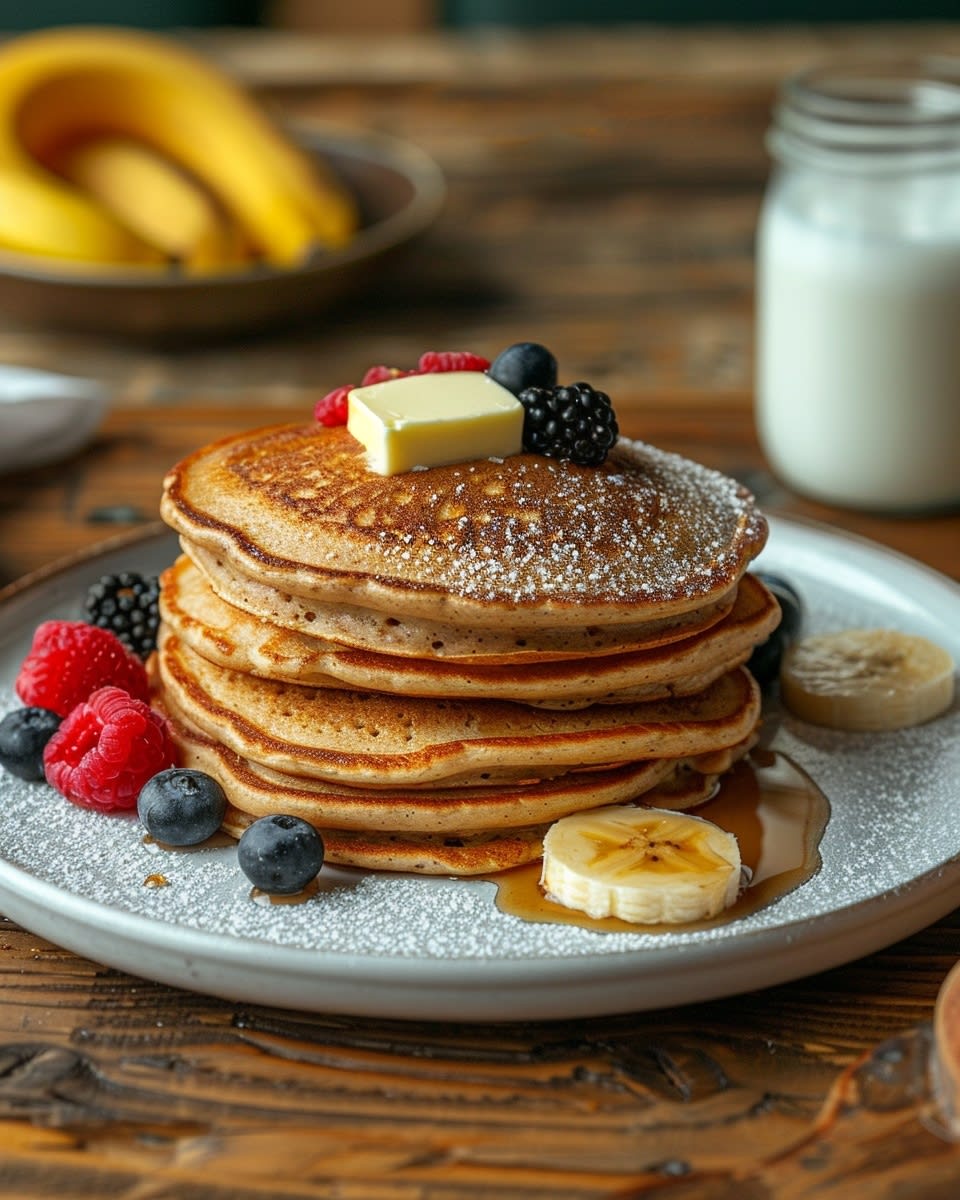
Welcome to My Kitchen: The Story Behind My Favorite Banana Oat Pancakes with No Sugar
Last Tuesday morning, my eight-year-old daughter walked into the kitchen and wrinkled her nose at her usual bowl of cereal. “Mom, I’m tired of the same breakfast,” she complained. I get it. We all hit that breakfast rut where nothing sounds good. That’s when I remembered the banana oat pancakes with no sugar I used to make in college when I was broke and trying to eat better. Those simple pancakes saved my mornings back then, and now they’re saving my family’s breakfast routine.
Here’s the beautiful thing about these pancakes. They’re made with just a few ingredients you probably already have. They come together in less than 15 minutes. And my kids actually ask for them by name. No fights, no negotiations, just happy eating.
I’m going to share my go-to recipe with you today. But more than that, I want to show you the little tricks I’ve learned over the years. These tips make the difference between okay pancakes and the fluffy, golden ones that disappear from plates in seconds.
The best part? You won’t miss the sugar. Not even a little bit. The natural sweetness from ripe bananas does all the work. Your body will thank you, and your taste buds won’t feel cheated.
Why Choose Banana Oat Pancakes with No Sugar Over Regular Pancakes?
Traditional pancake recipes load up on white flour and refined sugar. They taste great for about five minutes. Then the sugar crash hits. You know that feeling when you’re hungrier an hour after breakfast than you were when you woke up? That’s what regular pancakes do to your blood sugar.
Banana oat pancakes with no sugar work differently. They give you steady energy that lasts until lunch. I noticed this change in my own body about three weeks after I switched. No mid-morning snack attacks. No desperate coffee runs at 10 a.m.
Let me break down what makes these pancakes special:
Bananas as Your Natural Sweetener
Ripe bananas are sweet enough to replace all the sugar in traditional recipes. I’m talking about those bananas with brown spots that most people toss out. Those are your golden ticket. The browner the peel, the sweeter the banana.
Bananas bring more than just sweetness to the table. They pack in potassium, which helps your muscles work properly. They contain vitamin B6, which your body needs for energy. One medium banana gives you about 3 grams of fiber too.
I keep a stash of overripe bananas in my freezer. When bananas start getting too brown on my counter, I peel them and freeze them in a bag. Then I always have pancake-ready bananas waiting for me.
The Power of Oats in Your Breakfast
Oats are the other hero in this recipe. They replace refined white flour with something your body actually knows how to process. Oats contain a special type of fiber called beta-glucan. This fiber slows down digestion in a good way.
When your breakfast digests slowly, you stay full longer. Your blood sugar doesn’t spike and crash. You can actually focus on your morning tasks instead of thinking about your next meal.
One serving of oats gives you about 4 grams of fiber. That’s roughly 16% of what most adults need daily. When you combine oats with bananas, you’re getting close to 7 grams of fiber per serving of pancakes. That’s a solid start to your day.
I’ve watched my kids eat these pancakes before school. They don’t get cranky before lunch anymore. Their teachers have even commented on their improved focus in morning classes. I can’t prove the pancakes are responsible, but the timing lines up perfectly.
What Happens When You Skip Added Sugar
Removing refined sugar from your breakfast changes everything. Added sugars cause inflammation in your body. They mess with your insulin response. They make you crave more sugar throughout the day.
The American Heart Association says women should limit added sugar to 25 grams daily. Men should stay under 36 grams. One stack of regular pancakes with syrup can hit 40 grams easily. That’s your whole day’s worth before 9 a.m.
Sugar-free banana oat pancakes break this cycle. You get natural sugars from fruit instead. Your body processes these differently because they come packaged with fiber and nutrients.
I used to feel guilty about feeding my family pancakes. Now I feel good about it. These aren’t a treat we have to earn. They’re just breakfast.
The Fullness Factor That Changes Your Morning
The combination of protein, fiber, and complex carbs in these pancakes keeps hunger away for hours. I tested this on myself before serving them to my family. I ate two medium pancakes at 7 a.m. I didn’t think about food again until 12:30 p.m.
Regular pancakes never did that for me. I’d eat a big stack and feel hungry again by 10 a.m. The difference comes down to how your body processes the ingredients.
Oats release their energy slowly. Bananas provide quick energy plus fiber to slow absorption. When you add an egg to the batter (which my recipe includes), you get protein that further extends satiety.
My husband used to grab a granola bar every morning around 10. He doesn’t anymore. He eats these pancakes before work and makes it to lunch without snacking. That’s saved us money and helped him drop a few pounds without trying.
Perfect for Special Diets and Picky Eaters
These pancakes fit into most eating plans. They work for people avoiding refined sugar. They’re naturally sweet enough for kids who claim they hate “healthy food.” You can make them gluten-free by using certified gluten-free oats.
I’ve served these to my daughter’s friends during sleepovers. Not one kid has complained or asked for “real” pancakes instead. They just eat them and ask for seconds.
Parents with picky eaters often struggle with breakfast. You want to give them something nutritious, but they want something that tastes good. Healthy banana oat pancakes bridge that gap perfectly. Kids taste the sweetness and see regular-looking pancakes. You know they’re getting fiber, vitamins, and steady energy.
Easy Enough for Busy Mornings
I’m not a morning person. I need my breakfast routine to be simple or it won’t happen. This recipe requires one bowl, a fork for mashing, and a pan. That’s it.
You mash the bananas, blend in the oats (I use my blender to make oat flour), crack in an egg, and cook. Total active time is about 10 minutes. Most of that is just standing at the stove flipping pancakes.
I’ve made these pancakes while half-asleep, while helping kids find lost shoes, and while answering work emails. They’re that forgiving. You don’t need to be a skilled cook. You just need to follow a few simple steps.


Everything You Need to Make Perfect Banana Oat Pancakes Without Sugar
Now that you know why these pancakes are worth making, let’s get into the actual doing. I’m going to walk you through exactly what you need and how to put it all together. Trust me, this ingredient list is refreshingly short.
Here’s what goes into my basic recipe. I’m talking about the version I make on random Wednesday mornings when I haven’t planned anything fancy:
Two ripe bananas – and I mean really ripe. Those bananas that are almost embarrassing to pull out of the fruit bowl. The ones with brown spots covering most of the peel. That’s when the starches have converted to natural sugars and they’re sweet enough to do the heavy lifting in this recipe.
One cup of old-fashioned rolled oats – not the instant kind that comes in packets. You want the regular oats that take five minutes to cook if you were making oatmeal. I buy mine in bulk because we go through them like crazy. Steel-cut oats won’t work here because they’re too hard. Quick oats can work in a pinch, but rolled oats give you the best texture.
Two large eggs – these bind everything together and add protein. If you’re vegan, I’ve had friends use flax eggs (one tablespoon ground flaxseed mixed with three tablespoons water per egg). Let that mixture sit for five minutes before using it. The pancakes turn out a bit denser but still totally edible.
Half a cup of milk – any kind works. I usually use whatever’s in my fridge, which is typically whole milk. But I’ve made these with almond milk, oat milk, and even coconut milk when my sister visits. She’s lactose intolerant and brings her own milk alternatives. The pancakes taste slightly different depending on which milk you choose, but they all work fine.
One teaspoon of baking powder – this is what makes them fluffy instead of flat. Don’t skip it. I learned that lesson the hard way during my first attempt. My pancakes came out like sad little discs that nobody wanted to eat.
Half a teaspoon of cinnamon – this adds warmth and makes your kitchen smell amazing. Sometimes I go a bit heavier on the cinnamon because I love the flavor. My kids prefer less. You can adjust based on your family’s taste.
One teaspoon of vanilla extract – the real stuff if you have it, but imitation works too. This deepens the flavor and makes everything taste more special than it actually is. It’s a cheap trick that works every time.
A pinch of salt – maybe an eighth of a teaspoon. Salt enhances sweetness, which sounds backwards but it’s true. Professional bakers always add salt to sweet recipes for this exact reason.
That’s the complete list. Eight ingredients. You probably have most of them already. When I’m feeling fancy or have extra time, I’ll add a tablespoon of ground flaxseed for extra fiber. Sometimes I throw in a handful of chocolate chips because life is short. But the basic recipe doesn’t need any of that.
Speaking of alternatives, let me talk about substitutions for a minute. I’ve experimented plenty because someone in my extended family always has a dietary restriction. My nephew can’t have gluten, my sister avoids dairy, and my father-in-law watches his cholesterol.
For a dairy-free version, swap regular milk for any plant-based option. Almond milk keeps the pancakes light. Oat milk makes them slightly creamier. Coconut milk from a carton works great too. Just avoid using the thick coconut milk from a can unless you want really dense pancakes.
If you need gluten-free banana pancakes, make sure your oats are certified gluten-free. Regular oats don’t contain gluten naturally, but they’re often processed in facilities that handle wheat. Cross-contamination happens. My nephew learned this the hard way at a restaurant once. Now we only buy certified gluten-free oats for when he visits.
For folks watching cholesterol or following a vegan diet, those flax eggs I mentioned earlier really do work. The texture changes slightly. The pancakes hold together a bit less easily when you flip them. But they still taste good. I’ve also seen people use mashed sweet potato as an egg replacement, though I haven’t tried that myself yet.
Now let’s talk toppings for a second. The pancakes are sweet on their own, but sometimes you want a little something extra. Fresh berries are my go-to choice. Blueberries, sliced strawberries, or raspberries add a tart contrast to the sweet banana flavor. Plus they look pretty on the plate, which somehow makes breakfast feel more special.
If you’re not being strict about no sugar at all, a small drizzle of honey or pure maple syrup works beautifully. I’m talking about a teaspoon, not the puddles of syrup you see at pancake houses. Just enough to add a little extra sweetness without undoing all the healthy choices you just made. You might also enjoy my Greek yogurt parfait with honey and almonds for another naturally sweetened breakfast option.
A dollop of plain Greek yogurt on top adds protein and a tangy flavor that balances the sweetness. Almond butter or peanut butter spread on warm pancakes is absolutely incredible. It melts slightly and creates this amazing combination of flavors. My husband eats his pancakes this way every single time.
The Simple Process for Making These Pancakes Every Time
Alright, ingredients gathered. Let’s actually make these pancakes. I’m going to break this down step by step because I remember how intimidated I used to feel by cooking anything from scratch.
First thing you need to do is turn your oats into flour. I use a blender for this. Just dump the cup of oats into your blender and pulse it for about 30 seconds. You want a flour-like consistency, though it’ll be slightly coarser than regular flour. Some small oat pieces are totally fine. Actually, I kind of like the texture they add.
If you don’t have a blender, a food processor works. In a pinch, you could even use oat flour that you buy pre-made from the store. But making your own is cheaper and you can control the texture better.
Next, grab a medium-sized mixing bowl. Peel those spotty bananas and drop them in. Use a fork to mash them up. I mash mine until they’re mostly smooth with just a few small lumps. This takes maybe a minute of work. My kids like to help with this step because it’s satisfying and hard to mess up.
Crack your two eggs right into that bowl with the mashed bananas. Pour in your half cup of milk and teaspoon of vanilla extract. Mix everything together with that same fork. No need to dirty a whisk unless you really want to. The mixture will look kind of runny and weird. That’s normal.
In a separate small bowl, mix together your oat flour, baking powder, cinnamon, and salt. Just stir them with a spoon until they’re combined. This takes like ten seconds.
Here’s the thing about mixing wet and dry ingredients. You want to combine them, but you don’t want to overmix. Pour your dry mixture into your wet ingredients. Stir them together with a spoon or spatula until everything is just incorporated. You’ll still see a few small lumps. That’s perfect. If you keep stirring until it’s completely smooth, your pancakes will turn out tough and rubbery.
I made that mistake about a dozen times when I first started making these. I thought smooth batter meant better pancakes. Wrong. Stop mixing earlier than feels right. Your pancakes will thank you by being fluffy instead of chewy.
Let that batter sit for about five minutes while you heat up your pan. This resting time lets the oat flour absorb the liquid. The batter will thicken up slightly, which makes it easier to pour and flip later.
Heat a non-stick pan or griddle over medium heat. This is important: medium heat, not high. I burned so many pancakes when I first started because I was impatient and cranked the heat up. Medium heat gives the insides time to cook through before the outsides burn.
Add a small pat of butter or a bit of coconut oil to your pan. Let it melt and coat the surface. I use about half a teaspoon per batch of pancakes. You could use cooking spray instead if you want to save calories.
Pour about a quarter cup of batter onto the hot pan for each pancake. I use an actual measuring cup for this because eyeballing it leads to pancakes of wildly different sizes. Uniform size means they all cook at the same rate.
Now comes the hardest part: waiting. Watch for bubbles to form on the surface of the pancake. When you see bubbles appearing and the edges look slightly dry, it’s time to flip. This usually takes about two to three minutes. If you’re feeling breakfast inspiration beyond pancakes, you might also love these overnight oats with chia seeds and berries that require zero morning cooking.
Slide your spatula under the pancake gently. These easy banana oat pancakes are a bit more delicate than regular flour pancakes. They can break if you’re too rough. Flip them in one confident motion. Cook for another one to two minutes on the second side.
The second side always cooks faster than the first. I don’t know why this is true, but it is. Keep an eye on them. You’re looking for a golden brown color on both sides.
Here’s where people mess up most often. They make the heat too high and burn the outside while leaving the inside raw. Or they flip too early and the pancake falls apart. Or they press down on the pancakes with the spatula, squishing out all the air and making them dense.
If your pancakes are burning on the outside but staying raw inside, lower your heat. If they’re not cooking fast enough and absorbing too much oil, raise the heat slightly. You might need to adjust after the first pancake. I always consider my first pancake a test pancake. It’s rarely perfect, but it teaches me what temperature works best that particular morning.
Sometimes the batter seems too thick when you’re cooking. If it’s not spreading at all in the pan, stir in another tablespoon or two of milk. If it’s too runny and spreading out into crepes instead of staying puffy, let it sit for a few more minutes to thicken up.
I keep a plate warming in my oven on the lowest setting while I cook. As each pancake finishes, I transfer it to that warm plate. This way everyone gets hot pancakes even if we’re eating together after I’ve finished cooking the whole batch. For a protein-packed alternative to start your day, check out this spinach mushroom egg white omelette that’s just as satisfying.
One batch of this recipe makes about eight medium pancakes. That feeds my family of four with maybe one or two left over. If you need more, the recipe doubles easily. Actually, it’s one of those rare recipes that scales up or down without any issues.
By the way, these pancakes freeze really well. I sometimes make a double batch on Sunday and freeze the extras. Then on rushed mornings, I just pop them in the toaster to reheat. They come out almost as good as fresh. Definitely better than anything you’d buy frozen at the store, and you know exactly what’s in them. Though if you’re craving something sweet for a special treat, these cinnamon sugar donuts might satisfy that urge while still being homemade.
The whole process from gathering ingredients to eating takes about 20 minutes. Most of that is cooking time where you’re just standing there flipping pancakes. It’s easy enough to do while half-awake, which matters on school mornings when nobody’s functioning at full capacity yet.


Creative Ways to Serve and Customize Your Banana Oat Pancakes
Once you’ve mastered the basic recipe, the fun really begins. I’ve spent the last couple years experimenting with different ways to serve these pancakes, and I’ve got to tell you, they’re incredibly versatile. My family never gets bored because I’m always switching things up.
Let’s start with toppings that take these pancakes from good to amazing. A dollop of Greek yogurt on top adds creaminess and a protein boost that keeps you full even longer. I usually add about two tablespoons per serving. The tanginess cuts through the sweetness of the bananas in this really satisfying way. Sometimes I mix a tiny bit of honey into the yogurt first, just to make it slightly sweet.
Fresh fruit is always a winner in my house. Sliced strawberries, a handful of blueberries, or some blackberries arranged on top make the plate look restaurant-quality. My daughter insists on making smiley faces with blueberries. Whatever gets her to eat breakfast without complaining works for me.
Here’s something unexpected that my husband discovered by accident. He spread some ricotta cheese on his pancakes one morning because we were out of everything else. Turns out, it’s incredible. The mild, creamy cheese pairs beautifully with the banana flavor. Now he makes it that way on purpose.
Nut butters deserve their own paragraph because they’re that good. Almond butter, peanut butter, cashew butter, or even sunflower seed butter if someone has nut allergies. I warm my nut butter in the microwave for about 15 seconds so it becomes drizzle-able. Then I pour it over the warm pancakes and watch it melt into all the little nooks. Add some sliced bananas on top and you’ve got yourself a truly satisfying breakfast.
For a crunchy element, try sprinkling some chopped walnuts, pecans, or almonds over your stack. I toast mine first in a dry pan for a few minutes. This brings out their flavor and makes them extra crispy. Just a tablespoon or two adds nice texture contrast to the soft pancakes.
Funny enough, savory toppings can work too. I know that sounds weird with banana pancakes, but hear me out. A fried egg on top with a tiny sprinkle of sea salt creates this sweet-savory combination that’s actually pretty amazing. My sister thought I was crazy until she tried it. Now she makes them that way whenever she visits.
If you want to stick with traditional pancake toppings but keep things healthy, try making a quick berry compote. Throw a cup of frozen mixed berries in a small pot with a tablespoon of water. Heat them on medium until they break down and get syrupy, maybe five minutes. The berries release their natural sugars and create this gorgeous sauce without adding any refined sugar.
Coconut flakes are another favorite in my house. The unsweetened kind adds tropical flavor without extra sugar. I like to toast them in a dry pan until they’re golden before sprinkling them on top. They smell amazing while they’re toasting too.
Now let’s talk about variations you can make to the batter itself. This is where things get really interesting. Once you’re comfortable with the basic recipe, you can start playing around.
Adding a quarter cup of chopped walnuts or pecans directly into the batter creates banana nut pancakes that are seriously delicious. The nuts add healthy fats and make the pancakes even more filling. Just fold them in gently after you’ve mixed your wet and dry ingredients together.
Chocolate chips are technically not sugar-free, but a tablespoon of dark chocolate chips stirred into the batter makes these feel like a special treat. I use the kind that’s at least 70% cacao so there’s less added sugar. My kids request this version for weekend breakfasts or when they have friends sleeping over.
Blueberries mixed into the batter are fantastic. Fresh or frozen both work. If you’re using frozen, don’t thaw them first. Just stir them in while they’re still frozen so they don’t turn your entire batter purple. You’ll get these little pockets of berry flavor throughout each pancake.
Here’s something I discovered last fall when I had extra pumpkin puree in my fridge. Add a quarter cup of pumpkin puree to the batter along with an extra half teaspoon of cinnamon and a pinch of nutmeg. You get these amazing fall-flavored pancakes that taste like pumpkin pie for breakfast. They’re perfect for October and November mornings.
You can also experiment with different types of milk in the batter. Coconut milk makes them slightly tropical tasting. Almond milk keeps them light. Oat milk creates a creamier texture. I’ve even used buttermilk when I had some left over from another recipe, and it made the pancakes extra fluffy with a slight tang.
By the way, these healthy oatmeal pancakes work beautifully as waffles too. Just pour the batter into a preheated waffle iron instead of a pan. Cook according to your waffle iron’s instructions, usually about three to four minutes. The waffles come out crispy on the outside and soft inside. Those little waffle squares are perfect for holding toppings.
I make waffle versions on lazy Sunday mornings when we have more time. The kids think waffles are fancier than pancakes for some reason. Same batter, different shape, way more excitement at the breakfast table.
For an extra protein boost, try adding a scoop of vanilla protein powder to the dry ingredients. This works best with plant-based protein powders in my experience. Whey protein can make the texture a bit rubbery if you’re not careful. Start with half a scoop and see how you like it before adding more.
Speaking of protein, cottage cheese blended into the batter creates these incredibly fluffy, protein-packed pancakes. Add about a quarter cup of cottage cheese to your wet ingredients and blend everything together until smooth. You won’t taste the cottage cheese at all, but you’ll definitely notice how fluffy the pancakes turn out.
If you’re following a heart healthy diet, these pancakes fit right in with their whole grain oats and natural ingredients instead of refined flour and added sugars.
Matcha powder is another fun addition if you’re into that sort of thing. A teaspoon of matcha powder mixed into the dry ingredients gives the pancakes a subtle green tea flavor and a pretty pale green color. Plus you get all those antioxidants matcha is famous for.
For a more indulgent weekend version, try adding a tablespoon of cocoa powder to the dry ingredients. You get these chocolatey pancakes that kids go absolutely crazy for. They’re still made with wholesome ingredients, just with a chocolate twist that makes breakfast feel like dessert.
Lemon zest is underrated in pancakes. Add the zest of one lemon to your batter for a bright, fresh flavor that’s totally different from the usual cinnamon version. Serve these with fresh berries and maybe a tiny drizzle of honey. They’re perfect for spring and summer mornings.
If you’re really adventurous, try making savory pancakes by leaving out the cinnamon and vanilla. Add a pinch of garlic powder and some chopped fresh herbs instead. Top them with an egg and some avocado for a completely different breakfast experience.
The point is, once you’ve got the basic technique down, you can customize these pancakes in endless ways. I keep the basic recipe in my head, but I rarely make it exactly the same way twice. Whatever fruit I have on hand, whatever nuts are in my pantry, whatever sounds good that morning – that’s what I add.
My kids have started requesting their own custom versions. My son wants chocolate chips and walnuts. My daughter insists on blueberries inside with strawberries on top. My husband sticks with the plain version but loads it up with almond butter. I make them all at once and everyone’s happy.
Don’t be afraid to experiment. The worst that can happen is you make pancakes that are slightly less amazing than usual. They’ll still be edible. They’ll still be way healthier than boxed pancake mix. And you’ll learn something for next time.
Keep notes on your phone or in a notebook about which variations you tried and how they turned out. I started doing this after I made an incredible batch of pancakes and then couldn’t remember exactly what I’d added. Now I have a whole list of successful experiments that I can repeat whenever I want. If you’re looking for more inspiration for nutritious morning meals, browse through these healthy breakfast recipes that fit perfectly with a balanced eating plan.
The beauty of homemade pancakes without sugar is that you’re in complete control. You decide what goes in them. You adjust flavors to match your family’s preferences. You create versions that work for your specific dietary needs. That kind of customization just isn’t possible with store-bought mixes or restaurant pancakes.
So grab those overripe bananas, pull out your oats, and start creating. These pancakes are forgiving enough for beginners but versatile enough to keep experienced cooks interested. That’s a rare combination in the recipe world.
Your Questions About Sugar-Free Banana Oat Pancakes Answered
Can I use quick oats instead of rolled oats?
Yes, quick oats work in this recipe, though your pancakes will have a slightly different texture. Quick oats are just rolled oats that have been cut into smaller pieces, so they blend into a finer flour. Your pancakes might be a bit denser but they’ll still taste great. I’ve used quick oats plenty of times when I ran out of rolled oats and nobody at my breakfast table noticed a significant difference.
Are these pancakes suitable for people with diabetes?
These pancakes contain no added sugar and have more fiber than traditional pancakes, which helps slow down blood sugar spikes. The bananas do contain natural sugars, but they come with fiber and nutrients that affect blood sugar differently than refined sugar. That said, everyone’s body responds differently to carbohydrates. If you have diabetes, it’s important to check with your healthcare provider or dietitian about whether these fit your meal plan. They can help you determine appropriate portion sizes for your specific needs.
How can I make these pancakes gluten-free?
Use certified gluten-free oats and make sure all your other ingredients are also gluten-free. Regular oats don’t naturally contain gluten, but they’re often processed in facilities that handle wheat, barley, and rye. This cross-contamination can be a problem for people with celiac disease or severe gluten sensitivity. Certified gluten-free oats are processed in dedicated facilities to avoid this issue. Check your baking powder too, as some brands contain wheat-based ingredients.
Can I prepare the batter ahead of time?
Yes, you can mix the batter the night before and store it in the fridge in an airtight container. The batter will thicken as it sits because the oat flour continues absorbing liquid overnight. Just give it a good stir before using and add a tablespoon or two of milk if it seems too thick. I do this sometimes on really busy mornings when every minute counts. The pancakes turn out just fine, maybe even a bit fluffier because the baking powder has more time to work.
Why are my pancakes falling apart when I flip them?
This usually happens when you flip too early, before the first side has set properly. Wait until you see bubbles forming on the surface and the edges look dry before attempting to flip. These pancakes are more delicate than flour-based pancakes because they don’t have gluten holding them together. Use a large spatula and flip with confidence in one smooth motion rather than hesitating halfway through. Also make sure your pan isn’t too hot, which can cause the outside to cook too fast while the inside stays raw.
How long do these pancakes stay fresh?
Cooked pancakes keep in the fridge for about three to four days in an airtight container. Stack them with small pieces of parchment paper between each pancake so they don’t stick together. Reheat them in a toaster, microwave, or warm oven before serving. For longer storage, freeze them for up to three months. Frozen pancakes can go straight from freezer to toaster, which makes them perfect for meal prep. I make double batches on Sundays and freeze the extras for quick weekday breakfasts.
Can I make these pancakes without eggs?
Absolutely, though the texture will change slightly. Flax eggs work well – mix one tablespoon of ground flaxseed with three tablespoons of water for each egg, let it sit for five minutes until it gets gel-like, then use it in place of regular eggs. Some people use mashed banana as an egg replacement, but since this recipe already contains bananas, that would make them very banana-heavy. Chia eggs work similarly to flax eggs. The pancakes will be a bit denser and might break more easily when flipping, but they’re still totally delicious.
What’s the best way to reheat leftover pancakes?
A toaster gives you the best results because it crisps up the outside while warming the inside. Pop them in on a medium setting for one cycle. If you’re reheating several at once, use your oven at 350°F for about five minutes. The microwave works in a pinch – about 20 to 30 seconds per pancake – but they won’t be as crispy. I always choose the toaster method because my family prefers the texture. Cover the pancakes with a damp paper towel if microwaving to keep them from drying out.
Can kids help make these pancakes?
Definitely, and they should! Kids can mash the bananas, measure ingredients, stir the batter, and even help pour it onto the griddle with supervision. My eight-year-old handles most of the mixing herself now. The flipping part requires more coordination and involves a hot surface, so that’s still my job. But everything else is kid-friendly. Getting children involved in making their breakfast makes them more excited to eat it and teaches them valuable cooking skills they’ll use their whole lives.
Why don’t my pancakes taste sweet enough?
You probably need riper bananas. The sweetness in these pancakes comes entirely from the bananas, so if yours aren’t spotty and soft, they won’t be sweet enough. Bananas continue ripening after you buy them, so just wait a few more days until the peels are covered with brown spots. Some banana varieties are naturally sweeter than others too. If you’re stuck with underripe bananas and need pancakes now, add a teaspoon of honey or maple syrup to the batter. It’s still way less sugar than regular pancakes, and it’ll help bridge the sweetness gap.
Making your own banana oat pancakes with no sugar might seem like a small change, but these little breakfast choices add up over time. You’re choosing whole ingredients over processed ones, natural sweetness over refined sugar, and homemade over store-bought. That matters for your health and your family’s wellbeing. Give this recipe a try this weekend and see how your body feels after eating them. I think you’ll be surprised at the difference.