
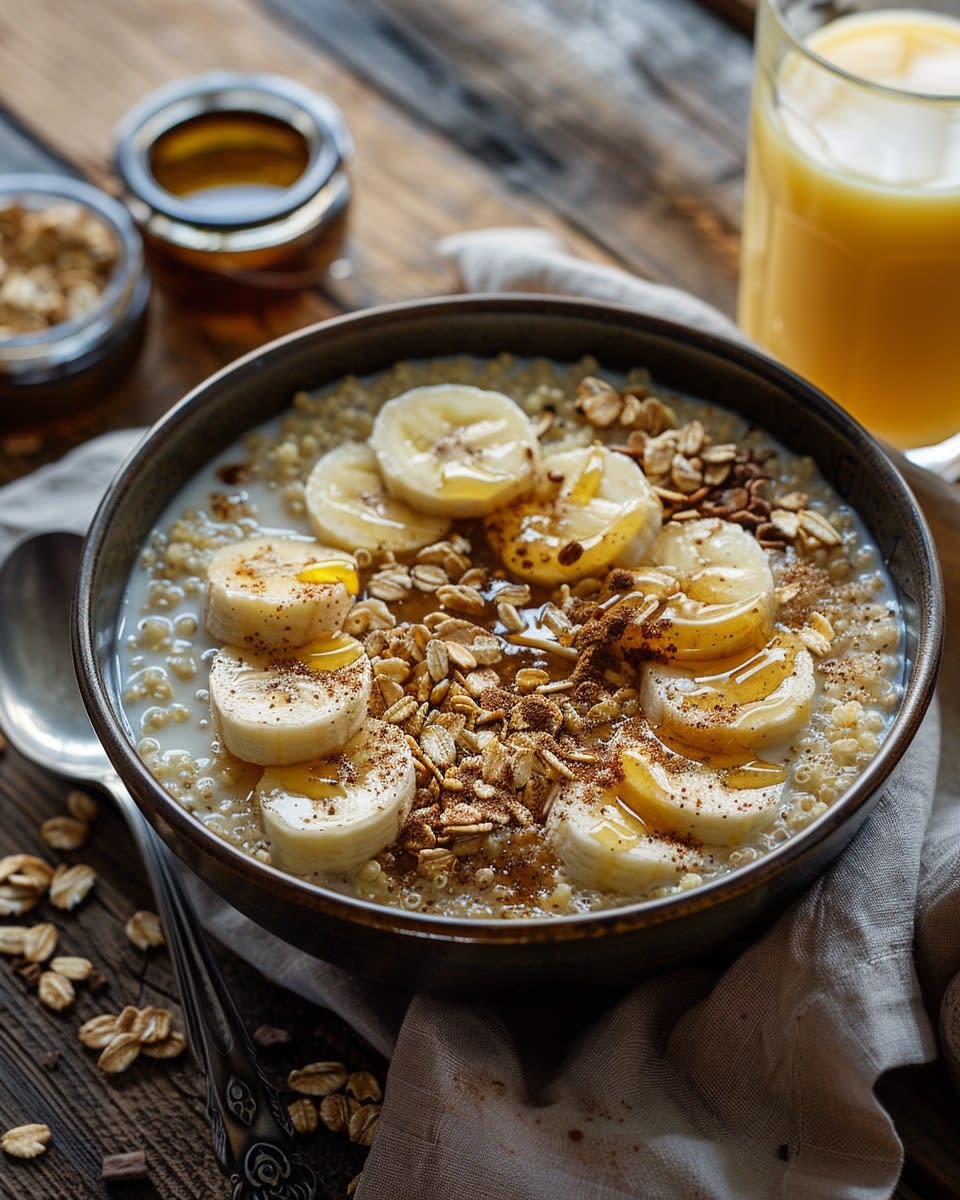
Why Your Morning Deserves This Quinoa Breakfast Bowl with Almond Milk
I’ll never forget the morning I first tried quinoa for breakfast. My friend looked at me like I’d lost my mind when I pulled out a pot to cook what she called “birdseed.” But that first spoonful changed everything. The nutty flavor mixed with creamy almond milk and fresh berries made me realize breakfast didn’t have to be boring toast or sugary cereal.
A Quinoa Breakfast Bowl with Almond Milk might sound fancy, but it’s one of the easiest ways to start your day right. This meal gives you steady energy that lasts until lunch without that mid-morning crash. No more reaching for your third cup of coffee by 10 AM.
What makes this breakfast special is how it brings together two nutrition powerhouses. Quinoa packs more protein than most grains, while almond milk adds creaminess without dairy. Together, they create a breakfast that tastes great and actually fuels your body.
This isn’t about following some trendy diet. It’s about eating food that makes you feel good. The quinoa breakfast bowl works whether you’re rushing out the door or enjoying a slow Sunday morning. You can make it your own with different toppings each day.
I’ve been making this breakfast for three years now, and I still look forward to it. That says something. Let me show you why quinoa deserves a spot in your breakfast routine.
Why Quinoa is a Superfood Worth the Hype
People throw around the word “superfood” a lot these days. But quinoa actually earns that title. This tiny seed (yes, it’s technically a seed, not a grain) comes packed with nutrients that most breakfast foods can’t match.
Quinoa nutrition stands out for one big reason: it contains all nine essential amino acids. Your body can’t make these amino acids on its own, so you need to get them from food. Most plant foods only give you some of these amino acids. Quinoa gives you all of them.
Here’s what makes quinoa different from your regular oatmeal or cereal:
- One cup of cooked quinoa contains about 8 grams of protein
- It provides 5 grams of fiber to keep you full
- You get iron, magnesium, and zinc in every serving
- It’s naturally gluten-free for those who need to avoid wheat
- The manganese content helps your body process nutrients better
What Are the Health Benefits of Quinoa?
The quinoa benefits go way beyond just protein. When I started eating quinoa regularly, I noticed my energy levels stayed more consistent throughout the day. My doctor later explained why this happens.
Quinoa has a low glycemic index. This means it doesn’t spike your blood sugar like white bread or sugary cereals do. Your body breaks it down slowly, releasing energy over time instead of all at once. That’s why you feel satisfied for hours after eating a healthy quinoa breakfast bowl.
The fiber content deserves special attention. Those 5 grams per cup might not sound like much, but they make a real difference. Fiber helps your digestive system work properly and can even lower your cholesterol levels. Most Americans don’t get enough fiber, so starting your day with quinoa puts you ahead of the game.
Let me break down the vitamin and mineral content in a way that actually matters to your daily life:
| Nutrient | Amount per Cup | Why You Need It |
|---|---|---|
| Iron | 2.8 mg | Carries oxygen in your blood and fights fatigue |
| Magnesium | 118 mg | Supports muscle and nerve function |
| Phosphorus | 281 mg | Builds strong bones and teeth |
| Folate | 78 mcg | Essential for cell growth and DNA formation |
One thing I love about quinoa is how it helps with weight management. The combination of protein and fiber keeps hunger at bay. I used to snack constantly before lunch, but a quinoa bowl for breakfast changed that pattern completely.
The Complete Protein Advantage
Let’s talk about why quinoa being a complete protein matters so much. Your body uses protein for everything from building muscle to making hormones. When you eat incomplete proteins (like rice or beans alone), your body has to combine them with other foods to get all the amino acids it needs.
Quinoa does this work for you. Each serving gives you all nine essential amino acids in one package. This is rare for plant-based foods. The only other common plant foods that do this are soy and buckwheat.
For people who don’t eat meat, this becomes really important. My vegetarian sister struggled to get enough protein until she discovered quinoa. Now her quinoa breakfast routine gives her a strong protein start that carries through her whole day.
Even if you do eat meat, getting protein from different sources benefits your body. Plant proteins come with fiber and antioxidants that animal proteins don’t have. Mixing up your protein sources gives you the best of both worlds.
The protein in quinoa also helps stabilize your blood sugar. When you pair protein with carbohydrates, your body processes the carbs more slowly. This prevents those energy crashes that make you want to crawl back into bed by mid-morning.
More Than Just Basic Nutrition
Beyond the standard vitamins and minerals, quinoa contains powerful plant compounds called flavonoids. The two main ones are quercetin and kaempferol. These act as antioxidants in your body, fighting off free radicals that can damage your cells.
Research shows these compounds have anti-inflammatory properties. Chronic inflammation links to all sorts of health problems, from heart disease to arthritis. Getting antioxidants from your breakfast is a simple way to support your long-term health.
Quinoa also provides small amounts of omega-3 fatty acids. While it’s not as much as you’d get from salmon, every bit helps. These healthy fats support brain function and heart health.
The easy quinoa breakfast preparation method I use keeps all these nutrients intact. Cooking quinoa is actually simpler than making rice. You just need a 2:1 ratio of liquid to quinoa, and it cooks in about 15 minutes.
When I make my Quinoa Breakfast Bowl with Almond Milk, I know I’m getting nutrition that actually works for my body. It’s not about perfection or following strict rules. It’s about choosing foods that taste good and make you feel better. That’s what real healthy eating looks like.


The Perfect Combination: Quinoa and Almond Milk
Now that you know what quinoa brings to the table, let’s talk about its perfect partner in this breakfast bowl.
The first time I poured almond milk over warm quinoa, I wasn’t sure what to expect. Would it be too thin? Too nutty? But the combination surprised me in the best way. The almond milk benefits go beyond just being a dairy substitute. It actually enhances the whole experience.
Almond milk adds this incredible creaminess that turns plain quinoa into something special. The texture becomes almost pudding-like, especially if you let it sit for a minute or two. The natural sweetness of the almond milk plays off quinoa’s earthy, nutty taste perfectly. You don’t even need much sweetener because the flavors just work together.
Here’s the thing: I grew up drinking regular milk, and I never thought I’d switch. But after trying a dairy-free breakfast routine, I noticed my morning stomach issues disappeared. Turns out I had a mild dairy sensitivity that I didn’t even know about. Millions of people deal with this, which is why almond milk has become such a popular choice.
What makes almond milk special in this bowl goes beyond just avoiding dairy. It brings its own set of nutrients to the mix. Most store-bought almond milk is fortified with calcium, sometimes even more than regular milk contains. You’re getting about 450mg of calcium per cup, which helps keep your bones strong.
The vitamin E content in almond milk deserves attention too. This antioxidant protects your skin and supports your immune system. When I’m consistent with my quinoa and almond milk breakfast, I swear my skin looks better. Maybe it’s all in my head, but I don’t think so.
Is Almond Milk a Good Alternative to Dairy Milk?
People ask me this all the time. My answer? It depends on what you need.
For a breakfast bowl, almond milk works beautifully. It’s lower in calories than dairy milk, with most unsweetened versions containing only 30-40 calories per cup compared to about 150 for whole milk. If you’re watching your calorie intake, that difference adds up over time.
The lactose-free aspect matters for way more people than you’d think. About 65% of the global population has some degree of lactose intolerance. For them, a dairy-free breakfast isn’t just a preference—it’s necessary for comfort.
But let me be honest here. Almond milk has less protein than dairy milk. Regular milk gives you about 8 grams of protein per cup, while almond milk only has about 1 gram. That’s why pairing it with protein-rich quinoa makes such perfect sense. The quinoa fills that protein gap completely.
Environmental concerns bring many people to almond milk too. It uses less water to produce than dairy milk and creates fewer greenhouse gas emissions. My environmentally conscious cousin switched for this reason alone, though she ended up loving the taste.
I recommend getting unsweetened almond milk for your breakfast bowl. The sweetened versions can have as much sugar as soda, which defeats the whole purpose of a healthy breakfast. You can always add your own sweetener in the amount you actually want.
How to Make a Quinoa Breakfast Bowl with Almond Milk
Okay, enough talking about why this breakfast rocks. Let me show you how to actually make it.
The process is ridiculously simple. If you can boil water, you can make this. I’ve taught my teenage nephew to make it, and if he can do it (no offense to him), anyone can.
Start with your quinoa. You’ll need half a cup of dry quinoa per person. This might seem like a lot, but quinoa expands quite a bit when cooked. Rinse it first under cold water for about 30 seconds. This removes the natural coating called saponin, which can taste bitter or soapy.
Some people skip the rinsing step. Don’t be some people. It takes 30 seconds and makes a real difference in taste. I learned this the hard way when I served un-rinsed quinoa to guests at brunch. The confused looks on their faces said everything.
How Do You Cook Quinoa for a Breakfast Bowl?
The cooking method matters more than you’d think. Here’s my foolproof approach that works every single time.
Put your rinsed quinoa in a pot with one cup of water. Some people cook it in almond milk from the start, but I find that wastes the milk’s flavor. The quinoa absorbs so much liquid during cooking that you lose the almond milk’s taste. Better to cook in water and add the almond milk after.
Bring the water to a boil, then reduce the heat to low and cover the pot. Set a timer for 15 minutes and walk away. Don’t lift the lid. Don’t stir it. Just leave it alone. The quinoa needs that steady, undisturbed heat to cook properly.
When the timer goes off, remove the pot from heat but keep the lid on for another 5 minutes. This lets the quinoa steam and fluff up. Then grab a fork and fluff it gently. You’ll see these tiny spiral-looking things separate from the seeds—that’s the germ, and it means you cooked it perfectly.
Now comes the fun part. Pour about half a cup of almond milk over your hot quinoa. The amount depends on how creamy you like it. I prefer mine on the creamier side, so I sometimes add a bit more. Stir it together and let it sit for a minute while you prepare your toppings.
By the way, you can batch cook quinoa on Sunday and store it in the fridge for the whole week. It keeps for about five days. Just reheat a portion in the microwave for 60 seconds, add your almond milk, and you’ve got breakfast in under two minutes. This trick has saved me countless mornings when I’m running late.
Building Your Perfect Breakfast Bowl
Here’s where you get to be creative. The base of quinoa and almond milk is just your canvas. The toppings make it yours.
For a basic version, I start with fresh berries. Blueberries, strawberries, or raspberries all work great. The tartness of berries contrasts nicely with the mild, slightly sweet base. A handful of berries adds antioxidants and vitamin C without many calories.
Then I add some crunch. Sliced almonds are my go-to because they echo the almond milk flavor and add healthy fats. Walnuts work too, giving you omega-3s. Sometimes I throw in some honey and almonds for extra texture and sweetness.
A drizzle of honey or maple syrup brings everything together. I use about a teaspoon, but adjust based on your sweet tooth. My husband uses way more than I do, and that’s fine. This is your breakfast.
Funny enough, banana slices transform the whole bowl. They add natural sweetness and a creamy texture that complements the quinoa perfectly. If you love banana, you might also enjoy banana oat pancakes on days when you want something different.
For a chocolate version (yes, really), add a spoonful of cocoa powder and some dark chocolate chips. This turns your healthy breakfast into something that feels like dessert. My kids request this version constantly.
Seasonal fruit keeps things interesting. Peaches in summer, apples and cinnamon in fall, pomegranate seeds in winter. Following the seasons means better flavor and usually lower prices at the grocery store.
Seeds add nutrition without changing the flavor much. Chia seeds, hemp hearts, or ground flaxseed all work. I keep a jar of mixed seeds and sprinkle a spoonful on top. It’s an easy way to boost the fiber and healthy fats.
For a tropical twist, try coconut flakes and mango chunks. This combination reminds me of vacation, which is a nice feeling on a regular Tuesday morning. Speaking of tropical flavors, a spinach and mango smoothie bowl makes another great option when you want something cold instead.
Don’t forget spices. Cinnamon is the obvious choice, but cardamom, nutmeg, or even a tiny pinch of sea salt can elevate the whole bowl. I keep my spice jars right by my quinoa container so I remember to use them.
If you want extra protein, a dollop of nut butter works wonders. Almond, peanut, or cashew butter melts slightly into the warm quinoa, creating swirls of rich flavor. This makes the bowl more filling and takes it closer to 15-20 grams of protein total.
Some mornings call for savory instead of sweet. Try topping your quinoa bowl with a spinach mushroom egg for a completely different experience. The runny yolk mixing with the quinoa is absolutely delicious.
The beauty of breakfast bowl ideas like this is that they adapt to what you have on hand. Out of berries? Use whatever fruit you have. No almonds? Any nut works. This flexibility means you’ll never get bored.


Creative Quinoa Breakfast Toppings That Transform Your Morning Bowl
Here’s where things get really fun. I’ve spent years experimenting with different quinoa breakfast toppings, and I’ve learned that the right additions can turn a simple bowl into something you actually crave.
The secret to great toppings is thinking about three things: texture, flavor, and nutrition. You want something crunchy to contrast with the creamy quinoa. You need flavors that complement without overwhelming. And ideally, your toppings should add nutrients rather than just empty calories.
Fresh berries remain my absolute favorite. Blueberries burst in your mouth with that sweet-tart juice. Raspberries add a slight tartness that wakes up your taste buds. Strawberries bring sweetness and vitamin C. Last summer, I discovered blackberries on my bowl, and wow—the deep, complex flavor made me wonder why I’d waited so long to try them.
Sliced bananas do something magical to this bowl. They release natural sugars when they touch the warm quinoa, creating these little pockets of sweetness throughout. My daughter calls them “surprise bites,” and honestly, that’s the perfect description. Plus, the potassium in bananas helps with muscle function, which matters if you work out in the morning like I do.
Chia seeds deserve special mention. These tiny powerhouses absorb liquid and create a pudding-like texture around them. Two tablespoons give you a massive fiber boost and omega-3 fatty acids. I didn’t notice much difference at first, but after making them a daily habit, my digestive system works like clockwork. Too much information? Maybe. But it’s true.
Maple syrup versus honey is an ongoing debate in my house. I lean toward maple syrup because of its mineral content and that distinctive flavor. My husband prefers honey for its antibacterial properties and floral notes. The truth? Both work beautifully. A light drizzle adds just enough sweetness without turning your breakfast into dessert.
What Are Some Good Toppings for a Quinoa Breakfast Bowl?
Let me break down my favorite topping combinations by mood and season.
For a classic morning combo, I go with sliced almonds, fresh blueberries, a drizzle of honey, and a sprinkle of cinnamon. This combination never gets old. The almonds add healthy fats that help you absorb vitamins better. The blueberries bring antioxidants. The honey provides quick energy. The cinnamon helps regulate blood sugar. Everything works together.
When I need extra energy for a busy day, I load up with almond butter, banana slices, hemp hearts, and a tiny pinch of sea salt. The healthy fats and protein in this version keep me satisfied for hours. I learned this combination from my personal trainer, and it’s become my pre-workout breakfast on gym mornings.
My chocolate lover’s version uses raw cacao nibs, raspberries, coconut flakes, and a drizzle of dark chocolate almond butter. Yes, this is still healthy. Raw cacao is packed with antioxidants and magnesium. The bitterness of cacao plays off the sweet raspberries perfectly. My kids think they’re getting away with something when they eat this version, but I know they’re getting incredible nutrition.
For a tropical escape feeling, try diced mango, toasted coconut flakes, macadamia nuts, and a squeeze of lime juice. The lime juice might sound weird, but it brightens all the other flavors. This combination reminds me of a vacation in Hawaii, which makes Monday mornings slightly more bearable.
During apple season in fall, I dice a crisp apple, add pecans, a dash of nutmeg, and drizzle with maple syrup. Sometimes I cook the apples with cinnamon first, which creates this warm, comforting flavor that feels like apple pie for breakfast. Totally acceptable in my book.
In winter months, pomegranate seeds add this beautiful jewel-like appearance and a tart burst of flavor. Combine them with pistachios, a drizzle of honey, and some dried cranberries for a festive look. I serve this version when I have guests for brunch, and it always gets compliments.
Spring brings strawberries, and I slice them thick, add crushed walnuts, fresh mint leaves, and a touch of vanilla extract mixed into the almond milk. The mint might sound unusual, but it adds this fresh, bright note that screams spring morning. My neighbor tried this combination and now makes it three times a week.
For summer heat, I actually chill my cooked quinoa overnight and make a cold version. Top with peaches, granola, yogurt instead of almond milk, and fresh basil. Yes, basil. Trust me on this. The herbal note works with the sweet peaches in a way that surprises everyone who tries it.
Making Your Quinoa Bowl More Festive and Seasonal
Holidays deserve special breakfast attention. I’ve created themed bowls for almost every occasion now, and my family actually looks forward to them.
For Valentine’s Day, I use strawberries cut into heart shapes, white chocolate chips, freeze-dried raspberries crushed into a powder for color, and pink dragon fruit chunks. It looks Instagram-worthy, but more importantly, it makes the morning feel special.
My St. Patrick’s Day bowl features kiwi slices, green grapes, pistachios, and a few drops of natural green food coloring in the almond milk. My kids think this is hilarious, and it’s become a tradition.
During Fourth of July week, I arrange blueberries and strawberries in a flag pattern with coconut flakes creating the white stripes. It takes an extra two minutes but creates a fun memory. These are the little things kids remember, you know?
Halloween morning gets a pumpkin spice version. I mix pumpkin puree into the cooked quinoa along with pumpkin pie spice, top with pepitas, dried cranberries, and a drizzle of maple syrup. It tastes like pumpkin pie but counts as a healthy breakfast. Win-win.
For Christmas morning, I go all out with dried cranberries, crushed candy canes, dark chocolate chips, and fresh pomegranate seeds. The candy cane adds a peppermint flavor that makes it feel indulgent. Plus, the red and green colors look festive in the bowl.
Healthy Breakfast Ideas Beyond Basic Toppings
Sometimes you want to push beyond toppings and actually transform the base itself. These variations count as different recipes entirely.
Try cooking your quinoa in chai tea instead of water. Steep two chai tea bags in boiling water, remove the bags, then use that flavored water to cook your quinoa. The spices infuse into every grain. Top with honey, milk, and a few cardamom pods for an Indian-inspired breakfast.
Matcha powder stirred into the cooked quinoa creates this beautiful green color and adds antioxidants. Top with kiwi, banana, and coconut for a green goddess bowl. I started making this after visiting Japan, and it brings back those memories every time.
For a protein boost beyond what quinoa offers, stir in a scoop of vanilla protein powder after cooking. This bumps the protein content up to nearly 30 grams, which keeps me full until dinner on really busy days. Add peanut butter and banana, and you’ve got a powerhouse meal.
Savory versions deserve more attention than they get. Cook quinoa in vegetable broth instead of water. Top with a fried egg, sautéed spinach, cherry tomatoes, and feta cheese. Drizzle with olive oil and sprinkle with everything bagel seasoning. This savory quinoa breakfast bowl works beautifully when you’re tired of sweet breakfasts.
Another savory option I love uses leftover roasted vegetables from dinner. Dice them up, warm them slightly, and arrange over your quinoa with avocado slices and hot sauce. It feels like you’re eating a burrito bowl for breakfast, which is never a bad thing.
Making Meal Prep Work for Your Morning Routine
Here’s the thing about healthy breakfast ideas—they only work if you actually make them. That’s where meal prep saves the day.
I cook a big batch of quinoa every Sunday. Five cups of dry quinoa makes enough for my whole family for the week. I store it in a large glass container in the fridge. According to refrigerator safety guidelines, cooked grains stay fresh for up to five days when properly stored at 40°F or below, so I make sure to use it all within that timeframe.
For toppings, I prep what I can ahead of time. Nuts and seeds go into small jars. I wash and slice berries on Sunday so they’re ready to grab. Banana slices turn brown when prepped ahead, so those I cut fresh each morning. Takes thirty seconds, so no big deal.
Some people portion out individual servings in mason jars. Layer dry quinoa at the bottom, add your shelf-stable toppings like nuts and seeds, then just add hot water and almond milk in the morning. Microwave for two minutes, stir, and you’re done. My coworker swears by this method for office breakfasts.
For really hectic weeks, I make quinoa breakfast muffins. Mix cooked quinoa with eggs, mashed banana, cinnamon, and your choice of mix-ins like chocolate chips or berries. Bake in a muffin tin and freeze. Grab two from the freezer each morning, microwave for 45 seconds, and eat them on your commute.
The topping bar concept works great for families. Set out bowls of different toppings and let everyone build their own bowl. My kids love this because they feel like they’re making their own decisions. Meanwhile, I love it because they’re eating a nutritious breakfast without complaints.
If you’re looking for even more inspiration, check out these healthy breakfast recipes that keep mornings interesting and nutritious without requiring a culinary degree.
Budget-Friendly Tips for Daily Quinoa Bowls
Let’s be real—quinoa costs more than oatmeal. But these tips keep costs manageable.
Buy quinoa in bulk from stores like Costco or warehouse clubs. The per-pound price drops significantly. I pay about four dollars per pound when buying a five-pound bag versus seven dollars per pound for small boxes.
Frozen berries work just as well as fresh and cost way less, especially off-season. I keep a big bag of mixed berries in my freezer year-round. Add them frozen to your hot quinoa, and they thaw within minutes while cooling the bowl to perfect eating temperature.
Make your own almond milk if you’re feeling ambitious. One cup of almonds makes about four cups of almond milk and costs less than buying premade versions. I won’t lie—I usually buy it because convenience matters to me. But I’ve made it before, and it does taste better homemade.
Seasonal fruit shopping saves money and guarantees better flavor. Strawberries in June cost half what they do in December. Apples in October are cheap and delicious. Following the seasons naturally rotates your toppings and keeps your taste buds interested.
Generic store brands of quinoa work just as well as fancy brands. I’ve compared them side by side, and I honestly can’t tell the difference. Same goes for almond milk—the store brand usually comes from the same manufacturer anyway.
Final Thoughts on Your Perfect Morning Bowl
The beauty of a Quinoa Breakfast Bowl with Almond Milk is that it grows with you. What you love today might bore you next month, and that’s perfectly fine. Change it up. Try weird combinations. Discover what makes your morning better. This breakfast adapts to your life, your tastes, and your nutritional needs in ways that rigid meal plans never could.
Frequently Asked Questions
What are the health benefits of quinoa?
Quinoa provides all nine essential amino acids, making it a complete protein rare among plant foods. Each cup delivers about 8 grams of protein and 5 grams of fiber, helping you feel full and energized for hours. It’s naturally gluten-free and contains important minerals like iron, magnesium, and phosphorus. The low glycemic index means it won’t spike your blood sugar like processed cereals. Regular quinoa consumption can support weight management, improve digestive health, and provide steady energy throughout your morning.
Is almond milk a good alternative to dairy milk?
Almond milk works wonderfully for most people, especially those with lactose intolerance or dairy sensitivities. It contains fewer calories than dairy milk (about 30-40 calories per cup versus 150 for whole milk) and often comes fortified with calcium and vitamin D. The main downside is lower protein content—only about 1 gram per cup compared to dairy’s 8 grams. That’s why pairing it with protein-rich quinoa creates such a balanced meal. Choose unsweetened versions to avoid added sugars that can turn a healthy breakfast into a sugar bomb.
How do you cook quinoa for a breakfast bowl?
Rinse half a cup of dry quinoa under cold water for 30 seconds to remove the bitter coating. Combine it with one cup of water in a pot and bring to a boil. Reduce heat to low, cover, and cook for exactly 15 minutes without lifting the lid. Remove from heat and let it steam with the lid on for another 5 minutes. Fluff with a fork, then add your almond milk and toppings. The entire process takes about 20 minutes, or you can batch cook on Sunday and reheat portions throughout the week.
What are some good toppings for a quinoa breakfast bowl?
Fresh berries, sliced bananas, and nuts create a classic combination that never disappoints. For added nutrition, try chia seeds, hemp hearts, or ground flaxseed. Natural sweeteners like honey or maple syrup add just enough sweetness without going overboard. Seasonal fruit keeps things interesting—try peaches in summer, apples in fall, and pomegranate seeds in winter. For chocolate lovers, raw cacao nibs or dark chocolate chips turn breakfast into a treat. Don’t forget spices like cinnamon, nutmeg, or cardamom to enhance flavor without adding calories.
Can I make quinoa breakfast bowls ahead of time?
Absolutely, and meal prep makes busy mornings so much easier. Cook a large batch of quinoa on Sunday and store it in an airtight container in your refrigerator for up to five days. Each morning, reheat a portion in the microwave for 60 seconds, add your almond milk, and top as desired. You can also prep toppings in advance—wash and slice berries, portion out nuts into small containers, and measure seeds into jars. Some people even assemble complete bowls in mason jars, though I find the quinoa texture improves when heated fresh.
Is quinoa good for weight loss?
Quinoa supports weight loss efforts in several important ways. The high protein and fiber content helps you feel satisfied longer, reducing the urge to snack before lunch. Its low glycemic index prevents blood sugar spikes that trigger cravings. One cup of cooked quinoa contains only about 220 calories while delivering substantial nutrition. The key is watching your portion sizes and choosing healthy toppings rather than loading your bowl with dried fruits and sweeteners. Combined with overall healthy eating habits, quinoa breakfast bowls can definitely support your weight management goals.
Can I use other types of milk instead of almond milk?
You can use virtually any milk you prefer. Oat milk creates an extra creamy texture and adds a subtle sweetness. Coconut milk brings tropical flavor and healthy fats. Soy milk provides more protein than almond milk, matching dairy’s protein content. Cashew milk offers a rich, neutral flavor that works with any toppings. Regular dairy milk works fine if you don’t have lactose issues. Even rice milk or hemp milk work, though they have thinner consistencies. The best milk is the one you’ll actually drink, so experiment until you find your favorite.
How much quinoa should I eat for breakfast?
Half a cup of dry quinoa (which yields about one and a half cups cooked) makes a standard serving for most people. This provides approximately 8 grams of protein and enough calories to fuel your morning without feeling overly full. Athletes or very active people might want three-quarters of a cup dry quinoa for extra energy and protein. If you’re watching calories, stick to a third of a cup dry quinoa and load up on fresh fruit toppings. Listen to your body—you should feel satisfied but not stuffed, with energy that lasts until lunch without needing multiple snacks.
Does quinoa taste good for breakfast?
Quinoa has a mild, slightly nutty flavor that works beautifully with both sweet and savory breakfast toppings. When combined with creamy almond milk and your favorite additions, it becomes genuinely delicious rather than just healthy. The texture is fluffy and light, similar to couscous but with more substance. Many people who think they won’t like quinoa for breakfast end up loving it once they try it properly prepared. The key is not eating it plain—the toppings and milk transform it from bland to incredible. Give it three tries with different topping combinations before deciding it’s not for you.
Can kids eat quinoa breakfast bowls?
Kids can absolutely enjoy quinoa breakfast bowls, and many love them once they’re introduced properly. Start by making sweeter versions with familiar flavors like berries, banana, and a drizzle of honey or maple syrup. Let kids help choose and add their own toppings so they feel involved in the process. The complete protein and nutrients support growing bodies better than sugary cereals. Some parents mix quinoa with a small amount of oatmeal at first to ease the transition. My own kids request their quinoa bowls regularly now, though it took a few tries initially to win them over completely.
Ingredients
Equipment
Method
- Rinse the quinoa under cold water for about 30 seconds to remove its natural coating.
- Combine the rinsed quinoa with 1 cup of water in a pot.
- Bring the water to a boil, then reduce the heat to low and cover the pot.
- Cook for 15 minutes without lifting the lid.
- After 15 minutes, remove the pot from heat but keep the lid on for another 5 minutes.
- Fluff the quinoa with a fork.
- Pour almond milk over the hot quinoa.
- Let it sit for a minute while preparing your toppings.