
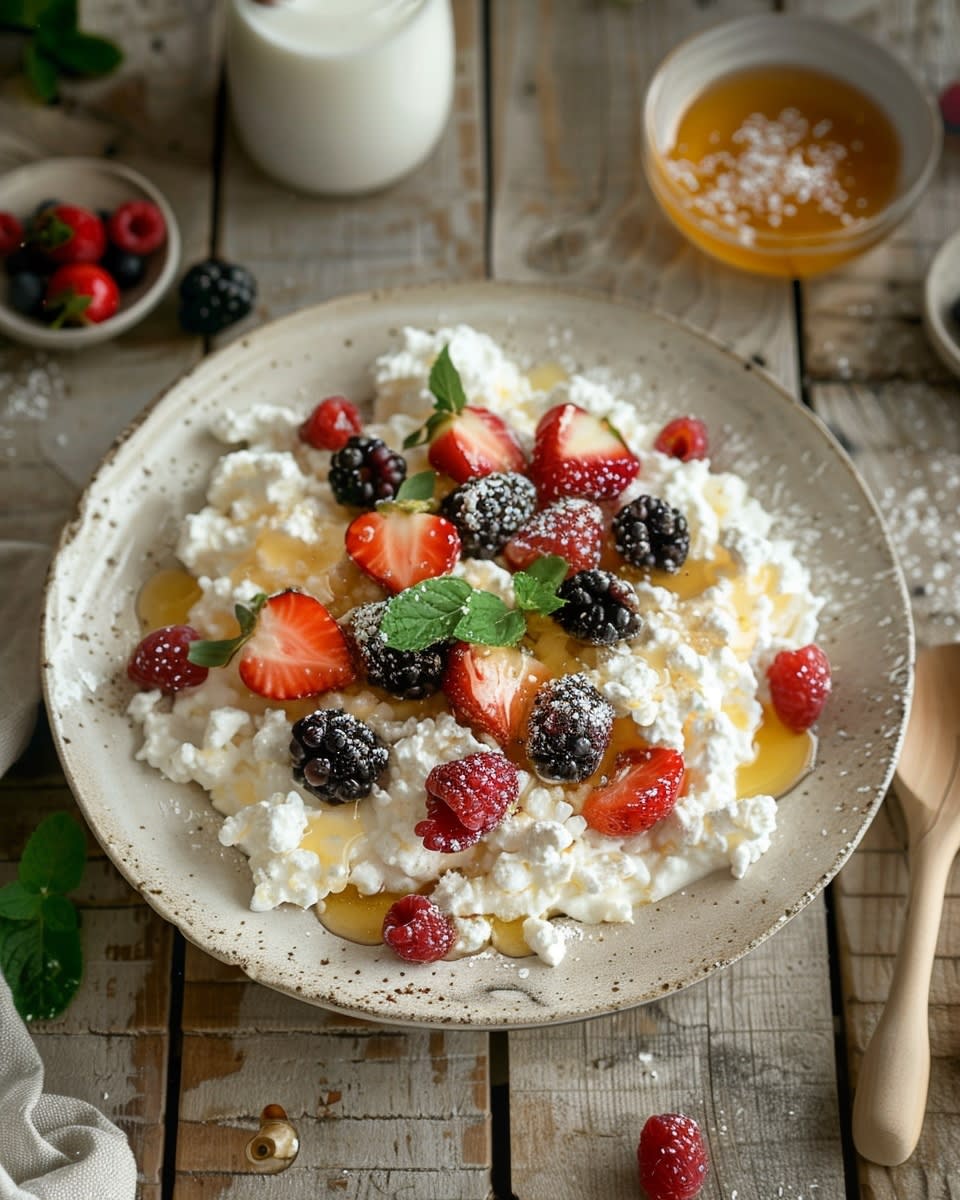
Why I’m Obsessed with Cottage Cheese and Fresh Fruit
I used to think cottage cheese was boring. You know, just another bland diet food that health nuts ate because they had to, not because they wanted to. Then one morning, I tossed some fresh strawberries on top of a bowl of cottage cheese, and everything changed. The creamy texture mixed with the sweet, juicy berries created this perfect balance that actually tasted good. That simple breakfast moment turned into my go-to snack, and I haven’t looked back since.
If you’re looking for a snack that fills you up without weighing you down, cottage cheese with fresh fruit is where it’s at. This combination has become wildly popular across the USA, and for good reason. It’s quick to throw together, costs less than most grab-and-go options, and actually keeps you satisfied between meals. No more reaching for chips an hour after eating.
What makes this snack special is how it works double duty. You get the rich, creamy base from the cottage cheese paired with whatever fruit is in season. Blueberries in summer, apple chunks in fall, citrus segments in winter. The options never get old, and your taste buds never get bored.
I started eating this combo three years ago when I needed more protein in my diet. My energy levels were all over the place, and I was tired of feeling hungry all the time. A friend suggested I try cottage cheese, but I was skeptical. The texture seemed weird, and I remembered not liking it as a kid. But adding fresh fruit changed the whole experience. The fruit adds natural sweetness and a burst of flavor that completely transforms the cottage cheese.
This snack fits into almost any eating style. Whether you’re watching calories, building muscle, or just trying to eat better, it works. You can eat it for breakfast, as a mid-morning snack, after a workout, or even as a light dessert. I’ve packed it in containers for work lunches and enjoyed it poolside on lazy weekends. It adapts to your life instead of making you adapt to it.
Health Benefits of Cottage Cheese with Fresh Fruit
Let me break down why this simple snack packs such a nutritional punch. Cottage cheese is basically a protein powerhouse wrapped in a creamy package. A single cup gives you around 25 grams of protein, which is more than you’d get from three eggs. That protein keeps you full and helps your muscles recover after exercise.
The protein in cottage cheese is mostly casein, which your body digests slowly. This means you stay satisfied longer compared to quick-burning carbs. I noticed this difference right away. When I ate a bagel for breakfast, I was hungry again by 10 AM. With cottage cheese and fruit, I could easily make it to lunch without my stomach growling.
Calcium is another major benefit. One cup of cottage cheese delivers about 14% of your daily calcium needs. Your bones need calcium to stay strong, and most Americans don’t get enough of it. Pairing calcium-rich cottage cheese with vitamin C from fresh fruit actually helps your body absorb the calcium better. It’s like they were made to work together.
Fresh fruit brings its own set of benefits to the table. Berries are loaded with antioxidants that fight inflammation in your body. Bananas provide potassium for healthy blood pressure. Oranges and kiwis pack vitamin C to support your immune system. When you combine these fruits with cottage cheese, you create a balanced snack that covers multiple nutritional bases.
Here’s what you’re getting in a typical serving of cottage cheese with fresh fruit:
- Protein: 20-25 grams (keeps you full and supports muscle health)
- Calcium: 140-180 mg (builds strong bones and teeth)
- Vitamin A: Supports eye health and immune function
- B Vitamins: Help convert food into energy
- Fiber from fruit: Aids digestion and promotes gut health
- Natural sugars: Provide quick energy without the crash
The fat content in cottage cheese varies by type. Low-fat versions have about 2-3 grams per cup, while full-fat options have around 10 grams. I personally go for the 2% or 4% versions because they taste creamier without being too heavy. The small amount of fat also helps you absorb the fat-soluble vitamins in your fruit.
This snack supports weight management in a smart way. The high protein content boosts your metabolism slightly because protein requires more energy to digest than carbs or fat. You’re not just eating fewer calories. You’re eating calories that work harder for you.
I’ve watched my own energy levels stabilize since making this a regular part of my diet. The combination of slow-digesting protein and natural fruit sugars provides steady energy without spikes and crashes. My afternoon slump basically disappeared once I started having cottage cheese and fruit as a mid-morning snack.
The probiotics in some cottage cheese brands add another layer of benefits. These good bacteria support your digestive system and may even boost your immune function. Check the label for “live and active cultures” to get this extra benefit. Not all brands include them, but many do.
Fresh fruit adds vitamins and minerals that cottage cheese doesn’t provide on its own. Strawberries deliver more vitamin C than an orange. Blueberries contain compounds that may improve memory and brain function. Mango slices add vitamin A for healthy skin and vision. Each fruit you choose contributes something unique to your overall nutrition.
The beauty of cottage cheese with fresh fruit is how it fits into a balanced diet without feeling restrictive. You’re not choking down something you hate because it’s “good for you.” You’re eating something that actually tastes good while nourishing your body. That’s the kind of healthy eating that actually sticks long-term.
This combination also helps stabilize blood sugar levels. The protein and fat slow down how quickly the natural sugars from fruit enter your bloodstream. You avoid the sugar rush and crash that comes from eating fruit alone. I used to feel shaky after eating just an apple, but adding cottage cheese solved that problem completely.


Choosing the Right Cottage Cheese and Fresh Fruits
Now that you understand why this snack works so well, let’s talk about picking the best ingredients. Walking down the dairy aisle can feel overwhelming with all the cottage cheese options staring back at you. I remember standing there for ten minutes on my first shopping trip, completely confused about which one to grab.
The fat content makes the biggest difference in taste and texture. Full-fat cottage cheese has the creamiest, richest flavor. It doesn’t taste “diet-y” at all, which is why I kept coming back to it in the beginning. The 4% milkfat version became my favorite because it felt indulgent without being heavy. If you’ve tried cottage cheese before and hated the texture, give full-fat a shot. It might completely change your mind.
Low-fat and nonfat versions work great if you’re watching calories more closely. The 1% and 2% options still have decent flavor, though they’re a bit thinner. Nonfat cottage cheese can taste slightly chalky to some people, but honestly, when you mix it with juicy fruit, you barely notice. I’ve rotated through all the fat levels depending on my goals, and they all work fine. Just know that the lower the fat, the more the fruit needs to carry the flavor.
Here’s something most people don’t think about: curd size matters more than you’d expect. Small curd cottage cheese has a smoother, almost creamy texture that blends nicely with fruit. Large curd has those distinct chunky pieces that some people love and others can’t stand. I prefer small curd because it feels more cohesive when mixed, but my brother swears by large curd for the texture contrast. Try both and see what clicks for you.
Brand differences are real, too. Some cottage cheeses taste tangy and sharp, while others are mild and slightly sweet. Good Culture and Nancy’s tend to be creamier and less acidic. Store brands often work just fine and cost way less. I’ve tried at least fifteen different brands over the years, and my advice is simple: buy a few small containers and taste test them. Once you find your favorite, stick with it.
Check for live and active cultures on the label if you want those probiotic benefits. Not every brand includes them, but the ones that do usually advertise it prominently on the front of the container. These probiotics support your gut health, which affects everything from digestion to mood. It’s a bonus feature worth looking for.
Now for the fun part: choosing your fruit. Berries are the classic choice for a reason. Strawberries bring sweetness and a slight tang that balances the cottage cheese perfectly. Blueberries burst in your mouth and add these little pops of flavor throughout. Raspberries give you that tart edge, and blackberries offer a deeper, almost wine-like taste. I buy whatever berries are on sale and rotate through them weekly.
Stone fruits work beautifully during summer months. Fresh peach slices are probably my number one favorite pairing. The juice from ripe peaches soaks into the cottage cheese and creates this amazing flavor throughout the bowl. Nectarines and plums work the same way. Cherries are incredible if you don’t mind pitting them first. Sometimes I’ll buy frozen pitted cherries just to save time.
Tropical fruits add a vacation vibe to your snack. Mango chunks turn your cottage cheese into something that feels almost dessert-like. Pineapple brings that sweet-tart combo that wakes up your taste buds. Kiwi slices look pretty and taste fresh. I’ll admit, prepping these fruits takes a bit more work than tossing in some berries, but they’re worth it when you want something different.
Apples and pears might seem boring, but don’t sleep on them. Crisp apple chunks add crunch that contrasts nicely with the creamy texture. I like Honeycrisp or Fuji apples because they’re sweet and stay firm. Pears get softer and almost melt into the cottage cheese, which some people love. These fruits are available year-round and usually cheaper than berries, making them perfect for everyday snacking.
Bananas deserve their own mention because they’re so versatile. Sliced bananas add natural sweetness and make the snack more filling. They’re also dirt cheap and available everywhere. When my bananas get too ripe for eating plain, I slice them into my cottage cheese instead of letting them go to waste. It’s similar to how I use them in my banana oat pancakes with no sugar – nothing goes to waste.
Citrus segments work surprisingly well, especially grapefruit and orange. The brightness cuts through the richness of the cottage cheese. I tried this combination on a whim one morning and was genuinely surprised. It’s refreshing in a way that berries aren’t. Just make sure you remove all the white pith because it’s bitter.
Some creative combinations I’ve loved: strawberries with a drizzle of balsamic vinegar (trust me on this one), blueberries mixed with diced peaches, mango with lime zest, and apple chunks with cinnamon. You can also throw in whatever fruit you have sitting in your fridge. I’ve mixed three or four different fruits together and it always works out. There’s really no wrong answer here.
Frozen fruit is a legitimate option when fresh isn’t available or costs too much. I keep frozen blueberries and strawberries in my freezer year-round. Let them thaw for about ten minutes before mixing them in, or use them frozen if you want a cold, thick texture almost like ice cream. The juice from thawed frozen fruit actually flavors the cottage cheese even more than fresh fruit does.
Preparing Your Cottage Cheese with Fresh Fruit
Okay, let’s get into actually making this thing. The basic version couldn’t be simpler, and that’s part of why I eat it so often. You literally just need a bowl, some cottage cheese, and your fruit. That’s it. But we can get more interesting if you want.
Start by spooning about half a cup to one cup of cottage cheese into your bowl. I usually eyeball it rather than measuring. If I’m really hungry or it’s my main breakfast, I go with a full cup. For a snack, half a cup does the job. Give your cottage cheese a quick stir first because the liquid tends to separate and sit on top. Mixing it back in makes the texture consistent.
Add your fruit next. A handful of berries, a sliced peach, half a banana – whatever you’re in the mood for. I aim for about half a cup of fruit, but again, I’m not measuring with a ruler here. Just enough to flavor every bite without overwhelming the protein base. Then grab a spoon and dig in. Seriously, it’s that easy.
But here’s where you can level this up. A drizzle of raw honey adds sweetness and those syrupy notes that make everything taste more cohesive. I probably use honey half the time now. It transforms the whole bowl into something that feels special rather than just “healthy food.” A teaspoon is enough – you don’t need much.
Nuts and seeds add crunch and healthy fats. Sliced almonds, chopped walnuts, or pecans all work great. I’ll sprinkle about a tablespoon on top. Pumpkin seeds give you that toasted flavor and extra protein. Sunflower seeds are cheap and tasty. Sometimes I use the same seed mix I put on my smoothie bowl with spinach and mango because it has several different types mixed together.
Spices can completely change the flavor profile. Cinnamon is the obvious choice and pairs well with basically any fruit. I keep a shaker of cinnamon on my counter just for this. Nutmeg works with fall fruits like apples and pears. Vanilla extract – just a few drops – makes the cottage cheese taste almost dessert-like. Cardamom is amazing if you want something a little exotic.
Granola turns your snack into more of a meal. The crunch factor is satisfying, and you get extra fiber and carbs if you need them. I add about a quarter cup on top. Just watch the sugar content in your granola because some brands are basically candy. Or you can be more intentional about your morning carbs like I do with my quinoa breakfast bowl with almond milk for a different kind of texture.
Dark chocolate chips or cacao nibs are my secret weapon when I want something that feels like a treat. Ten to fifteen dark chocolate chips mixed in satisfy my sweet tooth without going overboard. The bitterness of dark chocolate works surprisingly well against the tangy cottage cheese and sweet fruit.
For a savory twist that sounds weird but totally works: try cottage cheese with sliced strawberries, fresh basil, a crack of black pepper, and a tiny drizzle of olive oil. I know that sounds like something from a fancy restaurant, but it’s incredible. The herbaceous notes play off the strawberries in this unexpected way. Not an everyday thing, but definitely worth trying once.
Preparing this ahead of time is totally doable with a few tricks. You can portion cottage cheese into small containers for the week, but keep the fruit separate until you’re ready to eat. Fruit releases moisture as it sits, and that can make everything watery and sad. Pack your fruit in a separate small container or bag and combine them right before eating. I do this every Sunday for my work week snacks.
If you absolutely need to prep everything together, berries hold up best. Strawberries, blueberries, and raspberries can sit mixed with cottage cheese for up to 24 hours without getting too soggy. Bananas turn brown and mushy, so add those fresh. Stone fruits like peaches will soften but still taste fine. Just give everything a stir before eating.
Storage is straightforward. Keep your cottage cheese refrigerated at all times, obviously. Once opened, it stays good for about a week if you’re careful not to contaminate it. I always use a clean spoon and never eat directly from the container. Cottage cheese can develop off flavors or get slimy if it sits too long, so check the date and trust your nose.
For grab-and-go situations, mason jars work perfectly. Layer the cottage cheese on the bottom, add your fruit, and seal the lid. It looks cute too, which somehow makes it more appealing. I’ve brought these to work dozens of times. They fit right in your lunch bag next to your spinach mushroom egg white omelette or whatever else you’re bringing.
Temperature matters for enjoyment. Some people like cottage cheese cold straight from the fridge. Others prefer letting it sit at room temperature for ten minutes to take the chill off. I’m firmly in the cold camp because I like that refreshing contrast with the fruit. Figure out your preference and stick with it.
One last tip: invest in a good bowl that you actually like using. Sounds silly, but eating from a bowl you enjoy makes the whole experience better. I have this blue ceramic bowl that’s become my designated cottage cheese bowl. It’s the perfect size and somehow makes my snack feel more intentional. Little things like that matter when you’re trying to build healthy habits that stick.


Incorporating Cottage Cheese with Fresh Fruit into Your Daily Routine
The real magic of cottage cheese with fresh fruit happens when you stop thinking of it as just a snack and start weaving it into your actual daily life. I used to be that person who’d get excited about healthy food and then forget about it three days later. But this combination stuck because it’s flexible enough to fit wherever I need it.
Mornings are probably the most obvious time to eat this. I’ll be honest, I’m not a huge breakfast person naturally. The idea of cooking eggs or flipping pancakes at 6:30 AM makes me want to crawl back into bed. But spooning cottage cheese into a bowl and tossing fruit on top? That I can handle even when I’m half asleep. It gives me the protein I need to actually function during morning meetings without that dragging feeling I used to get from cereal or toast alone.
Here’s the thing: cottage cheese for breakfast keeps you sharp in a way that carb-heavy options don’t. I used to crash hard around 10 AM after eating bagels or muffins. That mid-morning slump where you need a second coffee just to stay awake? Gone. The protein from the cottage cheese releases energy slowly, and the natural sugars from fruit give you just enough quick fuel without the crash. My coworker actually asked me what changed because I stopped looking like a zombie by lunchtime.
Mid-morning snacks are another sweet spot for this combination. When you get that hunger pang around 10 or 11, it’s tempting to hit the vending machine or grab whatever’s in the break room. But if you’ve prepped your cottage cheese and fruit, you have something ready that actually fills you up. I keep mine in the office fridge in a small container. Takes me five minutes to eat, and then I’m good until lunch. No more mindless snacking on chips or cookies that leave me feeling gross.
Post-workout is when cottage cheese with fresh fruit really earns its keep. After you exercise, your muscles need protein to recover and repair. Cottage cheese delivers that protein in a form that’s easy to digest and actually tastes good when you’re tired and sweaty. Adding fruit replenishes the glycogen your muscles used during your workout. I started eating this after gym sessions about two years ago, and I swear my recovery time improved noticeably. Less soreness, more energy for the rest of the day.
Afternoon slumps hit different when you’re working from home. That 3 PM moment when your brain feels like mush and you’re staring at your computer screen without processing anything. Instead of reaching for an energy drink or sugary snack, I’ll make a quick bowl of cottage cheese with whatever fruit I have around. The combination of protein and natural sugars wakes me up without making me jittery or setting me up for another crash an hour later.
Evening snacks get tricky because you want something satisfying but not so heavy that it messes with your sleep. Cottage cheese works here too, especially if you go lighter on portion size. Half a cup with some berries feels like a treat without that stuffed feeling. I’ve replaced ice cream with this combo on plenty of nights. Funny enough, I don’t even miss the ice cream most of the time. Add some dark chocolate chips if you need that dessert feeling.
Incorporating this into your meal plan requires basically zero effort. I grocery shop once a week and buy two or three containers of cottage cheese plus whatever fruits look good. That’s it. The planning is done. During the week, I know I have this option ready to go whenever hunger hits. It removes that decision fatigue of figuring out what to eat between meals. One less thing to think about in an already busy day.
Batch prepping makes this even easier. Sunday afternoons, I’ll portion cottage cheese into five small containers for the work week. I wash and prep whatever fruit I bought – slice strawberries, portion out blueberries, cut up a mango. Everything goes into separate containers so it stays fresh. Then during the week, I just grab and combine. Total prep time is maybe 15 minutes, and it saves me from making bad food choices when I’m hungry and rushed.
Making sure you’re working with clean cooking surfaces and properly washed fruit keeps everything safe and fresh-tasting throughout the week. I learned this the hard way after some questionable berries made me feel off one day. Now I rinse everything thoroughly, even pre-washed greens and fruits.
Experimenting with flavors keeps this from getting boring. Some weeks I’m all about berry combinations. Other weeks I go tropical with mango and pineapple. Sometimes I’ll do a fall theme with apples, pears, and cinnamon. When peaches are in season during summer, I eat them almost exclusively for weeks. The seasonal rotation happens naturally and keeps things interesting without requiring any real creativity from me.
Texture changes matter more than you’d think. Crunchy fruits like apples and pears give you something to bite into. Soft fruits like bananas and peaches blend almost into the cottage cheese. Berries give you little bursts. I’ll rotate textures throughout the week based on what sounds good. Monday might be crunchy apple day, Wednesday could be soft mango, Friday brings mixed berries. Your mouth doesn’t get bored when you switch up the textures.
Temperature variations create different experiences too. Sometimes I’ll use frozen fruit straight from the freezer and let it partially thaw in the cottage cheese. It turns almost into a frozen yogurt situation. Other times, room temperature fruit makes everything blend together more smoothly. Cold cottage cheese straight from the fridge feels refreshing. Letting it warm up slightly makes it creamier. There’s no wrong way here – just different moods for different days.
Don’t be afraid to get weird with combinations. I thought strawberry and basil sounded ridiculous until I tried it. Watermelon and feta cheese works, so why not watermelon and cottage cheese? Grilled peaches take it to another level entirely. Some experiments flop, but most turn out surprisingly good. The worst that happens is you eat something that’s still nutritious, just not your favorite flavor combo.
Kids often like this snack once they get past any initial texture hesitation. My nephew used to refuse cottage cheese until I let him pick his own fruit toppings and mix them in himself. Turns out, blueberries and sliced bananas with a drizzle of honey made him a convert. Getting kids involved in the prep makes them more likely to actually eat it. Plus it’s genuinely nutritious, unlike most things kids want to snack on.
If you’re exploring more ways to build balanced morning meals, you might want to check out other healthy breakfast recipes that use similar whole-food ingredients and straightforward prep methods. Building a rotation of simple, protein-rich options makes sticking to better eating habits way more realistic long-term.
The beauty of making cottage cheese and fruit part of your routine is how it removes barriers. You don’t need special equipment or cooking skills. You don’t need to follow complicated recipes or measure precisely. You just need to remember to buy the ingredients and then actually eat them. That simplicity is what makes it sustainable. I’ve kept complicated diets for maybe two weeks before giving up. This has stuck for three years because it doesn’t feel like work.
Track how you feel after eating this regularly for a week or two. More energy? Better focus? Fewer cravings for junk food? I noticed all of these changes, and they made me want to keep going. When you actually feel better from a food choice, it becomes way easier to stick with it. You’re not forcing yourself to eat something healthy anymore. You’re choosing it because you like how it makes you feel.
Whether you’re trying to build muscle, lose weight, maintain your current health, or just eat better quality food, cottage cheese with fresh fruit fits the bill. It adapts to your goals without you having to overthink it. More protein? Add extra cottage cheese. More energy? Throw in some granola. Fewer calories? Go light on portions and pick lower-sugar fruits. The base combination works, and you just adjust from there based on what you need.
Start small if you’re new to this. Try it once or twice this week and see how you like it. Pick one fruit you know you enjoy and keep it simple. Once you realize how easy and satisfying it is, you’ll naturally start reaching for it more often. That’s how habits form – not through willpower and forcing yourself, but through finding something that actually works for your life and tastes good enough to repeat.
Frequently Asked Questions About Cottage Cheese with Fresh Fruit
What are the best fruits to mix with cottage cheese?
Berries like strawberries, blueberries, and raspberries are classic choices that almost everyone loves. They’re naturally sweet, easy to prep, and available year-round in most stores. Stone fruits like peaches, nectarines, and cherries work beautifully during summer and add amazing juice that flavors the whole bowl. Bananas make it more filling and add creaminess, while tropical fruits like mango and pineapple create a more exotic flavor profile. Honestly, I haven’t found a fruit that doesn’t work with cottage cheese, so experiment with whatever’s in season or on sale.
Can I use cottage cheese with fresh fruit as a meal replacement?
It can work as a light meal, especially for breakfast or lunch, but you might want to bulk it up a bit. A full cup of cottage cheese with fruit, plus some granola and nuts, gives you enough protein, carbs, and fats to count as a meal. I’ve done this plenty of times when I’m in a rush or not super hungry. If you’re really active or have higher calorie needs, you might want to pair it with whole grain toast or eat it alongside other foods. Listen to your body and adjust portions based on how satisfied you feel.
How long does cottage cheese with fresh fruit last in the fridge?
Once you mix fruit with cottage cheese, eat it within 24 hours for best quality. The fruit releases moisture over time, which makes everything watery and less appetizing. If you keep them separate until you’re ready to eat, cottage cheese lasts about a week after opening, and most fresh fruit stays good for several days. I always prep them in separate containers and combine them right before eating. This way, everything stays fresh and tasty throughout the week without getting soggy or weird.
Is cottage cheese with fresh fruit suitable for people with lactose intolerance?
Cottage cheese actually contains less lactose than milk because some of it gets removed during the cheese-making process. Many people with mild lactose intolerance can handle it without issues. If you’re more sensitive, look for lactose-free cottage cheese brands – they exist and taste pretty much the same. You could also try taking a lactase enzyme supplement before eating. Some folks with lactose issues do fine with small portions of regular cottage cheese mixed with fruit, so start small and see how your body reacts.
Can I add other ingredients to my cottage cheese and fruit bowl?
Absolutely, and I encourage it! Nuts and seeds add crunch and healthy fats – try almonds, walnuts, pumpkin seeds, or sunflower seeds. Honey or maple syrup adds natural sweetness without going overboard. Granola makes it more filling and adds texture. Spices like cinnamon, nutmeg, or vanilla extract change the flavor profile completely. Dark chocolate chips or cacao nibs satisfy sweet cravings. Coconut flakes, chia seeds, or hemp hearts boost nutrition. There’s really no limit here – just add whatever sounds good to you and see what combinations you love.
What’s the best cottage cheese brand for mixing with fruit?
This depends on personal taste, but I’ve found that Good Culture, Nancy’s, and Daisy all have great texture and flavor. Good Culture is super creamy and not too tangy. Nancy’s has probiotics and a mild taste. Daisy is a classic that’s available everywhere and reasonably priced. Store brands often work fine too and save you money. The key is finding one with a texture you like and a flavor that isn’t too sour or acidic. Buy a few small containers of different brands and do your own taste test to find your favorite.
Should I use low-fat or full-fat cottage cheese?
This comes down to your personal goals and taste preferences. Full-fat cottage cheese (4% milkfat) tastes creamier and more satisfying, which is great if you’re not worried about cutting calories. Low-fat versions (1-2% milkfat) still taste good and work well if you’re watching fat intake or calories more closely. Nonfat can be a bit chalky but works fine when mixed with juicy fruit. I rotate between 2% and 4% depending on what else I’m eating that day. Try different fat levels and see which one keeps you satisfied and tastes best to you.
Can I eat cottage cheese with fruit every day?
Yes, and many people do, including me. It’s balanced enough nutritionally that daily consumption isn’t a problem for most people. You’re getting protein, calcium, vitamins from fruit, and various other nutrients. Just make sure you’re rotating your fruit choices to get different vitamins and antioxidants. Also, balance it with other protein sources throughout your week – eggs, fish, chicken, beans – so you’re not relying on one food for all your nutrition. As long as you’re eating a varied diet overall, daily cottage cheese and fruit is perfectly fine.
Is frozen fruit okay to use instead of fresh?
Frozen fruit works great and sometimes I prefer it. Frozen berries are picked at peak ripeness and flash-frozen, which actually preserves nutrients really well. They’re also way cheaper and available year-round. Let them thaw for about 10 minutes before mixing, or use them frozen for a thicker, colder texture almost like ice cream. The juice from thawed frozen fruit flavors the cottage cheese even more intensely than fresh fruit does. I keep frozen blueberries and strawberries stocked in my freezer specifically for this purpose.
How much protein am I actually getting from this snack?
A typical serving gives you around 20-25 grams of protein, depending on how much cottage cheese you use. One cup of cottage cheese contains about 25 grams of protein, which is roughly the same as a chicken breast or four eggs. If you’re using half a cup, you’re getting around 12-13 grams. The fruit adds minimal protein but contributes vitamins, minerals, and fiber. If you add nuts or seeds, you’ll get a few extra grams of protein from those too. It’s genuinely a high-protein snack that keeps you full and supports muscle recovery.
Making cottage cheese with fresh fruit part of your routine doesn’t require a complete lifestyle overhaul or strict meal plans. Just grab some cottage cheese and your favorite fruit next time you’re at the store, and see where it takes you. You might be surprised at how something this simple becomes one of your most reliable go-to snacks.
Ingredients
Equipment
Method
- Spoon ½ to 1 cup of cottage cheese into a bowl.
- Stir the cottage cheese to mix any separated liquid back in.
- Add about ½ cup of your chosen fresh fruit on top.
- Drizzle with honey or maple syrup if desired.
- Sprinkle with nuts, seeds, or granola for added texture and flavor.
- Add spices like cinnamon or vanilla extract to enhance the taste, if desired.
- Mix gently, and enjoy with a spoon.