
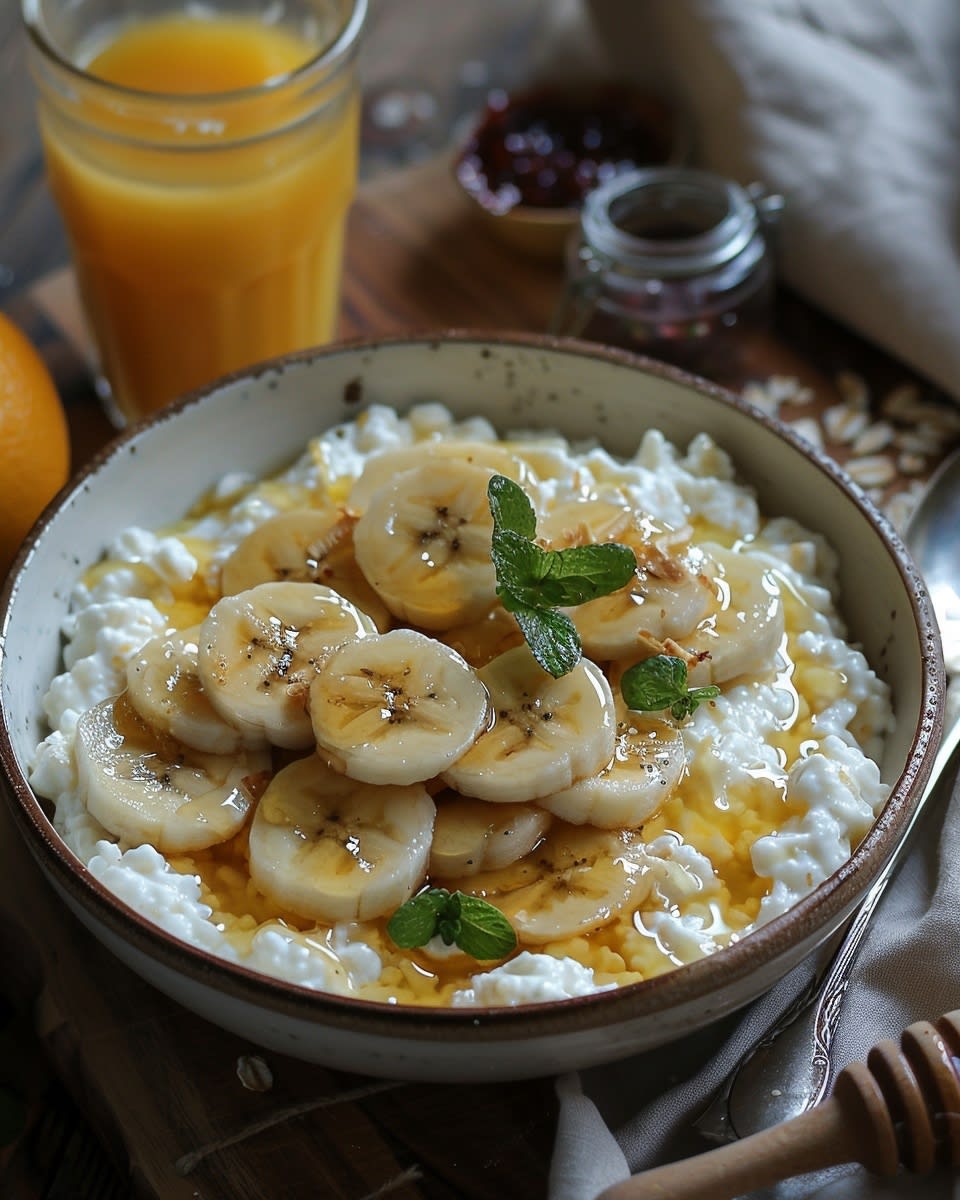
The Cottage Cheese Breakfast Bowl That Changed My Mornings
I used to be that person who grabbed a muffin on the way out the door. My mornings were rushed, and I always felt hungry by 10 AM. Then I discovered the cottage cheese breakfast bowl, and everything changed. This simple meal takes less than five minutes to make, keeps me full until lunch, and tastes amazing whether I want something savory or sweet.
Breakfast matters more than most people think. When you start your day with real nutrition, you have more energy and better focus. You don’t crash mid-morning or reach for junk food. A good breakfast sets the tone for your entire day, and that’s where cottage cheese comes in.
The beauty of a cottage cheese breakfast bowl is its flexibility. Some mornings I crave something savory with avocado and tomatoes. Other days I want berries and honey. The base stays the same, but the toppings can match whatever you’re in the mood for. You can make it into a cottage cheese breakfast toast alternative, a proper bowl, or even turn it into a cottage cheese lunch bowl when you want something light.
Why Cottage Cheese for Breakfast Makes Perfect Sense
Let me share what makes cottage cheese such a smart breakfast choice. One cup of low-fat cottage cheese packs about 24 grams of protein. That’s more protein than three eggs. This high protein content keeps you satisfied for hours, which means no snacking before lunch.
The carb count in cottage cheese is surprisingly low. Most brands have only 6-8 grams of carbs per cup. This makes it perfect for anyone following a cottage cheese breakfast low carb plan. I’ve been watching my carbs for years, and cottage cheese has become my go-to protein source.
Here’s what cottage cheese brings to your breakfast table:
- High protein content that builds and repairs muscles
- Low carbohydrate count for stable blood sugar
- Calcium for strong bones and teeth
- B vitamins for energy production
- Probiotics in some brands for gut health
People following a keto diet love cottage cheese because it fits their macros perfectly. A cottage cheese breakfast keto bowl with some nuts and seeds can keep you in ketosis while providing essential nutrients. The fat content in full-fat cottage cheese adds to the satisfaction factor without kicking you out of fat-burning mode.
The quick preparation time sells it for me. I’m not a morning person. I don’t want to spend 30 minutes cooking before work. With cottage cheese, I scoop it into a bowl, add my toppings, and I’m done. It’s faster than making eggs and way more nutritious than cereal.
Some people prefer whipped cottage cheese recipes because the texture is smoother. You can whip regular cottage cheese in a blender or food processor for about 30 seconds. The result is creamy and light, almost like ricotta. This works great if you’re not a fan of the curds. A whipped cottage cheese breakfast bowl feels more like a treat than a healthy breakfast.
Creating the Perfect Savory Cottage Cheese Bowl
Let me tell you about my favorite way to eat cottage cheese: the savory cottage cheese bowl. I grew up eating cottage cheese with fruit, but the savory version is where the magic happens. It tastes like a full meal, not just a snack.
The concept is simple. Take cottage cheese as your base and add vegetables, herbs, healthy fats, and seasonings. Think of it like a grain bowl, but you’re replacing the grains with protein-packed cottage cheese. The result is lighter but just as filling.
Here’s my go-to cottage cheese breakfast savory recipe:
Basic Savory Cottage Cheese Bowl
Start with 1 cup of cottage cheese in your bowl. I prefer full-fat because it tastes richer, but low-fat works fine too.
Add these toppings:
- Half an avocado, sliced or diced
- Cherry tomatoes, halved (about 6-8)
- Cucumber slices for crunch
- Fresh herbs like basil or dill
- A drizzle of olive oil
- Salt and pepper to taste
- Red pepper flakes if you like heat
The combination of creamy cottage cheese with fresh vegetables creates amazing texture contrast. The avocado adds healthy fats that keep you full longer. The tomatoes bring acidity that balances the mild cottage cheese flavor. The herbs make it taste restaurant-quality.
I make this bowl at least three times a week. Sometimes I add a soft-boiled egg on top for extra protein. Other times I include some smoked salmon for a fancy touch. Leftover roasted vegetables work great too.
The beauty of a savory bowl is how well it transitions from breakfast to lunch. I’ve packed this in a container for work many times. It holds up well for a few hours and tastes just as good at noon as it does at 7 AM. This makes it a perfect cottage cheese lunch bowl option when you want something light but satisfying.
You can customize the savory bowl based on what’s in your fridge. No avocado? Use hummus instead. No tomatoes? Try bell peppers or radishes. The cottage cheese works with almost any vegetable you can think of.
Some of my favorite variations include:
- Mediterranean style with olives, feta, and oregano
- Mexican inspired with black beans, salsa, and cilantro
- Italian version with pesto, sun-dried tomatoes, and pine nuts
- Middle Eastern take with za’atar, cucumber, and mint
The savory cottage cheese bowl also works as one of many cottage cheese snack recipes you can keep in rotation. When you need an afternoon pick-me-up, a smaller portion with vegetables gives you energy without the sugar crash.
One trick I learned is to let the cottage cheese sit at room temperature for 10 minutes before eating. Cold cottage cheese straight from the fridge can be bland. When it warms up slightly, the flavors come alive. The herbs release their oils, and everything tastes better.
Don’t be afraid to experiment with seasonings. Garlic powder, onion powder, and smoked paprika all work well. A squeeze of lemon juice brightens the whole bowl. Everything bagel seasoning has become my secret weapon for adding instant flavor.
The preparation takes less than five minutes once you have your ingredients ready. I chop vegetables on Sunday and keep them in containers. During the week, I just assemble and eat. This makes the savory bowl perfect for busy mornings when you need nutrition fast.


The Magic of Whipped Cottage Cheese
Now, if you’re still not sold on cottage cheese because of the texture, let me introduce you to something that changed everything for me: whipped cottage cheese. My sister refused to eat regular cottage cheese for years because she couldn’t handle the curds. Then I made her try the whipped version, and she’s been hooked ever since.
The whipping process transforms cottage cheese into this silky, cloud-like spread that looks and feels like fancy cream cheese. You lose none of the protein or nutritional benefits, but you gain this incredible smoothness that makes it work for so many more recipes. I genuinely think whipped cottage cheese recipes are the gateway for people who claim they don’t like cottage cheese.
Making whipped cottage cheese at home takes maybe two minutes. You literally just dump cottage cheese into a food processor or blender and let it run. That’s it. I use about a cup and a half of cottage cheese, and I blend it on high speed for 30 to 45 seconds until it’s completely smooth. If it seems too thick, I add a tablespoon of milk or Greek yogurt to help it along.
The result is this gorgeous, fluffy spread that you can use anywhere you’d normally use cream cheese, ricotta, or even mascarpone. I keep a container in my fridge at all times now. It’s become more useful than I ever expected.
Here’s where it gets fun. Once you have your base whipped cottage cheese, you can go sweet or savory depending on what you’re craving. For a whipped cottage cheese dessert, I blend in a tablespoon of honey and a teaspoon of vanilla extract. Sometimes I add a bit of cocoa powder if I want something chocolate-flavored. The sweetened version tastes like cheesecake filling but with a fraction of the calories and way more protein.
I’ve served this as a dessert at dinner parties with fresh berries on top, and people lose their minds when I tell them it’s cottage cheese. They never guess. It’s that good. You can also layer it with granola and fruit to make a parfait that feels indulgent but actually helps you hit your protein goals. Speaking of protein-packed breakfast options, I sometimes alternate between this and my protein pancakes with Greek yogurt when I want something filling.
For savory applications, the whipped cottage cheese breakfast bowl works beautifully. I whip the cottage cheese plain, then top it with all the same vegetables and herbs I mentioned before. The smooth texture makes it feel more like a dip situation, which means you can add crackers or veggie sticks if you want something to scoop with.
Another savory version I love includes blending in fresh garlic, lemon juice, and herbs right into the cottage cheese before whipping. This creates a flavored spread that’s perfect for sandwiches or as a base for bowls. Fresh dill and chives work particularly well. So does sun-dried tomato paste if you want something with more punch.
The versatility reminds me of why I also keep ingredients around for healthy breakfast cookies with oats on hand—both are things you can prep once and use multiple ways throughout the week.
Cottage Cheese Breakfast Toast Worth Making
Let’s talk about cottage cheese breakfast toast for a minute, because this trend actually makes sense. I was skeptical at first. Toast is sacred territory. But then I tried it, and now it’s in my regular rotation.
The concept is simple: you spread cottage cheese on toast instead of butter, cream cheese, or avocado. But the execution is what matters. If you just plop cold, lumpy cottage cheese on bread, it’s not great. However, if you use whipped cottage cheese or mash regular cottage cheese with a fork first, it spreads smoothly and creates this creamy base that holds toppings perfectly.
My favorite version starts with sourdough bread, toasted until it’s crispy on the outside but still has some chew. I spread about a quarter cup of whipped cottage cheese on each slice. Then comes the fun part—the toppings.
The smoked salmon version is basically a fancy bagel without the carbs. I layer thin slices of smoked salmon over the cottage cheese, then add cucumber ribbons, fresh dill, capers, and a squeeze of lemon. Red onion works too if you’re into that. This combination tastes like something you’d pay fifteen dollars for at a brunch spot, but it takes five minutes and costs maybe three dollars to make.
For a Mediterranean take, I use cherry tomatoes, fresh basil, a drizzle of balsamic glaze, and a sprinkle of everything bagel seasoning. The acidity from the tomatoes and balsamic cuts through the richness of the cottage cheese. It’s bright and satisfying without being heavy.
Sometimes I go the sweet route with almond butter, banana slices, and a tiny drizzle of honey. This tastes like dessert but keeps me full for hours because of all that protein from the cottage cheese. The banana adds natural sweetness, and the almond butter brings healthy fats. When I’m really hungry, I’ll pair this with a spinach avocado smoothie for a complete meal.
Here’s the thing about cottage cheese toast—it works as a blank canvas. You can throw literally any toppings on it and create something delicious. Leftover roasted vegetables? Perfect. Sliced strawberries and mint? Amazing. Even a fried egg on top turns it into a proper meal.
The protein content makes it way more satisfying than regular toast. A slice of bread with butter might hold you for an hour. Cottage cheese toast with good toppings keeps you going until lunch. That’s the difference protein makes.
I’ve also noticed that cottage cheese toast works better than avocado toast for meal prep. Avocado turns brown and gross if you make it ahead. Cottage cheese stays fresh. You can prep your toast, keep the cottage cheese and toppings separate, and assemble it at work or wherever you are. Much more practical for real life.
Quick Cottage Cheese Snack Ideas
Beyond breakfast, I’ve discovered that cottage cheese snack recipes are lifesavers for those moments when you need something fast but don’t want to derail your eating. Most snacks are either pure carbs that leave you hungry or so complicated that you might as well make a full meal.
Cottage cheese hits that sweet spot. It’s ready to eat, packed with protein, and works with whatever you have lying around. I keep small containers of cottage cheese at work for afternoon snacks. When three o’clock hits and my energy crashes, I reach for cottage cheese instead of the vending machine.
The simplest version is cottage cheese with fresh fruit. I rotate through whatever’s in season—berries in summer, apple slices in fall, citrus in winter. The fruit adds natural sweetness and fiber while the cottage cheese provides protein and keeps your blood sugar stable. This combination is genuinely satisfying in a way that fruit alone never is.
Adding nuts and seeds takes it to another level. I keep a jar of mixed nuts, pumpkin seeds, and sunflower seeds at my desk. A handful on top of cottage cheese with some berries becomes a complete snack with protein, healthy fats, and carbs. The crunch factor makes it more interesting to eat too.
My kids love cottage cheese with honey and granola. I know granola can be sugary, but a small amount adds texture and makes them actually want to eat their snack. They think it’s a treat. I know they’re getting seventeen grams of protein. Everyone wins.
For a savory afternoon snack, I do cottage cheese with cherry tomatoes, a drizzle of olive oil, and some sea salt. Takes thirty seconds to put together. Tastes like I actually tried. The tomatoes provide a burst of flavor that makes plain cottage cheese exciting.
Funny enough, cottage cheese also works as a dip. I blend it with ranch seasoning mix and use it for raw vegetables. Tastes just like regular ranch dip but with way more protein and fewer weird ingredients. Carrots, celery, bell peppers—they all work great.
Sometimes I make a quick parfait situation in a jar. I layer cottage cheese with berries and a small amount of healthy breakfast cookies crumbled on top. It feels fancy and satisfies my sweet tooth without actual dessert.
The convenience factor cannot be overstated. When you’re genuinely hungry between meals, you need something that doesn’t require cooking or elaborate prep. Cottage cheese delivers. It’s one of those rare foods that’s both healthy and actually convenient. Most healthy foods require effort. Cottage cheese just requires opening a container.
For people following a cottage cheese breakfast keto lifestyle, these snacks work perfectly because they’re naturally low in carbs. Just skip the fruit and focus on nuts, seeds, and vegetables. The macros stay keto-friendly while providing the protein your body needs.
I’ve also started bringing cottage cheese to the gym. After a hard workout, your muscles need protein quickly. Instead of expensive protein shakes, I eat cottage cheese with some fruit. It’s cheaper, tastes better, and provides the same benefits. My gym bag always has a small cooler pack and a container of cottage cheese now.
The versatility means you never get bored. One day it’s sweet with berries. The next day it’s savory with everything bagel seasoning. The day after that it’s paired with egg white scramble with turkey for a high-protein mini-meal. Same base ingredient, completely different experience each time.


Keto and Low-Carb Cottage Cheese Breakfast Options That Actually Work
If you’re following a keto diet, you already know the struggle of finding breakfast options that aren’t eggs for the millionth time. I spent my first month on keto eating the same scrambled eggs every single morning until I wanted to throw the pan across the kitchen. That’s when I realized that cottage cheese breakfast keto options could save my sanity.
The macros on cottage cheese are surprisingly keto-friendly when you choose the right kind. Full-fat cottage cheese is your best friend here. A cup of full-fat cottage cheese typically has around 24 grams of protein, 9 grams of fat, and only about 6 grams of carbs. Those numbers fit perfectly into most keto macro targets, especially if you’re aiming for that moderate protein, high fat, low carb balance.
Here’s what most people miss: you absolutely need to buy full-fat cottage cheese if you’re doing keto. The low-fat versions remove the natural fat and sometimes add extra fillers or stabilizers that can increase the carb count. Plus, you need that fat to stay satiated and keep your body in ketosis. I learned this the hard way after buying low-fat cottage cheese for two weeks and wondering why I was constantly hungry. The fat makes all the difference.
My go-to cottage cheese breakfast low carb bowl is ridiculously simple but keeps me full until early afternoon. I start with a full cup of full-fat cottage cheese as the base. Then I add a tablespoon of chia seeds for extra fiber and omega-3s. On top of that, I pile on sliced avocado, maybe a quarter of the whole fruit. Then I add some macadamia nuts or pecans because they’re super low in carbs and high in fat. A drizzle of olive oil, some sea salt, and maybe a sprinkle of hemp hearts completes it.
The entire bowl comes in under 10 net carbs, which leaves plenty of room in your daily carb budget for vegetables at other meals. The fat content keeps you in fat-burning mode, and the protein prevents muscle loss. It’s basically the perfect keto breakfast that doesn’t taste like you’re suffering through a diet.
Another combination I rotate through involves cottage cheese with smoked salmon and cream cheese. I mix a tablespoon of cream cheese into the cottage cheese to make it even richer, then top it with smoked salmon, capers, and fresh dill. This feels so indulgent that I forget I’m eating healthy. The omega-3s from the salmon are a bonus for brain health and reducing inflammation.
For people who want something slightly sweet without breaking ketosis, I’ve found that a small handful of raspberries or blackberries works well. These berries are lower in carbs than strawberries or blueberries. A quarter cup of raspberries only has about 3 net carbs. I add them to cottage cheese with some chopped walnuts and a tiny drizzle of sugar-free maple syrup. The texture combination is fantastic, and it satisfies any morning sweet tooth without kicking you out of ketosis.
By the way, if you’re new to keto meal planning, I found that organizing your meal prep for the week makes sticking to low-carb breakfast options way easier. When you have your toppings pre-portioned in containers, you’re less likely to grab something carb-heavy when you’re rushed.
The thing about keto is that it requires some creativity to avoid burnout. Cottage cheese gives you that flexibility. One morning you can do a savory Mexican-inspired bowl with cottage cheese, chorizo crumbles, jalapeños, and sour cream. The next day you can switch to an Italian version with pesto, sun-dried tomatoes, and mozzarella pearls. Same base ingredient, completely different flavor profiles, all within your macros.
I’ve noticed that cottage cheese also helps with one of the biggest keto challenges—getting enough electrolytes. The sodium in cottage cheese contributes to your daily sodium needs, which is crucial when you’re in ketosis and your body is flushing out more water and electrolytes than usual. This is one reason why I don’t feel sluggish when I eat cottage cheese for breakfast, unlike when I skip it and just have coffee.
Some keto-friendly topping combinations worth trying include:>
- Bacon pieces, cheddar cheese, and green onions for a loaded baked potato vibe
- Pork rinds crushed on top for crunch without the carbs
- Shredded rotisserie chicken with buffalo sauce and blue cheese crumbles
- Sliced hard-boiled eggs with everything bagel seasoning
- Ground beef taco meat with guacamole and sour cream
The beauty of these options is that they’re all under 10 net carbs and provide substantial protein and fat. You’re not just eating to stay in ketosis—you’re actually enjoying your food and feeling satisfied. That’s the difference between a diet you can maintain and one you quit after three weeks.
One mistake I see people make with keto cottage cheese bowls is not adding enough fat. Remember, keto is a high-fat diet. If you’re just eating plain cottage cheese with some vegetables, you’re missing the point. You need that olive oil, those nuts, that avocado, maybe even some butter mixed in. The fat is what signals satiety to your brain and keeps your energy stable throughout the morning.
For anyone doing lazy keto or just watching carbs without being strict keto, cottage cheese still works perfectly. You don’t have to obsess over every macro. Just focus on keeping the carbs low and the protein adequate. A simple bowl with cottage cheese, some berries, and nuts will keep you way under the carb threshold that triggers insulin spikes and energy crashes.
I also want to mention that cottage cheese has been a game-changer for my workout recovery on keto. The casein protein in cottage cheese digests slowly, which means your muscles get a steady supply of amino acids for hours after eating. On days when I lift weights in the morning, I add an extra scoop of cottage cheese to my breakfast bowl, and I’ve noticed better recovery and less soreness. If you’re looking for more ways to fuel your mornings with protein-rich options, you might want to explore other high protein breakfast ideas that complement your routine.
The versatility of cottage cheese on a low-carb diet honestly cannot be overstated. It’s one of those rare foods that checks all the boxes—high protein, moderate fat, low carb, quick to prepare, affordable, and actually tasty when you know how to dress it up. Most keto foods excel in one or two of these areas but fail in others. Cottage cheese delivers across the board.
Frequently Asked Questions About Cottage Cheese Breakfast Bowls
Can I eat cottage cheese every day for breakfast?
Absolutely, yes. I’ve been eating cottage cheese almost daily for over a year with no issues. The high protein content supports muscle maintenance and keeps you full for hours. Just make sure you’re varying your toppings to get different nutrients throughout the week. Some people worry about the sodium content, but unless your doctor has told you to limit sodium, the amount in cottage cheese is generally fine for healthy adults. Listen to your body and adjust if needed.
What are some good toppings for a cottage cheese breakfast bowl?
The options are honestly endless, which is why I never get bored. For sweet bowls, try berries, sliced bananas, honey, cinnamon, nuts, seeds, or granola. For savory bowls, avocado, tomatoes, cucumbers, herbs, olive oil, smoked salmon, eggs, or hot sauce all work beautifully. I rotate through different combinations based on what’s in my fridge and what I’m craving. The key is combining textures—something creamy, something crunchy, something fresh. That contrast makes every bite interesting.
Is cottage cheese good for weight loss?
In my experience, yes, it’s one of the best foods for weight loss. The high protein content increases satiety, which means you naturally eat less throughout the day. Protein also has a higher thermic effect than carbs or fat, meaning your body burns more calories just digesting it. I lost fifteen pounds when I started making cottage cheese a regular part of my breakfast routine, mostly because I stopped snacking before lunch. The key is pairing it with whole foods like fruits and vegetables rather than loading it with sugar and processed toppings.
How do I make whipped cottage cheese?
It’s ridiculously easy. Put cottage cheese in a food processor or high-speed blender and blend on high for 30 to 45 seconds until completely smooth. If it seems too thick, add a tablespoon of milk, cream, or Greek yogurt to help it blend. You can add flavorings like vanilla extract, honey, cocoa powder, or herbs before blending if you want. The result should be silky and cloud-like, similar to the texture of cream cheese or ricotta. Store it in an airtight container in the fridge for up to a week.
Can I use cottage cheese in desserts?
Definitely, and you should try it because it’s surprisingly good. Whipped cottage cheese with honey and vanilla tastes just like cheesecake filling. You can make parfaits with it, use it as frosting on muffins, blend it into smoothies, or even bake it into protein cheesecake bars. My kids have eaten cottage cheese desserts without realizing they weren’t eating actual dessert. The protein makes dessert more satisfying and less likely to cause a sugar crash. It’s one of my favorite healthy swaps that doesn’t feel like a compromise.
What are some low-carb options for a cottage cheese breakfast?
Focus on high-fat, low-carb toppings to keep the carb count minimal. Avocado, nuts like macadamias or pecans, seeds like chia or hemp hearts, olive oil, smoked salmon, eggs, bacon, cheese, and non-starchy vegetables like cucumber or bell peppers all work great. If you want something slightly sweet, stick to berries in small amounts—raspberries and blackberries have the lowest net carbs. Avoid adding honey, granola, or tropical fruits if you’re trying to stay under 20 grams of carbs per day. The cottage cheese itself only has about 6 grams of carbs per cup, so you have room to add toppings.
How long does cottage cheese last in the fridge?
An unopened container typically lasts until the date printed on the package. Once you open it, cottage cheese stays fresh for about five to seven days if you keep it properly sealed in the fridge. I always write the date I opened it on the container with a marker so I don’t forget. If you notice any weird smell, mold, or excessive liquid separation, toss it out. I’ve found that storing it toward the back of the fridge where it’s coldest helps it last longer than keeping it in the door where the temperature fluctuates more.
Can I freeze cottage cheese?
Technically yes, but I don’t recommend it for eating plain. Freezing changes the texture and makes it grainy and watery when thawed. However, frozen cottage cheese works fine if you’re blending it into smoothies or using it in baked goods like protein muffins or pancakes. I’ve frozen cottage cheese when I bought too much and didn’t want it to go to waste, then used it exclusively for cooking rather than eating as-is. If you do freeze it, use an airtight container and leave some space at the top because it expands slightly when frozen.
Is cottage cheese suitable for a keto diet?
Yes, especially full-fat cottage cheese. A cup of full-fat cottage cheese has about 24 grams of protein, 9 grams of fat, and only 6 grams of net carbs, which fits perfectly into keto macros. The key is choosing full-fat versions rather than low-fat or fat-free, which often have more carbs and won’t keep you satiated. Pair it with high-fat, low-carb toppings like avocado, nuts, olive oil, and non-starchy vegetables. I’ve been eating cottage cheese regularly on keto for over a year and stay in ketosis without any issues. Just track your portions to make sure it fits your daily macro targets.
What are some savory cottage cheese recipes?
My favorite savory applications include cottage cheese bowls with avocado, tomatoes, cucumber, and everything bagel seasoning. I also love it as a base for Mediterranean-style bowls with olives, feta, oregano, and olive oil. Cottage cheese toast topped with smoked salmon, capers, and dill is another winner. You can mix it with pesto and use it as a dip for vegetables, or blend it with ranch seasoning for a high-protein veggie dip. Adding it to scrambled eggs makes them incredibly creamy. The savory possibilities are honestly endless once you start thinking of cottage cheese as a versatile ingredient rather than just a plain snack.
After months of experimenting with different combinations and toppings, I can honestly say that cottage cheese has become the most reliable part of my morning routine. It’s the one breakfast that never disappoints, never leaves me hungry an hour later, and never feels like a chore to make. Whether you’re trying to lose weight, build muscle, stick to keto, or just eat better without spending forever in the kitchen, cottage cheese breakfast bowls deliver. Give them a real shot for a week—try both savory and sweet versions, experiment with toppings you already have, and see how your energy and hunger levels change. I think you’ll be surprised at how something this simple can genuinely improve your mornings.
Ingredients
Equipment
Method
- Start with 1 cup of cottage cheese in your bowl.
- Add the sliced or diced avocado.
- Top with halved cherry tomatoes and cucumber slices.
- Sprinkle with fresh herbs.
- Drizzle with olive oil and season with salt and pepper.
- Add red pepper flakes if desired.