
Introduction: My Love for a Great Breakfast
I’ll be honest with you. I used to be one of those people who grabbed a granola bar and called it breakfast. I rushed out the door every morning, convincing myself I didn’t have time for anything better. Then one Sunday, I decided to make a real breakfast with everything I had in my fridge. I tossed some chicken sausage into a hot skillet, added potatoes and peppers, and something magical happened. The smell alone woke up everyone in my house. That first bite changed everything.
Now I’m a breakfast enthusiast through and through. There’s something special about starting your day with a meal that fills you up and makes you smile. A hearty breakfast sets the tone for everything that comes after. You have more energy, you think more clearly, and you just feel better overall.
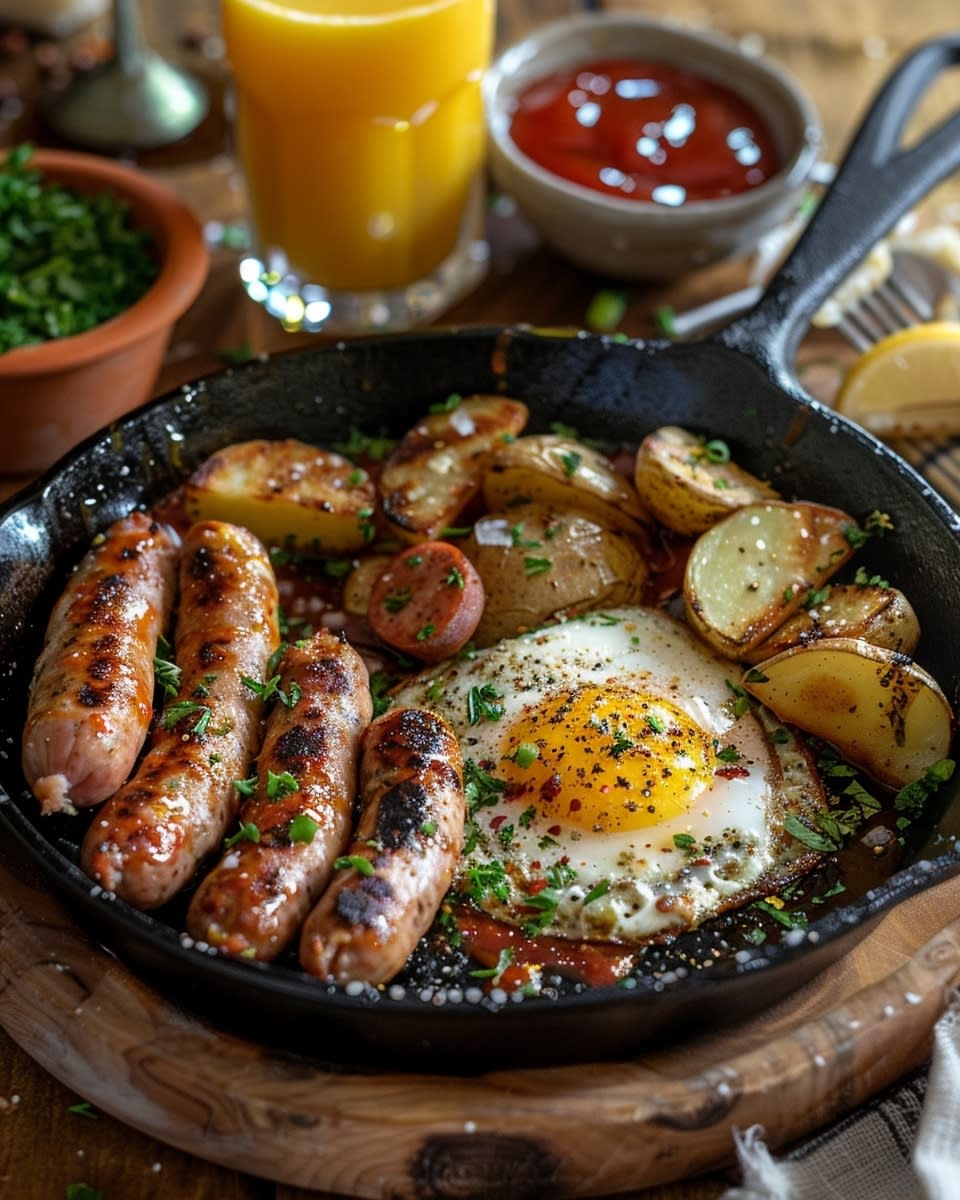
Today I want to share my favorite morning recipe with you: the Chicken Sausage Breakfast Skillet. This dish has become my go-to meal when I want something satisfying and packed with flavor. It’s the kind of breakfast that makes you want to wake up early on weekends. Better yet, it’s surprisingly easy to make.
In this article, I’ll cover everything you need to know about making and enjoying this delicious dish. You’ll learn why chicken sausage is such a smart choice, what ingredients work best, and how to customize the skillet to match your taste. By the end, you’ll be ready to create your own perfect breakfast skillet.
Why Choose a Chicken Sausage Breakfast Skillet?
Let me tell you about the first time I switched from pork sausage to chicken sausage. I was skeptical. Would it taste as good? Would my family even notice? The answer surprised me. Not only did everyone love it, but I felt better after eating it too. No heavy, sluggish feeling that sometimes comes with a big breakfast.
Chicken sausage offers some real benefits over traditional pork or beef sausage. The most obvious advantage is the lower fat content. Most chicken sausages have about 60% less fat than their pork counterparts. That’s a significant difference when you’re trying to make better food choices.
But here’s what really matters: you’re not sacrificing flavor for health. Modern chicken sausages come in dozens of varieties. You can find Italian-style with herbs, spicy versions with jalapeños, or even apple-infused options. Each type brings its own personality to your breakfast skillet.
The protein content is another win. Chicken sausage typically packs more protein per serving than regular sausage. Protein keeps you full longer and helps build muscle. When I make my Chicken Sausage Breakfast Skillet, I know I’m getting fuel that will last until lunch.
Health Benefits You’ll Actually Notice
I’m not a nutritionist, but I pay attention to how food makes me feel. When I started eating more chicken sausage breakfasts, I noticed real changes. I had more consistent energy throughout the morning. No more crashing at 10 a.m. and reaching for another coffee.
Here’s what makes chicken sausage one of the best healthy breakfast options:
- Lower in calories: Most chicken sausages have 30-40% fewer calories than pork versions
- Less saturated fat: This matters for your heart health over time
- High protein content: Keeps you satisfied and supports muscle maintenance
- Often contains fewer additives: Many brands focus on cleaner ingredient lists
- Easier to digest: Many people find chicken lighter on their stomach
When you combine chicken sausage with vegetables and potatoes in a skillet, you’re creating a balanced meal. You get protein, complex carbs, and vitamins all in one pan. That’s what I call smart eating.
The Versatility That Keeps Breakfast Exciting
One reason I never get tired of my Chicken Sausage Breakfast Skillet is that it’s different every time I make it. This isn’t one of those recipes where you need exact measurements and specific ingredients. Think of it as a framework you can adjust based on what you have and what you’re craving.
Some mornings I keep it simple with just potatoes, onions, and peppers. Other days I add mushrooms, spinach, or zucchini. Sometimes I top it with a fried egg. On special occasions, I might add a sprinkle of cheese. Every version works.
The beauty of a breakfast skillet is that it adapts to your needs. Running low on groceries? Use what’s in your vegetable drawer. Feeding a crowd? Double the recipe. Want meal prep for the week? Make a big batch and reheat portions each morning.
You can also adjust the flavor profile completely by changing your sausage choice. Italian chicken sausage gives you a Mediterranean vibe. Spicy varieties wake you up with heat. Apple chicken sausage adds a touch of sweetness that pairs beautifully with sweet potatoes.
This flexibility makes the skillet perfect for anyone looking for quick breakfast ideas that don’t get boring. I’ve been making versions of this dish for years, and I’m still discovering new combinations I love.
Perfect for Any Lifestyle
Whether you’re cooking for yourself or feeding a family, the Chicken Sausage Breakfast Skillet fits your life. I’ve made it for lazy Sunday brunches with friends and for rushed Tuesday mornings before work. It works both ways.
If you’re someone who focuses on high protein breakfast recipes, this dish delivers. A typical serving gives you 25-30 grams of protein, depending on your ingredients. Add an egg on top, and you’re over 35 grams. That’s more than most people get in their entire breakfast.
For busy parents, this recipe is a lifesaver. Kids actually eat it because it looks and smells good. You can sneak in vegetables they might otherwise refuse. My friend’s picky eater devours this breakfast without realizing he’s eating peppers and onions.
Even if you’re watching your budget, chicken sausage skillets make sense. One package of sausage feeds multiple people. Potatoes are cheap. Vegetables are affordable, especially when you buy what’s in season. You get a restaurant-quality breakfast at home-cooking prices.
The cleanup is minimal too. Everything cooks in one pan. No stack of dishes to wash before you’ve even started your day. Just one skillet, one spatula, and you’re done. On busy mornings, that matters more than you might think.


Getting Your Ingredients Ready for the Perfect Skillet
Now that you understand why this breakfast works so well, let’s talk about actually making it happen in your kitchen.
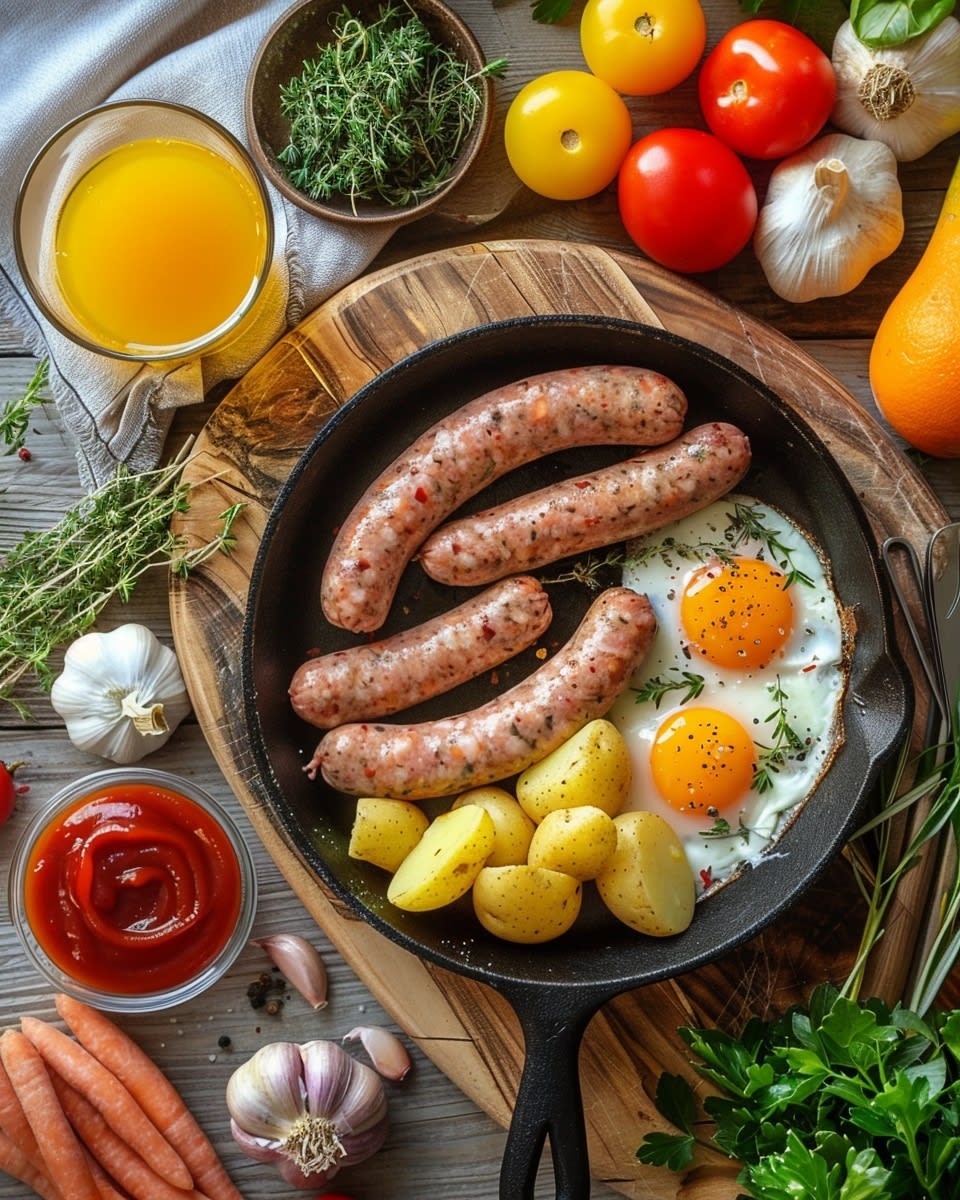
The ingredients for this skillet are wonderfully straightforward. I remember the first time I made this, I literally opened my fridge and used what was already there. That’s the beauty of easy chicken sausage recipes like this one – they don’t demand specialty items or a trip to three different stores.
Here’s what I typically use: three or four links of chicken sausage (any variety you prefer), two medium-sized potatoes, one bell pepper (red or yellow looks prettiest), half a medium onion, two cloves of garlic, and a handful of fresh spinach if I have it. Some olive oil, salt, pepper, and maybe a pinch of paprika round things out. That’s honestly it. Simple ingredients that come together in ways that taste much more complicated than they actually are.
When I’m shopping for chicken sausage, I look for brands with short ingredient lists. If I can pronounce everything on the package, that’s a good sign. The color should look vibrant, not grayish. I usually grab a 12-ounce package, which serves two generously or three if you’re adding lots of vegetables. My personal favorites are the Italian-style with sun-dried tomatoes or the spinach and feta variety, though honestly I’ve never met a chicken sausage I didn’t like in this recipe.
For potatoes, I prefer Yukon Golds because they hold their shape while developing crispy edges. But russets work fine too. Sweet potatoes are fantastic if you want something different – they add natural sweetness that complements spicy sausage beautifully. Just avoid waxy potatoes like red bliss for this dish. They don’t crisp up the same way.
Prepping Everything Before You Start Cooking
Here’s something I learned the hard way: prep everything before you turn on the stove. I used to start cooking and then realize I still needed to chop the onion. Meanwhile, my sausage would be burning. Not ideal.
Start with your potatoes. I dice them into half-inch cubes – small enough to cook through but large enough to develop a nice crust. Leave the skins on if they’re organic and well-scrubbed. The skins add texture and save you time. Toss the cubes in a bowl with a tiny drizzle of oil and a pinch of salt. This helps them brown better.
Next, slice your chicken sausage. I cut each link into rounds about a quarter-inch thick. Some people prefer to slice them lengthwise first, then cut into half-moons. Either way works. The goal is consistent pieces that cook evenly. If your sausage is pre-cooked (most are), you’re really just browning it for flavor and texture.
Dice your onion and bell pepper into similar-sized pieces. I aim for roughly the same size as my potato cubes. This isn’t fancy restaurant cooking – we’re going for rustic and hearty here. Mince your garlic finely. I usually press mine because I’m lazy and it distributes better that way.
If you’re adding spinach or other greens, give them a rough chop. You don’t need to be precise. They’ll wilt down significantly anyway. By the way, this is also a great time to crack your eggs into a small bowl if you’re planning to add them. Having everything ready makes the actual cooking feel almost effortless.
Cooking Your Breakfast Skillet Like a Pro
Alright, here’s where the magic happens. The cooking order matters more than you might think. I’ve made this recipe probably a hundred times, and I’ve learned exactly which ingredients go in when.
Start with a large skillet – I use a 12-inch cast iron, but any heavy-bottomed pan works. Heat it over medium-high heat for a minute or two. Add about a tablespoon of olive oil and let it shimmer. Not smoke, just shimmer. That’s your visual cue that it’s ready.
Potatoes go in first because they take the longest. Spread them in a single layer if possible. Here’s the trick: don’t touch them for at least three minutes. I know it’s tempting to stir, but resist. Let them develop a golden crust on one side. Then flip them and leave them alone again. This takes patience, but it’s worth it. If they’re sticking a bit, they’re not ready to flip yet. When they’re properly browned, they’ll release easily.
After about ten minutes, when your potatoes are mostly cooked through and golden, push them to the sides of your pan. Add your chicken sausage slices in the center. Let them brown for two to three minutes per side. The sausage will release some fat, which is actually good – it adds flavor to everything else. This reminds me of when I tried making a breakfast burrito with eggs and black beans last month, where layering flavors made all the difference.
Once your sausage has nice color, add your onions and peppers. The pan should be pretty hot by now, so these will cook quickly. Stir everything together now. Let it all mingle and get to know each other for about five minutes. Your kitchen will smell absolutely incredible at this point.
The Vegetable Sweet Spot
Funny enough, I used to overcook my vegetables. I’d stir constantly and end up with mushy peppers that had lost all their personality. Then my neighbor, who’s an actual chef, watched me cook once and said, “Stop moving everything around!” Game changer.
Vegetables in a skillet need heat and time to caramelize properly. When you constantly stir, you steam them instead of browning them. For breakfast skillet recipes like this one, you want your vegetables to have some char, some tender spots, and some crispy edges. That variety in texture is what makes each bite interesting.
Bell peppers should still have a slight crunch when you’re done. They’ll soften a bit from the residual heat, but if they’re mushy in the pan, you’ve gone too far. Onions should be golden and sweet, not brown and bitter. If you smell anything burning, reduce your heat immediately.
Add your garlic during the last minute of cooking the vegetables. Garlic burns easily and turns bitter, so it needs less time than everything else. Just stir it in, let it become fragrant, and you’re done. If you’re using heartier vegetables like mushrooms or zucchini, add them with the peppers. Leafy greens like spinach or kale go in at the very end – they literally need thirty seconds to wilt.
This technique works for other morning meals too. I use similar timing when I make my tofu scramble with chickpeas, where getting the right texture on vegetables is equally important.
Adding Eggs Without the Frustration
People always ask me: How do I keep my eggs from sticking to the pan? This is probably the most common breakfast cooking question I hear. The answer has three parts, and none of them involve cooking spray (which I actually don’t recommend for cast iron).
First, make sure your pan is properly heated and has enough fat in it. After cooking all those sausages and vegetables, you should have some oil left. If your pan looks dry, add a small pat of butter or another drizzle of olive oil. Let it melt and coat the bottom.
Second, reduce your heat to medium before adding eggs. High heat makes eggs stick and overcook. You want gentle heat that cooks them through without burning the bottom. I learned this the hard way after ruining several skillets of food.
Third, give your eggs space and time. I like to make little wells in my vegetable mixture, then crack an egg into each well. The surrounding ingredients protect the egg whites from direct heat while the yolk stays perched on top. Cover your skillet with a lid for two to three minutes. The trapped steam cooks the top of the egg while the bottom sets. You end up with perfect runny yolks without flipping anything.
If you prefer scrambled eggs instead, push all your cooked ingredients to the side, add your beaten eggs to the empty space, and gently scramble them. Once they’re almost set, mix everything together. This keeps your eggs fluffy rather than rubbery.
The timing is similar to getting eggs right in a smoked salmon and egg breakfast plate, where temperature control makes or breaks the dish. Medium heat is your friend with eggs. Always.
One more thing about eggs in skillets: season them after cooking, not before. Salt draws out moisture and can make them watery. Wait until they’re on the plate, then add your salt and pepper. Trust me on this one.
Some mornings I skip the eggs entirely and just enjoy the sausage and vegetables. Other times I’ll poach eggs separately and place them on top at serving time. There’s no wrong way to do it. The key is having the confidence to adjust based on what you feel like eating. That’s what makes these easy chicken sausage recipes so practical for real life.
If you’re looking for a lighter protein option on some days, a Greek yogurt smoothie with protein powder alongside a smaller portion of the skillet works great too. Balance is everything.


Serving Suggestions and Making This Skillet Your Own
Here’s where things get really fun. The basic Chicken Sausage Breakfast Skillet is fantastic on its own, but the right toppings and sides can transform it from great to absolutely unforgettable.
I remember hosting brunch for my sister’s birthday last year. I made a huge skillet and set out a toppings bar with about eight different options. Everyone customized their plates, and the whole table was buzzing about their combinations. That’s when I realized this dish is basically a blank canvas waiting for your personal touch.
Let’s start with toppings. A dollop of sour cream or Greek yogurt adds cool creaminess that balances the savory sausage beautifully. I personally love a spoonful of salsa verde on top – the tangy tomatillos cut through the richness perfectly. Hot sauce is obvious but worth mentioning. I keep three different types on my table because everyone has their heat preference.
Fresh herbs make a bigger difference than you’d expect. Chopped cilantro, green onions, or even flat-leaf parsley add brightness and color. My go-to is cilantro with a squeeze of lime juice. It sounds simple, but that citrus note wakes up your taste buds in the best way.
Avocado slices are another winner. They add healthy fats and make the meal more filling. I usually slice half an avocado per person and fan it out on the plate. Sometimes I’ll mash it with a bit of lime juice and salt to make a quick guacamole. Either way works.
Cheese Options That Actually Matter
Okay, let’s talk cheese because this is important. Not all cheese belongs on a breakfast skillet, despite what you might think.
Sharp cheddar is classic for a reason. It melts well and has enough flavor to stand up to the sausage and vegetables. I usually shred about a quarter cup per serving and sprinkle it on while everything’s still hot in the pan. The residual heat melts it perfectly without making it greasy.
Feta cheese is my secret weapon though. Crumbled feta doesn’t melt the same way, which means it adds pockets of tangy, salty flavor throughout the dish. It pairs especially well if you’re using Italian-style chicken sausage or adding tomatoes to your vegetables. Mediterranean vibes all the way.
Pepper jack brings heat and creaminess together. If you’re someone who loves spicy breakfast ideas, this is your cheese. Monterey Jack is the milder cousin that works for everyone. And honestly, even a sprinkle of parmesan at the end adds a nice salty, nutty finish.
One thing I’ve learned: add cheese at the end, not during cooking. If you add it too early, it gets oily and separates. Wait until your skillet is off the heat, sprinkle your cheese on top, and let it melt from the warmth of the food. Much better texture this way.
What Are Some Good Side Dishes for a Breakfast Skillet?
People ask me this all the time, and honestly, the skillet is so hearty that you don’t need much alongside it. But when I’m feeding a crowd or want to make the meal more substantial, I have a few favorites.
Toast is the easiest option. A thick slice of sourdough or whole grain bread, lightly buttered and toasted, is perfect for scooping up any bits left on your plate. I sometimes rub a cut garlic clove on the warm toast for extra flavor. My husband does this every single time and swears it’s the best part of breakfast.
Fresh fruit provides a sweet contrast to the savory skillet. I’ll slice up whatever’s in season – strawberries, melon, or berries. A small fruit salad with a drizzle of honey and a sprinkle of mint makes the meal feel complete. Plus, the natural sugars in fruit give you an extra energy boost.
If you want something green, a simple arugula salad works surprisingly well with breakfast. I toss arugula with lemon juice, olive oil, salt, and pepper. Takes two minutes. The peppery greens and bright dressing balance the richness of the sausage and potatoes. Way better than it sounds, trust me.
Biscuits or English muffins make sense if you’re going for a more traditional American breakfast feel. Cornbread is fantastic too, especially if you’ve made your skillet with a southwestern twist using peppers and cumin. The slightly sweet cornbread against spicy sausage is one of those combinations that just works.
By the way, if you’re looking for more ways to build out your morning meal routine, I’ve found that having a collection of high protein breakfast ideas really helps prevent that mid-morning energy crash that used to plague me.
Vegetable Variations That Change Everything
The beauty of skillet cooking is that vegetables are completely interchangeable based on season, preference, or what’s hiding in your crisper drawer.
Mushrooms add an earthy, meaty quality that makes the dish even more satisfying. I use baby bellas, but button mushrooms or even shiitakes work great. Slice them thick and add them with the onions so they have time to release their moisture and brown properly. If your sausage has Italian seasonings, mushrooms are a no-brainer addition.
Zucchini or yellow squash lighten things up during summer months. Dice them into half-inch pieces and add them toward the end of cooking. They don’t need much time and you want them to stay slightly firm. Mushy squash isn’t appealing to anyone.
Tomatoes bring acidity and brightness. Cherry tomatoes are my favorite because they burst and create little pockets of sweet-tart flavor. Toss them in during the last three minutes of cooking. If you’re using regular tomatoes, dice them and add them even later – they break down quickly and can make everything watery if you’re not careful.
Kale has become my winter go-to green. It’s heartier than spinach and holds up better to the heat. Tear it into pieces, remove the tough stems, and stir it in during the final two minutes. It wilts but keeps some texture. Plus, kale is packed with nutrients that support everything from immunity to digestive enzymes, making your breakfast work better for your body.
Sweet potatoes instead of regular potatoes completely transform the flavor profile. They take about the same time to cook but add natural sweetness and extra beta-carotene. I love sweet potatoes with apple chicken sausage and a sprinkle of cinnamon. Sounds weird, tastes amazing.
Asparagus works in spring when it’s fresh and tender. Cut it into one-inch pieces and add it with the peppers. The slight bitterness of asparagus balances rich sausage nicely. Brussels sprouts, halved and roasted separately then tossed in at the end, are another option I’ve recently started loving.
Flavor Profile Variations to Keep You Interested
Once you’ve mastered the basic technique, you can take this skillet in about a dozen different directions just by changing your seasonings and add-ins.
For a Mexican-inspired breakfast, use spicy chicken sausage, add black beans, corn, and diced poblano peppers. Season with cumin and chili powder. Top with pepper jack cheese, salsa, and cilantro. Honestly tastes like something you’d order at a fancy brunch spot.
The Mediterranean version uses Italian sausage, cherry tomatoes, spinach, and artichoke hearts. Add olives if you like them. Top with feta and fresh basil. A drizzle of good olive oil at the end makes it feel sophisticated.
For comfort food vibes, stick with classic breakfast flavors. Use mild sausage, add extra potatoes, maybe some cheese sauce or gravy. Top with shredded cheddar and chives. This is what I make when I need food that feels like a hug.
The Asian-fusion take might sound unusual but it’s delicious. Use chicken sausage with ginger. Add bok choy, shiitake mushrooms, and scallions. Finish with a drizzle of soy sauce and sesame oil. Top with a fried egg and sesame seeds. My friend who spent time in Korea introduced me to this combination and I was skeptical until I tasted it.
Sweet and savory works beautifully too. Apple chicken sausage with sweet potatoes, dried cranberries, and a handful of baby spinach creates this autumn-inspired dish I make constantly from September through November. A tiny drizzle of maple syrup at the end ties everything together.
Making It Work for Special Diets
One reason I love this recipe is how easily it adapts to different dietary needs without losing what makes it special.
For low-carb or keto versions, swap potatoes for cauliflower. Cut cauliflower into small florets and roast them separately until golden, then add to your skillet. You get similar texture without the carbs. Increase the amount of sausage and add extra cheese to keep your fats up.
If you’re doing Whole30, this recipe is basically already compliant. Just check your sausage label for added sugars or non-compliant ingredients. Use ghee instead of butter and skip the cheese. Load up on vegetables to keep it satisfying.
For paleo eaters, sweet potatoes instead of white potatoes keep you in compliance. Everything else typically works as-is. Focus on high-quality sausage with minimal processing.
Going dairy-free is simple – just skip the cheese or use a non-dairy alternative. Nutritional yeast gives you that cheesy, umami flavor without actual dairy. I sprinkle it on at the end sometimes even when I’m not avoiding dairy because it’s tasty and adds B vitamins.
The naturally gluten-free nature of this dish makes it perfect for anyone avoiding gluten. Just double-check that your chicken sausage doesn’t contain breadcrumbs or wheat-based fillers. Most don’t, but it’s worth reading labels.
Frequently Asked Questions About Chicken Sausage Breakfast Skillets
How can I make this recipe vegetarian-friendly?
Replace the chicken sausage with plant-based sausage alternatives – brands like Beyond or Field Roast work great and have similar texture. You can also use seasoned tempeh crumbles or extra-firm tofu that you’ve pressed and cubed. Add extra vegetables like mushrooms and beans to keep the protein content high. Season generously with smoked paprika and nutritional yeast to replicate that savory, meaty flavor. The cooking method stays exactly the same.
Can I use other types of meat instead of chicken sausage?
Absolutely, though cooking times might change slightly. Turkey sausage works almost identically to chicken. Pork or beef sausage will release more fat, so you might want to drain some partway through cooking. Bacon or breakfast sausage patties that you crumble work beautifully too. Even leftover cooked chicken, diced ham, or ground meat seasoned with breakfast spices can substitute. The technique stays the same – just adjust for how cooked your protein already is.
Is this recipe suitable for meal prepping?
Yes, it’s actually perfect for meal prep. Cook a large batch on Sunday and divide it into individual containers. It keeps well in the refrigerator for four to five days. I recommend keeping any eggs separate and cooking them fresh each morning if possible. The vegetables and sausage reheat beautifully in the microwave for about two minutes or in a skillet over medium heat. Add fresh toppings like avocado or herbs right before eating for the best flavor.
How can I store leftovers and reheat them safely?
Let your skillet cool to room temperature, then transfer to an airtight container within two hours of cooking. Store in the refrigerator for up to four days. To reheat, microwave individual portions for one to two minutes, stirring halfway through. For better texture, reheat in a skillet over medium heat with a tiny splash of water or oil to prevent sticking. You can also freeze portions for up to three months – just thaw overnight in the fridge before reheating. Never leave cooked food at room temperature for more than two hours.
What are some gluten-free alternatives for this recipe?
Good news – this recipe is naturally gluten-free as written. The only ingredient to watch is your chicken sausage, as some brands add wheat-based fillers or breadcrumbs. Read labels carefully or look for packages specifically marked gluten-free. If you’re serving toast or biscuits on the side, simply use gluten-free bread products. All the vegetables, potatoes, eggs, and seasonings are naturally gluten-free. This makes it a safe choice for anyone with celiac disease or gluten sensitivity.
What’s the best type of skillet to use for this recipe?
I prefer a 12-inch cast iron skillet because it distributes heat evenly and develops beautiful browning. Cast iron also goes from stovetop to oven if you want to finish your eggs that way. Stainless steel works great too, though you’ll need a bit more oil to prevent sticking. Non-stick pans are fine but won’t give you the same crispy texture on your potatoes. Avoid thin, flimsy pans that create hot spots. Whatever you use, make sure it’s large enough that your ingredients aren’t crowded or they’ll steam instead of brown.
Can I make this skillet ahead and serve it at a brunch party?
Definitely, with a small strategy adjustment. Cook everything except the eggs the night before. Store covered in the refrigerator. About twenty minutes before guests arrive, reheat the mixture in your skillet over medium heat until warmed through. Then crack your eggs on top, cover, and finish cooking. This way you’re not stuck at the stove while people are arriving. You can also keep the cooked skillet warm in a 200-degree oven for up to an hour. Set out toppings in small bowls so guests can customize their plates.
How do I prevent my potatoes from being undercooked while everything else overcooks?
This is the most common mistake I see. The solution is giving potatoes a head start. Either parboil them for five minutes before adding to the skillet, or microwave your diced potatoes for three minutes to soften them slightly. Another option is cutting them smaller than your other ingredients. I also sometimes cover the skillet for the first few minutes of cooking potatoes to trap steam and speed up cooking. Once they’re tender, remove the lid to crisp them up. Temperature control matters too – medium-high heat works better than high heat.
What’s the best way to add spice if I want a kick?
There are several approaches depending on your heat tolerance. Start with spicy chicken sausage as your base. Add diced jalapeños or serrano peppers with your other vegetables. Sprinkle red pepper flakes or cayenne during cooking. I also love adding a dash of hot sauce to my eggs before scrambling them. For finishing heat, try hot sauce, sriracha, or even a spicy chili crisp on top. Just remember you can always add more heat but you can’t take it away, so start conservative if you’re cooking for others.
Why does my skillet sometimes turn out watery or soggy?
This usually happens when vegetables release moisture and there’s nowhere for it to go. To fix this, don’t overcrowd your pan – cook in batches if needed. Make sure your heat is high enough that moisture evaporates rather than pooling. Pat vegetables dry before adding them, especially if you’ve washed them. Avoid covering the pan except when specifically needed for cooking eggs. If you notice excess liquid pooling, tilt your pan and carefully spoon it out. Using waxy vegetables like zucchini or tomatoes requires extra attention since they contain lots of water.
Making this Chicken Sausage Breakfast Skillet part of your morning routine doesn’t mean eating the same thing every day – it means having a reliable framework that bends to your mood, your schedule, and what’s actually in your kitchen. Start with the basics, then make it yours.
Ingredients
Equipment
Method
- Dice the potatoes into half-inch cubes and toss with a drizzle of olive oil and a pinch of salt.
- Slice the chicken sausage into rounds about a quarter-inch thick.
- Dice the onion and bell pepper, and mince the garlic.
- Heat a large skillet over medium-high heat and add about one tablespoon of olive oil.
- Add the diced potatoes to the skillet in a single layer and cook without stirring for at least three minutes to develop a golden crust.
- Flip the potatoes after about ten minutes, then push them to the sides of the pan.
- Add the sliced chicken sausage to the center of the skillet and brown for 2-3 minutes on each side.
- Once the sausage is browned, stir in the onions and bell peppers and mix well. Cook for about five minutes until softened.
- Add minced garlic for the last minute of cooking.
- If using, add the spinach and stir until wilted (about 30 seconds).
- For sunny-side-up eggs, create wells in the vegetable mixture and crack the eggs into them, cover, and cook until the yolks are set. Alternatively, scramble the eggs separately and mix in.
- Serve hot with optional toppings of your choice.