
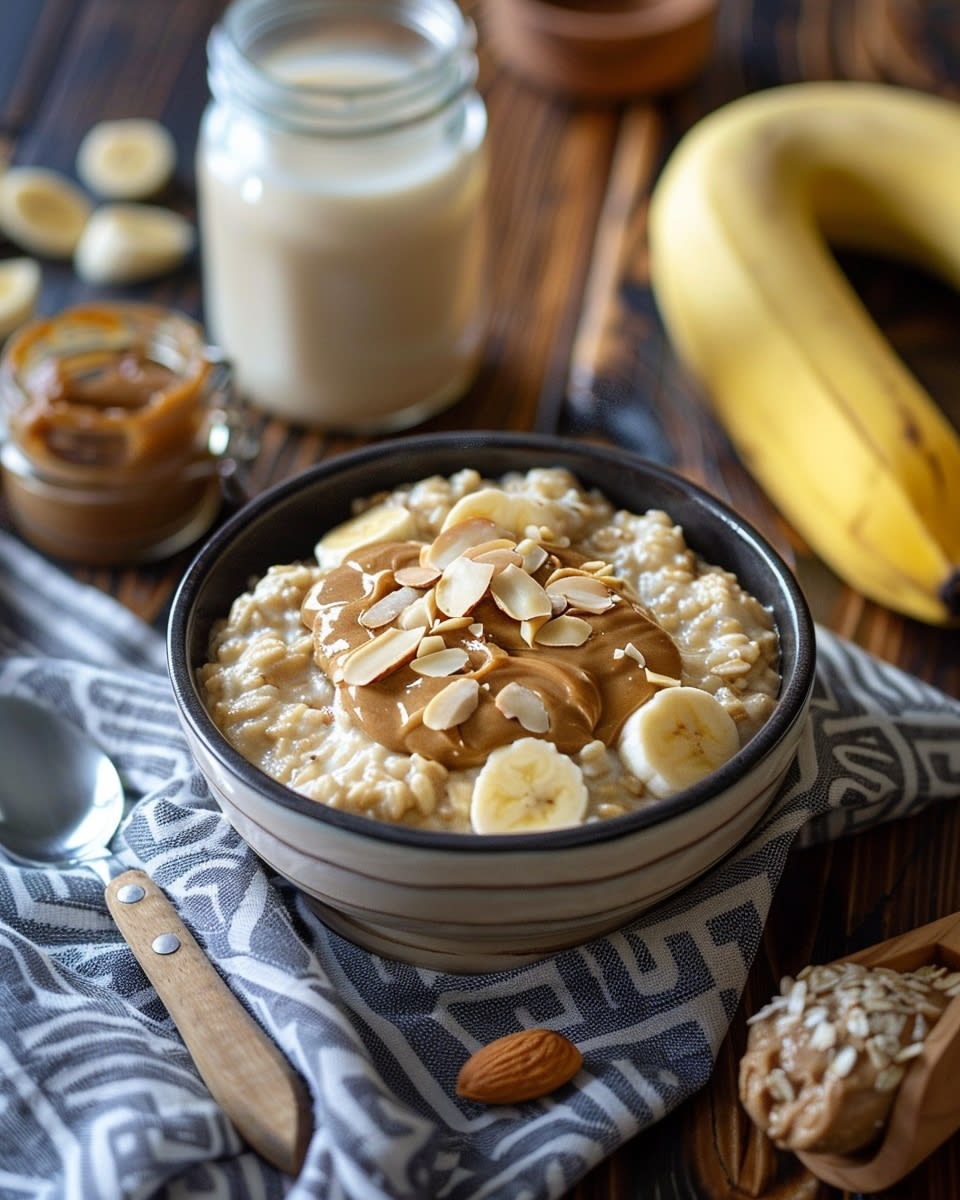
My Morning Game Plan: Protein Oatmeal with Almond Butter
I used to rush out the door every morning with just coffee in my system. By 10 AM, I’d be starving and reaching for whatever snack I could find. My energy would crash, and I’d feel foggy until lunch. Sound familiar? Everything changed when I discovered protein oatmeal with almond butter. This simple breakfast keeps me full for hours and gives me steady energy throughout the morning.
I’m Sarah, and I’ve been experimenting with healthy breakfast recipes for the past five years. I’ve tried every breakfast trend you can imagine. Green smoothies, egg muffins, chia puddings. But nothing beats a warm bowl of protein-rich oatmeal topped with creamy almond butter. It’s become my go-to meal, and I make it at least four times a week.
The combination of oats, protein, and almond butter creates the perfect balance of carbs, protein, and healthy fats. Your body gets quick energy from the oats, lasting fuel from the protein, and satisfaction from the almond butter. This trio keeps your blood sugar stable and your hunger at bay.
I love this breakfast because it’s easy to customize. You can make it sweet or savory. Add fruit, change up the toppings, or prep it the night before. The options are endless, and you’ll never get bored.
In this article, I’ll share my favorite ways to make protein oatmeal with almond butter. You’ll learn simple tips to boost the protein content. I’ll answer common questions about ingredients and preparation. Plus, I’ll give you some creative recipe ideas that will make your mornings exciting again.
Why Add Protein to Your Oatmeal?
Regular oatmeal is healthy, but it’s mostly carbohydrates. A typical bowl has only about 5 grams of protein. That’s not enough to keep most people satisfied until lunch. Your body needs protein to build and repair tissues, make enzymes, and support your immune system.
Protein is especially important at breakfast. It helps you feel full longer and prevents those mid-morning energy crashes. Studies show that eating protein in the morning can reduce cravings throughout the day. It also helps maintain muscle mass and supports a healthy metabolism.
When I started adding protein to my oatmeal, I noticed the difference immediately. I stopped getting hungry an hour after eating. My focus improved at work. I had more energy for my morning workouts. The simple change made a huge impact on my daily routine.
Here’s what happens when you eat protein-rich oatmeal for breakfast:
- You stay fuller for 3-4 hours instead of feeling hungry after just one hour
- Your blood sugar remains stable without sudden spikes and crashes
- You consume fewer calories throughout the day because you’re not constantly snacking
- Your body has the building blocks it needs to maintain and build muscle
- You get sustained energy that lasts all morning long
Most nutrition experts recommend getting 20-30 grams of protein at breakfast. Plain oatmeal falls far short of this goal. But adding protein powder, Greek yogurt, or other protein sources can easily bump up the numbers.
The fiber in oats combined with protein creates a powerful duo. Fiber slows down digestion, and protein takes longer to break down than carbs. Together, they keep your digestive system working steadily. You’ll feel satisfied without feeling stuffed or bloated.
Let me share what happened during my first week of eating high protein oatmeal. I used to snack on crackers or granola bars by 10 AM. After switching to protein oatmeal, I didn’t need those snacks anymore. I saved money and avoided empty calories. My energy stayed consistent throughout the morning, and I felt more alert during meetings.
The Almond Butter Advantage
Almond butter brings so much to this breakfast. It adds healthy fats, extra protein, and a creamy texture that makes every bite delicious. Just two tablespoons contain about 7 grams of protein and 18 grams of healthy fats.
The fats in almond butter are mostly monounsaturated fats. These are the same heart-healthy fats found in olive oil and avocados. They help reduce bad cholesterol and support brain health. Your body also needs fat to absorb certain vitamins like A, D, E, and K.
I prefer almond butter over peanut butter for a few reasons. Almond butter has more vitamins and minerals, including vitamin E, magnesium, and calcium. It has a milder, slightly sweet flavor that pairs well with both sweet and savory oatmeal. Plus, many people who are sensitive to peanuts can tolerate almonds just fine.
When you combine oatmeal with almond butter, the flavors complement each other perfectly. The nutty richness of almond butter balances the mild taste of oats. It creates a satisfying texture that feels indulgent but is actually nutritious.
The protein and fat in almond butter slow down how quickly your body digests the carbohydrates in oatmeal. This means you get a steady release of energy instead of a quick spike followed by a crash. Your blood sugar stays balanced, and you avoid that tired, sluggish feeling.
Protein oatmeal with almond butter gives you the best of all worlds. You get complex carbs for energy, protein for satiety and muscle support, and healthy fats for heart health and vitamin absorption. It’s a complete breakfast that covers all your nutritional bases.
I make this breakfast five days a week now. On weekends, I might switch things up with eggs or pancakes. But during the work week, I count on my protein oatmeal to fuel my busy mornings. It takes less than 10 minutes to prepare, and it keeps me going strong until lunchtime.
The key is finding the right balance of ingredients that works for your taste and nutritional needs. Some people like their oatmeal thick and hearty. Others prefer it thinner and more porridge-like. You can adjust the ratios until you find your perfect bowl.


Breaking Down the Almond Butter Benefits
Now that you understand why this breakfast works so well, let’s talk about what makes almond butter such a nutritional powerhouse in this dish.
First off, almond butter isn’t just about adding flavor. Though honestly, that creamy, slightly sweet taste is reason enough for me to use it. Each serving packs vitamins and minerals that most of us don’t get enough of. Vitamin E tops the list. It’s a powerful antioxidant that protects your cells from damage. Two tablespoons give you nearly half your daily vitamin E needs.
Here’s the thing about magnesium. Most people are deficient and don’t even know it. Almond butter delivers a solid dose of magnesium, which helps with everything from muscle function to sleep quality. I used to get muscle cramps after workouts until I started eating more almond butter. Coincidence? Maybe, but I’m not taking chances.
The texture transformation is wild. Plain oatmeal can be kind of boring and one-dimensional. But when you swirl in almond butter while it’s still hot, it melts into this silky, luxurious consistency. Sometimes I think it tastes like dessert, which makes rolling out of bed at 6 AM a lot easier.
Funny enough, my husband used to hate oatmeal. He called it “baby food” and refused to eat it. Then I made him a bowl with almond butter, a drizzle of honey, and some sliced bananas. He’s been hooked ever since. The almond butter completely changed his perception of what oatmeal could be.
The healthy fats in almond butter serve another purpose beyond nutrition. They make your breakfast genuinely satisfying in a way that carbs alone never could. Fat triggers satiety hormones that tell your brain you’re full. Without enough fat at breakfast, you might eat the right amount of calories but still feel hungry. It’s frustrating when that happens.
I’ve found that adding almond butter to my high protein oatmeal keeps me satisfied way longer than when I skip it. On days when I run out of almond butter and use something else, I definitely notice the difference. My stomach starts growling earlier, and I’m tempted to raid the office snack drawer before lunch.
Another bonus? Almond butter is incredibly versatile. You can buy it plain, roasted, with sea salt, or even with added flavors like vanilla or cinnamon. I keep three different varieties in my pantry and rotate them depending on my mood. The cinnamon almond butter is amazing with apple slices mixed into the oatmeal.
Some people worry about the calorie count in almond butter. Yes, it’s calorie-dense at about 190 calories per two tablespoons. But those are nutrient-rich calories that actually help you eat less overall. When I tried making low-fat oatmeal to save calories, I ended up snacking more and probably ate more calories by noon anyway.
If you’re looking for other protein-packed breakfast ideas, you might want to check out this high protein breakfast bowl with eggs that uses similar principles of balancing macros for sustained energy.
Your Step-by-Step Guide to Perfect Protein Oatmeal
Making protein oatmeal with almond butter isn’t complicated, but there are a few tricks that make all the difference between a mediocre bowl and an amazing one.
Start with your oats. I use old-fashioned rolled oats most of the time. They have the best texture and take only five minutes to cook. Quick oats work too, but they can get mushy if you’re not careful. Steel-cut oats are delicious but take forever to cook on busy mornings, so I save those for weekends.
The liquid ratio matters more than you’d think. For one serving, I use half a cup of oats with one cup of liquid. Some people like their oatmeal thicker, some prefer it thinner. Play around with it. I use half water and half unsweetened almond milk. The almond milk adds extra creaminess and a subtle nutty flavor that pairs beautifully with the almond butter.
Here’s where it gets interesting. Add your protein source while the oatmeal cooks, not after. I stir in a scoop of vanilla protein powder during the last minute of cooking. This helps it blend smoothly without clumping. If you add protein powder to already-cooked oatmeal, you’ll get weird lumps that nobody wants.
My favorite protein powder is a simple whey isolate, but plant-based proteins work great too. Pea protein, brown rice protein, or hemp protein are all solid choices. Just make sure whatever you use doesn’t have a weird aftertaste. I learned this the hard way after buying a cheap protein powder that made my oatmeal taste like chemicals.
Once your oatmeal reaches the perfect consistency, remove it from heat. Let it sit for about 30 seconds. Then add your almond butter. I use two tablespoons, but start with one if you’re new to this. Swirl it through the hot oatmeal and watch it melt into ribbons. It’s oddly satisfying to watch.
By the way, timing matters when you add sweeteners. I add a drizzle of maple syrup or honey right after the almond butter. The residual heat helps everything blend together into this cohesive, delicious mixture. Don’t add cold toppings yet though. Wait until the very end.
For those following special diets, this breakfast adapts easily. Making it vegan? Use plant-based protein powder and maple syrup instead of honey. Need it gluten-free? Just buy certified gluten-free oats. They taste exactly the same as regular oats but without the cross-contamination concerns.
The topping situation is where you can really get creative. Fresh berries add natural sweetness and antioxidants. Sliced banana gives you extra potassium and makes it feel more filling. I’m obsessed with adding a small handful of dark chocolate chips. They melt slightly from the heat and create these pockets of chocolatey goodness.
Sometimes I go the crunchy route with toppings instead. Chopped walnuts, sliced almonds, or pumpkin seeds add texture and healthy fats. A sprinkle of chia seeds or ground flaxseed boosts the fiber and omega-3 content. Hemp hearts are another favorite because they add protein without changing the flavor much.
If you want something similar but colder, consider trying a protein smoothie with peanut butter on warmer days when hot oatmeal doesn’t sound appealing.
Here’s a variation I make when I want something different. I cook the oatmeal in strong brewed coffee instead of water. Sounds weird, right? But coffee oatmeal with almond butter, a dash of cinnamon, and a touch of cocoa powder tastes like a mocha dessert. It gives me an extra caffeine boost too, which helps on those really early mornings.
Savory almond butter oatmeal is another direction worth exploring. Skip the sweet stuff entirely. Add a pinch of salt, some nutritional yeast for a cheesy flavor, and top with a fried egg and avocado slices. I know it sounds strange, but trust me on this one. It’s like a breakfast bowl that happens to have oatmeal as the base. Speaking of breakfast bowls, this egg and chicken breakfast wrap offers another savory protein-packed option.
Want to meal prep? You can make overnight oats with protein powder and almond butter. Mix everything in a jar the night before, refrigerate it, and grab it in the morning. The texture is different from cooked oatmeal—chewier and denser—but equally delicious. I add Greek yogurt to my overnight oats for even more protein. Actually, if you’re into Greek yogurt for breakfast, this Greek yogurt protein breakfast has some creative ideas worth trying.
The beauty of protein oatmeal with almond butter is that you can make it exactly how you like it. There’s no single right way. Some mornings I keep it simple with just almond butter and a pinch of cinnamon. Other days I go all out with multiple toppings and mix-ins. Both versions work perfectly fine.
One last tip that changed everything for me. Make a bigger batch of plain oatmeal at once. Store it in the fridge for up to five days. Each morning, reheat a portion with a splash of milk, then add your protein powder and almond butter. This cuts your morning prep time down to literally two minutes. Game changer for rushed weekday mornings.


Your Questions About Protein Oatmeal Answered
Let me address the questions I get asked all the time about making protein oatmeal with almond butter. These are the same things I wondered about when I first started experimenting with this breakfast.
The nut butter question comes up constantly. People want to know if they’re stuck with almond butter or if they can branch out. Here’s the truth. Any nut or seed butter works beautifully. Peanut butter is the obvious choice and it’s usually cheaper than almond butter. Cashew butter has this mild, creamy sweetness that’s perfect if you don’t love strong nutty flavors. Sunflower seed butter is fantastic for people with nut allergies, and it has a similar consistency to almond butter.
I’ve tried them all honestly. Last month I went through a tahini phase where I added sesame seed butter to everything. Mixed with a little honey and cinnamon in oatmeal, it tastes like halva. My friend brought me pistachio butter from a specialty store, and that was incredible too, though way too expensive to use regularly. The point is, don’t feel limited. Swap in whatever nut or seed butter you have on hand or prefer taste-wise.
Protein powder selection confuses a lot of people. Walking down the supplement aisle can feel overwhelming with hundreds of options screaming at you from the shelves. My advice? Start simple. Plain vanilla whey protein is my go-to because it blends smoothly and doesn’t have a weird aftertaste. If you’re lactose intolerant or vegan, try pea protein or a blend of plant proteins. Rice protein works but can be gritty sometimes.
Here’s what I learned the hard way. Avoid protein powders with tons of artificial ingredients and fillers. Read the label. If you can’t pronounce half the ingredients, skip it. Also, some protein powders are loaded with artificial sweeteners that give people headaches or stomach issues. I had to switch brands three times before finding one that didn’t make me feel weird after eating it.
Collagen protein is another option I’ve been experimenting with lately. It doesn’t add much flavor and dissolves completely into hot liquid. The amino acid profile is different from whey or plant proteins, but it still boosts the overall protein content. Plus it’s supposed to be good for your skin and joints. I’m not sure if that’s actually working for me yet, but my oatmeal tastes fine with it, so I keep using it.
The weight loss question is tricky because everyone’s body responds differently to foods. But I’ll tell you what happened to me. When I switched to eating high-protein oatmeal for breakfast instead of cereal or pastries, I naturally started eating less throughout the day. I wasn’t consciously trying to lose weight, but I dropped about eight pounds over three months without really trying. My clothes fit better and I had more energy.
The reason it works for weight management is pretty straightforward. Protein and fiber keep you full, so you’re less likely to overeat later. The healthy fats from almond butter provide satisfaction that prevents cravings. You’re not restricting yourself or feeling deprived, which makes it sustainable long-term. Crash diets fail because you can’t maintain them forever. But eating a filling, nutritious breakfast? That’s easy to stick with.
That said, portion control still matters. If you dump half a jar of almond butter into your oatmeal and add a cup of granola plus chocolate chips, you’re probably overdoing it. I measure my almond butter with an actual tablespoon instead of eyeballing it. Two tablespoons is plenty to get the benefits without going overboard on calories.
By the way, fitting this meal into a balanced diet is actually easier than you might think. Breakfast should be about 25-30% of your daily calories for most people. A bowl of protein oatmeal with almond butter typically lands between 350-450 calories depending on your add-ins. That’s perfect for breakfast. You’re getting complex carbs, protein, healthy fats, and fiber all in one meal. It checks all the boxes nutritionally.
For the rest of the day, I try to eat plenty of vegetables, lean proteins, and whole foods. Lunch might be a big salad with grilled chicken. Dinner could be salmon with roasted vegetables and quinoa. Having such a solid breakfast foundation makes it easier to make good choices later because I’m not desperately hungry and grabbing whatever’s convenient.
Creative serving ideas are where things get really fun. I’ve gone down some interesting rabbit holes with this breakfast. One of my favorite discoveries is baked oatmeal cups. You mix all your ingredients including the protein powder and almond butter, portion them into muffin tins, and bake them. They come out like little oatmeal cakes that you can grab and go. Perfect for eating in the car or at your desk.
Another game changer is the oatmeal smoothie bowl. Sounds contradictory, right? But blend cooled oatmeal with frozen fruit, protein powder, almond butter, and milk. Pour it into a bowl and add toppings. You get the nutrition of oatmeal with the refreshing quality of a smoothie. It’s amazing in summer when hot oatmeal sounds unappealing.
Savory breakfast bowls are seriously underrated in my opinion. Make your oatmeal with protein powder, add a swirl of almond butter, then top it with savory ingredients. I’m talking sautéed mushrooms, cherry tomatoes, a poached egg, and some crumbled feta cheese. Or try it with roasted sweet potato cubes, black beans, avocado, and a drizzle of hot sauce. Your mind might resist at first because we’re so conditioned to think oatmeal equals sweet, but your taste buds will thank you.
The coffee shop version is my weekend treat. I make extra-creamy oatmeal with a shot of espresso mixed in. Add almond butter, a tiny bit of cocoa powder, and top with whipped cream and a sprinkle of cinnamon. It tastes like a fancy café drink but in breakfast form. My sister tried this and now she makes it every Sunday morning while reading the newspaper.
Proper storage matters more than people realize, especially if you’re meal prepping. Cooked oatmeal keeps in the fridge for up to five days in an airtight container. Make sure you’re following proper food storage guidelines to keep your prepped meals safe. I portion mine into individual glass containers so I can just grab one each morning. Add a splash of milk when reheating because it dries out a bit in the fridge.
Here’s something nobody told me when I started. The temperature matters when you add almond butter. If your oatmeal is too hot, the almond butter turns liquidy and just pools at the bottom. If it’s too cool, it won’t incorporate well and you get clumps. The sweet spot is letting your oatmeal cool for about 30-60 seconds after removing it from heat. Then add the almond butter and swirl it through. Perfect consistency every time.
Texture preferences vary wildly between people. My husband likes his oatmeal thick enough to stand a spoon up in it. I prefer mine a bit looser and more porridge-like. Neither way is wrong. Adjust your liquid ratio until you find what makes you happy. Start with the standard ratio I mentioned earlier, then tweak it next time based on your preference.
The topping situation can get out of hand if you’re not careful. I used to pile on so many toppings that I couldn’t even see the oatmeal underneath. Now I pick two or three max. Fresh fruit for vitamins, a crunchy element like nuts for texture, and maybe a small drizzle of honey for sweetness. That’s it. Keep it simple and let the almond butter oatmeal shine through.
Funny enough, my kids fought me on oatmeal for years. They wanted sugary cereal every morning, and I was tired of the battle. Then I started making what I call “cookie dough oatmeal.” Vanilla protein powder, almond butter, a handful of mini chocolate chips, and a tiny bit of brown sugar mixed in. They devour it now and think they’re getting dessert for breakfast. Little do they know they’re actually eating something nutritious.
If you’re looking for more ways to keep breakfast interesting throughout the week, you might want to explore other high protein breakfast options that can complement your oatmeal routine on days when you want variety.
One more thing I wish someone had told me earlier. Investing in good quality oats makes a difference. The cheap store-brand oats from a huge container are fine, but organic rolled oats have better flavor and texture. They’re not dramatically more expensive, and since oatmeal is already such an affordable breakfast, spending a bit extra on quality oats is worth it.
Final Thoughts on Your Morning Bowl
Starting your day with protein oatmeal with almond butter might seem like a small change, but small changes compound over time into something significant. Give it a real shot for at least two weeks before deciding if it works for you. Your body needs time to adjust to any new routine, and your taste preferences might evolve as you experiment with different variations. Trust me, you’ll find a version that becomes your new morning ritual.
Frequently Asked Questions
Can I make protein oatmeal without protein powder?
Absolutely! Greek yogurt is my favorite alternative. Stir in half a cup of plain Greek yogurt after cooking your oatmeal for about 15 grams of protein. Cottage cheese works too, though the texture is a bit different. You can also increase the almond butter to three tablespoons and add a handful of nuts or seeds. Mix in some chia seeds or hemp hearts for extra protein. The combination of these ingredients can get you to 20+ grams of protein without any powder at all.
What’s the best time to eat protein oatmeal for maximum benefits?
Morning is ideal because your body has been fasting overnight and needs fuel to start the day. Eating protein at breakfast helps control appetite and energy levels for hours. That said, I sometimes eat it as a pre-workout meal about an hour before exercising. The combination of carbs and protein provides great workout fuel. Some people even enjoy it as a post-workout recovery meal. There’s no wrong time really, but breakfast gives you the most practical benefits for managing hunger throughout your day.
How do I prevent my oatmeal from becoming too thick or gummy?
The trick is watching your oat-to-liquid ratio and not overcooking. Use one part oats to two parts liquid as your starting point. If it gets too thick while cooking, just add more liquid bit by bit until you reach your preferred consistency. Overcooking makes oats release more starch, which creates that gummy texture. Quick oats are more prone to this than rolled oats. Remove your oatmeal from heat as soon as it reaches the thickness you want because it continues to thicken as it sits.
Is this breakfast suitable for people with diabetes?
It can be an excellent choice for managing blood sugar, but portion sizes matter. The combination of protein, healthy fats, and fiber slows down how quickly your body absorbs the carbohydrates from oats. This creates a more gradual rise in blood sugar instead of a spike. Skip or minimize added sweeteners, and consider using steel-cut oats which have a lower glycemic index than rolled oats. Always check with your doctor or dietitian about how this fits into your specific meal plan. Monitor your blood sugar response the first few times you try it to see how your body reacts.
Can I use instant oats instead of rolled oats?
You can, but the texture won’t be quite as good. Instant oats are more processed and break down faster during cooking, which can make them mushy. They also have a higher glycemic index than rolled oats, meaning they may cause a quicker blood sugar spike. If instant oats are all you have, just use less cooking time and maybe reduce your liquid slightly. Steel-cut oats are on the opposite end of the spectrum and offer the best texture and nutrition, but they take much longer to cook unless you have an Instant Pot or make them overnight.
What if I don’t like the taste of protein powder in my oatmeal?
Not all protein powders taste good in oatmeal, so finding the right one matters. Vanilla and unflavored work best in my experience. Chocolate can work with the right toppings, but fruity flavors taste weird to me in oatmeal. Try mixing your protein powder with a small amount of cold liquid first to make a paste, then stirring that into your hot oatmeal. This helps with both taste and texture. Or skip the powder entirely and get your protein from Greek yogurt, cottage cheese, egg whites cooked into the oatmeal, or extra nut butter instead.
How many calories are in a typical serving of protein oatmeal with almond butter?
A basic serving with half a cup of dry oats, one scoop of protein powder, and two tablespoons of almond butter contains roughly 400-450 calories. That breaks down to about 150 calories from oats, 100-120 from protein powder, and 180-200 from almond butter. Add toppings like fruit, honey, or chocolate chips, and you’re looking at 450-550 calories total. This range is perfect for most people’s breakfast needs. You can adjust portions based on your specific calorie requirements, activity level, and overall daily intake goals.
Can I eat this every day or should I rotate my breakfasts?
I eat some version of protein oatmeal five days a week and haven’t gotten sick of it yet because I vary the toppings and flavors. Nutritionally, it’s balanced enough to eat daily without issues. That said, eating a variety of foods ensures you get a wider range of nutrients over time. If you love it and it works for you, go ahead and eat it every day. If you start feeling bored, rotate in other high-protein breakfasts a few days per week. Listen to your body and your taste buds. There’s no rule saying you must have variety, but there’s also no rule against it.
What’s the best way to meal prep protein oatmeal for the week?
I cook a big batch of plain oatmeal on Sunday and divide it into five containers. Each morning I reheat one portion with a splash of milk, then add my protein powder and almond butter. This method keeps the texture better than adding everything before storing. Overnight oats are another great prep method where you mix everything cold and let it sit in the fridge overnight. Make five jars at once for grab-and-go breakfasts. Both methods save tons of time on busy mornings. Just make sure you’re storing everything properly in airtight containers in the fridge.
Does heating protein powder destroy the protein?
No, heating protein powder doesn’t destroy the protein itself. Heat can denature proteins, which means it changes their structure, but it doesn’t eliminate the amino acids your body uses. Think about it – you eat cooked eggs and meat all the time, and those proteins are denatured by heat too. Your body still digests and uses them just fine. The only concern is that some protein powders clump badly when added to hot liquids. That’s a texture issue, not a nutrition problem. Add it during the last minute of cooking or let your oatmeal cool slightly first to avoid clumping.
Ingredients
Equipment
Method
- In a saucepan, combine oats with water or almond milk and bring to a boil.
- Once boiling, reduce heat and let oatmeal simmer for about 5 minutes until desired consistency is reached.
- Stir in protein powder during the last minute of cooking to avoid clumping.
- Remove from heat and let sit for 30 seconds.
- Add almond butter and swirl it through the hot oatmeal until melted.
- Add sweetener if desired and mix well.
- Top with your choice of fresh fruits, nuts, or seeds, and serve immediately.