
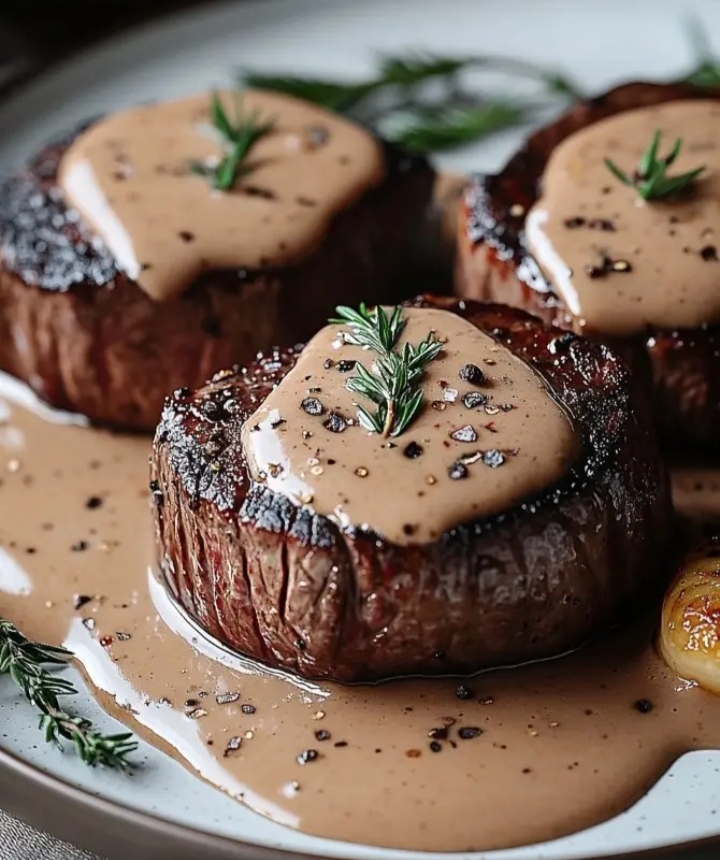
Why Pan-Seared Filet Mignon is a Game-Changer for Your Dinner Table
Picture this: it’s date night, and you’re torn between going out or staying in. Then it hits you—why not whip up something that feels like a restaurant-quality meal but in the comfort of your own kitchen? That’s exactly what happened to me last weekend. I decided to try my hand at Pan-Seared Filet Mignon with Shallot and Peppercorn Sauce, and let me tell you, it was love at first bite. The tender filet mignon paired with the creamy, peppery sauce made the evening unforgettable. If you’re looking to impress someone (or just treat yourself), this dish is your golden ticket.
A Little History Behind This Elegant Dish
Filet mignon, often called the “king of steaks,” hails from the tenderloin section of beef. It’s prized for its buttery texture and mild flavor, making it a favorite among chefs and home cooks alike. While the French coined the term “filet mignon,” meaning “dainty fillet,” this cut has been celebrated worldwide in various forms. Traditionally, it’s served with simple seasonings to let the meat shine, but adding a rich shallot and peppercorn sauce elevates it to new heights. I remember my first encounter with this dish at a fancy French bistro years ago—it was so good that I had to recreate it at home. And now, I’m sharing my perfected version with you!
Why You’ll Love This Recipe
This recipe is all about balance. The filet mignon is seared to perfection, creating a caramelized crust while keeping the inside juicy and tender. The shallot and peppercorn sauce adds layers of flavor—earthy, spicy, and creamy all at once. Best of all? It only takes 25 minutes from start to finish! Whether you’re a seasoned cook or a beginner, this dish is approachable yet impressive enough to wow anyone who tastes it.
Perfect Occasions to Prepare This Recipe
Pan-Seared Filet Mignon is perfect for special occasions like anniversaries, Valentine’s Day, or even a cozy dinner party. But honestly, why wait for a holiday? Treat yourself on a random Tuesday—you deserve it! I’ve served this dish during family gatherings, and everyone raved about how restaurant-worthy it felt. Pair it with mashed potatoes or roasted veggies, and you’ve got a meal fit for royalty.
Ingredients You’ll Need
- For the Filet Mignon:
- 4 filets mignons (about 170g each, 4 cm thick)
- Salt and freshly ground black pepper, to taste
- 2 tablespoons olive oil
- For the Shallot and Peppercorn Sauce:
- 1 tablespoon butter
- 60 ml finely chopped shallots (about ¼ cup)
- 1 tablespoon crushed black peppercorns
- 120 ml beef broth (about ½ cup)
- 240 ml heavy cream (about 1 cup)
- Salt, to taste
Substitution Options
If you can’t find filet mignon, substitute with ribeye or sirloin steaks. For a dairy-free option, swap the heavy cream with coconut milk. Olive oil can be replaced with avocado oil, and beef broth can be substituted with vegetable broth if needed. Feel free to adjust the amount of peppercorns based on your spice tolerance.
Step-by-Step Preparation
Step 1: Seasoning the Filet Mignon
Start by generously seasoning your filet mignons with salt and freshly ground black pepper. Don’t skimp on the seasoning—it’s what builds the flavor foundation. I always pat the steaks dry with paper towels before seasoning; this helps achieve that beautiful golden crust later. Pro tip: Let the steaks sit at room temperature for 15-20 minutes before cooking. This ensures they cook evenly.
Step 2: Searing the Filet Mignon
Heat the olive oil in a heavy skillet over medium-high heat. Once the oil shimmers, carefully add the filets. Listen for that satisfying sizzle—it means you’re doing it right! Cook them for about 4-5 minutes per side for medium-rare. Resist the urge to move them around too much; letting them sear undisturbed creates that crave-worthy crust. Remove the steaks and let them rest while you prepare the sauce.
Step 3: Softening the Shallots
In the same skillet, reduce the heat to medium and melt the butter. Add the chopped shallots and sauté until they turn soft and translucent. The aroma of caramelizing shallots will fill your kitchen, making everyone hungry. Take your time here—rushing might burn the shallots, and we don’t want that!
Step 4: Adding the Peppercorns
Stir in the crushed black peppercorns and cook for another minute. The peppercorns release their fragrance, adding a bold kick to the sauce. Be mindful not to inhale too deeply unless you enjoy sneezing fits—I speak from experience!
Step 5: Deglazing the Pan
Pour in the beef broth to deglaze the pan, scraping up any browned bits stuck to the bottom. These bits are packed with flavor, so don’t skip this step. Bring the mixture to a simmer, allowing it to reduce slightly.
Step 6: Finishing the Sauce
Add the heavy cream and bring the sauce to a gentle boil. Let it thicken for 5-7 minutes, stirring occasionally. Taste and adjust the seasoning with salt if needed. The sauce should coat the back of a spoon—this is your sign that it’s ready.
Step 7: Plating and Serving
Slice the rested filet mignons and place them on warm plates. Spoon the shallot and peppercorn sauce generously over the top. Garnish with fresh thyme or parsley for a pop of color. Serve immediately and watch the smiles unfold.
Chef’s Tip
To enhance the flavors, toast the peppercorns lightly in a dry skillet before crushing them. This releases their essential oils and intensifies their aroma. Trust me, it makes a difference!
Timing Breakdown
- Preparation Time: 10 minutes
- Cooking Time: 15 minutes
- Total Time: 25 minutes
An Interesting Fact About Filet Mignon
Did you know that filet mignon comes from the smallest part of the cow? Because it’s so lean and tender, it’s considered one of the most luxurious cuts of beef. However, due to its lack of fat, it’s also one of the trickiest to cook perfectly. Mastering this recipe means you’ve joined an exclusive club of culinary wizards!
Necessary Equipment
- Heavy-bottomed skillet or cast-iron pan
- Tongs for flipping the steaks
- Wooden spoon or spatula for stirring
- Measuring cups and spoons
Storage Tips
If you happen to have leftovers (unlikely, but possible!), store the filet mignon and sauce separately in airtight containers. The steak can be refrigerated for up to two days, while the sauce lasts about three days. Reheat gently on the stovetop to preserve the texture and flavor.
Freezing isn’t recommended for this dish, as the delicate nature of the filet mignon may affect its quality upon thawing. However, if you must freeze, wrap the steak tightly in plastic wrap and then foil to prevent freezer burn.
When reheating, avoid microwaving, as it can make the meat tough. Instead, warm it slowly in a skillet with a splash of broth to keep it moist.
Tips and Advice
- Use a meat thermometer to ensure accuracy. Aim for 130°F (54°C) for medium-rare.
- Don’t overcrowd the pan when searing the steaks. Cook in batches if necessary.
- Let the filets rest for at least 5 minutes after cooking to retain their juices.
Presentation Ideas
- Garnish with microgreens or edible flowers for a touch of elegance.
- Serve on a slate board or wooden platter for a rustic vibe.
- Pair with a glass of red wine, such as Cabernet Sauvignon, for a complete dining experience.
Healthier Alternatives
- Grilled Filet Mignon: Skip the skillet and grill the steaks for a smoky twist.
- Low-Sodium Version: Use low-sodium beef broth and omit added salt.
- Vegan Option: Replace the filet mignon with portobello mushrooms and use cashew cream for the sauce.
- Lightened-Up Sauce: Substitute half-and-half for heavy cream.
- Herb-Crusted Filet: Coat the steaks with a mix of breadcrumbs, Parmesan, and herbs before searing.
- Asian-Inspired Twist: Add ginger, soy sauce, and sesame oil to the sauce for an umami-packed variation.
Common Mistakes to Avoid
Mistake 1: Overcooking the Filet Mignon
Overcooked filet mignon becomes tough and loses its appeal. To avoid this, monitor the internal temperature closely and remove the steaks from the heat just before they reach your desired doneness. They’ll continue cooking slightly as they rest.
Mistake 2: Skipping Resting Time
Rushing to slice into the steak right after cooking causes the juices to spill out, leaving you with a dry piece of meat. Patience pays off—let the steaks rest for at least 5 minutes.
Mistake 3: Using Low-Quality Ingredients
Since this dish relies heavily on the quality of the ingredients, opt for premium filet mignon and fresh shallots. Cheap cuts or stale spices won’t do justice to this elegant recipe.
Frequently Asked Questions
What does filet mignon taste like?
Filet mignon has a mild, buttery flavor and is incredibly tender. Its subtle taste pairs beautifully with bold sauces like the shallot and peppercorn sauce in this recipe.
Can I use pre-ground pepper instead of whole peppercorns?
While pre-ground pepper works in a pinch, using whole peppercorns provides a fresher, more robust flavor. Crushing them yourself allows you to control the coarseness, which enhances the dish’s texture.
How do I know when the filet mignon is done?
The best way to check doneness is with a meat thermometer. For medium-rare, aim for an internal temperature of 130°F (54°C). Alternatively, press the steak gently—if it feels soft and springy, it’s likely medium-rare.
Is filet mignon healthy?
Filet mignon is relatively lean compared to other cuts of beef, making it a healthier choice. However, pairing it with rich sauces or sides can increase the calorie count. Balance is key!
Can I make the sauce ahead of time?
Yes, you can prepare the sauce a few hours in advance and reheat it gently before serving. Just give it a good stir to reincorporate any separated cream.
What sides go well with this dish?
Classic pairings include mashed potatoes, roasted vegetables, or a crisp green salad. For a fancier touch, serve garlic bread or truffle fries alongside.
How do I crush peppercorns without a mortar and pestle?
No problem! Place the peppercorns in a zip-top bag and crush them with the bottom of a heavy skillet or rolling pin. Easy peasy!
Can I double the recipe?
Absolutely! Simply multiply the ingredient quantities and cook in batches to avoid overcrowding the pan. Adjust the sauce consistency by adding more cream or broth as needed.
What type of skillet should I use?
A heavy-bottomed skillet or cast-iron pan works best. These distribute heat evenly and help create that coveted crust on the steaks.
Can I use dried shallots instead of fresh ones?
While fresh shallots provide superior flavor, dried shallots can work in a pinch. Rehydrate them briefly in warm water before using to soften their texture.
Final Thoughts
There’s something magical about Pan-Seared Filet Mignon with Shallot and Peppercorn Sauce. It’s a dish that feels indulgent yet achievable, perfect for both everyday celebrations and extraordinary moments. With its rich flavors, quick prep time, and stunning presentation, this recipe deserves a spot in your repertoire. So grab your skillet, channel your inner chef, and get ready to dazzle your taste buds—and maybe a few lucky guests too!
Pan-Seared Filet Mignon
Ingredients
Equipment
Method
- Generously season the filet mignons with salt and pepper, and let them sit at room temperature for 15-20 minutes.
- Heat olive oil in a heavy skillet over medium-high heat, then add the filets and cook for 4-5 minutes per side for medium-rare.
- Remove the steaks and let them rest while preparing the sauce.
- In the same skillet, reduce heat to medium, melt the butter, and sauté the chopped shallots until soft and translucent.
- Stir in the crushed black peppercorns and cook for another minute.
- Pour in the beef broth to deglaze the pan, scraping up any browned bits, and bring it to a simmer.
- Add the heavy cream and let the sauce thicken for 5-7 minutes, stirring occasionally, then adjust seasoning with salt if needed.
- Slice the rested filet mignons and serve on warm plates, spooning the shallot and peppercorn sauce over the top.