
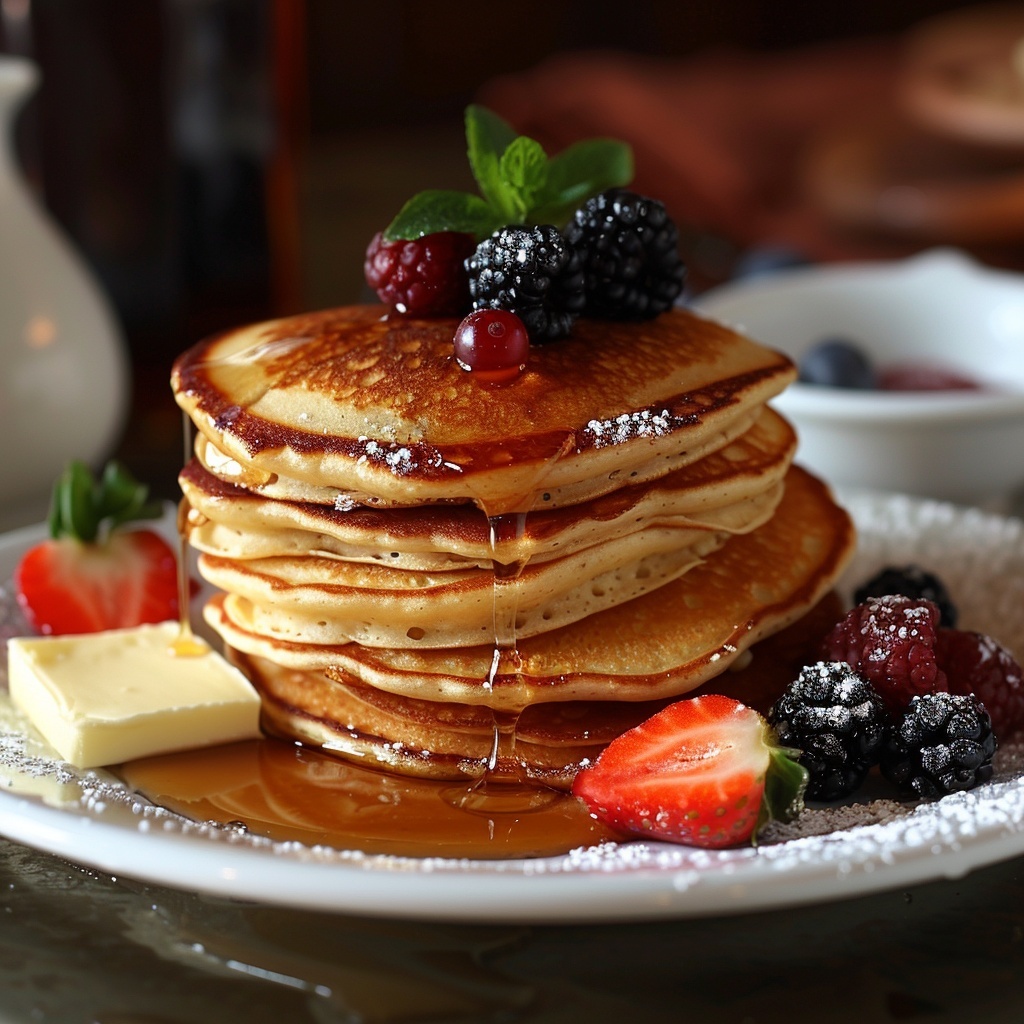
There’s something magical about waking up on a lazy Saturday morning to the smell of pancakes sizzling on the griddle. The first time my daughter learned to flip a pancake without my help, she squealed so loud the neighbors probably thought we’d won the lottery. That’s the power of a great pancake recipe—it brings pure joy to your kitchen. Today, I’m sharing my tried-and-true recipe for Fluffy Buttermilk Pancakes with Maple Syrup, the kind that makes everyone fight over the last one on the plate.
What Makes These Buttermilk Pancakes So Special
These aren’t just any pancakes. These are the kind of fluffy, golden-brown beauties that make your family think you’ve secretly trained at a fancy brunch restaurant. The secret lies in the buttermilk, which reacts with the leavening agents to create those gorgeous air pockets that give you that cloud-like texture. I’ve been making these pancakes for over a decade, tweaking and perfecting the recipe until it became the version my kids now request for every birthday breakfast. The combination of tangy buttermilk and sweet maple syrup creates a flavor balance that’s simply perfect. What I love most is how forgiving this recipe is—even if you’re not a morning person fumbling around before your first coffee, you can still nail these pancakes.
The Sweet History Behind Buttermilk Pancakes
Pancakes have been around since ancient times, but the American-style buttermilk pancake we know and love today became popular in the 1800s. Back then, buttermilk was the liquid leftover from churning butter, and frugal homemakers found it made incredibly tender pancakes. Before baking powder became common, cooks used pearl ash or saleratus (early leavening agents) to get that rise. The traditional buttermilk pancake was thinner than what we make today, closer to a crepe.
Modern buttermilk pancakes evolved in the early 1900s when baking powder became widely available in American homes. This changed everything—suddenly pancakes could be thick, fluffy, and tall. Diners and breakfast joints across America made stacks of pancakes their signature dish. Today, you’ll find regional variations everywhere, from blueberry pancakes in Maine to cornmeal pancakes in the South. But the classic buttermilk version remains the gold standard. My grandmother used to make these every Sunday after church, and she’d tell stories about how her mother made them on a cast iron skillet over a wood stove. That tradition lives on in my kitchen, just with a bit more convenience.
Why You’ll Fall in Love with This Recipe
First off, these pancakes are genuinely fluffy—not dense, not rubbery, just perfectly light and airy. The buttermilk gives them a slight tang that balances beautifully with sweet maple syrup. You can make the batter in under 10 minutes, which means you’re not spending your entire morning in the kitchen. The ingredients are simple and probably already in your pantry right now. No fancy equipment needed, no complicated techniques to master.
What really sells this recipe is how it makes people feel. There’s something about homemade pancakes that says “I care about you” without having to say it out loud. My husband, who usually grabs a granola bar and runs out the door, will actually sit down for a proper breakfast when I make these. The texture stays fluffy even as they cool, so latecomers to the breakfast table still get a great pancake. Plus, kids can help with the mixing and pouring, making it a fun family activity. The satisfaction of watching that batter bubble and puff up on the griddle never gets old, even after making these hundreds of times.
Perfect Occasions for Serving Fluffy Buttermilk Pancakes
These pancakes shine brightest during weekend breakfast or brunch when you have time to enjoy the cooking process and eat together as a family. They’re perfect for birthday mornings—there’s no better way to start someone’s special day than with a stack of homemade pancakes. I always make these for holiday breakfasts like Christmas morning or Easter brunch when the whole family gathers.
They’re also wonderful for “breakfast for dinner” nights when you want something comforting and quick. Sleepover mornings are another great time to whip up a batch—your kids will be the coolest host when their friends wake up to fresh pancakes. I’ve made these for new parents who need a comforting meal, for friends going through tough times, and for celebration breakfasts when someone gets a promotion or good news. Honestly, you don’t need a special occasion. Sometimes Tuesday needs pancakes just because.
Ingredients for the Best Buttermilk Pancakes
- 2 cups all-purpose flour
- 2 tablespoons granulated sugar
- 2 teaspoons baking powder
- 1 teaspoon baking soda
- 1/2 teaspoon salt
- 2 cups buttermilk (cold from the refrigerator)
- 2 large eggs (room temperature)
- 1/4 cup melted butter (plus extra for the griddle)
- 1 teaspoon vanilla extract
- Pure maple syrup for serving
Smart Substitution Options for Your Pancakes
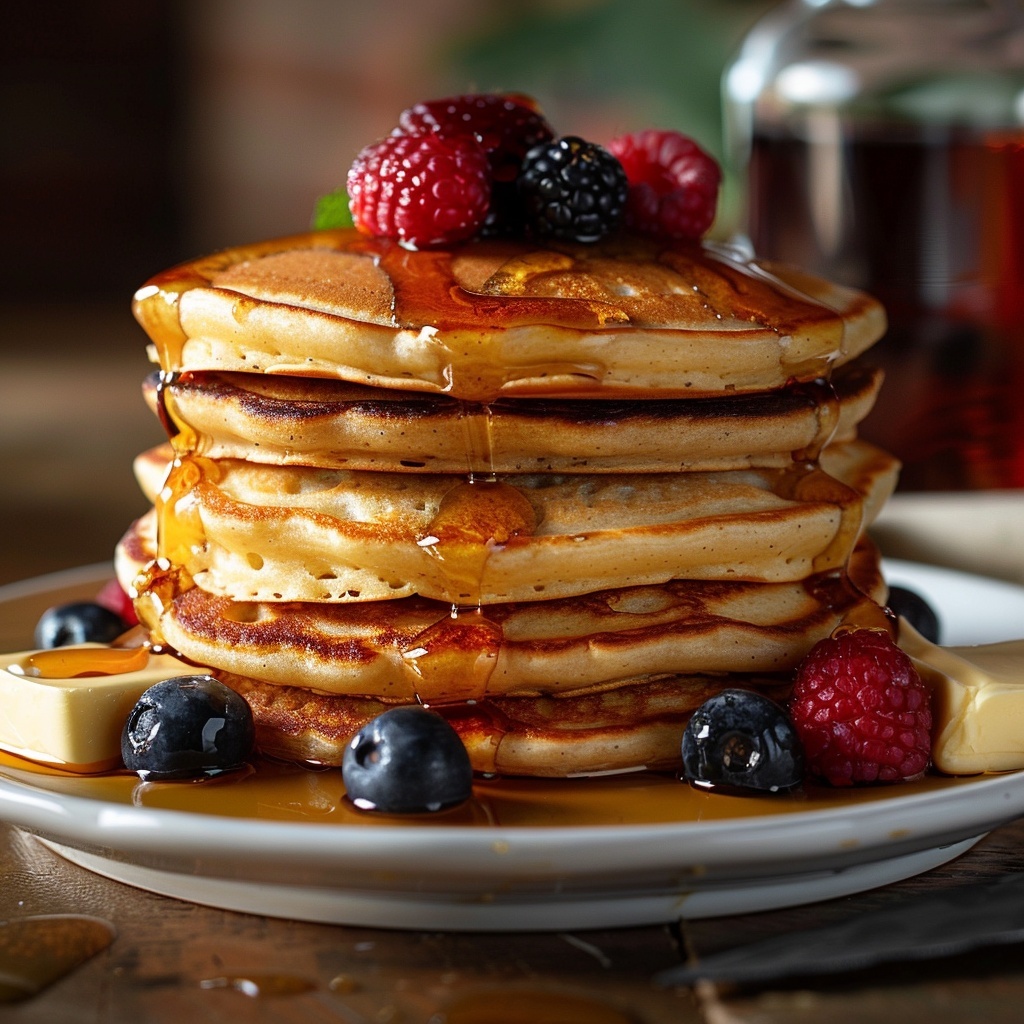
If you don’t have buttermilk on hand, you can make a substitute by adding 2 tablespoons of white vinegar or lemon juice to regular milk and letting it sit for 5 minutes. This creates the same acidity that makes pancakes fluffy. For a dairy-free version, use almond milk or oat milk with the vinegar trick—it works surprisingly well. If you’re out of butter, vegetable oil or melted coconut oil work fine, though you’ll lose some of that rich buttery flavor.
You can swap all-purpose flour for whole wheat flour, but use half whole wheat and half all-purpose for the best texture—100% whole wheat makes them dense. For a gluten-free version, use a 1-to-1 gluten-free baking flour blend. If you need an egg substitute, use flax eggs (1 tablespoon ground flaxseed mixed with 3 tablespoons water per egg) or mashed banana. The sugar can be replaced with honey or maple syrup, just reduce the buttermilk by a tablespoon or two to compensate for the extra liquid. I’ve even used Greek yogurt thinned with milk when I ran out of buttermilk, and it worked beautifully.
How to Make Perfect Fluffy Buttermilk Pancakes
Step 1: Mix Your Dry Ingredients
Grab a large mixing bowl and whisk together the flour, sugar, baking powder, baking soda, and salt until everything is evenly distributed. This step is more important than it seems—you want those leavening agents spread throughout the flour so every pancake rises consistently. I like to whisk for a good 20 seconds to make sure there are no clumps of baking powder hiding in corners. The dry mixture should look uniform and slightly fluffy from all that whisking. This is a great step to let kids help with since there’s no risk of making a mess.
Pro tip: If your baking powder is old, test it by dropping a bit into hot water. If it fizzes actively, it’s still good. Dead baking powder means flat pancakes.
Step 2: Prepare the Wet Ingredients
In a separate medium bowl, whisk together the cold buttermilk, eggs, melted butter, and vanilla extract until the mixture is smooth and the eggs are fully incorporated. The buttermilk should be cold from the fridge—this helps create steam when it hits the hot griddle, making fluffier pancakes. Make sure your melted butter isn’t too hot or it’ll cook the eggs when you mix them. I usually let the butter cool for a minute or two after melting. The mixture should look slightly frothy and pale yellow once everything is combined.
Pro tip: Room temperature eggs mix more easily and create better texture. If you forgot to take them out, just place them in a bowl of warm water for five minutes.
Step 3: Combine Wet and Dry Ingredients
Pour the wet ingredients into the bowl with the dry ingredients and gently fold them together using a rubber spatula or wooden spoon. This is where people often mess up—you do NOT want to overmix. Stir just until the flour is moistened and you no longer see dry patches. The batter should be lumpy, and that’s perfect. Those lumps are your friends—they mean you haven’t developed the gluten in the flour, which would make tough pancakes. A few streaks of flour are totally fine. The batter will look thick and slightly bubbly. Let it rest for 5 minutes while you heat up your griddle. During this time, the baking powder and baking soda start working their magic.
Pro tip: If the batter seems too thick after resting, add a tablespoon or two of buttermilk. It should pour slowly but steadily, like thick cream.
Step 4: Heat Your Griddle or Pan
Place your griddle or large skillet over medium heat and let it warm up for at least 3-4 minutes. This preheating step ensures even cooking and those beautiful golden spots. Add a small pat of butter and let it melt, swirling it around to coat the surface. The griddle is ready when a drop of water sizzles and dances across the surface. If it evaporates immediately, the heat is too high. If it just sits there, give it more time. You want that sweet spot where the butter foams but doesn’t brown too quickly. I keep my heat at medium or just slightly below—high heat burns the outside before the inside cooks.
Pro tip: Wipe excess butter with a paper towel, leaving just a thin coating. Too much butter makes the pancakes greasy rather than golden.
Step 5: Pour and Cook the First Side
Using a 1/4 cup measuring cup or ladle, pour the batter onto the griddle, spacing the pancakes a few inches apart so they have room to spread slightly. You should hear a gentle sizzle when the batter hits the surface. Watch as tiny bubbles start forming across the top of the pancake—this usually takes about 2-3 minutes. The edges will begin to look dry and set. When bubbles form all across the surface and start to pop, leaving little holes that don’t fill back in, your pancake is ready to flip. The bottom should be a gorgeous golden brown with those characteristic darker spots.
Pro tip: Don’t press down on the pancakes with your spatula. This squeezes out all those air bubbles you worked so hard to create.
Step 6: Flip and Finish Cooking
Slide your spatula under the pancake and flip it with confidence in one smooth motion. The second side cooks faster, usually just 1-2 minutes. You’ll know it’s done when the pancake feels springy when you gently press the center and the bottom matches that beautiful golden color. The pancake should have puffed up nicely and feel light when you lift it. Transfer to a plate and repeat with the remaining batter, adding more butter to the griddle as needed. I keep finished pancakes warm in a 200°F oven on a baking sheet while I cook the rest.
Pro tip: The first pancake is often a test pancake. Don’t worry if it’s not perfect—it helps you gauge if your heat is right.
Step 7: Serve with Maple Syrup
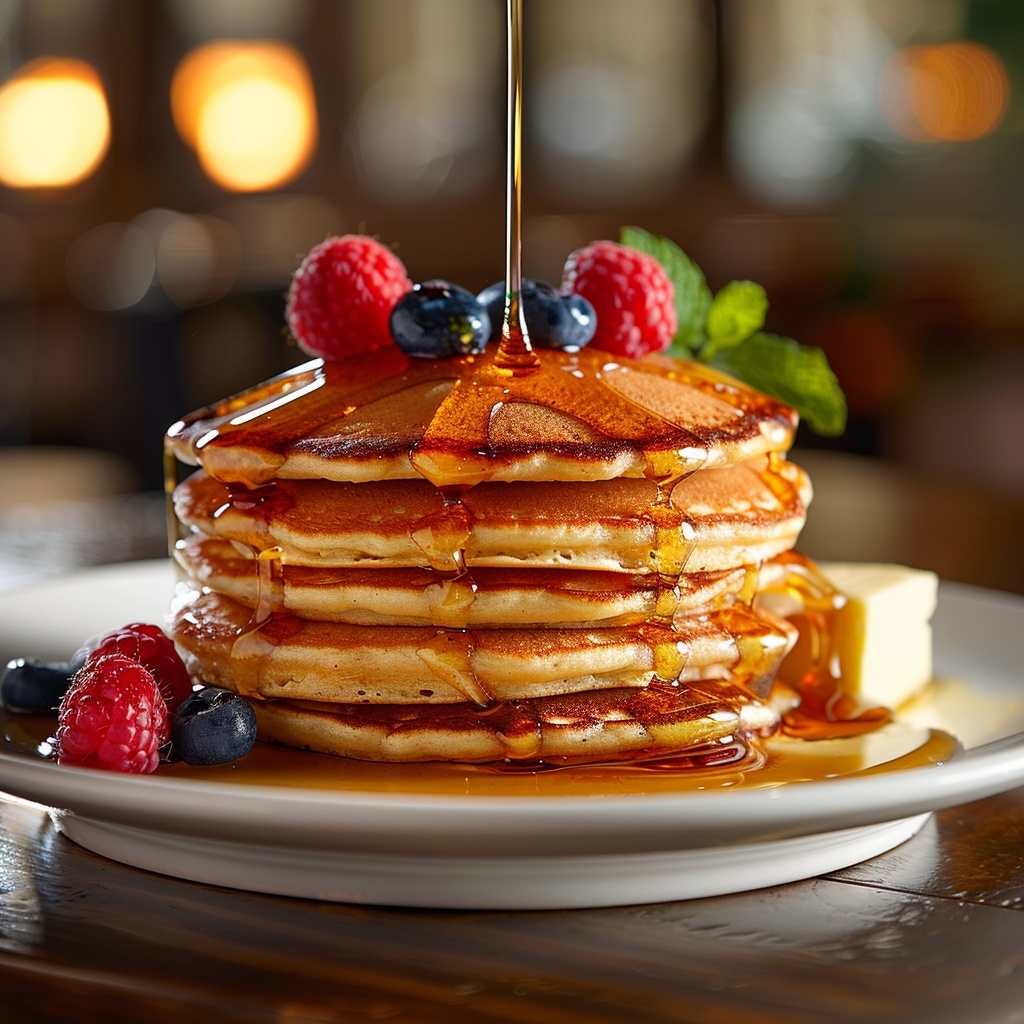
Stack those beautiful golden pancakes on plates, anywhere from 2 to 4 high depending on appetite. Add a pat of butter on top if you’re feeling indulgent and watch it melt down the sides. Pour generous amounts of pure maple syrup over the stack, letting it pool on the plate. The warm pancakes will soak up some of that syrup while keeping their fluffy texture. I like to warm my maple syrup for about 20 seconds in the microwave—warm syrup soaks into the pancakes better and feels more luxurious. Serve immediately while they’re hot and at their fluffiest.
Chef’s tip: For restaurant-quality presentation, place a small piece of cold butter between each pancake in the stack. It creates beautiful melting layers as you cut through.
Timing Breakdown for Buttermilk Pancakes
The beauty of this recipe is how quick it comes together. Prep time takes about 10 minutes, which includes measuring ingredients, mixing the batter, and getting your griddle ready. Resting time for the batter is 5 minutes, allowing the leavening agents to activate and the gluten to relax. Cooking time runs about 15-20 minutes depending on how many pancakes you’re making and how many fit on your griddle at once. Each pancake takes roughly 4-5 minutes total, including both sides.
Your total time from start to finish is approximately 30-35 minutes, which is pretty amazing for a homemade breakfast that feeds 4-6 people. If you’re cooking for a crowd, add another 10-15 minutes. The hands-on time is minimal—most of it is just watching pancakes cook. This makes it perfect for those mornings when you want something special but don’t have hours to spend in the kitchen.
My Secret for Extra Fluffy Pancakes
Here’s the trick that changed my pancake game forever: separate your eggs and beat the egg whites until they form soft peaks, then fold them into the batter at the very end. This adds incredible lift and makes the pancakes even fluffier. I don’t do this every time because it adds extra dishes and steps, but when I really want to impress or we’re having guests, this technique is worth it. The beaten egg whites act like tiny air balloons throughout the batter, creating an almost soufflé-like texture.
Another secret is using both baking powder and baking soda. The baking soda reacts with the acidic buttermilk immediately, while the baking powder provides a second rise when it hits the heat. This double leavening creates those signature fluffy layers. Also, never skip the resting time for the batter. Those five minutes allow the flour to fully hydrate and the gluten strands to relax, resulting in tender rather than tough pancakes.
Fascinating Facts About Pancakes and Maple Syrup
Did you know that the world record for the most pancakes made in one hour is over 1,000? That’s some serious pancake dedication. Pancakes are called different names around the world—griddle cakes, hotcakes, flapjacks—but they’re basically the same delicious concept. The largest pancake ever made was over 49 feet wide and weighed more than 6,000 pounds. I can’t even imagine the griddle needed for that.
Pure maple syrup takes about 40 gallons of sap to make just one gallon of syrup, which explains why the real stuff costs more than the artificial versions. The grade of maple syrup doesn’t indicate quality—it refers to color and flavor intensity. Golden and amber grades have delicate flavors, while dark and very dark have robust, intense maple taste. I prefer Grade A Dark for pancakes because it stands up to the buttermilk flavor, but it’s totally a personal preference. My kids once calculated that we go through about three bottles of maple syrup every month during peak pancake season.
Essential Equipment for Making Pancakes
You don’t need fancy tools to make great pancakes, but having the right equipment makes the process smoother. A large mixing bowl and medium mixing bowl are essential for keeping wet and dry ingredients separate. A whisk helps blend everything smoothly without overmixing. A good rubber spatula or wooden spoon is perfect for folding the batter gently. For measuring, you’ll want measuring cups and measuring spoons—baking is more precise than cooking, so measurements matter.
A griddle or large skillet is your cooking surface. I prefer an electric griddle because I can control the temperature precisely and cook multiple pancakes at once. A cast iron skillet works beautifully too and gives gorgeous browning. You’ll need a wide spatula for flipping—the wider, the better for supporting the whole pancake. A 1/4 cup measuring cup or ladle helps portion consistent-sized pancakes. If you’re keeping pancakes warm while cooking batches, a baking sheet and aluminum foil are handy. A wire cooling rack on the baking sheet keeps them from getting soggy on the bottom.
How to Store Your Buttermilk Pancakes
Fresh pancakes are obviously best, but leftovers store surprisingly well if you do it right. Let the pancakes cool completely on a wire rack before storing—this prevents condensation from making them soggy. Once cooled, stack them with small pieces of parchment or wax paper between each pancake to keep them from sticking together. Place the stack in an airtight container or zip-top freezer bag and refrigerate for up to 3 days. When you’re ready to eat them, reheat in the toaster, toaster oven, or microwave for about 30 seconds per pancake.
For longer storage, freezing is your best option. Follow the same cooling and layering process, then place the pancakes in a freezer-safe container or bag, pressing out as much air as possible. They’ll keep beautifully in the freezer for up to 2 months. I like to freeze them individually on a baking sheet first, then transfer to a bag once frozen—this way you can grab just one or two at a time instead of defrosting the whole batch. Frozen pancakes reheat directly from the freezer in the toaster or microwave, making them perfect for quick weekday breakfasts.
The key to maintaining that fluffy texture through storage is avoiding moisture and reheating properly. Never store pancakes while they’re still warm, and don’t stack them directly on top of each other without barriers. When reheating, the toaster or toaster oven gives the best texture because it crisps the outside slightly while warming the inside. The microwave works in a pinch but can make them a bit rubbery if you overdo it—use 50% power and heat in short bursts. My kids love having frozen pancakes available for after-school snacks or quick breakfasts before school.
Expert Tips for Better Buttermilk Pancakes
Temperature control makes the biggest difference in pancake success. Medium heat is your sweet spot—too hot and they burn before cooking through, too cool and they turn out pale and dense. Invest in an inexpensive infrared thermometer if you want to get precise. The ideal griddle temperature is around 375°F. Fresh ingredients matter more than you’d think. Old baking powder loses its power, making flat pancakes. Test it by mixing a teaspoon in hot water—it should bubble enthusiastically.
Don’t flip pancakes more than once. Every flip deflates those precious air bubbles. Wait for the bubbles to appear and pop, then flip just once. The batter consistency should be pourable but thick—think thick cream or cake batter. Too thin and your pancakes spread too much and turn out flat. Too thick and they don’t cook through properly. Add buttermilk by the tablespoon if needed to adjust.
For even browning, wipe your griddle between batches with a paper towel and add fresh butter each time. Built-up butter bits burn and create dark specks. Let your batter sit out for 5 minutes before cooking, but don’t let it sit longer than 15-20 minutes or the leavening will lose effectiveness. If you’re making a double batch, make two separate batters rather than doubling everything in one bowl—it’s easier to mix properly and prevents overmixing.
Beautiful Ways to Present Buttermilk Pancakes
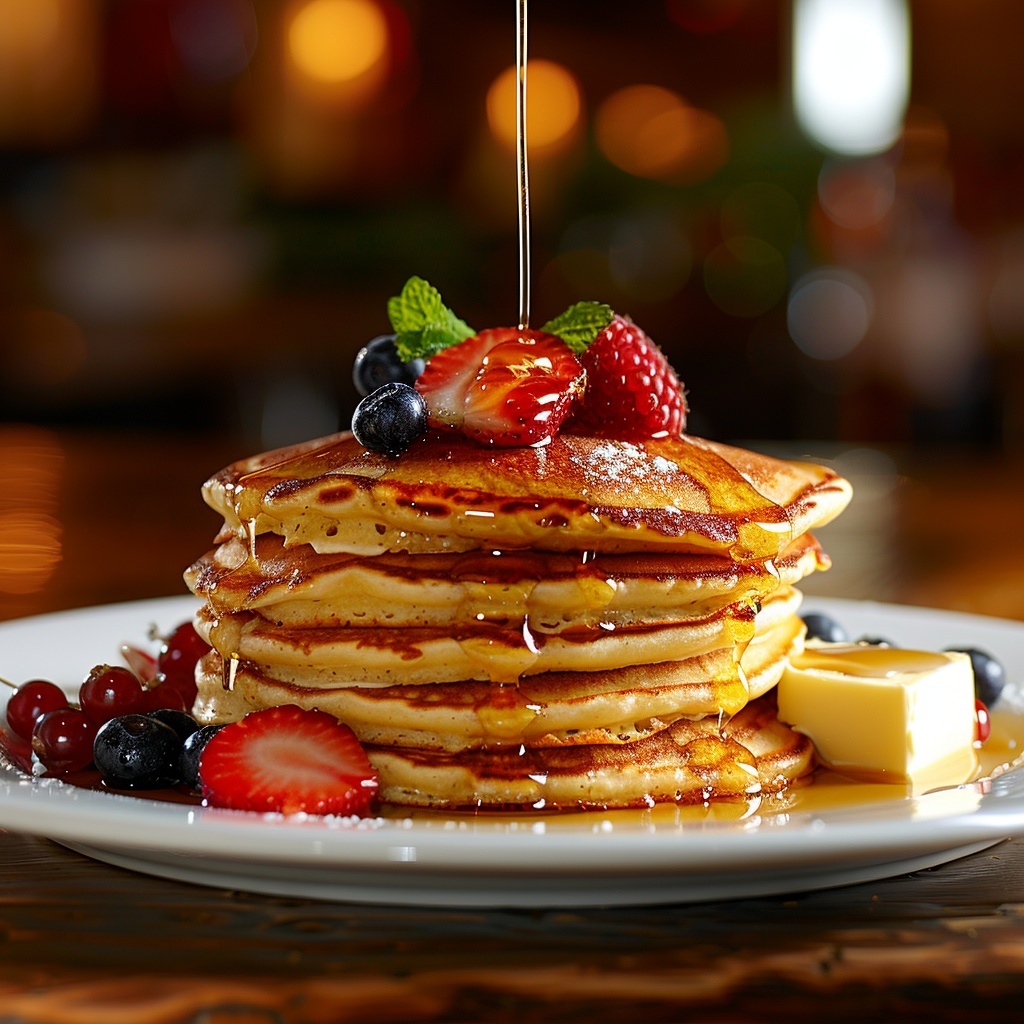
Presentation turns a simple breakfast into something special. Try the classic stack of three to four pancakes with a pat of butter melting on top and syrup drizzled artistically down the sides. Dust with powdered sugar for an elegant touch. Fresh berries arranged on top or around the plate add color and freshness—strawberries, blueberries, and raspberries are my favorites. A dollop of whipped cream takes things over the top for special occasions.
Create a pancake board for brunch gatherings by arranging pancakes on a large platter surrounded by small bowls of toppings—different syrups, fresh fruit, chocolate chips, chopped nuts, and whipped cream. Everyone can customize their own stack. For kids, cut pancakes into shapes using cookie cutters before cooking or after. Make pancake “tacos” by folding them around scrambled eggs and bacon. Stack mini pancakes on skewers with berries between them for fun pancake kabobs.
Serve pancakes on warmed plates for a restaurant touch—just run plates under hot water and dry them before plating. Add a sprig of fresh mint for color. Place a slice of crispy bacon across the top of the stack for a sweet and savory presentation. Arrange pancakes in a slightly offset stack rather than perfectly centered for a more casual, homestyle look. My daughter likes when I make silver dollar pancakes and arrange them in flower patterns with strawberry slices as petals.
Healthier Versions of Buttermilk Pancakes
Whole Wheat Buttermilk Pancakes
Swap half the all-purpose flour for whole wheat flour to boost fiber and nutrition. Use 1 cup all-purpose and 1 cup whole wheat flour for the best texture. Going 100% whole wheat makes them too dense, but the half-and-half ratio keeps them reasonably fluffy while adding nutty flavor and whole grain benefits. Whole wheat flour contains more fiber, protein, and nutrients like B vitamins and iron compared to white flour. The bran in whole wheat adds a pleasant texture and helps you feel fuller longer.
To compensate for the denser nature of whole wheat, add an extra tablespoon of buttermilk to the batter. You can also replace the granulated sugar with honey or maple syrup for natural sweetness. These pancakes pair wonderfully with fresh fruit instead of syrup for an even healthier breakfast. My health-conscious sister makes this version every weekend and says her kids don’t even notice the difference. The slight nuttiness of whole wheat actually complements the tanginess of buttermilk beautifully.
Protein-Packed Pancakes
Add 1/3 cup of vanilla protein powder to the dry ingredients and reduce the flour by 1/3 cup. This significantly increases the protein content, making these pancakes more filling and great for active families or post-workout breakfasts. Greek yogurt can replace half the buttermilk for even more protein. These pancakes keep you satisfied much longer than regular versions, preventing that mid-morning energy crash.
The texture stays surprisingly light if you use a quality protein powder. I prefer whey protein or plant-based protein powders that are designed for baking. Avoid overmixing even more carefully with protein powder since it can make pancakes rubbery. These are perfect topped with nut butter and sliced bananas instead of syrup. My teenager loves these before early morning sports practice. The extra protein helps with muscle recovery and keeps energy stable throughout morning activities.
Gluten-Free Buttermilk Pancakes
Replace the all-purpose flour with a good quality gluten-free 1-to-1 baking flour blend. Brands like Bob’s Red Mill or King Arthur Measure for Measure work perfectly with no other adjustments needed. The key is using a blend that already contains xanthan gum or guar gum, which replaces the binding properties of gluten. These pancakes can be just as fluffy as traditional ones if you use the right flour blend.
Let the batter rest for 10 minutes instead of 5 to allow the gluten-free flour to fully hydrate. This prevents gritty texture. Some people add an extra egg for better structure in gluten-free pancakes. The flavor is nearly identical to regular pancakes. My friend with celiac disease swears by this version and says her kids can’t tell the difference. Top with fresh fruit and a drizzle of honey for a completely gluten-free breakfast that everyone can enjoy.
Dairy-Free Buttermilk Pancakes
Make dairy-free buttermilk by adding 2 tablespoons of apple cider vinegar or lemon juice to 2 cups of unsweetened almond milk, oat milk, or soy milk. Let it sit for 5 minutes to curdle. Replace the butter with melted coconut oil or vegetable oil. These simple swaps make the recipe completely dairy-free while maintaining that signature tang and fluffy texture. The acid in the homemade dairy-free buttermilk reacts with baking soda the same way regular buttermilk does.
Oat milk tends to create the fluffiest dairy-free pancakes in my experience, while almond milk makes them slightly lighter. Coconut oil adds a subtle tropical flavor that’s lovely with fruit toppings. These pancakes are perfect for people with lactose intolerance or dairy allergies. Cook them with coconut oil on the griddle instead of butter for completely dairy-free results. My lactose-intolerant nephew requests these every time he visits, and honestly, they’re so good that sometimes I make this version even when I have regular buttermilk available.
Low-Sugar Buttermilk Pancakes
Reduce the sugar to 1 tablespoon or eliminate it completely since maple syrup provides plenty of sweetness. You can also use mashed ripe banana or unsweetened applesauce to add natural sweetness and moisture without refined sugar. The pancakes will be slightly less golden but still delicious. Adding cinnamon or vanilla extract boosts perceived sweetness without actual sugar.
Top these pancakes with fresh berries, sliced bananas, or a small amount of pure maple syrup instead of drowning them in syrup. The buttermilk provides enough flavor that you really don’t need much sugar in the batter itself. These are great for people watching their sugar intake or managing blood sugar levels. I make this version when my diabetic father visits, and he’s always impressed that they taste just as good as regular pancakes. The key is making sure your toppings provide some sweetness so the eating experience is still satisfying.
Banana Oat Buttermilk Pancakes
Replace 1/2 cup of flour with 1/2 cup of quick oats and add one mashed ripe banana to the wet ingredients. This creates heartier pancakes with extra fiber, natural sweetness, and a wonderful texture. The banana adds moisture and helps bind everything together while providing potassium and natural sugars. The oats add a pleasant chewiness and make the pancakes more filling.
These pancakes have a lovely banana bread flavor that pairs beautifully with maple syrup or honey. You can reduce the added sugar slightly since the banana provides sweetness. Fold in some chocolate chips or chopped walnuts for extra texture and flavor. These are my go-to pancakes when I have overripe bananas sitting on the counter. The combination of buttermilk tang and sweet banana is addictive. My kids call these “the special pancakes” and get excited every time I make them.
Common Mistakes to Avoid When Making Pancakes
Mistake 1: Overmixing the Batter
This is the number one pancake killer. When you overmix pancake batter, you develop the gluten in the flour, which creates tough, rubbery, dense pancakes instead of light and fluffy ones. Many people think they need to mix until completely smooth with no lumps, but that’s exactly what you don’t want. The batter should be lumpy with visible streaks of flour. I know it goes against every instinct, but those lumps will disappear as the pancakes cook. Stir just until the dry ingredients are moistened, usually about 15-20 gentle folds with a spatula. If you can still see a few dry spots of flour, that’s actually okay. Think of it like muffin batter—the less you handle it, the better the result.
Pro tip: Use a folding motion rather than stirring vigorously. Cut through the middle of the batter with your spatula and fold from the bottom up, rotating the bowl as you go.
Mistake 2: Cooking at the Wrong Temperature
Too many people crank up the heat thinking it will cook the pancakes faster, but high heat burns the outside before the inside cooks through. You end up with dark brown pancakes that are raw in the middle. On the other hand, too-low heat makes pale, tough pancakes that spread too thin and never develop that golden crust. Medium heat is the sweet spot, usually around 350-375°F if you have a temperature-controlled griddle. The butter on your griddle should foam gently but not immediately brown. A drop of water should sizzle and dance across the surface. Getting the temperature right takes a little practice, which is why that first test pancake is rarely perfect.
Pro tip: If your first pancake is too dark or too pale, adjust the heat and wait a minute before cooking the next one. Griddles take time to adjust to temperature changes.
Mistake 3: Flipping Too Early or Too Often
Impatient flippers make sad pancakes. If you flip before the bubbles form and pop across the surface, the pancake will collapse and turn out dense. The edges should look set and dry before you even think about flipping. Equally bad is flipping multiple times—every flip deflates those beautiful air bubbles you worked to create. Flip once and only once. I see people nervously flipping pancakes two or three times, constantly checking the bottom, and each time they lose more fluff. Wait for those bubbles to appear all across the top surface and start popping, leaving little holes that don’t fill back in. The edges will look matte rather than shiny. Only then should you slide your spatula under and flip.
Pro tip: If you’re nervous about when to flip, lift a tiny corner with your spatula to peek at the bottom. If it’s golden brown and the edges are set, you’re good to go.
Mistake 4: Using Old Leavening Agents
Baking powder and baking soda lose their effectiveness over time, especially once opened. If your pancakes come out flat despite following the recipe perfectly, expired leavening is usually the culprit. Baking powder typically lasts about 6 months after opening, while baking soda lasts longer but can lose potency if exposed to moisture. Old leavening won’t create those air bubbles that make pancakes fluffy. You can test baking powder by mixing a teaspoon with hot water—it should bubble vigorously. For baking soda, mix with vinegar and watch for immediate fizzing. If there’s no reaction or just a weak one, toss it and buy fresh.
Pro tip: Write the date you opened the container on the lid with a permanent marker so you know when it’s time to replace it.
Mistake 5: Not Letting the Batter Rest
Rushing straight from mixing to cooking is tempting when you’re hungry, but those five minutes of rest time make a real difference. During the rest, the flour fully absorbs the liquid, the gluten relaxes, and the leavening agents start their work. Pancakes made from rested batter are noticeably more tender and fluffy than those cooked immediately. The batter will also thicken slightly as it rests, which helps the pancakes hold their shape better on the griddle. You’ll notice small bubbles forming in the rested batter—that’s the leavening at work. Five to ten minutes is ideal, though you don’t want to let it sit longer than 20 minutes or the leavening will lose effectiveness.
Pro tip: Use the resting time to set the table, warm your syrup, prep toppings, and get your griddle heating. This way, the wait doesn’t feel like wasted time.
Frequently Asked Questions About Buttermilk Pancakes
What makes buttermilk pancakes fluffy?
The fluffiness comes from the reaction between the acidic buttermilk and the baking soda, which creates carbon dioxide bubbles throughout the batter. The baking powder provides additional rise when it hits the heat of the griddle. Together, these leavening agents create air pockets that make the pancakes light and airy. The key is not overmixing the batter, which would deflate those bubbles and develop gluten that makes pancakes tough. Cold buttermilk also helps because when it hits the hot griddle, it creates steam that adds to the lift.
Can I make pancake batter the night before?
I don’t recommend making the complete batter the night before because the leavening agents will activate and lose their power by morning, resulting in flat pancakes. However, you can mix the dry ingredients and store them in a covered bowl, then mix the wet ingredients in the morning and combine them fresh. If you absolutely must make batter ahead, you can refrigerate it for up to 2 hours before cooking, but the pancakes won’t be quite as fluffy. The best compromise is doing all your prep work the night before—measure out ingredients, set out your griddle—so assembly in the morning takes just minutes.
Why are my pancakes turning out flat?
Flat pancakes usually result from old or insufficient leavening agents, overmixing the batter, or letting the batter sit too long before cooking. Check the expiration dates on your baking powder and baking soda, and test them if you’re unsure. Make sure you’re using both baking powder and baking soda as the recipe calls for—they work together for maximum lift. Overmixing develops gluten which makes pancakes dense rather than fluffy. Also ensure your griddle is at the right temperature—too cool and the leavening doesn’t activate properly. Finally, use the batter within 20 minutes of mixing for best results.
Can I use regular milk instead of buttermilk?
Regular milk won’t give you the same results because buttermilk’s acidity is essential for reacting with the baking soda to create rise and tenderness. However, you can easily make a buttermilk substitute by adding 2 tablespoons of white vinegar or lemon juice to 2 cups of regular milk and letting it sit for 5 minutes until it curdles. This creates the same acidic environment that buttermilk provides. The pancakes won’t taste quite as tangy, but they’ll still be fluffy and delicious. I keep cream of tartar in my pantry as another buttermilk substitute option—add 1.5 teaspoons to the dry ingredients and use regular milk in place of buttermilk.
How do I know when to flip the pancakes?
Watch for bubbles to form across the entire surface of the pancake and start popping, leaving small holes that don’t fill back in. The edges should look dry and set rather than wet and shiny. This usually takes about 2-3 minutes on the first side. When you see these signs, gently lift a corner with your spatula to check that the bottom is golden brown. If it is, go ahead and flip. The second side cooks much faster, usually just 1-2 minutes. The pancake will feel slightly springy when you press the center gently. Flipping too early results in a raw middle, while waiting too long makes dry, tough pancakes.
Why do my pancakes burn on the outside but stay raw inside?
This happens when your griddle is too hot. High heat cooks the outside rapidly while the inside doesn’t have time to set. The solution is lowering your heat to medium or medium-low and being patient. Pancakes need gentle, even heat to cook through properly. If you’re using an electric griddle, try setting it to 350-375°F. For stovetop cooking, medium heat is typically right. Also make sure your pancakes aren’t too thick—if you’re pouring more than 1/4 cup of batter, they’ll struggle to cook through before burning. Let your griddle preheat thoroughly for at least 3-4 minutes so the temperature is even across the entire surface.
Can I freeze buttermilk pancakes?
Absolutely! Buttermilk pancakes freeze beautifully and make fantastic quick breakfasts. Let the pancakes cool completely on a wire rack, then layer them with parchment or wax paper between each pancake to prevent sticking. Place them in a freezer-safe bag or container, pressing out as much air as possible. They’ll keep for up to 2 months in the freezer. To reheat, pop them directly from frozen into the toaster or toaster oven for the best texture. You can also microwave them for about 30-45 seconds per pancake, though this makes them slightly softer rather than crisp. I make double batches specifically for freezing so we always have homemade pancakes available.
What’s the difference between buttermilk pancakes and regular pancakes?
Buttermilk pancakes use buttermilk and both baking powder and baking soda, while regular pancakes typically use milk and only baking powder. The buttermilk adds tanginess and reacts with the baking soda to create extra fluffiness and tenderness. The acid in buttermilk also helps break down gluten, making the pancakes more tender. Buttermilk pancakes have a richer flavor with a slight tang that balances beautifully with sweet maple syrup. They’re also typically lighter and fluffier than regular pancakes. The golden color is more pronounced in buttermilk pancakes due to the chemical reactions happening in the batter. Once you try buttermilk pancakes, regular ones taste flat and boring in comparison.
How can I make my pancakes more flavorful?
While classic buttermilk pancakes are delicious on their own, there are many ways to boost flavor. Add a teaspoon of vanilla extract to the wet ingredients for warmth and sweetness. Fold in fresh or frozen blueberries, chocolate chips, or chopped nuts after mixing the batter. Add a teaspoon of cinnamon to the dry ingredients for spice, or try a pinch of nutmeg or cardamom. Lemon or orange zest adds bright, fresh flavor. Replace some of the buttermilk with mashed banana for banana pancakes. Top finished pancakes with flavored butters like honey butter or cinnamon butter. The key is not adding so many mix-ins that you weigh down the batter—keep it to about 1/2 cup total additions for this recipe.
Why are restaurant pancakes so much better than homemade?
Restaurant pancakes often seem better because of a few professional tricks you can replicate at home. Many restaurants use griddles that maintain perfect, even temperature across the entire surface. They often add a bit of extra butter or oil to their batter for richness. Some separate the eggs and fold in beaten egg whites for extra fluff. Restaurants also usually cook pancakes to order, so they’re always served hot off the griddle. They use high-quality butter on the griddle and serve pancakes with warmed syrup, which makes a surprising difference. The portions are often generous, which adds to the indulgence factor. The good news is you can do all these things at home—use plenty of butter, warm your syrup, invest in a good griddle, and serve immediately.
Bringing It All Together: Your Perfect Pancake Morning
Making Fluffy Buttermilk Pancakes with Maple Syrup is one of those simple pleasures that makes life better. This recipe has been my go-to for years because it never fails to deliver pancakes that are light, tender, and absolutely delicious. The beauty of these pancakes lies in their simplicity—basic ingredients that you probably already have, straightforward technique, and results that look and taste like you spent way more effort than you actually did.
Whether you’re making these for a lazy Sunday morning, a special birthday breakfast, or just because Tuesday needs a little brightening up, these pancakes deliver every time. The combination of tangy buttermilk and sweet maple syrup is breakfast perfection. Remember the key principles: don’t overmix, use fresh leavening agents, cook at medium heat, and flip only once. With these basics down, you’ll make perfect pancakes every single time.
I hope this recipe becomes as beloved in your kitchen as it is in mine. There’s something deeply satisfying about making food that brings smiles to the people you love. So grab your mixing bowl, heat up that griddle, and get ready to make some magic happen. Your family will thank you, your house will smell amazing, and you’ll have a breakfast worth waking up for. Happy pancake making!
Fluffy Buttermilk Pancakes with Maple Syrup
Ingredients
Equipment
Method
- Mix the flour, sugar, baking powder, baking soda, and salt in a large mixing bowl until well combined.
- In a separate medium bowl, whisk together buttermilk, eggs, melted butter, and vanilla extract until smooth.
- Pour the wet ingredients into the dry ingredients and gently fold them together until just combined (the batter should be lumpy).
- Let the batter rest for 5 minutes while you heat up your griddle.
- Preheat your griddle or skillet over medium heat for 3-4 minutes.
- Pour 1/4 cup of batter onto the griddle for each pancake and cook until bubbles form and edges appear set (about 2-3 minutes).
- Flip the pancakes with a spatula and cook for an additional 1-2 minutes until golden brown.
- Transfer cooked pancakes to a plate and repeat with remaining batter.
- Serve pancakes warm with a pat of butter and generous maple syrup.