
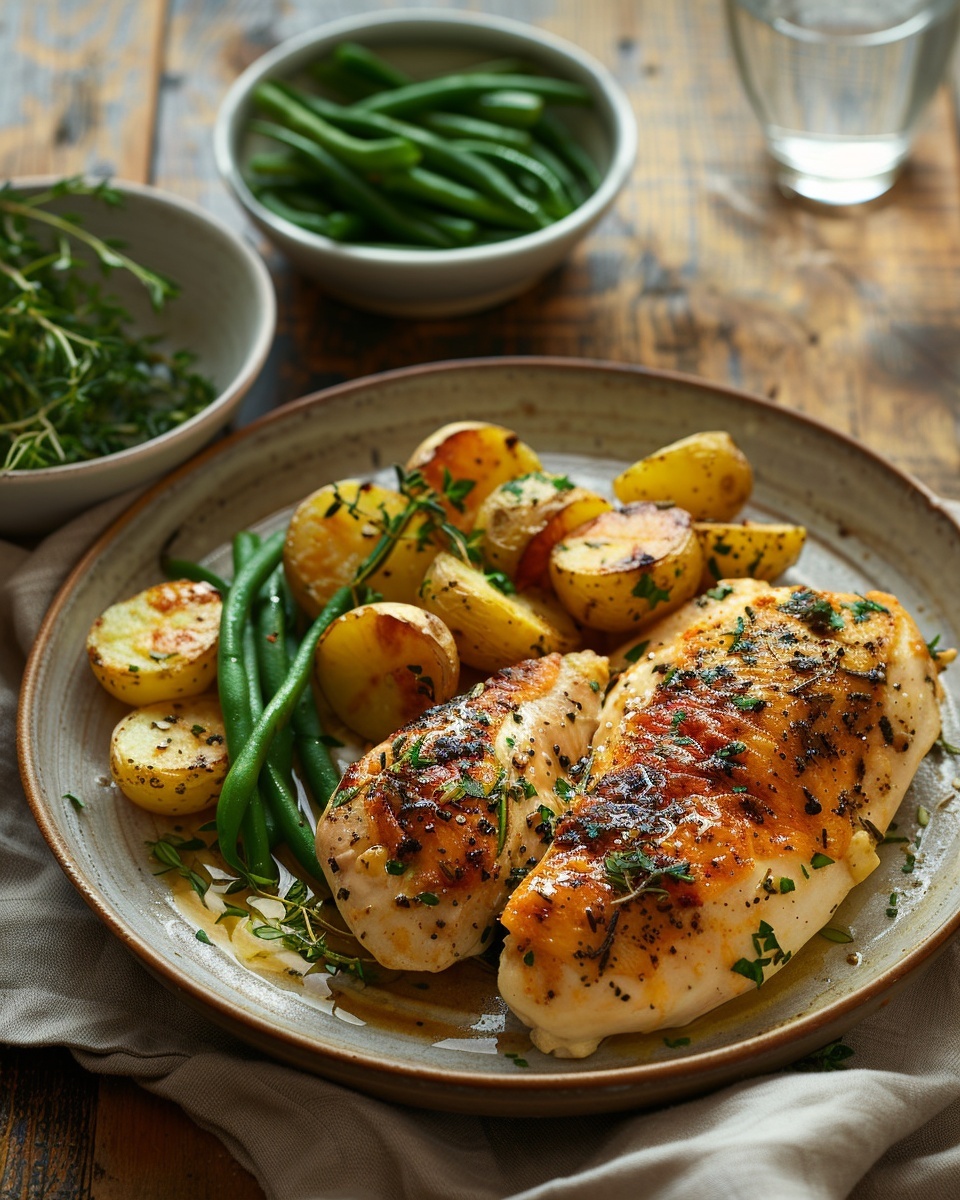
My Favorite Easy Baked Chicken with Potatoes Recipe
Last Tuesday evening, I stood in my kitchen staring at a package of chicken and a bag of potatoes. My kids would be home from soccer practice in an hour, and I needed something fast. That’s when I remembered this recipe—the one that has saved my weeknights more times than I can count. I tossed everything on a sheet pan, slid it into the oven, and had dinner ready with barely any effort. The best part? Only one pan to wash afterward.
There’s something magical about the smell of chicken and potatoes roasting together. The chicken gets golden and crispy on the outside while staying juicy inside. The potatoes soak up all those delicious drippings and turn perfectly tender. If you’re looking for a reliable chicken and potatoes recipe for dinner that won’t stress you out, you’re in the right place.
Why Baked Chicken with Potatoes Works Every Time
I love this dish because it practically cooks itself. You don’t need fancy skills or expensive ingredients. Just basic pantry staples and about ten minutes of prep time. Then the oven does all the heavy lifting while you help with homework or finally sit down for five minutes.
This one pan chicken and potatoes meal has become my go-to for busy weeknights. Everything cooks together on a single sheet pan or baking dish. No juggling multiple pots and pans. No complicated timing to worry about. You season everything, arrange it in the pan, and let the heat work its magic.
The flavor combinations here are endless. The chicken fat renders as it cooks and bastes the potatoes below. Herbs and spices you sprinkle on top infuse both ingredients. Each bite gives you tender protein and satisfying carbs in one forkful. It’s comfort food that actually makes sense on a weeknight.
I’ve made versions of this recipe with chicken breasts, chicken thighs, drumsticks, and even whole chicken pieces. I’ve used russet potatoes, red potatoes, and baby Yukon golds. Every version turns out great. That’s the beauty of sheet pan chicken and potatoes—it’s flexible enough to work with whatever you have on hand.
The texture contrast is what keeps my family coming back for seconds. Crispy chicken skin against creamy potato insides. Golden edges on the potatoes that get a little caramelized. Everything gets seasoned together so the flavors really marry and develop depth.
What You’ll Need for Perfect Baked Chicken with Potatoes
Let me walk you through the basic ingredients first. Then I’ll share some variations I love to mix in depending on what’s in my fridge.
The Essential Ingredients
- Chicken pieces – I usually use 4-6 pieces, about 2-3 pounds total. Bone-in, skin-on thighs are my favorite because they stay juicy and have so much flavor. But boneless breasts work too if that’s your preference.
- Potatoes – About 2 pounds, cut into chunks. I like baby red potatoes or Yukon golds cut in half. Russets work great too if you cut them into 1-inch pieces.
- Olive oil – 3-4 tablespoons to coat everything and help with browning.
- Garlic – 4-5 cloves, minced or sliced. Fresh garlic makes such a difference here.
- Salt and pepper – The foundation of good seasoning. I use about 1.5 teaspoons of salt and half a teaspoon of black pepper.
- Herbs – Dried oregano, thyme, and rosemary are my usual picks. About 1 teaspoon each.
- Lemon – One lemon, cut into wedges. This brightens everything up and adds freshness.
That’s really all you need for a basic version. Simple ingredients that probably already live in your kitchen.
My Favorite Variations and Add-Ins
Once you’ve made the basic recipe a few times, you’ll want to experiment. Here are the variations I rotate through:
Creamy chicken and potato bake: Pour a mixture of heavy cream and chicken broth over everything before baking. Use about half a cup of each. The liquid creates a luscious sauce that coats the potatoes. Sometimes I add a handful of grated Parmesan too. This version is richer and feels more special for Sunday dinners.
Baked chicken and potatoes and carrots: Add 3-4 large carrots, peeled and cut into chunks. The carrots get sweet and tender as they roast. They also add a pop of color that makes the dish look more appealing. My kids actually eat their vegetables when I make it this way.
Italian chicken and potatoes oven style: Skip the basic herbs and go full Italian. Use Italian seasoning, add cherry tomatoes, throw in some sliced bell peppers, and finish with fresh basil after baking. A sprinkle of Parmesan at the end doesn’t hurt either.
Sheet pan chicken thighs and potatoes: Use bone-in, skin-on chicken thighs exclusively. They’re fattier than breasts so the potatoes get extra flavor. Place the thighs skin-side up so they get really crispy.
Baked chicken breast bone in with potatoes: If you prefer white meat, bone-in chicken breasts work beautifully. They take slightly longer to cook than boneless pieces. The bone helps keep the meat moist during the longer baking time. Just make sure to check that they reach 165°F internally.
Roasted chicken thighs and red potatoes: This is my simplest version. Just thighs and red potatoes with garlic, olive oil, salt, pepper, and rosemary. Sometimes simple is exactly what you need.
Optional Ingredients for Extra Flavor
- Paprika (sweet or smoked) for color and subtle spice
- Onion wedges for sweetness and depth
- Green beans or broccoli added in the last 15 minutes
- Dijon mustard mixed with the olive oil for tang
- White wine or chicken broth for moisture
- Fresh parsley or cilantro for garnish
- Red pepper flakes if you like heat
- Bacon pieces for smoky richness
I keep things simple most nights. But when I have extra time or want to impress guests, I’ll throw in a few special touches. The recipe is forgiving enough to handle whatever you add.
One tip I learned the hard way: cut your potatoes about the same size as each other. If some pieces are tiny and others are huge, they won’t cook evenly. You’ll end up with some mushy potatoes and some that are still hard in the middle. Aim for uniformity and everything will finish at the same time.
I also like to bring my chicken to room temperature before baking. Take it out of the fridge about 20 minutes before you start prepping. Room temperature chicken cooks more evenly than cold chicken straight from the fridge. This small step makes a real difference in the final result.
The ingredients really are that straightforward. No weird items you need to hunt down at specialty stores. No expensive cuts of meat. Just honest food that tastes like you spent way more effort than you actually did. That’s exactly what a good roast chicken and potatoes one pan meal should be.


How to Prepare Your Chicken and Potatoes Like a Pro
Now that you know what to buy, let’s talk about actually getting this meal ready for the oven.
I usually start by patting my chicken pieces completely dry with paper towels. This might seem like an extra step you can skip, but trust me on this one. Dry skin equals crispy skin. Any moisture on the surface will steam in the oven instead of browning. I learned this the hard way after serving rubbery chicken skin one too many times. Nobody wants that.
While the chicken sits, I turn my attention to the potatoes. Here’s where that cutting tip I mentioned earlier really matters. For roasted chicken thighs and red potatoes, I cut my red potatoes into halves if they’re small, or quarters if they’re on the larger side. The goal is making sure each piece is roughly the same size—about an inch and a half across. When you dump different sized pieces onto the pan, the small ones turn to mush while the big ones stay raw in the middle. Not fun to discover when everyone’s already sitting at the table.
I keep a medium mixing bowl nearby for the potatoes and a separate plate for the chicken. Season them separately so you can control exactly how much flavor each component gets. The potatoes can handle more salt than you might think because they’re starchy and absorb seasoning. The chicken needs a good coating too, especially under the skin if you’re using bone-in pieces.
Here’s something I do when I have an extra thirty minutes: marinate the chicken beforehand. Nothing fancy or complicated. Just mix olive oil, minced garlic, lemon juice, and whatever herbs you’re using into a ziplock bag. Toss in the chicken, seal it up, and leave it in the fridge while you run errands or fold laundry. The acid from the lemon helps tenderize the meat, and the flavors really penetrate instead of just sitting on the surface. When I remember to do this step, my family always comments on how much better the chicken tastes.
If marinating isn’t happening today, don’t stress about it. The recipe still works beautifully without that step. Sometimes I literally forget until the chicken is already in the oven, and dinner still turns out great. That’s the beauty of a forgiving recipe—it meets you where you are.
For assembly, I grab my largest sheet pan or a 9×13 baking dish. Arrange the potatoes in a single layer first. They need direct contact with the hot pan to get those crispy edges. Then nestle the chicken pieces on top and around the potatoes. If you’re doing skin-on chicken, make sure that skin faces up. Gravity will help the fat render down and baste everything below.
I drizzle everything with olive oil, then use my hands to massage the seasonings into every surface. Wearing disposable gloves makes this easier and less messy. Get in there and really coat each piece. Don’t be shy. This hands-on approach ensures even coverage that you just can’t get from sprinkling from above.
Scatter your garlic cloves and lemon wedges around the pan. Some people worry about the garlic burning, but if you use whole cloves or thick slices, they’ll soften and sweeten instead of scorching. The lemon wedges will release their juice as they roast and add brightness to cut through the richness. Plus they look pretty, which never hurts.
Getting the Temperature Right for Perfectly Baked Chicken
Okay, let’s tackle the big question: Should you bake chicken at 350 or 400?
I’ve tested this recipe at both temperatures more times than I can count. Both work, but they give you different results. It really depends on what you’re after and how much time you have.
Baking at 350°F is the gentler approach. The chicken cooks through evenly without much risk of drying out. This temperature is great if you’re using boneless chicken breasts, which can turn into shoe leather if you’re not careful. The lower heat gives you a wider window of doneness, so you’re less likely to overcook. The downside? It takes longer—usually about 50 to 60 minutes for bone-in pieces. And the skin doesn’t get quite as crispy as I like.
When I make Italian chicken and potatoes oven style with lots of vegetables and tomatoes, I actually prefer 350°F. All those extra ingredients release moisture, and the lower temperature lets everything cook together without burning the edges. The vegetables stay tender instead of shriveling up.
Now, 400°F is my usual go-to temperature. This higher heat gives you gorgeous browning on both the chicken and potatoes. The skin crisps up beautifully. The potatoes develop those golden, almost caramelized edges that everyone fights over. Everything cooks in about 40 to 45 minutes, which fits better into my weeknight schedule. The chicken fat renders more quickly and bastes the potatoes below.
The risk with 400°F is overcooking if you’re not paying attention. Boneless chicken breasts can dry out fast at this temperature. That’s why I usually stick with bone-in, skin-on thighs when I’m cooking hotter. The bone protects the meat, and the extra fat keeps things juicy even if I accidentally leave it in a few minutes too long.
Funny enough, I sometimes split the difference and bake at 375°F. It’s a compromise that works when I’m not sure which direction to go. You get decent browning and reasonable cooking time without too much risk.
No matter what temperature you choose, use a meat thermometer. Seriously, this tool changed my cooking life. I used to cut into chicken to check if it was done, which let all the juices run out. Now I just stick the thermometer into the thickest part of the meat, avoiding the bone. When it reads 165°F, you’re good to go. For thighs, I actually like pulling them at 170-175°F because the extra cooking makes them even more tender.
If you don’t have a thermometer yet, add it to your shopping list. They’re cheap and eliminate all the guesswork. You can find a decent digital one for less than you’d spend on dinner out, and it’ll last for years. I use mine for everything from grilled steak with roasted veggies to checking if my Thanksgiving turkey is ready.
One trick I learned from my mom: if your potatoes aren’t browning enough by the time the chicken is done, remove the chicken to a plate and tent it with foil. Crank the oven up to 425°F and give the potatoes another 10 minutes. They’ll crisp up beautifully while the chicken rests. Resting is important anyway because it lets the juices redistribute through the meat instead of spilling out when you cut into it.
Secret Ingredients for Maximum Flavor
Let me share what really takes this dish from good to “Can I have the recipe?” levels of good.
The secret ingredient most people don’t think about? A little bit of acid and sweetness together. I’m talking about adding a tablespoon of honey or maple syrup mixed with a splash of balsamic vinegar or red wine vinegar. Drizzle this over everything about halfway through cooking. The sugars caramelize, the acid brightens, and suddenly your simple creamy chicken and potato bake has restaurant-quality depth.
Fresh herbs make such a difference compared to dried. I know dried herbs are convenient and they absolutely work for weeknight cooking—I use them all the time. But when I want to impress someone or I’m cooking on the weekend, I’ll grab fresh rosemary, thyme, and parsley. Strip the leaves from a few sprigs of rosemary and scatter them over the chicken before baking. The smell alone is worth it. Save some fresh parsley to chop and sprinkle over everything right before serving. That pop of green makes the whole dish look and taste fresher.
Garlic deserves its own paragraph because it’s that important. I mentioned using 4-5 cloves in the basic recipe, but honestly, I usually add more. Sometimes I’ll do a whole head of garlic, separated into cloves but not peeled. As they roast, the garlic inside gets soft and sweet and almost buttery. You can squeeze the roasted cloves out of their skins and spread them on bread, or mash them into the potatoes. It’s like getting two dishes in one.
Here’s something I borrowed from my favorite Italian restaurant: anchovies. Before you close this tab, hear me out. You don’t taste fish, I promise. Chop up two or three anchovy fillets and mix them into your olive oil before coating everything. They dissolve as they cook and add this incredible umami depth that people can’t quite identify but absolutely love. My mother-in-law asked for seconds three times before I finally told her the secret ingredient. She was shocked but admitted it was delicious.
Butter is another game-changer. I know we’re already using olive oil, but adding a few pats of butter on top of the chicken for the last 15 minutes of cooking creates the most amazing richness. The butter melts, mixes with the pan juices, and creates a sauce that coats the potatoes. If you want to get really fancy, mix softened butter with minced garlic and fresh herbs, then slide that mixture under the chicken skin before baking. Your kitchen will smell incredible.
Smoked paprika deserves a mention too. Regular paprika adds color, but smoked paprika adds color and this deep, smoky flavor that makes people think you spent hours over a grill. Just half a teaspoon mixed into your seasoning blend makes a noticeable difference. I keep both regular and smoked paprika in my spice cabinet because they’re not quite interchangeable.
By the way, if you’re making a creamy chicken and potato bake version, consider adding a bit of cream cheese to your cream mixture. About 4 ounces, softened and whisked smooth with the heavy cream. It makes the sauce thicker and richer without any flour or cornstarch. Sometimes I add a spoonful of Dijon mustard too, which cuts through the richness and adds complexity. This version reminds me of the comforting flavors you get from homemade meatloaf with gravy, just with chicken instead.
Don’t underestimate the power of finishing touches either. After the pan comes out of the oven, I sometimes add a squeeze of fresh lemon juice over everything. Or a drizzle of good quality olive oil. Or a sprinkle of flaky sea salt. These last-second additions wake up all the flavors and make everything taste more intentional and cared for. Similar to how a final drizzle of lemon brightens up shrimp scampi with pasta, that acid at the end is crucial.
When I’m feeling adventurous, I’ll throw in whatever fresh vegetables I have hanging around. Maybe some cherry tomatoes in the last 20 minutes. Or green beans. Or chunks of zucchini. This approach works kind of like vegetable stir fry with rice in that you’re building a complete meal with protein and vegetables all in one go. The vegetables pick up the chicken drippings and become way more interesting than they’d be steamed or boiled.
The real secret though? Don’t be afraid to taste and adjust as you go. Before the pan goes in the oven, taste a tiny bit of the oil and seasoning mixture. Does it need more salt? More garlic? A pinch of red pepper flakes? Fix it now rather than serving bland food and trying to rescue it at the table. Cooking is part recipe, part instinct. Trust yourself.


More Ways to Customize Your Baked Chicken and Potatoes
Here’s the thing about this recipe—once you nail the basic version, you’ll start seeing possibilities everywhere. I open my fridge and think, “Could I throw that in with the chicken and potatoes?” Nine times out of ten, the answer is yes.
Last month, I had a bunch of Brussels sprouts that needed to be used before they went bad. I halved them and tossed them onto my sheet pan chicken and potatoes about 25 minutes into cooking. They got crispy on the cut sides and soaked up all the chicken drippings. My husband, who usually picks around Brussels sprouts, ate every single one. He didn’t even realize what they were until I told him afterward.
Seasonal vegetables work beautifully here. In summer, I’ll add zucchini, yellow squash, and cherry tomatoes. The tomatoes burst and create this amazing sauce that pools around the potatoes. In fall, butternut squash cubes and red onion wedges turn sweet and caramelized. Winter calls for root vegetables like parsnips, turnips, and carrots alongside the potatoes. Spring brings asparagus, which I add in the final 12 minutes so it stays tender-crisp.
The timing matters when you’re adding extra vegetables. Harder vegetables like carrots, parsnips, and sweet potatoes should go in from the start because they need the full cooking time. Medium-density vegetables like bell peppers, onions, and fennel can go in at the beginning or halfway through. Tender, quick-cooking vegetables like green beans, asparagus, broccoli, and cherry tomatoes should wait until the last 15-20 minutes. Otherwise, they’ll turn to mush.
I keep a mental chart in my head now after years of experimenting. Cauliflower florets? In from the start. Snap peas? Last ten minutes. Mushrooms are tricky because they release so much water. I actually roast them separately sometimes, then toss them with everything at the end. Or I’ll add them halfway through and accept that they won’t get super crispy.
Different cuts of chicken change the whole dynamic too. When I make sheet pan chicken thighs and potatoes exclusively with bone-in thighs, I arrange them skin-side up and make sure they’re not crowded. Crowded chicken steams instead of roasts, and you lose that crispy skin everyone loves. I leave at least an inch between each thigh. The potatoes can be close together, but the chicken needs breathing room.
Drumsticks are my kids’ favorite because they can pick them up and eat them like cavemen, which apparently makes dinner more fun. Drumsticks take about the same time as thighs and release tons of flavorful fat. Just remember they need to hit that 165°F internal temperature, measured in the thickest part without touching the bone.
Sometimes I’ll use a whole cut-up chicken—two breasts, two thighs, two drumsticks, two wings. This gives everyone their preferred piece and looks impressive when you bring it to the table. The wings cook faster than everything else, so I check them around the 30-minute mark and pull them out early if needed. They can rest under foil while everything else finishes.
For baked chicken breast bone in with potatoes, I’ve learned to be extra careful about temperature. Bone-in breasts are thicker and take longer than you’d think. They need a solid 45-50 minutes at 400°F, sometimes even longer if they’re really large. I always check with my thermometer because overcooked breast meat is disappointing. The bone helps, but white meat is less forgiving than dark meat.
Boneless, skinless chicken breasts are the trickiest. They cook faster and dry out easier. When I use them, I either pound them to an even thickness or I lower the temperature to 375°F and keep a close eye on things. Sometimes I’ll butterfly thick breasts so they cook evenly. And I absolutely always use my thermometer because visual cues aren’t reliable with boneless pieces.
If you want to try Italian chicken and potatoes oven style but with a twist, add Italian sausage links alongside the chicken. The sausage fat flavors everything and you get two proteins in one pan. I use sweet Italian sausage most often, but hot Italian sausage works if your family likes spice. Prick the sausages a few times with a fork so they don’t burst, then nestle them between the chicken pieces.
By the way, different potato varieties really do behave differently. Russets are starchy and fluffy inside but can fall apart if you’re not careful. They’re best cut into larger chunks. Yukon golds are buttery and hold their shape beautifully. Red potatoes have waxy flesh that stays firm and creamy. Baby potatoes of any color are convenient because you just halve them and you’re done—no peeling required.
I’ve even made this with sweet potatoes instead of regular potatoes. Sweet potatoes caramelize beautifully and add a subtle sweetness that plays well with herbs like rosemary and sage. They cook about the same as regular potatoes, maybe a touch faster. Sometimes I’ll do half regular potatoes and half sweet potatoes for color and variety.
One customization that surprised me was adding a starch other than potatoes. I tried it with quartered baby red potatoes on one side of the pan and thick slices of crusty bread on the other side for the last 15 minutes. The bread soaks up the pan drippings and gets crispy on the edges. It’s almost like stuffing but way easier. My kids thought I was a genius, which doesn’t happen often, so I’m running with it.
Cheese lovers, you’re going to want to hear this. About five minutes before everything is done, I sometimes sprinkle shredded cheese over the potatoes. Mozzarella melts beautifully and gets a little browned. Parmesan adds nutty flavor and doesn’t really melt, just gets toasty. Cheddar is sharp and comforting. A blend of all three? Even better. The cheese glues some of the potatoes together into these crusty, cheesy clusters that everyone fights over.
For a Mediterranean spin on your roasted chicken thighs and red potatoes, add Kalamata olives, artichoke hearts, and sun-dried tomatoes. Sprinkle crumbled feta cheese over everything when it comes out of the oven. Finish with a drizzle of good olive oil and fresh oregano. This version tastes like vacation and makes me think of seaside dinners I’ve had in Greece, even though I’m standing in my regular kitchen in my regular pajamas.
Mexican flavors work surprisingly well too. Season everything with cumin, chili powder, smoked paprika, and garlic powder. Add bell pepper strips and sliced onions. Serve with lime wedges, fresh cilantro, sour cream, and salsa on the side. Suddenly your chicken and potatoes recipes for dinner feel completely different even though the technique is identical.
Asian-inspired versions are delicious. Marinate the chicken in soy sauce, sesame oil, ginger, and garlic. Toss the potatoes in the same mixture. Add broccoli florets in the last 15 minutes. Garnish with sliced green onions and sesame seeds. My kids request this version specifically because it tastes like takeout but I made it myself.
Barbecue chicken and potatoes is another family favorite. Brush your favorite barbecue sauce on the chicken for the last 15 minutes of cooking. The sauce caramelizes and gets a little charred. The sweetness from the sauce drips onto the potatoes below. It’s messy and sticky and wonderful. Serve it with coleslaw and you’ve got a backyard cookout vibe without actually firing up the grill.
Breakfast for dinner is a thing in my house, and I’ve even adapted this recipe for that. I use breakfast sausage patties instead of chicken, add diced potatoes, onions, and bell peppers, and crack a few eggs over everything in the last 10 minutes. The eggs cook gently in the residual heat and you get this complete breakfast sheet pan situation that feels fancy but requires almost no effort.
The liquid you add—or don’t add—changes things too. A completely dry pan gives you maximum browning and crispy edges. That’s what I do most of the time for standard sheet pan chicken and potatoes. But adding liquid creates a different dish entirely. Chicken broth keeps everything moist and creates pan drippings you can spoon over the top when serving. White wine adds acidity and sophistication. Even just half a cup of liquid makes a difference.
For the creamy chicken and potato bake that I mentioned earlier, I pour a mixture of cream and broth over everything before baking, then cover the pan tightly with foil for the first 30 minutes. This steams everything gently. Then I remove the foil and crank the heat to 425°F for the final 15 minutes to brown the top. The potatoes turn so creamy they’re almost like scalloped potatoes, and the chicken stays incredibly juicy. This version is richer and feels more like a casserole than a roast. It’s definitely not a light meal, but it’s perfect for cold Sunday evenings when you want comfort food that sticks to your ribs.
Portion sizes matter here too, especially when you’re thinking about balanced nutrition and how filling this meal actually is. Protein-rich chicken helps trigger satiety signals that tell your brain you’re satisfied, which is why this meal feels so complete. Pairing it with potatoes adds fiber and substance, making it genuinely filling without needing huge portions.
Honestly, the customization possibilities are endless. This is the kind of recipe framework that grows with you as a cook. When you’re new to cooking, stick with the basic version until you feel confident. As you get more comfortable, start swapping in different vegetables, proteins, and seasonings based on what sounds good to you. Eventually, you won’t even need the recipe anymore. You’ll just know how to make a roast chicken and potatoes one pan meal that fits your mood and whatever’s in your fridge.
That’s actually my favorite part about sheet pan cooking in general. It’s flexible enough to accommodate your skill level, your schedule, and your family’s preferences. Whether you’re looking for quick weeknight dinner ideas or something more impressive for company, this technique delivers. The pan does most of the work while you do literally anything else. And cleanup is minimal because everything cooks together.
Don’t be afraid to mess it up either. I’ve burned more than one pan of chicken and potatoes while I was learning. I’ve underseasoned and oversalted. I’ve forgotten to add the garlic and realized halfway through cooking. Every mistake taught me something. Now I can throw this together without even thinking about it, and it turns out great every single time. You’ll get there too.
Your Questions Answered
Can raw chicken and potatoes be cooked together?
Yes, absolutely! Raw chicken and raw potatoes cook beautifully together in the same pan. The key is cutting your potatoes into pieces that will cook through in the same amount of time as your chicken. Usually that means chunks about an inch to an inch and a half. Bone-in chicken takes 40-50 minutes at 400°F, which is perfect for potato chunks. The chicken releases fat as it cooks, which bastes the potatoes and makes them extra flavorful. Just make sure your chicken reaches 165°F internally before serving, and you’re all set.
Can I bake chicken and potatoes together?
You definitely can, and I highly recommend it! Baking chicken and potatoes together is one of the easiest ways to get a complete meal on the table with minimal effort. The chicken drippings flavor the potatoes as everything roasts. You can use a sheet pan, a baking dish, or even a cast iron skillet. The method works with virtually any cut of chicken and any type of potato. Season everything, arrange it in a single layer, and let the oven do the work. It’s the ultimate one-pan meal that actually tastes like you tried.
Should you bake chicken at 350 or 400?
Both temperatures work, but they give you different results. At 400°F, you get crispier skin, better browning, and a shorter cooking time—usually 40-45 minutes for bone-in pieces. This is my preferred temperature for most recipes because I love crispy, golden skin. At 350°F, the chicken cooks more gently and evenly with less risk of drying out, but it takes longer—about 50-60 minutes. The skin won’t get quite as crispy. I use 350°F when I’m cooking boneless breasts or when I’ve added lots of vegetables that might burn at higher heat. For standard bone-in, skin-on pieces with potatoes, go with 400°F.
What is the secret ingredient to the most flavorful baked chicken ever?
If I had to pick just one secret ingredient, it would be fresh garlic—lots of it. Garlic transforms simple chicken into something memorable. But honestly, the real secret is layering flavors: good quality olive oil or butter, fresh or dried herbs, a squeeze of lemon, and proper seasoning with salt and pepper. Some people swear by adding a touch of honey or maple syrup for caramelization. Others love anchovies for umami depth. My personal secret weapon is smoked paprika and a final drizzle of good olive oil right before serving. The combination of fat, acid, and aromatics is what makes chicken truly unforgettable.
How do I prevent my chicken from drying out?
The best way to prevent dry chicken is to use bone-in, skin-on pieces instead of boneless, skinless. The bone and skin protect the meat during cooking and keep it juicy. Don’t overcook—use a meat thermometer and pull the chicken when it hits 165°F. Let it rest for five minutes before serving so the juices redistribute. If you must use boneless breasts, consider pounding them to an even thickness, lowering the oven temperature to 375°F, and watching them carefully. You can also add a bit of liquid to the pan or baste the chicken halfway through cooking.
Can I prep this recipe ahead of time?
Yes! You can prep everything several hours ahead or even the night before. Arrange the chicken and potatoes in your baking dish, season everything, cover tightly with plastic wrap, and refrigerate. When you’re ready to cook, let the pan sit at room temperature for about 15-20 minutes, then bake as directed. You might need to add five extra minutes to the cooking time since everything starts cold. I do this on busy weeknights—I prep in the morning before work, then just slide the pan into the oven when I get home. Dinner is ready with almost no active cooking time.
What side dishes go well with baked chicken and potatoes?
Since this meal already includes protein and starch, you mainly need something green or a fresh element. A simple green salad with vinaigrette is perfect and adds brightness. Steamed or roasted green beans, broccoli, or asparagus work beautifully. Coleslaw adds crunch and acidity. Crusty bread for soaking up pan drippings is never a bad idea. Sometimes I’ll make a quick cucumber and tomato salad with lemon and olive oil. The meal is hearty enough that you don’t need much—just something to round it out and add freshness.
How do I know when the potatoes are done?
Perfectly cooked potatoes should be tender all the way through when you pierce them with a fork, with golden, slightly crispy edges. If you’re unsure, pull out a potato piece and cut it in half. The inside should be fluffy and fully cooked, not hard or chalky in the center. Usually, if your chicken is done (165°F internal temperature), your potatoes are done too, as long as you cut them to the right size. If the chicken is done but the potatoes are still firm, remove the chicken, tent it with foil, and give the potatoes another 10 minutes at a higher temperature.
Can I use frozen chicken or potatoes?
I don’t recommend using frozen chicken for this recipe because it won’t cook evenly and will release too much water, making everything soggy instead of crispy. Always thaw chicken completely before roasting. Frozen potato chunks can technically work, but they’ll also release moisture and won’t brown as nicely as fresh potatoes. If you must use frozen potatoes, thaw and pat them very dry first, and expect slightly different results. For the best outcome, use fresh or fully thawed ingredients. It makes a real difference in texture and flavor.
How should I store and reheat leftovers?
Store leftover chicken and potatoes in an airtight container in the refrigerator for up to four days. To reheat and restore some of the crispiness, spread everything on a baking sheet and warm in a 375°F oven for about 15 minutes until heated through. You can also reheat portions in the microwave for 1-2 minutes, though the skin won’t stay crispy. Leftover chicken is fantastic chopped up and added to salads, grain bowls, or sandwiches. The potatoes are delicious mashed up for breakfast hash or reheated as a side dish. This recipe actually makes great leftovers, which is rare for roasted chicken.
So go ahead, grab whatever chicken and potatoes you have on hand tonight and give this a try. You really can’t mess it up, and you might just discover your new favorite weeknight staple. Trust me, your future self will thank you when dinner is on the table and there’s only one pan to wash.
Ingredients
Equipment
Method
- Preheat the oven to 400°F (or 375°F if preferred).
- Pat the chicken pieces dry with paper towels to ensure crispy skin.
- Cut the potatoes into roughly uniform chunks, about 1.5 inches across.
- In a medium bowl, season the potatoes with olive oil, salt, and pepper.
- Season the chicken with olive oil, minced garlic, herbs, and additional salt and pepper.
- Arrange the potatoes in a single layer on a baking sheet or in a baking dish.
- Nestle the seasoned chicken pieces on top of the potatoes.
- Scatter lemon wedges around the pan.
- Bake for 40-45 minutes until chicken reaches an internal temperature of 165°F.
- If potatoes need more browning, remove chicken and increase oven temperature to 425°F for an additional 10 minutes.
- Let chicken rest for 5 minutes before serving.