
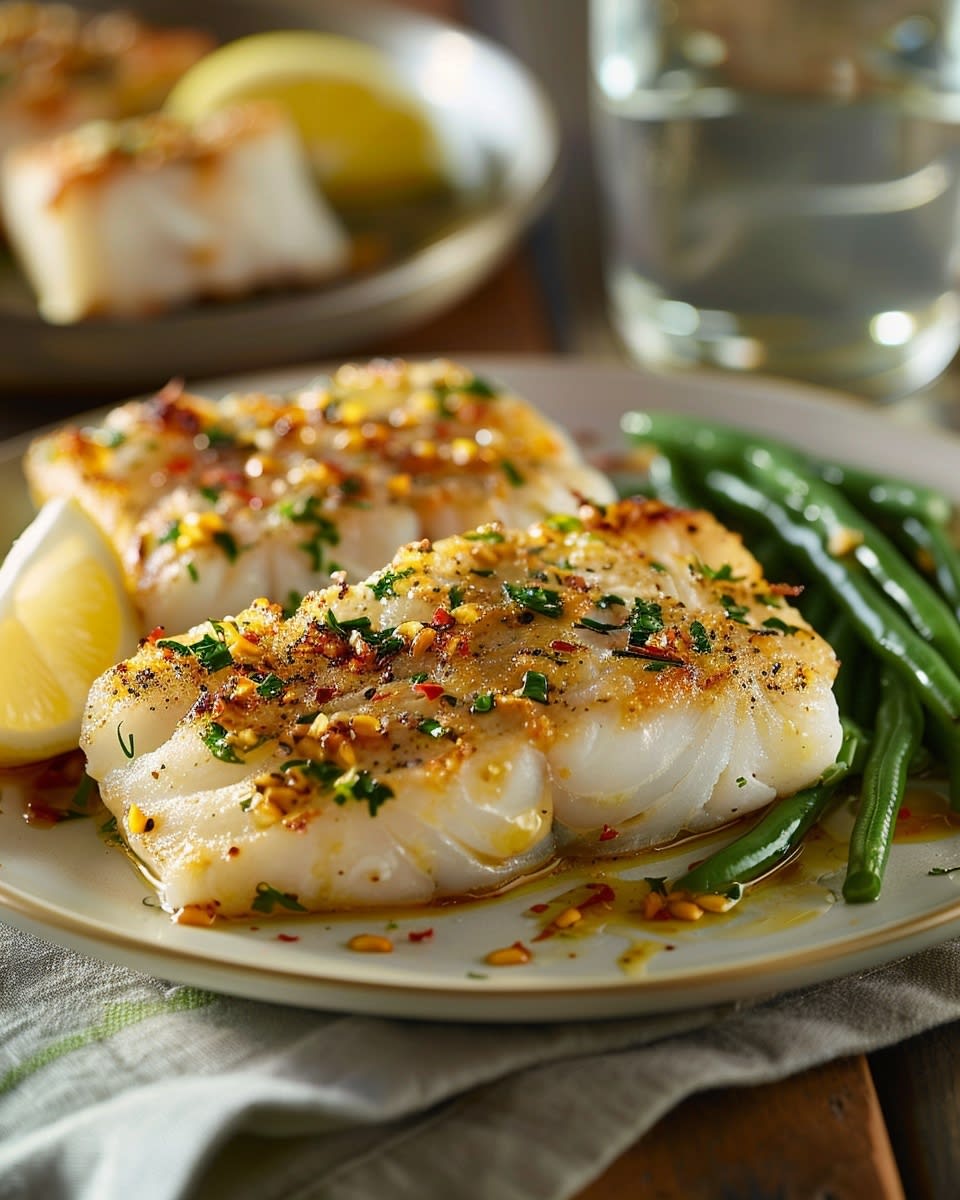
Last Tuesday night, I opened my fridge at 6 PM and felt that familiar panic. I needed dinner on the table fast, but I also wanted something healthy that wouldn’t leave me feeling guilty or stuffed. That’s when I spotted the cod fillets I’d bought over the weekend and a bag of fresh green beans. What happened next became one of my favorite weeknight meals, and I’ve made it at least a dozen times since.
Baked cod with green beans is one of those meals that feels fancy but takes almost no effort. You get a restaurant-quality dish without the stress or the hefty price tag. The fish comes out tender and flaky, and the green beans develop this wonderful caramelized edge that makes them irresistible.
Here’s what I love most about this dish: it’s incredibly low in calories but packed with the nutrients your body actually needs. A typical serving has less than 300 calories, yet you feel completely satisfied after eating it. The cod provides lean protein that keeps you full, while the green beans add fiber and vitamins. This makes it perfect for anyone watching their weight or just trying to eat better without feeling deprived.
The preparation couldn’t be simpler. You can have everything ready and in the oven in about 15 minutes. On those evenings when I’m exhausted from work or running around with the kids, this recipe saves me. There’s minimal chopping, barely any cleanup, and you only need one or two baking sheets for the whole meal.
Why Baked Cod is a Great Choice
Let me tell you why cod has become my go-to fish for weeknight dinners. This white fish is a nutritional powerhouse that doesn’t get enough credit. A single serving gives you about 20 grams of protein with almost no fat. That’s more protein than you’d get from most chicken breasts, ounce for ounce.
Cod also contains those important omega-3 fatty acids everyone talks about. These healthy fats support your heart, reduce inflammation, and even help with brain function. I used to take fish oil supplements until I realized I could get these benefits from eating fish twice a week instead. My doctor was thrilled when I told her about the change.
The protein in cod is what nutritionists call “complete protein.” This means it has all the essential amino acids your body needs but can’t make on its own. These amino acids help build muscle, repair tissue, and keep your immune system strong. When I started eating more fish like cod, I noticed I recovered faster from my workouts and had more steady energy throughout the day.
Now let’s talk about why baking is the best method for preparing cod. When you fry fish, a lot of those valuable nutrients break down from the high heat. The oils used in frying also add unnecessary calories and can create compounds that aren’t great for your health. Pan-frying is better, but you still lose some of the delicate flavors and nutrients.
Baking cod in the oven preserves almost all of its nutritional value. The gentle, even heat cooks the fish thoroughly without destroying the omega-3 fatty acids or the protein structure. You also don’t need to add much fat. A light drizzle of olive oil and some seasonings are all you need to create a delicious meal.
I learned this the hard way after years of overcooking fish on the stovetop. The oven gives you much more control and forgiveness. You can set a timer and walk away instead of hovering over a hot pan, constantly checking and flipping. This makes baking perfect for beginners who might feel intimidated by cooking fish.
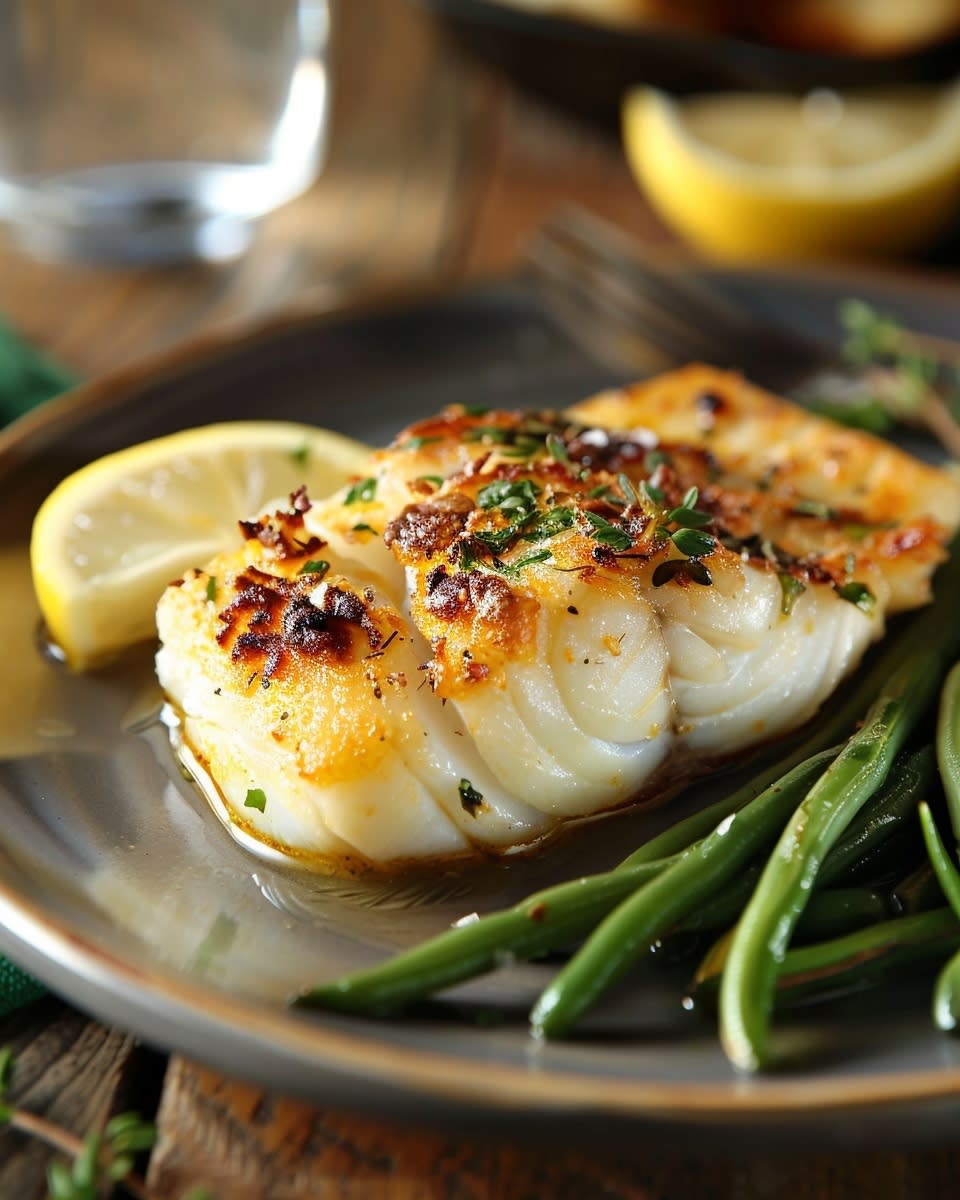
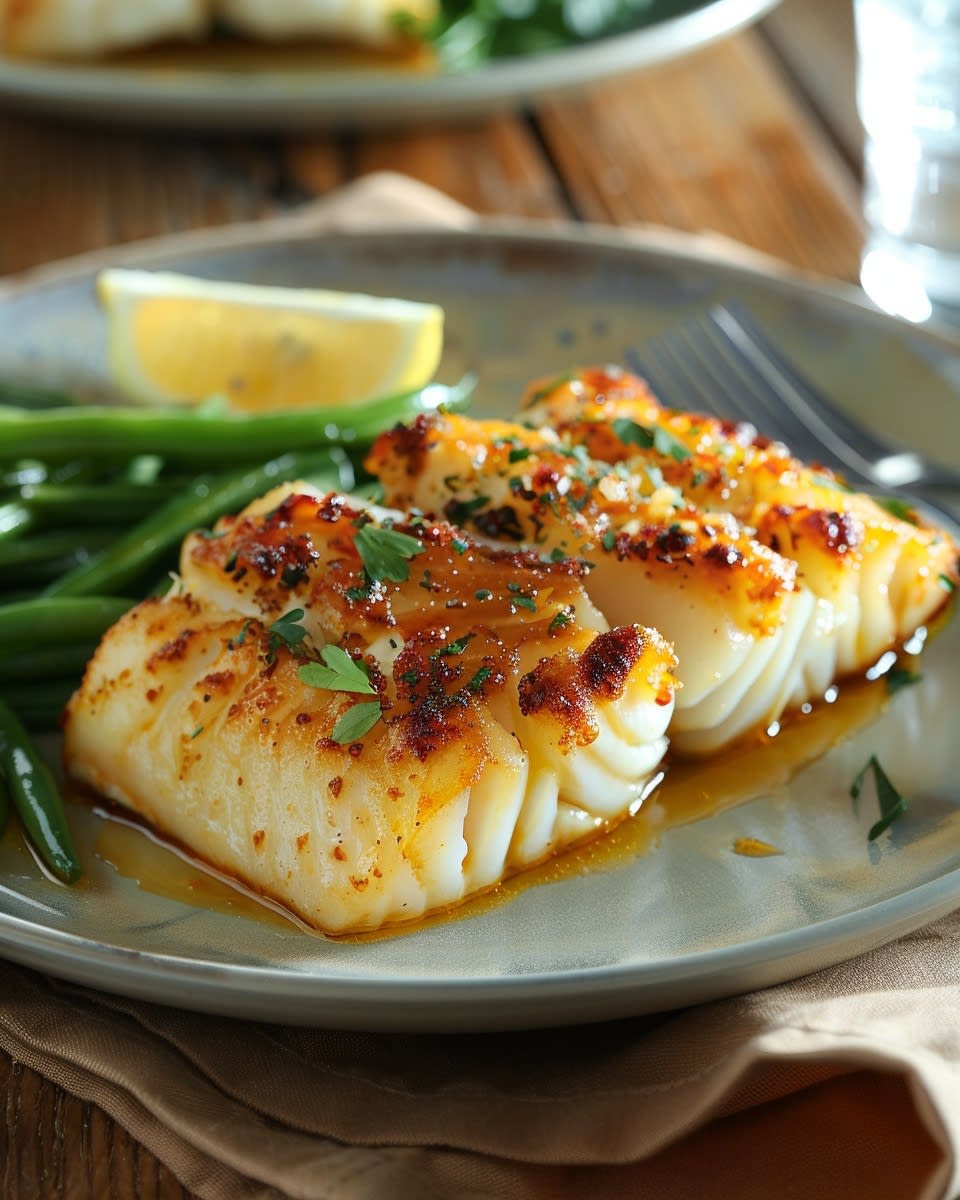
The texture you get from baking is another huge advantage. The cod comes out moist and tender with a slightly firm exterior. It flakes apart easily with a fork, which is exactly what you want. There’s no greasy coating or dried-out edges like you sometimes get with other cooking methods.
One question I hear all the time is: how long does cod take in the oven at 400 degrees? The answer is usually 12 to 15 minutes, depending on the thickness of your fillets. I use the rule of 10 minutes per inch of thickness. A standard fillet that’s about an inch thick will be perfectly done in 12 minutes at 400 degrees. You’ll know it’s ready when the fish turns opaque and flakes easily.
Here’s something that makes cod even better: its mild flavor works with almost any seasoning profile. Some nights I go Mediterranean with lemon, garlic, and herbs. Other times I add Cajun spices for a kick. You can do Asian-inspired flavors with ginger and soy sauce, or keep it simple with just salt, pepper, and butter. The fish acts like a blank canvas for whatever flavors you’re craving.
This versatility means you’ll never get bored. I make baked cod with green beans at least once a week, but it tastes different every time because I change up the seasonings. My kids even eat it without complaining, which is saying something.
The best part? Diabetics can absolutely eat baked cod without worry. It has zero carbohydrates and won’t spike blood sugar levels. The protein actually helps stabilize blood sugar, making it an excellent choice for anyone managing diabetes. My father-in-law has type 2 diabetes, and this has become one of his favorite meals when he visits.
Let me share some common mistakes I made when I first started baking cod. The biggest one was overcooking it. Fish continues cooking even after you take it out of the oven, so I learned to remove it when it’s just barely done. Another mistake was using fillets that were too thin or uneven. Look for pieces that are similar in thickness so they cook evenly.
I also used to skip preheating the oven properly. Your oven needs to reach the full 400 degrees before the fish goes in. Otherwise, the cooking time gets thrown off and you might end up with rubbery fish. Now I always turn on the oven first thing when I get home, so it’s ready when I am.
Seasoning the fish while it’s still slightly wet helps the spices stick better. I pat the fillets dry with paper towels but leave them just a bit damp. Then the olive oil and seasonings cling to the surface instead of sliding off. This small trick has made a noticeable difference in the final flavor.


How to Prepare Baked Cod with Green Beans
Now that you understand why this combination works so well, let me walk you through exactly how I make this meal happen on busy weeknights.
The first step is picking your cod at the store or fish market. I always look for fillets that are firm to the touch and have a clean, ocean-like smell. If the fish smells “fishy” in that unpleasant way, it’s not fresh enough. Pass on it. The flesh should be white or slightly translucent, never yellowing or brown around the edges. I’ve found that buying from the seafood counter instead of pre-packaged options gives me better quality, even though it costs a bit more.
Thickness matters more than you’d think. I aim for fillets that are about one inch thick, maybe slightly thinner. Anything thicker than an inch and a half will take longer to cook, which throws off the timing with the green beans. If you can only find thicker pieces, you’ll need to adjust your cooking time accordingly. Some grocery stores will even cut the fillets to your preferred thickness if you ask nicely.
For the green beans, I grab about a pound for four servings. Fresh is always my first choice, but honestly, frozen green beans work great too. Just make sure they’re completely thawed and patted dry before you use them. The moisture on frozen beans can create steam in the oven, which prevents that nice caramelization I mentioned earlier. I learned this after making soggy green beans one too many times.
Here’s the thing about prep work: you want everything ready before you start cooking. I wash the green beans and trim off the stem ends. This takes maybe five minutes if you’re moving at a relaxed pace. Trimming isn’t absolutely necessary, but it makes the beans look more polished and removes any tough bits.
Get your oven preheating to 400 degrees Fahrenheit while you’re doing the prep. This temperature is the sweet spot for cooking both the fish and vegetables together. Too hot and the fish dries out before the beans are done. Too cool and everything takes forever. Trust me, I’ve tried different temperatures, and 400 degrees wins every time.
While the oven heats up, I line one or two baking sheets with parchment paper or give them a light spray with cooking oil. The parchment makes cleanup ridiculously easy, which matters when you’re tired after dinner. You can use the same sheet for both the fish and beans if you arrange them properly, or use two separate sheets if you prefer. I usually go with two because it gives everything more room to breathe.
Pat your cod fillets completely dry with paper towels. This step is crucial because moisture is the enemy of good seasoning and even cooking. Once they’re dry, place them on one prepared baking sheet. Space them at least an inch apart so hot air can circulate around each piece.
For seasoning, I keep it simple most nights. Drizzle each fillet with about a teaspoon of olive oil or melted butter. Rub it around to coat the top and sides. Then I season with salt and fresh cracked black pepper. Some garlic powder adds depth without any extra effort. If I’m feeling fancy, I’ll add a squeeze of lemon juice and some dried herbs like thyme or dill.
The green beans get similar treatment but with a bit more oil. Toss them in a bowl with about two tablespoons of olive oil for a pound of beans. Add salt, pepper, and maybe some garlic powder or red pepper flakes if you want a kick. Spread them out on the second baking sheet in a single layer. Don’t pile them up or they’ll steam instead of roast.
Funny enough, timing both components to finish together is easier than it sounds. The green beans actually need more time than the cod, so they go in first. I put the beans in the preheated oven and set a timer for 10 minutes. After those 10 minutes, I add the sheet with the cod fillets to the oven. Then I set another timer for 12 to 15 minutes, depending on how thick the fillets are.
How to best cook cod in the oven really comes down to not overthinking it and watching the clock. For standard one-inch thick fillets at 400 degrees, 12 minutes is usually perfect. The fish should be opaque all the way through and flake easily when you gently press a fork into the thickest part. If your fillets are thinner, check them at 10 minutes. Thicker pieces might need up to 18 minutes, but that’s rare with standard grocery store cuts.
One trick I use is the “press test.” Gently press the top of the fillet with your finger about two minutes before you think it’s done. If it feels firm but still has a little give, it’s almost there. If it feels mushy, it needs more time. If it feels rock hard, you’ve probably overcooked it. This tactile check has saved me from many ruined dinners.
While everything bakes, I usually throw together a quick side like the zucchini noodles with pesto I made last week, though honestly the cod and beans are satisfying enough on their own. Sometimes I’ll prep a simple salad similar to my kale and chickpea salad if I want extra greens on the plate.
Balancing flavors is where you can get creative. The mild cod takes on whatever seasonings you use, so don’t be shy. I’ve done Italian seasoning with tomatoes on top. I’ve tried Cajun spices for a Louisiana vibe. Asian-inspired sesame oil with ginger works beautifully too. The green beans complement all these flavor profiles, which is why this combination is so versatile.
When both components are done, I like to plate them together and add a fresh squeeze of lemon juice over everything. That bright acidity ties the whole dish together and makes it taste restaurant-quality. A sprinkle of fresh parsley or cilantro adds color and freshness, though it’s totally optional.
Common Mistakes When Baking Cod
Let me tell you about the disasters I’ve created in my kitchen so you can avoid them. The biggest problem people have is overcooking their fish. Cod goes from perfectly done to rubbery and dry in literally two minutes. It’s unforgiving. I’ve served my family overcooked cod more times than I’d like to admit before I figured out the timing.
Here’s what happens when you overcook it: the proteins squeeze out all their moisture and the fish becomes tough and chalky. You can’t really fix it once it’s overdone. The best prevention is setting a timer and checking the fish a minute or two before you think it’ll be ready. Remember, it keeps cooking from residual heat even after you pull it from the oven.
Another mistake is not using enough seasoning. Cod has a very mild flavor, which is great, but it means it needs help. I used to be timid with salt because I thought I was being healthy. Wrong move. Properly seasoned fish tastes exponentially better. Don’t drown it, but don’t be scared of salt either. A good pinch on each fillet makes all the difference.
Starting with cold fish is a rookie error I made constantly when I first started cooking. Fish straight from the fridge takes longer to cook and doesn’t cook as evenly. I now take my fillets out about 15 minutes before cooking to take the chill off. They don’t need to be room temperature, just not ice cold. This small change improved my results dramatically.
Using a baking temperature that’s too low causes the fish to release moisture and basically poach itself in liquid on the pan. You end up with watery, sad-looking fillets instead of nicely cooked ones. Stick with 400 degrees or even go up to 425 if you want a slightly crispier exterior. Lower than 375 and you’re asking for trouble.
Not checking the internal temperature is a mistake that affects both overcooking and undercooking. I finally bought a cheap instant-read thermometer, and it changed everything. Cod is done when it reaches an internal temperature of 145 degrees Fahrenheit. At that point, it’s safe to eat and should be perfectly moist. This takes the guesswork out completely.
By the way, if you find your fillets are different thicknesses, you can solve this by folding the thin tail end under itself. This creates a more uniform thickness that cooks evenly. I wish someone had told me this years ago. It would have saved so many dinners where half the fillet was perfect and half was overcooked.
Crowding the baking sheet is another common issue. When you pack too much onto one pan, the temperature drops and everything steams instead of baking. Leave space around each piece. If you’re cooking for a crowd and need to use multiple pans, rotate them halfway through cooking for even results. I usually cook for my family of four, which fits comfortably on one or two standard baking sheets.
Forgetting to adjust time based on fillet thickness trips people up constantly. A thin fillet that’s half an inch thick might only need 8 minutes, while a thick two-inch piece could need 20 minutes. When in doubt, use that 10-minutes-per-inch rule I mentioned earlier. It’s not perfect, but it’s a solid guideline that works most of the time.
One last thing: not tasting and adjusting seasoning before serving. I always taste a little piece of the green beans and check if they need more salt or a squeeze of lemon. Same with the fish. You can always add more, but you can’t take it away. This final check ensures everything is properly seasoned before it hits the table. It’s similar to how I always adjust seasonings in dishes like chicken buddha bowls with veggies or turkey lettuce wraps right before serving.

Health Benefits and Dietary Considerations
Let me tell you something that’ll change how you think about this simple dinner. The combination of baked cod and green beans isn’t just convenient—it’s a nutritional powerhouse that checks almost every box for a healthy meal. When I started paying attention to what I was putting in my body instead of just counting calories, this dish became even more valuable to me.
Here’s what really excites me about the nutritional profile. A typical serving of this meal gives you around 250 to 300 calories, depending on how much oil you use. But those aren’t empty calories. You’re getting roughly 30 grams of high-quality protein from the cod, which is more than most people need in a single meal. That protein keeps you satisfied for hours. I used to snack constantly after dinner until I started eating more protein-rich meals like this one. Now I’m good until morning.
The green beans bring their own impressive benefits to the table. A cup of cooked green beans has only about 40 calories but provides nearly 4 grams of fiber. That fiber is crucial for digestion and helps keep your blood sugar stable. Green beans are also loaded with vitamins K, C, and A. Vitamin K is especially important for bone health, something I started caring about more after my mom’s osteoporosis diagnosis.
What really sold me on green beans was learning they’re packed with antioxidants. These compounds fight inflammation in your body and may reduce your risk of chronic diseases. The specific antioxidants in green beans, including carotenoids and flavonoids, have been studied for their potential to protect against heart disease and certain cancers. That’s a lot of benefit from a humble vegetable that costs maybe two dollars a pound.
Now let’s address that important question directly: can diabetics eat baked cod? Absolutely, and it’s actually one of the best protein choices for blood sugar management. Cod contains zero carbohydrates and zero sugar, which means it won’t cause blood glucose spikes. The high protein content actually helps stabilize blood sugar levels throughout the day. My brother has type 1 diabetes, and his endocrinologist specifically recommended he eat more fish like cod.
The green beans are diabetes-friendly too. While they do contain some carbohydrates—about 10 grams per cup—the fiber content slows down how quickly those carbs are absorbed. This prevents the rapid blood sugar spikes that diabetics need to avoid. The combination of protein from the cod and fiber from the beans creates a meal that keeps blood sugar remarkably stable. When my brother eats this dinner, his continuous glucose monitor shows barely any fluctuation.
For anyone monitoring their daily nutrient intake, this meal contributes significantly to several important categories. You’re getting selenium from the cod, which supports thyroid function and immune health. The green beans provide manganese, folate, and potassium. Potassium is especially important if you’re watching your blood pressure, as it helps counteract the effects of sodium.
Funny enough, this dish fits into almost every popular eating pattern you can think of. It’s perfect for low-carb and keto diets since the total carbs are minimal. It works for paleo eating since you’re focusing on whole, unprocessed foods. Mediterranean diet followers love it because of the fish and vegetables. Even if you’re just trying to eat cleaner without following a specific diet, this meal delivers.
The beauty of a balanced meal like this is how it affects your energy levels. I used to crash hard around 3 PM every day, reaching for coffee or sugary snacks. Once I started eating more balanced dinners with good protein and vegetables, my energy stabilized. Turns out what you eat for dinner affects how you feel the next day more than I realized. Starting your morning after a nutritious dinner makes everything easier.
By the way, if you’re trying to lose weight, this meal is a dream. The high protein and fiber content trigger satiety hormones that tell your brain you’re full. You eat less overall without feeling deprived. I lost about 15 pounds last year, and meals like this were a huge part of that success. I never felt like I was on a diet because the food was genuinely satisfying and delicious.
Let me share some ideas for enhancing this meal even further without complicating it. Sometimes I’ll add cherry tomatoes to the baking sheet with the green beans. They blister and caramelize in the oven, adding a burst of sweetness that complements the mild fish perfectly. Tomatoes also bring lycopene, another powerful antioxidant that’s especially beneficial for heart health.
Roasted bell peppers make another excellent addition. I’ll slice up a red or yellow pepper and toss it with the green beans. The peppers add vitamin C and a subtle sweetness. Plus, they make the dish more colorful, which honestly makes healthy eating more enjoyable. We eat with our eyes first, and a vibrant plate is more appealing than a monochromatic one.
For a heartier meal, I sometimes serve this with quinoa or brown rice on the side. A half cup of cooked quinoa adds complex carbohydrates for sustained energy without overwhelming the plate. Quinoa also brings additional protein and all nine essential amino acids, making the meal even more nutritionally complete. I prep a big batch on Sundays and reheat portions throughout the week.
Here’s something I discovered by accident: roasted sweet potato wedges pair beautifully with this dish. I’ll cut a medium sweet potato into wedges, toss them with a tiny bit of oil and cinnamon, and roast them alongside everything else. They take about the same time as the green beans, maybe five minutes longer. The natural sweetness contrasts nicely with the savory fish, and you get a dose of beta-carotene and more fiber.
If you’re feeding kids or picky eaters, try adding a simple dipping sauce. I make a quick yogurt-based sauce with Greek yogurt, lemon juice, garlic powder, and fresh dill. It takes two minutes to stir together, and suddenly the whole meal becomes more fun and interactive. My youngest daughter won’t touch fish without her “special sauce,” but with it, she cleans her plate.
Another way to boost the nutritional value is by adding nuts or seeds. I’ll sprinkle sliced almonds over the green beans during the last few minutes of baking. They toast up nicely and add healthy fats, vitamin E, and a satisfying crunch. Pumpkin seeds or sunflower seeds work great too. This trick makes the vegetables feel more substantial and interesting.
For those watching sodium intake, this dish is easily adaptable. I use herbs and spices for flavor instead of relying heavily on salt. Garlic powder, onion powder, paprika, cumin, or any herb blend you enjoy will season everything beautifully. A squeeze of fresh lemon or lime juice at the end adds brightness without any sodium. My father-in-law has high blood pressure, and he loves this meal because it’s naturally lower in sodium but still tastes great.
The healthy fats in this dish deserve a mention too. The olive oil you use for cooking provides monounsaturated fats that support heart health. These fats help your body absorb the fat-soluble vitamins in the green beans, particularly vitamins A and K. Fat isn’t the enemy—you need some with every meal for proper nutrition. Just keep portions reasonable, which is easy with this recipe since you don’t need much oil.
One aspect I really appreciate is how this meal supports gut health. The fiber from the green beans feeds beneficial bacteria in your digestive system. These good bacteria play a huge role in overall health, affecting everything from immunity to mood. I used to have constant digestive issues until I increased my fiber intake with vegetables like green beans. The improvement was dramatic within a few weeks.
If you’re trying to incorporate more fish into your diet but you’re worried about mercury, cod is one of the safest choices. It’s a low-mercury fish that health organizations recommend eating regularly, even for pregnant women and children. This makes it a great option for families. I feel comfortable serving it to my kids twice a week without any concerns.
Let me mention meal prep possibilities since I know many of you are juggling busy schedules. You can prep the green beans ahead by washing and trimming them, then storing them in the fridge for up to three days. The seasonings can be mixed in advance too. I sometimes make my own spice blend on Sunday—garlic powder, paprika, dried herbs, salt, and pepper—and keep it in a small jar. Then weeknight prep becomes even faster because I just sprinkle my pre-made blend over everything.
The cod itself can be seasoned and refrigerated for up to 24 hours before baking. I wouldn’t go longer than that with fresh fish, but having it ready to pop in the oven makes dinner incredibly easy. Some nights I marinate the fillets in lemon juice and herbs in the morning before work. By dinner time, they’re packed with flavor and ready to cook.
Leftover baked cod and green beans store well in the refrigerator for up to three days. I pack them in glass containers and reheat them at work for lunch. The fish stays moist if you reheat it gently—I use about 60% power in the microwave for a minute or so. It’s not quite as good as fresh from the oven, but it’s still a solid meal. If you’re looking for more options like this, you might enjoy browsing through other healthy lunch ideas that work well for meal prep.
Here’s the thing about building a healthy lifestyle: it’s not about perfection, it’s about consistency. This baked cod with green beans meal won’t magically transform your health if you eat it once. But if you make it part of your regular rotation—maybe once or twice a week—alongside other nutritious meals, the cumulative effect is powerful. Small, sustainable changes beat dramatic overhauls that you can’t maintain.
I’ve also noticed that when I eat well at dinner, I make better choices the rest of the evening. There’s no sugar crash that sends me hunting for ice cream at 9 PM. I sleep better too, which affects everything from my mood to my productivity the next day. Good nutrition creates a positive ripple effect throughout your life in ways you might not immediately connect.
So whether you’re managing a health condition, trying to lose weight, feeding a family, or just want to eat better, this simple meal delivers on every level. It’s proof that healthy eating doesn’t have to be complicated, expensive, or time-consuming. Sometimes the best meals are the simplest ones.
I hope you’ll give this recipe a try this week. Start with the basic version I’ve outlined, then make it your own with different seasonings or side additions. Pay attention to how you feel after eating it—the sustained energy, the satisfaction, the lack of heaviness. That’s what real, nourishing food should feel like. And if you end up loving it as much as I do, it might just become your go-to weeknight dinner too.
FAQs
How long does cod take in the oven at 400 degrees?
Standard cod fillets that are about one inch thick will take 12 to 15 minutes at 400 degrees Fahrenheit. The exact time depends on the thickness of your particular fillets. I use the guideline of 10 minutes per inch of thickness, which works reliably. You’ll know the cod is done when it reaches an internal temperature of 145 degrees and flakes easily with a fork. Thinner fillets may only need 8 to 10 minutes, while thicker pieces could take up to 18 minutes.
What are common mistakes when baking cod?
The most common mistake is overcooking the fish, which makes it dry and rubbery. People also frequently under-season cod because they’re afraid of overpowering its mild flavor, but it actually needs decent seasoning. Starting with cold fish straight from the refrigerator causes uneven cooking. Using a baking temperature that’s too low results in the fish releasing moisture and essentially steaming instead of baking. Finally, crowding the baking sheet prevents proper air circulation and leads to steaming rather than the nice texture you want from oven-baking.
Can diabetics eat baked cod?
Yes, baked cod is an excellent choice for diabetics. It contains zero carbohydrates and zero sugar, so it won’t cause blood glucose spikes. The high protein content actually helps stabilize blood sugar levels after eating. Cod provides essential nutrients without negatively impacting blood sugar management. When paired with fiber-rich vegetables like green beans, you get a complete meal that keeps blood sugar remarkably stable. Many endocrinologists specifically recommend fish like cod as a regular part of a diabetes-friendly diet.
How to best cook cod in the oven?
The best method is to preheat your oven to 400 degrees and use fillets that are similar in thickness for even cooking. Pat the fillets completely dry, then season them well with salt, pepper, and your preferred seasonings. Drizzle with a small amount of olive oil or melted butter. Place them on a parchment-lined baking sheet with space between each piece for air circulation. Bake for 12 to 15 minutes depending on thickness, and remove them when they just reach 145 degrees internally. They’ll continue cooking slightly from residual heat after removal.
What temperature should I cook green beans at in the oven?
Green beans roast beautifully at 400 to 425 degrees Fahrenheit. At 400 degrees, they typically need 20 to 25 minutes total to become tender with slightly caramelized edges. I toss them with olive oil, salt, and pepper, then spread them in a single layer on a baking sheet. Stirring them once halfway through cooking ensures even browning. The higher heat creates that nice texture where they’re tender but still have a bit of bite, with some delicious browned spots that add flavor.
Can I use frozen cod for this recipe?
Yes, but you need to thaw it completely first. I thaw frozen cod overnight in the refrigerator, which is the safest method. In a pinch, you can thaw it in a sealed bag submerged in cold water, changing the water every 30 minutes until thawed. Never thaw fish at room temperature or in warm water as this creates food safety risks. Once thawed, pat the cod very dry with paper towels since frozen fish releases more moisture. Cooking times remain the same as with fresh cod once it’s fully thawed.
What sides go well with baked cod and green beans?
This dish pairs well with simple carbohydrate sides like quinoa, brown rice, or roasted potatoes. A light grain salad with lemon vinaigrette complements the fish nicely without overwhelming it. Roasted sweet potato wedges add natural sweetness that contrasts with the savory fish. A simple mixed green salad with a citrus dressing works well if you want to keep the meal light. I also love serving crusty whole grain bread for soaking up any juices and lemon butter from the fish.
How can I tell if my cod is fresh at the store?
Fresh cod should have a clean, ocean-like smell—never a strong fishy odor. The flesh should be firm and spring back when you press it gently. Look for fillets that are white or slightly translucent, avoiding any that look yellowed or have brown edges. The fish shouldn’t be sitting in liquid or appear slimy. If you’re buying from a seafood counter, the display should be properly iced and the fish should look moist but not wet or dried out. When in doubt, ask when the fish arrived and trust your nose.
Can I make this recipe on a sheet pan all together?
Absolutely, and it’s actually my preferred method for easy cleanup. Use a large baking sheet and put the green beans on first since they need more cooking time. Start them baking for about 10 minutes, then push them to the sides and add the cod fillets in the center. This timing allows everything to finish at the same time. Just make sure nothing is crowded—leave space around each component for proper air circulation. If your sheet is too small, use two sheets and rotate them halfway through for even cooking.
What seasonings work best with cod?
Cod’s mild flavor works with almost any seasoning profile. Classic combinations include lemon, garlic, and dill or parsley for a fresh taste. Mediterranean seasonings like oregano, thyme, and basil with olive oil are delicious. For something spicier, try Cajun seasoning or smoked paprika with a little cayenne. Asian-inspired flavors like ginger, sesame oil, and soy sauce create a completely different dish. Even simple salt, pepper, and butter make excellent cod. The key is to season generously since cod doesn’t have a strong flavor on its own.
Ingredients
Equipment
Method
- Preheat your oven to 400°F (200°C).
- Wash and trim the green beans, then pat them dry.
- Line one or two baking sheets with parchment paper or lightly spray with cooking oil.
- Pat the cod fillets completely dry with paper towels.
- Place cod fillets on one prepared baking sheet, spaced at least an inch apart.
- Drizzle each cod fillet with about 1 teaspoon olive oil or melted butter and season with salt, pepper, garlic powder, and lemon juice.
- Toss the green beans in a bowl with 2 tablespoons olive oil, salt, pepper, and any additional seasoning.
- Spread the green beans in a single layer on the second baking sheet.
- Place the green beans in the preheated oven and set a timer for 10 minutes.
- After 10 minutes, add the baking sheet with cod to the oven.
- Set a timer for 12 to 15 minutes for the cod to cook, depending on thickness.
- Check the cod for doneness; it should be opaque and flake easily.
- Once cooked, remove both the cod and green beans from the oven.
- Optionally, sprinkle with fresh parsley or cilantro and serve with a squeeze of lemon juice.