
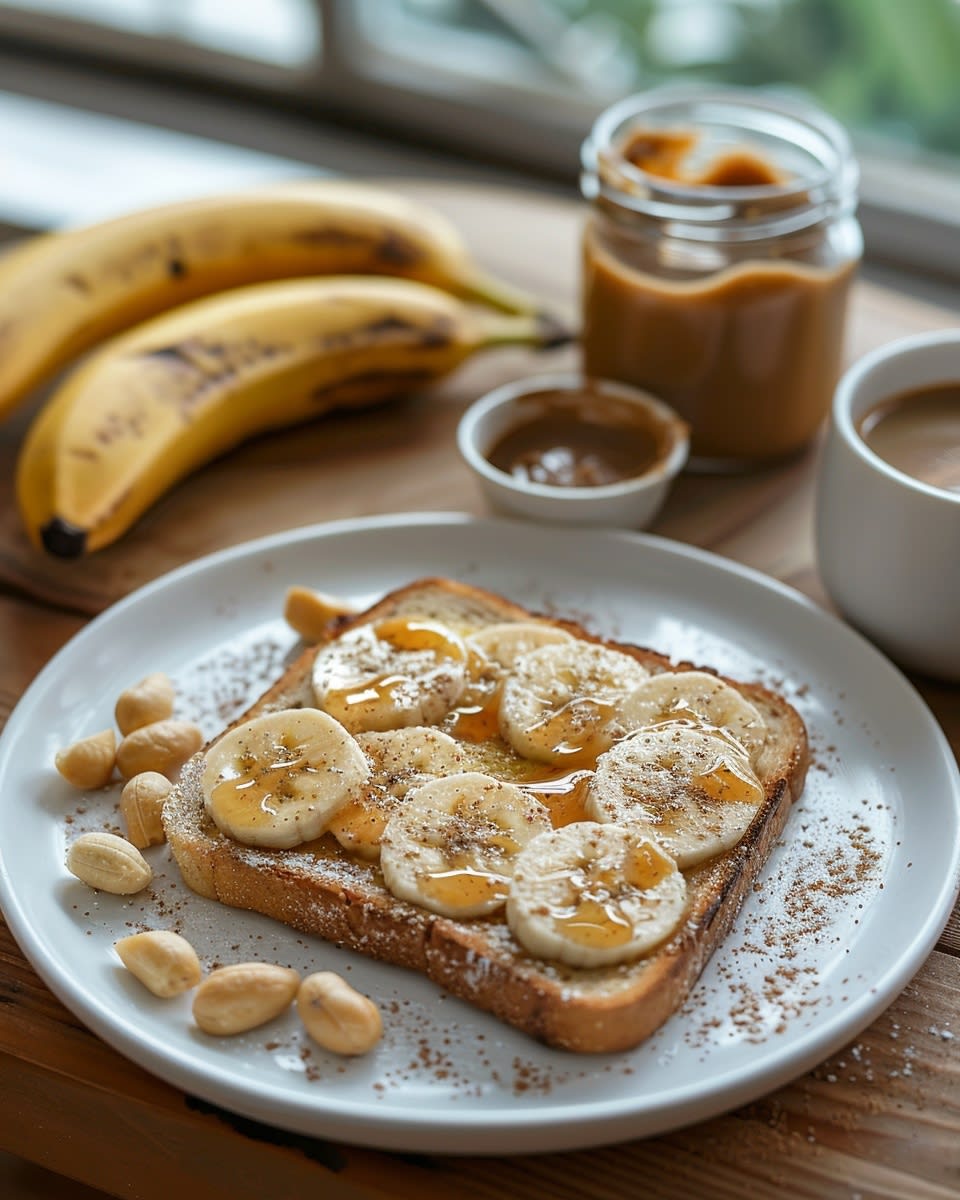
Banana Peanut Butter Toast: The Ultimate Easy Breakfast Guide
I still remember the first time I made banana peanut butter toast for myself. I was running late for work, starving, and desperate for something quick. I grabbed the bread, smeared on some peanut butter, sliced a banana on top, and ran out the door. That simple breakfast kept me full until lunch, and I’ve been hooked ever since.
Here’s the thing about banana peanut butter toast: it’s one of those rare foods that checks every box. It’s fast to make, tastes amazing, and actually gives your body what it needs to start the day right. You don’t need fancy ingredients or cooking skills. Just bread, peanut butter, and a banana. That’s it.
The best part? This isn’t just another boring breakfast. You can change it up every single day. Add honey one morning, sprinkle some cinnamon the next, or throw on some chia seeds when you’re feeling fancy. The possibilities are endless, and each version brings something new to the table.
What really makes this breakfast special is how it balances nutrition with taste. You’re getting protein, healthy fats, fiber, and natural sugars all in one meal. Your body gets sustained energy without that mid-morning crash you get from sugary cereals or pastries.
What is Banana Peanut Butter Toast?
Let me break this down for you. Banana peanut butter toast is exactly what it sounds like: toasted bread topped with peanut butter and sliced bananas. That’s the basic version, anyway. But don’t let the simplicity fool you. This combination has been a breakfast staple for decades because it just works.
The preparation is straightforward. You toast your bread until it’s golden and crispy. While it’s still warm, you spread a layer of peanut butter on top. The heat from the toast softens the peanut butter slightly, making it easier to spread and bringing out its natural oils. Then you slice a ripe banana and arrange the pieces on top. Some people like thick slices, others prefer thin ones. I go somewhere in the middle.
This meal has gained massive popularity over the years, and for good reason. College students love it because it’s cheap and filling. Athletes eat it before workouts for quick energy. Parents make it for their kids because it’s nutritious and kids actually enjoy eating it. Busy professionals grab it on hectic mornings when time is tight.
The beauty of peanut butter banana toast breakfast lies in its versatility. You can eat it as your main breakfast, pack it as a snack, or enjoy it as a pre-workout meal. Some people even have it for dessert, drizzled with a bit of dark chocolate. There are no rules here.
One thing I’ve noticed over the years is how this simple meal brings people together. I’ve had countless conversations with friends and coworkers who all have their own special way of making it. Some swear by whole wheat bread, others prefer sourdough. Some use crunchy peanut butter, while others insist on smooth. Everyone has their version, and that’s what makes it so universal.
Why Choose Banana Peanut Butter Toast for Breakfast?
I’m going to be honest with you. Mornings can be rough. The alarm goes off, you hit snooze three times, and suddenly you’re scrambling to get ready. The last thing you want is a complicated breakfast that requires multiple pans and twenty minutes of prep time. That’s where banana peanut butter toast becomes your best friend.
The convenience factor here is unbeatable. From start to finish, you’re looking at about five minutes. Maybe less if you’re good at multitasking. You can make it while your coffee brews or while you’re packing your bag. There’s no excuse to skip breakfast when something this easy exists.
Let me walk you through a typical morning routine with this breakfast:
- Pop the bread in the toaster (30 seconds of your time)
- Peel and slice a banana while the bread toasts (1 minute)
- Spread peanut butter on the warm toast (30 seconds)
- Arrange banana slices on top (30 seconds)
- Add any extras like honey or cinnamon (optional, 20 seconds)
That’s it. You’ve just made yourself a complete breakfast in under three minutes.
But speed isn’t the only reason to choose this breakfast. The customization options are endless. Want more protein? Use extra peanut butter or add a protein powder drizzle. Looking to boost your peanut butter and banana toast protein content even more? Sprinkle some hemp seeds or chopped nuts on top. Trying to manage your weight? Adjust the portions to fit your goals.
Speaking of weight, I get asked a lot about peanut butter and banana toast weight loss and peanut butter and banana toast weight gain. The truth is this meal can work for both goals. It all comes down to portions and what else you’re eating throughout the day. If you’re trying to lose weight, use one slice of whole grain bread and measure your peanut butter. If you’re trying to gain weight or build muscle, use two slices and add extras like honey, nut butter, or granola.
The versatility extends to dietary preferences too. Vegan? Use plant-based bread and natural peanut butter. Gluten-free? Swap in your favorite gluten-free bread. Nut allergy? Try banana toast without peanut butter and use sunflower seed butter or almond butter instead. There’s always a way to make it work for your needs.
Now let’s talk about the nutritional side. This isn’t just convenient food. It’s actually good for you. Peanut butter banana toast nutrition offers a balanced mix of macronutrients that your body needs. The bread gives you carbohydrates for energy. The peanut butter provides protein and healthy fats. The banana adds natural sweetness, potassium, and fiber.
When you eat banana peanut butter toast healthy versions made with whole grain bread and natural peanut butter, you’re giving your body sustained energy. This isn’t like eating a donut that spikes your blood sugar and leaves you crashing an hour later. The combination of protein, fat, and fiber slows down digestion and keeps you satisfied.
I used to skip breakfast all the time. I’d grab a coffee and call it good. By 10 AM, I was starving and making poor food choices. Once I started eating peanut butter banana toast regularly, everything changed. I had more energy, better focus, and I stopped reaching for junk food mid-morning.
Another reason to choose this breakfast is the cost. Let’s be real: food is expensive these days. But this meal won’t break the bank. A loaf of bread costs a few dollars. A jar of peanut butter lasts weeks. Bananas are one of the cheapest fruits you can buy. You’re looking at pennies per serving.
The health benefits go beyond just feeling full. Bananas are packed with potassium, which helps regulate blood pressure and supports muscle function. Peanut butter contains healthy monounsaturated fats that support heart health. Whole grain bread provides B vitamins and minerals. When you combine these ingredients, you’re creating a nutritional powerhouse.
Many people wonder about banana peanut butter toast calories. A typical serving with one slice of whole wheat bread, one tablespoon of peanut butter, and half a banana comes in around 250-300 calories. Add peanut butter toast with banana and honey, and you’re adding about 60 more calories. These numbers can vary based on your exact ingredients and portions.
For those tracking their intake, here’s a general breakdown:
| Ingredient | Amount | Approximate Calories |
|---|---|---|
| Whole wheat bread | 1 slice | 80-100 |
| Peanut butter | 1 tablespoon | 95 |
| Banana | 1 medium (half used) | 50-55 |
| Honey | 1 teaspoon (optional) | 20 |
The flexibility of this breakfast means you can adjust it to match your daily calorie goals. Training for a marathon? Make two slices and add extra toppings. Watching your intake? Stick to one slice and lighter portions. The choice is yours, and that control matters when you’re trying to maintain a healthy lifestyle.


Nutritional Value of Banana Peanut Butter Toast
Now that we’ve covered why this breakfast works so well, let’s dig into the actual numbers and see what you’re really putting into your body.
Understanding banana peanut butter toast calories means looking at each component individually and then seeing how they work together. I’ll be straight with you: I used to think counting calories was boring and unnecessary. Then I started paying attention to what I ate, and everything clicked. When you know what’s in your food, you can make smarter choices without stressing about it.
A standard serving breaks down something like this: your whole wheat bread slice runs about 80 to 100 calories depending on the brand. That tablespoon of peanut butter? That’s roughly 95 calories, though it can go up to 100 if you’re generous with your spread. Half a medium banana adds another 50 to 55 calories. So you’re sitting at around 230 to 250 calories for the basic version.
But here’s where it gets interesting. Those aren’t empty calories like you’d get from a sugary muffin or a pastry. Every single calorie in this meal is doing something useful for your body. The bread provides complex carbohydrates that break down slowly, giving you steady energy. The peanut butter delivers protein and healthy fats that keep you satisfied. The banana brings natural sweetness along with essential nutrients.
When we talk about peanut butter banana toast nutrition, we’re looking at a pretty impressive nutritional profile. The banana alone is giving you potassium, vitamin B6, vitamin C, and fiber. One medium banana contains about 3 grams of fiber, which is roughly 10% of your daily needs. That fiber helps with digestion and keeps your blood sugar stable.
The peanut butter contributes more than just calories. You’re getting magnesium, which supports muscle and nerve function. You’re getting vitamin E, an antioxidant that protects your cells. You’re also getting niacin, which helps convert food into energy. Natural peanut butter without added sugars is your best bet here. I used to buy the regular stuff with all the added oils and sugars. Once I switched to natural peanut butter, I could actually taste the difference, and I felt better about what I was eating.
Whole grain bread adds even more to the nutritional mix. You’re getting B vitamins like thiamin, riboflavin, and folate. These vitamins play crucial roles in energy production and cell function. You’re also getting iron, which helps carry oxygen through your blood. Plus, whole grains contain antioxidants and beneficial plant compounds that white bread just doesn’t have.
Here’s something I learned the hard way: not all bread is created equal. I once bought what I thought was whole wheat bread, but when I checked the ingredients, refined flour was the first item on the list. Real whole grain bread lists whole wheat flour or whole grain flour as the first ingredient. This matters because whole grains provide more fiber, vitamins, and minerals than refined grains.
Let me talk about peanut butter and banana toast protein for a minute. This is where things get really practical, especially if you’re active or trying to build muscle. A tablespoon of peanut butter gives you about 4 grams of protein. Your whole wheat bread adds another 4 to 5 grams. The banana contributes roughly 1 gram. So you’re looking at around 9 to 10 grams of protein per serving.
Is that enough protein for breakfast? It depends on your needs. If you’re sedentary and just need something to get through the morning, it’s probably fine. But if you’re training hard or trying to maximize muscle growth, you might want more. I sometimes add a side of cottage cheese or pair my toast with eggs and cottage cheese bowl when I need extra protein. Other mornings, I’ll follow up with protein banana pancakes if I’m really hungry and have more time.
The micronutrient content is worth mentioning too. You’re getting a decent amount of manganese from the whole wheat bread and peanut butter. Manganese helps with bone formation and blood clotting. The banana provides potassium, which most people don’t get enough of. Potassium helps regulate fluid balance, nerve signals, and muscle contractions. When I forget to eat potassium-rich foods, I notice I get muscle cramps more easily.
Adding peanut butter toast with banana and honey changes the nutritional profile slightly. That teaspoon of honey adds about 20 calories, all from natural sugars. It also brings small amounts of antioxidants and trace minerals. Some people avoid honey because of the extra sugar, but I think a small drizzle is fine if you enjoy the taste and it makes you more likely to eat a healthy breakfast.
Health Benefits of Banana Peanut Butter Toast
Beyond just the numbers, this breakfast actually does some pretty amazing things for your body.
The question of whether banana peanut butter toast healthy choices can support your overall wellness is one I get asked constantly. My answer is always yes, with some important conditions. When you make it with whole grain bread, natural peanut butter, and a ripe banana, you’re creating a meal that supports multiple aspects of your health.
The fiber content alone is a game changer. Between the whole grain bread and the banana, you’re getting significant dietary fiber. This fiber slows down digestion, which means the sugars from the banana and any honey you add get absorbed gradually rather than all at once. This prevents those blood sugar spikes that leave you feeling shaky and hungry an hour later.
I used to have terrible energy crashes mid-morning. I’d eat breakfast at 7 AM and by 10 AM I was raiding the vending machine. When I started eating more fiber-rich breakfasts like this one, those crashes disappeared. The sustained energy made such a difference in my productivity and mood.
The healthy fats in peanut butter deserve special attention. These are mostly monounsaturated and polyunsaturated fats, the kinds that actually benefit your heart. They help reduce bad cholesterol levels and provide essential fatty acids your body can’t make on its own. These fats also help you absorb fat-soluble vitamins like vitamin E.
Now let’s address the elephant in the room: peanut butter and banana toast weight loss. Can this meal help you lose weight? The short answer is yes, but it’s not magic. Weight loss comes down to eating fewer calories than you burn. This breakfast can absolutely fit into a weight loss plan because it’s filling, nutritious, and relatively low in calories when portioned correctly.
The key is portion control and mindful choices. Use one slice of whole grain bread instead of two. Measure your peanut butter instead of eyeballing it. Trust me, a tablespoon is less than you think. Skip the honey or use just half a teaspoon. Use the whole banana if you want, since the fiber will help keep you full.
The protein and healthy fats in this meal increase satiety, which is just a fancy word for feeling full and satisfied. When you feel satisfied after breakfast, you’re less likely to snack before lunch. You’re less likely to overeat at your next meal. This natural appetite control is one reason why this breakfast works for weight management.
On the flip side, let’s talk about peanut butter and banana toast weight gain. Maybe you’re trying to build muscle or you’re naturally thin and want to add some healthy weight. This breakfast can work for that goal too. The approach is different, though.
For weight gain, you want more calories and more protein. Use two slices of bread instead of one. Spread two tablespoons of peanut butter instead of one. Add a whole banana instead of half. Drizzle on some honey or maple syrup. Top it with chopped nuts or granola for extra calories and crunch. You could even add a protein shake on the side or pair it with protein breakfast burrito bowl for a seriously filling meal.
When I was training for a half marathon, I needed more calories to fuel my runs. I’d make a double serving of this toast and add almond butter on top of the peanut butter. Sounds excessive, but my body needed that energy. Some mornings I’d make it alongside a quick microwave mug omelette for even more protein and calories.
The energy-boosting properties of this combination are no joke. Bananas are famous as a quick energy source because they contain three natural sugars: sucrose, fructose, and glucose. Combined with the fiber, you get both immediate and sustained energy. Athletes often eat bananas before workouts for exactly this reason.
The peanut butter adds to this energy boost by providing protein and healthy fats that your body can use for fuel over a longer period. When you eat this breakfast before a busy day or a workout, you’re giving your body both quick-burning and slow-burning fuel. It’s like having both kindling and logs for a fire.
Another benefit I don’t see discussed enough is the impact on mood and mental clarity. When your blood sugar is stable and you’re properly nourished, your brain works better. You can focus more easily. You feel less irritable. The B vitamins in whole grain bread support brain function and help produce neurotransmitters that regulate mood.
The potassium in bananas helps deliver oxygen to your brain, which improves mental clarity and concentration. I notice a real difference in my ability to focus during morning meetings when I’ve eaten a proper breakfast versus when I’ve skipped it or just had coffee.
Funny enough, this simple breakfast also supports heart health. The potassium helps regulate blood pressure. The healthy fats support cardiovascular function. The fiber helps reduce cholesterol levels. The whole package works together to benefit your heart, which is something we should all be thinking about.
One last thing worth mentioning is how this meal affects your digestive health. The fiber from the whole grains and banana feeds the beneficial bacteria in your gut. A healthy gut microbiome influences everything from immunity to mental health. When I eat regularly and include enough fiber, my digestion just works better. Everything moves along smoothly, if you know what I mean.


Variations and Customizations
Here’s where things get fun. Once you’ve nailed the basic version, you can start playing around with different flavors and toppings. I’ve spent years experimenting with this breakfast, and I’m excited to share some of my favorite variations with you.
Let’s start with the sweetness factor. Adding peanut butter toast with banana and honey is probably the most popular variation out there. The honey brings this warm, floral sweetness that complements the nuttiness of the peanut butter perfectly. I usually drizzle it on in a zigzag pattern, which sounds silly but makes me happy. Use raw honey if you can find it. The flavor is more complex, and it contains beneficial enzymes that regular honey doesn’t have.
When I make peanut butter banana toast with honey, I like to use a lighter hand with the banana slices and let the honey be the star. Sometimes I’ll even mash the banana first, spread it like jam, then add the honey on top. This creates different flavor layers that hit your taste buds at different moments. My cousin taught me this trick, and it changed everything.
But honey isn’t your only sweetener option. Maple syrup works beautifully, especially if you’re going for more of a pancake-style flavor. Real maple syrup, not the fake stuff. Agave nectar is another alternative that vegans often prefer. It’s sweeter than honey, so you need less. Date syrup is another option that brings a deep, caramel-like flavor along with minerals like potassium and magnesium.
Now let’s talk about banana toast without peanut butter. Maybe you have a peanut allergy. Maybe you just don’t like peanut butter. That’s completely fine, and you still have plenty of options. Almond butter is the obvious substitute, and it’s actually my personal favorite. It has a slightly sweeter, more delicate flavor than peanut butter. The texture is smoother too.
Cashew butter is another fantastic choice. It’s super creamy and mild, which makes it great if you want other flavors to shine through. Sunflower seed butter works well for those with nut allergies. It has this slightly earthy taste that I didn’t love at first, but it grew on me. Some brands add salt, which actually enhances the banana’s sweetness.
Cookie butter is a more indulgent option. It’s basically spreadable cookies, so you’re getting into treat territory rather than healthy breakfast. But hey, sometimes you deserve a treat. I make this version on weekends when I’m not worried about nutrition and just want something that tastes like dessert.
You can also skip the nut butters entirely and go with cream cheese or ricotta. These options are lower in calories but also lower in protein. I like to add a sprinkle of cinnamon and a tiny bit of vanilla extract to cream cheese before spreading it. The result tastes like cheesecake with bananas, which is pretty amazing first thing in the morning.
Greek yogurt is another spread that works surprisingly well. Use the thick, full-fat kind so it doesn’t make your bread soggy. The tanginess of the yogurt balances the sweetness of the banana nicely. This version gives you extra protein too, which is great if you’re trying to build muscle or stay full longer.
The toppings you can add are basically endless. I keep a mental list of combinations that work well together. Here are some of my go-to additions:
- Chia seeds for extra fiber and omega-3 fatty acids. They add a fun texture too.
- Hemp seeds for protein and a nutty flavor. These are so underrated.
- Cinnamon is a classic that makes everything taste warmer and more comforting. It also helps regulate blood sugar.
- Dark chocolate chips or cacao nibs for when you want something special. The bitterness of dark chocolate plays well against the sweet banana.
- Sliced strawberries or blueberries for extra fruit servings and antioxidants.
- Granola adds crunch and makes the meal more substantial. Watch the sugar content though.
- Coconut flakes bring a tropical vibe that I love in summer months.
- Crushed nuts like walnuts, almonds, or pecans add healthy fats and crunch.
By the way, seasonal fruits can really elevate this breakfast. According to the USDA’s guidance on seasonal foods, choosing fruits at their peak season ensures better flavor and nutrition. In fall, I’ll add thin apple slices with the banana. In summer, fresh berries are incredible. Winter calls for dried fruits like raisins or cranberries.
Spices beyond cinnamon deserve a mention. Nutmeg adds warmth and pairs beautifully with banana. Cardamom brings an exotic, slightly floral note that makes the whole thing feel fancy. A tiny pinch of sea salt on top brings out all the other flavors. Salt on sweet things might sound weird, but trust me on this one.
For a more dessert-like version, try spreading Nutella instead of peanut butter. I know this isn’t the healthiest option, but sometimes you need a little indulgence. Add sliced bananas and a sprinkle of crushed hazelnuts, and you’ve got something that could pass for a fancy café treat.
Savory versions exist too, though they’re less common. Skip the banana and add sliced avocado with the peanut butter. Add some red pepper flakes and a squeeze of lime. It sounds strange but the combination of creamy peanut butter and creamy avocado is really satisfying. This works better as a lunch option than breakfast for most people.
Texture variations matter too. Some mornings I want my toast barely toasted, still soft with just a hint of color. Other days I want it dark and crispy, almost burnt around the edges. The peanut butter melts differently depending on how hot the bread is. Cold peanut butter on very hot toast creates this wonderful contrast between hot and cold.
You can also change up the bread itself. Sourdough brings a tangy flavor that cuts through the sweetness. Rye bread adds earthiness. Cinnamon raisin bread makes the whole thing taste like dessert without any extra effort. Ezekiel bread is super nutritious and has a hearty texture. Brioche turns it into a decadent treat.
For those following specific diets, adaptations are easy. Keto folks can use low-carb bread and add extra nut butter for fat. Paleo eaters might use grain-free bread made from almond flour. Gluten-free bread works fine, though texture varies by brand. I’ve tried dozens of gluten-free breads, and my advice is to toast them darker than regular bread for better texture.
Temperature experiments can be interesting too. I once tried grilling my assembled toast in a pan like you would grilled cheese. The banana caramelized slightly and the peanut butter got all melty. It was messy but delicious. Another time I put the whole thing under the broiler for a minute, which gave the banana edges a nice char.
Portion sizes deserve consideration based on your goals. A light breakfast might be half a slice of toast with minimal toppings. A post-workout meal could be two full slices loaded with extra nut butter and protein powder drizzled on top. A kid’s breakfast might be one slice cut into fun shapes with cookie cutters.
Meal prep versions work well too. You can pre-slice bananas and store them in lemon juice to prevent browning. Keep individual portions of peanut butter in small containers. Prep everything on Sunday and have grab-and-go breakfasts all week. Though honestly, this meal is so quick that I don’t usually bother with prep.
The beauty of all these variations is that you’ll never get bored. If you’re someone who tends to eat the same thing until you hate it, this breakfast prevents that. You can literally make it different every single day for a month and never repeat the same combination. When friends visit, I sometimes set up a “toast bar” with all the toppings laid out buffet-style. Everyone makes their own custom creation, and it’s always interesting to see what people come up with.
One last tip: presentation matters more than you might think. Taking ten extra seconds to arrange your banana slices in a pretty pattern or drizzle your honey artistically can make the meal feel special rather than rushed. I’m not saying you need to make it Instagram-perfect, but a little effort makes you slow down and actually enjoy your breakfast instead of scarfing it down while checking your phone.
If you’re looking for more creative ways to start your day, you might want to explore other easy breakfast ideas that match this same philosophy of simple, nutritious, and customizable meals.
Frequently Asked Questions About Banana Peanut Butter Toast
Is banana peanut butter toast good for weight loss?
Yes, peanut butter and banana toast weight loss is definitely possible when you manage your portions carefully. The combination of protein, healthy fats, and fiber keeps you satisfied for hours, which prevents overeating later in the day. Stick to one slice of whole grain bread, measure your peanut butter to one tablespoon, and use half a banana. This keeps the calories around 230-250 while still providing good nutrition. The key is that it fills you up without requiring willpower to stop eating, unlike sugary cereals or pastries that leave you hungry soon after.
How many calories are in a slice of banana peanut butter toast?
A standard serving of banana peanut butter toast calories ranges from 230 to 300 calories depending on your exact portions. This includes one slice of whole wheat bread (80-100 calories), one tablespoon of peanut butter (95 calories), and half a medium banana (50-55 calories). If you add honey, that’s another 20 calories per teaspoon. Two slices with extra toppings can easily reach 500-600 calories. The calorie count varies significantly based on bread thickness, peanut butter brand, and banana size, so measuring your portions helps if you’re tracking intake.
Can I eat banana peanut butter toast if I’m trying to gain weight?
Absolutely! Peanut butter and banana toast weight gain works great when you increase portions and add calorie-dense toppings. Use two slices of bread, spread two tablespoons of peanut butter on each, and use a whole banana. Add honey, granola, chopped nuts, or even a second nut butter for extra calories. This version can easily provide 600-800 calories in one meal. The healthy fats and protein support muscle growth rather than just adding empty weight. Many athletes and bodybuilders use this meal for clean bulking because it’s nutrient-dense rather than just high in junk calories.
What are some other toppings I can add to my peanut butter banana toast?
The topping options for peanut butter banana toast breakfast are practically endless. Chia seeds, hemp seeds, and flax seeds add nutrition and texture. Fresh berries, sliced strawberries, or apple slices bring more fruit variety. Cinnamon, nutmeg, and cardamom add warmth and flavor without calories. Dark chocolate chips or cacao nibs make it feel like dessert. Granola adds crunch, while coconut flakes bring tropical vibes. Some people even add a drizzle of melted dark chocolate or a sprinkle of sea salt on top to enhance all the flavors.
Is there a way to make it healthier?
Making banana peanut butter toast healthy versions is all about smart swaps and additions. Choose whole grain or sprouted grain bread instead of white bread for more fiber and nutrients. Use natural peanut butter with no added sugar or oils rather than conventional brands. Add chia seeds or hemp seeds for omega-3 fatty acids. Skip added sweeteners or use just a tiny amount of raw honey. You can also add more fruit like berries for extra antioxidants. Using slightly green bananas instead of very ripe ones reduces the sugar content slightly while adding resistant starch that benefits gut health.
Can I make this the night before for meal prep?
Making this completely ahead isn’t ideal because the bread gets soggy, but you can prep components separately. Pre-slice your bananas and store them in a container with a little lemon juice to prevent browning. Portion out your peanut butter into small containers. Keep bread at room temperature or freeze slices individually. In the morning, just toast the bread and assemble everything fresh. This takes only about three minutes total. Some people do make the full sandwich and wrap it tightly, but I find the texture suffers. Fresh assembly really makes a difference in taste and enjoyment.
What’s the best type of bread to use?
The best bread depends on your nutritional goals and taste preferences. Whole wheat or whole grain bread provides the most fiber, vitamins, and minerals. Sourdough offers probiotics and has a lower glycemic index. Ezekiel bread and other sprouted grain varieties are extremely nutritious and easier to digest. Rye bread adds a distinct flavor and is high in fiber. For special diets, gluten-free bread works fine if you have celiac disease or sensitivity. Whatever you choose, check that whole grains are the first ingredient rather than refined flour. Texture matters too, so pick something sturdy enough to hold toppings without falling apart.
Is peanut butter banana toast good before or after a workout?
It works well for both, but timing and portions matter. Before a workout, eat it 30-60 minutes ahead and keep portions moderate. The carbs from the banana and bread provide quick energy, while the peanut butter offers sustained fuel. After a workout, this meal helps with recovery by providing both carbs to replenish glycogen and protein for muscle repair. Post-workout, you might want to add extra protein through more peanut butter, a protein shake on the side, or Greek yogurt as a spread. Athletes often adjust the ratios based on their training intensity and goals.
Can kids eat banana peanut butter toast?
Yes, kids usually love this breakfast because it tastes good and isn’t boring. It provides balanced nutrition for growing bodies with protein, healthy fats, complex carbs, and essential vitamins. The natural sweetness appeals to children without relying on added sugars. Just be aware of peanut allergies, which are common in children. If peanuts are an issue, substitute with sunflower seed butter or another safe alternative. You can make it fun by cutting the toast into shapes, arranging banana slices into faces, or letting kids add their own toppings. My nephew refused breakfast for years until we started making “build your own toast” mornings.
How ripe should the banana be?
Banana ripeness changes both flavor and nutrition. Very ripe bananas with brown spots are sweeter because the starches have converted to sugar. They’re easier to digest and mash well if you prefer that texture. Slightly less ripe bananas with just a few spots offer more resistant starch, which feeds beneficial gut bacteria and has a lower glycemic impact. Very green bananas are starchy and less sweet, which some people prefer for blood sugar management. I personally like mine right in the middle: yellow with just a spot or two. They slice easily, taste sweet but not overwhelming, and provide good nutrition without spiking blood sugar too much.
Making banana peanut butter toast isn’t just about following a recipe. It’s about creating a breakfast ritual that actually works for your life. Start with the basics, try different variations until you find your favorites, and don’t stress about making it perfect. Some mornings you’ll have time to arrange everything beautifully. Other mornings you’ll slap it together in two minutes while running out the door. Both versions will fuel your body and taste delicious, and that’s what really matters.
Ingredients
Equipment
Method
- Toast the bread until golden and crispy.
- Spread a layer of peanut butter on the warm toast.
- Slice the banana and arrange the pieces on top of the peanut butter.
- Add any optional extras like honey or spices.