
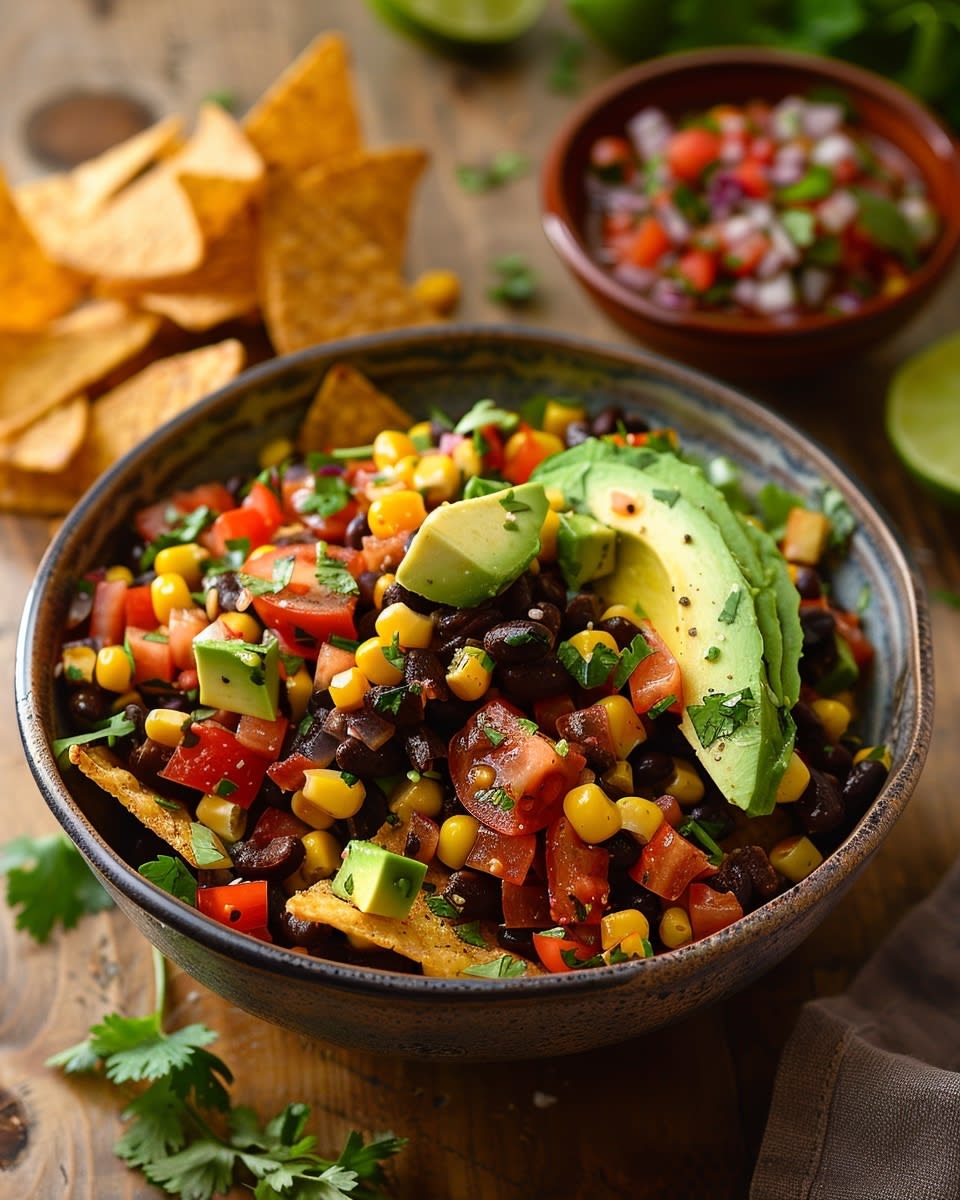
A Summer Staple That Never Gets Old
Last July, I brought a big bowl of black bean and corn salad to my sister’s backyard barbecue. I almost didn’t make it because I thought it seemed too simple, too ordinary. Within twenty minutes, that bowl was empty. My nephew asked for the recipe. My brother-in-law wanted to know if I’d bring it to every family gathering. Even my picky niece, who usually lives on chicken nuggets, went back for seconds.
That moment taught me something important. Sometimes the best dishes aren’t the fancy ones with complicated techniques or hard-to-find ingredients. Sometimes the winners are the ones that taste fresh, feel light, and make you want to eat the whole bowl with a spoon while standing at the kitchen counter.
This black bean and corn salad has become my go-to recipe for everything from weeknight dinners to potlucks. I’ve made it so many times that I don’t even need to look at the recipe anymore. It works as a side dish with grilled chicken. It stands alone as a light lunch. You can scoop it up with tortilla chips or stuff it into a wrap. The options feel endless, and that’s exactly why I keep coming back to it.
The beauty of this salad lies in its flexibility. Some days I make it with a tangy balsamic vinegar dressing. Other times I go for a sweet honey lime dressing that my kids love. I’ve tossed in avocado when I have ripe ones sitting on my counter. I’ve added cherry tomatoes for extra color and freshness. Each version tastes different, yet each one works perfectly.
I love that this salad doesn’t judge. If you’re vegan, leave out the cheese. If you want more protein, add grilled shrimp or chicken. If you’re cooking for a crowd and need a black bean and corn salad for 50 people, just multiply the recipe. It scales up beautifully without losing any of its charm.
Why Choose Black Bean and Corn Salad?
Let me share something that surprised me when I first looked into the nutrition side of this dish. Black beans pack about 15 grams of protein and 15 grams of fiber per cup. That’s more fiber than most vegetables and enough protein to actually keep you full for hours. Corn adds another layer of nutrients, including B vitamins, magnesium, and antioxidants that support eye health.
Together, these two ingredients create what I call a nutrition power couple. The beans bring plant-based protein and keep your blood sugar steady. The corn adds natural sweetness and satisfying texture. Your body gets sustained energy without the crash that comes from processed foods or sugar-heavy meals.
This healthy black bean and corn salad has become popular among people who care about what they eat, and I completely understand why. It checks so many boxes. You get complex carbohydrates from the beans. You get vitamins from the corn and vegetables. You get healthy fats if you add avocado or use an olive oil-based dressing. The whole dish comes together as a balanced meal that actually tastes good.
I’ve watched friends who normally skip salads go back for seconds of this one. I think it’s because it doesn’t feel like diet food. Nobody wants to eat something that tastes like cardboard just because it’s healthy. This salad proves you don’t have to choose between nutrition and flavor.
The benefits go beyond just the main ingredients too. When you make a marinated black bean and corn salad, you’re giving all those vegetables time to soak up the dressing. The flavors get better after sitting in the fridge for a few hours. I usually make mine in the morning and serve it at dinner. By then, everything has melded together into something really special.
Here’s what makes this salad work for different situations:
- Quick weeknight dinners: Make a single batch and pair it with grilled protein or serve over greens.
- Meal prep: It stays fresh in the fridge for up to five days, making it perfect for work lunches.
- Party side dish: Everyone can eat it regardless of dietary restrictions.
- Main course: Add extra beans, avocado, and cheese to make it filling enough to stand alone.
- Potluck favorite: It travels well and tastes great at room temperature.
I’ve served this as a side dish at small dinner parties and made huge batches for summer cookouts. Both scenarios worked perfectly. The cooking light version uses minimal oil and lets the natural flavors shine through. The richer versions with creamy avocado and sharp cheese satisfy people who want something more substantial.
When my friend Rachael saw me making this at a cooking class, she mentioned that Rachael Ray has her own version of black bean and corn salad. That made me smile because great recipes like this one get passed around and adapted by different cooks. Each person adds their own twist. That’s what cooking should be about.
The vegan black bean and corn salad version has become my standard now. I skip the cheese and focus on bold flavors from lime juice, cilantro, and spices. Nobody misses the dairy because the other ingredients bring so much to the table. This approach works great when I’m not sure about everyone’s dietary needs at a gathering.
For larger events, scaling up is simple. A black bean and corn salad for 50 requires some advance planning but no special techniques. I use my largest mixing bowl, multiply the ingredients, and make the dressing separately. Then I combine everything a few hours before serving. The result feeds a crowd without stressing out the cook.
The combination of black bean, corn, and avocado creates what I consider the ultimate version. The creamy avocado balances the firm beans and sweet corn. Add some diced tomato, and you’ve got colors that look as good as they taste. This version always gets compliments.
So are corn and black beans good together? Absolutely. They complement each other in texture, flavor, and nutrition. The sweetness of corn plays off the earthy beans. The soft beans contrast with the crisp corn kernels. Your plate gets variety in every bite, and that’s what makes eating enjoyable.


Popular Variations and Dressings
Once you know the basic formula for this salad, the real fun begins with switching up the dressings and tweaking the ingredients.
I remember the first time I made black bean and corn salad with balsamic vinegar. My husband walked into the kitchen, took one look at my bottle of balsamic, and said he didn’t think it would work. He imagined something too sour, too vinegary. But here’s what actually happens when you use balsamic vinegar in this salad: the slight sweetness of aged balsamic creates this incredible depth that regular vinegar just can’t match.
The trick is using good quality balsamic and not overdoing it. I typically whisk together about three tablespoons of balsamic vinegar with a quarter cup of olive oil, a minced garlic clove, half a teaspoon of Dijon mustard, and some salt and pepper. The mustard helps everything emulsify so the dressing doesn’t separate into puddles on your salad. The garlic adds a sharp kick that wakes up all those vegetables. When you toss the beans and corn in this dressing, they absorb that tangy, slightly sweet flavor and the whole dish transforms into something almost restaurant-quality.
This version pairs really well with grilled meats. I served it alongside baked cod with green beans last month at a dinner party, and the combination worked beautifully. The earthiness of the beans and the brightness of the balsamic complemented the delicate fish without overwhelming it.
Now, if you want something on the sweeter side, the black bean and corn salad with honey lime dressing might become your new obsession. My kids actually request this version by name now. The dressing comes together with fresh lime juice, a good drizzle of honey, some olive oil, cumin, and a pinch of chili powder. The honey balances the tartness of the lime, and the cumin adds that warm, earthy note that makes you think of tacos and summer evenings.
I squeeze about three limes to get enough juice, then whisk in two tablespoons of honey until it dissolves. Add a third of a cup of olive oil slowly while whisking, then stir in a teaspoon of cumin and just a quarter teaspoon of chili powder. That small amount of chili doesn’t make it spicy, but it gives the dressing complexity. Pour this over your salad and let it sit for at least thirty minutes. The longer it marinates, the better it gets.
The Rachael Ray black bean and corn salad version takes a slightly different approach. She adds red bell peppers for crunch and uses a cilantro-lime dressing with a touch of honey. What I like about her method is that she roasts the corn first instead of using it straight from the can or frozen. Roasting brings out natural sugars in the corn and adds a subtle smokiness that canned corn just can’t provide. If you have time, char some fresh corn on the grill or under the broiler before cutting it off the cob. That extra step elevates everything.
Funny enough, I discovered the black bean and corn salad cooking light version when I was trying to cut back on oil without sacrificing flavor. This lighter approach uses less oil in the dressing and relies more on citrus juice, vinegar, and fresh herbs. Instead of a quarter cup of oil, I use just two tablespoons and increase the lime juice. I add extra cilantro, some green onions, and a bit of jalapeño for heat. The result feels bright and clean, perfect for hot summer days when heavy foods don’t appeal.
This lighter version reminds me of the fresh flavors you get in turkey lettuce wraps, where the vegetables and herbs take center stage and the dressing just enhances without weighing things down.
The vegan black bean and corn salad has become my standard go-to because it works for absolutely everyone. Skip any cheese, make sure your dressing doesn’t have honey if you’re serving strict vegans, and you’re done. I use maple syrup or agave instead of honey in the dressing, and honestly, nobody can tell the difference. The natural flavors from the vegetables, beans, and corn shine through so well that you don’t miss dairy at all.
When I make the marinated black bean and corn salad, I’m thinking ahead. This version needs at least two hours in the fridge, but preferably overnight. The marination process allows the beans to absorb all those flavors from the dressing. The corn softens just slightly. The onions mellow out and lose some of their sharp bite. Everything melds together into this cohesive dish where you can’t really separate individual flavors anymore. It all just tastes right.
To marinate properly, I combine everything in a large bowl, pour the dressing over, and stir well. Then I cover it tightly and refrigerate. Every few hours, I give it a stir to redistribute the dressing. By dinner time, you’ve got something special.
The black bean corn avocado salad takes everything up a notch with creamy, buttery avocado chunks. Here’s the thing about adding avocado: timing matters. If you’re making this salad ahead, don’t add the avocado until just before serving. Avocado browns quickly once it’s cut and mixed with acidic dressings. I learned this the hard way when I made a batch for a picnic and added the avocado the night before. By the time we ate it, the avocado looked sad and gray.
Now I dice the avocado right before serving and gently fold it in. The creamy texture contrasts beautifully with the firm beans and sweet corn. Every bite feels more substantial, more satisfying. This version works great as a main dish, especially if you serve it over greens or stuff it into a whole wheat tortilla.
Adding Extra Flavors and Ingredients
The black bean corn tomato salad adds a juicy, acidic element that brightens everything. I use cherry tomatoes cut in half because they’re sweeter and less watery than regular tomatoes. Regular tomatoes can make your salad soggy if they release too much liquid. Cherry tomatoes hold their shape and add pops of color and flavor without turning everything mushy.
When I choose tomatoes at the store, I look for ones that smell like tomatoes. Seriously. If they don’t smell like anything, they probably won’t taste like much either. I also prefer tomatoes that are firm but give just slightly when you press them. Too hard and they’re not ripe. Too soft and they’ll fall apart in your salad.
Combining tomato with avocado creates what some people call the black bean corn avocado salad deluxe edition. You get the acidity from the tomatoes, the creaminess from the avocado, the earthiness from the beans, and the sweetness from the corn. It’s a complete flavor profile in one bowl. This combination reminds me of the balance you find in a good roasted veggie quinoa bowl, where different textures and flavors come together to create something greater than the sum of its parts.
For the best avocados, I buy them a few days before I need them and let them ripen on my counter. A ripe avocado yields to gentle pressure but doesn’t feel mushy. If you cut into one that’s not quite ready, the flavor will be bland and the texture will be hard. If you wait too long, you’ll find brown spots inside. There’s a sweet spot, usually when the avocado is dark and gives slightly when you press the top near the stem.
I prepare my tomatoes by cutting them in half and lightly salting them in a separate bowl. Let them sit for about ten minutes. This draws out excess moisture so they don’t water down your salad. After ten minutes, I drain off any liquid that’s collected and then add the tomatoes to the main bowl.
By the way, you can also roast your tomatoes if you want even more concentrated flavor. Toss cherry tomatoes with a little olive oil and salt, spread them on a baking sheet, and roast at 400 degrees for about twenty minutes. They’ll shrivel slightly and their sugars will caramelize. These roasted tomatoes add a whole different dimension to the salad.
The freshness you get from adding quality produce makes this salad something you actually crave. It’s the same principle that makes zucchini noodles with pesto so satisfying when you use fresh basil and good olive oil. Simple ingredients prepared well beat complicated recipes with mediocre components every single time.
When shopping for bell peppers to add extra crunch, I look for ones that feel heavy for their size with tight, shiny skin. Wrinkled peppers are old. Light peppers are dried out inside. Red and yellow peppers add sweetness, while green peppers bring a sharper, more vegetal flavor. I usually go with red because the sweetness plays nicely with the corn.
Fresh cilantro can be controversial since some people have that genetic thing where it tastes like soap. If you’re cooking for a crowd, you might want to keep cilantro on the side so people can add it themselves. For cilantro lovers like me, I use a whole bunch, stems and all. The stems have tons of flavor and they’re perfectly tender once chopped fine.


Frequently Asked Questions About Black Bean and Corn Salad
Over the years, I’ve gotten so many questions about this salad from friends, family, and readers. Some people want to know about ingredient swaps. Others ask about similar salads they’ve heard about but can’t quite place. I thought I’d tackle some of the most common questions here because chances are, if one person is wondering, plenty of others are too.
What is the Jennifer Aniston salad?
This question comes up more than you’d think. The Jennifer Aniston salad gained internet fame when people learned she ate the same salad almost every day while filming Friends. Her version contained chickpeas, cucumbers, parsley, mint, red onion, pistachios, and feta cheese with a lemon vinaigrette. It’s sometimes called the Friends salad or the Rachel salad, which makes sense given her character’s name.
Here’s where it connects to our black bean and corn salad. Both are grain-free, protein-packed salads that work as complete meals. Both rely on beans for substance and both get their flavor from fresh herbs and bright dressings. The Jennifer Aniston version leans Mediterranean with its chickpeas and feta. Our version skews more Southwestern with black beans and corn. But the principle is identical: create a satisfying, nutrient-dense meal that doesn’t leave you hungry an hour later.
I actually tried her salad after all the buzz online, and I loved it. But I kept coming back to my black bean and corn salad because the flavors felt more familiar to me. Maybe it’s because I grew up eating Mexican food, or maybe it’s just personal preference. Either way, both salads prove that simple, bean-based dishes can become staples you never get tired of.
The internet obsession with Jennifer’s salad taught me something interesting. People crave permission to eat the same healthy thing repeatedly. We’ve been told we need constant variety, but sometimes finding one great dish and making it often is actually the smarter move. It takes the decision-making out of meal planning and ensures you’re eating something nutritious instead of reaching for whatever’s convenient.
What is in a cowboy salad?
Cowboy salad is basically a close cousin to our black bean and corn salad. The typical cowboy salad includes black beans, corn, tomatoes, bell peppers, red onion, and often some kind of cheese, all tossed in a tangy ranch-style or vinaigrette dressing. Some versions add bacon or ground beef to make it heartier. The name comes from its hearty, stick-to-your-ribs nature and the Southwestern flavor profile.
What I find funny is that different regions have slightly different takes on what makes a salad “cowboy.” In Texas, I’ve seen versions with pinto beans instead of black beans. In Arizona, people add jalapeños and extra cilantro. In California, avocado shows up in almost every version. The common thread is that it’s a filling, flavorful salad that could easily be a main course.
The comparison between cowboy salad and our version is pretty straightforward. They share most of the same base ingredients. The main difference usually comes down to the dressing and any protein additions. Cowboy salad often uses a creamier dressing, sometimes ranch-based, while our healthy black bean and corn salad typically goes with a lighter vinaigrette or citrus dressing.
I made a cowboy salad version last summer for a Western-themed birthday party my neighbor threw. I added crumbled bacon and used a smoky chipotle ranch dressing. It was delicious but definitely richer than my usual version. For everyday eating, I prefer the lighter approach. For special occasions, the indulgent cowboy version hits the spot.
Are corn and black beans good together?
This question deserves a solid yes, and not just because they taste great side by side. From a nutrition standpoint, corn and black beans create what’s called a complete protein when eaten together. Black beans are rich in the amino acid lysine but lower in methionine. Corn is the opposite, higher in methionine but lower in lysine. When you eat them together, you get all the essential amino acids your body needs.
This pairing has fed people for thousands of years. Traditional cuisines across Latin America understood this combination instinctively long before scientists explained the nutritional chemistry. Rice and beans work the same way, which is why that combination shows up in so many cultures worldwide.
Beyond nutrition, the flavor and texture contrast makes them natural partners. Sweet corn kernels pop in your mouth. Creamy beans provide substance. The colors look beautiful together on a plate. When I check detailed food composition data, I’m reminded that both ingredients bring different vitamins and minerals to the table, which makes the combination even smarter from a health perspective.
The natural sweetness of corn balances the earthy, almost neutral flavor of black beans. Neither one overpowers the other. They share the spotlight instead of competing. This balance is what makes the salad so easy to eat and so satisfying.
I’ve noticed that kids often like this combination too. My youngest daughter, who picks apart most mixed dishes, will eat this salad without complaint. I think the sweetness from the corn makes the whole thing more approachable for picky eaters. The beans just come along for the ride, sneaking in all that good nutrition without drawing attention to themselves.
What is the three sacred sisters salad?
This question connects to a beautiful piece of agricultural history. The three sacred sisters refers to a Native American farming technique where corn, beans, and squash are planted together. The corn grows tall and provides a stalk for the beans to climb. The beans fix nitrogen in the soil, feeding the corn and squash. The squash spreads along the ground, its large leaves shading the soil to retain moisture and prevent weeds.
This companion planting method sustained communities for generations. It’s brilliant not just because it works from a growing perspective, but because these three crops together provide complete nutrition. The corn offers carbohydrates and some protein. The beans add more protein and fiber. The squash contributes vitamins and minerals.
A three sacred sisters salad typically includes corn, beans (often black beans or kidney beans), and some form of squash, usually roasted butternut squash or zucchini. Some versions add peppers, tomatoes, and herbs. The salad honors the traditional trio while celebrating the flavors of Southwestern and Native American cuisine.
I made this version once using roasted butternut squash, and it was incredible. The sweet, caramelized squash added a whole new dimension to the familiar black bean and corn salad base. It felt more substantial, almost like a warm grain bowl even though it was served cold. The history behind the dish made it even more meaningful to serve.
When I teach this salad to others, I always mention the three sisters story. Food tastes better when you understand where it comes from and why certain ingredients have been paired together for so long. This isn’t just a trendy salad. It’s a combination that’s been feeding people successfully for hundreds of years.
Bringing It All Together
What I love most about answering these questions is seeing how this simple black bean and corn salad connects to so many other food traditions and stories. Whether you’re inspired by Jennifer Aniston’s dedication to her daily salad, drawn to the hearty appeal of cowboy salads, fascinated by the science of complementary proteins, or moved by the wisdom of the three sacred sisters, this dish has roots that run deep.
The beauty of food is that it carries culture, history, and nutrition all in one bowl. This salad doesn’t just feed your body. It connects you to farming traditions that sustained entire civilizations. It proves that simple ingredients, prepared thoughtfully, can compete with any complicated restaurant dish.
Every time I make this salad, I think about all the variations people have created over time and across different regions. I think about how food evolves as it moves from one kitchen to another, picking up new ingredients and techniques along the way. That evolution is what keeps cooking interesting. Nobody owns the definitive version of any dish. We all just add our own touches and pass it along.
If you’re looking for more inspiration on building satisfying, nutritious meals that don’t require hours in the kitchen, you might enjoy exploring other healthy lunch ideas that follow the same principle of simple ingredients coming together in delicious ways.
So whether you call it a black bean and corn salad, a cowboy salad, or part of the three sisters tradition, you’re really talking about the same smart approach to eating: choose whole foods, combine them thoughtfully, and let their natural flavors shine. Everything else is just details.
I hope you’ll take what you’ve learned here and make this salad your own. Add the ingredients your family loves. Swap out the ones that don’t work for you. Try different dressings until you find your favorite. Make it as simple or as elaborate as your schedule allows. The recipe is just a starting point. Your version, the one you’ll make again and again, that’s the one that matters most.
10 Common Questions About Black Bean and Corn Salad
Can I make black bean and corn salad ahead of time?
Yes, this salad actually gets better when made ahead. The flavors meld together as it sits in the fridge. I recommend making it at least two hours before serving, but overnight is even better. Just wait to add avocado until right before serving to prevent browning. The salad stays fresh in an airtight container for up to five days, making it perfect for meal prep.
Should I use canned or fresh corn?
Both work well, but they give slightly different results. Fresh corn cut off the cob offers the best texture and sweetest flavor, especially if you char it first. Frozen corn comes in second and works great when fresh isn’t available. Canned corn is the most convenient option and still tastes good if you drain and rinse it well. I use whatever fits my schedule and what’s in my pantry.
Do I need to rinse canned black beans?
Yes, you should rinse canned beans thoroughly under cold water. The liquid in the can contains extra sodium and can make your salad taste overly salty or give it a strange, starchy texture. Rinsing removes that excess sodium and any metallic taste. I drain them in a colander and rinse for about thirty seconds, then let them drain completely before adding to the salad.
What’s the best way to store leftover black bean and corn salad?
Store it in an airtight container in the refrigerator for up to five days. Keep the salad in the main part of the fridge, not in the door where temperature fluctuates. If you’ve added avocado, it’s best to eat it within one or two days. The beans and corn hold up beautifully, but delicate ingredients like avocado and fresh tomatoes soften over time.
Can I freeze black bean and corn salad?
I don’t recommend freezing this salad. The vegetables, especially tomatoes and avocados, don’t thaw well and become mushy. The texture of the entire salad changes after freezing. If you need to prep far in advance, make and freeze the dressing separately, then combine it with fresh ingredients when you’re ready to serve.
What protein can I add to make this a complete meal?
Grilled chicken, shrimp, or steak all work wonderfully. For plant-based options, add extra beans, chickpeas, or cubed tofu. Grilled fish like salmon or mahi-mahi also pairs nicely. The salad already contains protein from the beans, so you’re really just making it more substantial. I often serve it over a bed of quinoa or brown rice for extra staying power.
How do I keep my salad from getting watery?
The key is draining your ingredients well. Rinse and drain the beans completely. If using canned corn, drain it thoroughly. For fresh tomatoes, salt them lightly in a separate bowl and let them sit for ten minutes to release excess water before adding. Don’t overdress the salad, and if making it ahead, you might want to add a bit more dressing right before serving since the vegetables will absorb some.
What can I substitute for cilantro?
If you’re one of those people for whom cilantro tastes like soap, try fresh parsley instead. It won’t give the same flavor, but it adds freshness and color. Some people use a combination of parsley and mint for a different but equally delicious result. Fresh basil works too, though it changes the flavor profile to something more Italian than Southwestern.
Is this salad gluten-free?
Yes, when made with naturally gluten-free ingredients, this salad is completely gluten-free. Beans, corn, and vegetables are all naturally gluten-free. Just check your dressing ingredients if you’re using store-bought versions. Some prepared dressings contain gluten-containing thickeners or additives. Making your own dressing with oil, vinegar, and spices ensures it stays gluten-free.
How can I make this salad spicier?
Add diced jalapeños or serrano peppers for fresh heat. A pinch of cayenne pepper or red pepper flakes in the dressing works too. Chipotle peppers in adobo sauce bring both heat and smokiness. Start with a small amount and taste as you go since you can always add more heat but can’t take it away. I also like adding a dash of hot sauce right before serving for adjustable heat.
Ingredients
Equipment
Method
- Rinse and drain the black beans in a colander.
- Drain the canned corn (or cook fresh/frozen corn).
- In a large bowl, combine black beans, corn, diced avocado, cherry tomatoes, and diced red onion.
- If using, add chopped cilantro to the mixture.
- Pour the balsamic or honey lime dressing over the mix.
- Toss gently to combine all ingredients.
- Season with salt and pepper to taste.
- Allow the salad to rest in the refrigerator for at least 30 minutes before serving for optimal flavor.