
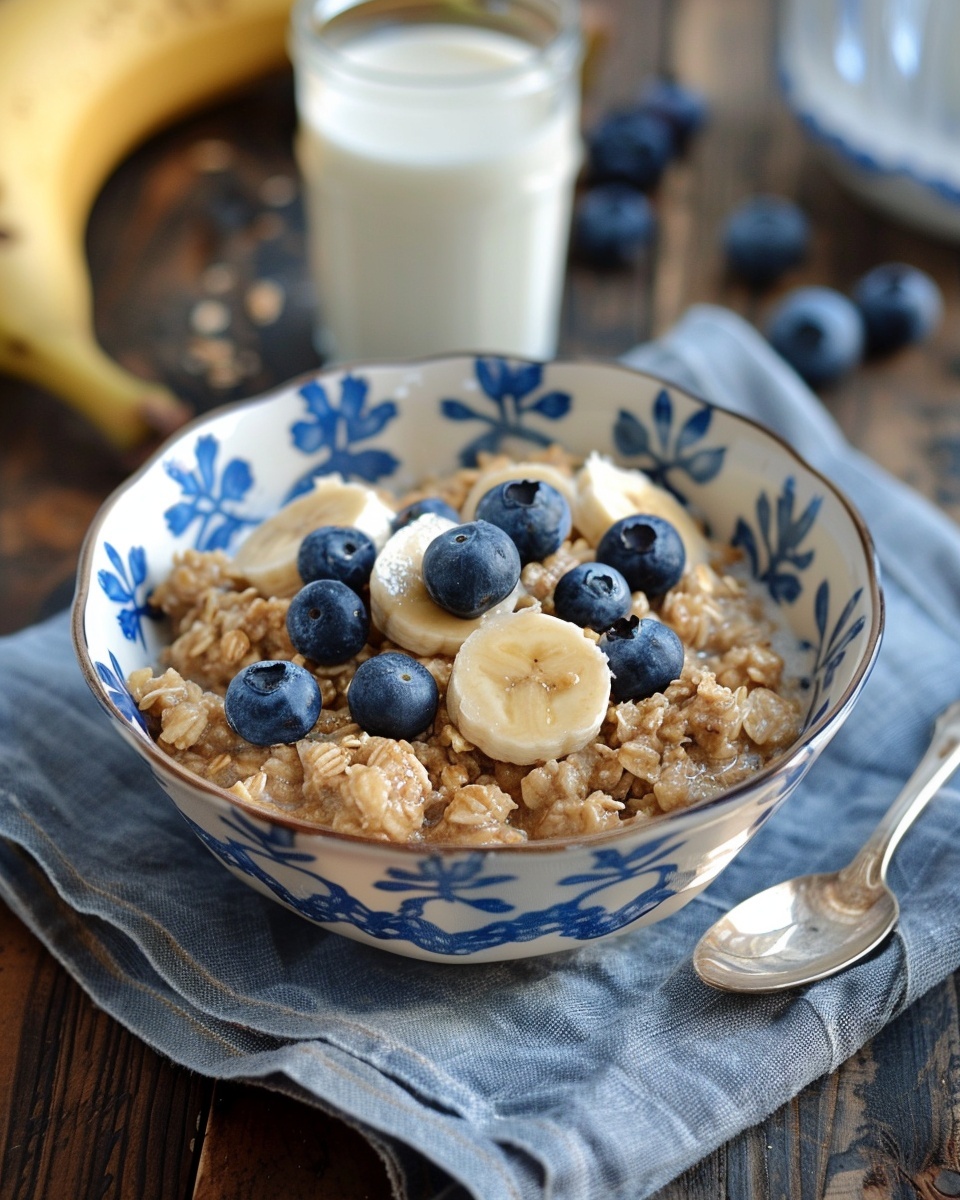
Blueberry Banana Oatmeal Bowl: A Delicious and Healthy Breakfast Recipe
I’ll never forget the morning I first made a blueberry banana oatmeal bowl for myself. I was running late for work, hungry, and tired of eating the same boring cereal. I grabbed what I had in my kitchen and threw together oats, some bananas, and a handful of blueberries. That simple combination changed my mornings forever. The sweet burst of blueberries mixed with creamy banana slices turned basic oatmeal into something I actually looked forward to eating.
If you’re looking for a breakfast that tastes amazing and fuels your body right, you’re in the perfect place. The blueberry banana oatmeal bowl checks every box. It’s packed with nutrients, takes less than ten minutes to make, and keeps you full until lunch. No fancy ingredients or cooking skills needed.
This article will walk you through everything you need to know about making the perfect bowl. You’ll learn which ingredients work best, how to prepare them, and why this simple meal is so good for you. I’ll share tips I’ve picked up over the years and answer common questions about oatmeal and its health benefits. By the end, you’ll be ready to make this breakfast staple your own.
Ingredients for the Perfect Blueberry Banana Oatmeal Bowl
The beauty of this recipe lies in its simplicity. You don’t need a long grocery list or expensive items. Here’s what you’ll need to create a satisfying blueberry banana oatmeal bowl:
- Rolled oats – 1/2 cup (or quick oats if you’re in a hurry)
- Fresh blueberries – 1/2 cup
- Ripe banana – 1 medium, sliced
- Milk or water – 1 cup (use any type you prefer)
- Honey or maple syrup – 1-2 teaspoons (optional)
- Cinnamon – a pinch
- Chia seeds or flaxseeds – 1 tablespoon (optional but great for extra nutrition)
- Vanilla extract – 1/4 teaspoon (optional)
Let me tell you why each ingredient matters. The quality of what you use makes a real difference in taste and nutrition.
Fresh blueberries are non-negotiable for me. I’ve tried frozen ones, and while they work in a pinch, fresh berries give you that perfect pop of flavor. They stay firm and don’t turn your oatmeal an odd purple color. Blueberries bring powerful antioxidants to your bowl. These little berries fight inflammation and support brain health. I buy them at the farmer’s market when they’re in season and freeze extras for winter months.
The banana needs to be ripe but not mushy. Look for yellow bananas with a few brown spots. These have the right sweetness and blend well with the oats. Under-ripe bananas taste starchy and don’t add much flavor. Over-ripe ones can make your bowl too sweet and mushy. Bananas give you potassium, which helps regulate blood pressure and supports muscle function. They also add natural sweetness so you can skip extra sugar.
Now let’s talk about the star of this healthy oatmeal recipe: the oats themselves. I prefer rolled oats because they have the best texture. They’re not too thick or too thin. Steel-cut oats taste great but take longer to cook. Quick oats work when you’re rushed but can get a bit mushy. The type you choose changes the cooking time but not the nutrition much.
Oats are incredible for your body. They contain a special type of fiber called beta-glucan. This fiber helps lower cholesterol levels and keeps your heart healthy. One bowl gives you about 4 grams of fiber, which helps with digestion and keeps you feeling full. Oats also have protein, B vitamins, and minerals like iron and magnesium. They release energy slowly, so you won’t crash an hour after breakfast.
I learned the hard way that not all oats are created equal. Generic brands often work just fine, but I’ve noticed organic oats taste better and have a creamier texture. They cost a bit more but make a difference you can taste.
For the liquid, you have options. Water works if you want to keep things simple and low-calorie. I prefer milk because it makes the oatmeal creamier and adds protein. Almond milk, oat milk, or coconut milk all work great. Whole milk creates the richest texture. Pick what fits your diet and taste preferences.
The optional ingredients take your bowl from good to amazing. A drizzle of honey adds sweetness and has antimicrobial properties. Maple syrup gives a rich, caramel-like flavor. Cinnamon doesn’t just taste good – it helps regulate blood sugar levels. Chia seeds and flaxseeds add omega-3 fatty acids and extra fiber. I sprinkle them on top for a slight crunch.
What Are the Health Benefits of Eating Oatmeal?
People ask me all the time why oatmeal is considered such a healthy choice. The answer goes beyond just feeling full. Regular oatmeal consumption can actually change your health for the better.
Heart health tops the list of benefits. Studies show that eating oatmeal regularly can lower your LDL cholesterol by 5-10%. That’s the “bad” cholesterol that clogs arteries. The soluble fiber in oats binds to cholesterol in your digestive system and removes it before it enters your bloodstream. I started eating oatmeal daily after my doctor mentioned my cholesterol was creeping up. Six months later, my numbers improved without medication.
Blood sugar control is another major benefit. The beta-glucan fiber slows down how fast your body absorbs sugar. This prevents those energy spikes and crashes you get from sugary cereals or pastries. People with diabetes often find oatmeal helps them manage their blood sugar levels better. Even if you don’t have diabetes, stable blood sugar means steady energy and fewer cravings.
Weight management becomes easier when you eat oatmeal regularly. The fiber keeps you satisfied for hours. I used to snack constantly before lunch when I skipped breakfast or ate something light. After switching to a blueberry banana oatmeal bowl, I don’t even think about food until noon. You naturally eat less throughout the day when you start with a filling breakfast.
Your digestive system loves oatmeal too. The fiber feeds good bacteria in your gut and keeps things moving smoothly. It can help with both constipation and diarrhea by regulating your digestive tract. I notice a real difference in how my stomach feels on days I eat oatmeal versus days I skip it.
Skin health might surprise you as a benefit. Oatmeal contains compounds called avenanthramides that reduce inflammation and itching. Some people even use oatmeal baths for skin conditions. Eating it provides similar anti-inflammatory benefits from the inside out.
The nutrient density of oats is impressive. You get protein, healthy fats, vitamins, and minerals in every serving. This matters because many breakfast foods are empty calories. A blueberry banana oatmeal bowl gives your body actual building blocks to work with. The combination of oats, fruit, and optional seeds creates a complete nutritional package.
I’ve been making this bowl for years now, and it never gets old. The ingredients are simple and affordable. The health benefits are real and backed by science. Most importantly, it tastes good enough that you’ll want to eat it every day. That’s the secret to healthy eating – finding nutritious foods you actually enjoy.


Preparing Your Blueberry Banana Oatmeal Bowl
Now that you understand why this breakfast is so good for you, let’s get into the actual cooking. I promise it’s easier than making toast.
The stovetop method is my go-to. Here’s exactly how I make mine every morning. First, pour your cup of liquid into a small pot and bring it to a gentle boil over medium heat. Once you see those first bubbles forming, add your half cup of rolled oats and give everything a good stir. This is when I add my pinch of cinnamon and vanilla extract if I’m using them. The smell alone wakes me up better than coffee.
Reduce the heat to low and let the oats simmer. I stir them every minute or so to prevent sticking. This is where patience pays off. If you rush it with high heat, you get gummy oats that stick to the bottom of your pan. Been there, done that, scrubbed the pot for twenty minutes. The whole process takes about five minutes for rolled oats. Quick oats only need two to three minutes. Steel-cut oats are a different beast entirely and need a good twenty to thirty minutes of cooking time.
Watch the consistency carefully. The oatmeal is ready when it’s thick but still creamy, not dry or watery. I learned to pull it off the heat when it still looks slightly liquidy because it thickens as it sits. If you wait until it looks perfect in the pot, you’ll end up with cement in your bowl. Trust me on this one.
Here’s a trick I discovered by accident: mash half your banana into the oats during the last minute of cooking. The banana melts into the oatmeal and creates this naturally sweet, creamy texture that’s absolutely incredible. Save the other half for slicing on top. This technique changed everything for me. The creamy oatmeal you get from this method beats anything you can buy pre-made.
Once your oats reach that perfect consistency, transfer them to your bowl. Now comes the fun part – the toppings. I arrange my fresh blueberries on one side and my banana slices on the other. Something about seeing the colors makes breakfast feel special. Drizzle your honey or maple syrup in a zigzag pattern across the top. Sprinkle your chia seeds or flaxseeds over everything. Sometimes I add a splash of milk around the edges to cool it down a bit and add extra creaminess, kind of like how you might finish a rich pasta dish with a bit of cream.
The microwave method works too, especially on rushed mornings. Combine your oats and liquid in a large microwave-safe bowl – and I mean large because oats bubble up like crazy in the microwave. I’ve cleaned exploded oatmeal off my microwave ceiling more times than I care to admit. Microwave on high for ninety seconds, stir, then continue in thirty-second intervals until done. Usually takes about two and a half to three minutes total.
Overnight oats offer another variation that I turn to during busy weeks. Mix your oats with milk in a jar the night before, add your mashed banana, and refrigerate. In the morning, top with fresh blueberries and eat it cold or warm it up. The texture is different – softer and almost pudding-like – but just as satisfying. This method works great if you need to meal prep several days at once.
Let me share some variations that keep things interesting. Adding a tablespoon of almond butter or peanut butter creates a whole new flavor profile. The protein boost helps too. Walnuts or pecans give you that satisfying crunch. I roughly chop them and sprinkle them on top. Toasting the nuts first in a dry pan for a few minutes brings out their flavor even more.
Coconut flakes add a tropical twist that pairs beautifully with the banana. A handful of dark chocolate chips turns your healthy breakfast bowl into something that feels like dessert but still fuels your day properly. My kids love this version and don’t even realize they’re eating something nutritious.
Sometimes I swap half the blueberries for strawberries or raspberries. Mixed berries create different flavor combinations every time. During fall, I add diced apples and extra cinnamon. In winter, I stir in a spoonful of pumpkin puree and pumpkin pie spice. The base recipe is so flexible that you can adapt it to whatever fruit you have on hand.
A dollop of Greek yogurt on top adds protein and creates a tangy contrast to the sweet fruit. This reminds me of how creamy textures can transform a simple dish into something memorable. The yogurt melts slightly into the warm oats and creates pockets of cool creaminess.
How long does it take to cook oatmeal? This depends entirely on which type you choose. Quick oats cook in two to three minutes. Rolled oats need five to seven minutes. Steel-cut oats require twenty to thirty minutes of active cooking time. Instant oats are ready in a minute but I find them too mushy. The cooking time also varies based on your method. Stovetop tends to be faster and gives you more control. Microwave is convenient but requires watching to prevent overflow. Overnight oats need zero cooking time but require planning ahead.
Here’s what nobody tells you about cooking oatmeal: the altitude matters. I moved from sea level to a higher altitude and suddenly my oats took longer to cook. The lower air pressure changes the boiling point of water. If your oats aren’t cooking as expected, give them an extra minute or two.
The ratio of liquid to oats changes the final texture dramatically. I use a two-to-one ratio – one cup liquid to half cup oats. This creates oatmeal that’s creamy but not soupy. If you prefer thicker oatmeal, use slightly less liquid. For a thinner, more porridge-like consistency, add a bit more. You can always add liquid after cooking if it’s too thick, but you can’t take it away if it’s too thin.
Salt makes a bigger difference than you’d think. Just a tiny pinch enhances all the other flavors. I forgot it once and my oatmeal tasted flat even with all the toppings. It’s like how seasoning transforms savory dishes from bland to brilliant.
Serving Suggestions and Storage Tips
The way you serve your blueberry banana oatmeal bowl can make it feel like a restaurant-quality breakfast instead of just another bowl of oats.
Presentation matters more than people think. I use a wide, shallow bowl instead of a deep one. This gives me more surface area for arranging toppings. The visual appeal actually makes the meal more enjoyable. My family teases me about making “Instagram oatmeal” but they all grab their phones to take pictures before eating.
A sprinkle of cinnamon across the top adds warmth and that classic breakfast smell. Sometimes I add a few fresh mint leaves for color and a hint of freshness. Edible flowers like pansies look stunning if you’re serving brunch to guests. I know it sounds fancy, but they’re available at most grocery stores and cost just a few dollars.
Temperature preferences vary wildly. I like my oatmeal hot enough to steam but not scalding. My husband prefers his barely warm. My daughter eats hers cold after it sits for ten minutes. There’s no wrong way. Let it cool to whatever temperature makes you happy.
Pairing your oatmeal bowl with other breakfast items creates a complete meal. A side of scrambled eggs adds protein. A slice of whole grain toast with avocado balances out the carbs. Fresh coffee or green tea complements the flavors perfectly. On weekends when I have more time, I make this alongside fruit-forward dishes for a brunch spread that impresses everyone.
Funny enough, this oatmeal recipe works beautifully as a desk breakfast. I make it at home, put a lid on the bowl, and eat it when I get to work. It stays warm for about thirty minutes if you cover it. Even room temperature, it tastes great.
Storage is where most people struggle. Can you make this ahead? Absolutely. I meal prep on Sundays sometimes and portion out cooked oatmeal into individual containers. They keep in the fridge for up to five days. The texture changes slightly – it gets thicker and more solid – but reheating brings it back to life.
To reheat refrigerated oatmeal, add a splash of milk or water first. This prevents it from drying out. Microwave for sixty to ninety seconds, stirring halfway through. Stovetop reheating works too. Put it in a small pot with added liquid and warm it over low heat while stirring constantly.
The blueberries and bananas get tricky for storage. I don’t add fresh fruit to meal-prepped oatmeal. Instead, I store the cooked plain oatmeal and add fresh toppings each morning. Bananas turn brown and mushy after a day in the fridge. Blueberries release their juice and can make everything purple and watery. Keep your toppings separate in small containers and assemble right before eating.
Can you freeze oatmeal bowls for later? Yes, and it’s a game-changer for busy people. I freeze cooked plain oatmeal in individual portions. Let it cool completely first, then transfer to freezer-safe containers or bags. Remove as much air as possible. Frozen oatmeal keeps for up to three months. To use it, thaw overnight in the fridge or microwave from frozen, adding extra liquid as it reheats. The texture might be slightly different but it’s still perfectly edible and nutritious. I wouldn’t freeze it with the fruit already mixed in though. Frozen bananas turn black and mushy when thawed. Blueberries lose their structure.
A batch-cooking strategy I use: make a big pot of plain oatmeal on Sunday night. Portion it into five containers for the work week. Each morning, reheat one portion and add whatever toppings sound good that day. Monday might be blueberries and banana. Tuesday could be apples and cinnamon. Wednesday might get strawberries and chocolate chips. This gives you variety without the daily cooking commitment.
The dry ingredients can be prepped even further in advance. Measure out your oats, chia seeds, cinnamon, and any other dry ingredients into jars. When you’re ready to cook, just dump the jar contents into your pot with liquid. This works great for camping trips or keeping at your office.
Glass containers work better than plastic for storage. They don’t absorb odors or stains. The oatmeal reheats more evenly in glass too. I invested in a set of small glass containers with snap lids and use them constantly.
Room temperature storage isn’t recommended for cooked oatmeal. Bacteria grows quickly in cooked grains left at room temperature. If your oatmeal sits out for more than two hours, toss it. Food safety isn’t worth risking over a bowl of oats.
One last tip: keep emergency supplies at work or in your car. I stash instant oats, a small container of chia seeds, and individual honey packets in my desk drawer. On mornings when everything goes wrong and I rush out the door empty-handed, I can still make a quick breakfast oatmeal with hot water from the office kitchen. It’s not as good as my home version but beats skipping breakfast entirely.


Health Benefits of the Blueberry Banana Oatmeal Bowl
Let’s dig deeper into what makes this simple breakfast such a powerhouse. Understanding the nutritional breakdown helps you appreciate what you’re putting into your body every morning.
Start with blueberries. These tiny fruits pack an enormous nutritional punch that scientists keep discovering more about. One cup contains only 84 calories but delivers 24% of your daily vitamin C needs. Vitamin C supports your immune system and helps your skin produce collagen. That’s anti-aging from the inside.
The real magic of blueberries lies in their anthocyanins. These are the compounds that give them their deep blue color. They’re some of the most powerful antioxidants found in food. Antioxidants fight free radicals in your body – unstable molecules that damage cells and speed up aging. I think of free radicals like rust on a car. Antioxidants are the protective coating that prevents the rust from forming.
Research shows that eating blueberries regularly improves memory and cognitive function. My grandmother started eating them daily after her doctor mentioned they help protect against age-related mental decline. At 82, her mind is sharper than mine on most days. Coincidence? Maybe. But I’m not taking chances.
Blueberries also support heart health by improving blood vessel function. They help reduce arterial stiffness and lower blood pressure. The fiber content aids digestion while the natural compounds reduce inflammation throughout your body. Chronic inflammation links to almost every major disease, from heart disease to cancer to diabetes.
Here’s something interesting about sourcing your ingredients: food sourcing matters for nutrient density, especially with berries. Locally grown, in-season blueberries contain more nutrients than those shipped from across the world. They’re picked riper and lose fewer vitamins during transport. I buy from local farms during summer and freeze extras for winter.
Now let’s talk bananas. People sometimes avoid them thinking they’re too high in sugar or calories. That’s a mistake. One medium banana has about 105 calories and 27 grams of carbohydrates. Yes, those carbs include natural sugars, but they come packaged with fiber that slows absorption. You don’t get the blood sugar spike that happens with processed sugars.
The potassium content in bananas is legendary and for good reason. One banana provides roughly 422 mg of potassium – about 9% of what you need daily. Potassium regulates fluid balance, nerve signals, and muscle contractions. It counteracts the negative effects of sodium in your diet. Most Americans get too much sodium and not enough potassium. This imbalance contributes to high blood pressure and heart disease.
I used to get terrible leg cramps at night until a trainer told me to eat a banana daily. Within a week, the cramps stopped. The potassium and magnesium in bananas help prevent muscle cramps and support muscle recovery after exercise. Athletes have known this forever.
Bananas contain vitamin B6, which your body needs to create neurotransmitters like serotonin and dopamine. These chemicals regulate your mood. Ever notice how you feel good after eating a banana? That’s not just the sweetness. The resistant starch in slightly green bananas feeds beneficial gut bacteria. A healthy gut microbiome influences everything from digestion to mental health.
The combination of blueberries and bananas creates a nutritional synergy. The vitamin C from blueberries helps your body absorb the iron from the oats better. The natural sugars from the banana give you quick energy while the fiber from both fruits provides sustained energy. You’re not just throwing random healthy foods together – these ingredients work as a team.
The oatmeal base we discussed earlier ties everything together. Beyond the fiber and cholesterol benefits already mentioned, oats contain unique antioxidants called avenanthramides. These compounds are found almost exclusively in oats. They work alongside the anthocyanins from blueberries to provide double antioxidant protection.
Oats supply complex carbohydrates that digest slowly. This creates steady blood sugar levels instead of the rollercoaster ride from sugary cereals. The protein in oats – about 5 grams per serving – helps build and repair tissues. Combined with protein from milk or yogurt if you add them, you get a complete amino acid profile.
The magnesium in oats supports over 300 biochemical reactions in your body. It helps with energy production, muscle function, and bone health. Iron in oats prevents anemia and helps carry oxygen through your blood. B vitamins support your nervous system and help convert food into energy. This isn’t just breakfast. It’s fuel that powers your entire morning.
Are blueberries and bananas good for weight loss? Absolutely, when eaten as part of a balanced diet. This question comes up constantly and the answer requires nuance. Neither food is magic for weight loss, but both support weight management in smart ways.
Blueberries are low in calories but high in volume. You can eat a full cup for less than 85 calories. They satisfy your sweet tooth without added sugar. The fiber content helps you feel full. Studies show that people who eat more fiber tend to weigh less and have an easier time maintaining weight loss. The compounds in blueberries may also influence how your body stores fat, though research is still ongoing.
Bananas get unfairly criticized in weight loss circles. Yes, they contain more calories and carbs than some other fruits. But they’re incredibly filling. The resistant starch in bananas may boost fat burning and reduce fat storage. One study found that eating a banana before meals led to eating fewer calories overall because people felt fuller.
The real weight loss benefit comes from replacing less healthy breakfast options with a blueberry banana oatmeal bowl. Swap out a 400-calorie muffin or 500-calorie fast food breakfast sandwich for a 300-calorie oatmeal bowl. You save calories while getting more nutrients. You stay full longer, which prevents mid-morning snacking.
I lost fifteen pounds one year without trying hard or feeling deprived. The main change? Eating this breakfast daily instead of grabbing whatever was convenient. The consistent nutrition regulated my appetite throughout the day. I stopped experiencing energy crashes that led to vending machine runs. When you start your day with real nutrition, your body stops sending constant hunger signals.
The fiber from all three ingredients – oats, blueberries, and bananas – promotes healthy digestion. Proper digestion is essential for weight management. Your body processes nutrients efficiently and eliminates waste regularly. The stable blood sugar prevents insulin spikes that trigger fat storage.
Protein and healthy fats you add through toppings like nuts, seeds, or nut butter increase satiety even more. The combination keeps you satisfied for four to six hours easily. No other breakfast I’ve tried matches that staying power.
By the way, this bowl works perfectly for anyone exploring creative breakfast ideas that support health goals without sacrificing taste or satisfaction.
One thing nobody mentions: how you eat matters as much as what you eat. Sitting down to enjoy your oatmeal breakfast bowl instead of scarfing it down while driving changes the experience. Mindful eating helps with portion control and satisfaction. Put away your phone. Taste each bite. Notice the textures and flavors. This simple practice reduces overeating and improves digestion.
The psychological benefit of starting your day with a healthy choice shouldn’t be underestimated either. When I eat this breakfast, I feel proud of myself. That positive momentum carries through the day. I make better lunch choices. I’m more likely to exercise. One good decision creates a cascade of other good decisions.
I hope this breakdown shows you that a blueberry banana oatmeal bowl isn’t just another breakfast recipe. It’s a strategic nutritional choice that supports your health in multiple ways simultaneously. The ingredients work together to nourish your body, satisfy your taste buds, and keep you energized for hours. Best of all, it’s accessible to everyone regardless of cooking skill or budget. Give it a try tomorrow morning and pay attention to how you feel throughout the day. I think you’ll be pleasantly surprised.
Frequently Asked Questions
What are the health benefits of eating oatmeal?
Oatmeal provides exceptional heart health benefits by lowering LDL cholesterol through its soluble fiber content. It stabilizes blood sugar levels, which helps prevent energy crashes and reduces diabetes risk. The fiber keeps you feeling full for hours, supporting weight management naturally. Oatmeal also feeds beneficial gut bacteria, improving digestive health. Regular consumption provides essential nutrients like iron, magnesium, B vitamins, and antioxidants that support overall wellness.
How long does it take to cook oatmeal?
Cooking time depends entirely on the oat type you choose. Quick oats cook in just two to three minutes on the stovetop or microwave. Rolled oats need five to seven minutes of gentle simmering. Steel-cut oats require the longest commitment at twenty to thirty minutes. Instant oats are ready in about one minute but have a mushier texture. Overnight oats need no cooking at all, just refrigeration time of at least four hours or ideally overnight.
Can you freeze oatmeal bowls for later?
Yes, cooked oatmeal freezes wonderfully for up to three months when stored properly. Let it cool completely before transferring to freezer-safe containers or bags. Remove excess air to prevent freezer burn. Freeze plain oatmeal without fresh fruit toppings, which don’t thaw well. To reheat, thaw overnight in the refrigerator or microwave from frozen, adding a splash of milk or water. The texture may be slightly different but remains perfectly nutritious and tasty.
Are blueberries and bananas good for weight loss?
Both fruits support weight loss when part of a balanced diet. Blueberries are low in calories but high in fiber, keeping you satisfied without excess calories. Bananas provide resistant starch that may boost fat burning and reduce storage. The combination in an oatmeal bowl creates a filling breakfast that prevents overeating later. They satisfy sweet cravings naturally without added sugars. The key is using them to replace higher-calorie, less nutritious breakfast options.
Can I make this recipe vegan?
Absolutely, this recipe adapts easily to vegan preferences. Use plant-based milk like almond, oat, soy, or coconut instead of dairy milk. Replace honey with maple syrup or agave nectar for sweetening. All other ingredients are naturally vegan already. The taste and nutrition remain excellent with these simple swaps. Many people actually prefer the flavor of plant-based milks in their oatmeal.
What’s the best type of oats for this recipe?
Rolled oats create the ideal texture for this bowl – creamy but not mushy. They cook quickly enough for busy mornings but maintain some body and chew. Quick oats work when you’re rushed but can become too soft. Steel-cut oats taste amazing and have great texture but require more cooking time. Avoid instant oats if possible as they turn to mush quickly. Organic rolled oats tend to have the best flavor and creamiest consistency.
How can I make my oatmeal creamier?
Several techniques create extra creamy oatmeal. Use milk instead of water as your cooking liquid. Stir in mashed banana while cooking, which melts into the oats beautifully. Add a splash of cream or coconut milk at the end. Stir frequently during cooking to release the starches from the oats. Let it rest for a minute after cooking before serving. A dollop of Greek yogurt or a drizzle of nut butter on top adds instant creaminess.
Can I use frozen blueberries instead of fresh?
Frozen blueberries work perfectly fine and are often more affordable year-round. They contain the same nutritional value as fresh since they’re frozen at peak ripeness. Add them directly to hot oatmeal and they’ll thaw quickly. The downside is they release juice that can turn your oatmeal purple and make it slightly watery. I add frozen berries during cooking or thaw them first and drain excess liquid. During winter months, frozen is often your best option.
Is it okay to eat oatmeal every day?
Eating oatmeal daily is not only safe but beneficial for most people. Regular consumption provides consistent fiber intake for digestive and heart health. The steady nutrition helps regulate appetite and energy levels. Some people vary their toppings and preparation methods to prevent boredom. Those with gluten sensitivity should choose certified gluten-free oats since regular oats can contain traces from processing. Listen to your body and adjust if you notice any digestive discomfort.
How do I prevent my oatmeal from being bland?
Bland oatmeal usually results from underseasoning or skipping toppings. Always add a pinch of salt during cooking to enhance all other flavors. Use milk instead of water for richer taste. Add vanilla extract, cinnamon, or other spices while cooking. Don’t skimp on quality toppings like fresh fruit, nuts, and natural sweeteners. Toast your nuts before adding them for deeper flavor. A small amount of high-quality ingredients makes a bigger impact than lots of mediocre ones.
Ingredients
Equipment
Method
- Pour your cup of liquid into a small pot and bring it to a gentle boil over medium heat.
- Once boiling, add the half cup of rolled oats and stir well.
- Add a pinch of cinnamon and vanilla extract if using, and reduce the heat to low.
- Stir occasionally to prevent sticking, and allow the oats to simmer until thick and creamy (about 5 minutes for rolled oats).
- Mash half of the banana into the oats during the last minute of cooking for added creaminess.
- Transfer the oats to your bowl and top with the remaining banana slices and fresh blueberries.
- Drizzle with honey or maple syrup and sprinkle with chia seeds or flaxseeds if desired.