
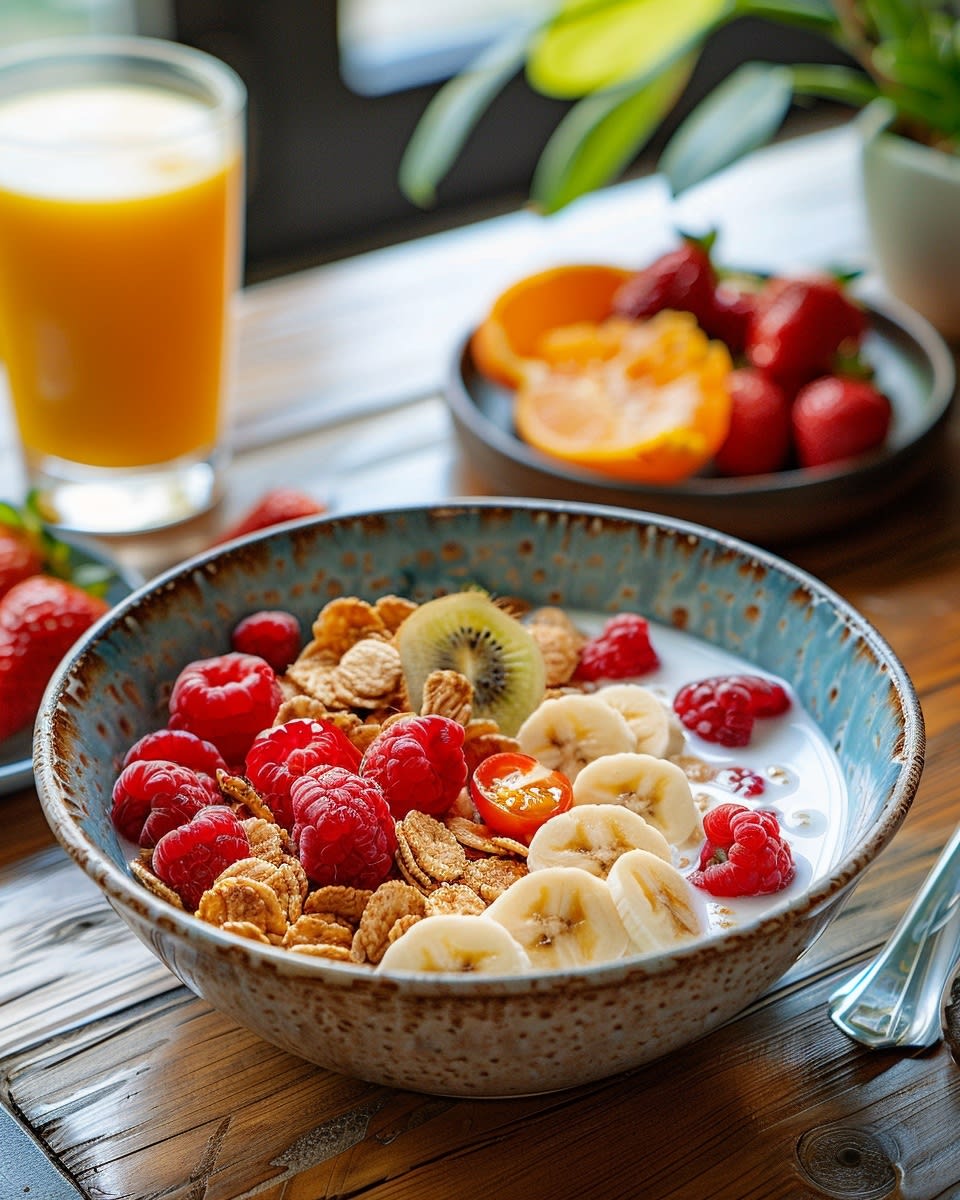
Welcome to My Kitchen: The Simple Joy of Cereal with Milk and Fruit
Last Tuesday morning, I watched my neighbor sprint out of her house with a granola bar hanging from her mouth, coffee spilling from her travel mug. She looked stressed, rushed, and definitely not ready to face her day. That scene reminded me why I’m so passionate about starting mornings differently. I’ve found that taking just five minutes for a proper breakfast changes everything about how my day unfolds.
Today, I want to share with you why cereal with milk and fruit has become my go-to breakfast choice. This isn’t just another boring bowl of flakes. When you combine the right ingredients, you create a meal that fuels your body and actually tastes amazing. No fancy cooking skills required. No expensive ingredients. Just simple, wholesome food that works.
I started eating this breakfast combination three years ago when my mornings became chaotic. Between getting kids ready for school and preparing for my own workday, I needed something fast but filling. What I discovered surprised me. This simple meal kept me satisfied until lunch, gave me steady energy, and didn’t leave me craving snacks by 10 AM.
Why Cereal with Milk and Fruit Works So Well
Your breakfast sets the tone for your entire day. Skip it, and you’ll feel sluggish by mid-morning. Grab something sugary, and you’ll crash hard an hour later. But when you start with a balanced breakfast, your body gets steady fuel that lasts.
A bowl of cereal with milk and fruit gives you three food groups in one meal. The cereal provides complex carbohydrates and fiber. The milk adds protein and calcium. The fruit brings vitamins and natural sweetness. Your body needs all these nutrients to function at its best.
I love how this breakfast combines taste and health benefits without making me choose between them. Too many healthy foods taste like cardboard. Too many delicious foods make you feel guilty. This meal hits the sweet spot right in the middle. The crunch of cereal, the creamy milk, and the burst of fresh fruit create textures and flavors that wake up your taste buds.
The quick and easy preparation makes this breakfast perfect for busy mornings. Pour cereal into a bowl. Add cold milk. Slice some fruit on top. Done. The whole process takes less time than waiting in a drive-through line. You can prepare this breakfast even when you’re half asleep, which describes me most mornings before coffee.
What really excites me about this meal is how versatile and customizable it is. Feeling like something sweet? Add berries and a drizzle of honey. Want something filling? Choose a high-protein cereal and add banana slices. Craving tropical flavors? Top your bowl with mango and coconut flakes. You can eat this breakfast every day and never get bored because the combinations are endless.
The Health Benefits of Each Ingredient
When I first started paying attention to nutrition, I felt overwhelmed by all the conflicting advice. Eat this, don’t eat that, carbs are bad, carbs are good. What I learned is that whole food ingredients in balanced portions work best. A bowl of cereal with milk and fruit brings together nutrients that support your health in different ways.
What Cereal Brings to Your Bowl
The right cereal provides a solid nutritional foundation. Look for options high in fiber, which keeps your digestive system running smoothly. Fiber also helps you feel full longer, so you’re not raiding the snack drawer before lunch.
Many cereals are fortified with essential vitamins and minerals your body needs daily. Iron helps carry oxygen through your blood. B vitamins support energy production. Zinc boosts your immune system. One bowl can provide a significant portion of your daily requirements for these nutrients.
I choose whole grain cereals when possible because they contain more nutrients than refined versions. The grain’s outer layer holds most of the good stuff. Whole grain options give you sustained energy instead of quick spikes and crashes.
Here’s what to look for when selecting cereal:
- At least 3 grams of fiber per serving
- Less than 10 grams of sugar per serving
- Whole grains listed as the first ingredient
- Minimal artificial ingredients or preservatives
The Power of Milk in Your Breakfast
Milk transforms cereal from a dry snack into a complete meal. It’s rich in calcium, which builds strong bones and teeth. Most people don’t get enough calcium from their diet, but one cup of milk provides about 30% of your daily needs.
The protein in milk is what keeps you satisfied until your next meal. Protein takes longer to digest than carbohydrates alone, which means steady energy instead of hunger pangs. An eight-ounce glass contains about 8 grams of protein, perfect for breakfast.
Vitamin D in fortified milk helps your body absorb the calcium properly. It also supports immune function and mood regulation. During winter months when sunlight is limited, this vitamin becomes even more important.
Don’t worry if you can’t drink regular milk. Almond milk, oat milk, soy milk, and other alternatives work great too. Just check the labels to find versions fortified with calcium and vitamin D. I rotate between regular milk and oat milk depending on my mood.
Fresh Fruit Makes Everything Better
Adding fruit to your cereal bowl brings color, flavor, and serious nutrition. Fruits are packed with antioxidants that protect your cells from damage. These compounds fight inflammation and may reduce your risk of chronic diseases.
Each fruit offers different vitamins and minerals. Berries provide vitamin C and manganese. Bananas give you potassium and vitamin B6. Peaches offer vitamin A and fiber. By rotating different fruits throughout the week, you get a wider range of nutrients.
The natural sugars in fruit add sweetness without refined sugar. Unlike candy or syrup, fruit sugar comes packaged with fiber, which slows down absorption. This means you get sweetness and energy without the crash that follows processed sweets.
My favorite fruit combinations change with the seasons:
- Spring: Strawberries and kiwi slices
- Summer: Blueberries, raspberries, and blackberries
- Fall: Apple chunks and dried cranberries
- Winter: Banana slices and orange segments
Frozen fruit works just as well as fresh when certain fruits aren’t in season. I keep bags of frozen berries in my freezer year-round. They thaw quickly in the cereal bowl and cost less than fresh berries in winter.
Making This Breakfast Work for Your Life
The beauty of cereal with milk and fruit is how easily it fits into any morning routine. When I’m running late, I can pour and eat in five minutes. When I have more time, I arrange the fruit nicely and enjoy my breakfast while reading the news.
This meal works for different dietary needs too. Need more protein? Add a spoonful of Greek yogurt or some nuts. Watching your carbs? Choose a lower-carb cereal and add more fruit. Want extra nutrients? Sprinkle on some chia seeds or ground flaxseed.
The cost makes this breakfast accessible for most budgets. Basic cereal, milk, and bananas cost just a few dollars and provide multiple servings. You don’t need exotic ingredients or expensive superfoods to eat well in the morning.
I’ve watched this simple breakfast change how I approach my mornings. Instead of feeling stressed and hungry, I feel prepared and energized. That five-minute investment pays off in better focus, stable mood, and genuine satisfaction. Sometimes the best solutions really are the simplest ones.


Building Your Perfect Bowl: Smart Ingredient Choices
Understanding the benefits is one thing, but walking down the cereal aisle and actually picking the right products? That’s where things get real. I remember standing in the grocery store for fifteen minutes last month, reading cereal boxes like they were instruction manuals. My daughter finally asked if I was okay. The truth is, with hundreds of options staring at you, making good choices takes some know-how.
Choosing the Right Cereal
Here’s the thing about cereal shopping—the prettiest boxes with cartoon characters usually aren’t your best bet. I learned this the hard way when I bought a brightly colored cereal that my kids loved but turned their milk bright blue. Not exactly what I was going for in terms of nutrition.
When you’re scanning those shelves, whole grain cereals should be your first target. The ingredient list matters more than anything on the front of the box. If you see “whole wheat,” “whole oats,” or “whole grain corn” as the first ingredient, you’re on the right track. These cereals contain all parts of the grain, which means more fiber, more vitamins, and more minerals. Your body processes whole grains differently than refined ones, giving you longer-lasting energy that doesn’t leave you face-down on your desk by 11 AM.
Now, about sugar. This part frustrated me at first because even cereals that look healthy can pack in ridiculous amounts of sweetness. I picked up a “natural” granola once that had more sugar per serving than a chocolate bar. The key is flipping that box over and checking the nutrition label. Anything over 10 grams of sugar per serving starts getting into dessert territory. Some of my favorite options have 5 grams or less, which lets the natural sweetness of fruit shine through without overwhelming your taste buds.
Artificial flavors and colors don’t add nutritional value, and honestly, they don’t make cereal taste better either. When you see ingredients you can’t pronounce or colors listed as “Red 40” or “Yellow 5,” that’s your sign to keep looking. Real food doesn’t need artificial anything to taste good. If you want different breakfast options that skip the artificial stuff entirely, something like microwave oatmeal with banana gives you total control over what goes in your bowl.
For those dealing with gluten sensitivity or celiac disease, the cereal world has gotten so much better in recent years. Brown rice cereals, certified gluten-free oats, and quinoa flakes all make excellent bases for your breakfast. I have a friend who thought going gluten-free meant giving up cereal completely until I introduced her to some of these options. She actually likes them better now.
My personal cereal rotation includes old-fashioned shredded wheat (nothing added, just wheat), plain Cheerios (simple and reliable), and a multigrain flake cereal from my local health food store. I also keep steel-cut oat cereal around for when I want something heartier. The best part? None of these cost more than the sugar-loaded alternatives. Sometimes I mix two cereals together for different textures, which keeps things interesting.
Selecting the Perfect Milk
The milk debate gets people surprisingly worked up. I’ve seen actual arguments break out at brunch over whether whole milk or skim is better. The truth is more nuanced than most people want to admit.
Whole milk contains all the natural fat from the milk, giving you a creamier taste and better satisfaction. The fat helps your body absorb fat-soluble vitamins like vitamin D. For kids and people who need extra calories, whole milk makes perfect sense. I use it on weekends when I have more time to enjoy my breakfast.
Low-fat and skim milk work great if you’re watching your calorie intake or prefer a lighter feel. Some people find whole milk too heavy, especially during summer. My mom switched to 2% milk years ago and never looked back. The protein content stays the same regardless of fat content, so you still get that staying power.
Then we have the explosion of non-dairy milk options, which honestly overwhelms me sometimes. Almond, oat, soy, coconut, cashew, macadamia, pea protein—the list keeps growing. Each one brings different flavors and nutritional profiles. Oat milk has become my go-to alternative because it doesn’t separate in hot coffee and has a naturally sweet taste that complements cereal perfectly. Soy milk provides the most protein among plant-based options, nearly matching regular milk. Almond milk tastes great but offers less protein unless you buy the protein-enriched versions.
By the way, if you’re choosing plant-based milk, always grab the fortified versions. Natural almond or oat milk doesn’t contain much calcium or vitamin D, but fortified versions add these nutrients back in. Check the label to make sure you’re getting at least 30% of your daily calcium per cup.
The organic and grass-fed milk question comes up a lot. Organic milk comes from cows that aren’t given antibiotics or synthetic hormones, and they eat organic feed. Grass-fed milk comes from cows that primarily eat grass rather than grain, which changes the fatty acid profile slightly. Both cost more than conventional milk. I buy them when my budget allows, but I don’t stress about it when it doesn’t. The nutritional differences exist but aren’t dramatic enough to break the bank over.
Funny enough, making your own plant-based milk at home is surprisingly easy and way cheaper than buying it. I started making oat milk after spending way too much on store-bought versions. You just blend one cup of rolled oats with four cups of water for about 30 seconds, then strain it through a cheesecloth or nut milk bag. Add a pinch of salt and maybe a date for sweetness, and you’re done. It takes ten minutes and costs pennies. Almond milk works the same way but needs soaking time. Homemade versions last about four days in the fridge, so I make small batches twice a week.
Keeping milk fresh matters more than people think. Always check the date before buying, and choose containers from the back of the refrigerated section since they’re usually colder and fresher. At home, store milk on the middle or bottom shelf, never in the door where temperature fluctuates. Those door compartments look perfect for milk, but they’re actually the warmest spot in your fridge. If your milk smells off or tastes sour, trust your senses over the date on the carton.
Adding Fresh Fruits to Your Bowl
This is where your cereal with milk and fruit transforms from basic breakfast to something you actually look forward to eating. The right fruit makes all the difference between “meh” and “wow.”
Seasonal fruits just taste better, cost less, and support local farmers. What’s in season changes based on where you live, but general patterns hold true. Spring brings strawberries and cherries. Summer explodes with berries, peaches, and plums. Fall delivers apples, pears, and grapes. Winter offers citrus fruits and persimmons. I keep a list on my phone of what’s in season each month because I kept forgetting and buying expensive, flavorless berries in January.
Preparing and cutting fruits properly makes them more enjoyable. Berries need a quick rinse and dry—I learned that wet berries make cereal soggy faster. Bananas should be sliced just before eating since they brown quickly once cut. For apples and pears, I dice them into small cubes that mix better with cereal than big chunks. Peaches and nectarines work best when sliced thin. If you’re trying to add more variety to your morning meals, options like boiled eggs with fruit show how versatile fruit can be for breakfast.
Combining different fruits creates layers of flavor and gives you varied nutrients in one bowl. My favorite combinations hit different taste notes—sweet, tart, and sometimes even a bit creamy. Sliced strawberries with banana chunks and a few blueberries gives you three textures and flavor profiles. Apple pieces with raisins and a sprinkle of cinnamon tastes like apple pie without the guilt. Mango chunks with coconut flakes transport you somewhere tropical even on gray Monday mornings. Sometimes I add a handful of pomegranate seeds for color and a tart pop of flavor.
Here’s a trick I discovered for making fruit prep easier: I do a weekly fruit prep session every Sunday. I wash berries, slice harder fruits, and portion everything into containers. This means grabbing pre-cut fruit from the fridge on busy mornings instead of skipping it altogether. Honestly, this habit changed my breakfast game completely.
Storing fruits correctly keeps them fresh and ready to use. Berries are delicate and should go in the fridge immediately, but only wash them right before eating since moisture speeds up spoiling. Bananas do better at room temperature until they ripen, then you can refrigerate them to slow the process—the peel turns brown but the inside stays perfect. Apples last forever in the fridge but taste better at room temperature. Stone fruits like peaches need to ripen on the counter first, then move to the fridge once they’re ready.
I keep a fruit bowl on my counter with whatever’s in season and ready to eat. It serves as a visual reminder and makes fruit accessible when I’m putting together breakfast. The fridge holds the more perishable items and my pre-prepped containers. This system works better than stuffing everything in the crisper drawer where it gets forgotten and turns into science experiments.
Sometimes you want breakfast variety beyond cereal. Rotating between different options keeps mornings interesting—breakfast crackers with cheese work great for savory mornings, while easy breakfast toast with jam satisfies sweet cravings in a different way. But I always come back to my cereal bowl because the combination of crunch, cream, and fresh fruit just hits differently.
The best part about perfecting your ingredient choices? Once you figure out what works for you, shopping becomes automatic. I can grab my cereal, milk, and fruit in five minutes without even thinking about it. That’s when this simple breakfast really becomes sustainable—when it stops being a project and just becomes what you do.


Creative Cereal with Milk and Fruit Combinations That’ll Change Your Mornings
Here’s where we get to have some fun. After years of eating the same breakfast, I started experimenting one morning when I was bored with my usual banana-and-cereal routine. I threw in some leftover mango chunks from a fruit salad, and honestly? It completely changed how I thought about breakfast. That moment taught me that cereal with milk and fruit doesn’t have to follow any rules. Your bowl, your choices.
Classic Combinations That Never Disappoint
Sometimes you just want reliable comfort, and these tried-and-true combinations deliver every single time. The banana, strawberry, and blueberry trio is my emergency backup when I can’t decide what I’m in the mood for. Bananas bring natural creaminess and subtle sweetness. Strawberries add that bright, tangy flavor. Blueberries pop in your mouth with little bursts of juice. Together, they create this perfect balance that works with almost any cereal.
I slice the banana into coins about a quarter-inch thick because they distribute better than chunks. The strawberries get quartered if they’re big, halved if they’re smaller. Blueberries just get tossed in whole after a quick rinse. My daughter calls this the “patriotic bowl” because of the red, white, and blue colors, which makes her more excited about eating it on weekday mornings.
Another classic that deserves recognition is the apple and cinnamon combination. Dice a crisp apple—Honeycrisp or Gala work beautifully—into small cubes. Sprinkle about a quarter teaspoon of cinnamon over your cereal before adding milk. The cinnamon infuses the milk as it sits, creating this warm, comforting flavor that reminds me of fall mornings even in the middle of summer. Sometimes I add a handful of raisins or dried cranberries for extra chewiness.
The peach and raspberry pairing hits different during peak summer when both fruits are at their absolute best. Slice a ripe peach thin, add a handful of raspberries, and prepare for something special. The peach brings gentle sweetness while raspberries contribute tartness and texture. This combination works especially well with granola-style cereals that can handle the fruit juices without getting too soggy too fast.
Unique Twists That’ll Wake Up Your Taste Buds
Ready to get adventurous? These combinations might sound unusual, but trust me—they work incredibly well once you give them a shot.
Mango, kiwi, and coconut flakes transport you somewhere tropical without leaving your kitchen. I cube the mango into bite-sized pieces, slice the kiwi into rounds and then quarter those rounds, and finish with a generous sprinkle of unsweetened coconut flakes. The mango brings that tropical sweetness, the kiwi adds tartness and a slightly different texture, and the coconut gives everything a subtle richness. This combination pairs beautifully with rice-based cereals or light flakes. On particularly stressful mornings, this bowl reminds me that vacation mindset is available anytime.
Here’s one that shocked me when my friend suggested it: pomegranate seeds with orange segments and a drizzle of honey. Pomegranate seeds, which I call “little jewels” because that’s exactly what they look like, provide these satisfying pops of tart juice. Orange segments bring citrus brightness that wakes you up better than coffee sometimes. A light drizzle of honey—maybe half a teaspoon—ties everything together. This works best with whole grain flakes or bran cereals that can handle bold flavors.
Pear, fig, and walnut combination feels almost sophisticated, like something you’d get at a fancy brunch spot. Dice a ripe pear, tear a couple of dried figs into pieces, and add a few crushed walnuts. The pear brings gentle sweetness and lots of juice. Figs contribute concentrated sweetness and a unique texture. Walnuts add crunch and healthy fats that keep you satisfied longer. I discovered this combination by accident when I was cleaning out my pantry and decided to throw random things together. Sometimes the best recipes come from necessity.
Savory Elements That Make Everything More Interesting
Most people think of cereal as purely sweet territory, but adding savory elements creates depth and makes your breakfast more nutritionally complete. This is where your morning bowl becomes genuinely exciting.
Nuts transform texture and nutrition. I rotate between sliced almonds, chopped pecans, crushed walnuts, and cashew pieces depending on what’s in my pantry. Each nut brings different flavors and nutritional benefits. Almonds add satisfying crunch and vitamin E. Walnuts provide omega-3 fatty acids that support brain health. Pecans bring buttery richness. Just a small handful—about two tablespoons—makes a huge difference in how filling your breakfast feels. Following dietary guidelines for balanced nutrition means including healthy fats like nuts provide, which support nutrient absorption and sustained energy.
Seeds might be tiny, but they pack serious nutritional punch. Chia seeds, ground flaxseed, hemp hearts, and pumpkin seeds all work beautifully sprinkled over your cereal. Chia seeds absorb liquid and create this interesting gel-like texture some people love. Ground flaxseed adds fiber and omega-3s without changing the texture much. Hemp hearts taste slightly nutty and provide complete protein. Pumpkin seeds add crunch and minerals like zinc and magnesium. I keep small jars of different seeds on my counter and add whatever sounds good that morning.
Spices completely change the personality of your bowl. Beyond cinnamon, which we’ve already covered, try cardamom for a slightly floral, exotic flavor. Nutmeg works beautifully with banana and apple combinations. A tiny pinch of sea salt enhances sweetness and brings out fruit flavors more intensely. Ginger powder adds warmth and supports digestion. Vanilla extract—just a few drops mixed into your milk before pouring—creates a dessert-like quality without any added sugar.
By the way, don’t overlook dried fruits as additions. Dried cranberries, raisins, chopped dates, or apricot pieces add concentrated sweetness and chewiness that contrasts nicely with crunchy cereal and fresh fruit. Just watch portions since dried fruit contains more concentrated sugar than fresh versions.
My Personal Favorite Recipes That I Actually Eat
After all this experimentation, certain combinations have become my regular rotation. These are the ones I genuinely crave and make repeatedly.
The Morning Energy Bowl is what I reach for when I have a big day ahead. I start with a whole grain cereal that has at least 5 grams of fiber per serving. Add sliced banana, a handful of blueberries, two tablespoons of sliced almonds, and one tablespoon of chia seeds. Pour your choice of milk over everything. The combination of complex carbs, protein, healthy fats, and fiber keeps me powered through morning meetings without any energy crashes. The total prep time is literally three minutes, but the payoff lasts for hours.
The Weekend Treat Bowl happens on Saturday or Sunday mornings when I’m not rushing. I use granola instead of regular cereal, add sliced strawberries, fresh peach slices, a sprinkle of coconut flakes, and a light drizzle of honey. Sometimes I use Greek yogurt instead of milk for extra protein and creaminess. This feels indulgent but still gives me the nutrition I need. My husband tried to order something similar at a café once and paid twelve dollars for what costs me maybe two dollars to make at home.
The Tropical Vacation Bowl saves my sanity during dark winter months. Frozen mango chunks (they thaw quickly in the bowl), kiwi slices, fresh pineapple if I can find it or canned if not, coconut flakes, and macadamia nuts if I’m feeling fancy. I use oat milk for this one because it complements the tropical flavors. The bright colors and exotic flavors genuinely improve my mood on gray mornings when seasonal affective disorder tries to creep in.
The Apple Pie Bowl satisfies dessert cravings in a healthy way. Whole grain flakes, diced apple, a handful of raisins, chopped walnuts, cinnamon, a tiny pinch of nutmeg, and a drizzle of maple syrup if I’m feeling it. This tastes like apple pie but fuels me properly for the day ahead. My mom tried this combination and now she makes it for my dad on chilly autumn mornings.
Getting Creative With What You Already Have
The truth is, you don’t need to buy special ingredients to make your cereal breakfast exciting. Look at what’s already in your kitchen and start experimenting. That slightly overripe banana? Perfect for cereal. Those berries you bought for smoothies? They work here too. The nuts you keep for baking? Throw some in your bowl.
I keep a notebook where I jot down combinations I try and whether I liked them. This might sound obsessive, but it prevents me from forgetting the really good ones. Last week I tried blueberries with lemon zest and mint leaves, and it was surprisingly amazing. If I hadn’t written it down, I’d probably forget about it until summer when fresh mint grows in my garden again.
Temperature plays a role too. Some people prefer cold milk straight from the fridge. Others like it at room temperature. Occasionally I warm my milk slightly in winter—not hot, just taking the chill off—which creates this comforting warmth that cold cereal somehow still maintains. Experiment with what feels right for you.
The portions matter more than people think. Too much milk makes everything soupy. Too little leaves you with dry cereal at the bottom. My sweet spot is about three-quarters of a cup of cereal, one cup of milk, and however much fruit I’m in the mood for. But honestly? Your perfect ratio might be completely different, and that’s totally fine.
If you’re looking for more ways to keep your morning meals interesting without falling into a rut, exploring different easy breakfast ideas can give you inspiration for those days when even your favorite cereal bowl doesn’t sound appealing.
The best advice I can give you is this: stop overthinking it. Breakfast shouldn’t stress you out. Start with simple combinations you know you like, then branch out slowly. Not every experiment will be a winner—I once tried adding fresh basil to my cereal thinking it would be interesting, and it was just weird—but the process of discovering what works for you makes breakfast something to look forward to instead of just another task to check off your morning list.
Common Questions About Cereal with Milk and Fruit
Is cereal with milk and fruit a healthy breakfast option?
Yes, when you choose the right ingredients, this breakfast provides balanced nutrition. Whole grain cereal offers fiber and complex carbohydrates for sustained energy. Milk or fortified alternatives provide protein and calcium. Fresh fruit adds vitamins, minerals, and antioxidants. The key is selecting cereals with minimal added sugar, choosing nutrient-rich fruits, and watching portion sizes. This combination covers multiple food groups in one meal, making it a genuinely healthy choice that supports your energy levels throughout the morning.
Can I eat cereal with milk and fruit for other meals?
Absolutely, and I do this all the time. This combination works great as a light dinner when you’re not particularly hungry or as a post-workout snack that provides both carbs and protein. My college roommate ate it for lunch between classes because it was quick and filling. Some people enjoy it as a late-night snack that satisfies sweet cravings without being too heavy. The versatility means you can enjoy this meal whenever it fits your schedule and appetite, not just at breakfast time.
How do I store leftover cereal with milk and fruit?
Here’s the thing—once you’ve combined cereal with milk, you really can’t store it successfully. The cereal gets soggy and unappetizing within minutes. However, you can prep ingredients separately and store them for quick assembly. Keep cut fruit in airtight containers in the fridge for up to three days. Store your cereal in its original container in a cool, dry place. Keep milk refrigerated obviously. When you’re ready to eat, just combine everything fresh. This prep-ahead approach saves time while maintaining the texture and taste you want.
What are some good alternatives to traditional milk?
The non-dairy milk options have exploded in recent years. Oat milk provides creaminess and mild sweetness that complements cereal perfectly. Soy milk offers the most protein among plant-based options, nearly matching dairy milk. Almond milk tastes great but contains less protein unless you buy fortified versions. Coconut milk adds tropical flavor but can be quite rich. Cashew milk provides creamy texture without overpowering flavor. I also use lactose-free dairy milk when my stomach feels sensitive. Choose fortified versions to ensure you’re getting calcium and vitamin D regardless of which alternative you prefer.
How can I make my cereal with milk and fruit more filling?
Adding protein and healthy fats makes a huge difference in how long your breakfast keeps you satisfied. Sprinkle nuts or seeds over your bowl for extra protein, fiber, and healthy fats. Choose cereals with higher fiber content, ideally at least 5 grams per serving. Add a spoonful of Greek yogurt alongside your regular milk for extra protein. Include bananas or other substantial fruits rather than just berries. You can also increase your portion sizes slightly or add a hard-boiled egg on the side. These adjustments transform a light breakfast into something that genuinely powers you through your morning.
Are there any fruits I should avoid adding to my cereal?
Most fruits work beautifully, but a few can be tricky. Extremely juicy fruits like watermelon or overly ripe tomatoes (yes, technically a fruit) make your cereal soggy almost immediately. Very acidic fruits like grapefruit can curdle some types of milk, creating an unpleasant texture. Avocado, while nutritious, has a creamy texture that most people find weird in cereal—though I won’t judge if you want to try it. Stick with firmer fruits like apples, berries, bananas, and stone fruits for the best texture and flavor combinations. If you want to try something unusual, add small amounts first to see if you like it.
What are the best cereals for a low-sugar diet?
Plain shredded wheat contains zero added sugar and just one ingredient: wheat. Puffed rice or puffed wheat cereals are essentially sugar-free and very light. Plain Cheerios have only one gram of sugar per serving. Bran flakes without added sweeteners provide fiber without sugar overload. Steel-cut oat cereals offer whole grain goodness with minimal sugar. Always check the nutrition label because marketing can be misleading—some cereals that look healthy contain surprising amounts of sugar. Look for options with 5 grams of sugar or less per serving, and let fresh fruit provide natural sweetness instead of relying on sugary cereals.
Can I prepare cereal with milk and fruit in advance?
Not in the traditional sense, but you can absolutely prep components ahead. Pack dry cereal in a container, store cut fruit separately, and bring milk in a small insulated bottle if you’re eating on the go. Some people layer these ingredients in a jar for “cereal parfaits” that they assemble at work, keeping the cereal separate until ready to eat. You can also prepare “overnight cereal” similar to overnight oats, where cereal softens in milk overnight in the fridge—though this creates a completely different texture that some people love and others hate. For the classic crunchy experience, assembly right before eating works best.
How do I prevent my cereal from getting soggy too quickly?
Use less milk initially and add more as you eat if needed. Pour milk around the edges of the bowl rather than directly onto all the cereal at once. Choose cereals with denser textures that hold up better—bran flakes and granola resist sogginess longer than light puffs or corn flakes. Pat your fruit dry before adding it to reduce extra moisture. Eat at a reasonable pace instead of letting it sit for fifteen minutes while you scroll your phone. Some people even keep cereal and milk separate, taking spoonfuls of cereal and sips of milk alternately, though this seems like extra work to me. Finding your preferred cereal-to-milk ratio helps prevent the soggy situation most people want to avoid.
What’s the best time to eat cereal with milk and fruit?
While traditionally considered a breakfast food, there’s genuinely no wrong time to enjoy this meal. Eating within an hour of waking up helps stabilize your blood sugar and provides energy for your day. As a mid-morning or afternoon snack, it offers a nutritious alternative to processed options. Before or after workouts, the combination of carbs and protein supports your fitness goals. Even as a light evening meal, it provides satisfaction without being too heavy before bed. I’ve eaten this combination at nearly every time of day depending on my schedule and hunger levels. Listen to your body and eat when it makes sense for your routine rather than following arbitrary meal timing rules.
The magic of cereal with milk and fruit isn’t in following some perfect formula—it’s in discovering what makes you genuinely excited to eat breakfast. Start simple, experiment with what sounds good, and don’t be afraid to break the “rules” about what’s supposed to go together. Your perfect bowl is waiting to be discovered.
Ingredients
Equipment
Method
- Slice the chicken breasts into thin strips and season with Cajun seasoning, salt, and pepper.
- Heat 2 tablespoons of olive oil in a large skillet over medium-high heat and cook the chicken until browned and cooked through, about 4-5 minutes per side.
- Remove the chicken from the skillet and set aside.
- In a large pot of salted water, bring to a boil and cook the linguine according to package instructions until al dente, then drain.
- In the same skillet, add the minced garlic and sauté for about 1 minute until fragrant.
- Pour in the chicken broth and heavy cream, stirring to combine, and bring to a simmer for about 3-4 minutes.
- Add the shredded mozzarella and grated Parmesan cheese, stirring until fully melted and smooth.
- Toss the cooked linguine in the creamy sauce, then return the cooked chicken to the skillet and mix everything together.
- Cook for an additional 2-3 minutes to meld the flavors, then garnish with fresh chopped parsley and serve hot.