
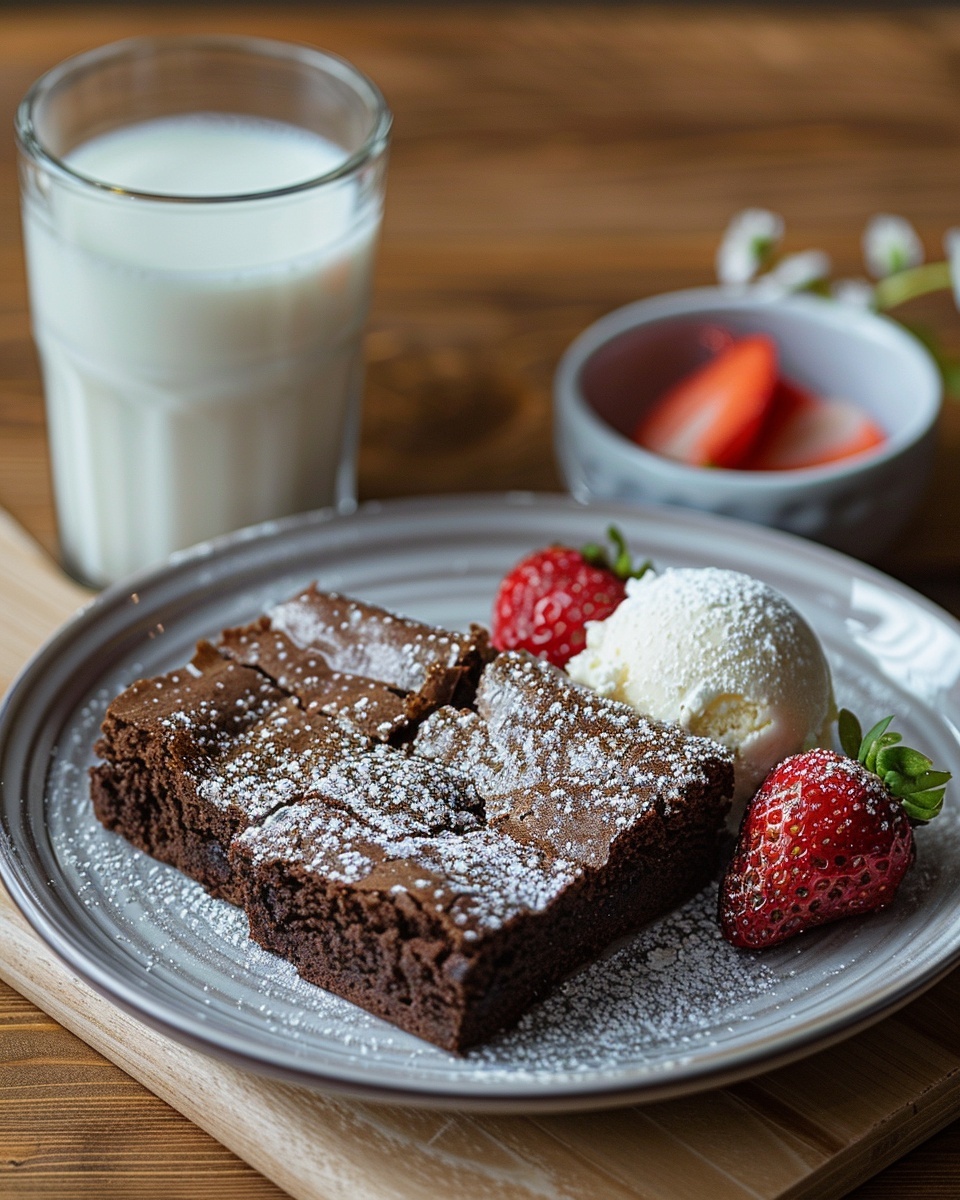
Welcome to the World of Chocolate Brownies
Last Tuesday, I pulled a pan of warm chocolate brownies from the oven. The kitchen smelled like pure heaven. My neighbor knocked on the door five minutes later asking if everything was okay. She thought something magical was happening. She was right.
That moment captures exactly why I love chocolate brownies so much. They bring people together without even trying. Kids stop fighting. Teenagers look up from their phones. Adults forget about their problems for a few minutes. These simple squares of chocolate joy have real power.
I’ve been baking chocolate brownies for over fifteen years now. I’ve made hundreds of batches. Some turned out perfect. Others became learning experiences that I fed to very happy dogs. Through all those trials, I’ve picked up tricks that make brownie baking easier and more fun.
This guide will walk you through everything you need to know about chocolate brownies. You’ll learn about different types and what makes each one special. I’ll share the essential ingredients you need and how to pick the right ones. You’ll discover tips that took me years to figure out. By the end, you’ll have the confidence to bake brownies that make your neighbors knock on your door.
Whether you want rich chocolate brownies for a special occasion or easy chocolate brownies for a weeknight treat, this article has you covered. I’ll even share some secrets from Mary Berry chocolate brownies that changed how I bake forever.
Understanding Different Types of Chocolate Brownies
Not all brownies are created equal. The type you choose depends on your mood and what you’re craving. Let me break down the main categories so you know exactly what you’re making.
Rich chocolate brownies sit at the top of the decadence scale. These brownies pack intense chocolate flavor into every bite. They use more chocolate than standard recipes and often include both cocoa powder and melted chocolate. The texture is dense and satisfying. When you bite into one, you taste pure chocolate without any distractions. I make these when I really need a chocolate fix or when I want to impress someone. They’re not subtle. They’re not light. They’re absolutely perfect for serious chocolate lovers.
The color of these brownies is deep and dark. The top usually develops a shiny, crackly crust that looks professional. Inside, you get a moist, almost truffle-like texture. These brownies satisfy your sweet tooth with just one small square. I cut them smaller than regular brownies because they’re so rich.
Dark chocolate brownies take things in a slightly different direction. They use dark chocolate or high-percentage cocoa to create a more complex flavor profile. These brownies taste less sweet and more sophisticated. You can detect subtle notes that milk chocolate versions hide. Some people taste coffee hints. Others notice fruity undertones. The bitterness of dark chocolate balances perfectly with sugar.
I started making dark chocolate brownies after a friend brought some to a party. I was skeptical at first. I thought brownies needed to be sweet. But that first bite changed my mind completely. The depth of flavor was something I’d never experienced in a brownie before. Now I make these when I want something sweet that still feels grown-up. They pair wonderfully with red wine or strong coffee.
Gooey chocolate brownies are for texture lovers. These brownies stay soft and almost underbaked in the center. When you cut into them, they’re fudgy and sticky. Some people call them molten or lava brownies. The edges set firm while the middle stays gloriously gooey. Making these requires careful timing. Take them out too late and you lose that texture. Take them out too early and they’re actually raw.
The secret to gooey brownies is knowing your oven and trusting your instincts. I pull mine when the edges look set but the center still jiggles slightly when I shake the pan. A toothpick inserted in the center should come out with wet crumbs, not clean. These brownies are best served warm with vanilla ice cream melting on top. The contrast between cold ice cream and warm gooey brownie is pure bliss.
Easy chocolate brownies are perfect for beginners or busy days. These recipes use simple methods and common ingredients. You don’t need a mixer. You don’t need fancy chocolate. You just need a bowl, a spoon, and about ten minutes of prep time. The results still taste amazing even though the process is straightforward.
I keep an easy brownie recipe on a card in my kitchen. When my kids want to bake or when I need a quick dessert, that’s my go-to. These brownies might not have the complexity of fancier versions, but they hit the spot every time. They’re reliable and forgiving. If you’ve never baked before, start here. You’ll build confidence and end up with delicious treats.
Essential Ingredients for Baking Chocolate Brownies
Great brownies start with the right ingredients. You can’t fake quality here. Each ingredient plays a specific role in creating texture and flavor.
Here’s what you need for a basic chocolate brownie recipe:
- Butter – Unsalted butter gives you control over salt levels. It adds richness and helps create that fudgy texture. I always use real butter, never margarine.
- Sugar – Both white and brown sugar work. White sugar creates a crispier top. Brown sugar adds moisture and a subtle caramel note.
- Eggs – These bind everything together and add structure. Room temperature eggs mix better than cold ones.
- Flour – All-purpose flour works perfectly. Don’t use too much or your brownies will be cakey instead of fudgy.
- Cocoa powder – This is where chocolate flavor really comes from in most recipes.
- Chocolate – Many recipes call for melted chocolate in addition to cocoa powder.
- Salt – Just a pinch enhances all the other flavors.
- Vanilla extract – This deepens the chocolate taste.
The quality of your cocoa powder matters more than you might think. For chocolate brownies with cocoa powder, I recommend using Dutch-process cocoa for richer flavor and darker color. Natural cocoa powder works too, but it tastes more acidic and lighter. I keep both in my pantry and choose based on the recipe and my mood.
Good cocoa powder should smell intensely chocolatey when you open the container. If it smells weak or dusty, it’s probably old. Fresh cocoa makes a noticeable difference in your final product. I buy smaller containers and replace them every six months rather than keeping a huge container that goes stale.
When making a fudge brownies recipe, chocolate quality becomes even more critical. You’re using actual chocolate, not just powder, so the flavor is front and center. I use chocolate with at least 60% cocoa content. Anything lower tastes too sweet and artificial. Anything higher can be too bitter unless you’re specifically making dark chocolate brownies.
You can use chocolate chips in a pinch, but bar chocolate melts smoother. Chips contain stabilizers that help them keep their shape. Those same stabilizers can make your brownie texture slightly grainy. I chop bar chocolate into small pieces for even melting. It takes an extra minute but makes a real difference.
For the best brownie recipe in the world, some bakers add espresso powder. Just half a teaspoon intensifies chocolate flavor without making brownies taste like coffee. I was skeptical the first time I tried this trick. Now I add it to almost every batch. My family can’t figure out my secret ingredient.
Temperature matters too. Melted butter should be warm but not hot. Hot butter can cook the eggs when you mix them together. I melt my butter and let it cool for about five minutes before adding other ingredients. This small step prevents lumpy batter and ensures smooth mixing.


Step-by-Step Guide to Baking Chocolate Brownies
Now that you know what goes into the bowl, let me walk you through exactly how to turn those ingredients into incredible brownies. I’m going to share the process I follow every single time, along with the little details that separate good brownies from mind-blowing ones.
Before you even touch an ingredient, you need to prep your space. I learned this lesson the hard way after realizing halfway through mixing that I didn’t have parchment paper. Trust me, scrambling around with chocolate-covered hands is not fun. So first things first: preheat your oven to 350°F (175°C). Don’t skip this step or try to save time by putting brownies in a cold oven. Even temperature is everything for baking chocolate brownies correctly.
Next, line your baking pan with parchment paper or aluminum foil. I prefer parchment because it doesn’t react with acidic ingredients. Leave some overhang on the sides so you can lift the whole brownie slab out later. This makes cutting so much cleaner. I grease the pan lightly even with parchment, just to be safe. A quick spray of cooking oil does the trick.
Here’s something I wish someone had told me years ago: gather all your ingredients before you start. Professionals call this mise en place, but I just call it being smart. Measure everything out. Crack your eggs into a small bowl. Melt your butter and chocolate together. When everything is ready to go, the actual mixing takes maybe five minutes. You’re less likely to forget something or mess up measurements when you’re not rushing.
For mixing the batter to create the best brownie recipe in the world, the order matters more than you’d think. I start by whisking together the melted butter and chocolate until they’re completely smooth. This mixture needs to cool slightly, just until it’s warm to the touch, not hot. While it cools, I whisk together my eggs and sugar in a separate bowl. I beat them for about two minutes until the mixture turns pale and slightly thick. This step incorporates air and creates that beautiful crackly top that everyone loves.
Then I pour the chocolate mixture into the egg mixture. Some recipes tell you to do it the other way around, but I’ve found this method works better. I stir gently but thoroughly. You want everything combined without overworking it. Overmixing at any stage can make your brownies tough instead of tender.
The flour goes in last. I sift it together with cocoa powder and salt before adding it to the wet ingredients. Sifting might seem old-fashioned, but it prevents lumps and makes your brownies smoother. I fold the dry ingredients in with a spatula, not a whisk. I use broad, sweeping motions from the bottom of the bowl up and over. I stop as soon as I don’t see any dry streaks. A few small lumps are fine. Better to have a tiny lump than tough, overworked brownies.
By the way, this is the stage where you’d add any extras like nuts or chocolate chips. I fold them in with the same gentle motion. If you’re making gooey chocolate brownies, some bakers like to save a handful of chocolate chips to press into the top of the batter before baking. It makes them look bakery-professional.
Pour the batter into your prepared pan and spread it evenly. I use an offset spatula for this, but the back of a spoon works too. Make sure you push batter into the corners. Air pockets in corners can cause uneven baking. Give the pan a couple of firm taps on the counter to release any air bubbles trapped in the batter.
Baking tips can make or break your brownies. The biggest mistake people make is overbaking. Brownies continue cooking from residual heat even after you take them out of the oven. I set my timer for five minutes less than the recipe suggests and then check every two minutes after that. For an 8×8 inch pan, most brownies take between 25 to 35 minutes total.
The toothpick test isn’t as straightforward as people think. For fudgy brownies, you want the toothpick to come out with moist crumbs, not completely clean. If it comes out clean, you’ve overbaked them. If it comes out with wet batter, give them a few more minutes. The center should look just barely set and might even jiggle slightly when you gently shake the pan. It feels wrong to take them out at this point, but trust the process.
Here’s a trick similar to what I do when making classic chocolate chip cookies: I rotate my pan halfway through baking. Ovens have hot spots, and rotating ensures even cooking. Just be quick about it so you don’t lose too much heat.
Cooling is where patience becomes your best friend. Let the brownies cool completely in the pan before cutting. I know this is torture when your kitchen smells amazing, but warm brownies are impossible to cut cleanly. They’ll crumble and stick to your knife. I usually let mine cool for at least two hours, sometimes even refrigerate them for thirty minutes before cutting.
For cutting, use a large, sharp knife. Run it under hot water, dry it off, and then make your cut. Clean and reheat the knife between each cut. This prevents dragging and creates those perfect, clean edges you see in bakery brownies. If you used parchment paper with overhang, lift the whole slab out onto a cutting board first. This makes the job much easier.
Variations and Creative Twists
Once you’ve mastered basic brownies, the real fun begins. I’ve spent years experimenting with different variations, and I’ve learned that brownies are incredibly forgiving when it comes to creative additions.
A proper chocolate fudge brownie recipe takes the basic brownie up several notches in richness. The key difference is reducing flour and increasing chocolate and butter. I use about three-quarters of the flour in a standard recipe and add an extra two ounces of melted chocolate. The result is denser, more intense, and absolutely decadent. These brownies are so rich that I serve them in tiny squares with whipped cream to balance the intensity.
Funny enough, the first time I made fudge brownies, I thought I’d messed up the recipe. The batter seemed too thin and glossy. But when they came out of the oven, they were incredible. Sometimes what looks wrong turns out perfectly right.
Nuts are the classic brownie add-in, and for good reason. Walnuts are traditional, but I prefer pecans for their buttery flavor. I toast them first in a dry pan for about five minutes. Toasting brings out oils and intensifies the nutty taste. You can also try hazelnuts, almonds, or even macadamias. I add about one cup of chopped nuts to a standard batch, folding them in right before baking.
Caramel takes brownies in a completely different direction. I make a simple salted caramel sauce and swirl it through the batter before baking. Use a butter knife to create swirl patterns, being careful not to mix it in completely. You want distinct ribbons of caramel throughout. When someone bites into these rich chocolate brownies and hits a pocket of gooey caramel, their face lights up every time.
Peanut butter is another winning combination. I dollop spoonfuls of peanut butter on top of the brownie batter and use a knife to swirl it in. The salty-sweet combination reminds me of those childhood candy bars, but a hundred times better. If you’re feeling extra indulgent, add peanut butter chips too. It’s a lot, but sometimes a lot is exactly what you need.
For a more sophisticated twist, I sometimes add orange zest to dark chocolate brownies. The citrus brightens the deep chocolate flavor without making them taste fruity. Just the zest from one orange mixed into the batter transforms the whole experience. It reminds me of those fancy chocolate oranges you get during the holidays.
Coffee isn’t just for drinking alongside brownies. A tablespoon of instant espresso powder dissolved in the butter mixture amplifies chocolate flavor dramatically. Your brownies won’t taste like coffee, I promise. The coffee just makes the chocolate taste more intensely chocolatey. It’s the same principle I use when adding a touch of spice to my simple fried rice – sometimes an unexpected ingredient brings out the best in everything else.
Now let’s talk about Mary Berry chocolate brownies. If you don’t know who Mary Berry is, she’s basically British baking royalty. Her brownie recipe has a cult following for good reason. She uses melted chocolate and cocoa powder together, which creates layers of chocolate flavor. She also adds a bit of vanilla extract and folds in white chocolate chunks for contrast.
What makes her recipe special is the technique. She beats the eggs and sugar for a full five minutes until really thick and moussey. This creates an incredibly light texture despite all that chocolate. The top develops this gorgeous papery crust that crackles when you cut into it. I’ve borrowed this technique for my own recipes, and it really does make a difference.
Mary Berry also advocates for slightly underbaking, which aligns perfectly with my philosophy. She says brownies should be squidgy in the middle, which is the most British way possible to describe that perfect gooey texture we all want.
Creating your own signature brownie recipe is easier than you think. Start with a reliable base recipe, then add one or two elements that reflect your personal taste. Maybe you love the combination of raspberry and chocolate, so you swirl some raspberry jam through the batter. Or perhaps you’re obsessed with sea salt, so you sprinkle flaky salt on top before baking.
I’ve developed a signature recipe that includes browned butter, a technique that adds a nutty, caramel-like depth. Browning butter takes an extra ten minutes, but wow, the difference. I also add a handful of chopped turkey and cheese wrap… just kidding! I wanted to see if you were paying attention. I actually fold in chunks of dark chocolate and a sprinkle of fleur de sel on top. That’s my signature, and people always ask for the recipe.
The beauty of brownies is that they’re hard to completely ruin. Even if you overbake them slightly or forget an ingredient, they usually still taste pretty good. This forgiving nature makes them perfect for experimentation. Try adding crushed cookies, pretzels for crunch, or even a swirl of cream cheese like you might with a grilled veggie sandwich – different context, same principle of layering flavors.
Keep notes on what you try. I have a little notebook in my kitchen where I jot down variations and how they turned out. Some experiments flop, and that’s fine. The failures teach you just as much as the successes. My best recipes came from happy accidents and weird ideas that somehow worked.


Troubleshooting Common Issues When Baking Chocolate Brownies
Let’s be real for a second. Even after you understand ingredients and follow the steps perfectly, things can still go wrong. I’ve had batches that came out like chocolate hockey pucks and others that were basically pudding. Every baker faces these problems, and knowing how to fix them separates the occasional baker from the confident one.
The most common complaint I hear is about overbaked brownies. They come out dry, crumbly, and disappointingly cake-like. Here’s the thing: your oven is probably lying to you. Most home ovens run hotter or cooler than the temperature you set. I bought a cheap oven thermometer about five years ago, and it changed everything. My oven runs 25 degrees hotter than the dial says. No wonder I was overbaking everything.
If you discover your brownies are overbaked after the fact, you can’t reverse the process, but you can salvage them. I crumble overbaked brownies and layer them with whipped cream and berries to make a trifle. Or I break them into chunks and stir them into vanilla ice cream. My kids actually request “mistake brownies” now because they love the ice cream version so much.
To prevent overbaking in the future, set your timer for the minimum suggested baking time minus five minutes. Check your brownies at that point and every two minutes after. Remember that they’ll continue cooking after you remove them. When the edges are set but the center still looks slightly glossy and jiggles a tiny bit when you shake the pan, pull them out. They’ll firm up as they cool.
Underbaked brownies present the opposite problem. The center stays gooey in a bad way, almost raw. The texture is gummy instead of fudgy. This usually happens when you take them out too early or when the oven temperature is too low. If you cut into your brownies and realize they’re underbaked, you can actually put them back in the oven. Just return the whole pan and give them another five to ten minutes. It’s not ideal, but it works.
Sometimes brownies come out dry even when they’re not technically overbaked. This frustrating situation usually comes from too much flour or not enough fat. When measuring flour, never pack it into the measuring cup. Spoon it in lightly and level it off with a knife. Packed flour can mean you’re adding twenty to thirty percent more than the recipe intended. That’s enough to turn fudge brownies recipe into disappointing chocolate cake bars.
Another cause of dryness is old baking powder or ingredients that have lost their moisture. Cocoa powder, in particular, can dry out and become stale. If your chocolate brownies with cocoa powder consistently turn out dry, replace your cocoa. Buy fresh cocoa from stores with good turnover, not that dusty container that’s been sitting in your pantry since 2019.
Climate and altitude make a bigger difference than most people realize. I learned this the hard way when I moved from sea level to a city at 5,000 feet elevation. My beloved brownie recipe suddenly produced disasters. At high altitudes, water evaporates faster and leavening agents work differently. Baked goods rise too quickly and then collapse.
If you live above 3,000 feet, you’ll need to adjust recipes. Reduce sugar by one to two tablespoons per cup. Increase liquid by two to four tablespoons. Increase oven temperature by 15 to 25 degrees and decrease baking time slightly. These adjustments might seem counterintuitive, but they compensate for the lower air pressure. The higher temperature helps brownies set before they rise too much and collapse.
Humidity affects baking too, though less dramatically than altitude. In very humid climates, flour absorbs moisture from the air and becomes heavier. You might need slightly less liquid in humid weather. In dry climates, the opposite happens. I lived in Arizona for a summer, and I had to add an extra tablespoon of butter to my easy chocolate brownies recipe to keep them from drying out.
Crumbly texture is different from dryness. Crumbly brownies fall apart when you cut them but might not taste dry. This usually means the ratio of fat to flour is off, or there aren’t enough eggs binding everything together. Eggs act as the glue in brownie recipes. If you accidentally use a small egg when the recipe calls for large, or if you’re trying to cut calories by reducing eggs, you’ll get crumbly results.
The fix for crumbly brownies is pretty straightforward in future batches. Make sure you’re using the right egg size. Large eggs are standard in American baking. Add an extra egg yolk if you want extra-fudgy texture. The yolk adds fat and richness without making brownies taste eggy. Some of my favorite rich chocolate brownies recipes call for three whole eggs plus two additional yolks.
By the way, temperature shock can cause problems too. Never put cold eggs or cold butter directly into hot melted chocolate. The temperature difference can cause the chocolate to seize up and become grainy. Everything should be at room temperature when you mix it, except for the melted chocolate and butter, which should be warm but not hot. I take my eggs out of the fridge about thirty minutes before I start baking.
Sometimes brownies develop this weird oily film on top after baking. The surface looks greasy and the texture seems off. This happens when the butter separates from the other ingredients during baking. It’s usually because the butter was too hot when you added it to the eggs, or because you mixed too vigorously and broke the emulsion. Neither ruins the brownies completely, but they won’t have that perfect texture.
To prevent this, make sure your melted butter mixture has cooled to just warm before adding it to eggs. Mix gently but thoroughly. You want to combine ingredients, not beat them into submission. Think of it like you’re folding something delicate, even though brownie batter is pretty forgiving.
Dense, heavy brownies that feel like they’re sitting in your stomach like a brick usually contain too much flour or were overmixed. Overmixing develops gluten in the flour, which makes baked goods tough. Stir your batter just until you don’t see dry streaks. Those last few strokes of mixing can happen in the pan as you spread the batter. Knowing about nutrition basics can also help you understand how ingredient balance affects texture and density in your final product.
Here’s something weird that happened to me once: my brownies came out with this strange metallic taste. I couldn’t figure it out until I realized I’d used a metal bowl that was reactive. Acidic ingredients can react with certain metals and create off flavors. Use glass or ceramic bowls for mixing, especially when working with chocolate and cocoa powder. Stainless steel is fine, but avoid aluminum bowls.
If your brownies consistently fail no matter what you try, consider whether your ingredients are the problem. Expired baking powder won’t give you the right rise. Rancid butter or oil will make everything taste off. Old flour can develop a stale flavor. Sometimes starting completely fresh with new ingredients solves mysterious problems.
Testing different baking pans made a difference for me too. Dark metal pans absorb more heat and can cause over-browning on the edges while the center stays underdone. Light-colored aluminum pans heat more evenly. Glass pans hold heat longer, so you might need to reduce oven temperature by 25 degrees. I have the best luck with light-colored metal pans for baking chocolate brownies.
Pan size matters more than you’d think. If you use a larger pan than the recipe calls for, your brownies will be thinner and cook faster. They might turn out dry and overcooked. If you use a smaller pan, they’ll be thicker and need more time. The depth of the batter affects baking time significantly. Stick to the pan size in the recipe, or adjust baking time accordingly.
When you’re exploring dessert recipes beyond brownies, you’ll find that many of these troubleshooting principles apply across different types of baked goods, which is why understanding these fundamentals really builds your overall baking confidence.
Funny enough, some of my best learning moments came from complete failures. I once accidentally used salt instead of sugar in a batch. Don’t ask me how that happened. Another time I forgot the eggs entirely and didn’t realize until the brownies came out of the oven looking like chocolate crackers. These disasters taught me to pay attention and double-check everything. They also taught me to laugh at mistakes instead of getting discouraged.
Frequently Asked Questions About Chocolate Brownies
What makes a chocolate brownie fudgy?
The fudgy texture comes from a higher ratio of fat and chocolate to flour. Recipes with more butter, more chocolate, and fewer eggs create that dense, moist texture. Underbaking slightly also contributes to fudginess. The center should still look a bit glossy when you take them out. Using melted chocolate in addition to cocoa powder adds fat content that makes brownies more fudgy. If you want the fudgiest brownies possible, reduce flour by about a quarter and add an extra egg yolk for richness.
Can I use milk chocolate instead of dark chocolate?
Yes, you absolutely can, but your brownies will taste much sweeter and less complex. Milk chocolate contains more sugar and less cocoa than dark chocolate. I’d recommend reducing the sugar in your recipe by a few tablespoons if you’re using milk chocolate. The texture will be similar, but the chocolate flavor won’t be as intense. Some people prefer this, especially if they’re making brownies for kids who find dark chocolate brownies too bitter. You could also use a combination of both for a balanced flavor.
How do I store my chocolate brownies?
Store brownies in an airtight container at room temperature for up to four days. I layer them with parchment paper to keep them from sticking together. Don’t refrigerate brownies unless they have perishable frosting or fillings, because refrigeration dries them out. If your kitchen is really warm, brownies can get a bit melty, which isn’t necessarily bad. Some people love eating them slightly warm. Keep them away from direct sunlight and heat sources. An airtight plastic container works better than covering them with foil, which can dry out the edges.
Can I freeze chocolate brownies?
Brownies freeze beautifully for up to three months. Cut them into individual portions and wrap each piece in plastic wrap, then place them all in a freezer bag. This way you can grab one whenever you want without defrosting the whole batch. To thaw, leave them at room temperature for about an hour or microwave for twenty seconds. Frozen brownies actually taste amazing if you eat them while they’re still slightly frozen. They get this incredible fudgy texture. I always keep a stash in the freezer for emergency chocolate cravings.
What is the secret to making the best brownie recipe in the world?
If I had to pick one secret, it’s using both melted chocolate and cocoa powder together for layered chocolate flavor. The second secret is slightly underbaking so the center stays fudgy. But honestly, the real secret is using quality ingredients and paying attention to what you’re doing. Fresh cocoa, good chocolate, real butter, and room temperature eggs make a huge difference. Don’t rush the process, and taste your batter before baking. If it doesn’t taste amazing raw, it won’t taste amazing baked. Add a tiny pinch of espresso powder to amplify the chocolate without adding coffee flavor.
How can I make my chocolate brownies more moist?
Add an extra egg yolk to your recipe, which increases fat without adding extra liquid. Replace some of the butter with oil, since oil stays liquid at room temperature and creates moisture. Don’t overbake them, which is the number one cause of dry brownies. You can also brush the top with simple syrup right after baking for extra moisture. Some bakers add a couple tablespoons of sour cream or Greek yogurt to the batter. These additions might sound weird, but they create incredibly moist brownies without affecting the chocolate flavor.
Are there any substitutes for eggs in a chocolate brownie recipe?
Yes, several options work for chocolate fudge brownie recipe adaptations. Each egg can be replaced with a quarter cup of unsweetened applesauce or mashed banana. The banana will add flavor, so keep that in mind. Commercial egg replacers work well too. Ground flaxseed mixed with water creates a gel that binds like eggs. Use one tablespoon of flaxseed with three tablespoons of water per egg, and let it sit for five minutes before adding. My vegan friends say aquafaba, the liquid from canned chickpeas, works surprisingly well. The texture will be slightly different than egg-based brownies, but still delicious.
How long do chocolate brownies last?
Properly stored brownies stay fresh for about four days at room temperature. After that, they start to dry out and lose their best texture. You can extend their life to five or six days by storing them in the refrigerator, but they’ll get firmer. Honestly, I’ve never had brownies last longer than two days in my house because everyone eats them so quickly. If they do start to dry out, you can revive them slightly by microwaving individual pieces for ten seconds. The heat brings back some of the moisture. You could also turn stale brownies into a trifle or ice cream topping.
Can I use oil instead of butter in my chocolate brownies?
You can definitely use oil, and it’ll make your brownies super moist because oil stays liquid at room temperature. The texture will be slightly different, less rich and more tender. Use three-quarters the amount of oil as butter, since oil is pure fat while butter contains water. Neutral oils like vegetable or canola work best. Some people use melted coconut oil for a hint of coconut flavor. The downside is that you lose the flavor complexity that butter provides. I sometimes use half butter and half oil for brownies that are both rich and super moist.
Why are my chocolate brownies too sweet?
Too much sugar or using milk chocolate instead of dark chocolate makes brownies overly sweet. Different brands of chocolate have different sugar content, so check the label. You can reduce sugar by up to a quarter cup without dramatically affecting texture. Adding a pinch of salt helps balance sweetness. Try using dark chocolate brownies recipes with chocolate that’s at least 60% cocoa. Some cocoa powders are sweeter than others too. If your brownies consistently turn out too sweet, reduce sugar gradually in future batches until you find your perfect balance.
Making incredible brownies isn’t about following rules perfectly. It’s about understanding what you’re doing and adjusting based on what you observe. Every oven is different, every kitchen has its quirks, and every batch teaches you something new. Don’t be afraid to experiment, make mistakes, and try again. The beautiful thing about brownies is that even the failures usually taste pretty good.
Ingredients
Equipment
Method
- Preheat your oven to 350°F (175°C) and prepare your baking pan with parchment paper or aluminum foil.
- Gather and measure all ingredients (mise en place).
- Whisk melted butter and chocolate together until smooth.
- In a separate bowl, whisk eggs and sugar for about two minutes until the mixture is pale and thick.
- Combine the chocolate mixture into the egg mixture and stir gently.
- Sift together flour, cocoa powder, and salt; fold this into the wet ingredients using a spatula.
- Pour the batter into the prepared pan and spread it evenly.
- Tap the pan to release any air bubbles.
- Bake for 25 to 35 minutes, checking for moist crumbs on a toothpick.
- Allow brownies to cool completely before cutting into squares.