
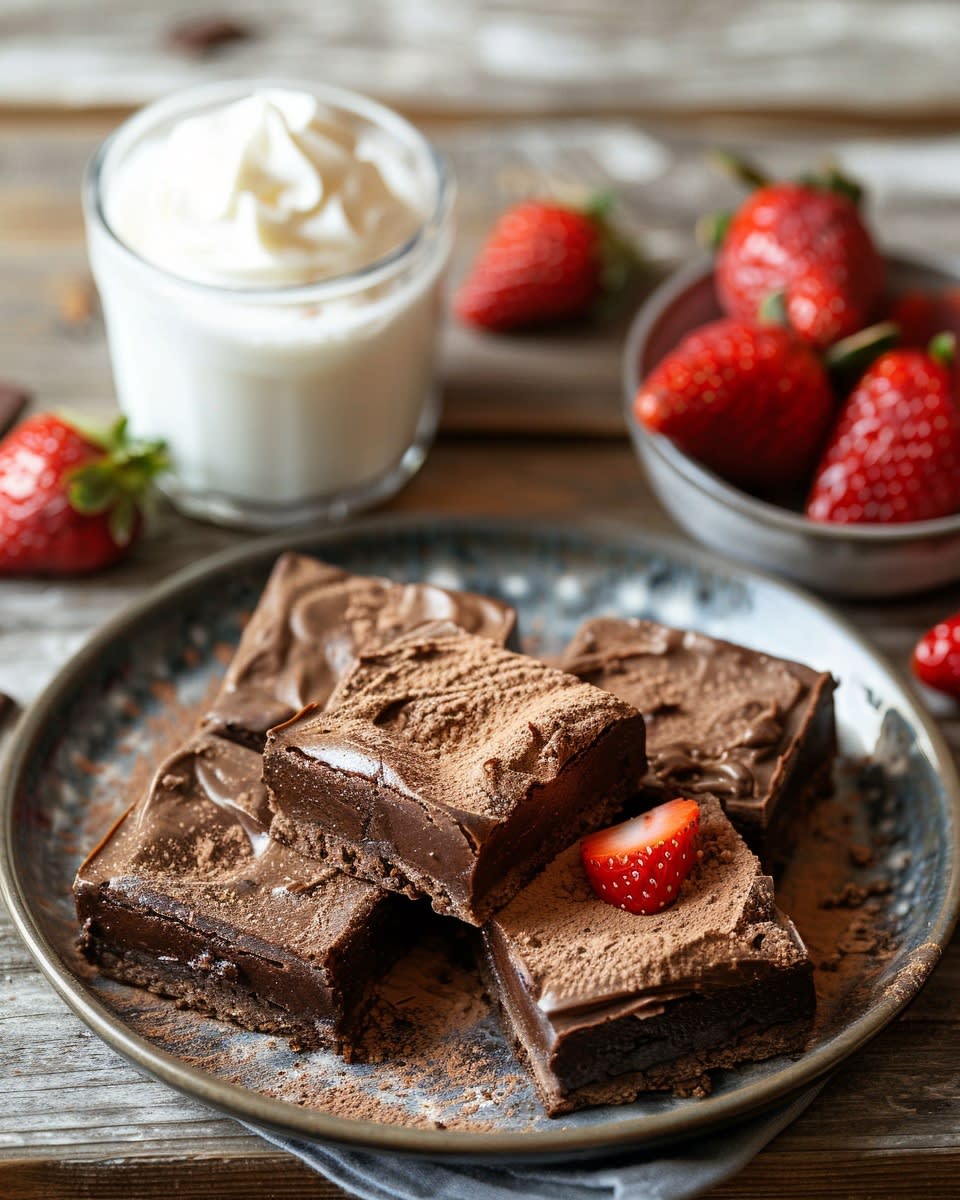
My Love Affair with Chocolate Fudge Squares
I still remember the first time I tasted a homemade chocolate fudge square at my grandmother’s house. I was eight years old, and she’d just pulled a pan from the oven. The smell alone made my mouth water. When I finally took that first bite, it was like tasting pure happiness. That rich, creamy chocolate melted on my tongue, and I knew right then I’d found my favorite dessert.
Fast forward to today, and I’ve made these treats hundreds of times. They’ve rescued me during stressful weeks, impressed guests at dinner parties, and become my go-to gift for friends. There’s something magical about a square of homemade fudge that store-bought sweets just can’t match.
Welcome to my sweet corner of the internet! Today, I’m super excited to share with you one of my all-time favorite treats: chocolate fudge squares. Whether you’re a seasoned baker or just starting out, these treats are sure to become a staple in your kitchen. Trust me, once you make your first batch, you’ll wonder how you ever lived without them.
What Are Chocolate Fudge Squares?
Let’s talk about what makes chocolate fudge squares so special. These rich, creamy, and indulgent treats are a perfect blend of smooth chocolate and buttery goodness. They’re not just a dessert. They’re a delightful experience that can brighten up any day.
Picture this: a thick, dense square of pure chocolate bliss. The texture is somewhere between a brownie and traditional fudge. It’s firmer than regular fudge candy but softer and more moist than a typical brownie. When you bite into one, you get that satisfying density combined with a smooth, almost velvety mouthfeel.
The beauty of these squares lies in their simplicity. You don’t need fancy equipment or hard-to-find ingredients. A good mixing bowl, a baking pan, and some basic pantry staples are all it takes. Yet the result tastes like something from a high-end bakery.
What sets them apart from other chocolate desserts? For starters, the rich chocolate flavor is front and center. There’s no competition from other flavors trying to steal the show. It’s pure, unapologetic chocolate goodness. The texture is another winner. Unlike brownies that can sometimes turn out cakey or dry, these squares stay moist and fudgy every single time.
The Perfect Chocolate Dessert for Any Occasion
I’ve brought chocolate fudge squares to more events than I can count. Birthday parties, office potlucks, school bake sales, and holiday gatherings. They always disappear first. People love them because they’re easy to eat with your hands, they travel well, and they satisfy that chocolate craving instantly.
Here’s what makes them so versatile:
- They’re perfect for beginners who want impressive results without complicated steps
- They can be dressed up with toppings or kept simple and classic
- They store well, so you can make them ahead of time
- They work for casual get-togethers and fancy events alike
- Kids and adults both go crazy for them
Last month, I made a batch for my son’s soccer team. The kids devoured them in minutes. The parents asked for the recipe on the spot. That’s the kind of reaction these treats get every time.
Why Homemade Beats Store-Bought Every Time
You might be thinking, “Can’t I just buy fudge from the store?” Sure, you could. But homemade chocolate fudge squares are in a completely different league. Store-bought fudge often tastes waxy or artificial. It can be too sweet or lack that deep chocolate flavor.
When you make them yourself, you control everything. The quality of chocolate, the sweetness level, and the texture all depend on you. You can use real butter instead of mystery ingredients. You can choose premium cocoa powder that actually tastes like chocolate. You can adjust the recipe to match your preferences.
Plus, there’s something special about making treats with your own hands. The kitchen fills with that incredible chocolate aroma. You get to lick the spoon. You feel that sense of accomplishment when they turn out perfectly. Your family and friends can taste the love and care you put into making them.
The Magic Behind These Decadent Squares
What creates that signature fudgy texture? It comes down to the right ratio of ingredients. These squares use more fat and sugar compared to brownies. This creates that dense, smooth texture that defines good fudge. The chocolate and butter work together to create a silky consistency. The sugar adds sweetness and helps create that slight crackly top.
Temperature matters too. Unlike regular fudge candy that requires careful temperature monitoring and can be tricky, these squares are much more forgiving. You simply mix, pour, and bake. No candy thermometer needed. No worrying about the mixture crystallizing or separating.
The result is a foolproof recipe that delivers professional results. Even if you’ve never baked anything before, you can nail these squares on your first try. I’ve taught my twelve-year-old nephew to make them, and his batches turn out just as good as mine.
More Than Just a Sweet Treat
These indulgent treats have become more than just a recipe in my life. They’re my comfort food when I’ve had a rough day. They’re how I show love to people I care about. They’re my secret weapon when I need to make a good impression.
I’ve made them for new neighbors as a welcome gift. I’ve shipped them to my college daughter during finals week. I’ve made them at 11 PM when I suddenly needed chocolate right that moment. They’ve never let me down.
The best part? They’re actually pretty simple to customize. Want to add nuts? Go for it. Prefer white chocolate chips mixed in? Try it. Feel like adding a pinch of sea salt on top? Absolutely. The base recipe is so solid that it handles additions beautifully.
You can even make them look fancy with minimal effort. A dusting of powdered sugar, a drizzle of melted chocolate, or some fresh raspberries on the side instantly elevates their presentation. Suddenly your simple squares look like something from a fancy restaurant.


Gathering Your Ingredients for Amazing Chocolate Fudge Squares
Now that you understand why these squares are so amazing, let’s get down to business and talk about what you’ll actually need to make them. The ingredient list is surprisingly short, which is part of why I love this recipe so much.
Here’s the thing about making chocolate fudge squares: the quality of your ingredients directly impacts the final result. Since we’re working with so few components, each one really matters. You can’t hide behind ten different spices or fancy fillings. It’s just pure chocolate goodness, so you want that chocolate to be the real deal.
First up, and most important, is the chocolate itself. I’m talking about high-quality chocolate for fudge squares, not those cheap baking chips that taste like cardboard. You want something with real cocoa butter listed in the ingredients. I usually go for dark chocolate with around 60-70% cocoa content, but honestly, this is where you can adjust based on your preferences. My husband prefers milk chocolate because he finds dark too intense. My sister swears by mixing half dark and half milk chocolate for a balanced flavor.
When I’m at the store, I skip the baking aisle entirely and head straight for the chocolate bar section. Those individually wrapped bars near the checkout? Perfect. Ghirardelli, Lindt, or even the fancy brands on sale work beautifully. You’ll need about 12 ounces, give or take. The better your chocolate tastes straight from the wrapper, the better your squares will taste.
Next comes butter. Real butter, please. Not margarine, not “buttery spread,” not anything trying to pretend it’s butter. I learned this lesson the hard way years ago when I tried to save money using margarine. The texture was off, the flavor was weird, and my sister-in-law actually asked if something was wrong with the batch. Embarrassing! You’ll need about a cup, which I know sounds like a lot, but remember, this is what gives you that rich, smooth texture.
Sugar is your third key player. Regular granulated white sugar works perfectly. You’ll need roughly two cups. Some recipes call for powdered sugar, but I’ve found that granulated creates a better texture and that slight crackle on top that makes these squares so appealing. If you’re worried about sweetness, you can reduce it by a quarter cup, though I wouldn’t go lower than that.
Heavy cream is where the magic really happens. This ingredient transforms your mixture from just melted chocolate into silky, pourable fudge. You only need about half a cup, but make sure it’s actual heavy cream or heavy whipping cream. Half-and-half won’t cut it here. The fat content matters for achieving that perfect consistency.
Finally, don’t forget vanilla extract. Just a tablespoon or so. It doesn’t make your squares taste like vanilla, but it somehow makes the chocolate flavor pop even more. It’s one of those background ingredients that you’d miss if it wasn’t there. I always use pure vanilla extract rather than imitation because, well, we’ve already established we’re not taking shortcuts on quality here.
By the way, if you’re into experimenting with other chocolate desserts, you might also enjoy my chocolate cream pie recipe, which uses similar high-quality chocolate principles.
How to Make Chocolate Fudge Squares from Scratch
Alright, let’s actually make these beauties. I’m going to walk you through this step by step, just like I’m standing right there in your kitchen with you.
First thing you need to do is line your baking pan. I use an 8×8 or 9×9 inch square pan depending on how thick I want my squares. Pro tip from years of experience: use parchment paper with a bit hanging over the edges. This creates little handles that make removing the fudge so much easier later. Trust me on this. I spent years trying to dig fudge out of pans before I figured out this simple trick.
Now comes the fun part. Grab a double boiler if you have one. If you don’t, no worries. I actually don’t own a proper double boiler either. I just set a heatproof bowl over a pot of simmering water. The bowl shouldn’t touch the water, just hover above it. The gentle steam heat melts everything perfectly without burning.
Break your chocolate into chunks and toss it in the bowl along with your butter. Cut the butter into smaller pieces so it melts evenly. Turn your heat to medium-low. This isn’t a race. Low and slow wins every time with chocolate. Stir occasionally with a rubber spatula while everything melts together. The mixture will start out chunky and weird-looking, but after about five minutes, it transforms into this glossy, smooth chocolate dream.
Once everything’s melted and combined, remove your bowl from the heat. This is important because you don’t want to cook your mixture, just melt it. Now add your sugar and heavy cream. This is where things get a little arm workout because you need to stir vigorously until the sugar dissolves and everything comes together. It takes a couple minutes of good stirring. The mixture will look grainy at first, then suddenly it’ll become smooth and shiny. That’s when you know you’re done.
Funny enough, the first time I made these, I thought something was wrong because the mixture looked so thin. I almost added extra sugar to thicken it up. Thank goodness I didn’t! The mixture is supposed to be pourable at this stage. That’s what allows it to set with that perfect dense texture later.
Stir in your vanilla extract. Take a moment to appreciate that smell. Seriously, is there anything better than chocolate and vanilla together?
Pour your mixture into your prepared pan. Use your spatula to spread it evenly into all the corners. Give the pan a couple gentle taps on the counter to release any air bubbles. Then cover it with plastic wrap and stick it in the refrigerator.
Here’s where patience becomes crucial. These squares need at least four hours to set properly. I usually make mine in the evening and let them chill overnight. If you’re in a desperate hurry, you can pop them in the freezer for about two hours, but refrigerator-set squares have a slightly better texture in my experience.
The waiting is honestly the hardest part. I’ve caught myself opening the fridge door just to peek at them multiple times. My kids laugh at me every time, but I can’t help it!
Once they’re fully set, use those parchment paper handles to lift the whole block out of the pan. Set it on a cutting board. Now comes the cutting, which has its own little tricks. I use a large sharp knife that I’ve run under hot water and dried off. The warm knife slices through the fudge like butter. I wipe and warm the knife between cuts to keep getting clean edges. Cut them into whatever size you prefer. I usually do 16 squares from a 9×9 pan, but you can make them smaller or larger.
If you enjoy making desserts from scratch like this, you might also want to try my apple crumble dessert, which is equally simple but offers a nice fruity contrast to these chocolate squares.
Tips for Perfect Fudge Squares Every Single Time
After making countless batches, I’ve learned some tricks that make the difference between good squares and absolutely perfect ones.
Temperature control is everything. When you’re melting your chocolate and butter, never let the water underneath come to a rolling boil. Gentle simmering is all you need. If your chocolate gets too hot, it can seize up and turn grainy. I’ve ruined a batch this way, and it’s heartbreaking to waste good chocolate.
Another thing: make sure your bowl is completely dry before you start melting. Even a single drop of water can cause chocolate to seize. It’s weird how such a tiny thing can wreck everything, but chocolate is finicky like that.
When you’re stirring in the sugar and cream, don’t rush it. Really commit to mixing it thoroughly. Those sugar crystals need to dissolve completely. If you don’t mix enough, you’ll end up with a grainy texture instead of smooth fudge. I usually stir for at least three full minutes, even when my arm starts getting tired.
Room temperature matters too. If your butter is ice-cold straight from the fridge, it’ll take forever to melt and might not incorporate smoothly. I usually set mine out for about twenty minutes before I start. Not so long that it gets soft and mushy, just enough to take the chill off.
For cutting, here’s something I discovered by accident: if you score the surface lightly with your knife before cutting all the way through, you get much neater squares. Just press down gently to mark where you’ll cut, then go back and cut through completely. It keeps the top from cracking in weird ways.
These squares are incredibly rich, so I usually cut them on the smaller side. A little goes a long way. Plus, smaller squares mean your batch feeds more people, which is helpful for parties. Though between you and me, I’ve definitely eaten three or four “small” squares in one sitting, so maybe portion control isn’t my strong suit.
If you’re looking for other simple chocolate desserts to add to your repertoire, my chocolate chip banana bread is another crowd-pleaser that’s hard to mess up. And for something a bit lighter, my coconut cake dessert offers a nice alternative when you want something sweet but not pure chocolate intensity.


Storing Your Chocolate Fudge Squares the Right Way
Okay, so you’ve made this gorgeous batch of chocolate fudge squares, and now you’re wondering how to keep them tasting amazing. Good news: these treats store incredibly well, which is part of why they’re so practical for making ahead.
First things first, let’s talk about the best way to store chocolate fudge squares. Once they’re completely set and cut, transfer them to an airtight container. I’m talking about a proper container with a tight-fitting lid, not just some plastic wrap thrown over a plate. The airtight seal is what keeps them from drying out or absorbing weird refrigerator smells. Nobody wants their chocolate fudge tasting like leftover onions, right?
Stack them in layers if you need to, but here’s my trick: place a sheet of parchment paper or wax paper between each layer. This prevents them from sticking together. I learned this the hard way when I once stacked them without any separation and ended up with a giant fudge blob that I had to pry apart. It still tasted great, but presentation matters when you’re bringing them somewhere.
Keep your container in the refrigerator. These squares will stay fresh for up to two weeks, though honestly, I’ve never had a batch last that long. They usually disappear within a few days at my house. My teenage son has a sixth sense for when I’ve made them and sneaks down to grab one whenever he passes the kitchen.
Here’s something interesting: while they keep well refrigerated, avoid storing them at room temperature for extended periods. The high butter content means they’ll start to soften and can even get a bit oily if left out too long, especially in warm weather. I made this mistake during a summer barbecue once. Left them on the dessert table for three hours in 85-degree weather, and they turned into a melty mess. Still delicious, but definitely not what I was going for.
Now, when it comes to serving these beauties, temperature makes a huge difference in the eating experience. Pull them out of the fridge about 15-20 minutes before you plan to serve them. Let them sit at room temperature just long enough to take the chill off. Cold fudge is harder and less flavorful. Room temperature fudge has that perfect bite-through texture and the chocolate flavor really blooms on your tongue.
During winter months, I sometimes leave them out for 30 minutes because my house gets pretty cold. In summer, 10 minutes might be plenty. You’re looking for a texture that’s firm but not rock-hard, yielding but not mushy. When you press gently on the surface, it should give just slightly.
For parties or gatherings, arrange your squares on a nice serving platter. I like using a white plate because it makes the dark chocolate really pop visually. Sometimes I’ll dust them with a tiny bit of cocoa powder right before serving, or place a few fresh mint leaves around the edge for color. These little touches take five seconds but make your presentation look so much more polished.
They pair beautifully with coffee, which is why I always serve them at book club. The slight bitterness of coffee cuts through the sweetness of the fudge perfectly. They’re also amazing alongside vanilla ice cream if you’re going full dessert mode. Or try them with a glass of cold milk for that classic combination.
Freezing Chocolate Fudge Squares for Later
Want to know a real game-changer? These squares freeze incredibly well. I always make a double batch now and freeze half for later. It’s like giving future-me a wonderful gift.
To freeze them properly, wrap each square individually in plastic wrap. Yes, individually. I know it seems fussy, but it makes thawing so much easier because you can grab exactly how many you need. Plus, it prevents freezer burn better than any other method I’ve tried.
Once they’re all wrapped, place them in a freezer-safe bag or container. Push out as much air as possible before sealing. Label it with the date, though you probably won’t forget what’s in there. These squares can stay frozen for up to three months without losing quality.
Thawing is super simple. Just move however many squares you want from the freezer to the refrigerator the night before you need them. By morning, they’ll be perfectly thawed and ready to enjoy. If you’re in a hurry, you can let them sit at room temperature for about an hour, though the slow thaw in the fridge gives you better texture.
I once brought frozen squares to my sister’s house for Thanksgiving. Wrapped them frozen, and by the time we arrived two hours later, they were perfectly thawed and ready to serve. Everyone raved about them, and nobody had any idea they’d been frozen. My sister still asks me to bring them every year now.
By the way, if you’re mindful of nutrition and want to understand more about what you’re eating, the USDA Food Database offers detailed information about carbohydrate content in chocolate and other ingredients, which can be helpful for meal planning or dietary considerations.
Creative Ways to Serve and Dress Up Your Squares
While these squares are absolutely perfect as-is, sometimes it’s fun to get creative with how you serve them. Let me share some of my favorite variations that I’ve discovered over the years.
One of my go-to fancy presentations is the sea salt topping. Just before the fudge sets completely, sprinkle a tiny bit of flaky sea salt on top. The salt crystals create this amazing contrast with the sweet chocolate. It’s that sweet-salty combination that people go crazy for. I served these at a dinner party once, and my friend Jessica literally asked if I’d gone to pastry school. Nope, just added salt!
You can also drizzle melted white chocolate over the top in a zigzag pattern. It looks super impressive but takes about two minutes. Just melt some white chocolate chips in the microwave, transfer to a small plastic bag, snip off a tiny corner, and drizzle away. Very professional-looking with minimal effort.
Fresh raspberries are another winner. The tartness of raspberries cuts through the richness of the fudge beautifully. I’ll either place a raspberry on top of each square or just scatter some around the serving platter. The bright red color against the dark chocolate is gorgeous too.
For holidays, I’ll sometimes press festive sprinkles into the top before they set. Red and green for Christmas, pastels for Easter, orange and black for Halloween. My kids especially love when I do this because it makes them feel more special and celebratory.
Crushed peppermint candy is magical during winter months. Press it gently into the surface right after pouring the mixture into your pan. As it sets, the peppermint bits become part of the fudge. Every bite gives you that refreshing mint-chocolate combo that tastes like the holidays.
Here’s a fun idea I stumbled upon: sandwich a square between two cookies for the ultimate dessert. I’ve used gingersnaps, chocolate chip cookies, and even graham crackers. It’s ridiculously decadent but so, so good. My nephew calls them “fudge burgers,” which always makes me laugh.
Making Chocolate Fudge Squares Work for Special Diets
These squares are naturally gluten-free, which is awesome because you don’t have to modify anything. There’s no flour involved at all. Just always double-check that your chocolate and other ingredients haven’t been processed in facilities with gluten if you’re serving someone with celiac disease. Most quality chocolate bars are fine, but it’s worth reading labels.
For my lactose-intolerant friends, I’ve successfully made these using dairy-free chocolate and coconut cream instead of heavy cream. The texture is slightly different, maybe a touch less creamy, but still absolutely delicious. Use a good quality dairy-free butter substitute too, not the cheap stuff.
If you’re watching sugar intake, you can experiment with sugar substitutes, though I’ll be honest, I haven’t perfected this version yet. The texture changes quite a bit because sugar affects more than just sweetness. It impacts how the fudge sets. I’ve had some luck using a blend of regular sugar and erythritol, cutting the total sugar by about a third, but going further than that gets tricky.
The beauty of this recipe is its simplicity, which actually makes modifications easier in some ways. There aren’t ten different ingredients competing with each other, so when you swap one thing out, you can really tell how it affects the final product.
Troubleshooting Common Issues
Even with a foolproof recipe, sometimes things don’t go quite as planned. Let me walk you through some issues I’ve encountered and how to fix them.
If your fudge won’t set properly and stays too soft even after hours in the fridge, you probably didn’t cook the mixture quite enough, or your ratio was off. Unfortunately, there’s not much you can do once it’s poured except wait longer. Sometimes what seems too soft after four hours will firm up perfectly by the next morning. If it’s still too soft after 24 hours, embrace it! Spoon it over ice cream and call it hot fudge sauce. Nobody needs to know it wasn’t the original plan.
Grainy texture usually means either your chocolate got too hot and seized, or you didn’t stir the sugar mixture long enough. Prevention is easier than fixing, but if it happens, you can try remelting everything gently and stirring more vigorously. Sometimes this saves it, sometimes it doesn’t. I’ve definitely had to start over once or twice.
If the top develops a weird white film after a few days in the fridge, don’t panic. That’s just chocolate bloom, which happens when fat or sugar crystals rise to the surface. It’s completely safe to eat, just not as pretty. It usually happens if temperature fluctuated too much. Keep your container sealed tightly and try to avoid opening and closing it repeatedly.
Cracking on top is purely cosmetic but bugs some people. It happens when the fudge cools too quickly or if the surface dries out. To prevent it, you can cover the pan with plastic wrap while it chills, pressing it gently right onto the surface of the fudge before refrigerating.
Speaking of desserts, if you enjoy making homemade desserts like these chocolate fudge squares, you’ll find there’s something incredibly satisfying about creating treats from scratch that bring people together.
Why These Squares Make Perfect Gifts
I’ve given these as gifts dozens of times, and they’re always a hit. Package them nicely in a small box lined with tissue paper, tie a ribbon around it, and suddenly you have a gift that looks like it came from an expensive chocolate shop.
For teacher appreciation, neighbor gifts, or thank-you presents, they’re ideal. They’re homemade, which shows effort and thoughtfulness, but they’re not weird or overly personal. Everyone appreciates good chocolate. I keep the ingredients on hand specifically so I can whip up a batch when I need a last-minute gift.
During the holidays, I make several batches and give them to our mail carrier, my hairdresser, my kids’ teachers, and various other people who make our lives easier throughout the year. It’s become my signature gift, and people have started to expect them. Last December, my mail carrier actually asked if I was making “those chocolate things” again this year. The answer was obviously yes.
The key to gifting them is presentation. Even simple squares look fancy when packaged thoughtfully. I buy inexpensive small boxes from craft stores, line them with decorative tissue paper or cupcake liners, and arrange the squares neatly inside. A printed label or handwritten tag adds a personal touch.
If you’re worried they’ll get messy during transport, individually wrap each square in wax paper first, then arrange them in your gift container. This also makes it easier for the recipient to grab one at a time without handling all of them.
Making these incredible chocolate fudge squares is more than just following a recipe. It’s about creating moments of joy, treating yourself and others to something special, and filling your home with that irresistible chocolate aroma. Whether you’re making them for a special occasion or just because Tuesday needs more chocolate, I hope you’ll find as much happiness in these squares as I have over the years. Now go ahead, gather those simple ingredients, and create some chocolate magic in your kitchen!
Frequently Asked Questions About Chocolate Fudge Squares
Q: Can I use different types of chocolate for fudge squares?
A: Absolutely! Dark chocolate gives you an intense, sophisticated flavor, while milk chocolate creates a sweeter, creamier result. I’ve even made them with white chocolate for people who don’t like traditional chocolate, though technically that’s not chocolate fudge anymore. You can also mix different chocolates together, like half dark and half milk, for a customized flavor profile. Just make sure whatever chocolate you choose contains real cocoa butter rather than vegetable oils, which won’t give you the right texture.
Q: How long does it take for chocolate fudge squares to set?
A: In the refrigerator, they typically need about 4 hours to set completely, though I usually leave mine overnight for the best texture. If you’re really in a hurry, you can pop them in the freezer for about 2 hours instead. The setting time can vary slightly depending on how thick you made your layer and how cold your refrigerator runs. You’ll know they’re ready when they feel firm to the touch and don’t leave an indent when you press gently on the surface.
Q: Can I add nuts or other toppings to my fudge squares?
A: Yes! Chopped walnuts, pecans, or almonds are classic additions that add great texture and flavor. Stir them into the mixture right before pouring, or sprinkle them on top. Other delicious add-ins include mini marshmallows, toffee bits, dried cherries, or crushed cookies. Just don’t go overboard—about a half cup of add-ins is plenty for a standard batch. Too much and you’ll disrupt the fudgy texture we’re going for.
Q: Are chocolate fudge squares gluten-free?
A: Yes, this recipe is naturally gluten-free since it doesn’t contain any flour or grain-based ingredients. However, you should always check the labels on your chocolate and other ingredients to ensure they weren’t processed in facilities that handle gluten-containing products. This matters especially if you’re serving someone with celiac disease or severe gluten sensitivity. Most high-quality chocolate bars clearly state their allergen information right on the package.
Q: Can I freeze chocolate fudge squares?
A: Definitely! They freeze beautifully for up to three months. Wrap each square individually in plastic wrap, then store them all together in a freezer-safe container or bag. This individual wrapping prevents freezer burn and lets you thaw exactly the amount you need. To thaw, transfer them to the refrigerator overnight, or leave them at room temperature for about an hour. The texture and flavor remain just as good as fresh.
Q: Why did my fudge turn out grainy instead of smooth?
A: Graininess usually happens for one of two reasons: either the chocolate got too hot and seized, or the sugar didn’t dissolve completely. Make sure you’re melting the chocolate gently over low heat and stirring the sugar mixture vigorously for several minutes until it’s completely smooth. Using a double boiler or a bowl over simmering water gives you better temperature control than direct heat. Also, make sure no water gets into your chocolate, as even a tiny drop can cause problems.
Q: Can I make chocolate fudge squares without heavy cream?
A: While heavy cream gives the best results, you can substitute other options in a pinch. Evaporated milk works pretty well and creates a slightly different but still delicious texture. Coconut cream is great for dairy-free versions. I wouldn’t recommend regular milk or half-and-half because they don’t have enough fat content to create that silky fudge texture. The fat content is what makes these squares so rich and smooth, so you need something with similar properties to heavy cream.
Q: How can I tell when my fudge squares are done setting?
A: The squares are ready when they feel firm throughout and don’t jiggle when you gently shake the pan. Press lightly on the surface—if your finger leaves an indent, they need more time. When properly set, they should feel solid like a block of chocolate. The edges might firm up faster than the center, so check the middle part. If you try to cut them too early, they’ll be messy and might not hold their shape properly.
Q: What’s the best way to cut clean squares without making a mess?
A: Use a large, sharp knife that you’ve warmed under hot water and then dried completely. The warm blade glides through the fudge much easier than a cold one. After each cut, wipe the knife clean and warm it again. This technique gives you those professional-looking clean edges. Also, make sure your fudge is fully set before cutting—trying to cut partially set fudge is a recipe for frustration and messy edges.
Q: Can I reduce the sugar in this recipe to make it less sweet?
A: You can reduce the sugar by about a quarter cup without drastically affecting the texture, though it will impact how the fudge sets since sugar plays a structural role. Going beyond that gets tricky because you might end up with fudge that doesn’t set properly or has a weird texture. If sweetness is a concern, try using darker chocolate with higher cocoa percentage, which is naturally less sweet, rather than cutting too much sugar from the recipe itself.
Ingredients
Equipment
Method
- Line an 8x8 or 9x9 inch baking pan with parchment paper, leaving overhang for easy removal.
- Set up a double boiler or place a heatproof bowl over a pot of simmering water.
- Break chocolate into chunks and add it to the bowl along with the butter.
- Stir occasionally until melted and smooth, about 5 minutes.
- Remove from heat and stir in sugar and heavy cream until well combined and smooth.
- Add the vanilla extract and stir to incorporate.
- Pour the mixture into the prepared pan and spread evenly.
- Tap the pan on the counter gently to release air bubbles.
- Cover with plastic wrap and refrigerate for at least 4 hours or overnight to set.
- Once set, lift the fudge out using the parchment overhang and cut into squares.