
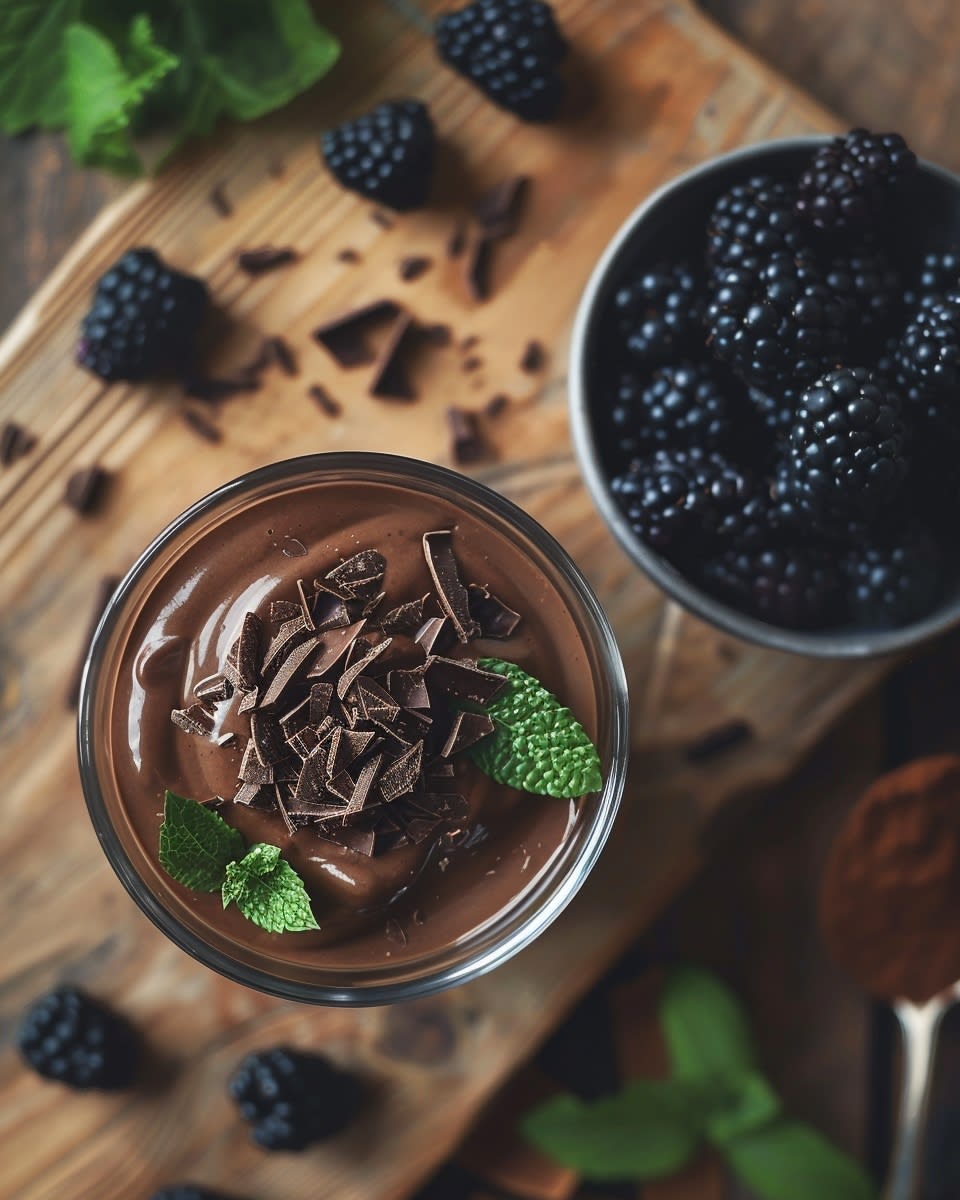
Last weekend, my best friend called me in a panic. She had guests arriving in two hours and needed a dessert that would impress without taking all afternoon. I told her exactly what I’m about to tell you: make chocolate mousse. It saved her dinner party, and it’s going to become your go-to dessert too.
Welcome to my blog, where I share my love for all things chocolate! There’s something magical about working with chocolate that never gets old. The smell, the taste, the way it transforms simple ingredients into something special. I’ve been making chocolate desserts for years, and I still get excited every single time.
Today, I’m excited to talk about one of my favorite desserts: chocolate mousse. This dessert holds a special place in my heart because it was the first impressive recipe I ever learned to make. I was terrified I’d mess it up, but it turned out perfect. That moment changed how I felt about cooking.
Whether you’re a beginner or an experienced chef, I’ll guide you through making the best chocolate mousse recipe that’s both quick and easy. You don’t need fancy equipment or years of training. You just need good ingredients and a little confidence. Trust me, if I could make this as a nervous teenager, you can definitely do it.
What is Chocolate Mousse?
Chocolate mousse is a light, airy dessert that melts on your tongue. The word “mousse” comes from French and means “foam.” That describes the texture perfectly. It’s rich and chocolatey but somehow feels light at the same time.
The dessert originated in France during the 1800s. French chefs created this masterpiece as a way to showcase chocolate in a refined, elegant form. They wanted something that felt luxurious but wasn’t heavy like cake or pudding. The french chocolate mousse recipe became famous in Parisian restaurants and spread across Europe.
By the mid-1900s, chocolate mousse had conquered kitchens worldwide. Home cooks realized they could make restaurant-quality dessert without professional training. That’s when it became the beloved classic we know today.
So what makes mousse different from other chocolate desserts? The secret is in the texture. Traditional mousse gets its lightness from whipped cream or egg whites folded into melted chocolate. Some recipes use both. The air bubbles created during whipping give mousse that signature fluffy quality.
I love serving chocolate mousse because it feels fancy but comes together surprisingly fast. My quick chocolate mousse recipe takes about 15 minutes of active work. Then it just needs time to chill in the fridge. You can make it in the morning and have it ready for dinner guests that evening.
The beauty of this dessert is its flexibility. You can serve it in wine glasses for an elegant presentation. Or spoon it into a pie crust to make chocolate mousse pie. I’ve even layered it with cookies and berries for a trifle. It works for casual family dinners and formal celebrations.
People love chocolate mousse because it satisfies chocolate cravings without feeling too heavy. After a big meal, a small portion feels just right. The smooth, creamy texture and deep chocolate flavor make every bite feel special.
Key Ingredients for Chocolate Mousse
The ingredient list for a simple chocolate mousse recipe is surprisingly short. You don’t need a pantry full of specialty items. Here’s what goes into a classic version:
- Chocolate – This is the star of the show
- Heavy whipping cream – Creates that light, airy texture
- Eggs – Some recipes use them for structure and richness
- Sugar – Balances the chocolate’s bitterness
- Vanilla extract – Enhances the chocolate flavor
- Salt – A pinch brings out all the other flavors
That’s it! Six basic ingredients that you probably already have. This is why I call it an easy chocolate mousse recipe. No hunting down obscure ingredients at specialty stores.
Now let’s talk about chocolate because choosing the right one matters. I learned this the hard way when I used cheap chocolate chips for mousse once. The result tasted waxy and artificial. Never again.
For the best chocolate mousse recipe, use good quality chocolate bars or baking chocolate. Look for chocolate with at least 60% cacao content. This gives you deep flavor without being too bitter. The percentage is usually printed right on the package.
I prefer making a dark chocolate mousse recipe because dark chocolate has more complex flavor than milk chocolate. It tastes sophisticated and rich. Plus, dark chocolate pairs beautifully with whipped cream’s sweetness. The contrast is perfect.
When shopping for chocolate, check the ingredients list. Real chocolate contains cocoa butter as the fat. Avoid anything with palm oil or other substitutes. Those won’t melt smoothly and will affect your mousse texture.
My favorite brands for mousse are Ghirardelli, Lindt, and Guittard. They melt beautifully and taste amazing. If you can find Valrhona at a reasonable price, that’s even better. But honestly, any quality chocolate bar from your grocery store’s baking aisle works great.
Some people ask about using chocolate chips. You can, but bars work better. Chocolate chips contain stabilizers that help them keep their shape during baking. Those same stabilizers can make your mousse slightly grainy. Not terrible, but not ideal either.
The type of cream matters too. You need heavy whipping cream with at least 36% fat content. Regular whipping cream or half-and-half won’t whip properly. The high fat content is what allows cream to hold air bubbles and create that fluffy texture.
For eggs, use fresh ones at room temperature. Cold eggs don’t incorporate as smoothly. I take mine out of the fridge about 30 minutes before I start cooking. This small step makes a real difference in the final texture.
Sugar choice is flexible. White granulated sugar works perfectly fine. I sometimes use superfine sugar because it dissolves faster. Powdered sugar also works but can make the mousse slightly denser. For a different flavor profile, try brown sugar. It adds a subtle caramel note that’s delicious.
Pure vanilla extract beats imitation every time. You only need a teaspoon or two, so splurge on the real stuff. The flavor difference is noticeable. I keep a good bottle in my pantry just for desserts.
One ingredient note about salt: don’t skip it! A tiny pinch of salt enhances chocolate flavor like nothing else. It doesn’t make the mousse taste salty. It just makes the chocolate taste more chocolatey. I use fine sea salt or regular table salt.
Some variations add butter for extra richness. Others include coffee or espresso powder to deepen the chocolate flavor. These are optional but fun to experiment with once you’ve mastered the basic recipe. I particularly love adding a tablespoon of strong coffee to my chocolate mixture.


How to Make Chocolate Mousse: Step-by-Step Guide
Once you’ve gathered your ingredients, it’s time for the fun part – actually making the mousse. I’m going to walk you through this process exactly how I’d teach my own sister. No confusing chef terms or complicated techniques.
First things first, grab a medium-sized heatproof bowl and break your chocolate into small pieces. Smaller pieces melt faster and more evenly. I learned this after standing over a pot for twenty minutes waiting for giant chocolate chunks to melt. Not fun.
Set up a double boiler by filling a saucepan with about two inches of water. Bring it to a gentle simmer, then place your bowl of chocolate on top. The bowl shouldn’t touch the water – you want the steam to do the melting, not direct heat. Direct heat can burn chocolate and make it grainy.
Stir the chocolate gently as it melts. This takes maybe five minutes. Once it’s completely smooth and glossy, remove it from heat and let it cool for about ten minutes. Room temperature chocolate mixes better with other ingredients. If it’s too hot, it’ll deflate your whipped cream later.
Here’s where some recipes get complicated with egg tempering, but my quick chocolate mousse recipe keeps things straightforward. While your chocolate cools, pour your cold heavy cream into a chilled mixing bowl. Cold equipment helps cream whip faster and hold its shape better. I stick my bowl in the freezer for ten minutes before starting.
Using an electric mixer on medium-high speed, whip that cream until soft peaks form. This means when you lift the beaters, the cream forms peaks that gently fold over at the tips. Don’t overbeat or you’ll end up with butter. I did that once and had to start over. It happens faster than you’d think, so watch carefully.
Add your sugar and vanilla to the whipped cream and beat for another thirty seconds. Taste it – this is one of the perks of cooking! It should be sweet but not overpoweringly so. Remember, you’re adding chocolate which brings its own flavor profile.
Now comes the crucial step that separates okay mousse from amazing mousse. Take a big spoonful of your whipped cream and stir it directly into the cooled chocolate. This “sacrificial” dollop lightens the chocolate and makes it easier to fold in the rest. My culinary school friend taught me this trick, and it changed everything.
Pour the chocolate mixture over the remaining whipped cream. Using a rubber spatula, gently fold them together. The motion is like you’re scooping from the bottom and turning it over the top. Rotate the bowl as you go. This technique keeps air in the mixture, which is what makes mousse light and fluffy.
Keep folding until you see just a few streaks of white cream. Don’t over-mix trying to get it perfectly uniform. Those little streaks will disappear on their own, and over-folding deflates the mousse. The whole folding process should take maybe a minute.
Spoon or pipe the mousse into serving glasses, ramekins, or one large bowl. I love using wine glasses because they look fancy with minimal effort. Cover with plastic wrap and refrigerate for at least two hours. Four hours is even better. Overnight works great if you’re planning ahead.
The chilling time isn’t optional, by the way. The mousse needs that time to set and develop its texture. I know waiting is hard when it looks so good, but trust the process. Sometimes I make my mousse the night before a party so I’m not tempted to serve it too soon.
For tips on making this easy chocolate mousse recipe turn out perfectly every time, temperature control is your best friend. Everything that needs to be cold should be really cold. Everything that needs to cool should actually cool. Patience here pays off big time.
Another trick: taste your chocolate before melting it. If it tastes good as a bar, it’ll taste good as mousse. If it tastes bland or waxy, find better chocolate. You can’t hide poor quality chocolate in mousse because chocolate is the main event.
Common mistakes? Oh, I’ve made them all. The biggest one is adding hot chocolate to whipped cream. It melts the cream and you end up with chocolate soup. Not the end of the world – you can still eat it with a spoon – but definitely not mousse.
If your mousse seems runny after mixing, you probably didn’t whip the cream enough. The fix? Gently whip the entire mixture for about thirty seconds. It won’t be quite as light as properly made mousse, but it’ll still taste delicious and will set up better in the fridge.
What if your chocolate seizes and gets grainy? This happens when water gets into melting chocolate. If you catch it early, you can sometimes save it by stirring in a tablespoon of vegetable oil or melted coconut oil. The added fat helps smooth it out. If it’s really seized up, unfortunately you need to start over with fresh chocolate.
Funny enough, I once accidentally used salted butter instead of unsalted in a variation recipe. The mousse was edible but tasted weird. Always use unsalted butter if a recipe calls for butter, then add your own salt to taste. You have better control that way.
Variations and Customizations
The basic recipe is wonderful, but once you’ve mastered it, the variations are endless. This is where making chocolate mousse gets really exciting. You can customize it to match any occasion or craving.
My favorite quick variation is adding orange zest to the melted chocolate. Just the zest from one orange transforms the whole dessert. The chocolate-orange combination reminds me of those fancy chocolate oranges you get during holidays. It’s sophisticated and unexpected.
Coffee lovers should try adding a tablespoon of instant espresso powder to the melted chocolate. It doesn’t make the mousse taste like coffee – it deepens and intensifies the chocolate flavor. This version pairs perfectly with after-dinner drinks. Speaking of coffee-flavored desserts, if you enjoy rich flavors, you might also love trying something bright and tangy like my lemon pound cake for variety.
For a peppermint twist during winter months, add half a teaspoon of peppermint extract instead of vanilla. Crush some candy canes and sprinkle them on top. Boom – you’ve got a holiday dessert that feels special without extra work.
Texture additions make mousse even more interesting. Try folding in mini chocolate chips right before refrigerating. Or layer the mousse with crushed cookies for a cookies-and-cream effect. I’ve crumbled graham crackers, Oreos, and even gingersnaps with great results each time.
Here’s something fun: make a two-tone mousse by preparing both dark and white chocolate versions. Layer them in clear glasses for a stunning presentation. It takes twice as long but looks absolutely incredible. Perfect for impressing someone special.
The chocolate mousse pie variation is hugely popular for good reason. Simply make your mousse as directed and pour it into a prepared pie crust. Graham cracker crusts work beautifully, but I also love using crushed Oreo cookies mixed with melted butter as a crust. Chill it overnight and you’ve got an impressive dessert that slices beautifully. If you’re into pie crusts and want to explore more traditional options, my apple pie with cinnamon has tips for making perfect crusts every time.
For a lighter version, you can fold in whipped egg whites along with the whipped cream. This creates an even airier texture. Separate three eggs, whip the whites to stiff peaks with a tablespoon of sugar, then fold them in gently after combining the chocolate and cream. This technique is more traditional for french chocolate mousse recipe styles.
Berry swirls add visual appeal and cut through the richness. After spooning mousse into serving glasses, drop small spoonfuls of raspberry or strawberry jam on top. Use a toothpick to swirl it through. It looks professional and tastes amazing. The fruit tartness balances the chocolate richness perfectly. For more inspiration with berry combinations, check out my cheesecake with berry topping which uses similar flavor principles.
Want to make individual chocolate mousse cups more exciting? Create a trifle by layering mousse with crumbled brownies and whipped cream in tall glasses. Add fresh berries between layers. It’s basically several desserts in one glass, and people go crazy for it.
For adults, a tablespoon of liqueur adds sophistication. Grand Marnier, Kahlua, Baileys, or bourbon all work wonderfully. Add it to the melted chocolate before folding in the cream. Just remember that alcohol affects setting time slightly, so allow extra chilling time.
Spice variations are underrated. A pinch of cinnamon, cayenne pepper, or cardamom creates complexity. I particularly love cardamom with dark chocolate – it tastes exotic and mysterious. Start with just an eighth of a teaspoon until you know if you like it.
By the way, mousse makes an excellent cake filling. Bake your favorite chocolate cake layers, then use mousse as the filling between layers instead of frosting. My cousin did this for her birthday cake last year using techniques similar to what I use for vanilla cupcakes, and everyone demanded the recipe. The combination of dense cake and light mousse creates perfect texture contrast.
For a show-stopping presentation, serve mousse in edible chocolate cups. You can buy these pre-made or make them yourself by brushing melted chocolate inside small balloons, letting them set, then popping the balloons. It takes extra time but looks incredible.
The beauty of this dessert is its adaptability. Whether you keep it classic or get creative with additions, you really can’t go wrong. Start with the basic best chocolate mousse recipe, then let your imagination run wild with variations.


Best Chocolate Mousse Recipes to Try Right Now
Over the years, I’ve tried dozens of chocolate mousse recipes. Some were too complicated, others didn’t taste quite right, and a few were absolute disasters. But I’ve finally narrowed down my top favorites that actually deliver on taste and simplicity.
My go-to quick chocolate mousse recipe is what I call the “Three Ingredient Wonder.” You only need dark chocolate, heavy cream, and a bit of powdered sugar. Melt eight ounces of chocolate, let it cool, then fold in two cups of whipped cream. That’s literally it. The whole thing takes maybe twenty minutes including cleanup. I make this version when I’m short on time but still want something that tastes homemade.
For special occasions, I pull out my best chocolate mousse recipe which includes egg yolks for extra richness. You whisk yolks with sugar until they’re pale and thick, fold in melted chocolate, then fold in whipped cream. The texture is silkier and the flavor is more complex. It’s worth the extra step when you’re trying to impress someone. I made this for my mom’s birthday last year and she literally asked me to make it again the next weekend.
The classic french chocolate mousse recipe that my neighbor taught me uses both egg yolks and whipped egg whites. It’s the most labor-intensive version but creates the airiest texture imaginable. You separate your eggs, whip the whites to stiff peaks, fold them into the chocolate mixture along with whipped cream. The result is almost cloud-like. This version reminds me of the mousse I had at a tiny bistro in Montreal years ago.
Here’s the thing about finding recipes online – there are thousands of options and not all of them work well. I’ve had good luck with chocolate mousse allrecipes submissions because the reviews help you avoid the duds. Look for recipes with hundreds of five-star ratings and read through the comments. People usually mention if they made changes or ran into problems.
One recipe I discovered through a food blog uses mascarpone cheese along with whipped cream. The mascarpone adds tanginess that cuts through the chocolate’s sweetness beautifully. It’s not traditional, but man is it good. I thought it would be too rich, but somehow the texture stays light. This version has become my secret weapon for dinner parties.
For anyone wanting to explore professional techniques, I recommend checking serious cooking websites that include video tutorials. Watching someone fold ingredients properly or test for the right consistency helps more than written instructions sometimes. I finally understood proper folding technique after watching a chef do it on video.
My easy chocolate mousse recipe for beginners skips eggs entirely and relies on whipped cream for all the texture. It’s foolproof because there’s no tempering eggs or worrying about raw egg safety. Just chocolate, cream, sugar, and vanilla. I taught my teenage nephew this version and he’s now the dessert guy among his friends. If a sixteen-year-old can nail it, anyone can.
The dark chocolate mousse recipe I make most often uses 70% cacao chocolate. It’s intensely chocolatey without being bitter. I’ve learned that good quality dark chocolate actually contains beneficial compounds – dark chocolate is rich in antioxidants that can support heart health when consumed in moderation. Not that I’m eating mousse for the health benefits, but it’s a nice bonus!
Something I’ve noticed is that simpler recipes often taste better than complicated ones. The simple chocolate mousse recipe approach lets the chocolate flavor shine through. When recipes have ten ingredients and multiple steps, the chocolate can get lost. Sometimes less really is more.
For chocolate mousse pie variations, I’ve had success with both no-bake and baked crust options. The no-bake Oreo crust is my favorite because it’s done in five minutes and tastes incredible with chocolate mousse. Just crush a package of Oreos (cream filling and all), mix with melted butter, press into a pie pan, chill, then fill with mousse. I’ve brought this to potlucks three times and it’s disappeared within minutes each time.
A recipe variation I absolutely love involves layering different chocolate intensities. Make one batch with milk chocolate and another with dark chocolate, then layer them in glasses. The contrast in flavors keeps each bite interesting. It looks impressive too, like something from a fancy restaurant.
One unusual recipe I tried used coconut cream instead of dairy cream for a slight tropical flavor. It wasn’t traditional by any means, but it tasted amazing. The coconut flavor was subtle, just enough to make people wonder what made it taste different. That version accidentally became my solution for dairy-sensitive guests.
By the way, I keep a folder on my phone with screenshots of my favorite recipes and the notes I’ve made on each one. Things like “use less sugar next time” or “perfect for summer parties.” It helps me remember what worked and what didn’t. Maybe that’s overkill, but it’s saved me from repeating mistakes.
The recipe I make most often now is a hybrid of several versions I’ve tried. It uses the chocolate-to-cream ratio from one recipe, the folding technique from another, and the flavor additions from a third. That’s the beauty of making something multiple times – you figure out what works best for your taste and your kitchen.
Frequently Asked Questions About Making Chocolate Mousse
Can I use milk chocolate instead of dark chocolate?
Absolutely! Milk chocolate creates a sweeter, milder mousse that many people prefer. Just reduce any additional sugar in the recipe since milk chocolate is already quite sweet. The texture might be slightly softer because milk chocolate has less cocoa solids and more sugar than dark chocolate. I actually prefer milk chocolate mousse when serving kids or people who find dark chocolate too intense. Just make sure you’re using quality milk chocolate, not cheap candy bars, for the best results.
How long does chocolate mousse last in the fridge?
Properly stored chocolate mousse stays fresh for three to four days in the refrigerator. Keep it covered tightly with plastic wrap or in an airtight container to prevent it from absorbing other food odors. I’ve noticed the texture is best within the first two days, though it’s still perfectly safe to eat on day three or four. The mousse might lose a tiny bit of its airiness over time, but the flavor remains delicious. Honestly, in my house it never lasts more than two days anyway because we eat it all!
Can I make chocolate mousse without eggs?
Yes, and it’s actually easier! Many modern recipes skip eggs entirely and rely solely on whipped cream for texture. These eggless versions are safer for people concerned about raw eggs, and they’re quicker to make too. The texture is slightly different – a bit denser than traditional French-style mousse – but still wonderfully light and creamy. I make eggless mousse all the time and nobody has ever complained. It’s my preferred method for casual desserts when I want something quick and reliable.
Is there a way to make a vegan version of chocolate mousse?
Definitely! Aquafaba (the liquid from canned chickpeas) whips up remarkably like egg whites and creates great texture. For the cream portion, use full-fat coconut cream that’s been chilled overnight. Whip the coconut cream just like dairy cream, fold it into melted dairy-free chocolate along with whipped aquafaba, and you’ve got vegan mousse. I made this for my vegan sister-in-law and she couldn’t believe it was dairy-free. Silken tofu blended with melted chocolate also works, though the texture is slightly different – more pudding-like than airy mousse.
What can I do if my mousse doesn’t set properly?
If your mousse is too runny after chilling, the whipped cream probably wasn’t whipped enough before folding. You can try gently whisking the mixture for about thirty seconds to incorporate more air, then chill it longer. Sometimes an extra two hours in the fridge helps it firm up. If it’s really soupy, you might need to whip some fresh cream to stiff peaks and gently fold the runny mousse into it. Worst case scenario, call it “chocolate cream” and serve it over pound cake or fruit – it’ll still taste amazing even if the texture isn’t perfect.
Can I add other flavors to my chocolate mousse?
Oh absolutely, and this is where things get fun! Orange zest, mint extract, instant espresso powder, liqueurs, and spices all work beautifully. Add flavor elements to the melted chocolate before folding in the cream so they distribute evenly. Start with small amounts – a little goes a long way. I love adding a tablespoon of bourbon or a teaspoon of vanilla paste for depth. Just remember that liquid additions can affect the setting time slightly, so plan for extra chilling. Experiment with flavors you already enjoy with chocolate and you can’t go too wrong.
How do I store leftover chocolate mousse?
Cover it tightly with plastic wrap pressed directly against the surface to prevent a skin from forming. Then refrigerate immediately. If you made mousse in individual serving glasses, you can cover each one with plastic wrap or transfer them to containers with lids. Don’t leave mousse at room temperature for more than two hours, especially if it contains eggs. I usually make mousse in quantities we’ll finish within a day or two, but when I do have leftovers, proper covering makes all the difference in maintaining that creamy texture.
Can I freeze chocolate mousse?
You can, but I don’t usually recommend it. Freezing changes the texture significantly – it becomes more like frozen chocolate cream than mousse. The airy texture deflates during freezing and thawing. That said, some people actually enjoy frozen mousse as an ice cream alternative. If you do freeze it, use airtight containers and consume within a month. Let it thaw in the refrigerator overnight rather than at room temperature. I’ve frozen mousse a couple times when I made way too much, and while it wasn’t the same as fresh, it was still pretty tasty eaten semi-frozen.
What are some good toppings for chocolate mousse?
Fresh whipped cream is classic and never disappoints. Fresh berries – especially raspberries and strawberries – add beautiful color and cut through the richness. Shaved chocolate, chocolate curls, or a dusting of cocoa powder look elegant with minimal effort. Crushed nuts like toasted almonds or hazelnuts add wonderful crunch. I also love crushed cookies, a drizzle of caramel or raspberry sauce, or candied orange peel. For holidays, crushed peppermint candies are festive. The key is not overdoing it – mousse is rich, so a little topping goes a long way.
Is chocolate mousse suitable for a dinner party?
It’s absolutely perfect for dinner parties! You make it hours or even a day ahead, which frees you up to focus on the main meal. It’s impressive enough to wow guests but doesn’t require last-minute preparation or plating stress. I serve mine in wine glasses or small ramekins with a dollop of cream and a berry on top – takes thirty seconds per serving and looks restaurant-quality. Plus, because it’s rich, small portions satisfy people after a big meal. Chocolate mousse has saved me during countless dinner parties when I needed a reliable, make-ahead dessert that actually tastes amazing.
Making chocolate mousse has genuinely changed how I think about dessert. It taught me that impressive doesn’t have to mean complicated, and that a few quality ingredients often beat a long list of mediocre ones. Whether you’re making mousse for the first time or the hundredth time, I hope you enjoy the process as much as the result. The confidence you’ll gain from mastering this recipe carries over into other cooking adventures too. If you’re looking for more dessert inspiration after you’ve perfected your mousse technique, there are countless other sweet treats waiting for you to discover.
So grab some good chocolate, chill your mixing bowl, and give it a try. The worst that can happen is you end up with delicious chocolate cream instead of perfect mousse – and honestly, that’s not a bad backup plan. Happy whisking, and remember to save me a taste!
Ingredients
Equipment
Method
- Slice the chicken breasts into thin strips and season with Cajun seasoning, salt, and pepper.
- Heat 2 tablespoons of olive oil in a large skillet over medium-high heat and cook the chicken until browned and cooked through, about 4-5 minutes per side.
- Remove the chicken from the skillet and set aside.
- In a large pot of salted water, bring to a boil and cook the linguine according to package instructions until al dente, then drain.
- In the same skillet, add the minced garlic and sauté for about 1 minute until fragrant.
- Pour in the chicken broth and heavy cream, stirring to combine, and bring to a simmer for about 3-4 minutes.
- Add the shredded mozzarella and grated Parmesan cheese, stirring until fully melted and smooth.
- Toss the cooked linguine in the creamy sauce, then return the cooked chicken to the skillet and mix everything together.
- Cook for an additional 2-3 minutes to meld the flavors, then garnish with fresh chopped parsley and serve hot.