
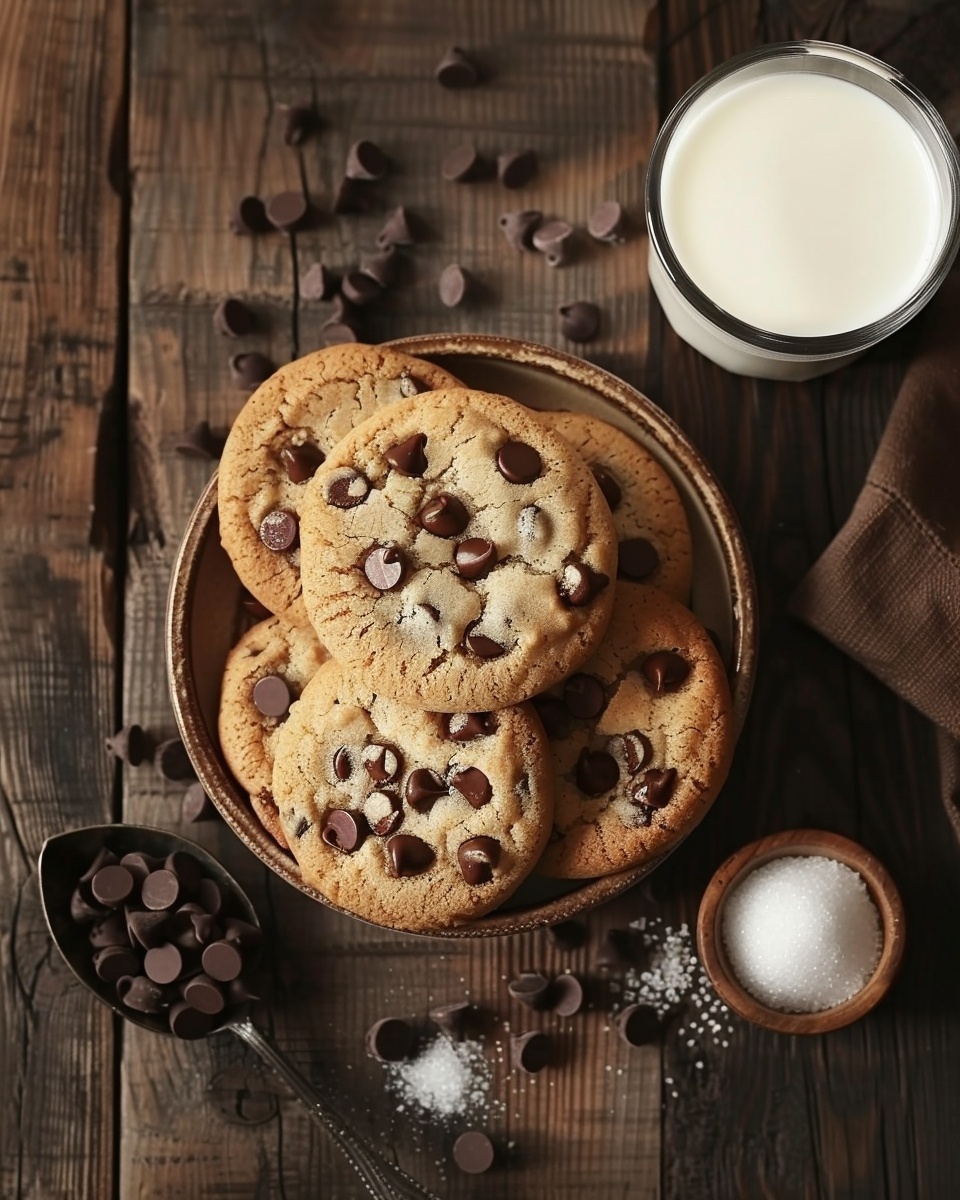
Welcome to My Kitchen: Let’s Talk About Classic Chocolate Chip Cookies
I still remember the first time I pulled a tray of golden-brown chocolate chip cookies from my oven. I was twelve years old, and the smell that filled our tiny kitchen made everyone in the house come running. My dad took one bite and declared them better than store-bought. That moment changed everything for me.
Since then, I’ve baked thousands of cookies. I’ve tried fancy macarons and delicate tarts, but nothing beats a classic chocolate chip cookie. There’s something magical about that combination of buttery dough, melty chocolate, and a slightly crispy edge. These cookies never go out of style. They show up at birthday parties, bake sales, and late-night snack sessions. They make people smile.
I’ve spent years perfecting my recipe. I’ve tested different flour ratios, argued with friends about brown sugar versus white sugar, and learned exactly when to pull cookies from the oven. Now I want to share everything I know with you. This article will give you the tools to bake the absolute best chocolate chip cookies in your own kitchen.
We’ll start with my go-to classic chocolate chip cookies recipe. Then we’ll explore different variations, from soft and chewy to crispy and thin. I’ll answer the questions people ask me most often. By the end, you’ll know exactly how to make perfect chocolate chip cookies every single time.
The Classic Chocolate Chip Cookies Recipe That Never Fails
Let me share the recipe I’ve been using for years. This is my foundation, my starting point, my tried-and-true method. I’ve tweaked it countless times until I got it just right.
What You’ll Need:
- 2 and 1/4 cups all-purpose flour
- 1 teaspoon baking soda
- 1 teaspoon salt
- 1 cup (2 sticks) unsalted butter, softened to room temperature
- 3/4 cup white granulated sugar
- 3/4 cup packed brown sugar
- 2 large eggs
- 2 teaspoons pure vanilla extract
- 2 cups chocolate chips (I prefer semi-sweet, but you choose)
Step-by-Step Instructions:
Step 1: Heat your oven to 375°F. This temperature gives you cookies with crispy edges and soft centers. Line two baking sheets with parchment paper or silicone mats.
Step 2: Mix the flour, baking soda, and salt in a medium bowl. Set this aside. This seems simple, but properly mixing your dry ingredients matters more than you think.
Step 3: Grab a large bowl or stand mixer. Beat the softened butter with both sugars until the mixture looks light and fluffy. This takes about three minutes with an electric mixer. Don’t rush this step. Creaming the butter and sugar properly creates air pockets that make your cookies tender.
Step 4: Add the eggs one at a time. Beat well after each egg. Then pour in the vanilla extract and mix until everything combines.
Step 5: Slowly add your flour mixture to the wet ingredients. Mix just until you don’t see any dry flour streaks. Stop mixing as soon as the flour disappears. Over-mixing makes cookies tough and dense.
Step 6: Fold in the chocolate chips with a wooden spoon or spatula. I like to save a handful of chips to press into the tops of the cookie dough balls. This makes them look bakery-perfect.
Step 7: Scoop rounded tablespoons of dough onto your prepared baking sheets. Leave about two inches between each cookie. They spread as they bake.
Step 8: Bake for 9 to 11 minutes. The edges should look golden brown, but the centers might seem slightly underdone. This is exactly what you want.
Step 9: Let the cookies cool on the baking sheet for five minutes. Then move them to a wire rack. They’ll finish setting up during this cooling time.
The Secret to Award Winning Chocolate Chip Cookie Quality
Want to know what separates good cookies from amazing ones? It comes down to your ingredients. I learned this lesson the hard way when I tried to save money by buying cheap butter and low-quality chocolate chips. The cookies tasted flat and boring.
Real butter makes a huge difference. I always use unsalted butter so I can control the salt level. Margarine or oil substitutes won’t give you the same rich flavor or tender texture. Make sure your butter sits at room temperature before you start. It should feel soft when you press it, but your finger shouldn’t sink all the way through.
Your chocolate matters just as much. Those waxy, flavorless chocolate chips from the bottom shelf won’t cut it. Look for chocolate chips or chunks with real cocoa butter listed in the ingredients. I like Ghirardelli and Guittard brands, but even the Nestle Toll House chocolate chips work well if you buy the premium line. Some bakers chop up chocolate bars instead of using chips. This creates irregular pieces that melt into gorgeous puddles.
Brown sugar is your friend. While you can make chocolate chip cookies without brown sugar, I don’t recommend it. Brown sugar contains molasses, which adds moisture and a deeper flavor. The combination of white and brown sugar in this recipe creates the perfect balance.
How to Make Soft Chocolate Chip Cookies Every Time
Soft chocolate chip cookies are my personal favorite. They should bend slightly when you pick them up. The center stays tender and almost gooey, while the edges have just a bit of structure.
Here’s how to nail that texture:
Pull them out early. The single best tip for soft cookies is to under-bake them slightly. When the edges look set and golden but the centers still seem pale and puffy, take them out. The cookies continue baking on the hot pan after you remove them from the oven.
Add an extra egg yolk. This is my secret weapon. The extra yolk adds fat and richness without making the cookies cakey. Try adding one more egg yolk to the recipe above.
Use more brown sugar. Switch the ratio to 1 cup brown sugar and 1/2 cup white sugar. The extra moisture from the brown sugar keeps cookies soft for days.
Don’t skip the cooling time. Let your cookies sit on the baking sheet for those full five minutes. Moving them too soon causes them to fall apart.
Creating Perfect Chocolate Chip Cookies Through Temperature and Timing
Temperature control separates average bakers from great ones. Small adjustments create big changes in your final cookies.
For thicker, chewier cookies: Chill your dough for at least 30 minutes before baking. Cold dough spreads less in the oven. You can even refrigerate the dough overnight. This extra time lets the flour fully absorb the liquids and allows the flavors to develop. I often make my dough the night before I plan to bake.
For thinner, crispier cookies: Use room temperature dough and flatten the balls slightly before baking. Lower your oven temperature to 350°F and bake for 12 to 14 minutes. This gives the cookies more time to spread and crisp up.
The oven test matters. Every oven runs a bit different. Mine runs hot, so I actually bake at 365°F instead of 375°F. Buy a cheap oven thermometer and check your actual temperature. This simple tool improved my baking more than any fancy equipment ever did.
Watch your first batch closely. Use it as a test run. If the cookies spread too much, chill the remaining dough. If they don’t spread enough, press them down slightly or let the dough warm up a bit.
The path to perfect chocolate chip cookies isn’t complicated. You just need good ingredients, proper technique, and a willingness to adjust based on what you see. Start with this classic chocolate chip cookies recipe, pay attention to how your cookies look and taste, and make small changes until you find your ideal cookie. Trust me, once you nail it, you’ll want to bake them every week.


Variations and Tips for Award-Winning Chocolate Chip Cookies
Now that you’ve got the basics down, let’s explore some variations that’ll take your baking to the next level.
I discovered most of these recipes after my neighbor invited me to a cookie exchange last December. Everyone brought their absolute best version, and I tasted at least fifteen different styles. Some were terrible, honestly. But a few made me rethink everything I knew about chocolate chip cookies. I went home that night with a notebook full of ideas.
One recipe that caught my attention was Anna Olson’s classic chocolate chip cookies. If you haven’t heard of her, she’s a Canadian pastry chef with an amazing online following. Her approach differs from mine in a few key ways. She uses cake flour instead of all-purpose flour for part of the mixture, which creates an incredibly tender crumb. She also adds a tablespoon of corn syrup to keep the cookies soft for days. I tried her method three times before I understood why people rave about it. The cookies stay bakery-soft even after sitting on the counter for two days. Her technique taught me that sometimes unconventional ingredients make perfect sense.
Here’s the thing about award-winning chocolate chip cookie recipes. They usually have one or two unexpected elements that make them memorable. I judged a local baking contest last spring, and the winner added espresso powder to her dough. Just half a teaspoon. It didn’t make the cookies taste like coffee at all. Instead, it deepened the chocolate flavor and added complexity. The second-place winner browned her butter before mixing it with the sugars. That nutty, caramel-like flavor blew everyone away. These small twists separate good cookies from ribbons-on-the-wall cookies.
The absolute best chocolate chip cookies I’ve ever tasted came from a bakery in Portland. I asked the baker what made them special, and she smiled like she’d been waiting for someone to ask. She told me she uses three different types of chocolate in every batch. Dark chocolate chunks, milk chocolate chips, and a handful of white chocolate. The variety creates little flavor surprises in every bite. She also adds a pinch of cinnamon, which sounds weird but works beautifully. When I’m feeling ambitious, I copy her method at home.
By the way, if you grew up in North America, you probably learned to bake using the Nestle Toll House chocolate chip cookies recipe. It’s been printed on the back of their chocolate chip bags since 1939. That recipe launched a million bakers. My grandmother used it exclusively. The Nestle version stays pretty close to what I shared in the previous section, but they use slightly less flour and recommend 1 cup of nuts. I skip the nuts because half my friends have tree nut allergies these days. The Nestle recipe works great as a starting point, though I think my version creates a slightly chewier texture.
Funny enough, I get asked constantly about making chocolate chip cookies without brown sugar. Maybe you ran out, or maybe you just don’t keep it in your pantry. You can absolutely make them with only white sugar. The cookies will taste slightly less complex and they’ll be crispier. Brown sugar makes cookies soft because molasses holds moisture. Without it, you get a snappier texture. If you want to use only white sugar but still get soft cookies, try adding an extra tablespoon of butter and pulling the cookies from the oven thirty seconds earlier than usual. I actually prefer all white sugar cookies when I’m making ice cream sandwiches. The crispier edges hold up better against the cold ice cream. Speaking of treats, sometimes after baking all day I crave something savory like a turkey and cheese wrap to balance out all that sweetness.
Let me share some game-changing tips that’ll make your cookies stand out at any gathering:
The sea salt trick: Sprinkle a tiny pinch of flaky sea salt on top of each cookie right after they come out of the oven. Not table salt. You need those delicate flakes that dissolve on your tongue. This creates a sweet-salty combination that people go crazy for. I use Maldon sea salt, but any flaky finishing salt works. This simple addition makes people think you’re a professional baker.
Mix your chocolate types: Don’t stick with just one kind of chocolate chip. Combine semi-sweet, dark, and even some butterscotch chips. Trader Joe’s sells pound-plus chocolate bars that I chop into irregular chunks. The different sizes and flavors create texture and visual interest. Some pieces stay solid while others melt completely. It looks rustic and tastes amazing.
The double vanilla method: Use vanilla extract in the dough like normal, but also add a tiny bit of vanilla bean paste. The paste costs more, but those little black specks make cookies look fancy. People notice details like that.
Freeze some dough: This isn’t about storage. When you bake cookies from frozen dough, they spread less and develop thicker centers. The outside edges get crispy while the inside stays gloriously gooey. I always freeze half my dough balls on a baking sheet, then transfer them to a freezer bag once they’re solid. Add two extra minutes to the baking time.
The Tasty website has several viral chocolate chip cookie videos that millions of people have watched. Their classic chocolate chip cookies tasty recipe became famous for using melted butter instead of softened butter. This changes the texture completely. Melted butter creates denser, chewier cookies with a more concentrated flavor. They also chill the dough for at least two hours before baking. Their best chocolate chip cookies tasty version takes this even further by browning the butter first. I tried their method on a rainy Tuesday afternoon, and my kitchen smelled absolutely incredible. The cookies turned out darker and had this addictive toffee-like quality.
One variation I developed myself involves adding a quarter teaspoon of cardamom to the dough. I know that sounds fancy, but cardamom pairs beautifully with chocolate. It adds warmth without being obviously spicy. My friend Sarah refuses to eat chocolate chip cookies any other way now. On busy weeknights when I need something quick and comforting, I’ll make a simple meal like fried rice, then finish with these cardamom-spiked cookies for dessert.
You can also experiment with different sugars entirely. I’ve made cookies using coconut sugar, which creates a deeper caramel flavor. Turbinado sugar adds crunch if you roll the dough balls in it before baking. One baker I know swears by using honey instead of some of the granulated sugar, though you need to reduce the liquid slightly to compensate.
The size of your cookies matters more than you’d think. Bakery-style cookies often weigh three or four ounces each. That’s about a quarter cup of dough per cookie. These giant cookies need a lower temperature, around 350°F, and at least fifteen minutes in the oven. They develop those beautiful crackly tops and stay soft in the middle for days. When I want to impress someone, I make six enormous cookies instead of two dozen regular ones. Sometimes after spending hours in the kitchen baking, I need something light for dinner like a grilled veggie sandwich to balance everything out.
Here’s something nobody talks about: humidity affects cookie baking. On humid days, flour absorbs moisture from the air. Your dough might feel stickier than usual. Add a tablespoon or two of extra flour to compensate. In dry winter months, you might need slightly less flour. Pay attention to how your dough feels. It should hold together but not stick to your hands excessively.
Room temperature ingredients matter for more than just butter. Cold eggs don’t incorporate as smoothly. I fill a bowl with warm tap water and let my eggs sit in it for five minutes before I start baking. This small step helps everything blend together properly. During cold weather, when you’re craving warmth, nothing beats cookies fresh from the oven alongside a bowl of chicken noodle soup for the perfect cozy meal.
The absolute key to making perfect chocolate chip cookies is understanding that perfection means different things to different people. My perfect cookie has crispy edges and a soft center. My husband prefers them completely soft throughout. My dad wants them thin and crunchy. None of us are wrong. Once you master the basic recipe, you can adjust it to match your personal taste. That’s the beauty of home baking. You’re in control.


Common Questions and Troubleshooting Your Classic Chocolate Chip Cookies
After years of teaching friends and family how to bake, I’ve noticed the same problems pop up again and again. Someone texts me a photo of flat, greasy cookies spread across their baking sheet. Another friend complains that her cookies turned out hard as rocks. Last month, my cousin called me nearly in tears because her chocolate chip cookies puffed up like little cakes instead of spreading properly.
Here’s the thing. Most cookie disasters have simple fixes. Once you understand what went wrong, you can adjust your technique and nail it next time. Let me walk you through the most common issues I see.
Problem: My cookies spread too much and turn out flat and greasy.
This drives people crazy, and I totally get it. You expect thick, bakery-style cookies, but instead you get thin wafers that merged together on the pan. Several things cause excessive spreading.
First, check your butter. If it was too warm or even slightly melted when you mixed it, your cookies will spread like crazy. Butter should be cool enough that it holds its shape but soft enough that you can press your finger into it. If you accidentally softened it too much, stick the whole bowl of dough in the fridge for thirty minutes before scooping and baking.
Second, you might not have enough flour. Measure your flour properly by spooning it into the measuring cup and leveling it off with a knife. If you scoop directly from the bag, you pack way more flour into the cup than the recipe calls for. I learned this lesson when I wondered why my cookies at my mom’s house always turned out different than mine. She was scooping and packing her flour while I was spooning and leveling.
Third, double-check that your baking soda hasn’t expired. Old leavening agents lose their power. Your cookies need that lift in the first few minutes of baking to set their structure before they start spreading.
Finally, make sure your oven actually reaches the temperature you set. A too-cool oven gives butter more time to melt and spread before the cookie structure sets. That oven thermometer I mentioned earlier solves this problem completely.
Problem: My cookies are too thick and cakey, not chewy at all.
This usually means you added too much flour or over-mixed your dough. When you stir cookie dough too much after adding flour, you develop the gluten strands. More gluten means cakier texture. Mix just until the flour disappears, then stop immediately.
Another cause might be too many eggs. If you accidentally cracked in three eggs instead of two, or if your eggs were extra large instead of large, you’ve added too much liquid and structure. The dough becomes more cake-like. Unfortunately, there’s no easy fix once the eggs are in there. You could try adding a few extra tablespoons of butter to compensate, but it’s not perfect.
Sometimes people also pack their measuring cups with too much flour without realizing it. A cup of properly measured flour weighs about 120 to 125 grams. If you have a kitchen scale, weighing your flour eliminates this problem entirely.
Problem: My cookies turned out hard instead of soft and chewy.
You probably baked them too long. I know I keep saying this, but it’s the number one mistake I see. People wait until cookies look completely done in the oven, but by then they’re over-baked. The centers should still look slightly underdone when you pull them out. They finish cooking on the hot pan after you remove them from the oven.
Also, if you stored them in a container that wasn’t airtight, they dried out. Cookies continue losing moisture after they cool. An open container speeds up this process. I use plastic containers with snap-on lids or zip-top bags with all the air pressed out.
One trick I discovered by accident: put a slice of bread in your cookie container. The cookies will absorb moisture from the bread and soften up. It sounds weird, but it absolutely works. Replace the bread slice every day or two.
Problem: My cookies are browning too quickly on the bottom.
This happened to me constantly until I figured out the cause. Dark-colored baking sheets absorb more heat than light-colored ones. If you’re using dark pans, lower your oven temperature by 25 degrees. I also started lining all my baking sheets with parchment paper, which creates a barrier between the hot pan and the cookie dough. Silicone baking mats work even better for preventing over-browning.
Another possibility: your oven’s heating element is stronger on the bottom. Try moving your oven rack one position higher. The cookies should brown more evenly when they’re further from the bottom heat source.
Problem: My cookies have weird crispy edges but raw centers.
This means your oven temperature is too high. The outside sets and browns before the inside has time to bake through. Lower the temperature by 25 degrees and bake for an extra minute or two. I’d rather bake cookies slightly longer at a lower temperature than blast them at high heat.
Funny enough, cookie size matters here too. If you made your dough balls too large, the outside will always cook faster than the inside. For evenly baked cookies, stick to about two tablespoons of dough per cookie. Those giant bakery cookies need lower temperatures and longer baking times to cook through properly.
Making cookies even more chewy:
Beyond what I mentioned earlier about extra egg yolks and using more brown sugar, here’s another trick. Replace one tablespoon of the white sugar with corn syrup or honey. This adds moisture and chewiness that lasts for days. The cookies will also stay softer longer because these liquid sweeteners attract and hold water molecules.
Resting your dough overnight in the refrigerator creates chewier cookies too. The flour fully hydrates, and the flavors deepen. I know waiting is hard when you want cookies right now, but the difference is real.
By the way, slightly under-baking creates the chewiest texture possible. Those cookies that bend when you pick them up? They were definitely pulled from the oven early. The line between perfectly chewy and slightly underdone is thin, but you’ll find it with practice.
Frequently Asked Questions About Classic Chocolate Chip Cookies
Q: How do I store classic chocolate chip cookies to keep them fresh?
Store completely cooled cookies in an airtight container at room temperature. They’ll stay fresh for up to five days this way. Layer them with parchment paper if you’re stacking them to prevent sticking. Never store cookies while they’re still warm because the trapped steam makes them soggy. If you live somewhere humid, you can refrigerate them, though the texture changes slightly. For longer storage, freeze them in freezer-safe bags for up to three months.
Q: Can I freeze the cookie dough for later use?
Absolutely, and I do this all the time. Scoop your dough into balls and freeze them on a baking sheet until solid. Then transfer the frozen dough balls to a freezer bag or container. They’ll keep for three months easily. You can bake them straight from frozen by adding two extra minutes to the baking time. This trick means you can have fresh-baked cookies whenever a craving hits. I always keep a bag of frozen dough balls in my freezer for emergencies.
Q: What is the best way to soften hard chocolate chip cookies?
The bread trick I mentioned earlier works wonderfully. Place a slice of fresh bread in your cookie container overnight, and the cookies will absorb moisture from it. You can also microwave hard cookies for about ten seconds with a damp paper towel next to them. The steam softens them right up. Another method: place cookies in a container with a damp paper towel on top, seal it, and wait a few hours. For cookies that are borderline stale, warming them in a 300°F oven for five minutes makes them taste fresh again.
Q: How can I make my cookies more flavorful?
Use high-quality vanilla extract instead of imitation vanilla. The difference is huge. Brown your butter before mixing it with the sugar for a nutty, caramel depth. Add a pinch of espresso powder to enhance the chocolate flavor without making cookies taste like coffee. Try mixing different types of chocolate instead of using just one variety. Let your dough rest in the refrigerator overnight so the flavors can develop and deepen. These small changes create cookies that taste complex and memorable instead of just sweet.
Q: What is the secret to making soft and chewy chocolate chip cookies?
The real secret is using more brown sugar than white sugar because brown sugar contains molasses that adds moisture. Pull your cookies from the oven when they still look slightly underdone in the center. Add an extra egg yolk for richness and tenderness. Use room temperature butter, not melted butter, and cream it thoroughly with the sugar. Store cookies in an airtight container immediately after they cool to lock in moisture. Balancing healthy meals with occasional treats like soft cookies makes enjoying them even more satisfying.
Q: How long should I chill the dough before baking?
This depends on what texture you want. For minimal chilling, thirty minutes in the fridge is enough to prevent excessive spreading. For the absolute best flavor and texture, chill your dough overnight or at least two hours. The longer rest allows flour to fully hydrate and flavors to deepen. Some professional bakers chill dough for up to 72 hours. You don’t have to chill at all if you want thinner, crispier cookies, though I think chilled dough always produces better results. I usually make my dough after dinner and bake the next morning.
Q: Can I use margarine instead of butter in my cookie recipe?
Technically yes, but I really don’t recommend it. Margarine contains more water than butter, which changes how cookies spread and brown. The flavor is noticeably different too. Butter creates rich, complex cookies while margarine tastes flat and artificial. If you need a dairy-free option, use coconut oil or a high-quality vegan butter substitute instead. Regular margarine just doesn’t produce the same quality. I’ve tested this many times, and butter always wins.
Q: What is the difference between using light and dark brown sugar in cookies?
Dark brown sugar contains more molasses than light brown sugar. This means darker brown sugar creates cookies with deeper flavor and slightly more moisture. The difference is subtle but noticeable side-by-side. Most recipes call for light brown sugar because it’s more common in grocery stores. If you only have dark brown sugar, go ahead and use it. Your cookies will taste a bit more caramel-like. You can also make your own brown sugar by mixing white sugar with a tablespoon of molasses.
Q: Why do my cookies look flat before baking but then puff up in the oven?
This usually means you used too much leavening agent, either baking soda or baking powder. Double-check your measurements. One teaspoon of baking soda is enough for this amount of dough. Also, make sure you’re using baking soda and not baking powder, which has different properties. Too-fresh baking soda that’s extremely active can cause excessive rising too. Properly measured baking soda creates cookies that spread slightly then set, not ones that puff up like little cakes.
Q: Can I make chocolate chip cookies without a mixer?
Yes, and sometimes I prefer doing it by hand. Use very soft butter so you can cream it with the sugar using a wooden spoon. It takes more elbow grease and about five minutes of vigorous stirring. Make sure everything is at room temperature to make mixing easier. Hand-mixed cookies turn out just as good as mixer-made ones. In fact, you’re less likely to over-mix when you do it by hand. I made cookies without a mixer for years before I got a stand mixer, and nobody ever complained.
Once you understand these common problems and their solutions, baking perfect chocolate chip cookies becomes so much easier. Don’t be discouraged if your first batch doesn’t turn out exactly right. Even after baking thousands of cookies, I still have occasional failures. The difference now is that I know how to fix them next time. When I’m not indulging in cookies and want something more balanced, I explore other dessert recipes that offer different flavors and textures to satisfy any sweet craving.
Keep practicing, trust your instincts, and remember that even imperfect cookies usually taste pretty amazing. Thanks for following along on this chocolate chip cookie journey with me. I hope these recipes and tips help you create cookies that make your kitchen smell incredible and bring smiles to everyone who tries them. Now get in that kitchen and start baking. Your perfect cookie is waiting to happen.
Ingredients
Equipment
Method
- Heat your oven to 375°F and line two baking sheets with parchment paper or silicone mats.
- Mix the flour, baking soda, and salt in a medium bowl and set aside.
- Beat the softened butter with both sugars in a large bowl or stand mixer until light and fluffy, about three minutes.
- Add the eggs one at a time, beating well after each addition, then add the vanilla extract and mix until combined.
- Slowly add the flour mixture to the wet ingredients, mixing just until no dry flour remains.
- Fold in the chocolate chips with a wooden spoon or spatula, saving a handful of chips for topping.
- Scoop rounded tablespoons of dough onto prepared baking sheets, spacing them about two inches apart.
- Bake for 9 to 11 minutes until the edges are golden brown but the centers appear slightly underdone.
- Let the cookies cool on the baking sheet for five minutes before transferring to a wire rack.