
Welcome to My Sweet Kitchen
Last weekend, my neighbor knocked on my door and asked if I could bring “that coconut dessert” to her daughter’s birthday party. I knew exactly what she meant. The coconut cake dessert I’d shared at a backyard barbecue three months earlier had become the talk of our street. People still remembered how the creamy coconut layers melted on their tongues. That’s the power of a truly great dessert.
I’ve been baking for over fifteen years, and I can tell you that not every dessert leaves this kind of impression. Some treats taste good in the moment and then fade from memory. But coconut cake? It sticks with people. They dream about it. They ask for the recipe. They show up at your door hoping you’ll make it again.
Today, I’m sharing everything you need to know about this amazing dessert. Whether you’re a beginner baker or someone who’s been in the kitchen for years, you’ll find this recipe approachable and rewarding. The best part? You probably have most of the ingredients in your pantry right now.
Why Coconut Cake is a Must-Try Dessert
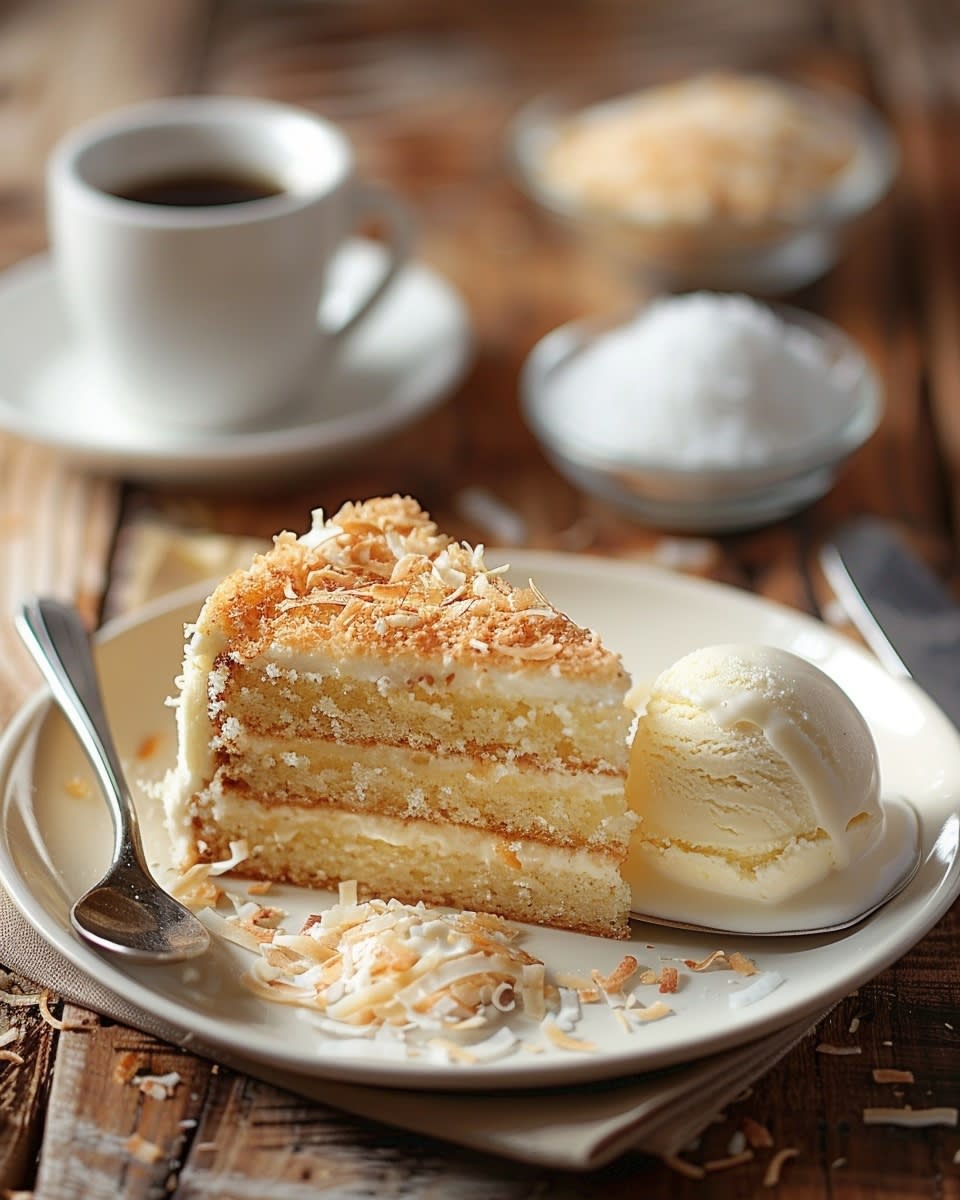
Let me tell you about the first time I tasted real coconut cake dessert. I was eight years old at my aunt’s house in Florida. She served this towering white cake covered in fluffy frosting and topped with shredded coconut. One bite changed everything I thought I knew about desserts.
The texture surprised me first. The cake was so light it practically floated off the fork. Then came the flavor—sweet but not overpowering, with that distinct coconut taste that made me want another bite immediately. The frosting added richness without being too heavy. Everything worked together perfectly.
That childhood memory stuck with me for years. When I finally learned to bake, coconut cake was one of the first recipes I mastered. I’ve made dozens of versions since then, tweaking and perfecting until I found the formula that makes people knock on my door.
So what makes coconut cake dessert so special? First, there’s the flavor combination. Coconut brings a tropical sweetness that feels both comforting and exciting. It reminds people of vacation, of warm weather, of happy times. The cream and butter in the recipe add richness that balances the coconut’s natural lightness.
The texture is just as important as the taste. A good coconut cake should be moist—never dry or crumbly. The frosting needs to be smooth and spreadable. The coconut flakes on top should add a gentle crunch without being chewy or tough. When you get all these elements right, you create something magical.
I also love how this dessert appeals to almost everyone. I’ve served it to picky kids who usually turn their noses up at cake. I’ve watched dessert skeptics go back for seconds. Even people who claim they don’t like coconut often change their minds after trying a well-made coconut cake dessert.
Another reason I recommend this dessert? It looks impressive without requiring expert decorating skills. You don’t need fancy piping bags or years of practice. A simple coating of frosting and a generous sprinkle of coconut creates a beautiful presentation. The white-on-white look feels elegant and clean.
The versatility of coconut cake makes it perfect for any occasion:
- Birthday parties: Kids and adults both love it, making it a safe choice when you’re serving mixed age groups
- Wedding receptions: The white appearance fits traditional wedding themes, and it’s sturdy enough to stack into tiers
- Holiday dinners: It’s lighter than heavy chocolate desserts, which works well after a big meal
- Summer gatherings: The tropical flavor feels right for warm weather events
- Potlucks: It travels well and feeds a crowd without breaking your budget
- Casual get-togethers: You can dress it up or keep it simple depending on the event
I’ve made this cake for my daughter’s graduation party, my husband’s office celebration, and countless neighborhood gatherings. Each time, the response is the same—empty plates and requests for the recipe.
The timing works in your favor too. Unlike some desserts that need to be served immediately, coconut cake actually improves after sitting for a few hours. The flavors meld together. The cake absorbs some moisture from the frosting. You can make it the night before your event and know it will taste even better the next day.
Here’s something else I’ve learned: coconut cake dessert is forgiving. If you slightly overbake it, the frosting adds moisture. If your layers aren’t perfectly even, the generous coating hides minor flaws. This makes it ideal for bakers who feel nervous about trying something new.
The ingredient list is straightforward too. You won’t need to hunt down specialty items at expensive stores. Flour, sugar, eggs, butter, coconut—these are basics that most grocery stores carry year-round. The simplicity of the ingredients lets the coconut flavor shine through without competition.
I remember making this cake during a power outage once. I mixed everything by hand, baked it in my neighbor’s oven, and assembled it on my kitchen counter by candlelight. It still turned out beautifully. That’s when I realized just how reliable this recipe really is.
The smell alone is worth making this dessert. As it bakes, your whole house fills with the scent of toasted coconut and vanilla. My family always knows when I’m making it because they follow their noses to the kitchen. That aroma creates anticipation before anyone even takes a bite.
Whether you’re looking for a show-stopping centerpiece or a comforting treat to enjoy with coffee, coconut cake dessert delivers. It’s fancy enough for special occasions but simple enough for a random Tuesday when you just want something sweet.


How to Make the Perfect Coconut Cake Dessert
Now that you know why this dessert deserves a place in your recipe collection, let’s roll up our sleeves and actually make one. I promise it’s easier than you might think.
Before we dive in, I need to mention something important. The first time I made coconut cake, I grabbed whatever ingredients were on sale at the grocery store. The result was… okay. Not terrible, but not memorable either. The second time, I invested in better quality ingredients, and the difference was night and day. You don’t need to spend a fortune, but choosing the right items makes all the difference.
The Ingredients That Make Magic Happen
Here’s what you’ll need to gather before you start mixing. I like to lay everything out on my counter first—it makes me feel like I’m on a cooking show, and it prevents that moment of panic when you realize you’re out of eggs halfway through.
For the cake itself: You’ll need three cups of all-purpose flour (I prefer unbleached), two cups of granulated sugar, one cup of softened butter (not melted—this matters more than you’d think), four large eggs at room temperature, one cup of coconut milk, one cup of buttermilk, two teaspoons of vanilla extract, one tablespoon of baking powder, half a teaspoon of baking soda, half a teaspoon of salt, and one and a half cups of sweetened shredded coconut.
The coconut milk is where I see people make mistakes. Don’t grab the watered-down stuff in the dairy aisle. You want the real coconut milk in a can from the international foods section. Shake it well before opening because the cream separates from the liquid. That creamy part? That’s where the flavor lives.
For the frosting: Get one cup of butter (softened again), four cups of powdered sugar, one-third cup of coconut milk, two teaspoons of vanilla extract, a pinch of salt, and two cups of sweetened shredded coconut for decorating. Some people like to toast their coconut topping—I’ll get to that in a minute.
Room temperature ingredients really do matter, by the way. I learned this the hard way when my cold eggs created lumpy batter that refused to blend properly. Now I take everything out of the fridge about an hour before I start baking. If you’re in a hurry, you can put eggs in warm water for five minutes.
Walking Through Each Step
Preheat your oven to 350 degrees Fahrenheit. Grease three 9-inch round cake pans and line the bottoms with parchment paper. This prevents sticking better than any cooking spray I’ve tried, and trust me, I’ve tried them all. My vanilla rice pudding might be forgiving about pan preparation, but layer cakes definitely are not.
In a large bowl, cream together your butter and sugar until the mixture looks pale and fluffy. This takes about five minutes with an electric mixer. Your arm will get tired if you do it by hand, but I won’t judge you—I’ve been there during holiday baking marathons when every outlet in my kitchen was already occupied.
Add your eggs one at a time, beating well after each addition. The batter might look slightly curdled after the second or third egg. Don’t panic. This happened to me once and I almost threw the whole thing away. My mom talked me down and assured me it would come together. She was right.
Here’s where things get interesting. In a separate bowl, whisk together your flour, baking powder, baking soda, and salt. In a measuring cup or another bowl, combine your coconut milk, buttermilk, and vanilla extract. Now you’re going to alternate adding the dry ingredients and the wet ingredients to your butter mixture. Start with one-third of the flour mixture, then add half the liquid mixture, then another third of the flour, the rest of the liquid, and finally the remaining flour.
Why this complicated dance? Because it prevents overmixing and creates that tender crumb everyone loves. When I skip this step and dump everything in at once, the cake turns out dense and tough. Patience pays off here.
Fold in your shredded coconut gently. Don’t beat it to death—just mix until you can’t see white streaks anymore. Divide the batter evenly among your three prepared pans. I use a kitchen scale for this because I’m obsessive about even layers, but you can also eyeball it if you’re feeling confident.
Bake for 25 to 30 minutes, or until a toothpick inserted in the center comes out clean. The tops should be golden and spring back when you touch them lightly. My oven runs hot, so mine are usually done at 26 minutes. Get to know your oven’s personality—they’re all a little different.
Let the cakes cool in the pans for ten minutes, then turn them out onto wire racks to cool completely. This is the hardest part for me because I want to frost them immediately, but warm cake plus buttercream equals disaster. I learned this lesson while making a chocolate chip banana bread that I tried to glaze too early. The glaze just melted into a puddle.
Creating That Dreamy Frosting
While your cakes cool, make your frosting. Beat the butter until it’s creamy and smooth, then gradually add the powdered sugar one cup at a time. When the mixture gets too thick, add coconut milk a tablespoon at a time. Add vanilla and salt. Beat everything for three to four minutes until it’s light and fluffy.
The consistency should be spreadable but not runny. If it’s too thick, add more coconut milk. Too thin? Add more powdered sugar. I keep both on standby because humidity affects frosting more than you’d expect.
Place your first cake layer on a serving plate. Spread about one cup of frosting on top. Add the second layer and repeat. Top with the third layer and use the remaining frosting to cover the top and sides. Don’t worry about making it perfect—you’re going to cover everything with coconut anyway. Press the shredded coconut onto the top and sides of the cake. This gets messy. I usually do it over a large piece of parchment paper so I can funnel the fallen coconut back into the bowl.
Fun Ways to Mix Things Up
Once you’ve made the basic version a few times, you’ll probably want to experiment. I know I did. Here are some variations that actually work.
Lemon Coconut Cake: Add the zest of two lemons to your cake batter and replace the vanilla extract with lemon extract. Add lemon juice to your frosting instead of some of the coconut milk. The citrus cuts through the sweetness beautifully. This version reminds me of summer afternoons on the porch.
Chocolate Coconut Cake: Replace half a cup of flour with cocoa powder. Add a teaspoon of instant espresso powder to intensify the chocolate flavor. Fill the layers with chocolate ganache instead of coconut frosting, then frost the outside with coconut buttercream. If you love chocolate as much as I do, check out my chocolate cream pie for another indulgent option.
Toasted Coconut Version: Spread your shredded coconut on a baking sheet and toast it at 325 degrees for five to eight minutes, stirring every two minutes. Watch it carefully because coconut goes from golden to burnt in seconds. The toasted flavor adds incredible depth.
Gluten-Free Option: Replace the all-purpose flour with a good quality gluten-free baking blend that includes xanthan gum. Bob’s Red Mill works well for me. The texture won’t be quite as light, but it’s still delicious. My neighbor has celiac disease and she can’t tell a huge difference.
Vegan Version: Replace butter with vegan butter or coconut oil, eggs with flax eggs (one tablespoon ground flaxseed mixed with three tablespoons water per egg, let sit for five minutes), and use full-fat coconut milk throughout. For the frosting, use vegan butter and coconut cream. I tested this version for my daughter’s friend who’s vegan, and honestly, it surprised me how good it turned out.
You can also add a layer of fruit between your cake layers. Passion fruit curd works amazingly well. So does raspberry jam. My aunt likes to brush each layer with rum syrup, though I skip this when I’m serving it to kids.
Funny enough, the simplest variation is sometimes the best. Try adding a teaspoon of almond extract along with the vanilla. That tiny change creates a flavor similar to an almond joy candy bar. It’s become my husband’s favorite version, and now he requests it specifically for his birthday.
Some people prefer cream cheese frosting instead of buttercream. Beat eight ounces of softened cream cheese with half a cup of butter, then add powdered sugar and coconut milk to taste. This creates a tangier flavor that balances the sweet coconut. It’s particularly good if you find traditional buttercream too sweet, which my sister always complains about.
Whatever variation you try, remember that the basic technique stays the same. Master the classic version first, like learning the fundamentals before attempting those fancy variations you see on baking shows. Similar to how I always recommend getting comfortable with apple crumble dessert before trying more complicated fruit desserts, this cake rewards you for understanding the basics before you experiment.


Serving and Storing Your Coconut Cake Dessert
So you’ve baked your coconut cake, frosted it beautifully, and covered it in fluffy coconut. Now what? This is where many bakers drop the ball. They put all that effort into making something delicious and then serve it straight from the fridge on a paper plate. I’ve done it myself when I’m tired, but honestly, the presentation is half the experience.
Last spring, I brought a coconut cake to my friend’s baby shower. I’d transported it in a plain cardboard box and plopped it on the dessert table without much thought. It tasted great, but it got lost among the other desserts. The next month, I made the same cake for another event, but this time I put effort into how I presented it. People swarmed that table. What changed? Only the presentation. Same cake, different experience.
Making Your Coconut Cake the Star of the Show
The serving plate matters more than you’d think. I collect cake stands from thrift stores—you can find gorgeous ones for five or ten dollars if you’re patient. A white pedestal stand makes any cake look like it belongs in a bakery window. Glass stands work beautifully too, especially if your cake has multiple layers that show through the side.
Here’s something I learned from my grandmother: always consider the background. If you’re serving the cake on a dark wood table, a white stand creates contrast. On a white tablecloth, try a colored stand or place a decorative napkin underneath. These tiny details make people stop and look.
Fresh flowers transform a simple coconut cake into something magazine-worthy. I tuck small white roses or daisies around the base of the cake or place a small cluster on top. Just make sure they’re pesticide-free and haven’t been treated with chemicals. Or use food-safe flower picks that keep the stems from touching the frosting directly. My aunt once used flowers from her garden without washing them, and let’s just say the ants at that picnic were very happy.
Edible flowers like pansies or violets look stunning against white frosting. You can find these at farmer’s markets or specialty grocery stores in the spring and summer. Press them gently into the coconut coating before serving. The pop of color makes people think you spent hours decorating when it actually took thirty seconds.
Fruit adds both color and flavor. Fresh berries scattered on top work particularly well with the lemon coconut variation I mentioned earlier. Sliced mango or passion fruit creates a tropical vibe perfect for summer parties. I even tried dried pineapple flowers once—they looked incredible but were a bit chewy for my taste.
For a more rustic look, leave the sides partially unfrosted. This “naked cake” style has become popular at weddings and casual gatherings. You can see the layers peeking through, which actually makes the cake look more homemade in a good way. Just make sure to frost between the layers generously so it doesn’t dry out.
Gold leaf is my secret weapon for fancy occasions. Those tiny edible gold flakes you can buy at baking supply stores? A few scattered on top of your coconut coating makes the cake look ridiculously expensive. I used this trick for my daughter’s sweet sixteen, and people asked which bakery I’d ordered from. The gold cost me twelve dollars and took two minutes to apply.
The lighting in your serving area matters too. Natural light makes white frosting glow, which is why outdoor events are perfect for coconut cake. Indoor events with warm lighting can make white frosting look yellow, so position your cake near a window if possible or use cooler LED lights nearby.
Keeping Your Cake Fresh and Delicious
Now let’s talk about storage, because I’ve ruined more than one cake by not understanding this properly. That first coconut cake I ever made? I left it uncovered on the counter overnight. The next morning, the frosting had formed a crust and the cake had absorbed every smell in my kitchen. It tasted like onions and coconut. Not recommended.
If you’re serving the cake within a few hours, you can leave it at room temperature loosely covered with plastic wrap or under a large cake dome. Make sure the covering doesn’t touch the frosting—I use toothpicks stuck into the top to create a little tent that holds the plastic wrap away from the surface.
For longer storage, refrigeration is your friend. The buttercream frosting needs to stay cool, especially in warm weather. I learned this during a summer birthday party when my cake started sliding sideways in the heat. Now I keep everything chilled until the last possible moment.
Wrap the cake well before refrigerating. I use plastic wrap first, then aluminum foil over that. This double layer prevents the cake from absorbing refrigerator odors and keeps the coconut from drying out. According to the USDA’s guidelines on food preservation, proper wrapping is crucial for maintaining food quality and preventing contamination from other items in your fridge.
A properly stored coconut cake stays fresh in the refrigerator for up to five days. By day three, you might notice the coconut topping getting slightly chewy, but the cake itself remains moist. If the coconut bothers you, scrape it off individual slices before serving and add fresh coconut on top.
Freezing coconut cake works surprisingly well. I freeze unfrosted layers all the time. Wrap each layer individually in plastic wrap, then place them in freezer bags. They’ll keep for up to three months. Thaw them overnight in the refrigerator before frosting. You can also freeze the entire frosted cake, but the texture of the coconut topping changes slightly. It’s still good, just a bit different.
Here’s a trick I wish someone had told me earlier: freeze individual slices for quick treats. Cut the cake into portions, wrap each slice separately, and stack them in a freezer container. Pull out one slice at a time and thaw it at room temperature for twenty minutes. Perfect for those nights when you want dessert but don’t want to commit to a whole cake.
The frosting freezes better than you’d expect. If you have leftover buttercream, store it in an airtight container in the freezer for up to three months. Thaw it in the fridge overnight, then re-whip it with your mixer to restore the fluffy texture. I keep a stash of frozen frosting for emergency cupcake decorating sessions.
By the way, don’t refrigerate unfrosted cake layers unless you absolutely have to. They dry out faster in the cold, dry environment of a fridge. If you’re baking a day ahead, leave the cooled layers wrapped in plastic wrap at room temperature, then frost them the next day. This is actually how professional bakeries do it.
Transportation can be tricky, especially in warm weather. I invested in a large plastic cake carrier with a tall dome—best twenty dollars I ever spent. It protects the cake from sliding around in the car and keeps it at the right temperature. If you’re driving more than thirty minutes, chill the cake thoroughly first and try to keep your car cool.
One thing that surprised me: coconut cake actually tastes better after sitting for a day. The flavors meld together, the cake absorbs moisture from the frosting, and everything becomes more cohesive. So don’t stress if you need to bake ahead. Many experienced bakers make their cakes at least 24 hours before serving for exactly this reason.
If your cake does dry out slightly despite your best efforts, here’s a rescue technique. Mix equal parts water and simple syrup, add a splash of vanilla, and brush this mixture over each layer before frosting. The cake soaks up the liquid and becomes moist again. I’ve saved many cakes this way, including one I accidentally overbaked by ten minutes because I was distracted by a phone call.
Room temperature serving is crucial for the best texture and flavor. Take the cake out of the fridge thirty to forty-five minutes before serving. Cold cake tastes muted and the frosting feels hard. Room temperature cake allows all those coconut flavors to bloom on your tongue. Trust me on this—the difference is dramatic.
If you’re exploring more dessert recipes and building your baking confidence, coconut cake is a wonderful foundation for learning proper storage and presentation techniques that apply to countless other sweets.
Clean your cake knife between slices for professional-looking pieces. Dip the knife in hot water, wipe it dry, then make your cut. The warm blade glides through the frosting without dragging or creating a mess. This simple step makes each slice look bakery-perfect instead of hacked apart.
Frequently Asked Questions About Coconut Cake Dessert
What type of coconut should I use for the best flavor?
Sweetened shredded coconut gives you the most traditional coconut cake flavor and the best texture for both mixing into the batter and decorating the outside. Unsweetened coconut works if you prefer less sweetness, but you’ll need to increase the sugar slightly in your recipe to compensate. I always use the bags of shredded coconut from the baking aisle, not the large flakes from the bulk section. Those flakes are too big and don’t distribute evenly through the batter. Fresh coconut is beautiful but honestly too much work for everyday baking—save it for special occasions when you really want to impress someone.
Can I make a coconut cake without using eggs?
Absolutely, and I covered this briefly in the variations section. Replace each egg with one flax egg—that’s one tablespoon of ground flaxseed mixed with three tablespoons of water, left to sit for five minutes until it gets gummy. You can also use commercial egg replacers from the store, which usually come in a box with instructions. The texture will be slightly denser than traditional cake, but it’s still delicious. I’ve also had success using applesauce as an egg substitute, about a quarter cup per egg, though this makes the cake more compact. For the fluffiest egg-free version, add an extra half teaspoon of baking powder to help with the rise.
How do I prevent my coconut cake from getting too dry?
Don’t overbake—that’s the number one cause of dry cake. Start checking your layers at 25 minutes even if the recipe says 30. Use the toothpick test, but remember that a few moist crumbs clinging to the toothpick is actually perfect. Make sure you’re measuring flour correctly by spooning it into the measuring cup and leveling it off, not scooping directly from the bag which packs in too much flour. Using room temperature ingredients helps create a tender crumb that stays moist longer. And here’s a big one: store the cake properly with good wrapping to prevent moisture loss.
Is there a way to make the frosting less sweet?
Yes, and I’m glad you asked because American buttercream can be tooth-achingly sweet for some people. Reduce the powdered sugar to three cups instead of four, and increase the coconut milk slightly to maintain the right consistency. Adding a quarter teaspoon of salt helps balance the sweetness without making it taste salty. Cream cheese frosting is naturally less sweet than buttercream—try eight ounces of cream cheese mixed with half a cup of butter and only two to three cups of powdered sugar. Swiss or Italian meringue buttercream is less sweet than American buttercream but requires more advanced technique. My sister swears by whipped cream frosting stabilized with gelatin for a lighter, less sweet option.
How long can I store a coconut cake in the fridge?
A properly wrapped coconut cake stays fresh in the refrigerator for four to five days, though it’s best within the first three days. After that, the texture starts to change and the coconut topping can get chewy. Make sure you wrap it well in plastic wrap or store it in an airtight container to prevent it from absorbing refrigerator odors. I’ve pushed it to six days before with acceptable results, but I wouldn’t serve it to guests at that point. The frosting can sometimes separate or weep after too many days, especially if your fridge has humidity fluctuations. Always smell and visually check the cake before serving if it’s been stored for several days.
Can I use coconut oil instead of butter in the recipe?
You can, but the results will be different from traditional coconut cake. Coconut oil makes the cake denser and gives it a more pronounced coconut flavor, which some people love. Use refined coconut oil if you don’t want an overwhelming coconut taste, or unrefined if you want to amp up the tropical flavor. The amount stays the same—one cup of melted coconut oil for one cup of butter. The cake will be slightly greasier and won’t have that light, fluffy texture that butter creates. For the frosting, coconut oil makes a completely different product that needs to be refrigerated to stay solid, and it melts quickly at room temperature.
What are some good substitutes for coconut milk in the recipe?
Regular whole milk works fine if you’re not concerned about keeping the coconut flavor super strong. You can also use half-and-half or even heavy cream for an extra rich cake, though you might want to thin it slightly with water. Almond milk is a decent substitute if you’re avoiding dairy, though it’s thinner so your cake might be slightly less moist. I’ve used evaporated milk in a pinch—it creates a denser, richer crumb that some people prefer. Buttermilk as a complete substitute makes the cake tangier but also very tender. Whatever you choose, make sure it’s full-fat rather than low-fat or skim for the best texture and moisture.
How can I make my coconut cake look more appealing?
Beyond what I covered in the presentation section, try getting your frosting really smooth before adding the coconut—use a bench scraper or offset spatula dipped in hot water. Create texture in the frosting by using a fork to make swirls or waves before pressing on the coconut. Consider using different sizes of coconut flakes for visual interest—large flakes on top, fine shreds on the sides. A dusting of edible pearl dust or luster dust adds shimmer that photographs beautifully. Pipe a border around the base and top edge using a star tip before adding coconut. Fresh mint leaves tucked strategically around the cake add a pop of color that complements the white beautifully.
Can I make coconut cake cupcakes instead of a layer cake?
Definitely, and they’re actually easier to serve at casual events. Use the same batter and fill cupcake liners about two-thirds full. Bake at 350 degrees for 18 to 22 minutes, checking at 18 minutes. The smaller size means they bake faster and you need to watch them carefully. You’ll get about 24 standard cupcakes from this recipe. Frost them generously and roll the tops in shredded coconut, or pipe the frosting into a tall swirl and sprinkle coconut over it. Cupcakes freeze beautifully too—frosted or unfrosted. My kids actually prefer the cupcake version because they can grab one as a snack without me having to cut and plate a slice.
Why did my cake layers dome in the middle while baking?
This happens when the edges of the cake set faster than the middle, causing the center to rise higher. Your oven might be running too hot, so check it with an oven thermometer—mine was off by 25 degrees until I calibrated it. Using dark pans instead of light-colored ones can cause this because dark pans conduct heat more intensely. Try using cake strips—those fabric strips you soak in water and wrap around your pans—which insulate the edges and help cakes bake more evenly. Lower your oven temperature by 25 degrees and bake a bit longer for flatter layers. You can also level domed cakes with a serrated knife or cake leveler before frosting, which is what I do most of the time anyway.
Making coconut cake has become one of my favorite weekend activities, especially when I’m baking for someone I care about. There’s something deeply satisfying about creating this beautiful dessert from simple ingredients. Whether this is your first attempt or your fiftieth, I hope you enjoy every step of the process—and of course, every delicious bite. Happy baking!
Ingredients
Equipment
Method
- Preheat your oven to 350°F and grease three 9-inch round cake pans, lining the bottoms with parchment paper.
- In a large bowl, cream together butter and sugar until pale and fluffy (about 5 minutes).
- Add eggs one at a time, beating well after each addition.
- In a separate bowl, whisk together flour, baking powder, baking soda, and salt.
- Combine coconut milk, buttermilk, and vanilla extract in a measuring cup.
- Alternate adding the dry ingredients and wet ingredients to the butter mixture, starting and ending with the flour mixture.
- Gently fold in shredded coconut until evenly distributed.
- Divide batter evenly among the three prepared pans.
- Bake for 25 to 30 minutes, or until a toothpick inserted in the center comes out clean.
- Let cool in pans for 10 minutes before transferring to wire racks to cool completely.
- For the frosting, beat the softened butter until creamy, gradually adding powdered sugar.
- If too thick, add coconut milk one tablespoon at a time.
- Add vanilla and salt, then beat until light and fluffy.
- Assemble the cake by placing the first layer on a serving plate, spreading 1 cup of frosting on top, then repeat with the second layer.
- Place the third layer on top and frost the top and sides of the cake, pressing shredded coconut onto the frosting.