
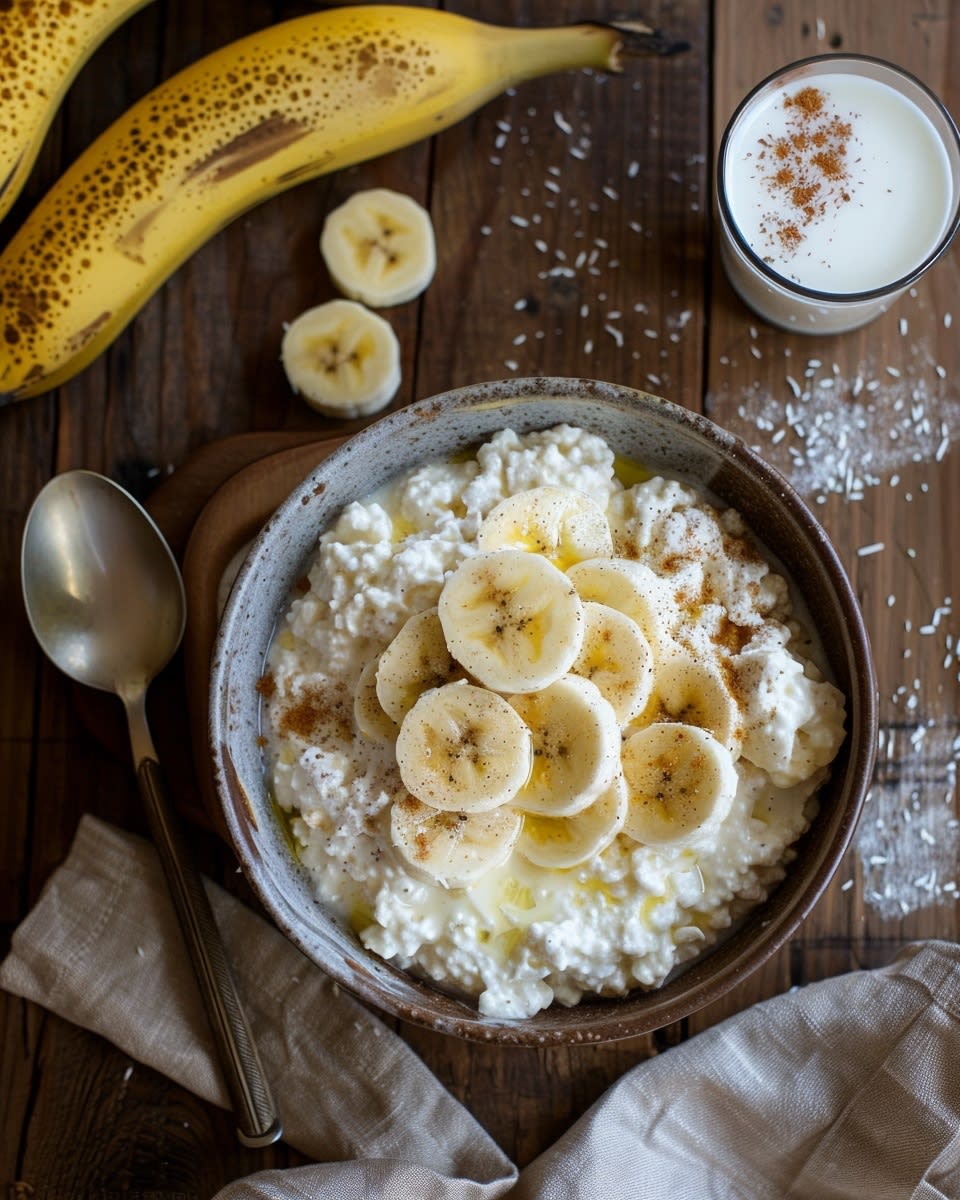
Cottage Cheese and Banana Bowl: The Perfect Protein-Packed Breakfast
I still remember the morning I threw together my first cottage cheese and banana bowl. I was running late for work and needed something quick that wouldn’t leave me starving by 10 AM. I grabbed what I had in the fridge, mixed cottage cheese with sliced bananas, and took it to go. That simple combination changed my breakfast routine forever. The creamy texture paired with sweet banana bites kept me full for hours, and I actually looked forward to eating it again the next day.
Here’s the thing about this bowl. It’s not fancy or complicated. You don’t need special ingredients or cooking skills. But it delivers exactly what your body needs to start the day right. The cottage cheese and banana bowl has become my go-to meal when I want something that tastes good and makes me feel good.
Both cottage cheese and bananas pack serious nutritional power. Cottage cheese brings protein and calcium to the table, while bananas offer natural sweetness along with vitamins and minerals your body craves. When you combine these two ingredients, you get a balanced meal that satisfies your hunger and fuels your body properly.
The best part? You can eat this bowl any time of day. I’ve had it for breakfast, as a post-workout snack, and even as a light dinner when I wasn’t super hungry. It works for every situation, and you can customize it based on what you’re in the mood for that day.
Why Choose a Cottage Cheese and Banana Bowl?
Let me explain why this simple combination works so well. The creamy, slightly tangy taste of cottage cheese creates the perfect base. Then you add banana slices that bring natural sweetness and a soft texture. The contrast between these two ingredients creates something special in your mouth.
Unlike yogurt bowls that can get boring or smoothies that leave you hungry an hour later, the cottage cheese and banana combination actually fills you up. The protein in cottage cheese takes time to digest, which means you stay satisfied longer. The bananas add fiber that keeps your digestive system happy and gives you quick energy without the crash.
I love how versatile this bowl is. Some mornings I keep it simple with just cottage cheese and bananas. Other days I throw in a handful of berries, a drizzle of honey, or some crunchy granola. You can make it different every single time based on what you have available or what sounds good to you.
The preparation takes less than five minutes. You don’t need to cook anything or follow complicated steps. Scoop cottage cheese into a bowl, slice a banana on top, and you’re done. If you want to get fancy, you can add toppings. But even the basic version tastes delicious and gives you everything you need.
This bowl fits into any eating schedule. Have it right after waking up for a protein-rich breakfast. Eat it mid-morning when you need a snack that won’t weigh you down. Pack it for lunch alongside some whole grain crackers. Use it as a post-exercise meal to help your muscles recover. The options are endless, and it works for all of them.
Parents love this recipe because kids actually eat it without complaining. The natural sweetness from bananas appeals to young taste buds, and you can feel good knowing they’re getting quality protein and nutrients. I’ve seen picky eaters clean their bowls when they wouldn’t touch traditional breakfast foods.
The Nutritional Value of Cottage Cheese and Bananas
Let’s talk about what you’re actually putting in your body when you eat this bowl. Understanding the nutrition helps you appreciate why it works so well.
Cottage cheese is a protein powerhouse. A single cup of low-fat cottage cheese contains about 24 grams of protein. That’s roughly the same amount you’d get from a chicken breast. This protein helps build and repair your muscles, keeps your hair and nails strong, and supports your immune system.
The calcium content in cottage cheese deserves attention too. One cup provides around 138 milligrams of calcium, which is about 14% of what you need daily. Your bones and teeth need calcium to stay strong and healthy. As we age, getting enough calcium becomes even more important to prevent bone loss.
Cottage cheese also contains phosphorus, which works with calcium to build strong bones. It has B vitamins that help your body convert food into energy. The sodium content varies by brand, so check labels if you’re watching your salt intake. Some versions have less than 300 milligrams per serving, while others have more.
Now for the bananas. One medium banana has about 105 calories and provides 3 grams of fiber. That fiber helps you feel full and supports healthy digestion. Bananas are famous for their potassium content, and for good reason. A medium banana contains roughly 422 milligrams of potassium.
Potassium plays a critical role in your body. It helps regulate your blood pressure, supports proper muscle function, and keeps your heart beating normally. Many people don’t get enough potassium in their diets, so adding bananas to your meals is a smart move.
Bananas also contain vitamin B6, which your body needs to make neurotransmitters like serotonin and dopamine. These chemicals affect your mood and help you feel good. One banana provides about 20% of your daily vitamin B6 needs.
The vitamin C in bananas supports your immune system and helps your body absorb iron from other foods. Bananas contain manganese, which aids in bone development and wound healing. They have small amounts of magnesium, folate, and other nutrients that contribute to overall health.
When you combine cottage cheese and bananas in one bowl, you get a balanced mix of macronutrients. The protein from cottage cheese pairs with the carbohydrates from bananas to give you sustained energy. You’re not just eating empty calories or foods that spike your blood sugar. You’re fueling your body with real nutrition that supports your health goals.
The combination also provides a good balance of vitamins and minerals working together. The B vitamins from both ingredients help with energy metabolism. The calcium and potassium support different body systems. You get protein, fiber, and natural sugars that work in harmony to keep you satisfied and energized.
I track my meals sometimes, and I’m always impressed by how much nutrition fits into such a simple bowl. You’re not sacrificing taste for health or health for convenience. The cottage cheese and banana bowl delivers on all fronts, which is why it’s become such a staple in my kitchen.


How to Make the Perfect Cottage Cheese and Banana Bowl
Now that you know what makes this combination so nutritious, let’s get into the actual making of it. I promise this is easier than you think.
Start with about one cup of cottage cheese as your base. Scoop it into your favorite bowl. I like using a wide, shallow bowl because it gives me more surface area for toppings, but any bowl works fine. The cottage cheese should be cold from the fridge, which gives you that refreshing, creamy texture.
Next, grab a ripe banana. The ripeness matters here. If your banana is still mostly green, it’ll taste starchy and won’t give you that natural sweetness you want. Look for bananas with yellow skin and maybe a few brown spots. Those are perfect. They’re sweet, soft, and easier to digest too.
Slice your banana into rounds about a quarter inch thick. I usually cut mine right over the bowl so nothing goes to waste. Arrange the slices on top of the cottage cheese however you like. Some days I make neat little rows. Other days I just dump them on there because I’m hungry and don’t care about presentation.
Here’s where it gets fun. You can stop right there and eat it as is, or you can add toppings that take it to another level. I keep a variety of options in my pantry so I can switch things up based on my mood.
Nuts add great crunch and healthy fats. Almonds, walnuts, or pecans work beautifully. Just a small handful gives you extra protein and makes each bite more interesting. I chop mine roughly so they spread out better across the bowl. Sometimes I use whatever nuts I have left over from making almond flour breakfast muffins, and that works perfectly.
Seeds are another fantastic addition. Chia seeds, flax seeds, or hemp seeds boost the nutrition without changing the taste much. They add omega-3 fatty acids and extra fiber. I sprinkle about a tablespoon of seeds over the top. Chia seeds get a little gel-like if they sit for a few minutes, which some people love and others don’t.
Honey or maple syrup brings additional sweetness if you want it. I drizzle about a teaspoon over everything. The natural sugars complement the banana without making the bowl taste too dessert-like. Agave nectar works too if that’s what you have.
Cinnamon is my secret weapon. A light dusting of cinnamon adds warmth and depth to the flavor profile. It also helps regulate blood sugar, which is a nice bonus. I probably add cinnamon to mine four out of five times I make this bowl.
When it comes to choosing cottage cheese, you’ll find different options at the store. Full-fat cottage cheese has the creamiest texture and richest taste. It keeps you satisfied longer because of the fat content. Low-fat or fat-free versions have fewer calories but can taste a bit watery. I personally prefer the full-fat version because it feels more indulgent and keeps me full until lunch.
The curd size makes a difference too. Small curd cottage cheese has a smoother, more uniform texture. Large curd has bigger chunks and a more rustic feel. Neither one is better than the other. It’s just personal preference. Try both and see which one you like.
Some brands add weird ingredients or too much salt. Read the label and look for cottage cheese with simple ingredients: milk, cream, salt, and cultures. The fewer additives, the better. Organic versions tend to have cleaner ingredient lists if that matters to you.
Variations and Customizations
The basic cottage cheese and banana combination is great, but you can take it in so many different directions. I’ve probably made twenty different versions of this bowl, and they all worked out well.
Adding berries changes everything. Strawberries bring a tart sweetness that balances the mild cottage cheese. Blueberries add little bursts of flavor and turn the bowl purple as their juice mixes in. Raspberries give you that intense berry taste with a slight tartness. Blackberries are sweet and juicy. Mix any combination of berries with your bananas, and you’ve got yourself a fruit party in a bowl.
I make a berry-heavy version that’s similar to my yogurt bowl with seeds and berries, except the cottage cheese base makes it even more filling. During summer when berries are cheap and abundant, I go crazy with them.
Granola adds serious crunch and makes the bowl feel more substantial. A quarter cup of granola sprinkled on top gives you those satisfying crispy bits mixed with the creamy base. Watch the sugar content in store-bought granola though. Some brands pack in way too much added sugar. Making your own granola is actually pretty easy, and you control exactly what goes in it.
For a tropical twist, try adding pineapple chunks and shredded coconut along with your banana. This combination takes me back to a vacation I took in Hawaii. I had something similar at a little cafe there, and I’ve been recreating it at home ever since. The coconut adds texture and a slightly sweet, nutty flavor.
Dark chocolate chips turn this into a dessert-like treat that still provides good nutrition. I use about a tablespoon of mini chocolate chips. They melt slightly into the cold cottage cheese, creating little pockets of chocolate goodness. This version is perfect when you want something sweet but don’t want to eat actual dessert.
Seasonal variations keep things interesting throughout the year. In fall, I add diced apples, a sprinkle of cinnamon, and a few chopped pecans. Sometimes I’ll warm up some apples with cinnamon on the stove first, then spoon them over the cold cottage cheese. The temperature contrast is amazing.
Winter calls for dried fruits like cranberries or raisins. They’re naturally sweet and chewy, which adds variety to the texture. A spoonful of almond butter mixed into the cottage cheese makes it richer and more satisfying during cold months when you need extra calories.
Spring brings fresh strawberries and a drizzle of balsamic vinegar. I know that sounds weird, but trust me on this. A tiny bit of balsamic brings out the sweetness in strawberries and adds sophistication to the whole bowl.
If you need to make this bowl more filling, add a scoop of protein powder mixed into the cottage cheese. This bumps up the protein content even more and makes it suitable as a complete meal replacement. I do this after particularly hard workouts when my muscles need extra fuel.
Another way to make it heartier is adding whole grain toast on the side or crumbled on top. The carbs from the bread combined with the protein from cottage cheese give you balanced macros that sustain energy for hours. This reminds me of days when I’ll pair it with sweet potato toast with avocado for a really complete breakfast.
To make it lighter, reduce your cottage cheese portion to half a cup and increase the fruit. Add more strawberries or a handful of melon cubes. Skip the nuts and seeds, or use just a small sprinkle. This version works great as a snack between meals when you’re not super hungry but need something to tide you over.
For a savory version that sounds crazy but tastes incredible, skip the sweet toppings entirely. Add cherry tomatoes, cucumber slices, everything bagel seasoning, and fresh herbs like dill or chives. This savory cottage cheese bowl makes a fantastic lunch or dinner option when you want protein but don’t want anything sweet.
Benefits of Adding Cottage Cheese and Banana Bowl to Your Diet
Beyond just the basic nutrition we covered earlier, this bowl offers specific benefits that improve your daily life in noticeable ways.
The high protein content aids muscle recovery after exercise. When you work out, you create tiny tears in your muscle fibers. Protein helps repair those tears, making your muscles stronger over time. Eating cottage cheese within an hour after exercising gives your body the building blocks it needs for this repair process. I’ve noticed less soreness when I eat this bowl after tough workouts.
The combination supports healthy digestion too. Cottage cheese contains probiotics, which are beneficial bacteria that live in your gut. These good bacteria help break down food, absorb nutrients, and keep your digestive system running smoothly. The fiber from bananas feeds these probiotics and adds bulk to help things move through your intestines regularly.
This bowl helps stabilize your energy levels throughout the day. The protein digests slowly, releasing energy gradually. The natural sugars in bananas provide quick energy when you need it. Together, they prevent the energy crashes you get from eating sugary cereals or pastries for breakfast. I used to get sleepy around 10 AM every morning until I started eating this bowl regularly.
For people watching their weight, this bowl is incredibly helpful. The high protein content increases satiety, which is just a fancy word for feeling full and satisfied. When you feel full, you’re less likely to snack on junk food or overeat at your next meal. The fiber from bananas also contributes to this feeling of fullness.
Different diets can accommodate this bowl with slight modifications. For keto followers, the banana poses a challenge because of its carb content. But you can make a keto-friendly version by using half an avocado instead of banana, adding low-carb berries like raspberries in small amounts, and topping with nuts and seeds. The healthy fats from avocado and nuts keep you in ketosis while still giving you that creamy, satisfying bowl.
Paleo eaters sometimes avoid dairy, which rules out traditional cottage cheese. However, you can find dairy-free cottage cheese alternatives made from nuts or tofu. These work surprisingly well and maintain the protein-rich profile while staying within paleo guidelines. I’ve tried the almond-based versions, and they’re pretty good, though the texture is slightly different.
For plant-based eaters, dairy-free cottage cheese alternatives pair beautifully with bananas. You get similar nutrition without any animal products. This shows how adaptable the basic concept is to different eating styles.
The bowl works well for people managing blood sugar levels too. The protein slows down the absorption of sugars from the banana, preventing blood sugar spikes. This makes it a smarter choice than eating a banana by itself or having fruit juice for breakfast. The balanced macros help maintain steady glucose levels, which is important for everyone but especially for people with diabetes or prediabetes.
This simple bowl supports bone health because of the calcium from cottage cheese and various minerals from bananas. As we age, maintaining bone density becomes increasingly important. Regular consumption of calcium-rich foods helps prevent osteoporosis and keeps bones strong. Pairing it with vitamin D from sunshine or supplements helps your body absorb that calcium even better.
The versatility of this meal means you’re more likely to stick with healthy eating habits. When healthy food tastes good and stays interesting, you don’t feel deprived or bored. I’ve found that having go-to meals like this cottage cheese bowl makes it easier to maintain a nutritious diet long-term. It’s similar to how having reliable recipes like buckwheat porridge with almond milk in your rotation keeps breakfast interesting without requiring much effort.


Making Cottage Cheese and Banana Bowls Work for Your Lifestyle
Let me share something that took me a while to figure out. Having a great recipe is one thing, but actually incorporating it into your daily routine is another challenge entirely. I’ve learned some tricks over the years that make this cottage cheese and banana bowl fit seamlessly into even the busiest schedules.
One thing I do is prep my ingredients on Sunday evening. I buy several bananas at different ripeness levels. Some are still a bit green for eating later in the week, and some are perfectly yellow with those brown spots for immediate use. This way, I always have a ripe banana ready when I want to make my bowl. I store the riper ones in the fridge to slow down the browning process. Yeah, the peel turns completely black in there, but the fruit inside stays perfect for several extra days.
I also portion out my toppings into small containers. I’ll put almonds in one, chia seeds in another, and keep them in a cabinet where I can grab them quickly. This might sound like overkill, but when you’re rushing around at 7 AM trying to get out the door, having everything ready to go makes all the difference. The few minutes you spend organizing on the weekend saves you time and stress during the week.
Here’s something that really helped me stick with this bowl long-term. I rotate through different “themed” versions each day of the week. Monday might be my berry blast day with mixed berries and honey. Tuesday is tropical with pineapple and coconut. Wednesday I go nutty with various nuts and cinnamon. Thursday is chocolate day with dark chocolate chips. Friday I keep it simple with just banana and a drizzle of maple syrup. This rotation keeps me excited about breakfast instead of feeling like I’m eating the same thing constantly.
The quality of your ingredients matters more than you might think. Fresh, high-quality cottage cheese tastes dramatically better than the cheap stuff that’s been sitting on the shelf forever. I learned this the hard way after buying a generic brand that tasted like nothing and had a weird, grainy texture. Since then, I always check the expiration date and choose cottage cheese that’s as fresh as possible. Ingredient preparation and selection truly impacts the final taste of any recipe, and this simple bowl is no exception.
Speaking of quality, organic bananas tend to have better flavor than conventional ones. They’re usually a bit smaller and sweeter. If organic fits your budget, go for it. If not, regular bananas work perfectly fine. Don’t let perfect be the enemy of good here. The important thing is that you’re eating nutritious food, not stressing about every little detail.
I’ve found that texture plays a huge role in how much I enjoy this bowl. Some days I want everything cold and refreshing. Other days, especially in winter, I warm my banana slices in the microwave for about twenty seconds before adding them to cold cottage cheese. This creates an interesting temperature contrast that feels comforting. The warm banana releases more of its natural sweetness too.
Another texture trick involves freezing banana slices ahead of time. When you add frozen banana to cottage cheese, it creates this almost ice cream-like consistency as the banana thaws slightly and gets creamy. This version feels like dessert but gives you all the same nutritional benefits. Kids absolutely love it, and honestly, so do adults.
By the way, if you’re someone who struggles with eating enough protein throughout the day, this bowl can be your secret weapon. I used to have trouble hitting my protein goals until I started tracking what I actually ate. Once I saw the numbers, I realized breakfast was my weak spot. Adding this high-protein bowl in the morning gave me a massive head start on my daily protein target. Now reaching my goals feels effortless instead of stressful.
The social aspect of food matters too. I’ve gotten several friends hooked on cottage cheese and banana bowls by making them together during weekend brunches. There’s something fun about setting up a toppings bar where everyone customizes their own bowl. People get creative and try combinations they wouldn’t think of on their own. One friend added crumbled graham crackers and loved it. Another went wild with five different types of seeds. Sharing food experiences like this makes healthy eating feel enjoyable rather than restrictive.
If you’re someone who meal preps for the entire week, you might wonder how this bowl fits into that routine. Here’s my advice based on trial and error. Don’t assemble the complete bowl ahead of time. The banana will brown and get mushy, and the cottage cheese will get watery from all the fruit juice. Instead, prep the components separately. Put cottage cheese in individual containers. Keep bananas whole until you’re ready to eat. Store any berries or other fruit separately. Then just combine everything when you’re ready to eat. This takes literally two minutes and keeps everything fresh and appetizing.
For people who travel frequently for work, this bowl can still be part of your routine. I’ve stayed in countless hotels with mini fridges. I’ll stop at a grocery store near the hotel and grab a small container of cottage cheese and a couple bananas. Most hotels have spoons available if you ask the front desk. This strategy saves money compared to eating hotel breakfast buffets every day, and it keeps my nutrition on track when I’m away from home. Plus, it’s way better than those sad continental breakfast options with their stale bagels and sugary cereals.
Something I want to mention for anyone dealing with food sensitivities or allergies: this bowl is remarkably adaptable. If you can’t have dairy, use plant-based cottage cheese alternatives. If bananas don’t work for you due to allergies or FODMAP issues, try other fruits like papaya or kiwi. The basic concept of creamy protein base plus fresh fruit plus optional toppings works with countless combinations. Don’t get stuck thinking there’s only one right way to make it.
Funny enough, this bowl has helped me waste less food in general. Before I started making these regularly, bananas would often go bad on my counter because I’d forget about them. Now I actually look forward to using them, so they get eaten before they spoil. Same with cottage cheese. It used to sit in my fridge unused until it expired. Now I go through a container every week. When you have specific plans for ingredients, you’re more likely to use them before they go bad.
The financial aspect is worth discussing too. This bowl costs way less than buying breakfast at a cafe or restaurant. A large container of cottage cheese runs about four dollars and gives you four servings. Bananas cost maybe fifty cents each. Even with fancy toppings, you’re looking at less than two dollars per serving. Compare that to a ten-dollar smoothie bowl from a trendy breakfast spot, and the savings add up quickly. Over a year, you could save hundreds of dollars just by making this at home instead of buying breakfast out.
I keep coming back to this meal because it delivers consistency without monotony. Every bowl is satisfying, but each one can be different enough to stay interesting. That balance is hard to find in healthy eating. So many nutritious foods get boring after a while, but this one has staying power. I’ve been making variations of this bowl for years now, and I’m still not tired of it. That tells you something about how well the basic formula works. There are so many other healthy breakfast recipes you can rotate through, but this cottage cheese bowl remains a constant favorite that I return to again and again.
Whether you’re focused on building muscle, losing weight, maintaining your current health, or just trying to eat better overall, this bowl supports whatever goals you’re working toward. The beauty of it is that you don’t have to choose between taste, convenience, nutrition, and affordability. This meal gives you all four, which is pretty rare when you think about it.
Frequently Asked Questions About Cottage Cheese and Banana Bowls
Can I use Greek yogurt instead of cottage cheese?
Absolutely, Greek yogurt works as a substitute and provides similar protein content. The main difference is texture and taste. Greek yogurt is smoother and tangier, while cottage cheese has a chunkier texture and milder flavor. I switch between them depending on what’s in my fridge. Greek yogurt blends more easily with toppings, which some people prefer. Just make sure you choose plain, unsweetened Greek yogurt to avoid added sugars. The nutritional profile is comparable, so you’ll still get that protein boost you’re looking for.
What are some good alternatives to bananas in this bowl?
Plenty of fruits work beautifully with cottage cheese. Berries like strawberries, blueberries, and raspberries are my go-to alternatives. Sliced peaches or nectarines are amazing during summer months. Diced mango adds tropical sweetness. Apple chunks with cinnamon create a fall-inspired version. Even melon cubes work surprisingly well. The key is choosing fruit that’s ripe and naturally sweet. I’ve tried probably fifteen different fruits, and only grapefruit didn’t work well because it was too tart and made the cottage cheese taste weird.
Is this bowl suitable for people with lactose intolerance?
Traditional cottage cheese contains lactose, which can cause problems for lactose-intolerant people. However, many grocery stores now carry lactose-free cottage cheese that tastes just like the regular version. Dairy-free alternatives made from almonds, cashews, or tofu are also available and work well in this recipe. I’ve tried several plant-based cottage cheese products, and the texture is slightly different but still satisfying. You can also try small amounts of regular cottage cheese since some people with mild lactose intolerance tolerate fermented dairy products better than milk or ice cream.
How can I make this bowl more kid-friendly?
Kids respond really well to visual presentation and sweetness. Try arranging banana slices into a smiley face on top of the cottage cheese. Add colorful berries for eyes or buttons. Drizzle honey in fun patterns. Let kids choose their own toppings from a selection you provide. Mini chocolate chips usually seal the deal for reluctant eaters. Some parents blend the cottage cheese smooth first because kids object to the lumpy texture. You can also call it something fun like a “power bowl” or “superhero breakfast” to make it more appealing. Getting kids involved in making their own bowl increases the chances they’ll actually eat it.
Can I prepare this bowl in advance?
You can prep components ahead, but I don’t recommend assembling the complete bowl more than a few hours in advance. The banana will oxidize and turn brown, and moisture from the fruit makes everything soggy. What works better is portioning cottage cheese into containers the night before and keeping fruit separate until you’re ready to eat. If you absolutely must make it ahead, squeeze a bit of lemon juice on the banana slices to prevent browning. I’ve done this for early morning flights when I needed grab-and-go breakfast, and it worked okay for a few hours.
What are the best storage tips for leftover cottage cheese and banana bowls?
Honestly, this bowl tastes best fresh, so I try to only make what I’ll eat immediately. If you do have leftovers, cover the bowl tightly with plastic wrap or transfer to an airtight container. Store it in the refrigerator and eat within a few hours. The banana will darken and release liquid, making the texture less appealing. If you added crunchy toppings like granola or nuts, they’ll get soft and lose their appeal. Leftover cottage cheese by itself keeps for about a week after opening. Store it in its original container with the lid sealed tight. Always check for any off smells before eating.
Are there any specific brands of cottage cheese you recommend?
I’ve tried many brands over the years. Good Culture is consistently excellent with clean ingredients and great texture. Nancy’s Organic has a nice tangy flavor and contains probiotics. Daisy is widely available and affordable with simple ingredients. Breakstone’s is another solid choice. For dairy-free options, Kite Hill makes an almond-based version that’s pretty good. The best brand for you depends on what’s available in your area and your budget. Read the ingredient list and choose cottage cheese with minimal additives. I always taste-test new brands before committing to a large container because the flavor varies significantly between manufacturers.
How long does this bowl keep me full?
The protein and fiber combination typically keeps people satisfied for three to five hours. I eat this bowl around 7 AM and usually don’t feel hungry again until noon or later. This staying power is one of the main reasons I love it compared to carb-heavy breakfasts that leave me hungry by mid-morning. Individual results vary based on your metabolism, activity level, and portion size. If you’re very active or have a fast metabolism, you might add extra toppings like nuts or a slice of whole grain toast to make it more filling. People doing intense workouts often need more calories than the basic bowl provides.
Can this bowl help with weight management?
Yes, this bowl can definitely support weight management goals when eaten as part of a balanced diet. The high protein content increases satiety, which naturally reduces overall calorie intake throughout the day. When I eat this for breakfast, I’m less likely to snack on junk food later. It provides good nutrition without excessive calories, especially if you use low-fat cottage cheese and watch your portions of high-calorie toppings. However, no single food is a magic solution for weight loss. This bowl works best as part of a healthy eating pattern that includes varied foods and appropriate portions for your individual needs.
What’s the best time of day to eat this cottage cheese and banana bowl?
This bowl works well any time you need a balanced, protein-rich meal or snack. I eat it most often for breakfast, but it’s equally good as a post-workout snack, afternoon pick-me-up, or light dinner. The protein makes it suitable for post-exercise recovery. The carbohydrates from banana provide energy whenever you need it. Some people eat it before bed because cottage cheese contains casein protein that digests slowly overnight, supporting muscle recovery while you sleep. There’s really no wrong time to enjoy this bowl. Let your schedule and hunger cues guide when you eat it rather than following strict rules.
Give this cottage cheese and banana bowl a try this week. Start with the basic version, then experiment with different toppings until you find your perfect combination. I’d love to hear what variations you come up with and which ones become your favorites.
Ingredients
Equipment
Method
- Scoop 1 cup of cottage cheese into a bowl.
- Slice the banana into rounds and arrange on top of the cottage cheese.
- Add any desired toppings, such as nuts, seeds, honey, or cinnamon.
- Enjoy immediately or combine the components just before eating.