
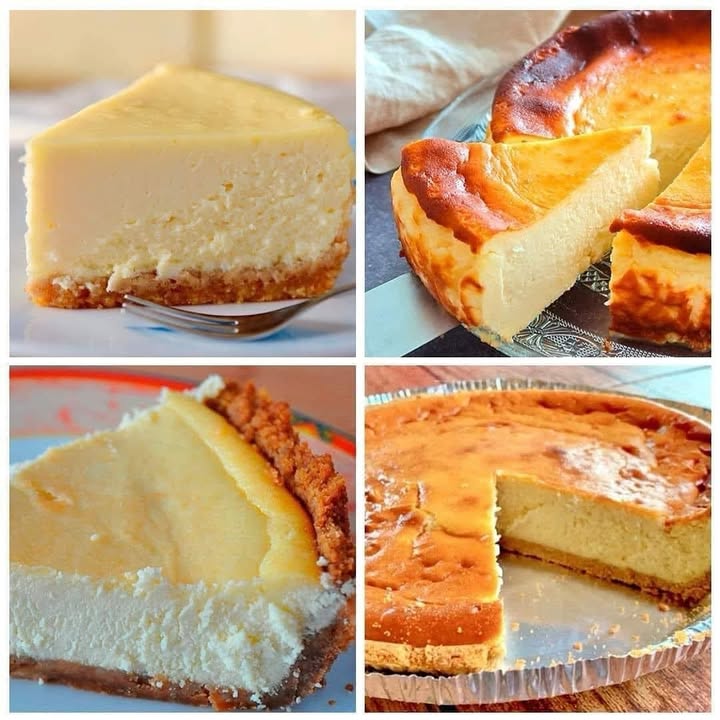
The Ultimate Guide to a Classic Creamy Cheesecake Delight
You know that magic moment when you slide a fork into a perfect slice of cheesecake? That crack of the crust, the gentle give of the filling, and that first creamy, dreamy bite that makes you close your eyes and sigh. That’s exactly what I’m after with this recipe. I’ve made this classic Creamy Cheesecake Delight for birthdays, holidays, and “just because” Tuesdays more times than I can count. It never lets me down, and my family’s happy smiles are the best proof.
A Slice of Cheesecake History
Cheesecake is a tale as old as, well, ancient Greece! Athletes were served a form of it during the first Olympic Games. Our modern, creamy dream owes its existence to the invention of cream cheese in the 1870s. This recipe is firmly in that New York-style tradition—simple, rich, and focused on letting the creamy, tangy flavor of the cheese take center stage. No fancy swirls or layers needed, though I’ll never say no to a fresh berry topping!
Why You’ll Fall in Love With This Cheesecake Recipe
This is the Goldilocks of cheesecakes: just right. It’s incredibly creamy without being heavy, sweet but not cloying, and stunningly simple to make. The secret is in the technique, not a mile-long list of weird ingredients. It uses a classic, foolproof baked method that gives you that satiny-smooth texture we all crave. Once you master this base, you can dress it up a million ways.
Perfect Occasions for Your Creamy Cheesecake Delight
This cheesecake is your secret weapon for any gathering. It’s elegant enough for a holiday dinner table but comforting enough for a backyard BBQ. I love bringing it to potlucks because it travels like a champ and always disappears first. It’s also the perfect “welcome to the neighborhood” gift or a sweet treat to celebrate a promotion. Honestly, any day that ends with this cheesecake is a special occasion.
The Ingredients for Cheesecake Perfection
Let’s gather our simple, high-quality ingredients. Using full-fat products at room temperature is non-negotiable for the best creamy cheesecake texture.
For the Graham Cracker Crust:
- 1 1/2 cups finely crushed graham crackers (about 10-12 full sheets)
- 1/4 cup granulated sugar
- 1/3 cup unsalted butter, melted
For the Filling:
- 900 grams (2 pounds) full-fat cream cheese, softened at room temperature
- 1 cup granulated sugar
- 1 teaspoon pure vanilla extract
- 4 large eggs, at room temperature
- 2/3 cup heavy cream or sour cream
Handy Ingredient Substitutions
Don’t fret if you’re missing something! This recipe is flexible.
- Crust: Use digestive biscuits, vanilla wafers, or even gluten-free graham crackers.
- Cream Cheese: Full-fat Philadelphia-style is best. Don’t use spreads or low-fat versions.
- Heavy Cream: Full-fat sour cream is a fantastic substitute and adds a lovely tang.
- Topping: No fresh fruit? A jar of high-quality cherry pie filling or a simple drizzle of salted caramel works wonders.
Crafting Your Creamy Cheesecake Delight: A Step-by-Step Journey
Follow these steps with care, and you’ll be rewarded with a stunning dessert. Let’s get baking!
Step 1: Preparing the Foundation
First, preheat your oven to 350°F (180°C). Take your graham cracker crumbs and pour them into a bowl. They should smell sweet and dusty. Add the sugar and pour in the warm, golden melted butter. Mix it with a fork until it looks like wet sand and holds together when you pinch it. Press this mixture firmly and evenly into the bottom of a 9-inch springform pan. I use the bottom of a measuring cup to get it nice and flat. Bake this for just 10 minutes until it’s set and fragrant. Let it cool on a rack while you make the filling. Pro tip: Pressing the crust partway up the sides can help prevent cracks!
Step 2: Creating the Dreamy Filling
Now for the star! In a large bowl, beat the room-temperature cream cheese with an electric mixer on medium-low speed. Beat it for a good 2-3 minutes until it’s completely smooth, with no lumps at all. Scrape down the bowl. Add the sugar and vanilla, and beat again until it’s just combined and looks silky. The scent of vanilla and sweet cheese is heavenly. Next, add the eggs one at a time. Beat on low speed after each egg until the yolk disappears, but don’t overbeat! Overbeating incorporates too much air and leads to cracks. Finally, gently stir in the heavy cream until the batter is uniform and gloriously creamy.
Step 3: The Gentle Bake and Cool
Place your springform pan on a baking sheet (this catches any potential butter leaks). Pour the pale, luscious filling over your cooled crust. Gently tap the pan on the counter a few times to release any large air bubbles. Slide it into the center of your preheated oven. Bake for 55-60 minutes. The edge will look puffed and set, but the center should still have a slight wobble—like set Jell-O—when you gently shake the pan. This is key! Turn the oven off, crack the door open just a tiny bit with a wooden spoon, and let the cheesecake cool inside for 1 hour. This slow cooldown is the #1 secret to a crack-free top.
Step 4: The Patience Payoff
After its oven nap, remove the cheesecake and let it cool completely on the counter. This can take another hour or two. Then, and this is the hard part, cover it and refrigerate it for at least 4 hours, but overnight is truly best. This long chill firms up the texture perfectly, making it sliceable and intensifying the flavors. When ready to serve, run a thin knife around the edge, unclasp the springform pan, and transfer your masterpiece to a plate.
Chef’s Secret Tip
For the ultimate insurance against cracks, bake your cheesecake in a water bath. Wrap the outside of your springform pan tightly in heavy-duty foil. Place it in a larger roasting pan and pour hot water into the larger pan until it comes halfway up the side of the springform. The steam creates an incredibly gentle, even baking environment.
Your Cheesecake Timeline
| Activity | Time |
|---|---|
| Prep Work | 20 minutes |
| Baking Time | 55-60 minutes |
| In-Oven Cooling | 1 hour |
| Counter Cooling | 2 hours |
| Chilling Time | 4+ hours (best overnight) |
| Total Time (Hands-off) | About 8+ hours |
Extra Slice of Info
Did you know the iconic New York-style cheesecake is believed to have been created in the 1900s by Arnold Reuben, owner of the legendary Turf Restaurant? His dense, creamy creation set the standard for what a perfect cheesecake should be. Our recipe is a loving homage to that classic.
Necessary Equipment
- 9-inch springform pan
- Electric hand mixer or stand mixer
- Large mixing bowls
- Measuring cups and spoons
- Rubber spatula
- Baking sheet
- Heavy-duty aluminum foil (for water bath method)
Storing Your Creamy Cheesecake Delight
Once served, any leftover cheesecake should be covered tightly with plastic wrap or stored in an airtight container in the refrigerator. It will keep beautifully for up to 5 days. The flavor actually deepens and gets even better on the second day!
For longer storage, cheesecake freezes exceptionally well. Wrap the whole cake or individual slices tightly in plastic wrap, then again in foil. Place them in a freezer bag. It can be frozen for up to 2 months. Thaw overnight in the refrigerator before serving.
Remember to garnish with fresh fruit or sauces just before serving, not before storing. This keeps your crust from getting soggy and your toppings looking their freshest.
Top Tips for Cheesecake Success
- Room Temp is Key: Let your cream cheese and eggs sit out for at least 2 hours. Cold ingredients cause lumps and overmixing.
- Low and Slow Mixing: Always mix on low speed once eggs are added. High speed whips in air bubbles that expand and crack.
- Don’t Peek! Resist opening the oven door during the first 45 minutes of baking. Sudden temperature drops can make the surface fall and crack.
- Use a Sharp Knife: For clean slices, dip a sharp, thin-bladed knife in hot water and wipe it clean between each cut.
Presentation Ideas to Wow Your Guests
Make your cheesecake the star of the table!
- Top with a glossy mixed berry compote just before serving.
- Drizzle with salted caramel and a sprinkle of sea salt flakes.
- Create a simple chocolate ganache drip down the sides.
- Arrange beautiful, fresh strawberry or raspberry fans on top.
- Serve with a dollop of lightly sweetened whipped cream.
Healthier & Fun Cheesecake Variations
Love this base recipe? Try these delicious twists!
- Lemon Zest Delight: Add the zest of 2 lemons to the filling. The bright citrus cuts through the richness beautifully.
- Chocolate Marble Cheesecake: Melt 4 oz of semi-sweet chocolate. Remove 1 cup of plain batter, mix with the chocolate, and dollop it onto the filled pan. Swirl with a knife.
- Pumpkin Spice Cheesecake: Mix 1 cup of pure pumpkin puree and 2 tsp of pumpkin pie spice into the filling. Perfect for fall!
- No-Bake Berry Swirl: For a summer version, use gelatin to set a no-bake filling and swirl in a homemade berry sauce before chilling.
- Mini Cheesecake Bites: Use a muffin tin with liners. Press crust into the bottom, fill 3/4 full, and bake for 18-22 minutes. Great for parties!
- Dairy-Free/Vegan Version: Use vegan cream cheese, coconut cream, and a flax “egg” substitute. The texture will be slightly different but still delicious.
If you’re exploring other elegant, make-ahead dishes, you might also enjoy our sophisticated Crab and Apple Tiramisu appetizer or the stunning, layered flavors of our Seafood Flavor Log. For a vibrant and healthy meal, our Street Corn Chicken Bowl is a reader favorite. And who can resist the quick and delicious crunch of our classic Chicken and Guacamole Tostadas?
Common Mistakes to Avoid for a Perfect Cheesecake Delight
Mistake 1: Using Cold Ingredients Straight From the Fridge
This is the biggest culprit for a lumpy, dense cheesecake. Cold cream cheese doesn’t blend smoothly with sugar and eggs. You end up overbeating to try to get rid of lumps, which adds too much air. This air then escapes during baking, causing the dreaded sinkhole or cracks. Always plan ahead. Take your cream cheese, eggs, and sour cream out at least 2 hours before you start. They should feel cool to the touch, not cold. Practical Tip: In a pinch, you can soften cream cheese in the microwave. Unwrap it, place it on a plate, and microwave on 30% power for 15-second bursts until slightly soft.
Mistake 2: Overbeating the Batter After Adding Eggs
We want a creamy cheesecake, not a fluffy soufflé! Beating the eggs on high speed or for too long incorporates excessive air into the batter. In the oven, these air bubbles expand, puff up the cheesecake, and then collapse as it cools. This leads to a cracked surface and a less dense, creamy texture. Once you add the eggs, switch your mixer to low speed. Mix just until each egg yolk is fully incorporated and you see no yellow streaks. Use a rubber spatula to gently fold in the final ingredients like heavy cream.
Mistake 3: Skipping the Slow Cool-Down Process
Pulling a hot cheesecake straight out of the oven and plopping it on the counter is a shock to its system. The drastic temperature change causes the delicate structure to contract too quickly, almost always resulting in a large crack across the center. The “turn off the oven and crack the door” step is not optional if you want a smooth top. It allows the cheesecake to gradually adjust to the cooling air. If you’re short on time, you can cool it in the oven with the door closed for 30 minutes, then on the rack for another 30, before moving it to the fridge.
Mistake 4: Under-Chilling Before Serving
Impatience is the enemy of good cheesecake! Cutting into a cheesecake that hasn’t fully set is heartbreaking. It will be gooey, messy, and won’t hold its shape. The long chill in the fridge—preferably overnight—is when the magic happens. The proteins in the eggs and cheese fully set, giving you that perfect, sliceable, creamy-yet-firm texture we all love. The flavor also mellows and blends together beautifully. Trust me, waiting is the hardest but most rewarding part.
Frequently Asked Questions
Why did my cheesecake crack on top?
The main reasons for cracks are overbeating the batter (adding too much air), overbaking, or cooling it too quickly. Following the tips for room temperature ingredients, mixing on low after adding eggs, and using the slow cool-down method in the oven will prevent most cracks. Remember, a water bath is the ultimate crack-stopper. And hey, if it does crack, just cover it with a beautiful fruit topping or whipped cream! No one will ever know, and it will taste just as delicious.
Can I use low-fat or whipped cream cheese?
I strongly advise against it for this classic baked recipe. Full-fat, brick-style cream cheese has the right structure and moisture content to set properly. Low-fat versions have more water and gums, which can lead to a soft, sometimes gummy texture that doesn’t bake up right. Whipped cream cheese is full of air, which will deflate and cause texture issues. Stick with the full-fat blocks for the best, creamiest cheesecake delight.
How do I know when the cheesecake is done baking?
Look for the “jiggle test.” At the 55-minute mark, gently shake the oven rack or the side of the springform pan. The outer 2-3 inches of the cheesecake should look set and puffed, while the center (about the size of a lemon) should have a slight, soft wobble. It will look underdone, but it continues to cook from residual heat as it cools in the oven. If the center is liquidy or sloshes, it needs more time. If the whole top is firm and doesn’t move, it’s overbaked.
Do I really need to use a springform pan?
Yes, it’s essential for this type of cheesecake. A springform pan has a clasp that releases the sides, allowing you to easily remove the delicate cake without having to flip it upside down. Trying to get a solid cheesecake out of a regular cake pan is nearly impossible without destroying it. They are an inexpensive investment that you’ll use for years.
Can I freeze cheesecake?
Absolutely! Cheesecake freezes beautifully. Let it chill completely in the fridge first. Then, wrap the whole cake (or individual slices) tightly in plastic wrap, followed by a layer of aluminum foil. Place it in a freezer bag. It will keep for up to 2 months. Thaw it overnight in the refrigerator before serving. This is a great trick for making desserts ahead of time for parties.
What’s the difference between using heavy cream vs. sour cream?
Both work wonderfully. Heavy cream makes the filling slightly richer and a bit more delicate. Sour cream adds a delightful tangy note and can make the texture a touch denser and creamier. I love sour cream in my cheesecakes—it balances the sweetness perfectly. You can use either one in this recipe with fantastic results.
My crust is soggy. How can I prevent that?
A soggy bottom usually means the crust wasn’t baked (or “blind baked”) long enough before adding the filling, or the springform pan leaked butter during baking. Make sure to bake your crust for the full 10 minutes until it’s lightly browned and set. Also, pressing the crust mixture firmly and evenly is key. Placing your springform pan on a baking sheet catches any drips and helps insulate the bottom from direct heat.
How far in advance can I make this cheesecake?
This cheesecake is a fantastic make-ahead dessert. You can bake it 2-3 days before you need it. Keep it covered in the refrigerator until ready to serve. The flavor actually improves after a day or two. Add any fresh fruit or whipped cream toppings just before serving to keep everything looking and tasting fresh.
Can I make this without a mixer?
You can, but it will require some elbow grease. Ensure your cream cheese is very, very soft. Use a sturdy wooden spoon or silicone spatula to vigorously beat and press the cream cheese against the side of the bowl until completely smooth before adding other ingredients. It’s a workout, but it’s possible! A hand mixer or stand mixer is highly recommended for the smoothest, lump-free result.
Is cheesecake gluten-free?
This recipe can easily be made gluten-free! The only ingredient with gluten is the graham cracker crust. Simply substitute with an equal amount of crushed gluten-free graham crackers or gluten-free cookies (like gluten-free shortbread or ginger snaps). Ensure all other ingredients, like vanilla extract, are certified gluten-free. The filling itself is naturally gluten-free.
For those who love baking sweet treats, you can explore many more wonderful ideas in our full collection of dessert recipes. Whether you’re a beginner or a seasoned baker, there’s always a new recipe to try. And if you’re focused on using wholesome ingredients, learning more about the principles of clean eating can inspire you to make simple, healthy swaps in all your cooking.
Your Turn to Create Something Wonderful
There you have it, my friends—everything I’ve learned through years of baking and sharing this classic Creamy Cheesecake Delight. This isn’t just a recipe; it’s a promise of a happy kitchen and a satisfied table. So grab your ingredients, preheat that oven, and get ready for the compliments. The hardest part is waiting for it to chill! I can’t wait for you to experience the joy of slicing into your own perfect, homemade cheesecake. Happy baking!
Creamy Cheesecake Delight
Ingredients
Equipment
Method
- Preheat your oven to 350°F (180°C).
- In a bowl, combine graham cracker crumbs, sugar, and melted butter, mixing until it resembles wet sand.
- Press the mixture firmly into the bottom of a 9-inch springform pan and bake for 10 minutes; let cool.
- In a large bowl, beat the cream cheese until smooth, then add sugar and vanilla and mix until combined.
- Add eggs one at a time, beating on low speed until each is just incorporated, then gently stir in the heavy cream until smooth.
- Pour the filling over the cooled crust and gently tap the pan to release air bubbles.
- Bake for 55-60 minutes, until the edges are set, and the center has a slight wobble.
- Turn off the oven and crack the door slightly, letting the cheesecake cool in the oven for 1 hour.
- Remove from the oven and let it cool completely on a counter for another hour or two.
- Cover and refrigerate for at least 4 hours, preferably overnight, before serving.