
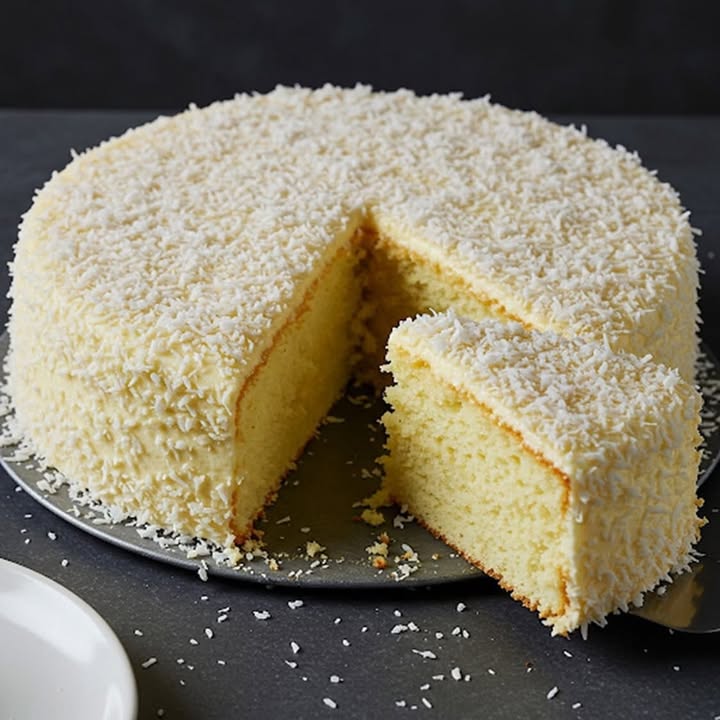
A Slice of Sunshine in Every Bite
Have you ever wanted a hug from a cake? I swear this Creamy Coconut Cake feels just like that. It was a happy accident—a rainy Sunday, half a can of coconut milk left from a curry, and a serious need for something sweet. The result was magic. This dessert is so soft, creamy, and comforting it practically whispers sweet nothings with every forkful. It’s become my go-to treat for everything from book club to “I-survived-laundry-day” celebrations.
From Tropical Beats to Your Baking Sheets
Coconut cakes have roots in tropical kitchens everywhere, where the bounty of the coconut palm is a gift. My version is a simple, homey take on those traditions. It’s not a fancy layer cake but a humble, creamy milk cake that gets its incredible texture from a blend of milks. Think of it as the lovechild of a classic tres leches cake and a rich custard. The coconut milk isn’t overpowering; it just adds a whisper of island flavor that makes your regular coffee cake pack its bags and move to the beach.
Why This Creamy Coconut Cake Recipe is a Keeper
You’ll fall for this recipe because it’s ridiculously easy and impossibly delicious. The batter comes together in a blender—hello, easy clean-up! No creaming butter and sugar for ages. You just whizz everything into a silky smooth batter and pour. It bakes up with a golden top and a luxuriously soft, pudding-like center. It’s a one-bowl (well, blender) wonder that promises maximum reward for minimal effort. Even my friend Karen, who once burned water, nailed this on her first try.
When to Serve Your Creamy Creation
This cake is the ultimate social butterfly. It’s perfect for a casual brunch, bringing a taste of comfort to a potluck, or as a quiet afternoon treat with a cup of tea. I love serving it after a spicy dinner—the creamy coconut is so soothing. It’s also a superstar for birthdays when you want something different from the usual chocolate or vanilla. Just add some toasted coconut flakes on top, and you have a celebration!
Gathering Your Ingredients
Here’s what you’ll need for this simple, stunning cake:
- 395 g (1 can) sweetened condensed milk
- 250 ml (1 cup) of whole milk
- 250 ml (1 cup) of coconut milk (canned, full-fat is best!)
- 130 g (1 cup) of all-purpose wheat flour
- 100 g (½ cup) of granulated sugar
- 3 large eggs
- 45 g (3 tablespoons) of melted butter, plus extra for greasing
Smart Swaps: Make It Your Own
Don’t have something? No panic! This cake is forgiving.
- Milks: You can use 2% milk, but whole milk makes it richer. For a dairy-free version, try almond or oat milk mixed with a dairy-free condensed milk alternative.
- Flour: A 1-to-1 gluten-free flour blend works perfectly here.
- Sugar: You can reduce the sugar slightly since the condensed milk is sweet, but I wouldn’t skip it entirely.
Let’s Make Some Magic: Creamy Coconut Cake Steps
Step 1: Fire Up the Oven
First things first, preheat your oven to 180°C (350°F). This gives it time to reach the perfect, steady temperature for baking. While it warms up, find your favorite loaf pan or an 8-inch square baking dish. There’s something wonderful about the ritual of preparing to bake—it sets the stage for the deliciousness to come.
Step 2: The One-Minute Batter
Here’s the best part. Grab your blender! Pour in the condensed milk, whole milk, and coconut milk. Crack in the eggs, add the sugar, flour, and melted butter. Put the lid on firmly and blend for about 60 seconds. You’re looking for a completely smooth, pale, and creamy liquid with no floury lumps. You’ll hear the sound change as it all comes together. Pro tip: If you don’t have a blender, a large bowl and a whisk will work—just make sure to whisk vigorously until perfectly smooth.
Step 3: Prep the Pan
Take your chosen baking pan and grease it lightly with a bit of extra melted butter or a non-stick spray. For extra insurance, you can line it with a strip of parchment paper, leaving an overhang on two sides. This makes it a breeze to lift the cake out later. A well-prepped pan is the secret to a beautiful, unmolded cake that doesn’t stick.
Step 4: Bake to Golden Perfection
Carefully pour that luscious batter into your prepared pan. It will be quite liquid—that’s exactly right! Slide it into your preheated oven. Now, the hardest part: waiting. Bake for 40 to 50 minutes. You’ll know it’s done when the top is a beautiful, even golden brown and the edges pull away from the pan slightly. The real test? A toothpick or skewer inserted into the center should come out clean. Chef’s tip: Avoid opening the oven door too early, as it can cause the delicate cake to fall.
Step 5: The Crucial Cooldown
This step is non-negotiable for the perfect creamy texture. Once baked, take the cake out and let it cool completely in the pan on a wire rack. I know it’s tempting to dig in right away, but patience is key here. As it cools, the cake finishes setting and absorbs all the lovely moisture from the milks. This results in that signature soft, almost melt-in-your-mouth crumb. Only after it’s fully cool should you run a knife around the edges and unmold it.
Timing Your Tropical Treat
Here’s a quick look at your timeline:
- Prep Time: 10 minutes
- Cook Time: 45 minutes
- Cooling Time: 2 hours
- Total Time: 2 hours 55 minutes
The Chef’s Secret: Room Temperature is Key
My secret trick? Make sure your eggs and milks aren’t stone-cold from the fridge. Let them sit on the counter for about 20-30 minutes before blending. Room-temperature ingredients blend together more smoothly and evenly, which helps the cake bake with a consistent, gorgeous texture without any odd, dense spots. It’s a small step that makes a big difference!
A Little Story About Coconut
Did you know the coconut is called the “tree of life” in many cultures? It’s not just for piña coladas! Every part of the tree is useful. We’re using the creamy milk from its white flesh. That rich, tropical flavor has been brightening dishes—both savory and sweet—for centuries. Adding it to this cake feels like adding a little drop of sunshine.
Tools You’ll Need
You don’t need fancy gear for this one. Just gather:
- A blender (or a large bowl and strong whisk)
- A loaf pan or 8-inch square baking dish
- A rubber spatula
- A wire cooling rack
- Measuring cups and spoons
Storing Your Creamy Coconut Cake
Once completely cool, you can store this cake covered at room temperature for a day. But because it’s so moist and creamy, I prefer to keep it in the refrigerator.
Place it in an airtight container or cover the baking dish tightly with plastic wrap. In the fridge, it will stay fresh and delicious for up to 4-5 days. The cool temperature actually makes the texture even more delightfully dense and pudding-like.
You can also freeze individual slices for a sweet treat later. Wrap slices tightly in plastic wrap and then in foil. They’ll keep for up to 2 months. Just thaw in the fridge overnight before serving.
My Best Tips for a Perfect Cake Every Time
- Use full-fat coconut milk for the creamiest result. Shake the can well before opening!
- Don’t over-blend. Once the batter is smooth, stop. You don’t want to incorporate too much air.
- Let the cake cool in the pan. This prevents it from collapsing and helps the structure set.
- For an extra touch, brush the top with a little honey or sprinkle with toasted coconut after baking.
Making It Look as Good as It Tastes
Presentation is fun! Try these ideas:
- Dust the top with a snowy layer of powdered sugar right before serving.
- Top with a dollop of lightly sweetened whipped cream and a sprinkle of cinnamon.
- Serve with a side of fresh berries like raspberries or mango slices for a pop of color.
- Cut into neat squares or elegant slices for a more polished look.
Love This? Try These Healthier Twists!
Want to lighten things up? This recipe is a fantastic base for experimentation.
- Lower-Sugar Version: Use a reduced-sugar condensed milk and cut the added sugar in half. The coconut milk’s natural sweetness shines through.
- Whole Wheat Wonder: Swap the all-purpose flour for whole wheat pastry flour. It adds a nutty flavor and extra fiber.
- Vegan Creamy Dream: Use vegan condensed milk (you can make your own with coconut cream and sugar), plant-based milk, a flax egg, and vegan butter.
- Protein-Packed Cake: Replace ¼ cup of the flour with your favorite vanilla or unflavored protein powder for a post-workout treat.
- Zesty Lemon Coconut: Add the zest of one lemon to the batter. The bright citrus cuts through the richness beautifully.
- Chocolate Swirl: Take ½ cup of the batter and mix in 2 tbsp of cocoa powder. Swirl it into the main batter before baking for a marbled effect.
Need More Dessert Inspiration?
If you adore this kind of comforting, crowd-pleasing dessert, you have to explore our whole collection of sweet finishes. For instance, if you love layered textures, the Irresistible Greek Baklava with its flaky phyllo and honey syrup is a must-try. For a fun, handheld treat, these gooey S’mores Cookie Cups are always a hit. And when fall rolls around, nothing beats the cozy warmth of a Caramel Apple Pecan Cobbler. For another simple cake that fills your home with an amazing aroma, my Fluffy Cinnamon and Honey Cake is pure bliss.
Common Mistakes to Avoid
Mistake 1: Using Cold Ingredients Straight from the Fridge
This is the most common oversight. Blending cold eggs and milk with melted butter can cause the butter to solidify into little lumps. This leads to an uneven batter and can affect how the cake sets while baking. The result might be a denser, less creamy texture. Always let your refrigerated ingredients sit out for a short while to take the chill off before you start blending.
Mistake 2: Not Letting the Cake Cool Completely
I know the smell is incredible and the anticipation is killer. But unmolding or cutting into this cake while it’s still warm is a recipe for disaster. The structure is very delicate and custard-like until it fully sets. If you try to move it too soon, it can collapse or tear. Trust me, it’s worth the wait. Let it cool on a rack until the pan feels cool to the touch.
Mistake 3: Overbaking or Underbaking
Because this is a creamy milk cake, the doneness signs are slightly different than a standard sponge cake. Underbaking leaves the center too wet and jiggly. Overbaking dries it out and you lose that lovely moist texture. The sweet spot is a golden top, set edges, and a clean toothpick test. Ovens vary, so start checking at 40 minutes. If the top is browning too fast, you can loosely tent it with foil.
Mistake 4: Skipping the Pan Prep
Just greasing the pan sometimes isn’t enough for such a tender cake. It can still stick in the corners, making for a messy presentation. Taking an extra 30 seconds to line your pan with parchment paper (especially for a loaf pan) is a game-changer. You’ll get perfect, clean slices every single time without any stress.
A Note on Nourishment and Joy
While desserts like this creamy cake are treats for the soul, I always believe in balance. Baking at home allows you to control the quality of your ingredients, which is a wonderful step toward eating well. Enjoying a slice of something you made with love, alongside a good cup of tea, is one of life’s simple, wholesome pleasures.
This wonderfully versatile Creamy Coconut Cake is just one example of the many delightful treats you can master. For more ideas that will satisfy any sweet tooth, be sure to browse our full archive of delectable dessert recipes.
Your Creamy Coconut Cake Questions, Answered
Can I make this cake ahead of time?
Absolutely! In fact, I often think it tastes even better the next day. The flavors have more time to meld, and the texture becomes even more luxuriously creamy and uniform. You can bake it up to two days in advance. Just be sure to cool it completely, then store it covered in the refrigerator. Take it out about 30 minutes before serving to take the chill off, or enjoy it cold right from the fridge—it’s delicious both ways.
Why did my cake sink in the middle?
A sunken center usually points to two issues. First, the cake might have been underbaked. The center hadn’t set enough to hold its structure once it started cooling. Second, opening the oven door too often or too early during baking can let in a rush of cool air, causing the cake to fall. Make sure your oven is fully preheated and use the oven light to check on progress instead of opening the door until the last 10 minutes of the suggested bake time.
Can I use light coconut milk?
You can, but you’ll get a less rich and creamy result. Full-fat canned coconut milk provides the essential fat and body that gives this cake its signature lush, moist texture. The light version has more water and less coconut cream. If it’s all you have, it will still work, but the cake might be slightly less tender and a bit more dense. For the best experience, stick with the full-fat kind.
How do I know when the cake is perfectly done?
Look for three key signs. First, the top should be a uniform, light golden brown all over. Second, the edges will start to pull away very slightly from the sides of the pan. Third, and most importantly, perform the toothpick test. Insert a toothpick or a thin skewer into the center of the cake. It should come out clean, with no wet batter clinging to it. A few moist crumbs are okay, but it should not be wet or gooey.
My batter seems very thin, is that normal?
Yes, that’s completely normal! This is meant to be a very liquid batter, almost like a thick pancake batter or a custard. Don’t be tempted to add more flour. That thin consistency is what allows the cake to bake up with its unique, soft, and creamy interior. It will thicken and set beautifully as it bakes, thanks to the eggs and flour doing their job in the oven’s heat.
Can I add other flavors to this cake?
Of course! This recipe is a fantastic canvas. You could add a teaspoon of pure vanilla extract or almond extract to the blender. For a citrus twist, add the zest of a lime or an orange. A half teaspoon of ground cardamom or nutmeg would add a lovely warm spice note. You could even fold in a handful of shredded coconut or mini chocolate chips into the batter before pouring it into the pan. Get creative!
What’s the best way to cut this cake cleanly?
Because it’s so soft, a sharp, thin-bladed knife is your best friend. For the cleanest slices, run the knife under very hot water and wipe it dry before each cut. The heat helps the knife glide through the creamy crumb without tearing or sticking. This trick works wonders for getting those perfect, beautiful pieces for serving.
Is this cake similar to a tres leches cake?
They are cousins in the creamy cake family! Both are incredibly moist and rich. The main difference is in the method. A traditional tres leches cake is usually a sponge cake that is poked and soaked with a mixture of three milks after baking. This Creamy Coconut Cake has all the milks baked right into the batter from the start. So, you get that same luxurious, saturated texture without the extra step of pouring milk over it later. It’s a simpler, all-in-one process.
Can I freeze leftovers?
You sure can! The cake freezes remarkably well. First, make sure it is completely cooled. Then, slice it into portions. Wrap each slice tightly in plastic wrap, and then place the wrapped slices in a freezer bag or an airtight container. They will keep well for up to 2 months. To serve, just thaw a slice overnight in the refrigerator or for a few hours on the counter.
What should I serve with this cake?
This cake is delightful all on its own. But if you want to dress it up, a little freshly whipped cream is a classic pairing. A scoop of vanilla ice cream turns it into a decadent dessert. For a fresh contrast, a handful of tart berries like raspberries or strawberries works wonderfully. And of course, a hot cup of coffee or a fragrant tea is the ultimate companion for a cozy slice of this creamy delight.
The Last Sweet Slice
So there you have it. My beloved, no-fuss Creamy Coconut Cake. It’s proof that the best recipes don’t need to be complicated. They just need to be made with a bit of joy and a yearning for something sweet. I hope this cake finds its way into your kitchen and becomes a cherished recipe in your own collection. Now, go preheat that oven and get blending. Your own slice of creamy, coconutty happiness is just about an hour away.
Creamy Coconut Cake
Ingredients
Equipment
Method
- Preheat your oven to 180°C (350°F).
- In a blender, combine the sweetened condensed milk, whole milk, coconut milk, eggs, sugar, flour, and melted butter.
- Blend for about 60 seconds until the mixture is smooth and creamy.
- Lightly grease your baking pan with melted butter or non-stick spray, optionally lining it with parchment paper.
- Pour the batter into the prepared pan and bake for 40 to 50 minutes until golden brown and a toothpick comes out clean.
- Let the cake cool completely in the pan on a wire rack before unmolding.