
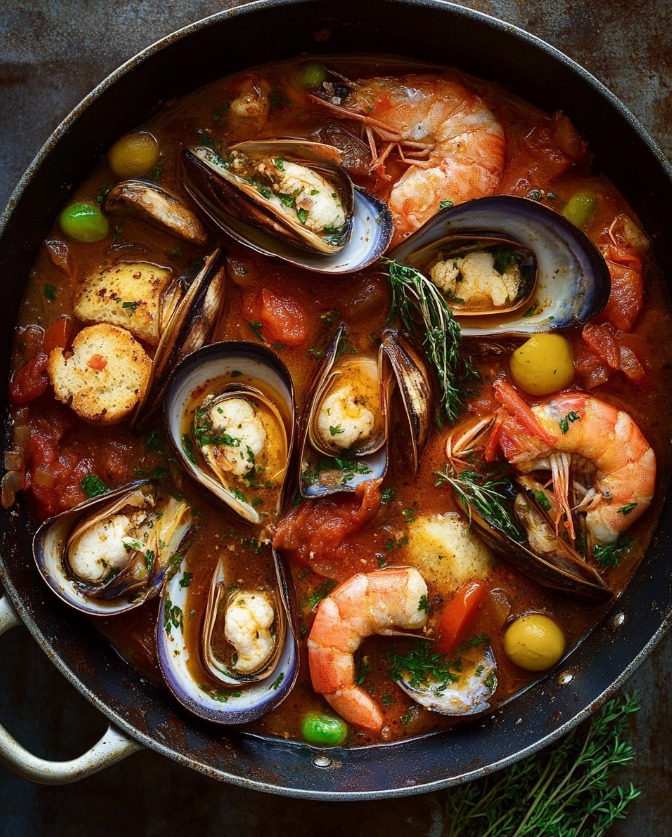
Why This Fisherman’s Fish Stew is a Game Changer
There’s something magical about a bowl of steaming hot Fisherman’s Fish Stew, also known as Cioppino or Ragoût de Poisson du Pêcheur. Imagine this: you’re sitting by the fire on a chilly evening, and the aroma of garlic, fresh seafood, and herbs fills the air. That’s exactly what happened when I first made this dish for my family last winter. Everyone gathered around the table, slurping up every spoonful of this rich, flavorful stew. It’s not just food—it’s an experience. And today, I’m sharing my secrets to making it unforgettable.
A Little History Behind Fisherman’s Fish Stew
Fisherman’s Fish Stew has its roots in coastal fishing communities. The Italian-American version, Cioppino, hails from San Francisco, where fishermen tossed their daily catch into a pot with tomatoes and wine. Meanwhile, the French Ragoût de Poisson draws inspiration from Provence, using Mediterranean flavors like fennel and thyme. Both versions are hearty, comforting, and perfect for showcasing fresh seafood. When I tested this recipe, I combined elements from both traditions, adding a touch of fresh tarragon at the end for a unique twist. Trust me, it works wonders!
Why You’ll Fall in Love with This Recipe
This stew is a symphony of flavors—briny clams, tender shrimp, and succulent squid all swim in a rich tomato-based broth infused with fennel, garlic, and white wine. The best part? It’s surprisingly easy to make. Even if you’re not a seafood pro, this dish will make you feel like one. Plus, it’s versatile. You can adjust the spice level, swap ingredients, or even make it ahead of time. Whether you’re cooking for two or hosting a dinner party, this stew is sure to impress.
Perfect Occasions to Whip Up This Stew
Fisherman’s Fish Stew is perfect for cozy family dinners, romantic date nights, or casual get-togethers with friends. I love serving it during the holidays when everyone craves something warm and comforting. It’s also a great dish to bring to potlucks because it’s unique yet universally loved. Pair it with crusty bread or a simple green salad, and you’ve got yourself a meal that feels fancy but doesn’t require hours in the kitchen.
Ingredients You’ll Need
- 3 tablespoons olive oil
- 1 fennel bulb, thinly sliced
- 1 onion, chopped
- 3 large shallots, chopped
- ½ cup celery, finely chopped
- 1 teaspoon fennel seeds
- 2 teaspoons salt
- 2 garlic cloves, finely chopped
- 1 teaspoon crushed red pepper flakes
- 2 tablespoons tomato paste
- 1 cup dry white wine
- 1 can diced tomatoes (about 800g)
- 6 cups fish stock (homemade or store-bought)
- 1 bay leaf
- 1 ear of corn, kernels removed (or 1 cup frozen corn)
- 675g littleneck clams, cleaned
- 450g raw shrimp, peeled and deveined
- 340-450g cleaned squid, cut into rings
- Fresh tarragon leaves for garnish
Substitution Options
No fennel? No problem! Swap it with leeks or celery for a similar texture. If you can’t find littleneck clams, use mussels or scallops instead. For a non-alcoholic version, replace the white wine with extra fish stock or a splash of apple cider vinegar. Fresh tarragon not available? Dill or parsley works just as well. This recipe is forgiving, so feel free to experiment based on what’s in your pantry.
Step 1: Sauté the Aromatics
Heat the olive oil in a large pot over medium heat. Add the fennel, onion, shallots, celery, fennel seeds, and salt. Cook until the onion turns translucent, about 8-10 minutes. The kitchen will start smelling amazing as the fennel softens and releases its sweet, anise-like fragrance. Pro tip: Don’t rush this step. Slowly caramelizing the vegetables builds depth in your stew.
Step 2: Add Garlic and Spice
Toss in the garlic and red pepper flakes, stirring for 2 minutes until fragrant. Then, stir in the tomato paste and cook for another minute. This step intensifies the flavors, giving your stew a rich, savory base. Chef’s tip: Toasting the tomato paste briefly enhances its natural sweetness.
Step 3: Deglaze with Wine
Pour in the white wine and let it simmer for 2 minutes to reduce slightly. The sharp tang of the wine balances the sweetness of the tomatoes you’ll add next. Imagine the steam rising, carrying hints of ocean and vineyards. It’s almost poetic!
Step 4: Build the Broth
Add the canned tomatoes, fish stock, and bay leaf. Bring the mixture to a boil, then lower the heat and let it simmer for 30 minutes. This resting period allows the flavors to meld together beautifully. Picture the vibrant red broth bubbling gently, filling your home with warmth.
Step 5: Cook the Seafood
Stir in the corn and clams, covering the pot to let the clams open up, about 5 minutes. Next, add the shrimp and squid, cooking until the seafood is just done. Be careful not to overcook—the shrimp should be pink and firm, while the squid remains tender. Discard any clams that stay closed. Pro tip: Timing is key here; keep an eye on the seafood to avoid rubbery textures.
Step 6: Final Touches
Season the stew with additional salt, pepper, or red pepper flakes to taste. Ladle the stew into bowls and sprinkle fresh tarragon on top. Serve with warm bread for dipping. The contrast of the bright green tarragon against the deep red broth is stunning—and oh-so-delicious.
Timing Breakdown
- Prep Time: 20 minutes
- Cook Time: 55 minutes
- Total Time: 1 hour and 15 minutes
- Servings: 6 people
Chef’s Secret
Here’s a little trick: save the corn cob after removing the kernels. Toss it into the broth while it simmers to infuse a subtle sweetness. Remove it before serving. Your guests won’t know why it tastes so good—they’ll just ask for seconds!
Fun Fact About Fennel
Fennel has been used since ancient times for its medicinal properties. Not only does it aid digestion, but its licorice-like flavor pairs beautifully with seafood. Fun fact: Roman gladiators chewed fennel seeds to boost their strength. Who knew?
Necessary Equipment
- Large pot or Dutch oven
- Wooden spoon
- Sharp knife and cutting board
- Ladle
- Bowls for serving
Storage Tips
To store leftovers, let the stew cool completely before transferring it to an airtight container. It keeps well in the fridge for up to 3 days. Reheat gently on the stove, adding a splash of fish stock to loosen the broth if needed.
If freezing, omit the shrimp and squid before storing, as they can become mushy upon thawing. Freeze the base separately for up to 3 months. When ready to eat, thaw overnight in the fridge and add fresh seafood during reheating.
For longer storage, divide the stew into individual portions. This way, you can grab a quick, gourmet meal anytime without reheating the entire batch.
Tips and Advice
- Use the freshest seafood possible for the best results.
- Don’t overcrowd the pot when cooking the seafood—it cooks unevenly otherwise.
- Taste as you go. Adjust seasoning gradually to suit your preferences.
Presentation Ideas
- Garnish with lemon wedges for a pop of color and acidity.
- Serve in shallow bowls with a drizzle of olive oil on top.
- Pair with a crisp white wine for a complete dining experience.
Healthier Alternatives
Looking to lighten up this dish? Here are six variations:
- Low-Sodium Version: Use low-sodium fish stock and omit added salt.
- Vegetarian Option: Replace seafood with mushrooms and chickpeas.
- Keto-Friendly: Skip the corn and serve with cauliflower rice.
- Gluten-Free: Ensure your fish stock is gluten-free and serve with GF bread.
- Spicy Kick: Double the red pepper flakes for extra heat.
- Herbaceous Twist: Add fresh basil or parsley instead of tarragon.
Mistake 1: Overcooking the Seafood
Overcooked shrimp and squid turn rubbery, ruining the texture of your stew. This happens when they’re left in the pot too long. To avoid this, add them towards the end of cooking and remove them as soon as they’re opaque. Pro tip: Set a timer to ensure precision.
Mistake 2: Skipping the Wine
Some folks skip the wine thinking it’s optional, but it adds acidity and complexity. Without it, the stew may taste flat. If you prefer not to use alcohol, substitute with a splash of vinegar or citrus juice.
Mistake 3: Using Old Seafood
Freshness matters! Old or improperly stored seafood can spoil the entire dish. Always buy from reputable sources and check expiration dates. Practical tip: Smell your seafood—if it smells off, don’t use it.
FAQs
What is Fisherman’s Fish Stew?
Fisherman’s Fish Stew, or Cioppino, is a hearty seafood dish originating from coastal fishing communities. It combines fresh fish, shellfish, and aromatics in a flavorful tomato-based broth. Perfect for seafood lovers!
Can I make this stew vegetarian?
Absolutely! Swap the seafood with hearty veggies like mushrooms, zucchini, and artichokes. Use vegetable stock instead of fish stock for a plant-based version.
How do I choose the right fish stock?
Look for high-quality fish stock, preferably low-sodium. If making your own, simmer fish bones, carrots, onions, and herbs for a homemade alternative.
Is this stew spicy?
It has a mild kick thanks to red pepper flakes, but you can adjust the spice level to your liking. Add more flakes for heat or omit them entirely.
Can I freeze this stew?
Yes, but leave out the shrimp and squid before freezing. Thaw and reheat the base, then add fresh seafood when reheating.
What type of bread goes best with this stew?
Crusty baguette or sourdough bread works wonders for soaking up the delicious broth. Grill it lightly for added texture.
Do I need special tools to prepare this dish?
No fancy gadgets required—a large pot, wooden spoon, and sharp knife are all you need. Keep it simple!
How long does the stew last in the fridge?
Stored properly, it lasts up to 3 days. Reheat gently to preserve the seafood’s texture.
Can I use frozen seafood?
Yes, but thaw it completely before cooking. Pat it dry to prevent excess moisture from diluting the broth.
What makes this stew different from bouillabaisse?
While both are seafood stews, bouillabaisse uses saffron and a variety of fish, whereas Fisherman’s Fish Stew focuses on shellfish and tomatoes.
Final Thoughts
Fisherman’s Fish Stew is more than just a recipe—it’s a celebration of fresh ingredients and bold flavors. Whether you’re a seasoned chef or a beginner, this dish invites you to play, experiment, and enjoy. So grab your apron, gather your loved ones, and dive into the magic of this timeless classic. Bon appétit!
Fisherman’s Fish Stew
Ingredients
Equipment
Method
- Heat the olive oil in a large pot over medium heat.
- Add the fennel, onion, shallots, celery, fennel seeds, and salt; cook until the onion turns translucent, about 8-10 minutes.
- Add garlic and red pepper flakes; stir for 2 minutes until fragrant.
- Stir in the tomato paste and cook for another minute.
- Pour in the white wine and let it simmer for 2 minutes.
- Add the canned tomatoes, fish stock, and bay leaf; bring to a boil, then simmer for 30 minutes.
- Stir in the corn and clams, covering the pot for about 5 minutes to let the clams open.
- Add the shrimp and squid, cooking until just done.
- Season with additional salt, pepper, or red pepper flakes to taste.
- Ladle the stew into bowls and sprinkle with fresh tarragon. Serve with warm bread.