
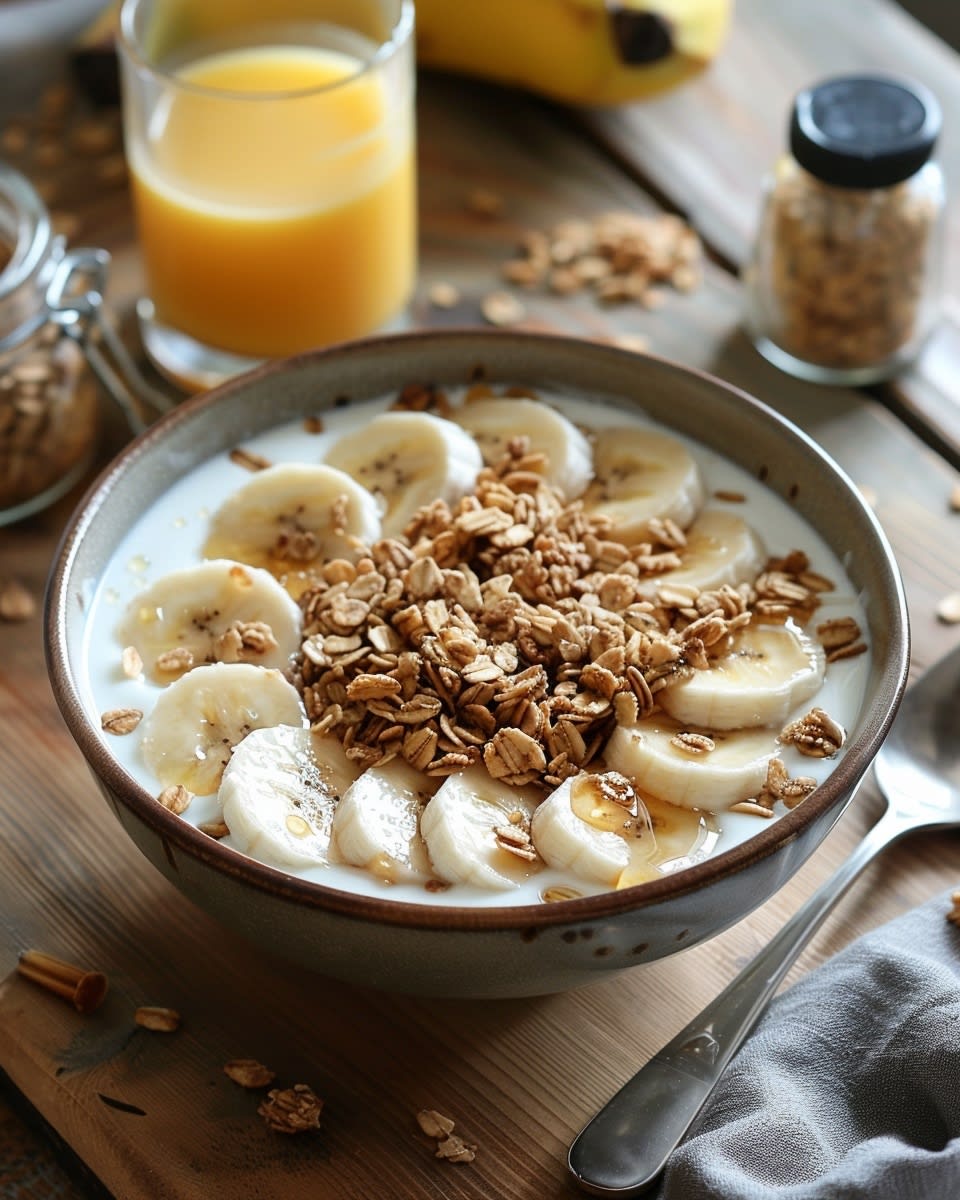
My Love for Greek Yogurt Protein Breakfast
I’ll never forget the morning I discovered that my usual breakfast was leaving me starving by 10 AM. I’d eat a bagel or some cereal, feel satisfied for about an hour, then spend the rest of the morning dreaming about lunch. It was frustrating and made focusing on work nearly impossible. That’s when I switched to a Greek yogurt protein breakfast, and honestly, it changed everything. No more mid-morning crashes or desperate snack runs. Just steady energy that lasted until lunchtime.
Now I’m excited to share why this simple breakfast has become my go-to meal. Whether you’re trying to lose weight, build muscle, or just want to feel fuller longer, Greek yogurt might be exactly what your morning routine needs.
Why Greek Yogurt for Breakfast Works So Well
Greek yogurt isn’t just regular yogurt that got a fancy name. The straining process removes most of the liquid whey, which concentrates the protein and creates that thick, creamy texture we all love. A single cup of plain Greek yogurt packs around 15-20 grams of protein. That’s about the same amount you’d get from eating two or three eggs.
This high protein content makes a huge difference in how you feel throughout the morning. Protein takes longer to digest than carbs, which means your stomach stays satisfied for hours. I used to think I needed a huge breakfast to feel full, but a simple yogurt breakfast bowl keeps me going strong until noon.
Greek yogurt also contains probiotics that support your gut health. These helpful bacteria aid digestion and may even boost your immune system. Plus, you’re getting calcium for strong bones and B vitamins for energy production. It’s like a nutritional powerhouse hiding in a plain white container.
Greek Yogurt for Breakfast to Lose Weight
Let me be honest about weight loss. There’s no magic food that melts fat away while you sleep. But greek yogurt for breakfast to lose weight can definitely support your goals in several smart ways.
First, that protein I mentioned earlier does more than keep you full. It actually requires more energy to digest than carbs or fat. Your body burns extra calories just processing the protein. Small bonus, but it adds up over time.
Second, when you start your day with protein, you’re less likely to reach for sugary snacks later. I used to grab donuts from the break room around 10 AM because I was so hungry. Now those donuts don’t even tempt me. My blood sugar stays stable, and my cravings stay quiet.
Greek yogurt is also incredibly low in calories for how filling it is. Plain, non-fat Greek yogurt has only about 100 calories per cup. Compare that to a typical breakfast muffin at 400+ calories, and you can see why this swap helps with yogurt breakfast weight loss.
Here’s what makes Greek yogurt especially good for weight loss:
- High protein content reduces hunger and cravings
- Low in calories but very satisfying
- Helps maintain muscle mass while losing fat
- Stabilizes blood sugar levels throughout the morning
- Easy to portion control
Building Muscle and Recovery with Greek Yogurt
If you work out in the morning or hit the gym before work, Greek yogurt becomes even more valuable. Your muscles need protein to repair and grow after exercise. Having a Greek yogurt protein breakfast right after your workout gives your body exactly what it needs.
I started eating Greek yogurt after my morning runs, and I noticed I wasn’t as sore the next day. The protein helps repair those tiny tears in your muscle fibers that happen during exercise. This repair process is what makes you stronger over time.
Greek yogurt contains both whey and casein proteins. Whey gets absorbed quickly, giving your muscles immediate fuel. Casein digests slowly, providing a steady supply of amino acids for hours. It’s like having both fast-acting and time-release protein in one bowl.
The calcium in Greek yogurt also plays a role in muscle function. Your muscles need calcium to contract properly during workouts. Getting enough calcium may even help your body burn fat more effectively.
Choosing the Best Greek Yogurt for Your Breakfast
Not all Greek yogurt is created equal. I learned this the hard way after buying what I thought was a healthy option, only to discover it had more sugar than a candy bar. Here’s what to look for when shopping.
Always check the ingredient list first. The best Greek yogurt has just two ingredients: milk and live active cultures. That’s it. If you see a long list of additives, thickeners, or artificial sweeteners, put it back.
Plain Greek yogurt is your best bet. Flavored versions often contain 15-20 grams of added sugar per serving. You can add your own natural sweetness with fresh fruit or a drizzle of honey. This way, you control exactly how much sugar goes into your breakfast.
Full-fat, low-fat, or non-fat? This depends on your goals. Full-fat Greek yogurt tastes richer and keeps you fuller longer. Low-fat or non-fat versions have fewer calories, which helps if you’re watching your weight. I rotate between them based on what else I’m eating that day.
Here’s a quick guide to selecting quality Greek yogurt:
- Protein content: Aim for at least 15 grams per serving
- Sugar content: Under 10 grams total, with zero added sugars
- Ingredient list: Shorter is better
- Live cultures: Look for this phrase on the label
- Texture: Should be thick and creamy, not watery
Store brands often work just as well as expensive ones. I’ve done taste tests with friends, and we honestly couldn’t tell much difference between the $2 container and the $6 one. Check the nutrition labels and save your money for good toppings instead.
Making Your Greek Yogurt Breakfast Exciting
Eating plain yogurt every single day gets boring fast. Trust me, I tried it for two weeks and almost gave up. The secret to sticking with your greek yogurt breakfast ideas for weight loss is variety.
Think of Greek yogurt as a blank canvas. You can go sweet with berries and honey, or savory with cucumber and herbs. I’ve had Greek yogurt that tasted like dessert and Greek yogurt that felt like a fancy Mediterranean lunch.
The best nuts for greek yogurt add crunch and healthy fats. Almonds, walnuts, and pecans are my favorites. I buy them raw and toast them lightly in a pan. This brings out their flavor and makes even a simple breakfast yogurt and granola bowl taste special.
Granola works great for texture, but watch the serving size. Many granolas are packed with sugar and calories. I measure out a quarter cup instead of just pouring freely. You still get that satisfying crunch without overdoing it.
Fresh fruit brings natural sweetness and extra fiber. Berries are perfect because they’re low in sugar but high in antioxidants. Sliced banana adds creaminess. Diced apple gives a nice crisp bite. I change my fruit based on what’s in season and on sale.
Here are some of my favorite yogurt topping recipe combinations:
- Blueberries, sliced almonds, and a drizzle of honey
- Banana, walnuts, cinnamon, and a sprinkle of dark chocolate chips
- Strawberries, granola, and chia seeds
- Peaches, pecans, and a dash of vanilla extract
- Mixed berries with hemp seeds and coconut flakes
Don’t forget about spices and extracts. A pinch of cinnamon, a drop of vanilla, or some cocoa powder can completely transform your breakfast. These add tons of flavor without any calories or sugar.


Greek Yogurt Breakfast Bowl Recipes That’ll Make You Excited to Wake Up
Now that you know what toppings work well, let me show you how to actually build these bowls from scratch. I’m talking about yogurt breakfast bowl recipes that look like they came from a fancy café but take about three minutes to make in your kitchen.
The foundation of any great bowl starts with about one cup of Greek yogurt. I spoon it right into the center of my bowl and spread it out a bit. Some people like to keep it piled high in the middle, which honestly looks prettier for photos. Do whatever makes you happy.
Here’s the thing about building breakfast bowls. There’s no wrong way to do it, but there is a method that makes each bite more interesting. I learned this after eating way too many boring bowls where all the good stuff sank to the bottom.
For a classic breakfast yogurt and granola bowl, I start with my yogurt base, then add about a third cup of granola around the edges. This keeps it crunchy longer since it’s not sitting directly in the yogurt getting soggy. Then I arrange fresh berries on top. Blueberries, sliced strawberries, maybe some raspberries if I’m feeling fancy. A light drizzle of honey across everything ties it together.
The texture game gets even better when you think about temperature contrasts. I sometimes freeze my berries the night before. When you put frozen blueberries on Greek yogurt, they create these little pockets of cold sweetness that slowly thaw as you eat. It’s like having tiny fruit ice cubes in your breakfast.
When it comes to the best cereal to mix with yogurt, I’ve tried pretty much everything in the cereal aisle. Forget the sugary kids’ stuff. What you want is something with actual texture and flavor. Bran flakes work surprisingly well because they stay crispy and add a nutty taste. Puffed rice gives you volume and crunch without many calories. My secret weapon though? Crushed whole grain crackers. I know it sounds weird, but trust me on this one.
I had this colleague who swore by mixing Cheerios into her yogurt. She’d stir them right in and let them soften slightly. Not my style, but she ate it every single day for two years and lost thirty pounds, so clearly it worked for her. The point is to experiment until you find what makes you want to eat it consistently.
Step-by-step, here’s how I build my go-to protein-packed bowl. First, I put one cup of full-fat Greek yogurt in a wide, shallow bowl. Wide matters because you want surface area for all your toppings. Then I add a tablespoon of almond butter and swirl it through the yogurt with my spoon, creating these marbled patterns. Next comes a sliced banana arranged in a circle. Quarter cup of granola scattered over everything. Handful of walnuts because they’re the best nuts for Greek yogurt in my opinion—buttery and substantial. Finally, a sprinkle of cinnamon and maybe five dark chocolate chips if I’m being honest.
The whole process takes maybe four minutes, including the time I spend deciding which bowl to use. If you want something similar to a high protein breakfast bowl with eggs, you can absolutely add a hard-boiled egg on the side for even more protein power.
Funny enough, my most creative bowls happen on weekends when I have an extra ten minutes. I’ll make a quick berry compote by warming frozen mixed berries in a small pot with a tiny bit of water and honey. It takes five minutes and transforms your bowl into something that feels restaurant-quality. The warm compote against cold yogurt creates this amazing temperature thing that regular toppings just can’t match.
Some mornings I’m rushing and need something even faster than a bowl. That’s when I blend my Greek yogurt with frozen fruit, spinach, and some protein powder to make what’s basically a thick protein smoothie with peanut butter that I can drink on my way out the door.
For people who prefer savory breakfasts, Greek yogurt works there too. I mix it with everything bagel seasoning, add diced cucumber and tomato, and use it as a dip for whole grain toast. Or I’ll top it with smoked salmon and capers. It’s not traditional, but neither is putting avocado on toast, and look how that turned out.
Yogurt Topping Recipe Ideas That Actually Taste Good
Let’s get real about toppings. You can find a thousand Pinterest boards with elaborate yogurt creations that require twelve ingredients and look perfect. But will you actually make them on a Tuesday morning when you’re half asleep? Probably not.
My favorite yogurt topping recipe ideas are the ones I’ll actually use more than once. Fresh fruit is obvious and we’ve talked about that. But let me share some combinations that feel more special without requiring you to become a chef.
I make what I call “lazy compote” all the time. Take whatever berries you have—fresh or frozen doesn’t matter. Put a handful in a microwave-safe bowl with a teaspoon of honey or maple syrup. Microwave for sixty seconds. Mash it a bit with a fork. Done. You’ve got this warm, jammy situation that’s infinitely better than just throwing whole berries on top.
Homemade nut butter drizzle sounds fancy but it’s just regular nut butter thinned out. I put two tablespoons of almond or peanut butter in a small bowl and stir in a tiny bit of warm water or milk until it’s pourable. Drizzle that over your yogurt in a zigzag pattern and suddenly your breakfast looks like something from a food blog. Sometimes I add a drop of vanilla extract or a pinch of sea salt to the mixture.
By the way, if you’re into meal prepping like I am, you can prepare these nut butter drizzles in small containers for the whole week. They keep fine in the fridge and you just need to stir them before using.
Chia seeds and flaxseeds deserve their own paragraph because they’re nutritional powerhouses that most people underuse. I was skeptical at first—they look like tiny fish eggs and don’t have much flavor. But they add omega-3 fatty acids, fiber, and this interesting gel-like texture when they sit in yogurt for a few minutes. I sprinkle about a tablespoon of chia seeds on top and let my bowl sit while I make coffee. By the time I’m ready to eat, the seeds have softened and created these little textural pockets.
Ground flaxseed works better mixed directly into the yogurt. It disappears completely but adds nutty flavor and tons of nutrition. I buy whole flaxseeds and grind them in my coffee grinder because apparently the ground version loses nutrients faster. Am I being overly particular? Maybe. But it takes ten seconds.
Spices changed my entire yogurt game. Cinnamon is the obvious choice and works with basically everything sweet. But have you tried cardamom? It’s got this floral, slightly citrus thing happening that makes your yogurt taste exotic. Nutmeg adds warmth. Ginger powder gives a subtle kick. I keep these spices in small shakers and just dust them over the top of my finished bowl.
One morning I was out of cinnamon and tried pumpkin pie spice instead. That combination of cinnamon, ginger, nutmeg, and allspice worked so well with sliced apples and pecans that it became my fall breakfast. Now I look forward to September just so I can justify making it again.
Cocoa powder deserves special mention. One tablespoon stirred into Greek yogurt creates this chocolate pudding situation that feels indulgent but has almost no sugar. Add sliced banana and you’ve got yourself a healthy dessert masquerading as breakfast. I do this more often than I probably should admit.
Here’s a quick topping I developed by accident. I was making protein waffles with yogurt topping one weekend and had leftover crushed walnuts mixed with cinnamon and a tiny bit of maple syrup. That mixture sat in my fridge for three days before I thought to sprinkle it on my yogurt bowl. It was crunchy, sweet, spiced, and used up leftovers. Now I make it on purpose.
For people watching calories closely, fruit becomes your best friend for natural sweetness. I dice up whatever’s ripe—peaches in summer, apples in fall, citrus in winter, berries in spring. A cup of diced fruit has fewer calories than two tablespoons of honey but provides way more volume and fiber.
Coconut flakes toasted in a dry pan for two minutes become this crunchy, slightly sweet topping that makes your kitchen smell amazing. I keep a jar of toasted coconut ready to go. Same with sliced almonds—toast them once a week and store them in an airtight container.
Sometimes I go completely off-script and add things that aren’t typical breakfast items. Crushed pretzels for salty-sweet contrast. A few pieces of dried mango. Even crumbled graham crackers when I want something that reminds me of cheesecake. If you’re eating this alongside something more substantial like an egg and chicken breakfast wrap, your yogurt bowl can be simpler and sweeter to balance the savory protein.
The real secret to great toppings? Prep them ahead. Every Sunday I spend twenty minutes chopping fruit, toasting nuts, and portioning out seeds and granola into small containers. Then weekday mornings are just assembly. I open my fridge, grab my yogurt and pre-prepped toppings, dump them in a bowl, and I’m eating within two minutes. That’s faster than making toast.


Greek Yogurt Breakfast Ideas for Weight Loss That Actually Work
Look, I’ve been where you are. Staring at the scale, frustrated that nothing seems to work long-term. I tried every trendy diet out there before realizing that sustainable weight loss isn’t about deprivation. It’s about finding foods that satisfy you while keeping calories in check. That’s exactly what greek yogurt breakfast ideas for weight loss gave me.
The beauty of using Greek yogurt for weight loss isn’t just the protein. It’s how incredibly flexible it is. You can eat it sweet when you’re craving something dessert-like, or go completely savory when you need something more substantial. This flexibility kept me from getting bored and giving up like I did with so many other eating plans.
My friend Sarah lost eighteen pounds over four months by simply replacing her usual breakfast pastry with Greek yogurt combinations. She didn’t change anything else about her diet at first. Just that one swap created enough of a calorie deficit to start seeing results. Once she noticed her clothes fitting better, she got motivated to make other healthy changes too.
Low-Calorie Combinations That Don’t Feel Like Diet Food
Here’s what nobody tells you about low-calorie meals. They usually taste like disappointment. But I’ve figured out how to keep my yogurt breakfast weight loss bowls under 300 calories while still feeling like I’m eating real food.
Start with non-fat plain Greek yogurt as your base. One cup gives you about 100 calories and 17 grams of protein. Then add half a cup of mixed berries—strawberries, blueberries, whatever’s on sale—for another 40 calories. Sprinkle on a tablespoon of slivered almonds at 35 calories. Add a teaspoon of honey if you need sweetness, which is only 20 calories. That’s 195 calories total for a breakfast that’ll keep you satisfied until lunch.
I do a version with sliced peaches and raspberries that I’m honestly obsessed with. The peaches get all juicy and mix with the yogurt to create this creamy peachy situation. Total game changer for summer mornings when peaches are at their peak. Throw in some mint leaves if you’re feeling fancy. Zero calories but tons of fresh flavor.
Another combination I rotate through uses diced apple, a sprinkle of cinnamon, and exactly ten walnut halves. I count them out because walnuts are calorie-dense and it’s way too easy to dump in half a cup without thinking. Those ten walnut pieces give me enough crunch and healthy fats without sabotaging my calorie goals.
By the way, frozen fruit works just as well as fresh and is usually cheaper. I keep bags of frozen mango chunks, cherries, and mixed berries in my freezer year-round. They thaw slightly while sitting in the yogurt, creating a semi-frozen treat that takes longer to eat. Eating slower means you feel fuller on less food.
High-Protein Smoothie Bowls for Serious Satiety
Smoothie bowls get a bad reputation in weight loss circles because people load them up with 500 calories worth of toppings. But done right, they’re incredibly filling for relatively few calories.
My go-to formula uses one cup of Greek yogurt, half a frozen banana, half a cup of frozen berries, and a splash of unsweetened almond milk to help everything blend. That’s your base. Pour it into a bowl—it should be thick enough that toppings don’t immediately sink—then add strategic toppings around the edges.
I use one tablespoon of granola for crunch, not the quarter cup that most people dump on. A few fresh berries for color. Maybe five dark chocolate chips if I’m being good to myself. This whole bowl comes in under 350 calories but feels like you’re eating something from an expensive smoothie shop.
The protein content is what makes this work for weight loss. Between the yogurt and the slight protein boost from the almond milk, you’re getting around 20 grams. That’s enough to keep your appetite quiet for hours. I tested this on days when I had back-to-back meetings and couldn’t snack, and I made it to lunch without even thinking about food.
Sometimes I blend in a handful of spinach too. I know it sounds weird in a breakfast bowl, but you genuinely can’t taste it through the berries and banana. Adds vitamins and fiber without adding many calories. My kids eat this version and have no idea there’s a vegetable hiding in there.
Savory Options When You’re Tired of Sweet
Here’s the thing about eating yogurt every morning. Eventually, you hit a wall with sweet flavors. That’s when savory Greek yogurt became my secret weapon for staying on track.
I make this Middle Eastern-inspired bowl that’s become my weekend staple. Plain Greek yogurt topped with diced cucumber, chopped tomatoes, a sprinkle of za’atar spice, and a tiny drizzle of olive oil. Eat it with whole wheat pita or just with a spoon. The tanginess of the yogurt works perfectly with the fresh vegetables, and the whole thing feels light but satisfying.
Another version uses everything bagel seasoning mixed right into the yogurt. Top it with smoked salmon if you’re feeling luxurious, or just some sliced radishes and scallions if you’re keeping it simple. This tastes like a bagel with cream cheese and lox but has way more protein and fewer carbs.
My most unconventional savory creation happened by accident. I had leftover roasted red peppers and didn’t know what to do with them. Chopped them up, mixed them into Greek yogurt with some garlic powder and black pepper, and used it as a dip for raw vegetables. Turned out to be an amazing breakfast that kept me full until mid-afternoon.
Savory yogurt bowls work especially well if you’re someone who doesn’t naturally have a sweet tooth in the morning. My husband could never get into the berry and honey versions, but he’ll demolish a bowl with herbs, cucumber, and olives.
Sneaking Greek Yogurt Into Other Breakfast Dishes
Once I realized how versatile Greek yogurt was, I started substituting it into regular breakfast foods. This strategy lets you eat normal meals while secretly boosting the protein and cutting calories.
Pancakes are the perfect example. I replace half the milk in my pancake recipe with Greek yogurt. The pancakes come out fluffier and more tender, plus they have way more protein. Same thing with waffle batter. Nobody at my breakfast table notices the swap, but I know we’re all getting a better nutritional start to the day.
Greek yogurt works as a substitute for sour cream on basically everything. Making breakfast tacos with scrambled eggs? Top them with Greek yogurt instead of sour cream. You save calories and add protein. The tangy flavor is pretty much identical.
I use it in place of mayo when I make egg salad for breakfast sandwiches. Sounds odd maybe, but the creamy texture works the same way and the taste is actually better. Less heavy somehow. Spread that on whole wheat toast and you’ve got a protein-packed breakfast that travels well if you need to eat on the go.
Baked goods are another sneaky opportunity. Muffins, quick breads, even some cookie recipes can handle Greek yogurt as a substitute for oil or butter. The texture stays moist but you’re cutting a significant amount of fat and calories. I’ve made banana bread this way that my family requests constantly.
Real People, Real Results
My coworker James started bringing Greek yogurt to work every morning after his doctor warned him about prediabetes. He wasn’t trying to lose weight specifically, just eat better. Six months later, he’d dropped twenty-five pounds without really trying. His secret? He said the high-protein breakfast killed his usual 10 AM donut craving, which was apparently his biggest source of extra calories.
I joined an online group for people using Greek yogurt as part of their weight loss strategy, and the success stories kept me motivated. One woman posted pictures of her breakfast bowls every single day for a year. She lost sixty pounds and credited the consistency of having a meal she genuinely enjoyed eating. When you’re not forcing yourself to eat something you hate, you can actually stick with it long-term.
The tips I picked up from that group were gold. Meal prep your toppings on Sunday. Keep single-serve yogurt containers at work for emergency breakfasts. Invest in a nice bowl that makes your breakfast feel special. Take pictures of combinations you loved so you can recreate them later. Small things, but they made a difference in staying consistent.
Someone in that group mentioned they’d been exploring various high protein breakfast options and kept coming back to Greek yogurt because it required zero cooking skill and minimal time. That resonated with me because I’m definitely not a morning person. The easier something is, the more likely I am to actually do it.
One tip that really stuck with me was to think of Greek yogurt as your breakfast insurance policy. Even on days when everything goes wrong—you sleep through your alarm, the kids are fighting, you can’t find your keys—you can still grab yogurt and some toppings and have a decent breakfast in under three minutes. That consistency matters more than having a perfect gourmet breakfast occasionally.
Common Questions About Greek Yogurt for Breakfast
What are the best cereals to mix with Greek yogurt for a balanced breakfast?
Honestly, skip the sugary kids’ cereals and go for options with whole grains and minimal added sugar. Bran flakes, plain Cheerios, puffed rice, or any whole grain flake cereal works beautifully. I personally love mixing in a small amount of granola or even crushed whole grain crackers for texture. The best cereal to mix with yogurt should add crunch without adding tons of sugar. Look for cereals with at least 3 grams of fiber per serving and less than 8 grams of sugar.
Can Greek yogurt help with weight loss, and how does it work?
Yes, greek yogurt for breakfast to lose weight works because of its high protein content and low calorie density. Protein takes longer to digest, keeping you full for hours and reducing overall calorie intake throughout the day. The protein also helps preserve muscle mass while you lose fat, which keeps your metabolism running efficiently. Greek yogurt has fewer calories than most breakfast options while being incredibly filling. Plus, stable blood sugar means fewer cravings and less snacking between meals.
What are the best nuts to add to Greek yogurt for extra protein?
Almonds, walnuts, and pecans are my top picks for the best nuts for greek yogurt. Almonds have the most protein per ounce and a nice mild flavor that doesn’t overpower anything. Walnuts add healthy omega-3 fatty acids and a buttery richness. Pecans bring a slightly sweet, toasted flavor that works great with fruit toppings. I recommend toasting any nuts lightly in a dry pan before adding them—it brings out incredible flavor. Just watch your portions since nuts are calorie-dense, even though they’re healthy.
How can I make my Greek yogurt breakfast more interesting and flavorful?
Variety is everything. Rotate between sweet and savory versions throughout the week. Use different fruits based on what’s in season. Experiment with spices like cinnamon, cardamom, or vanilla extract for flavor without calories. Try warming your fruit into a quick compote, or freeze berries for temperature contrast. Don’t forget about texture—combine creamy, crunchy, and chewy elements in each bowl. Prep multiple topping options on Sunday so you can mix and match all week. The key is never eating the exact same combination two days in a row.
Is Greek yogurt a good option for a post-workout breakfast?
Absolutely, and it’s one of the best choices actually. Greek yogurt contains both fast-digesting whey protein and slow-digesting casein protein, giving your muscles immediate fuel plus sustained amino acid delivery. The protein helps repair muscle tissue damaged during exercise, reducing soreness and supporting muscle growth. Add some fruit for quick carbohydrates to replenish glycogen stores, and you’ve got a perfect recovery meal. I eat Greek yogurt within thirty minutes after morning workouts and notice significantly less muscle soreness the next day.
Should I choose full-fat, low-fat, or non-fat Greek yogurt?
It depends on your specific goals. Full-fat Greek yogurt keeps you fuller longer and tastes richer, but has more calories. Non-fat versions have fewer calories and still provide excellent protein. Low-fat splits the difference. For weight loss, many people prefer non-fat or low-fat to save calories. For maintaining weight or building muscle, full-fat might keep you more satisfied. I personally rotate depending on what else I’m eating that day. Try each type and see which one keeps you satisfied until lunch without leaving you feeling deprived.
How much Greek yogurt should I eat for breakfast?
One cup of Greek yogurt is typically the sweet spot for most people. That gives you 15-20 grams of protein and about 100-150 calories depending on fat content. If you’re very active or have higher protein needs, you could go up to 1.5 cups. Less than one cup usually doesn’t provide enough protein to keep you satisfied until lunch. I find one cup with toppings creates a breakfast that’s filling but not uncomfortably heavy. Listen to your body though—some people need more volume, others need less.
Can I prep Greek yogurt breakfasts ahead of time?
Yes, but with some strategy. Greek yogurt itself keeps for weeks in the fridge unopened. I prep toppings on Sunday—chop fruit, toast nuts, portion out granola—and store everything separately. Assemble your bowl fresh each morning for best texture. If you absolutely need grab-and-go options, layer yogurt and toppings in a mason jar with granola on the very bottom and yogurt on top. Flip it into a bowl when you’re ready to eat so the granola doesn’t get soggy. Don’t mix yogurt with fruit more than one day ahead or it gets watery.
What should I avoid when choosing Greek yogurt?
Avoid flavored versions with added sugars—they often contain as much sugar as candy bars. Watch out for yogurt with artificial thickeners or stabilizers like modified corn starch, which some brands use instead of straining properly. Skip anything with high fructose corn syrup or artificial sweeteners. The ingredient list should be short: milk and live active cultures, that’s it. Don’t be fooled by marketing terms like “Greek-style” which might not be real strained yogurt. Check the protein content—if it’s under 15 grams per cup, it’s probably not authentic Greek yogurt.
Can kids eat Greek yogurt for breakfast?
Definitely, and it’s one of the healthiest breakfast options for kids. The protein keeps them full through the morning at school, preventing energy crashes. Start with full-fat versions for younger kids since they need more fat for brain development. Let them choose their own toppings from pre-approved options to increase buy-in. Mix in a small amount of honey or maple syrup if the tanginess is too much at first. My kids loved helping me make their breakfast bowls and gradually accepted less sweetener over time. Just watch for potential dairy allergies or sensitivities in very young children.
Starting your day with a Greek yogurt protein breakfast doesn’t have to be complicated or boring. The combinations are endless, the prep time is minimal, and the results speak for themselves. Whether you’re trying to lose weight, build muscle, or just eat a bit healthier, Greek yogurt gives you a solid foundation to work from. Keep experimenting until you find what makes you excited to eat breakfast again.
Ingredients
Equipment
Method
- Start with one cup of Greek yogurt in a bowl.
- Swirl in almond butter if desired for a nutty flavor.
- Top with your choice of fresh fruits arranged on top or around the sides.
- Sprinkle with granola around the edges for crunch.
- Add nuts for texture and healthy fats.
- Drizzle with honey if additional sweetness is desired.
- Finish with a sprinkle of cinnamon or other spices if using.