
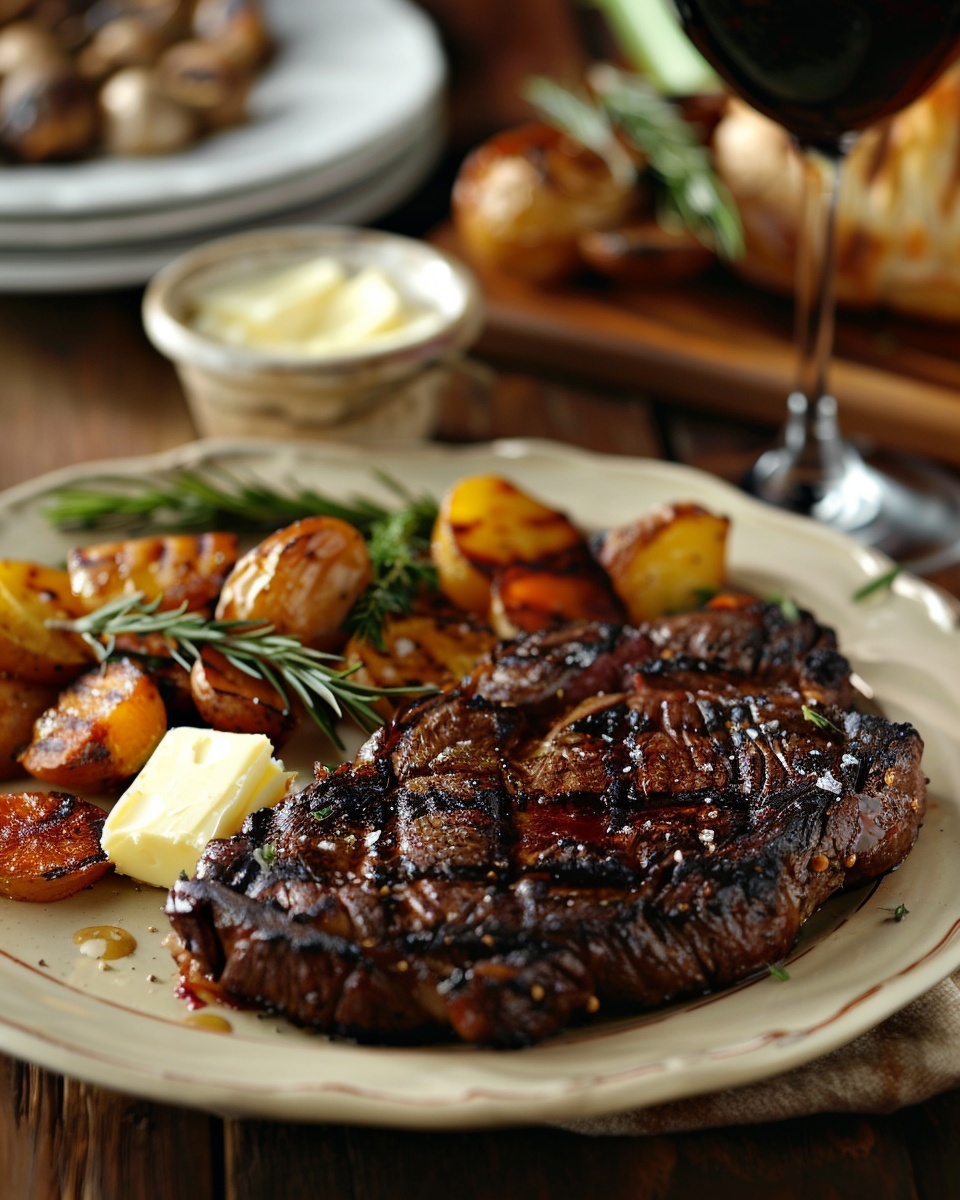
The Perfect Weeknight Dinner: Grilled Steak with Roasted Veggies
Last Tuesday, I stood in my backyard with tongs in hand, watching my steak sizzle on the grill. The smell was incredible. My neighbor leaned over the fence and said, “That’s what I call real food.” He was right. There’s something about a perfectly grilled steak with roasted veggies that just feels like home.
This meal has become a staple in American kitchens for good reason. It’s simple, filling, and makes everyone at the table happy. You don’t need fancy cooking skills or exotic ingredients. Just good meat, fresh vegetables, and a hot grill.
In this article, I’ll walk you through everything you need to know about making this classic dinner. We’ll cover how to pick the right steak at the store, prepare it properly, and pair it with vegetables that actually taste good. You’ll learn the 3-3-3 rule for steaks that changed how I cook. I’ll also show you how to roast vegetables that complement your steak instead of just sitting there on the plate. By the end, you’ll have a complete guide to making this meal any night of the week.
How to Choose the Right Cut of Steak for Grilling
Walking into the meat section at the grocery store can feel overwhelming. There are so many cuts, grades, and price points. I remember my first time buying steak. I grabbed whatever looked good and hoped for the best. It turned out tough and chewy. I learned my lesson that day.
Let me break down the most popular cuts you’ll find. Ribeye is my go-to when I want rich flavor. It has beautiful fat running through it, which means it stays juicy on the grill. The fat melts as it cooks and creates that buttery taste everyone loves. It’s forgiving too. Even if you overcook it slightly, the fat keeps it from drying out.
Sirloin offers a leaner option without sacrificing taste. It costs less than ribeye but still delivers good flavor. This cut works great when you’re feeding a crowd and don’t want to empty your wallet. It has less fat, so you need to watch it closely while cooking.
Filet mignon is the most tender cut you can buy. It practically melts in your mouth. The trade-off is that it has less natural flavor than ribeye. Many people wrap it in bacon or use a strong marinade to boost the taste. It’s expensive, so I save it for special occasions.
New York strip sits somewhere between ribeye and sirloin. It has good marbling and a firm texture. This cut gives you a nice balance of flavor and tenderness without breaking the bank.
When you’re at the store, look for these signs of quality meat:
- Bright red color (avoid brown or gray meat)
- Firm texture that springs back when touched
- Little to no smell (fresh meat shouldn’t smell strong)
- Clean, tight packaging with no tears or leaks
- A sell-by date that’s at least a few days away
Now let’s talk about marbling. Those white lines running through the meat aren’t just for looks. They’re tiny streaks of fat that make your steak taste amazing. More marbling usually means more flavor and a more tender bite. When fat heats up, it melts into the muscle fibers and keeps everything moist.
I always check the marbling before I buy. Hold the package up to the light. You want to see thin, even lines of white throughout the red meat. If the fat is all clumped in one area, the steak won’t cook evenly.
The USDA grades beef based on marbling. Prime has the most marbling and costs the most. Choice has good marbling and works great for grilling. Select has the least fat and can turn out dry if you’re not careful. For grilled steak, I stick with Choice grade. It gives you quality without the prime price tag.
Here’s something that changed my steak game completely: the 3-3-3 rule for steaks. This simple trick helps you cook steak perfectly every time. The rule means you grill your steak for 3 minutes on one side, flip it and grill for 3 more minutes, then let it rest for 3 minutes before cutting.
Why does this work? The first 3 minutes creates a nice crust on the bottom. Flipping at exactly 3 minutes ensures even cooking. The final 3-minute rest lets the juices redistribute through the meat. If you cut it right off the grill, all those delicious juices run out onto your plate instead of staying in the steak.
This rule works best for steaks that are about one inch thick. Thicker steaks need more time. Thinner ones need less. But the concept stays the same: equal time on each side, plus rest time.
Preparing Your Steak for the Grill
Good preparation makes the difference between an okay steak and an incredible one. I’ve cooked hundreds of steaks, and the ones I rushed always disappointed me. Taking a few extra minutes to prep pays off big time.
Start by taking your steak out of the refrigerator 30 to 45 minutes before grilling. This step is crucial. Cold meat doesn’t cook evenly. The outside gets done while the inside stays cool. Room temperature steak cooks uniformly from edge to center.
I set my steak on a plate on the counter and cover it loosely with foil. Some people worry about leaving meat out, but 45 minutes is perfectly safe. Bacteria needs hours at room temperature to become a problem, not minutes.
While the steak warms up, look at the fat around the edges. If there’s a thick strip of fat, trim it down to about a quarter inch. Fat is good, but too much causes flare-ups on the grill. Those flames can char your steak and give it a burnt taste.
Pat the steak dry with paper towels. This seems like a small thing, but it matters. Moisture on the surface creates steam instead of a crust. You want that beautiful brown sear, not a gray steamed exterior. Press the towels firmly on both sides until the meat feels dry to the touch.
Now comes the fun part: seasoning. You can keep it simple or get creative. Here are my favorite approaches:
Classic Salt and Pepper
Sometimes simple is best. Use coarse salt and fresh cracked black pepper. Don’t be shy with the salt. You need more than you think because much of it falls off during cooking. I use about a teaspoon of salt per pound of meat. Grind the pepper right before you use it for maximum flavor.
Garlic Herb Rub
Mix minced garlic, dried rosemary, thyme, salt, and pepper. Press this mixture into both sides of the steak. The herbs add an earthy flavor that pairs wonderfully with beef. Make sure your garlic is fresh. Old garlic tastes bitter when it burns.
Coffee Spice Rub
This sounds weird but trust me. Combine ground coffee, brown sugar, paprika, garlic powder, and black pepper. The coffee creates a dark crust and adds depth without making the steak taste like your morning brew. The sugar helps with caramelization.
Simple Marinade
If you prefer wet marinades, try this basic recipe. Whisk together olive oil, soy sauce, Worcestershire sauce, minced garlic, and a squeeze of lemon. Put your steak in a zip-top bag with the marinade and refrigerate for 2 to 4 hours. Don’t marinate longer than 8 hours or the acid breaks down the meat too much.
Whatever seasoning method you choose, apply it generously. Season both sides and the edges too. Press the seasonings into the meat so they stick.
One mistake I see people make is seasoning too early or too late. If you salt hours ahead, the salt pulls moisture out and you lose juices. If you season right before the steak hits the grill, the seasonings don’t have time to penetrate. The sweet spot is 15 to 20 minutes before cooking.
Right before grilling, brush a thin layer of oil on both sides of the steak. Use an oil with a high smoke point like vegetable or canola oil. Olive oil burns too easily at high heat. The oil helps prevent sticking and promotes even browning.
Your steak is now ready for the grill. The preparation steps might seem like extra work, but they take less than 10 minutes total. That small investment of time delivers a steak that looks and tastes restaurant-quality.


Grilling the Steak to Perfection
Now that your steak is prepped and ready, it’s time to get that grill screaming hot. I always preheat my grill for at least 15 minutes. This isn’t negotiable. A properly heated grill gives you those gorgeous sear marks and locks in the juices.
For gas grills, turn all burners to high and close the lid. You want the temperature around 450 to 500 degrees Fahrenheit. If you have a charcoal grill, pile the coals on one side to create two zones. The hot zone is where you’ll sear. The cooler zone is your safety area if things get too intense.
Before the steak goes on, clean your grates with a wire brush. Old food stuck to the grill creates sticking problems and off flavors. After brushing, I dip a folded paper towel in oil, grab it with tongs, and wipe down the grates. This creates a non-stick surface.
Here’s the thing about placing your steak on the grill. You get one shot at positioning. Once it touches those grates, don’t move it. Sliding it around tears the surface and ruins your sear. Place it down confidently and leave it alone.
You’ve probably heard me mention the 3-3-3 rule earlier, but let me introduce you to its cousin: the 3-3-2-2 rule. This technique gives you more control over the final doneness. Here’s how it works for a one-inch thick steak.
Grill the first side for 3 minutes with the lid closed. Don’t peek. Just trust the process. After 3 minutes, flip the steak and grill for another 3 minutes. Now here’s where it gets different. Flip again and grill for 2 minutes. One final flip, then 2 more minutes. That’s 3-3-2-2.
The multiple flips might seem excessive, but they actually help the steak cook more evenly. Each flip redistributes heat and prevents one side from overcooking while the other catches up. I was skeptical the first time I tried this method. My dad always told me to flip once and only once. But the results spoke for themselves.
The timing changes based on thickness and your desired doneness. For rare, you might only need the first 3-3 and skip the 2-2. For well-done, add another minute or two to each segment. But honestly, if you’re cooking well-done, you might as well save money and buy a cheaper cut. The beauty of a good steak shines at medium-rare to medium.
Speaking of doneness, let’s talk about the meat thermometer. This tool changed everything for me. I used to poke steaks with my finger, comparing the firmness to parts of my hand. Sometimes it worked. Often it didn’t. A good instant-read thermometer takes the guesswork out completely.
Insert the thermometer into the thickest part of the steak, making sure you’re in the center and not touching any bone or fat. Here are the temperatures you’re looking for:
Rare: 120-125°F (cool red center)
Medium-rare: 130-135°F (warm red center, my personal favorite)
Medium: 135-145°F (warm pink center)
Medium-well: 145-155°F (slightly pink center)
Well-done: 160°F and above (no pink, fully cooked through)
Pull your steak off the grill about 5 degrees before it reaches your target temperature. It keeps cooking after you remove it. This is called carryover cooking, and forgetting about it is how people end up with medium when they wanted medium-rare.
Once your steak comes off the grill, resist the urge to cut into it immediately. I know it’s hard. The smell is incredible and you’re hungry. But this is where the magic of resting happens.
Transfer the steak to a clean cutting board or plate. Tent it loosely with aluminum foil. Let it sit for at least 5 minutes. For thicker cuts, give it 10 minutes. During this time, the muscle fibers relax and reabsorb the juices that got pushed to the center during cooking.
Think of it like a sponge. When you squeeze a wet sponge, water runs out. When you release the pressure, it sucks the water back in. Your steak does the same thing. Cut too early and juice floods your cutting board. Wait those few minutes and it stays where it belongs, inside the meat. Similar to how resting matters when you’re making something delicate like baked salmon with lemon, the same principle applies to steak.
Roasting the Perfect Vegetables to Pair with Your Steak
While your steak rests, let’s talk about vegetables. The right veggies can elevate your meal from good to unforgettable. I’m not talking about sad, steamed broccoli that nobody wants to eat. I mean properly roasted vegetables with crispy edges and caramelized flavors.
My top picks for steak night are asparagus, bell peppers, zucchini, Brussels sprouts, carrots, and mushrooms. Each brings something different to the table. Asparagus has a slight bitterness that cuts through the richness of beef. Bell peppers add sweetness and color. Zucchini soaks up flavors beautifully. Brussels sprouts get crispy and nutty. Carrots bring natural sweetness. Mushrooms have that earthy, meaty quality that complements steak perfectly.
Here’s my step-by-step process for roasting vegetables that actually taste good. First, preheat your oven to 425 degrees Fahrenheit. This high temperature is essential for getting those brown, caramelized edges.
Chop your vegetables into similar-sized pieces. This ensures even cooking. I cut asparagus into 2-inch segments. Bell peppers go into strips about an inch wide. Zucchini gets sliced into half-moons, roughly half an inch thick. Brussels sprouts get halved. Carrots are cut on the diagonal into oval shapes.
Toss everything in a large bowl with olive oil. You need enough to coat each piece but not so much that they’re swimming. About 2 tablespoons per pound of vegetables works well. Add salt and fresh cracked black pepper generously. Remember, vegetables need more seasoning than you think.
For herbs and spices, I rotate through different combinations depending on my mood. Rosemary and thyme are classic choices that echo traditional steak seasonings. Garlic powder adds depth without the risk of burning that fresh garlic brings in a hot oven. Smoked paprika gives a subtle smokiness that ties in nicely with the grilled flavor of your meat. A pinch of red pepper flakes adds a gentle heat that wakes up your taste buds.
Spread the vegetables on a large baking sheet in a single layer. Don’t crowd them. If they’re too close together, they steam instead of roast. Use two pans if you need to. I learned this lesson the hard way after serving limp, soggy vegetables to dinner guests. Not my proudest moment.
Roast for 20 to 30 minutes, depending on the vegetables. Harder vegetables like carrots need the full 30 minutes. Softer ones like zucchini are done closer to 20. Flip them halfway through for even browning. You’ll know they’re ready when the edges turn golden brown and a fork slides in easily.
Funny enough, the most common question I get is: Can I cook steak and veggies together? The answer is yes, but with some strategic planning. If you’re roasting veggies in the oven and grilling steak outside, timing is your main challenge. Start the vegetables first since they take longer. When you flip them at the halfway point, that’s your cue to start grilling.
You can also grill vegetables alongside your steak. I do this all the time in summer when I don’t want to heat up the house. Cut vegetables into larger pieces so they don’t fall through the grates. Brush them with oil and season well. Place them on a cooler part of the grill while your steak sears on the hot zone. Turn them occasionally until they’re charred and tender. Just like when you’re coordinating multiple components in dishes like stuffed bell peppers, timing is everything.
Another option is using a grill basket. These metal baskets with holes let smoke through while keeping smaller pieces contained. Toss your vegetables with oil and seasonings, dump them in the basket, and set it on the grill. Shake it every few minutes for even cooking.
Bringing It All Together on the Plate
Now comes the fun part. You’ve got a perfectly grilled steak and beautifully roasted vegetables. How you plate them makes a bigger difference than you might think. We eat with our eyes first, after all.
Start with a warm plate. I run mine under hot water for 30 seconds, then dry it off. Cold plates cool down your food too quickly. Slice your steak against the grain into strips about half an inch thick. Cutting against the grain shortens the muscle fibers and makes each bite more tender.
I usually fan the steak slices out on one side of the plate, slightly overlapping them. This shows off that perfect pink center you worked so hard to achieve. Arrange your roasted vegetables on the other side. Mix the colors and shapes for visual interest. A pile of all one vegetable looks boring. Scatter some asparagus spears, add a few colorful pepper strips, tuck in some Brussels sprouts.
For a restaurant-quality finish, spoon any resting juices from your cutting board over the sliced steak. Those juices are liquid gold, packed with flavor. Sprinkle some flaky sea salt on top and add a small pat of butter. As it melts, it creates a glossy finish that looks incredible.
By the way, if you want to take things up another notch, consider adding a sauce. Chimichurri is my go-to. This bright green Argentinian sauce made from parsley, garlic, vinegar, and oil cuts through the richness of beef beautifully. Just blend fresh parsley, minced garlic, red wine vinegar, olive oil, oregano, and red pepper flakes. Drizzle it over the steak or serve it on the side.
Other excellent sauce options include a classic peppercorn sauce, garlic herb butter, or even a simple red wine reduction. The key is choosing something that complements rather than overwhelms the natural flavor of your steak. The same philosophy applies when you’re balancing flavors in rich pasta dishes like chicken alfredo, where you want harmony, not competition.
If you’re still hungry or feeding big appetites, add a starch to round out the meal. Garlic mashed potatoes are traditional and delicious. The creamy texture contrasts nicely with the charred steak and crispy vegetables. Roasted potatoes work too, especially if you season them with rosemary. For something lighter, try a simple arugula salad with lemon vinaigrette.
The secret to a harmonious meal is balancing different elements. Your steak provides rich, savory protein. The roasted vegetables add sweetness and texture. A sauce brings acidity or herbaceous notes. A starch offers comfort and fills you up. When all these components work together, each bite feels complete. Nothing is missing, and nothing overpowers.
I think about texture too. You’ve got the tender steak, the crispy-edged vegetables, maybe some creamy mashed potatoes. Each forkful should offer variety. That’s what keeps you interested from the first bite to the last, much like how different textures play together in beef stroganoff with mushrooms, where tender beef meets creamy sauce and earthy mushrooms.
Don’t forget to taste everything before it hits the table. Sometimes vegetables need an extra pinch of salt. Maybe your steak could use a crack of fresh pepper. These final adjustments are what separate home cooking from restaurant-quality meals. Professional cooks taste constantly and adjust on the fly. You should too.


Creating the Ultimate Dining Experience with Grilled Steak and Veggies
You’ve done all the hard work. Your steak is rested and sliced, your vegetables are perfectly roasted, and everything smells incredible. But here’s something most people don’t think about: how you serve this meal can transform it from dinner into an experience. I learned this from my friend Maria, who hosts these amazing dinner parties. She once told me, “The food is only half of it. The rest is atmosphere.”
Let’s talk about plating beyond just arranging food on a dish. Temperature matters more than people realize. I mentioned warming plates earlier, but think about serving dishes too. If you’re doing family-style service, where everyone passes platters around, use warm serving dishes. A cold platter sucks heat right out of your food. I keep mine in a low oven (around 200°F) for a few minutes before loading them up.
Garnishes should serve a purpose, not just sit there looking pretty. Fresh herbs like parsley or cilantro add a pop of color and a burst of freshness when you actually eat them with the steak. A wedge of lemon or lime on the side lets people add brightness if they want it. I sometimes scatter microgreens over the whole plate for a fancy touch. They’re delicate and add a peppery note that works surprisingly well with beef.
Here’s a plating trick I picked up from watching too many cooking shows. Create height on your plate. Stack a few slices of steak against a small mound of vegetables instead of laying everything flat. It looks more dynamic and professional. Drizzle any sauce in a swoosh across the plate rather than just dumping it on top. These little touches take ten extra seconds but make your dinner look like it came from a steakhouse.
The beverage you choose can elevate this meal significantly. Wine pairing intimidates a lot of people, but it doesn’t have to be complicated. For grilled steak with roasted vegetables, you want something that can stand up to the bold flavors without overpowering them.
Red wine is the traditional choice, and for good reason. A Cabernet Sauvignon works beautifully with ribeye or New York strip. The tannins in the wine cut through the fat and cleanse your palate between bites. Malbec offers a fruitier option that pairs nicely with leaner cuts like sirloin. If you used a coffee rub or peppercorn crust, try a Syrah or Shiraz. The spicy notes in the wine echo the spices on your steak.
Not everyone drinks wine, and that’s completely fine. A good craft beer pairs wonderfully with grilled meat. Look for something with enough body to match the steak. An amber ale or a porter works great. The roasted malt flavors complement the char from the grill. I’ve served this meal with a local IPA, and the hoppy bitterness balanced the richness perfectly.
For non-alcoholic options, don’t just settle for water. Make it special. Sparkling water with fresh lemon and mint feels festive. Iced tea brewed strong with a splash of lemonade offers sweetness and refreshment. I even made a rosemary-infused lemonade once that everyone raved about. Just simmer rosemary sprigs in simple syrup, let it cool, and mix it with fresh lemon juice and water.
The setting matters almost as much as the food itself. You don’t need fancy china or expensive decorations. Clean, matching plates make a difference. Cloth napkins instead of paper ones add a touch of elegance. Light a couple of candles, even if it’s just Tuesday night. The soft light makes everything more enjoyable and signals to everyone at the table that this meal is worth savoring.
Music changes the whole vibe. I keep a playlist specifically for dinner parties. Nothing too loud or distracting. Just background jazz or acoustic covers that create a relaxed atmosphere. My kids used to complain about the “boring music,” but eventually they admitted it made dinner feel special.
Turn off the TV. Put phones on silent. I know this sounds old-fashioned, but giving the meal and the people around your table your full attention makes everything taste better. Some of my best conversations have happened over a simple steak dinner when nobody was scrolling through their feeds.
Serve the meal hot, but don’t rush through it. This is meant to be enjoyed, not inhaled. Take time between bites. Notice the flavors. Talk about what you’re eating. “This asparagus has such a nice char” or “The steak is so tender” aren’t fancy observations, but they create appreciation for the effort that went into the meal.
By the way, leftovers from this meal are a gift. Sliced cold steak makes incredible sandwiches the next day. Pile it on crusty bread with arugula, horseradish mayo, and some of those leftover roasted peppers. The vegetables reheat beautifully and can be tossed into a frittata or grain bowl. Nothing goes to waste.
I’d love to hear how you make this recipe your own. Maybe you have a secret seasoning blend passed down from your grandfather. Or perhaps you grill your vegetables in a way I haven’t thought of. Cooking is personal, and the best recipes are the ones you adapt to fit your family’s tastes. Leave a comment sharing your variations. Did you try the 3-3-2-2 rule? How did it work for you?
Some families make this a weekend tradition. Others save it for special occasions. There’s no wrong answer. What matters is that you’re putting real food on the table and creating moments worth remembering. If you’re looking for more satisfying dinner ideas that bring people together like this one does, experimenting with different proteins and seasonal vegetables keeps things interesting without requiring you to learn completely new techniques.
One thing I’ve noticed over the years is that meals like this tend to slow people down. There’s something about a properly cooked piece of meat and fresh vegetables that demands attention. It’s the opposite of grabbing fast food and eating in the car. This kind of cooking forces you to be present, from the moment you’re selecting your steak at the store to when you’re sitting at the table with a full plate in front of you.
The ingredients matter for more than just taste. Quality meat and fresh vegetables provide nutrients your body actually needs. The protein supports muscle health. The vegetables deliver fiber and vitamins. When you’re eating well-prepared, whole foods like this, you’re supporting your digestive health in ways that processed foods simply can’t match. Your body knows the difference, even if your taste buds are the first to tell you.
Don’t stress about perfection, especially the first few times you make this. I’ve burned steaks, undercooked vegetables, and forgotten to let meat rest more times than I care to admit. Each mistake taught me something. The beauty of this meal is that even when it’s not perfect, it’s still pretty darn good. Beef and vegetables are forgiving that way.
If you’re cooking for picky eaters, this meal gives you flexibility. Let people choose their steak doneness within reason. Offer a variety of vegetables so everyone finds something they like. Keep sauces on the side for those who want them. I’ve gotten my kids to eat Brussels sprouts this way when they swore they hated them. Turns out they just hated boiled Brussels sprouts. Roasted ones with crispy edges are a different story.
Frequently Asked Questions About Grilled Steak with Roasted Veggies
What roasted vegetables go well with steak?
The best vegetables for pairing with steak are asparagus, bell peppers, mushrooms, Brussels sprouts, carrots, and zucchini. These vegetables hold up well to high-heat roasting and develop caramelized edges that complement the savory richness of beef. Asparagus brings a slight bitterness that cuts through fat, while bell peppers add natural sweetness. Mushrooms have an earthy, meaty quality that enhances the overall flavor profile. Choose vegetables based on what’s in season for the best taste and value.
What is the 3-3-3 rule for steaks?
The 3-3-3 rule is a simple timing method for grilling steaks perfectly. You grill your steak for 3 minutes on the first side, flip it and grill for 3 more minutes on the second side, then let it rest for 3 minutes before cutting. This technique works best for steaks about one inch thick and results in a nice medium-rare doneness. The resting period is just as important as the cooking time because it allows juices to redistribute throughout the meat. Skipping the rest means all those flavorful juices end up on your cutting board instead of in your steak.
What is the 3-3-2-2 rule?
The 3-3-2-2 rule is an advanced version of the 3-3-3 method that involves more frequent flipping. You grill for 3 minutes, flip, grill for 3 minutes, flip again for 2 minutes, then flip one final time for 2 more minutes. This totals 10 minutes of cooking time with four flips instead of just one. The multiple flips help the steak cook more evenly from edge to center and can actually result in better temperature control. While it seems counterintuitive to flip multiple times, the science supports it for achieving consistent doneness throughout.
Can I cook steak and veggies together?
Yes, you can absolutely cook steak and vegetables together, either on the grill or using different cooking methods simultaneously. If grilling both, place vegetables on a cooler zone of the grill while your steak sears over high heat. You can also roast vegetables in the oven while grilling steak outside, timing it so everything finishes around the same time. Start the vegetables first since they typically need 20-30 minutes, then begin grilling your steak about 10-15 minutes before the vegetables are done. Using a grill basket for smaller vegetable pieces prevents them from falling through the grates.
How thick should my steak be for grilling?
The ideal thickness for grilling steak is between one and one-and-a-half inches. Steaks thinner than an inch cook too quickly and risk drying out before you get a good sear. Thicker steaks give you more control and a better ratio of crust to tender interior. If your steak is thicker than one-and-a-half inches, you might need to finish it in the oven after searing to avoid burning the outside while the inside cooks. Ask your butcher to cut steaks to your preferred thickness, and they’ll usually be happy to accommodate.
Should I oil the steak or the grill grates?
Both methods work, but oiling the steak directly is safer and more effective. Brushing oil on the meat prevents sticking and promotes even browning without the risk of oil dripping into flames and causing flare-ups. If you do oil the grates, use a paper towel dipped in high-smoke-point oil and wipe it on using tongs before the grill gets too hot. Never spray cooking oil directly onto a hot grill as it can create dangerous flames. A light coating of oil on your steak right before it hits the grill is really all you need.
Why do my roasted vegetables turn out soggy?
Soggy vegetables usually result from overcrowding the pan or using too low a temperature. When vegetables are too close together, they steam instead of roast. Make sure they’re spread in a single layer with space between pieces. The oven needs to be hot enough, at least 425°F, to caramelize the sugars and create crispy edges. Also check that you’re not using too much oil, which can make them greasy rather than crispy. Finally, avoid covering the pan with foil during roasting as this traps moisture.
Can I marinate my steak overnight?
You can marinate steak overnight, but be careful with acidic marinades containing vinegar, citrus juice, or wine. These acids can break down the meat’s texture if left too long, making it mushy. For overnight marinating, use oil-based marinades with herbs and spices rather than acid-heavy ones. If your marinade does contain acid, limit marinating time to 4-6 hours maximum. Pat the steak dry before grilling to remove excess marinade, which can prevent proper searing and cause flare-ups on the grill.
What’s the best way to reheat leftover steak?
The best method for reheating steak is low and slow in the oven to avoid overcooking. Place sliced steak in a baking dish, add a splash of beef broth to keep it moist, cover with foil, and warm at 250°F for about 20 minutes. You can also reheat slices quickly in a hot skillet with a bit of butter for about 30 seconds per side. Avoid using the microwave if possible, as it tends to make steak rubbery and gray. Honestly, cold leftover steak sliced thin makes better sandwiches than reheated steak anyway.
Do I need an expensive cut of steak for this recipe?
Not at all. While premium cuts like ribeye and filet mignon are delicious, you can make an excellent grilled steak dinner with more affordable options. Sirloin offers great value and flavor when cooked properly. Flank steak and skirt steak are budget-friendly choices that become tender when sliced against the grain. The key is proper preparation, seasoning, and not overcooking the meat. A well-cooked Choice grade sirloin will beat an overcooked Prime ribeye every time. Focus on technique rather than spending extra money on the fanciest cut available.
Here’s the thing about making grilled steak with roasted veggies: it gets easier and more enjoyable every time you do it. Trust your instincts, pay attention to what works, and don’t be afraid to make it your own. The table is waiting, and so are the people you care about.
Ingredients
Equipment
Method
- Remove steak from the refrigerator and set it on the counter for 30-45 minutes to come to room temperature.
- Trim excess fat from the steak if needed.
- Pat the steak dry with paper towels.
- Season the steak with coarse salt and freshly cracked black pepper or apply your preferred rub/marinade.
- Preheat the grill to 450-500°F.
- Clean and oil the grill grates using a paper towel and tongs.
- Place the steak on the grill and cook according to the 3-3-3 or 3-3-2-2 rule.
- Once cooked, remove the steak from the grill and tent it loosely with foil for at least 5 minutes to rest.
- Preheat the oven to 425°F for roasting vegetables.
- Chop the vegetables into uniform sizes and toss them with olive oil and seasonings.
- Spread the vegetables in a single layer on a baking sheet and roast for 20-30 minutes, flipping halfway through.
- Plate the steak and roasted vegetables, adding any optional sauce or garnishes.