
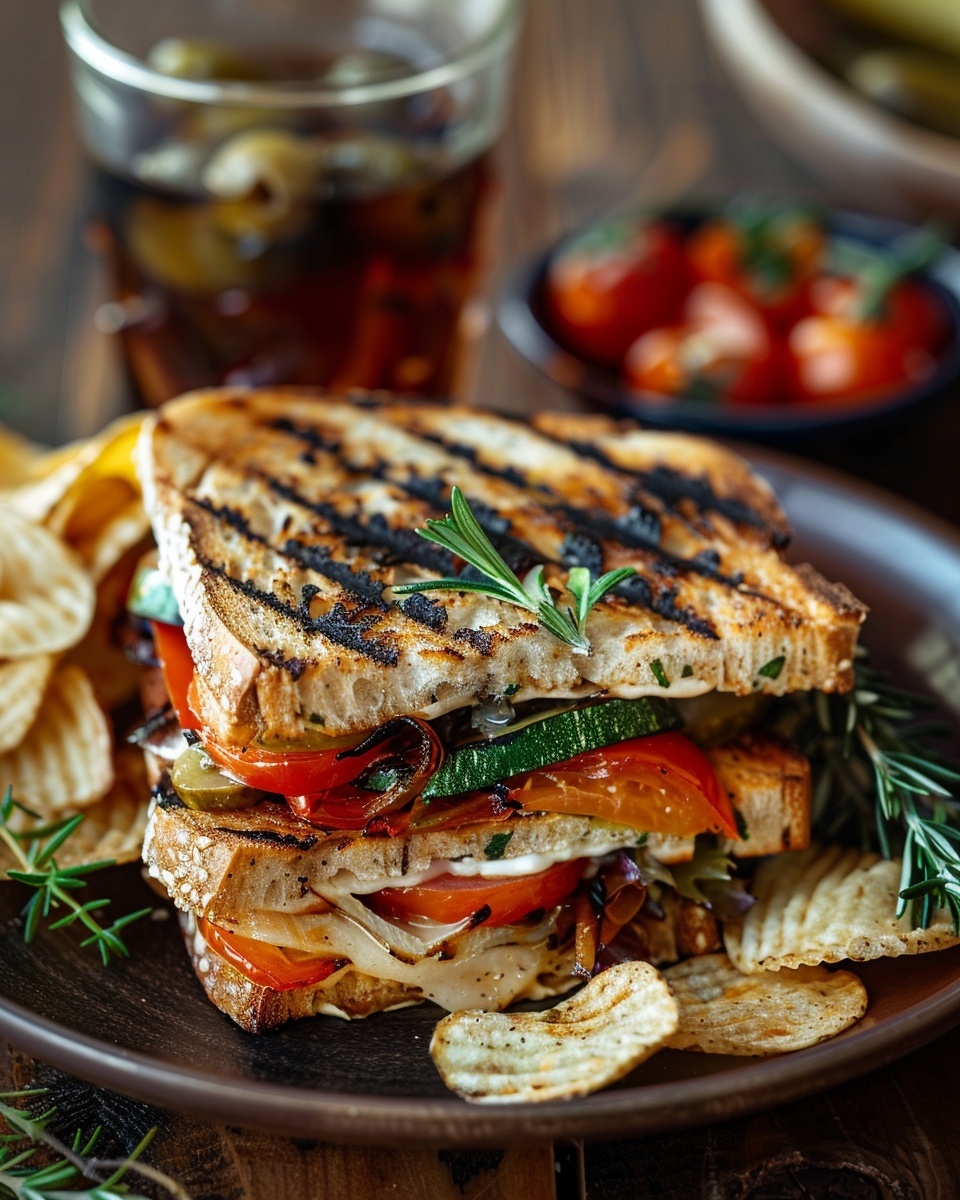
My Love for the Perfect Grilled Veggie Sandwich
Last Tuesday, I bit into a sandwich that changed my lunch game forever. The charred zucchini was still warm, the red peppers were sweet and smoky, and the balsamic glaze dripped down my fingers in the best possible way. I stood in my kitchen thinking: why don’t I make these more often? That moment reminded me how a simple grilled veggie sandwich can turn an ordinary day into something special.
Welcome to my blog, where I share recipes that make my family happy and keep us healthy without spending hours in the kitchen. Today I’m pumped to talk about one of my favorite meals: the grilled veggie sandwich. This isn’t just another sandwich recipe. It’s a canvas for creativity, a solution for busy weeknights, and honestly, a way to make vegetables taste so good that even picky eaters ask for seconds.
I started making grilled veggie sandwiches about three years ago when I wanted lighter lunch options. My first attempt was pretty basic: some mushrooms and tomatoes on bread. But then I discovered the magic of proper grilling techniques and flavor combinations. Now I make these sandwiches at least twice a week, and my friends constantly ask me for tips.
Why Grilled Veggie Sandwiches Are So Popular
Walk into any trendy café or health-focused restaurant, and you’ll spot a grilled veggie sandwich on the menu. There’s a reason for this explosion in popularity. People are finally realizing that vegetable-based meals don’t have to be boring or feel like a sacrifice.
The taste factor is huge. When you grill vegetables, something magical happens. The high heat caramelizes the natural sugars, creating deep, complex flavors you just can’t get from raw or steamed veggies. A grilled red pepper tastes completely different from a raw one. It becomes sweeter, smokier, and almost meaty in texture.
Health benefits play a major role too. These sandwiches pack serious nutrition without the heaviness of meat-based options. You’re loading up on fiber, vitamins, and antioxidants. My energy levels improved dramatically when I started eating more veggie-focused meals. I don’t get that afternoon crash anymore.
The variety keeps things interesting. Unlike a turkey sandwich that tastes pretty much the same every time, a grilled vegetable sandwich with mayonnaise on Monday can be completely different from a grilled veggie sandwich balsamic vinegar style on Wednesday. You can change the vegetables, swap the spreads, use different breads, and create endless combinations.
Let me break down what makes these sandwiches so appealing:
- Customization: You control every ingredient, making it perfect for dietary restrictions or personal preferences
- Cost-effective: Vegetables are generally cheaper than meat, especially when you buy seasonal produce
- Quick preparation: Most grilled veggie sandwiches take less than 20 minutes from start to finish
- Meal prep friendly: You can grill vegetables in batches and use them throughout the week
- Crowd pleaser: These work for vegetarians, vegans (with modifications), and meat-eaters alike
The texture contrast is another winning element. You get the crunch of toasted bread, the tender bite of grilled vegetables, the creaminess of your chosen spread, and maybe some crispy lettuce for extra freshness. Every bite offers something different.
Different Styles of Grilled Veggie Sandwiches
One sandwich concept can take you around the world. A grilled veggie sandwich Indian style might include spiced eggplant, mint chutney, and paneer. The flavors are bold, warming, and completely different from what you’d find at an American deli.
Speaking of American classics, places like Portillos grilled vegetable sandwich have made this humble meal famous. Their version combines marinated vegetables with Italian seasonings on crusty bread. When restaurants known for their beef sandwiches add veggie options to their menu, you know something has shifted in our food culture.
The hot veggie sandwich style deserves special mention. Serving these sandwiches warm makes a big difference. The cheese melts better, the bread gets perfectly crispy, and the whole experience feels more satisfying. I always toast my bread and serve these immediately after assembly.
Mediterranean versions often feature a grilled veggie sandwich balsamic vinegar marinade. This style uses eggplant, zucchini, and bell peppers soaked in balsamic before grilling. The tangy sweetness of the vinegar complements the smoky vegetables perfectly. I sometimes add fresh mozzarella and basil to complete the Italian vibe.
When searching for a grilled veggie sandwich near me, you’ll find each grilled veggie sandwich restaurant adds its own twist. Some focus on local, seasonal vegetables. Others create signature sauces that become their calling card. This variety means you can eat these sandwiches regularly without getting bored.
The Versatility Factor
Here’s what I love most: this sandwich works for any meal. I’ve eaten grilled vegetables on bread for breakfast (add a fried egg), lunch (the classic version), and dinner (make it hearty with hummus and avocado). It’s also perfect for meal prep. I grill extra vegetables on Sunday and build sandwiches throughout the week in minutes.
You can make it light or filling depending on your needs. Need a quick snack? Use one slice of bread and make it open-faced. Want a complete meal? Stack it high with multiple vegetable layers and add protein like a chicken and roasted vegetable sandwich combination.
The grilled vegetable sandwich food network recipes I’ve tried show professional chefs taking this concept seriously. They’re not treating it as a backup option for vegetarians. They’re creating showstopper sandwiches that stand on their own merit.
I’ve served these at summer barbecues, packed them for road trips, and made them for solo lunches at home. They travel well, taste great at room temperature, and always make me feel good about my food choices. That’s the real reason these sandwiches have exploded in popularity. They make healthy eating feel easy and delicious instead of restrictive and bland.


How to Make the Perfect Grilled Veggie Sandwich
Now that you’re convinced these sandwiches deserve a spot in your regular rotation, let me show you exactly how I make mine. I’ve refined this process through countless experiments, and honestly, once you get the basics down, you’ll wonder why you ever thought it was complicated.
Ingredients and Tools You’ll Need
The beauty of a grilled veggie sandwich starts with simplicity. You don’t need fancy equipment or hard-to-find ingredients. Last week, I made one with just what I had in my fridge, and it turned out amazing.
For the vegetables, I typically grab zucchini, bell peppers (red and yellow are my favorites), red onions, and eggplant. Sometimes I’ll throw in portobello mushrooms if I want something meatier. The key is choosing vegetables that hold up well to heat. Nobody wants mushy, waterlogged veggies on their sandwich. I learned that lesson the hard way when I tried using regular tomatoes—they basically dissolved on the grill.
Here’s what I keep on hand: good quality balsamic vinegar makes such a difference. I’m not saying you need the $50 bottle, but don’t grab the cheapest one either. The mid-range stuff around $8-12 has the right balance of sweetness and tang. I mix it with olive oil, minced garlic, and a pinch of Italian herbs to create my marinade. This combination transforms ordinary vegetables into something restaurant-worthy.
Bread choice matters more than people realize. I usually go with ciabatta because those air pockets soak up the vegetable juices perfectly. Sourdough works great too, especially if you like a tangier flavor profile. My sister swears by focaccia, which adds its own herby notes. Whatever you choose, make sure it’s sturdy enough to handle the moisture from the grilled vegetables without falling apart. Similar to how I choose bread for my turkey and cheese wrap, the base matters tremendously.
For spreads, I rotate between a few favorites. A grilled vegetable sandwich with mayonnaise is classic—I mix regular mayo with a little lemon juice and black pepper. Some days I want something lighter, so I’ll use hummus instead. Pesto is incredible when I have fresh basil growing. And if I’m making a grilled veggie sandwich Indian style, I’ll whip up a quick mint-coriander chutney that takes maybe three minutes in the blender.
Tool-wise, you need a grill pan or an outdoor grill. I prefer my cast-iron grill pan because I can use it year-round, regardless of weather. A sharp knife, a cutting board, a bowl for marinating, and tongs round out the essentials. That’s it. No special gadgets required.
Step-by-Step Instructions
Let me walk you through my process. I’ve taught this to at least a dozen friends, and they all say it’s easier than they expected.
Preparing the Vegetables starts the night before if I’m organized, or at least 30 minutes before cooking if I’m not. I slice my zucchini lengthwise into quarter-inch strips. Bell peppers get cut into wide flat pieces after I remove the seeds and membranes. Onions work best when sliced into thick rounds—if they’re too thin, they fall apart on the grill.
The eggplant needs special attention. I salt it generously and let it sit for about 15 minutes. This draws out the bitter liquid and prevents that spongy texture nobody likes. After 15 minutes, I rinse off the salt and pat everything dry with paper towels. This extra step seems fussy, but trust me, it matters.
Into a large bowl everything goes, and then I pour my balsamic marinade over the top. I use my hands to massage the marinade into every piece. Funny enough, this is kind of therapeutic after a stressful day. The vegetables should sit in this mixture for at least 20 minutes, though longer is better. When I meal prep, I marinate them overnight in the fridge, which makes the flavors even deeper.
Grilling Techniques for Perfectly Cooked Veggies took me a while to master. My first attempts were either burnt on the outside and raw inside, or so overcooked they turned to mush. Here’s what I figured out.
Get your grill pan smoking hot before you start. I mean really hot—when you flick a drop of water on it, it should sizzle and evaporate instantly. This high heat creates those beautiful char marks and caramelization that make grilled vegetables taste so good. It’s the same principle I use when making my veggie rice stir fry, where high heat brings out maximum flavor.
Don’t crowd the pan. This was my biggest mistake early on. I’d try to cook everything at once, which dropped the temperature and made the vegetables steam instead of grill. Now I work in batches. Zucchini goes first because it cooks quickly—about 3-4 minutes per side. You want those dark grill marks but not complete blackness.
Bell peppers take a bit longer, maybe 5 minutes per side. They should soften but still have some structure. Eggplant needs the most time, sometimes 6-7 minutes per side, until it’s completely tender and almost creamy inside. Onions fall somewhere in the middle at about 4-5 minutes per side.
Here’s a trick I learned from watching grilled vegetable sandwich food network videos: brush the vegetables with extra marinade while they’re cooking. This adds another layer of flavor and keeps them from drying out. Just be careful not to use marinade that raw vegetables have been sitting in—I keep a separate small bowl of fresh marinade just for basting.
While the last batch finishes, I toast my bread. This step is non-negotiable for a truly great hot veggie sandwich. I butter the outside of each slice lightly and toast it on the same grill pan. The butter creates this golden, crispy exterior that contrasts perfectly with the tender vegetables. It takes maybe two minutes per side.
Assembling the Sandwich with Care is where you become an artist. There’s actually a method to this that makes each bite better.
I spread my chosen condiment on both slices of toasted bread while they’re still warm. If I’m using a grilled veggie sandwich with mayonnaise, this is when the mayo gets slightly melty, which is exactly what you want. On the bottom slice, I start with the sturdiest vegetables—usually the eggplant or portobello mushrooms. These create a stable base.
Next comes the bell peppers, then zucchini, then onions on top. I arrange them so you get a bit of each vegetable in every bite. Some people just pile everything randomly, but taking 30 seconds to layer thoughtfully makes a real difference. If I’m adding cheese—fresh mozzarella or provolone work beautifully—I tuck it between the warm vegetable layers so it gets slightly melty.
Fresh elements go on last. I usually add arugula or spinach right before closing the sandwich. The slight bitterness of arugula cuts through the richness of the balsamic vinegar and grilled vegetables perfectly. Sometimes I’ll add a few fresh basil leaves or a sprinkle of goat cheese.
By the way, if you want to add protein, this is totally doable. A chicken and roasted vegetable sandwich variation works when you grill some chicken breast alongside your vegetables. I season it simply with salt, pepper, and a bit of the same marinade. The chicken adds heartiness without overshadowing the vegetables. Though honestly, when I want something protein-packed but lighter, I’ll often make my chickpea wrap with sauce instead.
One final touch: I drizzle a little extra balsamic reduction on top of the vegetables before closing the sandwich. You can buy this pre-made or make your own by simmering balsamic vinegar until it thickens. This extra hit of concentrated flavor makes people ask, “What’s your secret?”
The assembled sandwich should be substantial but not so tall that you can’t bite through it. I sometimes press down gently with my hand to compress everything slightly. Then I cut it in half diagonally—not for aesthetics, though it looks better, but because it’s genuinely easier to eat this way.
If you’re looking for a grilled veggie sandwich near me and coming up short, now you can make one that rivals any grilled veggie sandwich restaurant version. The whole process from start to finish takes about 45 minutes, or just 15 if you’ve prepped your vegetables ahead of time. That’s faster than delivery and infinitely more satisfying. Plus, your kitchen will smell incredible, kind of like when I’m making chicken noodle soup but with that distinctive smoky-sweet aroma of caramelized vegetables instead.


Variations and Creative Twists on Your Grilled Veggie Sandwich
Here’s where things get really fun. Once you’ve mastered the basic grilled veggie sandwich, you can start experimenting with flavors from different cuisines. I think of the classic version as my foundation recipe, and then I play around depending on what I’m craving that day.
Indian Style Grilled Veggie Sandwich
The first time I tried a grilled veggie sandwich Indian style, I was at my friend Priya’s house. She made this incredible version with spiced eggplant, and honestly, it changed how I thought about sandwiches entirely. The warmth of Indian spices transforms ordinary vegetables into something extraordinary.
To get that authentic Indian flavor, I start by changing my marinade completely. Instead of balsamic vinegar and Italian herbs, I mix yogurt with ground cumin, coriander, turmeric, and a pinch of garam masala. The yogurt tenderizes the vegetables while adding a tangy flavor that’s completely different from what you’d find in Western versions. I usually add some ginger-garlic paste too, which gives this amazing aromatic quality.
The vegetable selection shifts slightly for this style. I definitely keep the eggplant and bell peppers, but I’ll add cauliflower florets and sometimes potato slices. Indians know how to make potatoes taste incredible, and when you grill them with these spices, they develop this crispy exterior with a fluffy inside that’s absolutely addictive.
Now, here’s where it gets interesting with the bread choice. Instead of ciabatta or sourdough, I use naan or chapati. Naan works brilliantly because it’s already designed to handle saucy, flavorful foods. I’ll warm it on the grill pan for about 30 seconds per side until it gets those beautiful charred spots. If I’m making chapati, I prefer the whole wheat version because it adds a nutty flavor that complements the spices.
The spread situation changes dramatically too. Forget mayo or pesto—we’re talking about mint-coriander chutney, tamarind sauce, or even a spicy mango chutney if I want something sweet and tangy. Sometimes I’ll spread a thin layer of hummus first and then add the chutney on top. That layering of flavors creates complexity that keeps every bite interesting.
One trick Priya taught me: add some paneer cheese to your grilled vegetables. Paneer doesn’t melt like mozzarella, but it gets this beautiful golden crust when grilled. I cut it into thick slices, brush it with the same spiced marinade, and grill it alongside my vegetables. The protein from the paneer makes this substantial enough for dinner, not just lunch.
For toppings, I’ll use thinly sliced red onions (sometimes pickled in lime juice for 10 minutes), fresh cilantro, and sliced green chilies if I want extra heat. The crunch of raw onion against the soft, spiced vegetables creates this texture contrast that’s totally different from the Italian-style version.
By the way, if you’re worried about spice level, start conservative. You can always add more heat with a spicy chutney, but you can’t take it away once the vegetables are marinated. I learned this when I got a bit too enthusiastic with cayenne pepper and ended up with a sandwich that made me cry. Not my finest moment.
Hot Veggie Sandwich Options That’ll Blow Your Mind
Let’s talk about taking your hot veggie sandwich to the next level with cheese and heat. There’s something deeply satisfying about biting into a sandwich where the cheese is still gooey and stretchy.
My favorite technique is what I call the “panini press method,” though you don’t actually need a panini press. After assembling my sandwich with the grilled vegetables, I add slices of provolone or smoked gouda between the warm veggie layers. Then I butter the outside of both bread slices and put the whole sandwich back on my grill pan. I press down with another heavy pan on top—my cast iron skillet works perfectly for this.
The weight compresses everything together while the heat melts the cheese and makes the bread extra crispy. After about 3 minutes, I flip it carefully and press for another 3 minutes on the other side. The result is this gorgeous, golden-brown sandwich with cheese that oozes out the sides. Messy? Absolutely. Worth it? One hundred percent.
Here’s another variation I discovered accidentally: add a grilled vegetable sandwich with mayonnaise that’s been spiced up. I mix regular mayo with sriracha, a squeeze of lime, and a tiny bit of honey. This spicy-sweet-tangy combination cuts through the richness of the cheese and adds a kick that wakes up your taste buds. My brother-in-law, who claims he doesn’t like vegetables, devoured three of these at our last family gathering.
Pesto is another game-changer for hot sandwiches. Instead of using it as the only spread, I’ll do a layer of regular mayo on one side and pesto on the other. When the sandwich gets pressed and heated, the pesto kind of melts into the vegetables and creates this herby, garlicky situation that’s incredible. Sun-dried tomato pesto works especially well if you want something a bit more intense.
For people who want maximum heat, I sometimes make a jalapeño cream cheese spread. I blend softened cream cheese with pickled jalapeños, lime juice, and a bit of the jalapeño brine. Spread this on warm bread with hot grilled vegetables, and you’ve got something that’ll clear your sinuses in the best way possible.
Funny enough, my teenage nephew who claimed he’d never eat a vegetable sandwich ended up requesting this spicy version for his birthday lunch. Sometimes you just need to find the right flavor profile to convert people. When it comes to healthy eating habits, making vegetables taste this good means people actually want to eat them regularly, which is kind of the whole point.
Where to Find Great Grilled Veggie Sandwiches
Even though I make these at home constantly, I still love trying versions at restaurants. It’s how I get new ideas and see what other people are doing with this concept.
When you’re searching for a grilled veggie sandwich near me, don’t just check the obvious health food places. I’ve found amazing versions at Italian delis, Mediterranean cafes, and even some barbecue joints that grill vegetables alongside their meats. The best one I ever had was actually at a tiny corner bakery that used their homemade focaccia and whatever vegetables were freshest that day.
If you’re near a Portillos grilled vegetable sandwich location, definitely try theirs. They’re famous for Italian beef, but their veggie sandwich holds its own. They use marinated vegetables grilled fresh to order, Italian seasonings, and serve it on their signature bread. It’s a solid benchmark for what a good grilled veggie sandwich restaurant version should taste like. The char they get on their vegetables is perfect—not burnt, just deeply caramelized.
Local farmers market vendors sometimes sell these too, especially in summer when vegetables are at their peak. I’ve found some incredible versions at food trucks that specialize in Mediterranean or vegetarian cuisine. These smaller operations often use produce that was literally picked that morning, which makes a noticeable difference in flavor.
Here’s my strategy for finding good ones: look for places that list their vegetables specifically on the menu. If it just says “grilled veggie sandwich” with no details, it’s probably an afterthought. But when a menu says “grilled zucchini, red peppers, portobello mushrooms, and eggplant with balsamic reduction on house-made ciabatta,” you know they’re taking it seriously.
Coffee shops have surprised me lately. Several upscale coffee chains have started offering really thoughtful vegetable sandwiches that rival restaurant versions. They’re usually made fresh in the morning and kept warm, which works perfectly for a quick lunch.
One thing I’ve noticed: the best grilled veggie sandwich restaurant locations let you customize. Maybe you don’t want onions, or you prefer hummus instead of mayo. Places that accommodate these requests usually care more about the overall quality of their food.
Building Your Own Signature Version
After making probably hundreds of these sandwiches, I’ve developed what my family calls “my signature style.” It’s got grilled zucchini and red peppers as the base, always with that balsamic vinegar marinade I mentioned earlier. Then I add fresh mozzarella, arugula, and a spread made from mayo mixed with roasted garlic and lemon zest. My kids can spot it from across the room.
I encourage you to develop your own signature version too. Think about the flavors you naturally gravitate toward. Do you love Mediterranean food? Go heavy on the herbs, olives, and feta. More into Asian flavors? Try a soy-ginger marinade with sesame oil and top with pickled vegetables and cilantro. There’s really no wrong answer here.
One approach that works well: pick three vegetables you love, one cheese or spread, one special ingredient (like sundried tomatoes or roasted red pepper spread), and one type of bread. Master that combination until you can make it with your eyes closed. Then branch out from there.
The seasonal approach is another way to keep things interesting. In summer, I load up on zucchini, yellow squash, and fresh tomatoes (cherry tomatoes work better than slicing tomatoes, by the way—they hold their shape). Fall brings butternut squash and caramelized onions. Winter means roasted root vegetables like carrots and parsnips. Spring is all about asparagus and fresh peas.
If you’re interested in exploring more creative options beyond just sandwiches, I’ve got tons of ideas in my lunch section that might inspire your next meal.
The best part about having a signature style? When friends come over, they already know what to expect and look forward to it. My neighbor literally texts me asking if I’m making “those sandwiches” before accepting dinner invitations. That’s when you know you’ve created something special.
So whether you’re making a classic version with grilled vegetables and simple seasonings, experimenting with a grilled veggie sandwich Indian style loaded with spices, or creating your own fusion masterpiece, remember that the point is enjoying good food that makes you feel great. These sandwiches have become such a regular part of my life that I can’t imagine not having this skill in my cooking repertoire. Give yourself permission to experiment, make mistakes, and discover what works for your taste buds.
FAQs About Grilled Veggie Sandwiches
What makes a grilled veggie sandwich so popular?
The popularity comes from several factors working together. Grilling vegetables brings out their natural sweetness through caramelization, creating complex flavors that raw vegetables just don’t have. These sandwiches are incredibly versatile—you can customize them to match any dietary preference or cuisine style. They’re also healthier than many meat-based options while still being satisfying and filling. Plus, they’re relatively quick to make and work well for meal prep, which appeals to busy people looking for convenient, nutritious meals.
How do I make a perfect grilled veggie sandwich at home?
Start by choosing vegetables that hold up well to grilling, like zucchini, bell peppers, eggplant, and portobello mushrooms. Marinate them for at least 20 minutes in olive oil, balsamic vinegar, and seasonings. Grill on high heat in batches to avoid crowding, which causes steaming instead of grilling. Toast your bread until crispy, choose a flavorful spread like pesto or seasoned mayo, and layer your vegetables thoughtfully so each bite contains multiple flavors. The key is not rushing the process and making sure each component is done properly.
Where can I find a great grilled veggie sandwich near me?
Look beyond obvious health food restaurants—many Italian delis, Mediterranean cafes, and even barbecue spots offer excellent versions. Chain restaurants like Portillo’s have developed strong reputations for their grilled vegetable sandwiches. Check local farmers markets for food vendors who use fresh, seasonal produce. Coffee shops and bakeries that make their own bread often have surprisingly good options. Use search terms with your location to find places that specialize in vegetarian cuisine, as they typically take these sandwiches more seriously than places where they’re just an afterthought menu item.
Can I meal prep grilled veggie sandwiches in advance?
Absolutely, though with some modifications for best results. Grill your vegetables in large batches and store them in airtight containers in the fridge for up to five days. Keep the components separate rather than assembling complete sandwiches, as assembled sandwiches can get soggy. When you’re ready to eat, toast fresh bread, add your spread, and layer the pre-grilled vegetables. You can reheat the vegetables quickly in a pan or microwave, or eat them at room temperature. This approach gives you quick, healthy lunches all week while maintaining the best texture and flavor.
What vegetables work best for grilling on sandwiches?
Zucchini, bell peppers, eggplant, portobello mushrooms, and red onions are your best choices because they hold their structure when grilled and develop great flavor. Asparagus works well in spring, and thick slices of sweet potato or butternut squash are excellent for heartier versions. Avoid watery vegetables like regular tomatoes or cucumbers, which turn mushy when grilled. Choose vegetables with some density that can develop char marks without falling apart. Slice them thick enough to handle flipping but thin enough to cook through properly.
How do I prevent my grilled veggie sandwich from getting soggy?
The biggest trick is toasting your bread until it’s genuinely crispy, not just warm. This creates a barrier against moisture. Let your grilled vegetables drain on paper towels for a minute before assembling to remove excess marinade or moisture. Use spreads as a protective layer on the bread before adding vegetables. Choose sturdy bread like ciabatta or sourdough that can handle moisture better than soft sandwich bread. If you’re packing it for later, keep components separate until you’re ready to eat, or wrap it in paper rather than plastic which traps moisture.
What’s the difference between Italian-style and Indian-style grilled veggie sandwiches?
Italian-style versions typically use balsamic vinegar marinades with herbs like oregano and basil, served on crusty bread with spreads like pesto or olive tapenade. They often include mozzarella or provolone cheese. Indian-style versions use yogurt-based marinades with spices like cumin, coriander, and garam masala, served on naan or chapati with chutneys like mint-coriander or tamarind. The Indian version might include paneer cheese and fresh cilantro, creating completely different flavor profiles. Both are delicious but appeal to different taste preferences.
Can I add protein to my grilled veggie sandwich?
Definitely, and it’s easier than you might think. Grilled chicken breast works perfectly when seasoned simply with the same marinade as your vegetables. Paneer is excellent for Indian-style versions because it develops a nice crust without melting. Hummus adds plant-based protein while also serving as your spread. Grilled tofu or tempeh work well when marinated properly. Even a fried egg transforms a veggie sandwich into a hearty breakfast option. The vegetables should still be the star, but adding protein makes it more filling for active days.
How long do grilled vegetables last in the refrigerator?
Properly stored grilled vegetables will last four to five days in an airtight container in your refrigerator. Make sure they’ve cooled completely before storing to prevent condensation, which causes spoilage faster. You can tell they’ve gone bad if they develop a slimy texture or off smell. For best flavor, use them within three days, though they’re still safe up to five. You can also freeze grilled vegetables for up to three months, though the texture changes slightly when thawed. This makes them perfect for meal prep and reducing food waste.
What are the best cheese options for a hot grilled veggie sandwich?
Provolone and mozzarella are classics because they melt beautifully and have mild flavors that don’t overpower the vegetables. Smoked gouda adds incredible depth with its smoky notes that complement grilled flavors. Feta or goat cheese provide tangy contrast, though they don’t melt the same way. For something bolder, try pepper jack if you want spice, or sharp cheddar for a more pronounced cheese flavor. Fresh mozzarella is perfect for Italian-style versions, while paneer works best for Indian-inspired sandwiches. Choose based on whether you want the cheese to melt completely or maintain some structure.
Ingredients
Equipment
Method
- Slice zucchini, bell peppers, red onion, and eggplant. Salt the eggplant and set aside for 15 minutes.
- Rinse the eggplant and pat dry. Combine all vegetables in a bowl and mix with balsamic vinegar, olive oil, garlic, and herbs; let marinate for at least 20 minutes.
- Heat a grill pan over high heat. Grill the zucchini for 3-4 minutes per side until charred.
- Grill the bell peppers for about 5 minutes per side until softened.
- Grill the eggplant for 6-7 minutes per side until tender.
- Grill the onions for 4-5 minutes per side until slightly caramelized.
- Butter the outside of the bread slices and toast them on the same grill pan for about 2 minutes per side until golden.
- Spread chosen condiment on the warm bread.
- Layer grilled vegetables on the bottom slice, starting with sturdier options first. Add cheese if desired.
- Top with arugula or spinach, then close the sandwich.
- Cut the sandwich in half diagonally, and serve immediately.