
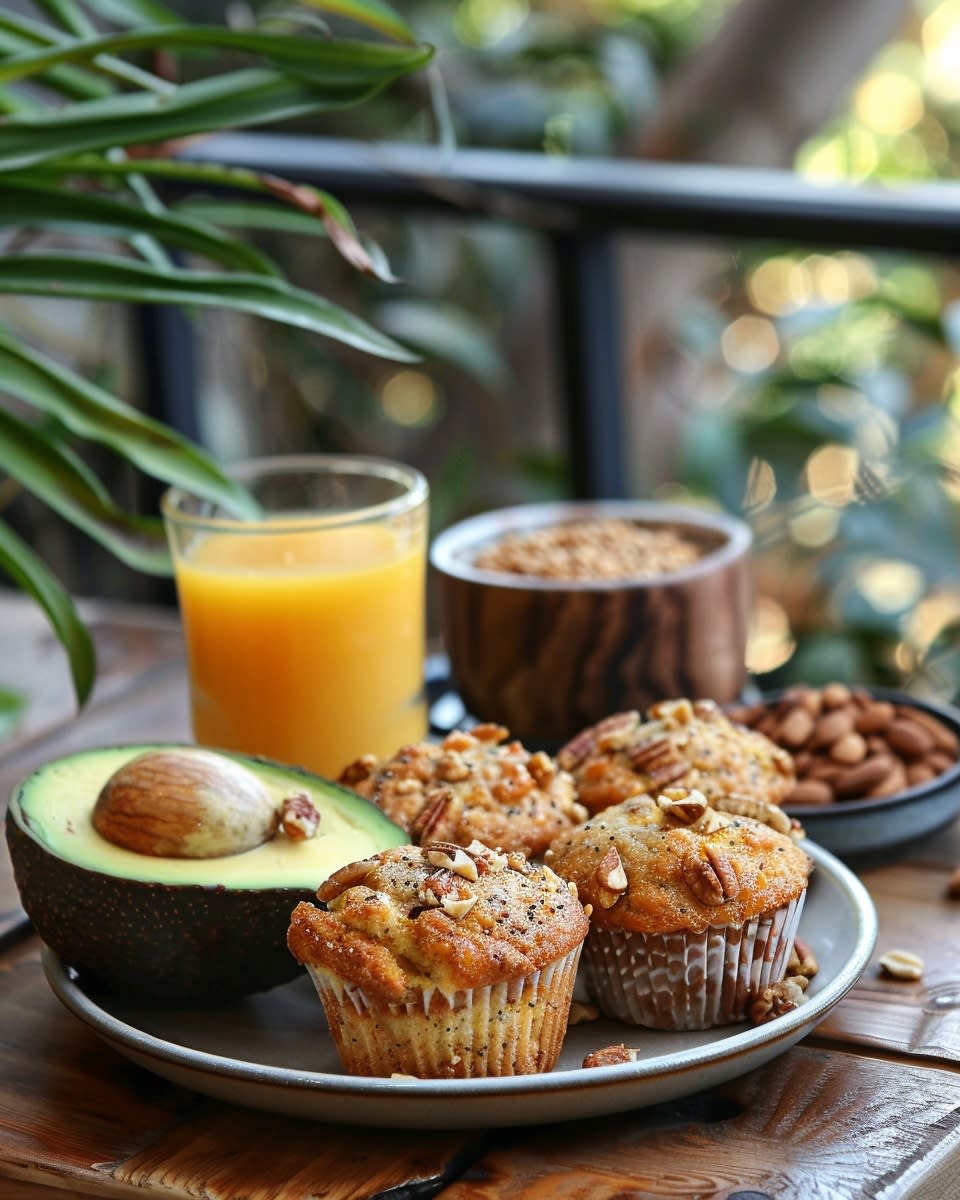
Last Tuesday morning, I woke up late and had exactly twelve minutes before I needed to walk out the door. My stomach was growling, and I knew skipping breakfast would leave me hangry by 10 AM. That’s when I grabbed one of my homemade high protein breakfast muffins from the freezer, popped it in the microwave for thirty seconds, and headed out. By lunchtime, I still felt satisfied and energized. No mid-morning crash. No desperate snack attack. Just steady energy that carried me through my busiest morning meetings.
Welcome to my kitchen, where I love to whip up healthy and delicious breakfasts! I’m not a morning person by nature, so I’ve learned to create recipes that work with my lifestyle instead of against it. Today, I’m excited to share with you some amazing high protein breakfast muffins that will keep you full and energized all morning. These aren’t your typical bakery muffins loaded with sugar and empty calories. They’re packed with nutrition and actually taste incredible.
Whether you’re looking for a quick grab-and-go option or a satisfying start to your day, these muffins are perfect. I make a batch every Sunday, and they last me through the week. Some mornings I eat them warm with a smear of almond butter. Other days I eat them cold straight from the fridge while getting my kids ready for school. The beauty of these muffins is their flexibility.
Let’s dive into the world of high protein breakfast muffins and explore some fantastic recipes and tips. I’ve tested dozens of variations over the past few years, and I’m going to share what actually works. No fancy ingredients you can’t pronounce. No complicated techniques that require culinary school training. Just simple, wholesome food that fuels your body right.
Why Choose High Protein Breakfast Muffins?
Starting your day with protein changes everything. I used to eat sugary cereal or a plain bagel for breakfast, and by 10 AM I’d be raiding the office snack drawer. Once I switched to high protein breakfast muffins without protein powder, my entire morning routine improved. I had more focus during work calls. My energy stayed steady. And I stopped reaching for those tempting donuts in the break room.
Protein keeps you full longer than carbs or fats alone. When you eat a breakfast high in protein, your body releases hormones that signal fullness to your brain. This means you’re less likely to overeat later in the day. I’ve noticed I naturally make better lunch choices when I start my morning with protein-rich food. It sets a positive tone for the whole day.
High protein breakfast muffins can help with weight management in ways that surprise most people. You’re not starving yourself or following some restrictive diet plan. You’re simply giving your body the fuel it needs to function properly. The protein helps maintain your muscle mass while you lose fat. I dropped fifteen pounds last year without feeling deprived once, and these muffins were a big part of that success.
If you’re into fitness or just trying to stay active, protein becomes even more important. After my morning yoga sessions or weekend runs, my muscles need protein for recovery. These healthy high protein breakfast muffins deliver exactly what my body craves. The soreness I used to feel for days after workouts decreased significantly once I increased my protein intake at breakfast.
Here’s something most people don’t realize: you can make incredibly delicious high protein muffins without protein powder. I know the fitness industry wants you to believe you need expensive supplements, but real food works just as well. Eggs, Greek yogurt, cottage cheese, nuts, and seeds all pack serious protein. These whole food ingredients also bring vitamins, minerals, and healthy fats that isolated protein powder can’t match.
The convenience factor alone makes these muffins worth your time. I’m a busy mom with a full-time job, and I don’t have hours to spend cooking elaborate breakfasts. But I can definitely spare ninety minutes on a Sunday afternoon to bake a batch of muffins. That one cooking session gives me healthy breakfasts for the entire week. Some people prep their lunches on Sundays. I prep my breakfasts.
High protein muffin recipes are incredibly versatile too. You can customize them based on what you have in your pantry. Out of bananas? Try applesauce or pumpkin puree instead. Don’t like chocolate chips? Add blueberries or chopped nuts. Allergic to dairy? Swap Greek yogurt for coconut yogurt. The basic formula stays the same, but the flavor combinations are endless.
My kids eat these muffins without complaining, which is a miracle in itself. They think they’re getting a treat for breakfast. Meanwhile, I know they’re getting quality nutrition that will help them concentrate at school. It’s a win-win situation that makes mornings less stressful for everyone.
Let me tell you about the nutritional powerhouses I use most often in my high protein muffins. Greek yogurt is my secret weapon. It adds moisture, protein, and a slightly tangy flavor that balances sweetness perfectly. One cup of Greek yogurt contains about twenty grams of protein. When I use it in muffin recipes, each muffin ends up with a solid protein boost without tasting like a protein shake.
High protein muffins with Greek yogurt also have a softer, more tender texture than regular muffins. The yogurt keeps them from getting dry or crumbly. I’ve brought these to potlucks and parties, and people always ask for the recipe. They can’t believe how moist and delicious they are compared to typical healthy muffins.
Oats are another ingredient I rely on constantly. High protein oatmeal muffins fill you up and keep your blood sugar stable. Oats contain both protein and fiber, which work together to keep hunger at bay. Plus, they’re incredibly affordable. A canister of oats costs a few dollars and lasts for multiple batches of muffins.
I often make high protein muffins without protein powder and no flour by using oat flour instead. You can buy oat flour at the store or make your own by grinding regular oats in a blender. This swap makes the muffins naturally gluten-free, which helps my sister who has celiac disease. She can finally enjoy muffins again without getting sick.
Eggs are the foundation of most high protein breakfast muffins. Three eggs in a batch of twelve muffins adds substantial protein without changing the texture. Some recipes call for extra egg whites for even more protein. I save my leftover egg yolks and use them in scrambled eggs the next morning. Nothing goes to waste in my kitchen.
The combination of these simple ingredients creates muffins that actually nourish your body. You won’t find artificial sweeteners, weird chemicals, or ingredients you can’t identify. Just real food that tastes great and makes you feel amazing. That’s the kind of breakfast I want to eat every single day.


Healthy High Protein Breakfast Muffins Without Protein Powder
Now that you understand why these muffins work so well, let me share my absolute favorite recipe that I’ve been making for over two years now. This one uses zero protein powder, yet each muffin packs around nine grams of protein. I’ve made this recipe so many times that I don’t even need to look at measurements anymore.
Before we jump in, I want to say something important. You don’t need fancy equipment or hard-to-find ingredients for these high protein breakfast muffins without protein powder. Everything comes from regular grocery stores. I’ve made these muffins in tiny apartment kitchens and at my mother-in-law’s house using her ancient hand mixer. They turn out great every single time.
Here’s what you’ll need for twelve muffins:
Two cups of old-fashioned oats (not instant), one and a half cups of plain Greek yogurt, three large eggs, one third cup of honey or maple syrup, two ripe bananas (mashed until smooth), one teaspoon of vanilla extract, one and a half teaspoons of baking powder, half a teaspoon of baking soda, one teaspoon of cinnamon, and a quarter teaspoon of salt. Optional mix-ins include half a cup of chopped walnuts, a handful of dark chocolate chips, or fresh blueberries.
The method is ridiculously simple. First, preheat your oven to 375 degrees Fahrenheit and line a muffin tin with paper liners or grease it well. I prefer paper liners because cleanup becomes effortless, and honestly, I hate scrubbing muffin tins.
Dump your oats into a blender or food processor and pulse until they become a flour-like consistency. This takes maybe thirty seconds. Don’t stress about making it perfectly fine. A few chunky bits actually add nice texture. Transfer the oat flour to a large mixing bowl and add your baking powder, baking soda, cinnamon, and salt. Give it a quick stir.
In another bowl, combine the Greek yogurt, eggs, honey, mashed bananas, and vanilla. Whisk everything together until it looks uniform. My arm gets tired doing this by hand, so sometimes I use my electric mixer on low speed. No judgment either way.
Pour the wet ingredients into the dry ingredients and fold them together gently. Don’t overmix this batter. I learned this lesson the hard way after making hockey puck muffins my first few attempts. Stir just until you don’t see dry flour anymore. A few lumps are totally fine and actually preferred.
If you’re adding nuts, chocolate chips, or berries, fold them in now. I usually add whatever I have lying around. Last week I threw in some leftover pecans and dried cranberries. The week before that, I used pumpkin seeds and cinnamon chips. Creativity makes cooking fun.
Divide the batter evenly among the twelve muffin cups. An ice cream scoop works perfectly for this job. Bake for about twenty to twenty-five minutes, until a toothpick inserted in the center comes out clean. Your kitchen will smell absolutely amazing around the fifteen-minute mark.
Let them cool in the pan for five minutes, then transfer to a wire rack. I know waiting is torture when they smell so good, but hot muffins fall apart easily. Trust me on this one. I’ve had multiple muffins crumble in my impatient hands.
Here’s the thing about these healthy high protein breakfast muffins. The Greek yogurt does so much heavy lifting in this recipe. It adds protein obviously, but it also creates moisture that keeps the muffins tender for days. Regular yogurt doesn’t work the same way because it has too much water content. Greek yogurt is strained, which concentrates both the protein and the creamy texture.
When I first started making high protein muffins with Greek yogurt, I experimented with different fat percentages. Full-fat Greek yogurt makes the richest muffins. Two percent works great too and cuts some calories. I don’t recommend fat-free Greek yogurt for baking because the muffins turn out a bit rubbery. Some fat is necessary for good texture and flavor.
The beauty of this recipe is how easily you can modify it. Want to make them dairy-free? Swap the Greek yogurt for coconut yogurt or cashew yogurt. Just make sure you choose a thick, unsweetened variety. Need a nut-free version for school? Skip the walnuts and add sunflower seeds or extra oats instead. These substitutions make the muffins accessible for almost everyone.
By the way, choosing quality ingredients really matters here. Since this recipe relies on whole foods rather than processed protein powder, the taste of each ingredient shines through. I buy organic eggs when possible because the yolks are brighter and richer. My honey comes from a local farmer’s market. The bananas should be spotty and soft for maximum sweetness. These small choices add up to create something truly delicious. If you’re looking for other protein-packed breakfast ideas, you might enjoy this Greek yogurt protein breakfast that uses similar ingredients in different ways.
High Protein Oatmeal Muffins
Let me tell you about a variation that has become my husband’s absolute favorite. These high protein oatmeal muffins take the base recipe and modify it slightly for an even heartier texture. Instead of blending all the oats into flour, I blend only one cup and leave the other cup whole. This creates these wonderful pockets of chewy oats throughout each muffin.
Oats bring way more to the table than most people realize. Sure, they’re famous for being heart-healthy and high in fiber. But they also contain about six grams of protein per half cup, which might not sound like much until you remember that fiber and protein work synergistically to keep you full. The combination is more powerful than either nutrient alone.
When I make this oatmeal-forward version, I also add a quarter cup of ground flaxseed to boost both protein and omega-3 fatty acids. Flaxseed has this slightly nutty flavor that pairs beautifully with cinnamon and vanilla. Plus, it helps bind the ingredients together, which means your muffins hold their shape perfectly even without traditional flour.
Speaking of flour, these high protein breakfast muffins no flour are naturally gluten-free as long as you buy certified gluten-free oats. Regular oats are often processed in facilities that also handle wheat, so cross-contamination happens. My friend Sarah has celiac disease, and she was thrilled when I figured out how to make these safe for her to eat. She actually cried when she bit into one because she hadn’t had a muffin in three years.
For extra nutrition and crunch, I love stirring in two tablespoons of chia seeds and a handful of chopped almonds. Chia seeds absorb moisture and create these little bursts of texture. Almonds add healthy fats and even more protein. Sometimes I toast the almonds first in a dry skillet for three minutes. That step releases their oils and intensifies their flavor dramatically.
The storage situation for these muffins couldn’t be easier. Once they’re completely cool, I stack them in an airtight container with parchment paper between layers. They stay fresh on the counter for three days, in the fridge for a full week, or in the freezer for up to three months. I usually eat half the batch fresh and freeze the rest for future busy mornings.
Reheating is simple too. From the fridge, I microwave one muffin for about twenty seconds. From frozen, it takes forty-five seconds to a minute. You can also reheat them in a toaster oven at 300 degrees for about ten minutes if you prefer that slightly crispy exterior. My teenage son eats them cold straight from the fridge before soccer practice. He says they’re easier to eat in the car that way.
Funny enough, meal prep used to intimidate me. I thought I needed to spend hours cooking complicated recipes. But making a batch of these muffins takes maybe forty minutes from start to cleanup. That’s less time than I spend scrolling through social media on a typical evening. When I frame it that way, the time investment feels totally reasonable. Similar to how I prep my egg and chicken breakfast wrap components ahead of time, having these muffins ready saves me from making poor breakfast choices when I’m rushed.
Here’s a tip that changed everything for me: make two batches of different flavors at once. I’ll make one batch of banana chocolate chip and one batch of blueberry lemon. This variety prevents breakfast boredom, which is a real thing when you eat the same food every day. The recipes use the same base, so I can prep both batters simultaneously and alternate filling the muffin tins.
For those following specific dietary approaches, these high protein muffin recipes adapt beautifully. Need more protein? Add a quarter cup of hemp seeds to the batter. Want less sugar? Cut the honey down to two tablespoons and rely more on the banana sweetness. Prefer a savory breakfast? Skip the honey entirely and add shredded cheese, diced bell peppers, and a pinch of garlic powder. I’ve made savory versions that taste almost like quiche in muffin form. They pair wonderfully with a side of fresh fruit or alongside a breakfast scramble with ground turkey for an extra protein boost.
The oatmeal versions also work incredibly well as a pre-workout snack. I eat one about forty-five minutes before my morning run, and the complex carbs from the oats give me steady energy without weighing me down. After my workout, the protein helps my muscles recover. It’s like these muffins were designed specifically for active lifestyles. They also remind me of protein oatmeal with almond butter, just in a more portable form that requires no spoon.
Making your own high protein muffins instead of buying store-bought versions saves money too. Those protein muffins at coffee shops cost four or five dollars each and usually contain way more sugar than you’d expect. My homemade version costs maybe fifty cents per muffin, and I control exactly what goes inside. That’s a pretty significant difference when you’re eating them five days a week.


High Protein Muffins with Greek Yogurt and Banana
Bananas and Greek yogurt are basically the dream team of muffin ingredients. I discovered this combination purely by accident three years ago when I had overripe bananas sitting on my counter that were literally turning black. My husband kept asking when I’d throw them out, but I hate wasting food. So I mashed them up, mixed them with Greek yogurt, and created what has become my most-requested recipe at family gatherings.
Here’s my go-to recipe for protein muffins banana style. You’ll need two and a half cups of old-fashioned oats, one cup of plain Greek yogurt, three eggs, three very ripe bananas (the spottier the better), a quarter cup of honey, one teaspoon of vanilla extract, one and a half teaspoons of baking powder, one teaspoon of baking soda, one teaspoon of cinnamon, and a pinch of salt. For mix-ins, I usually add a third cup of chopped walnuts and a handful of mini chocolate chips because life’s too short for boring muffins.
The method mirrors what I shared earlier with one important difference. Mash those bananas until they’re completely smooth with no chunks. I use a fork and really go at it for a couple minutes. Those lumpy banana pieces don’t distribute evenly in the batter, and you end up with weird banana pockets that throw off the texture. Nobody wants that.
Blend your oats into flour, mix your dry ingredients in one bowl, and whisk your wet ingredients including the mashed banana in another bowl. The banana-yogurt mixture should look creamy and uniform before you combine everything. Fold wet into dry, add your mix-ins, and bake at 375 degrees for about twenty-two to twenty-five minutes.
Now let me talk about why bananas work so incredibly well in high protein muffins with Greek yogurt. First off, they bring natural sweetness that lets you cut back significantly on added sugars. Those black-spotted bananas sitting on your counter are actually at their peak sweetness. The starches have converted to simple sugars, which means maximum flavor with zero extra effort.
Bananas also act as a binder in baking. They contain pectin, which helps hold everything together structurally. This is especially important when you’re making flourless or low-flour muffins that don’t have gluten to provide structure. The banana essentially does part of what eggs and flour normally handle.
From a nutrition standpoint, bananas pack about four hundred milligrams of potassium each. That’s roughly ten percent of what most adults need daily. Potassium supports muscle function, which matters when you’re active. After my morning workouts, I love knowing that my breakfast muffin is helping my muscles recover and preventing those annoying cramps I used to get.
Here’s the thing though. Not everyone loves bananas. My daughter refuses to eat anything banana-flavored after a bad experience with banana-flavored medicine as a toddler. So I developed protein muffins no banana variations that work just as beautifully.
Unsweetened applesauce is my favorite banana substitute. Use the same amount of applesauce as you would mashed banana. The texture comes out slightly lighter and more cake-like. Applesauce doesn’t provide quite as much sweetness as banana, so you might want to add an extra tablespoon of honey or maple syrup. I made an apple cinnamon version last month using applesauce, diced fresh apples, and extra cinnamon that tasted like fall in a muffin tin.
Pumpkin puree is another excellent option, especially from October through December when I’m in full autumn mode. Use plain pumpkin puree, not pumpkin pie filling which contains added sugars and spices. The pumpkin adds moisture, a subtle earthy sweetness, and a gorgeous orange color. I bump up the cinnamon to two teaspoons and add a quarter teaspoon of nutmeg and a pinch of cloves. These taste exactly like pumpkin bread but with way more protein.
Mashed sweet potato works surprisingly well too, though I know that sounds a bit unusual. I microwave a medium sweet potato for about six minutes until it’s soft, scoop out the flesh, and mash it smooth. The sweet potato brings beta-carotene, fiber, and natural sweetness. My kids have no idea they’re eating vegetables for breakfast, and I’m not about to tell them.
Balancing flavors and textures matters more than most recipes let on. You want some sweetness but not so much that it tastes like dessert. You need moisture but not so much that the muffins are gummy. The texture should be tender but still have some substance when you bite into it. This balance comes from the ratio of wet to dry ingredients and from choosing complementary mix-ins.
Speaking of mix-ins, this is where you can really make these muffins your own. Fresh blueberries are my summer go-to. I toss them in a little oat flour before adding them to prevent them from sinking to the bottom. Frozen blueberries work too, but don’t thaw them first or they’ll turn your batter purple and add too much moisture.
Chopped fresh strawberries with a handful of white chocolate chips create this amazing strawberries-and-cream vibe. Diced peaches or nectarines work beautifully when stone fruits are in season. I made a batch last August with fresh peaches and chopped crystallized ginger that my neighbor literally asked me to make again the next week.
For flavor variations beyond fruit, consider extracts and spices. Almond extract instead of vanilla creates a totally different flavor profile. A tablespoon of unsweetened cocoa powder turns these into chocolate muffins. Lemon zest and poppy seeds make a bright, refreshing version that feels fancy but takes zero extra effort.
You can also go the savory route with these. Skip the honey, reduce the cinnamon, and add shredded sharp cheddar, diced jalapeños, and a pinch of smoked paprika. I know it sounds weird, but trust me on this. These savory versions pair incredibly well with scrambled eggs or a bowl of soup for lunch. My husband eats them as an afternoon snack with hummus.
The beautiful thing about having a solid base recipe is that once you understand how it works, you can experiment endlessly. I keep a notes app on my phone where I jot down flavor combinations I want to try. Some work brilliantly. Some are total disasters. But that experimentation is half the fun of cooking.
High Protein Breakfast Muffins No Flour
Let me introduce you to a completely flourless version that blew my mind when I first tried it. These high protein breakfast muffins no flour use only oats, Greek yogurt, eggs, and a few other simple ingredients. The texture is slightly denser than traditional muffins but in a satisfying, substantial way that keeps you full for hours.
Here’s the recipe I’ve perfected over probably fifty test batches. You’ll need two and a half cups of old-fashioned oats, one and a quarter cups of plain Greek yogurt, four eggs, one third cup of honey, one teaspoon of vanilla extract, two teaspoons of baking powder, half a teaspoon of baking soda, one teaspoon of cinnamon, and a quarter teaspoon of salt. Optional additions include half a cup of your favorite nuts, seeds, or dried fruit.
The technique is crucial for flourless muffins. Blend your oats in a food processor or high-speed blender until they’re completely powdered. Don’t leave any chunky pieces this time. The finer the oat flour, the better your muffins will rise and the more tender they’ll be. This takes about a full minute of blending.
Whisk together your Greek yogurt, eggs, honey, and vanilla until completely smooth. This mixture should look almost like a thin pancake batter. Add your dry ingredients and fold everything together gently but thoroughly. The batter will be thicker than regular muffin batter, almost like a thick smoothie consistency. That’s exactly what you want.
Let the batter rest for ten minutes before portioning it into your muffin tin. This resting period lets the oats absorb some of the moisture, which prevents gummy centers. I learned this tip from a food science article, and it makes a huge difference. While the batter rests, I preheat my oven and prepare my muffin tin.
Bake at 350 degrees for about twenty-five to thirty minutes. Flourless muffins take slightly longer to bake than regular ones because they’re denser. The tops should be golden brown and spring back when you touch them lightly. A toothpick inserted in the center should come out clean or with just a few moist crumbs.
The benefits of flourless muffins extend beyond just being gluten-free, though that’s obviously important for people with celiac disease or gluten sensitivity. These muffins are also lower in refined carbohydrates compared to traditional flour-based muffins. The oats provide complex carbs that digest slowly and don’t spike your blood sugar the way white flour does.
I started making high protein muffins without protein powder in flourless versions when my doctor suggested I watch my blood sugar levels. I wasn’t diabetic, but my fasting glucose was creeping up. Within three months of switching my breakfasts to these flourless high protein options, my numbers came back down to the normal range. My doctor was impressed, and honestly, so was I.
If you want to experiment with alternative flours beyond oat flour, almond flour is probably the most popular option. Almond flour creates incredibly moist, tender muffins with a slightly nutty flavor. The texture is more delicate than oat flour muffins. You’ll need to adjust the ratios slightly because almond flour is much finer and doesn’t absorb liquid the same way oats do.
For almond flour muffins, use two cups of almond flour instead of the oat flour. Reduce the Greek yogurt to three-quarters of a cup and add an extra egg. Almond flour is naturally higher in fat and protein than oat flour, which means each muffin ends up with even more protein. The carb count drops significantly too, which makes these perfect for people following lower-carb eating patterns.
Coconut flour is another alternative, but I’ll warn you right now that it’s tricky to work with. Coconut flour absorbs liquid like crazy. If you try to substitute it one-to-one for oat flour, you’ll end up with dry, crumbly hockey pucks. I’ve been there, and it’s not fun. For coconut flour muffins, you’d only use half a cup of coconut flour and you’d need to add at least six eggs plus extra liquid. Honestly, it’s easier to stick with oats or almonds.
Ensuring your flourless muffins turn out moist and fluffy requires a few specific techniques. First, don’t overbake them. Flourless muffins can go from perfectly done to dry in just a few minutes. Start checking them at the twenty-two minute mark. Second, store them properly as soon as they cool. These muffins dry out faster than regular muffins because they lack the gluten structure that holds moisture.
I wrap each cooled muffin individually in plastic wrap before putting them in a container or freezer bag. This extra step keeps them incredibly moist. When I’m ready to eat one, I unwrap it and microwave for just fifteen to twenty seconds. The warmth brings back that fresh-from-the-oven texture.
The nutritional benefits of using alternative flours really add up over time. Oat flour brings soluble fiber that supports heart health and helps lower cholesterol. I actually learned from the dietary reference intakes recommendations that most Americans don’t get nearly enough fiber, so these muffins help bridge that gap. Almond flour provides vitamin E, magnesium, and healthy monounsaturated fats. These aren’t just empty calories. They’re ingredients that actively support your health.
Here’s something interesting I noticed after eating these flourless muffins regularly for a few months. My afternoon energy crashes basically disappeared. I used to hit a wall around three PM and desperately need coffee or a sugary snack. Now my energy stays pretty consistent throughout the day. I think it’s because I’m starting my mornings with complex carbs and protein instead of refined flour and sugar.
These high protein muffin recipes fit beautifully into so many different dietary approaches. They’re naturally gluten-free when you use certified gluten-free oats or almond flour. They’re vegetarian. You can make them dairy-free by using plant-based yogurt. They work for people watching their sugar intake because you control exactly how much sweetener goes in. They’re appropriate for active people who need sustained energy. Honestly, I can’t think of many eating styles where these wouldn’t work.
By the way, kids absolutely love helping make these muffins. My six-year-old thinks using the food processor to turn oats into flour is basically magic. She measures ingredients, cracks eggs (sometimes with shells, but we work on it), and helps me portion the batter. These baking sessions have become our Sunday morning tradition. She’s learning math through measuring, following multi-step directions, and understanding where food comes from. Plus, she’s way more likely to eat something she helped create.
One last thing about flourless baking that I wish someone had told me earlier: invest in good quality muffin liners or silicone muffin cups. Flourless batters tend to stick more than regular batters. Those cheap paper liners from the dollar store will leave you peeling paper off every single muffin. The slightly more expensive parchment paper liners release perfectly every time. Silicone cups work great too and they’re reusable, which I appreciate from an environmental standpoint.
If you’ve been exploring different ways to incorporate more protein into your morning routine, you might also enjoy browsing through other high protein breakfast options that can complement these muffins throughout your week.
Making these high protein breakfast muffins has genuinely transformed how I approach mornings. They’ve eliminated my excuse of not having time for a healthy breakfast. They’ve saved me money compared to buying expensive protein bars or coffee shop pastries. Most importantly, they’ve given me consistent energy and focus that carries me through even my busiest days. Give these recipes a try this weekend. Start with whichever version sounds most appealing to you, and don’t stress about making it perfect. Even my messiest batches still tasted delicious and kept me full all morning.
Frequently Asked Questions
Can I make high protein muffins without protein powder?
Absolutely, and I actually prefer making them this way. Greek yogurt, eggs, cottage cheese, oats, and nuts all provide substantial protein without any powder. One cup of Greek yogurt contains about twenty grams of protein, and three eggs add another eighteen grams. When you distribute that protein across twelve muffins, each one ends up with a solid protein boost. Real food ingredients also bring vitamins, minerals, and natural flavors that isolated protein powder can’t match.
Are high protein muffins good for weight loss?
They can definitely support weight loss efforts when they’re part of a balanced diet. The protein and fiber keep you feeling full for hours, which naturally reduces your overall calorie intake throughout the day. I lost fifteen pounds last year partly because these muffins stopped my mid-morning snack attacks. However, they’re not magic weight loss pills. You still need to pay attention to your total daily food intake and stay active. These muffins just make the process much easier and more enjoyable.
How do I store high protein muffins?
Store cooled muffins in an airtight container at room temperature for up to three days. For longer storage, keep them in the refrigerator for up to one week. I usually freeze half my batch in individual freezer bags for up to three months. To reheat, microwave a refrigerated muffin for twenty seconds or a frozen one for forty-five seconds. You can also warm them in a toaster oven at 300 degrees for about ten minutes if you prefer a slightly crispy exterior.
Can I substitute ingredients if I have food allergies?
Yes, these recipes are incredibly adaptable for various allergies and dietary restrictions. For dairy allergies, swap Greek yogurt with coconut yogurt or cashew yogurt. Use flax eggs or chia eggs instead of regular eggs if you’re vegan. Replace nuts with seeds like sunflower or pumpkin seeds for nut-free versions. I’ve made successful batches with almost every substitution imaginable. The key is maintaining similar ratios of wet to dry ingredients.
Why are my muffins coming out dry?
Dry muffins usually result from overbaking or using too much oat flour. Start checking your muffins a few minutes before the recipe suggests, as every oven runs differently. Make sure you’re measuring oat flour correctly by spooning it into the measuring cup rather than packing it down. Also, don’t skip the Greek yogurt or banana, as these ingredients provide crucial moisture. If your batter looks dry before baking, add a tablespoon or two of milk or water.
Can I meal prep these muffins for the entire week?
Absolutely, meal prepping these muffins is actually one of their biggest advantages. I bake a batch every Sunday afternoon, and they stay fresh all week. Once completely cooled, I store some in the fridge for the first few days and freeze the rest. This approach gives me variety and ensures nothing goes stale. Some people even make double batches and freeze everything, pulling out muffins as needed throughout the month.
How much protein is actually in each muffin?
The protein content varies depending on which recipe you follow, but most of my versions contain between eight and twelve grams of protein per muffin. The Greek yogurt and oat versions with four eggs typically hit the higher end of that range. For comparison, a large egg has about six grams of protein, and a typical bakery muffin has maybe two or three grams. These homemade versions deliver significantly more protein while controlling sugar and additives.
Do these muffins taste like health food?
Not even close! My kids eat these thinking they’re getting a treat, and my husband’s friends always ask for the recipe when I bring them to gatherings. The Greek yogurt makes them incredibly moist, the banana or honey provides natural sweetness, and the cinnamon adds warmth. Adding chocolate chips or blueberries makes them taste downright indulgent. Nobody would guess they’re packed with protein and made without refined flour unless you told them.
Can I use instant oats instead of old-fashioned oats?
I don’t recommend using instant oats for these recipes. Instant oats are pre-cooked and break down too much when you blend them, creating a gummy texture in your final muffins. Old-fashioned rolled oats hold their structure better and create the right consistency when ground into flour. Steel-cut oats won’t work either because they’re too hard and don’t blend smoothly. Stick with old-fashioned oats for the best results.
Can I reduce the sugar in these recipes even more?
Yes, you can definitely experiment with reducing the honey or maple syrup. I’ve made batches with only two tablespoons of sweetener, relying mostly on the natural sweetness from ripe bananas. You could also try using mashed dates or unsweetened applesauce for sweetness without added sugar. Just remember that some sweetness helps balance the flavors and makes the muffins more enjoyable to eat. Too little sweetener and they taste bland, which might make you less likely to stick with eating them regularly.
Ingredients
Equipment
Method
- Preheat your oven to 375°F (190°C) and line a muffin tin with paper liners or grease it well.
- Blend oats in a blender or food processor until they become a flour-like consistency.
- In a large mixing bowl, combine the oat flour, baking powder, baking soda, cinnamon, and salt.
- In another bowl, mix Greek yogurt, eggs, honey, mashed bananas, and vanilla, and whisk until uniform.
- Pour the wet ingredients into the dry ingredients and gently fold together, being careful not to overmix.
- If using, fold in nuts, chocolate chips, or berries.
- Divide the batter evenly among the muffin cups.
- Bake for 20-25 minutes, or until a toothpick inserted in the center comes out clean.
- Let cool in the pan for 5 minutes, then transfer to a wire rack.