
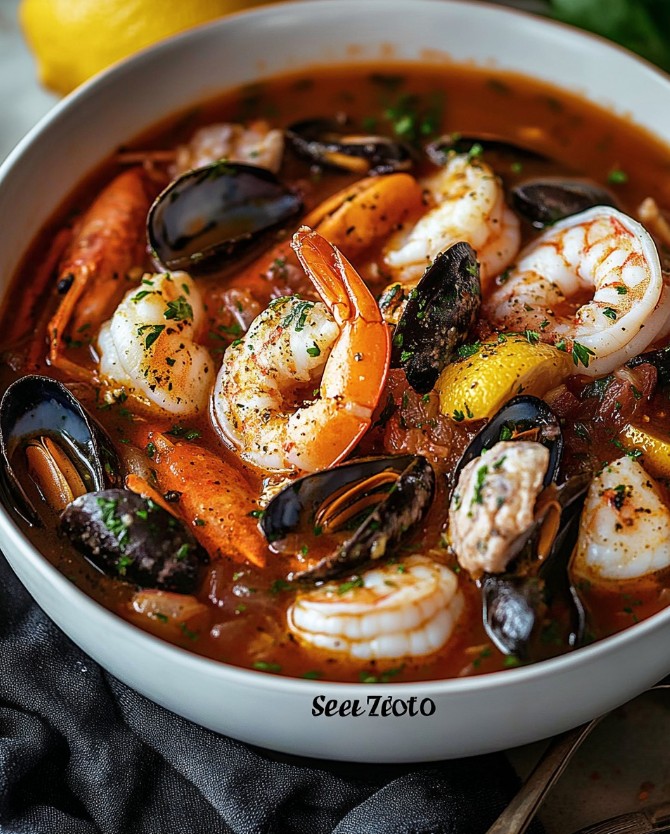
Why Italian Seafood Soup is a Must-Try Dish
Picture this: a cozy evening, the smell of garlic and seafood wafting through the air, and a big pot of steaming Italian Seafood Soup on the stove. This dish reminds me of my first trip to Italy, where I stumbled upon a tiny trattoria by the sea. The owner served me a bowl of their famous Zuppa di Pesce, and it was love at first bite. Back home, I decided to recreate it, and let me tell you—it’s now a family favorite! Whether you’re cooking for Easter dinner or just craving something comforting, this soup is a showstopper.
The Roots of Italian Seafood Soup
Italian Seafood Soup, also known as Zuppa di Pesce, hails from Italy’s coastal regions. It’s a humble yet luxurious dish that showcases the freshest catch of the day. Traditionally, fishermen would toss leftover fish and shellfish into a pot with tomatoes, wine, and herbs. Over time, chefs refined the recipe, adding touches like saffron and fennel to elevate its flavors. Today, it’s a beloved classic that bridges rustic simplicity with gourmet flair.
Why You’ll Love This Recipe
This Italian Seafood Soup is a flavor bomb! The combination of tender seafood, aromatic spices, and tangy tomato sauce creates a symphony in your mouth. Plus, it’s gluten-free, making it perfect for those with dietary restrictions. Best of all? It’s surprisingly easy to make. Even if you’re not a seasoned cook, this recipe will have you feeling like a culinary rockstar.
Perfect Occasions to Make This Soup
From Easter feasts to casual weeknight dinners, this soup fits any occasion. Serve it as a main course during holiday gatherings or as a starter for an elegant dinner party. Its vibrant colors and rich flavors make it a hit with both kids and adults. Trust me—your guests will be asking for seconds!
Ingredients You’ll Need
- 300 g of mussels, cleaned and debearded
- 300 g of clams
- 12 large shrimp, heads removed, peeled, and deveined
- 200 g of salmon fillets, cut into chunks
- 200 g of squid tentacles
- 750 ml of vegetable broth
- 3 tablespoons of olive oil
- 4 cloves of garlic, finely chopped
- 1 teaspoon of red chili flakes
- 2 brown onions, finely chopped
- ¼ teaspoon of saffron
- 1 small fennel bulb, thinly sliced
- 250 ml of white wine (optional)
- 500 g of passata (tomato puree)
- 2 teaspoons of dried oregano
- 1 tablespoon of lemon juice
- ¼ cup of fresh parsley, chopped
- 3 fennel fronds
- Freshly ground black pepper
Substitution Options
No mussels? No problem! Swap them with scallops or extra clams. If you’re avoiding alcohol, skip the white wine and add a splash of apple cider vinegar instead. For a vegetarian twist, replace seafood with hearty mushrooms like porcini or shiitake. Feel free to adjust spice levels by reducing or omitting chili flakes based on your preference.
Step 1: Prepare the Seafood
Start by giving your seafood some TLC. Place the mussels and clams in a large pot with 750 ml of vegetable broth. Cover and cook over medium heat for about 3 minutes, shaking the pot occasionally until the shells open. Strain the broth and set it aside—it’s liquid gold for later. Discard any stubborn shells that refuse to open. Pro tip: Use the freshest seafood you can find; it makes all the difference.
Step 2: Sear the Fish and Shrimp
In a heavy skillet, heat 1 tablespoon of olive oil over medium-high heat. Add the salmon chunks and shrimp, cooking them for 1-2 minutes until they develop a golden crust. Remove and reserve. This quick sear locks in juices, ensuring every bite is succulent. Imagine the sizzle and aroma filling your kitchen—it’s almost hypnotic!
Step 3: Cook the Squid
Next, toss the squid tentacles into the same skillet. Cook them for just 30 seconds over high heat. They’ll curl slightly and turn opaque, signaling they’re done. Overcooking squid makes it rubbery, so keep an eye on the clock. Once cooked, remove and set aside with the other seafood.
Step 4: Build the Flavor Base
Heat the remaining 2 tablespoons of olive oil in a large pan. Throw in the garlic and chili flakes, letting them dance for a few seconds before adding the onions and fennel. Cook for 3-4 minutes until the onions caramelize and release their sweetness. Sprinkle in the saffron—it’s like adding a touch of sunshine to the mix. The fragrance at this stage is intoxicating!
Step 5: Simmer the Soup
If using wine, pour it in now to deglaze the pan, scraping up all those delicious bits stuck to the bottom. Stir in the passata, reserved broth, oregano, and lemon juice. Let the soup simmer uncovered for 15-20 minutes. This slow simmer allows the flavors to meld beautifully, creating a rich and velvety base for your seafood.
Step 6: Combine Everything
Gently fold in the mussels, clams, salmon, shrimp, and squid. Cook for another 1-2 minutes until everything is heated through. Picture the vibrant colors of the seafood against the ruby-red broth—it’s a feast for the eyes as much as the palate.
Step 7: Finish and Serve
Turn off the heat and season with freshly ground black pepper. Garnish with parsley and fennel fronds, then drizzle a bit of extra virgin olive oil for a glossy finish. Serve piping hot with crusty bread on the side. Your kitchen will smell amazing, and your family will cheer!
Chef’s Tip
To take your Italian Seafood Soup to the next level, toast a pinch of fennel seeds and crush them before adding to the broth. It adds a subtle licorice note that pairs beautifully with the seafood.
Timing Breakdown
- Prep Time: 20 minutes
- Cooking Time: 30 minutes
- Total Time: 50 minutes
Extra Info
Did you know saffron is one of the world’s most expensive spices? A little goes a long way, though, so don’t be shy about using it here. Its floral notes complement the briny seafood perfectly.
Necessary Equipment
- Large pot with lid
- Heavy skillet or frying pan
- Wooden spoon
- Sharp knife and cutting board
Storage Tips
Leftovers? Lucky you! Store cooled soup in an airtight container in the fridge for up to 2 days. Reheat gently on the stovetop, adding a splash of water if needed to loosen the consistency. Avoid freezing, as seafood doesn’t thaw well and may lose texture.
If you’ve made a double batch, portion it out into individual containers for easy reheating. Just remember to store the seafood separately if possible, as it can become mushy when refrigerated with the broth.
For optimal freshness, always cool the soup completely before storing. Placing hot food directly in the fridge raises the temperature inside, which isn’t ideal for other perishables.
Tips and Advice
- Use fresh herbs whenever possible—they pack more flavor than dried ones.
- Don’t overcrowd the pan when searing seafood; it prevents steaming and ensures a nice crust.
- Taste as you go! Adjust seasoning gradually to suit your preferences.
Presentation Ideas
- Serve in shallow bowls with a sprig of parsley sticking out dramatically.
- Add a wedge of lemon on the rim for a pop of color.
- Drizzle olive oil in a decorative swirl for a professional touch.
Healthier Alternatives
Here are six ways to tweak this recipe for different dietary needs:
- Low-Sodium Version: Use low-sodium vegetable broth and skip added salt.
- Dairy-Free Option: Already dairy-free, but consider coconut milk for creaminess.
- Keto-Friendly: Replace passata with crushed canned tomatoes for fewer carbs.
- Vegetarian Twist: Substitute seafood with plant-based proteins like tofu or tempeh.
- Paleo Adaptation: Ensure all ingredients align with paleo guidelines, such as using organic produce.
- Spice Lovers’ Edition: Amp up the heat with extra chili flakes or a dash of hot sauce.
Mistake 1: Overcrowding the Pan
Cooking too much seafood at once leads to steaming rather than searing. To avoid this, work in batches. Each piece should have enough space to breathe and develop that coveted golden crust. Pro tip: Pat seafood dry with paper towels before cooking to prevent excess moisture.
Mistake 2: Skipping the Saffron
Some folks think saffron is optional, but it’s what gives Italian Seafood Soup its signature depth. If cost is a concern, buy a small amount—it lasts forever and elevates countless dishes.
Mistake 3: Overcooking the Squid
Squid turns chewy if cooked too long. Keep it under 30 seconds in the skillet. Think of it as a sprint, not a marathon!
Mistake 4: Using Stale Herbs
Herbs lose potency over time. Always check expiration dates and opt for fresh parsley and oregano for maximum impact.
Mistake 5: Neglecting the Lemon Juice
A squeeze of lemon brightens the entire dish. Don’t skip it—it ties all the flavors together.
FAQs About Italian Seafood Soup
Can I use frozen seafood?
Absolutely! Just thaw it properly and pat it dry before cooking. Frozen seafood works great in soups since it absorbs flavors well.
What can I substitute for white wine?
If you prefer not to use alcohol, try apple cider vinegar or a splash of citrus juice. Both add acidity without compromising flavor.
How do I clean mussels effectively?
Rinse mussels under cold water, scrubbing shells with a brush. Remove the “beard” by pulling it toward the hinge. Discard any cracked or open shells that don’t close when tapped.
Is this soup spicy?
The chili flakes give it a mild kick, but you can reduce or omit them if you’re sensitive to heat. Balance is key!
Can I prep ingredients ahead of time?
Definitely! Chop veggies and measure spices beforehand to save time. However, cook seafood fresh for best results.
What type of bread pairs best?
Crusty baguette or ciabatta slices are perfect for soaking up the flavorful broth. Toast lightly for extra crunch.
Does this recipe freeze well?
Unfortunately, no. Seafood tends to break down in texture after freezing. Stick to short-term storage in the fridge.
Can I add pasta to the soup?
While traditional recipes exclude pasta, you could stir in cooked linguine or spaghetti for a heartier meal. Just serve immediately to prevent sogginess.
Why does my soup taste bland?
You might need more seasoning. Taste as you cook and adjust salt, pepper, or herbs accordingly. Fresh ingredients also make a huge difference.
Where can I find saffron?
Check the spice aisle at grocery stores or order online. Look for threads rather than powder for better quality.
This Italian Seafood Soup is more than just a recipe—it’s a celebration of flavor, tradition, and good company. Whether you’re hosting a dinner party or simply treating yourself, it’s bound to impress. So grab your apron, gather your ingredients, and let’s get cooking!