
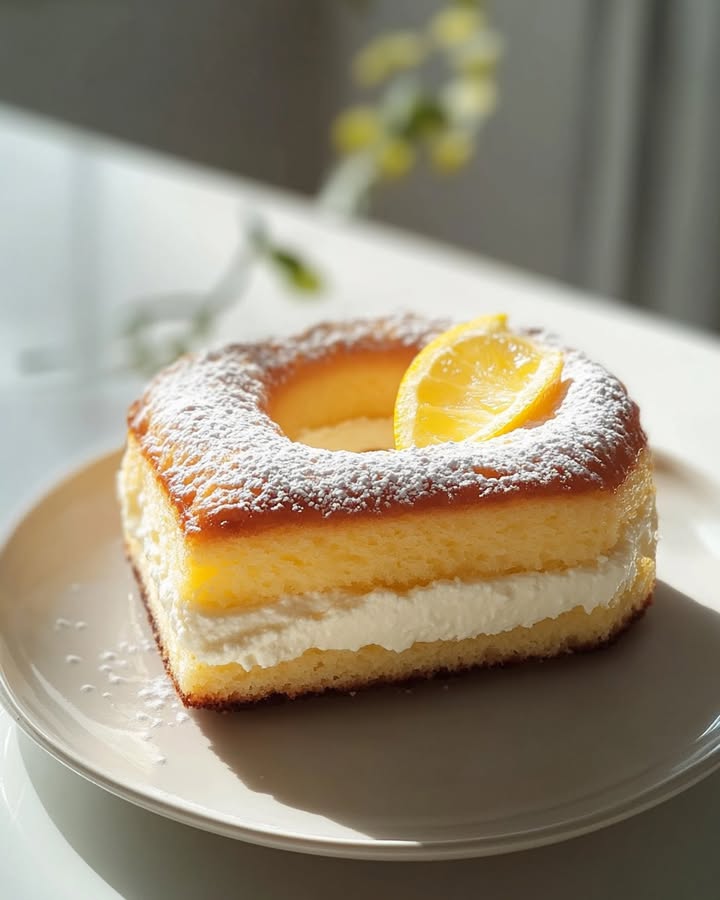
My Secret to a Perfectly Cloudy, Sunshiny Dessert: Lemon Ricotta Cake
I once made a cake so dense it could have been used as a doorstop. My family politely chewed. Then I found this magic combination: ricotta and lemon. The result? A Lemon Ricotta Cake so light and bright, it feels like eating a cheerful, sunny cloud. It has become my go-to for last-minute guests, happy celebrations, and even just a sweet Tuesday. Let me share this simple, delightful recipe that will make you feel like a baking genius.
A Little Slice of Sunshine: The Story Behind Lemon Ricotta Cake
This cake isn’t a centuries-old secret. It’s a modern, brilliant twist on classic Italian baking. Italians have long used ricotta in sweet treats, like cannoli and cheesecakes, for its creamy texture. Pairing it with vibrant lemon zest is a natural, refreshing evolution. My version is the «light» one—less fuss, no heavy crust, just pure flavor. It’s a humble cake that feels both rustic and elegant. It’s the cake you imagine enjoying in a cozy Italian kitchen or a sunny garden patio.
Why You’ll Absolutely Adore This Lemon Ricotta Cake Recipe
First, it’s unbelievably easy. No fancy techniques, no separating eggs. You just mix and bake. Second, the texture is divine—moist, tender, and almost fluffy, thanks to the ricotta. Third, the flavor balance is perfect. The ricotta offers a subtle, creamy richness. The lemon provides a bright, tangy sparkle. It’s not overly sweet. It’s a cake that feels sophisticated but is secretly simple. Everyone who tries it asks for the recipe. It’s my ultimate crowd-pleaser.
When to Bake This Beautiful Lemon Ricotta Cake
This cake fits almost any occasion. It’s perfect for a spring brunch or a summer afternoon tea. It’s a lovely finish to a family dinner without being too heavy. I love bringing it to picnics—it travels beautifully. It’s also my secret weapon for potlucks, where it always stands out among the brownies and cookies. For a cozy coffee date with a friend, this cake turns a simple moment into a special one.
Gathering Your Ingredients for Lemon Ricotta Cake
- 250 g of ricotta cheese
- 1 lemon (both zest and juice)
- 3 eggs
- 150 g of sugar
- 100 g of flour
- 1/2 packet of baking powder
- A pinch of salt
- 50 ml of olive oil
Smart Substitutions for Your Lemon Ricotta Cake
Don’t worry if you’re missing something! You can substitute ricotta with mascarpone for extra richness, or with plain Greek yogurt for a similar tangy texture. If you don’t have olive oil, a neutral oil like vegetable or sunflower oil works fine. For a gluten-free version, use a good all-purpose gluten-free flour blend. You can even swap the lemon for an orange for a different citrus twist.
Crafting Your Perfect Lemon Ricotta Cake: Step-by-Step
Step 1: Get Your Kitchen Ready
Start by preheating your oven to 180°C (Thermostat 6). This ensures a stable temperature for baking. Grease and flour your cake pan—a simple round 22 cm pan works wonders. I like to use butter for greasing and a little sprinkle of flour tapped around. This little ritual prevents sticking and gives you a perfect release later. It sets the stage for success.
Step 2: Wake Up the Ricotta
In a large bowl, place your ricotta and sugar. Using a spatula or whisk, mix them until perfectly smooth and creamy. You’ll see the sugar dissolve into the ricotta, creating a sweet, pale base. This step is key for a homogeneous batter. Pro tip: If your ricotta seems a bit dry or grainy, a quick stir with a fork before adding sugar can help.
Step 3: Bring in the Eggs
Add the eggs one at a time. Crack the first egg into the ricotta-sugar mix and stir well until fully incorporated. Repeat with the second and third eggs. Adding them separately ensures a smooth, emulsified mixture without lumps. The batter will become slightly runnier and more golden with each egg. It’s like building the cake’s structure layer by layer.
Step 4: The Citrus Sunshine
Now, add the zest and juice of your lemon. First, zest it—the fine yellow bits that hold the most intense aroma. Then, juice it. Stir vigorously. The room will instantly smell like a sunny orchard. The juice will thin the batter slightly and the zest will speckle it with yellow dots of flavor. This is where the cake’s personality really comes alive.
Chef’s tip: Use a microplane for zesting. It gives you fluffy, fragrant zest without the bitter white pith.
Step 5: Prepare the Dry Team
In a separate bowl, combine your flour, baking powder, and that tiny pinch of salt. Whisk them together. This ensures the baking powder is evenly distributed for a uniform rise. The salt, though small, balances the sweetness and enhances all the flavors. It’s a small step with a big impact on the final taste.
Step 6: The Gentle Merge
Now, incorporate the dry ingredients into the wet ricotta mixture. Do this gradually, folding gently with a spatula. Alternate with additions of the olive oil. The goal is to keep the batter airy and avoid overmixing, which can make the cake tough. You’ll end with a smooth, pourable batter with a lovely sheen from the oil.
Step 7: Into the Pan
Pour the beautiful batter into your prepared pan. It should settle evenly. Give the pan a gentle tap on the counter to release any air bubbles. This helps the cake bake with an even texture. Seeing it ready to go into the oven is always a moment of happy anticipation for me.
Step 8: The Baking Watch
Place the pan in the preheated oven. Bake for about 35 minutes. Do not open the door too early! Around the 30-minute mark, you can check. The top should be golden, and the cake should have pulled away slightly from the sides. The real test is the toothpick or knife test. Insert it in the center—it should come out clean or with just a few moist crumbs.
Step 9: The Patient Wait
Once baked, remove the cake from the oven. Let it cool completely in the pan on a rack. This is crucial! A warm cake is fragile and can break. Cooling allows it to set properly. Once cool, run a knife around the edge and gently turn it out. Then, slice, serve, and enjoy the reward of your patience.
Timing Your Lemon Ricotta Cake Success
This is a quick cake from idea to plate. Preparation takes about 15 minutes of active work. Baking time is 35 minutes. Cooling time is essential—give it at least an hour before slicing. So, total time from start to first bite is about 50 minutes of work plus cooling. Perfect for when you need something impressive but fast.
A Little Extra Secret for the Best Lemon Ricotta Cake
My secret trick? I sometimes add a tiny teaspoon of fine semolina (about 10g) to the flour mix. It gives the cake a delightful, almost imperceptible, grainier texture that I love. It’s not necessary, but it’s a fun whisper of Italian tradition. Try it if you have some on hand!
A Fun Fact About Our Star Ingredients
Ricotta isn’t really a cheese but a “recooked” dairy product! It’s made from the whey leftover from making other cheeses. This process gives it a light, fresh flavor and a unique texture perfect for baking. It’s a brilliant way to use every part of the milk.
What You’ll Need to Make This Cake
- A large mixing bowl
- A smaller bowl
- A spatula or whisk
- A zester (microplane)
- A juicer or your strong hands
- A round cake pan (about 22 cm)
- An oven (of course!)
How to Keep Your Lemon Ricotta Cake Fresh
This cake stores wonderfully thanks to its moist texture. Once completely cooled, you can keep it at room temperature under a cake dome or wrapped for one day. The flavors are best fresh.
For longer storage, place it in the refrigerator. Cover it well with plastic wrap or store it in an airtight container. It will stay delicious for up to 3-4 days. The cool temperature helps preserve the ricotta.
You can also freeze this cake for later enjoyment. Wrap it tightly in plastic wrap and then in aluminum foil. Freeze for up to a month. Thaw it slowly in the refrigerator before serving.
My Top Tips for Lemon Ricotta Cake Excellence
- Use fresh, full-fat ricotta for the best texture and flavor.
- Really zest your lemon well—the zest carries the potent aroma.
- Don’t overmix once you add the flour. Fold gently to keep the cake light.
- Always do the toothpick test. Ovens vary, so trust the clean toothpick.
- Let it cool! I know it’s tempting, but it makes slicing so much easier.
Presenting Your Lemon Ricotta Cake Beautifully
A simple dusting of powdered sugar makes it look wintery and elegant. A dollop of whipped cream or a scoop of vanilla ice cream alongside is heavenly. For a festive touch, decorate with fresh blueberries or raspberries and a mint leaf. Serve it on a pretty cake stand to really make it the star of the table.
Playing with Flavors: 6 Lemon Ricotta Cake Variations
This cake is a fantastic base for creativity. Here are six ways to play with it:
- Blueberry Lemon Ricotta Cake: Fold 100g of fresh blueberries into the batter before baking. They create juicy bursts of flavor.
- Lemon Ricotta Cake with a Glaze: After cooling, drizzle with a simple glaze made from lemon juice and powdered sugar for extra tang and shine.
- Almond Lemon Ricotta Cake: Substitute 30g of the flour with ground almonds for a nutty, rich texture.
- Lemon Ricotta Bundt Cake: Bake the batter in a beautiful Bundt pan for a stunning shape. Just adjust baking time slightly.
- Herb-Infused Cake: Add a tablespoon of finely chopped fresh thyme or rosemary to the batter for a surprising, sophisticated twist.
- Citrus Medley Cake: Use a mix of citrus zest—lemon, orange, and lime—for a complex, sunny flavor profile.
If you love creative cakes, you might also enjoy our decadent Cinnamon Roll Cheesecake or the classic richness of our Kentucky Butter Cake. For another easy, fluffy option, check out our simple Fluffy Yogurt Coffee Cake. And for a nutty delight, our Hanuta Cake is a unique treat.
Common Mistakes to Avoid With Lemon Ricotta Cake
Mistake 1: Using Cold, Clumpy Ricotta
Ricotta can sometimes be stiff and grainy straight from the fridge. If you don’t smooth it out first, it can create lumps in your batter. These lumps won’t fully integrate and can result in uneven texture in the baked cake. To avoid this, let your ricotta sit out for 10-15 minutes to soften. Then, give it a vigorous stir or a quick whisk with the sugar until it’s completely creamy and smooth before adding other ingredients.
Mistake 2: Overmixing After Adding Flour
Once you add the flour and baking powder, mixing too hard or too long is a risk. Overmixing develops the gluten in the flour. This can make your cake tough and dense instead of light and tender. The solution is gentle folding. Use a spatula and incorporate the dry ingredients with broad, gentle strokes just until you see no dry flour patches. Stop immediately once it’s combined.
Mistake 3: Skipping the Proper Cooling Time
It’s so tempting to slice a warm cake! But this cake, with its creamy ricotta base, needs time to set. If you cut it while hot, it can crumble, collapse, or seem gummy in the center. Always let it cool completely in the pan on a rack. This allows the structure to firm up. You’ll get perfect, clean slices and the best texture if you wait at least an hour.
Mistake 4: Not Testing for True Doneness
Depending on your oven and pan, the 35-minute guideline might vary. Just looking at the golden top isn’t enough. The center might still be undercooked. Always use the toothpick or knife test. Insert it into the center of the cake. If it comes out with wet batter, it needs more time. If it comes out clean or with just a few dry crumbs, it’s done. This simple test guarantees perfect baking every time.
Frequently Asked Questions About Lemon Ricotta Cake
Can I make this Lemon Ricotta Cake without a mixer?
Absolutely! This recipe is designed to be simple. You can make the entire cake by hand with a whisk and a spatula. The key is to whisk the ricotta and sugar thoroughly until smooth. Then, whisk in the eggs one by one. When adding the flour, switch to a folding motion with the spatula to avoid overmixing. It’s a very manageable hand-mixed cake and works perfectly.
What’s the best type of ricotta to use for this cake?
For the best texture and flavor, I recommend using a good-quality, fresh, full-fat ricotta. The fat content helps create a moist, rich cake. Avoid ricotta that seems very dry or overly grainy. If you can find a smooth, creamy ricotta, it will integrate beautifully into the batter. Some grocery stores even have ricotta specifically labeled for baking, which is a great choice.
Can I use bottled lemon juice instead of fresh?
I strongly advise using a fresh lemon. The fresh juice provides a bright, clean acidity. Bottled juice can have a flat or processed taste. More importantly, you need the fresh lemon zest. The zest holds the most intense lemon oil and aroma. It’s what gives the cake its wonderful fragrant punch. The combination of fresh zest and juice is irreplaceable for the best flavor.
How can I tell if my cake is done baking?
Use the classic toothpick or knife test. Insert a clean toothpick, skewer, or thin knife into the center of the cake. Pull it out. If it comes out clean, with no wet batter sticking to it, the cake is done. If you see a few moist crumbs clinging to it, that’s also fine—it means the cake is moist but cooked. If you see wet, gloppy batter, it needs more baking time.
Why does my cake sometimes sink in the center?
A sunken center often points to underbaking. The structure hasn’t set fully in the middle. Ensure your oven is fully preheated and use the toothpick test. Another cause could be too much baking powder or an uneven mix of the batter. Measure your baking powder accurately and fold your dry ingredients in evenly. Proper cooling also helps the structure stabilize.
Can I add other fruits to this Lemon Ricotta Cake?
Yes, you can! Soft fruits like blueberries, raspberries, or chopped strawberries are lovely additions. Fold about 100g of your chosen fruit into the batter just before pouring it into the pan. Be gentle to avoid crushing them. The fruit will bake into the cake, creating juicy pockets. It’s a delicious way to add color and extra flavor.
Is olive oil necessary, or can I use another oil?
Olive oil adds a subtle, fruity depth. But you can substitute it with a neutral oil like vegetable, canola, or sunflower oil. The cake will be slightly lighter in flavor. Butter is not a good substitute here, as melted butter would change the texture. The oil helps keep the cake moist and tender, so stick with a liquid fat.
How long will this cake stay fresh?
At room temperature, covered, it stays perfect for about one day. In the refrigerator, in an airtight container, it will keep well for 3 to 4 days. The flavors remain good, though the texture is best within the first two days. You can also freeze it for up to a month. Thaw it in the fridge overnight before serving.
Can I make this cake gluten-free?
Yes, you can. Simply replace the 100g of regular wheat flour with a good all-purpose gluten-free flour blend. Ensure the blend contains a binder like xanthan gum. The texture might be slightly different, but it will still be delicious. Follow all other steps exactly the same. It’s a great option for those with dietary restrictions.
What’s the secret to getting a really light texture?
The light texture comes from three things: the ricotta itself, which adds moisture without heaviness; not overmixing the flour; and using the correct amount of baking powder for lift. Also, ensuring your eggs are fully incorporated one by one creates a smooth, emulsified base. Following the steps carefully, especially the gentle folding, is the true secret to that lovely, cloud-like cake.
For those who love baking, smart meal prep can involve making elements like this cake ahead of time, ensuring you always have a delightful homemade dessert ready.
This Lemon Ricotta Cake is truly a gem in my collection of easy, impressive dessert recipes. It proves that with a few good ingredients and a simple method, you can create something extraordinary.
Your New Favorite Cake is Waiting
This Lemon Ricotta Cake is more than a recipe. It’s a little promise of happiness. It brings sunshine to your table with minimal effort. The bright lemon and creamy ricotta create a harmony that feels both comforting and special. I hope you try it and share it. I hope it becomes your secret weapon for bringing joy to your kitchen and to the people you love. Happy baking!
Lemon Ricotta Cake
Ingredients
Equipment
Method
- Preheat your oven to 180°C (Thermostat 6) and grease and flour a 22 cm round cake pan.
- In a large bowl, mix the ricotta and sugar until smooth and creamy.
- Add the eggs one at a time, stirring well after each addition.
- Add the zest and juice of the lemon to the mixture and stir vigorously.
- In a separate bowl, whisk together the flour, baking powder, and salt.
- Gradually fold the dry ingredients into the ricotta mixture, alternating with the olive oil.
- Pour the batter into the prepared pan and give it a gentle tap on the counter.
- Bake for about 35 minutes, checking around the 30-minute mark for doneness.
- Allow the cake to cool completely in the pan before slicing and serving.