
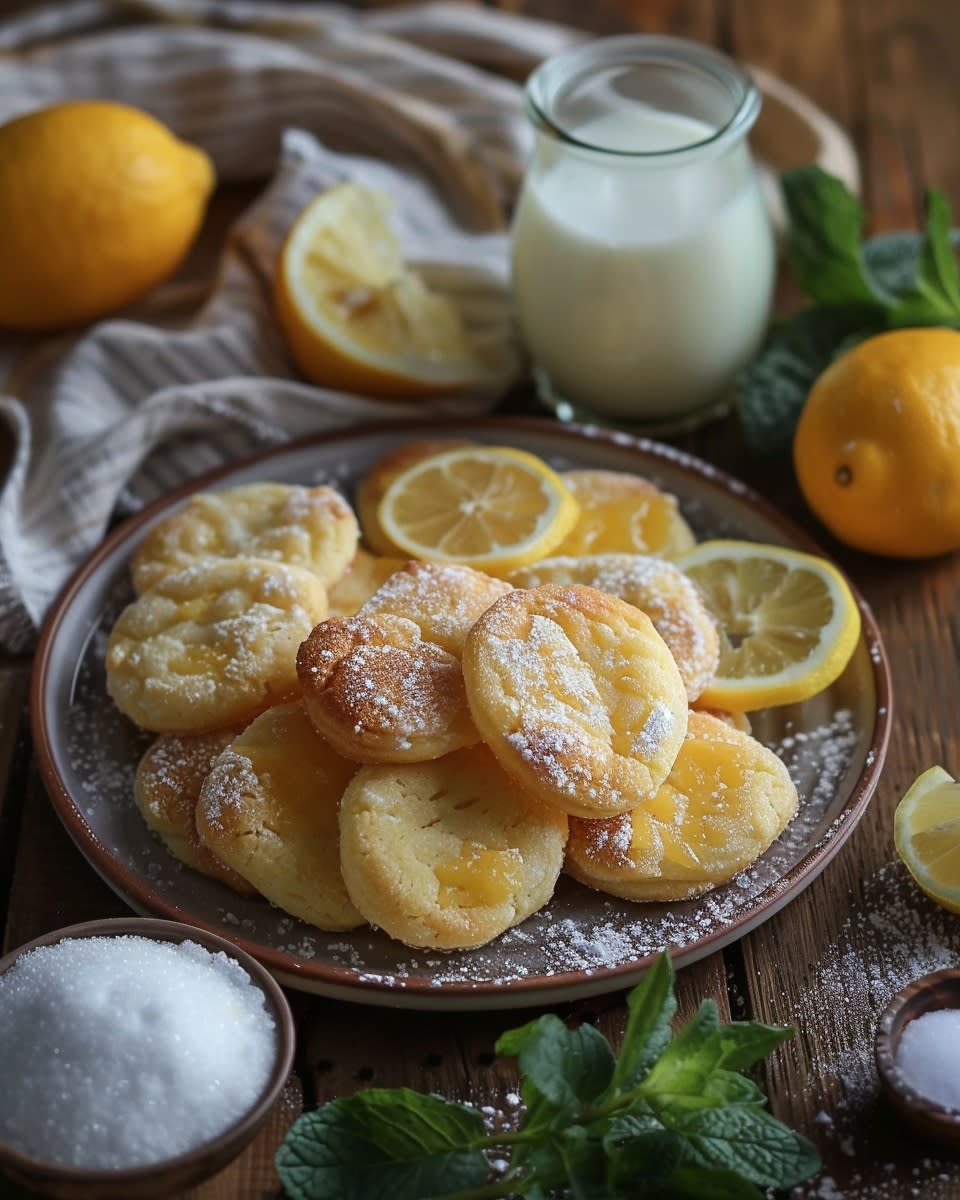
Introduction: The Bright, Sunny Joy of Lemon Sugar Cookies
I still remember the first time I bit into a lemon sugar cookie at my grandmother’s house. The burst of citrus flavor mixed with buttery sweetness made me forget about the chocolate chip cookies I usually craved. That single cookie changed everything for me.
Welcome to my kitchen, where we’re about to explore the wonderful world of lemon sugar cookies! These treats hold a special place in my heart. Every time I bake a batch, my house fills with the most amazing smell. It’s like bottling sunshine and turning it into something you can eat.
I love making these zesty cookies because they never fail to bring smiles. When I bring them to potlucks or family gatherings, they disappear faster than any other dessert. Friends constantly ask me for the recipe. Kids and adults alike reach for seconds. There’s something about that tangy-sweet combination that makes people happy.
These cookies also remind me that baking doesn’t need to be complicated. You don’t need fancy equipment or hard-to-find ingredients. Just fresh lemons, butter, sugar, and a little time. The result is magic.
In this article, I’ll share everything I’ve learned about making perfect lemon sugar cookies. We’ll start with the basics and work our way through classic recipes. Then I’ll show you some unique variations that might become your new favorites. You’ll also get my best tips for getting perfect results every single time.
Whether you’re looking for soft lemon sugar cookies made from scratch or planning to make lemon sugar cookies cut out shapes for a party, I’ve got you covered. Let’s get started!
What Are Lemon Sugar Cookies?
Let me paint you a picture. Imagine taking a classic sugar cookie and giving it a bright citrus twist. That’s exactly what lemon sugar cookies are. They combine the tender, buttery texture of traditional sugar cookies with the fresh zing of real lemons.
The history of these cookies isn’t as well documented as some other desserts. But sugar cookies themselves have been around since the 1700s. Bakers in Nazareth, Pennsylvania are often credited with creating the first versions. Adding lemon likely came later when creative home bakers wanted something more exciting than plain vanilla.
Today, you’ll find countless versions across recipe sites. Search for lemon sugar cookies allrecipes and you’ll see hundreds of variations. The lemon sugar cookies Martha Stewart version tends toward elegance. Meanwhile, lemon sugar cookies food network recipes often feature celebrity chef twists.
So how do these differ from regular sugar cookies? The main difference is obvious: lemon. But it goes deeper than that. Regular sugar cookies rely on vanilla extract for flavor. Lemon sugar cookies get their personality from fresh lemon juice and zest. This creates a completely different taste experience.
The texture can vary too. Many bakers aim for a softer, cake-like cookie when adding lemon. The acidity in lemon juice actually affects how the dough behaves. It can make cookies more tender if you use the right ratios.
The key ingredients that make lemon sugar cookies special are surprisingly simple:
- Fresh lemons: Both the zest and juice are essential. Bottled lemon juice just can’t compare to fresh. The zest contains oils that pack the most punch.
- Granulated sugar: This provides sweetness and helps create that classic cookie texture. Some recipes also use powdered sugar.
- Butter: Good quality butter makes a huge difference. It creates richness and helps cookies spread properly.
- Flour: All-purpose flour works best for most recipes. It gives structure without making cookies tough.
- Eggs: These bind everything together and add moisture.
- Baking powder or baking soda: These help cookies rise and create the right texture.
The magic happens when you cream butter and sugar together, then add fresh lemon zest. The zest releases its aromatic oils into the butter. This infuses the entire cookie with bright lemon flavor. Adding lemon juice to the dough reinforces that citrus punch.
Some recipes also call for a touch of vanilla extract. I like adding it because it rounds out the flavor. Others skip it to keep the lemon taste pure and strong. Both approaches work great.
Why are these cookies such a favorite for so many people? I think it comes down to balance. They’re sweet but not cloying. The lemon cuts through the richness of butter and sugar. They feel light and refreshing instead of heavy.
These cookies work for any season too. In summer, they taste cool and bright. During winter holidays, they offer a sunny break from heavy spiced treats. Spring and fall? Perfect then too.
People also love the versatility. You can make simple drop cookies for weeknight treats. Or create beautiful lemon sugar cookies cut out in fun shapes for special occasions. Top them with lemon sugar cookies with icing for parties. Keep them plain for everyday snacking.
The soft lemon sugar cookies made from scratch are especially popular. They have a tender crumb that melts in your mouth. The edges might have a slight crisp while the center stays pillowy. That contrast in texture keeps people coming back for more.
I’ve even seen creative variations like coconut lemon sugar cookies that add tropical flair. Some bakers have created award winning lemon cookies by perfecting the balance of flavors. There are even healthy lemon cookies made with alternative sweeteners and whole grain flours.
What I love most is how forgiving this recipe is. New bakers can succeed with basic versions. Experienced bakers can experiment and create their own signatures. The foundation stays the same: butter, sugar, flour, and those beautiful fresh lemons.
These cookies also freeze beautifully. I always make extra dough and keep it in the freezer. That way, I can bake fresh cookies whenever the craving hits. The smell of lemon cookies baking can turn any bad day around.
In my experience, once people try a good lemon sugar cookie, they’re hooked. The bright flavor wakes up your taste buds. It’s like a little celebration in cookie form.


Classic Recipes and Variations That’ll Make You the Cookie Hero
Now that you understand what makes these cookies so special, let’s roll up our sleeves and actually make some!
I’m going to walk you through several versions, from the classic approach to some creative twists that might surprise you. Each one has its own personality, and honestly, I love them all for different reasons.
The Classic Recipe: Your Foundation for Success
Let me share my go-to classic recipe first. This is the one I make most often, and it’s inspired by traditional approaches you might find in a lemon sugar cookies martha stewart collection, though I’ve tweaked it over the years to suit my taste.
Start by gathering your ingredients. You’ll need two and a half cups of all-purpose flour, one teaspoon of baking powder, half a teaspoon of salt, one cup of softened butter, one and a half cups of granulated sugar, two large eggs, the zest of two large lemons, and three tablespoons of fresh lemon juice. Simple stuff, right?
Here’s how I do it. First, I leave my butter out for about an hour before baking. Room temperature butter is crucial. Too cold and it won’t cream properly. Too warm and your cookies will spread like crazy in the oven.
I cream the butter and sugar together for a solid five minutes. This isn’t the time to rush. You want the mixture to turn pale and fluffy. Then I add the eggs one at a time, beating well after each addition. The lemon zest goes in next, and I mix it for another minute to really release those oils.
In a separate bowl, I whisk together the flour, baking powder, and salt. Then I alternate adding the dry ingredients and lemon juice to the butter mixture, starting and ending with the flour. Mix just until combined. Overmixing creates tough cookies, and nobody wants that.
The dough should be soft but not sticky. If it feels too wet, don’t panic. Just chill it for thirty minutes before scooping. I use a cookie scoop to portion out tablespoon-sized balls onto parchment-lined baking sheets, spacing them about two inches apart.
Bake at 350 degrees for ten to twelve minutes. The edges should just barely start to turn golden. They’ll look slightly underdone in the center, but trust me, they’ll firm up as they cool. Let them sit on the baking sheet for five minutes before transferring to a cooling rack.
The result? Perfectly soft lemon sugar cookies made from scratch with that tender, melt-in-your-mouth texture everyone loves.
Cut-Out Cookies for Special Occasions
When I need lemon sugar cookies cut out into shapes, I adjust my technique slightly. The trick is making dough that’s firm enough to hold detailed shapes but still tender when baked.
For cut-outs, I increase the flour by a quarter cup and reduce the lemon juice to two tablespoons. This creates a stiffer dough that won’t spread as much during baking. After mixing, I divide the dough in half, flatten each portion into a disk, wrap in plastic, and refrigerate for at least two hours. Cold dough is so much easier to work with.
When rolling out the dough, work with one disk at a time and keep the other chilled. Dust your work surface lightly with flour, but don’t go overboard or you’ll dry out the dough. Roll to about a quarter-inch thickness for cookies that are sturdy enough to decorate but still tender to eat.
Here’s a tip I learned the hard way: dip your cookie cutters in flour between each cut. This prevents sticking and gives you cleaner edges. Also, place the cut shapes on a cool baking sheet. If your sheet is warm from a previous batch, the butter in the dough starts melting before the cookies even hit the oven.
Bake these for about eight to ten minutes. They should not brown at all if you want to decorate them. The pale surface makes a perfect canvas for icing.
Award-Winning Secrets Worth Stealing
I’ve studied dozens of award winning lemon cookies recipes to figure out what makes them stand out. The common threads are interesting.
First, most winners use both lemon zest and lemon extract in addition to juice. The extract intensifies the flavor without adding extra liquid. Just half a teaspoon makes a noticeable difference. Second, many include a tablespoon of sour cream or Greek yogurt in the dough. This adds tanginess and creates an incredibly tender crumb.
Another trick is the sugar coating. Instead of plain granulated sugar, mix your sugar with additional lemon zest. Roll the dough balls in this mixture before baking. As the cookies bake, the sugar caramelizes slightly while the zest becomes aromatic. The combination is fantastic.
Some competition-winning recipes also call for resting the dough overnight in the refrigerator. This allows the flour to fully hydrate and the flavors to meld. I know it requires patience, but the depth of flavor you get is worth the wait. Much like how the brown sugar topping in a Trinidad Pineapple Upside Down Cake develops complexity through proper preparation, cookie dough benefits from time.
Lighter Options Without Sacrificing Flavor
For those watching their intake, healthy lemon cookies are absolutely possible. I’ve experimented extensively with this because I have friends who can’t indulge in traditional versions.
My favorite healthier version uses half whole wheat pastry flour and half all-purpose flour. Whole wheat pastry flour is finer than regular whole wheat, so it doesn’t create a dense, heavy texture. I also replace half the butter with unsweetened applesauce. This cuts the fat significantly while keeping the cookies moist.
For sweetener, I use a combination of coconut sugar and a touch of honey. Coconut sugar has a lower glycemic index than white sugar, and honey adds moisture. The cookies turn out slightly darker and have a subtle caramel note that complements the lemon beautifully.
I won’t lie to you—these taste different from traditional butter-heavy cookies. But they’re delicious in their own right. My health-conscious sister actually prefers this version now. She says they feel less heavy after eating a few.
Adding Tropical Vibes with Coconut
When I want something a little different, I make coconut lemon sugar cookies. The combination reminds me of summer vacations and beach days.
The base recipe stays the same, but I add half a cup of unsweetened shredded coconut to the dough. Make sure to use finely shredded coconut rather than the big flakes, or you’ll have texture issues. I also replace one tablespoon of the lemon juice with coconut extract.
Before baking, I press a few extra coconut shreds onto the top of each cookie. They toast during baking and add a lovely nutty flavor. Sometimes I drizzle the cooled cookies with a simple glaze made from powdered sugar, lemon juice, and coconut milk. The flavors work together like they were meant to be partners. The tropical combination has the same surprising appeal as adding chocolate to banana cake—different elements that somehow create magic together.
These are always a hit at summer barbecues. The coconut adds chewiness that contrasts nicely with the crisp edges of the cookies.
Icing Techniques That Wow
Making lemon sugar cookies with icing turns simple treats into showstoppers. I’ve decorated countless batches for birthdays, holidays, and bake sales.
My basic icing is straightforward: two cups of powdered sugar, three tablespoons of fresh lemon juice, and a pinch of salt. Whisk until smooth. For a thicker consistency that holds its shape for detailed work, reduce the lemon juice to two tablespoons. For a thinner glaze that creates a smooth, glossy finish, add another tablespoon.
Color is where you can have fun. I use gel food coloring because it doesn’t thin out the icing like liquid colors do. Divide your icing into small bowls and tint each one differently. Pastels look gorgeous on lemon cookies—soft yellows, pale pinks, lavender, and mint green.
For application, I use two methods depending on the look I want. For a simple glaze, I dip the top of each cookie directly into the icing, then let the excess drip off. Place them on a wire rack set over parchment paper to catch drips. For more detailed designs, I put the icing in piping bags fitted with small round tips.
Here’s something I discovered by accident: if you add a tablespoon of light corn syrup to your icing, it dries with a beautiful sheen instead of a matte finish. It also stays slightly softer, so the icing doesn’t crack when you bite into the cookie.
Sprinkles, edible glitter, or candied lemon peel make wonderful finishing touches. Add them while the icing is still wet so they stick properly. The presentation can be as elegant as a beautifully decorated strawberry cheesecake if you take your time.
The Gourmet Approach
Sometimes I like to get fancy with a lemon sugar cookies food network style recipe. These versions incorporate techniques and ingredients you might see on cooking shows.
One gourmet variation I love uses brown butter instead of regular butter. Brown butter has a nutty, caramel-like flavor that adds incredible depth. To make it, melt your butter in a light-colored saucepan over medium heat. Swirl the pan occasionally as the butter foams and the milk solids begin to brown. When it smells nutty and turns golden amber, immediately pour it into a heat-proof bowl to stop the cooking. Let it cool and solidify before using it in your recipe.
Another upscale touch is using Meyer lemons instead of regular ones. Meyer lemons are sweeter and more floral, with less acidity. They create a more subtle, sophisticated lemon flavor. I also sometimes add a teaspoon of finely minced fresh thyme or lavender to the dough. Herbs might sound weird in cookies, but they add an elegant, unexpected note.
For a truly special presentation, sandwich two cookies together with lemon curd filling. The creamy, intense lemon center contrasts beautifully with the cookie texture. These are impressive enough to serve at dinner parties.
By the way, don’t throw away those lemon halves after juicing! I toss them in the disposal to freshen it up, or simmer them in water on the stove to make the house smell amazing.
Whether you stick with the classic version or venture into creative territory, these recipes give you plenty of options. The foundation remains the same—quality ingredients and careful technique. Everything else is just fun experimentation. Much like how you’d adjust ingredients when making a classic pineapple upside down cake to suit your preferences, feel free to adapt these cookie recipes to your taste.


Tips and Tricks for Perfect Lemon Sugar Cookies
After years of baking these cookies, I’ve learned that success comes down to understanding a few key principles. Let me share the insights that transformed me from someone who occasionally made decent cookies to someone whose cookies people actually request by name.
Mastering Texture: The Secret Science Behind Your Cookie
Here’s the thing—texture is everything. I’ve had people tell me they don’t like lemon cookies, but when I asked more questions, I realized they just hadn’t found the right texture for their preference.
If you want those beautifully soft lemon sugar cookies made from scratch, the magic happens in three places. First, don’t overbake. Seriously, this is where most people go wrong. Pull your cookies when the centers still look slightly underdone. They’ll continue cooking on the hot pan after you remove them from the oven. I set my timer for two minutes less than the recipe suggests, then check them. You can always bake longer, but you can’t undo dry cookies.
Second, the butter-to-sugar ratio matters enormously. More butter creates spread and chewiness. If your cookies are coming out too cake-like, try increasing the butter by two tablespoons next time. On the flip side, if they’re spreading into thin puddles, reduce the butter slightly or add a bit more flour.
Third, and this surprised me when I first learned it, brown sugar makes softer cookies than white sugar. The molasses content in brown sugar attracts moisture. I sometimes replace a quarter cup of white sugar with brown sugar when I want extra-soft results. The flavor changes slightly—you get a hint of caramel—but it’s delicious.
For chewy cookies, underbaking is your friend again. But also, try using more egg yolks and fewer whites. Egg yolks contain fat and create richness. Some bakers swear by using one whole egg plus one extra yolk instead of two whole eggs. The difference is subtle but real.
Now, if you prefer crispy cookies (and plenty of people do), you’ll take the opposite approach. Bake them a minute or two longer until the edges turn golden brown. Use all white sugar instead of any brown sugar. You can also roll the dough thinner before baking. Thinner cookies crisp up more easily than thick ones.
Something else I’ve noticed—cookies spread less and stay thicker when you chill the dough balls before baking. Sometimes I portion out all my dough, then stick the whole baking sheet in the freezer for fifteen minutes before it goes in the oven. The cold dough takes longer to spread, which means the cookies set before they flatten out completely. This technique gives you those thick, bakery-style cookies with soft centers and slightly crisp edges.
Common Mistakes and How I Learned to Fix Them
Let me tell you about my disasters so you can avoid them. My first attempt at lemon sugar cookies ended up tasting like perfume. I’d used lemon extract with a heavy hand, thinking more flavor was always better. Wrong! Lemon extract is incredibly concentrated. A quarter teaspoon is often plenty, especially if you’re already using fresh zest and juice.
Another rookie mistake? Not zesting properly. I used to include bits of the white pith under the lemon skin, which made my cookies bitter. Now I know to use a light touch with the zester, removing only the bright yellow outer layer. The pith contains none of the aromatic oils you want and all of the bitterness you don’t.
Flat cookies plagued me for months until I figured out the culprit was old baking powder. Leavening agents lose potency over time. If your baking powder is more than six months old, it might not work properly. Test it by stirring a teaspoon into hot water—it should bubble vigorously. If it just sits there limply, toss it and buy fresh.
I also learned the hard way that measuring flour correctly is crucial. Scooping flour directly with your measuring cup packs it down, giving you way more flour than the recipe intends. This creates dry, tough cookies. Now I always fluff the flour with a spoon first, then spoon it into my measuring cup and level it off. Or better yet, I weigh my flour when precision matters. Four and a quarter ounces equals one cup of all-purpose flour.
Using cold ingredients when they should be room temperature is another trap. Cold butter won’t cream properly with sugar. Cold eggs can cause the butter mixture to seize up and look curdled. I now take everything out of the fridge an hour before I start baking. If I forget and need to warm eggs quickly, I place them in a bowl of warm water for five minutes.
Overmixing once you add the flour develops gluten, which makes cookies tough and chewy in a bad way. Mix just until you can’t see any more flour streaks. The dough might look a bit rough, but that’s fine. It’ll come together as it rests.
Storage Secrets to Keep Cookies Fresh
Funny enough, proper storage can make or break your cookies. I’ve eaten amazing cookies that turned stale and mediocre within a day because they weren’t stored right.
For short-term storage, I use an airtight container with a piece of bread tucked inside. I know it sounds strange, but the bread releases moisture slowly, keeping the cookies soft. Replace the bread every couple of days. The cookies will stay fresh at room temperature for about five days this way.
Never store soft cookies and crispy cookies in the same container. The moisture from soft cookies will make the crispy ones soggy. Keep them separate, always in airtight containers.
If you’ve made decorated cookies with royal icing, wait until the icing is completely dry before stacking them. I layer them between sheets of parchment paper to prevent sticking. Royal icing actually helps preserve cookies because it creates a protective seal.
For longer storage, freezing is your best friend. Unbaked cookie dough freezes beautifully. I portion it into balls, freeze them on a baking sheet until solid, then transfer them to freezer bags. They’ll keep for three months. When I want fresh cookies, I just add a couple minutes to the baking time and pop them straight from freezer to oven.
Baked cookies also freeze well. Place cooled cookies in a single layer in freezer bags or containers, separating layers with parchment. Properly stored, they’ll maintain quality for up to three months. Thaw at room temperature for about thirty minutes before serving. According to the FDA guidelines on food storage, maintaining proper freezer temperatures and storage methods ensures your baked goods stay safe and delicious.
By the way, cookie dough can also be refrigerated for up to three days before baking. Some people claim this actually improves flavor as the ingredients meld together. I can’t always tell the difference, but it’s handy when you want to prep ahead for a party.
Creative Presentation Ideas That Wow
Let’s talk about turning your cookies from simple treats into memorable experiences. Presentation absolutely affects how people perceive taste—it’s psychology, but it works.
For casual gatherings, I arrange cookies on a wooden board or slate serving piece. Add some fresh lemon slices and sprigs of mint or thyme for color. The herbs echo the lemon flavor and make everything look intentional and beautiful.
When giving cookies as gifts, I stack them in clear cellophane bags tied with yellow ribbon. Attach a small tag with the cookie name and date. People love receiving homemade treats packaged thoughtfully. Last Christmas, I made dozens of bags for neighbors and teachers. The response was overwhelming.
For parties, I sometimes serve cookies alongside lemon curd or whipped cream for dipping. It sounds fancy but requires zero extra effort. Just put the cookies on a platter and the dip in a small bowl. Guests can help themselves.
Cookie sandwiches filled with buttercream or cream cheese frosting make impressive desserts. I’ve served these at dinner parties and people always ask if I bought them from a bakery. The trick is making sure both cookies are the same size, so choose cut-out shapes or use a cookie scoop for consistency.
Another idea I stumbled upon accidentally: crumble leftover cookies over ice cream or yogurt. The contrast of cold, creamy ice cream with crunchy, tangy cookie bits is fantastic. It’s also a great way to use up broken cookies that aren’t pretty enough to serve whole.
For kids’ parties, decorating stations work wonderfully. Set out plain baked cookies, bowls of different colored icings, sprinkles, and edible markers. Let children decorate their own cookies. It keeps them entertained and they love eating their creations. Just be prepared for sugar-fueled chaos!
At weddings or showers, I’ve seen cookies displayed on tiered stands usually reserved for cupcakes. Mix different sizes and shapes on each tier for visual interest. This works especially well with lemon sugar cookies cut out in various designs.
Creating cookie bouquets is another fun option. Insert sturdy cookie sticks into your dough before baking, then arrange the finished cookies in a vase or pot like flowers. Use floral foam to hold them upright. These make adorable centerpieces.
If you’re really feeling ambitious, build a cookie house or tower. It requires more time and patience than I usually have, but the results are stunning. Royal icing acts as glue to hold everything together.
Sometimes simplicity wins though. A plateful of golden cookies dusted with powdered sugar, served warm with cold milk, needs no fancy presentation. The comfort factor speaks for itself.
Pairing Suggestions Nobody Talks About
While we’re on the topic of serving, let me share some beverage pairings I’ve discovered. These cookies aren’t just for milk, though milk is obviously great.
Hot tea is my personal favorite accompaniment. Earl Grey works beautifully because the bergamot complements the lemon. Green tea offers a lighter option that doesn’t compete with the citrus. Chamomile creates a soothing combination perfect for evening snacks.
Coffee lovers might be skeptical, but try it. The slight bitterness of coffee balances the sweet-tart cookie perfectly. I especially enjoy these cookies with a cappuccino or latte where the milk softens the coffee’s edge.
For something special, serve them with limoncello or champagne at adult gatherings. The lemon liqueur echoes the cookie flavor while adding sophistication. Champagne’s bubbles and acidity cut through the richness.
Iced drinks work wonderfully too. Lemonade might seem redundant, but it actually intensifies the lemon experience in a good way. Iced tea, sweet or unsweetened, is refreshing alongside these cookies on hot days.
These cookies also complement other desserts. I’ve served them as part of a larger dessert spread alongside richer options like chocolate cake or cheesecake. The brightness of the lemon provides contrast that prevents palate fatigue.
One more thing—don’t underestimate how these cookies work for breakfast. I’m not saying eat cookies instead of a balanced meal. But one or two alongside yogurt and fruit? That’s a perfectly reasonable weekend breakfast in my book. Life’s short. Eat the lemon cookies.
The beauty of these treats lies in their adaptability. Make them your own. Adjust sweetness, play with textures, experiment with mix-ins. There’s no single right way to enjoy a lemon sugar cookie. The right way is whatever makes you happiest.
Frequently Asked Questions
The primary difference is the addition of fresh lemon zest and juice, which transforms the flavor profile completely. Regular sugar cookies rely on vanilla for their flavor, creating a sweet, mellow taste. Lemon sugar cookies add bright citrus notes that cut through the sweetness and create a more complex, refreshing flavor. The acidity from lemon juice also slightly changes the texture, often making these cookies more tender than traditional versions. Some recipes include lemon extract for even more intense flavor.
Can I use bottled lemon juice instead of fresh lemons?
Technically yes, but I strongly discourage it. Bottled lemon juice lacks the bright, fresh flavor of real lemons and often tastes flat or slightly chemical. Fresh lemon zest is impossible to replicate with bottled juice, and the zest contains essential oils that provide most of the aromatic lemon flavor. If you absolutely must use bottled juice in an emergency, at least try to get fresh lemons for the zest. The difference in final taste is dramatic enough that it’s worth the extra trip to the store.
Achieving soft, chewy cookies requires several techniques. First, slightly underbake them—remove them when centers still look barely set. Use more brown sugar than white sugar, as brown sugar’s molasses content retains moisture. Consider adding an extra egg yolk for richness. Chill your dough before baking so cookies don’t spread too thin. Finally, store baked cookies in an airtight container with a piece of bread to maintain softness. The combination of these methods creates that perfect tender texture everyone loves.
Absolutely! Replace half the all-purpose flour with whole wheat pastry flour for added fiber. Substitute half the butter with unsweetened applesauce to reduce fat. Use coconut sugar or a mix of coconut sugar and honey instead of white sugar for a lower glycemic option. You can also reduce the total sugar amount by about a third without drastically affecting texture. Greek yogurt can replace some of the butter while adding protein. These modifications create lighter cookies that still taste delicious, though the texture and flavor will differ somewhat from traditional versions.
There are endless possibilities for decoration! Royal icing in pastel colors looks elegant and dries hard for easy handling. Simple glaze made from powdered sugar and lemon juice creates a glossy finish. Try rolling dough in colored sugar before baking for sparkle. Sandwich two cookies with lemon curd or buttercream for an impressive presentation. Edible flowers, candied lemon peel, or gold leaf add upscale touches. For children’s parties, provide multiple icing colors, sprinkles, and edible markers for DIY decorating. Even just a dusting of powdered sugar can look beautiful.
Excessive spreading usually comes from butter that’s too warm or dough that’s too soft. Make sure your butter is just room temperature, not melted or greasy. Chilling your portioned dough balls for fifteen to thirty minutes before baking helps tremendously. Using old baking powder that’s lost its potency can also cause spreading issues. Measuring flour incorrectly—using too little—means there’s not enough structure to hold the cookie shape. Finally, baking on warm cookie sheets causes butter to melt before the cookie structure sets, so always use cool pans.
Yes, and I highly recommend it for convenience! Portion your dough into balls and freeze them on a baking sheet until solid, then transfer to freezer bags. They’ll keep for up to three months. You can bake them directly from frozen—just add one to two minutes to the baking time. Alternatively, freeze the dough in a log shape wrapped tightly in plastic wrap, then slice and bake as needed. For cut-out cookies, freeze the dough disks before rolling. Freezing actually makes rolling easier because the dough stays firmer.
Stored properly in an airtight container at room temperature, these cookies stay fresh for about five days. Adding a piece of bread to the container helps maintain moisture. For longer storage, freeze baked cookies for up to three months. Layer them between parchment paper to prevent sticking. Decorated cookies with royal icing actually keep slightly longer because the icing creates a protective seal. Cookies with cream cheese frosting or perishable fillings should be refrigerated and consumed within three days for food safety.
What can I do if my lemon flavor isn’t strong enough?
Weak lemon flavor is a common issue with solutions! First, make sure you’re using enough fresh lemon zest—the zest carries more flavor than juice. Try increasing the zest by one tablespoon. Add a quarter teaspoon of lemon extract to boost intensity without adding extra liquid. Let your creamed butter and sugar mixture sit with the zest for a few minutes to extract the oils. Using Meyer lemons instead of regular lemons creates a different but lovely flavor profile. Finally, consider brushing baked cookies with a lemon syrup made from equal parts lemon juice and sugar.
Bitterness typically comes from including the white pith underneath the lemon’s yellow skin when zesting. The pith contains no aromatic oils and plenty of bitter compounds. Use a light hand with your zester, removing only the colorful outer layer. Another culprit might be overbaking, which can create bitter flavors as sugars caramelize too much. Occasionally, using too much lemon extract creates an artificial, harsh taste. Make sure you’re measuring lemon juice and extract carefully—more isn’t always better with these strong flavors.
These cookies have genuinely changed how I approach baking and sharing food with people I care about. There’s something magical about handing someone a plate of homemade lemon cookies and watching their face light up. Whether you’re baking for a special occasion or just because it’s Tuesday, I hope these recipes and tips give you confidence to create something wonderful. Trust your instincts, have fun with the process, and don’t stress about perfection—the best cookies are made with joy.
Ingredients
Equipment
Method
- Leave butter out for about an hour to reach room temperature.
- Cream the butter and sugar together for about five minutes until pale and fluffy.
- Add eggs one at a time, beating well after each addition.
- Mix in the lemon zest.
- In a separate bowl, whisk together the flour, baking powder, and salt.
- Alternate adding the dry ingredients and lemon juice to the butter mixture, starting and ending with flour, mixing just until combined.
- If the dough feels too wet, chill it for thirty minutes.
- Use a cookie scoop to portion tablespoon-sized balls onto parchment-lined baking sheets, spacing them about two inches apart.
- Bake at 350°F for 10-12 minutes until edges are barely golden.
- Let cookies sit on the baking sheet for five minutes before transferring them to a cooling rack.