
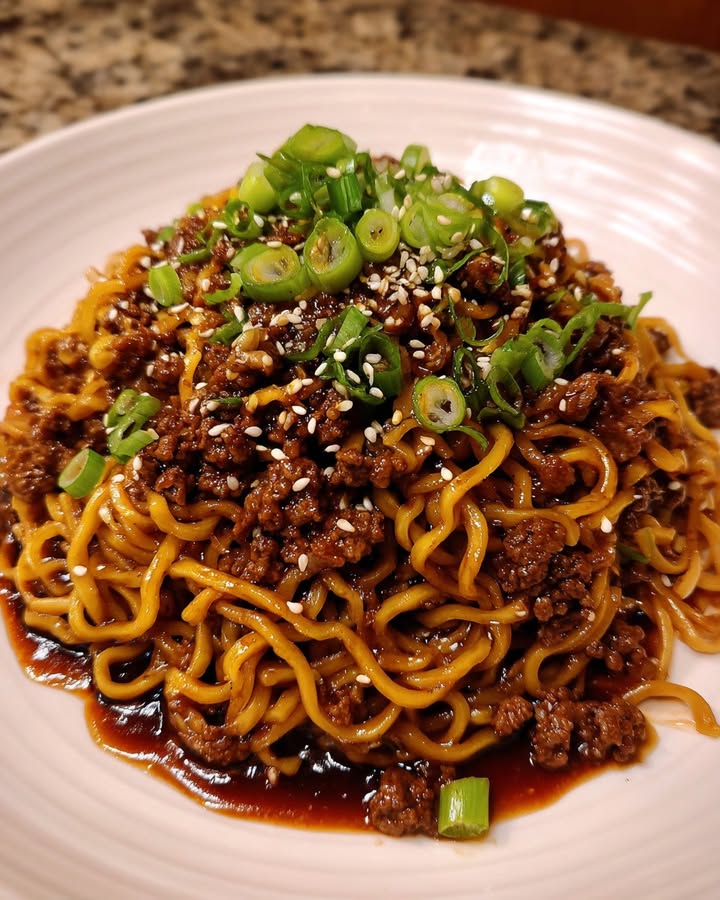
A Flavorful Twist: Mongolian Beef Noodles for Your Next Dinner
I remember the first time I tried Mongolian beef noodles. It was at a little family-owned restaurant, and the dish was so delicious that I knew I had to recreate it at home. This recipe is my take on that memorable meal, blending rich, savory flavors with the comforting texture of noodles. It’s a crowd-pleaser and a go-to for busy weeknights or special gatherings.
From Mongolia to Your Kitchen: The Story Behind Mongolian Beef Noodles
Mongolian beef noodles may not be a traditional Mongolian dish, but it’s inspired by the bold, robust flavors of Mongolian cuisine. This fusion dish combines the best of Asian flavors—sweet, salty, and a hint of spice—with the familiarity of ground beef and noodles. It’s a modern twist that has become a favorite in many American households, including mine.
Why You’ll Love This Recipe: A Symphony of Flavors
This Mongolian beef noodle recipe is a perfect blend of sweet, savory, and slightly spicy flavors. The combination of soy sauce, brown sugar, and hoisin creates a rich, glossy sauce that coats the tender ground beef and al dente noodles beautifully. It’s a one-pot wonder that’s both satisfying and easy to make. Plus, the aroma that fills your kitchen as you cook is simply irresistible.
Perfect Occasions to Prepare This Recipe: From Weeknights to Celebrations
Mongolian beef noodles are versatile enough for any occasion. Whether you’re looking for a quick and hearty weeknight dinner or a show-stopping dish for a casual gathering, this recipe fits the bill. It’s also a great option for potlucks, where it’s sure to be a hit with both kids and adults.
Ingredients: What You’ll Need
- 12 ounces linguine or spaghetti
- 1 pound ground beef
- 1 small onion, finely chopped
- 4 cloves garlic, minced
- ⅓ cup low-sodium soy sauce
- ⅓ cup beef broth
- ⅓ cup brown sugar
- 2 tablespoons hoisin sauce
- 1 tablespoon cornstarch mixed with 2 tablespoons water slurry
- 1 teaspoon ground ginger or 1 tablespoon fresh grated
- ¼ teaspoon red pepper flakes (optional, for heat)
- 2 green onions, sliced
- 1 tablespoon sesame oil
- 2 tablespoons sesame seeds (optional, garnish)
Substitution Options: Flexibility in the Kitchen
- Ground Beef: You can use ground turkey or chicken for a lighter version.
- Soy Sauce: Tamari or coconut aminos can be used for a gluten-free option.
- Brown Sugar: Honey or maple syrup can be substituted for a different flavor profile.
- Hoisin Sauce: Oyster sauce or a mix of molasses and miso paste can work as well.
- Linguine or Spaghetti: Any type of pasta or even rice noodles will do.
Preparation: Step-by-Step Guide
Step 1: Cook the Noodles
Start by bringing a large pot of salted water to a boil. Add the linguine or spaghetti and cook according to the package directions until al dente. The noodles should be cooked but still have a slight bite to them. Drain the noodles and set them aside. The steam rising from the pot will fill your kitchen with a comforting aroma.
Step 2: Brown the Ground Beef
In a large skillet, cook the ground beef and finely chopped onion over medium heat. Break up the beef into small pieces as it browns. Once the beef is nicely browned and the onion is translucent, drain any excess fat. This step is crucial for a rich, meaty flavor without the greasiness.
Step 3: Add the Garlic
Add the minced garlic to the skillet and cook for about 1 minute, stirring constantly. The garlic will release a fragrant, almost nutty aroma. Be careful not to burn it, as burnt garlic can add a bitter taste to your dish.
Step 4: Mix in the Sauces and Spices
Stir in the soy sauce, beef broth, brown sugar, hoisin sauce, ground ginger, and red pepper flakes (if using). The mixture will start to bubble and the aromas will blend together, creating a mouthwatering scent. Let it simmer for a few minutes to allow the flavors to meld.
Step 5: Thicken the Sauce
Stir in the cornstarch slurry and continue to cook until the sauce thickens, about 2-3 minutes. The sauce should coat the back of a spoon and have a glossy, velvety texture. This step is key to achieving the perfect consistency for your Mongolian beef noodles.
Step 6: Combine the Noodles and Sauce
Add the cooked noodles, sesame oil, and sliced green onions to the skillet. Toss everything together until the noodles are well coated with the sauce. The sesame oil adds a nutty, aromatic finish, while the green onions bring a fresh, crisp element to the dish.
Step 7: Garnish and Serve
Garnish with sesame seeds and extra green onions if desired. Serve the Mongolian beef noodles hot, straight from the skillet. The presentation is simple yet inviting, with the vibrant colors of the green onions and sesame seeds adding a nice touch.
Timing: How Long It Takes
- Prep Time: 10 minutes
- Cook Time: 20 minutes
- Total Time: 30 minutes
Chef’s Secret: A Little Extra Something
For an extra layer of flavor, try adding a splash of rice vinegar to the sauce. It adds a subtle tang that balances the sweetness and enhances the overall depth of the dish. This little trick can make a big difference in the final taste.
Extra Info: A Fun Fact About the Recipe
Did you know that Mongolian beef noodles are actually more popular in the United States than in Mongolia? It’s a testament to the creativity and adaptability of American home cooks who have embraced and adapted this delicious fusion dish.
Necessary Equipment: Tools You’ll Need
- Large pot for boiling noodles
- Large skillet for cooking the beef and sauce
- Measuring cups and spoons
- Wooden spoon or spatula
- Colander for draining noodles
Storage: Keeping Your Mongolian Beef Noodles Fresh
To store your Mongolian beef noodles, let them cool to room temperature, then transfer them to an airtight container. They can be stored in the refrigerator for up to 3 days. For longer storage, you can freeze the noodles for up to 3 months. When reheating, add a splash of water or broth to help rehydrate the noodles and keep them from drying out.
Tips and Advice: Making the Most of Your Dish
- Pro Tip: Toast the sesame seeds in a dry skillet for a few minutes before using them as a garnish. This brings out their nutty flavor and adds a nice crunch to the dish.
- Pro Tip: If you like a bit more heat, increase the amount of red pepper flakes or add a dash of sriracha to the sauce.
Presentation Tips: Making It Look Good
- Garnish with additional green onions and sesame seeds for a pop of color.
- Serve the noodles in a large, shallow bowl to showcase the vibrant colors and textures.
- Add a sprinkle of chopped cilantro or a squeeze of lime juice for a fresh, zesty finish.
Healthier Alternative Recipes: Variations to Try
- Zucchini Noodles: Replace the linguine with spiralized zucchini for a low-carb, gluten-free option. The zucchini noodles will add a light, refreshing texture to the dish.
- Vegetarian Version: Use crumbled tofu or tempeh instead of ground beef. Add some mushrooms and bell peppers for extra flavor and nutrition.
- Whole Wheat Pasta: Opt for whole wheat linguine or spaghetti for a healthier, fiber-rich alternative. The nutty flavor of the whole wheat complements the rich sauce nicely.
- Low-Sugar Option: Reduce the amount of brown sugar and use a natural sweetener like honey or maple syrup. This will cut down on the sugar content without sacrificing flavor.
- Spicy Kick: Increase the red pepper flakes and add a diced jalapeño for a spicier version. This will give the dish a nice kick and a bit more complexity.
- Asian Greens: Add some bok choy or spinach to the skillet towards the end of cooking. The greens will wilt and add a fresh, nutritious element to the dish.
Common Mistakes to Avoid: Tips for Success
Mistake 1: Overcooking the Pasta
Overcooked pasta can turn mushy and ruin the texture of your dish. To avoid this, follow the package instructions carefully and test the pasta a couple of minutes before the recommended time. The pasta should be al dente, meaning it should still have a slight bite to it.
Mistake 2: Not Draining the Excess Fat
Draining the excess fat after browning the ground beef is essential for a cleaner, less greasy sauce. If you skip this step, the sauce can become oily and unappetizing. Use a slotted spoon or a paper towel to remove any excess fat.
Mistake 3: Adding Too Much Cornstarch
Adding too much cornstarch can make the sauce overly thick and gummy. Start with a small amount and add more gradually if needed. The sauce should be thick enough to coat the noodles but still pourable.
Mistake 4: Not Stirring the Sauce Enough
Stirring the sauce frequently helps to prevent lumps and ensures that all the ingredients are well combined. Neglecting to stir can result in a lumpy, uneven sauce. Keep an eye on the sauce and stir it regularly as it simmers.
Mistake 5: Using Low-Quality Ingredients
The quality of your ingredients can make a big difference in the final taste of your Mongolian beef noodles. Use fresh, high-quality ingredients, especially when it comes to the beef and sauces. This will ensure a more flavorful and satisfying dish.
FAQ: Answers to Your Questions
Can I use a different type of pasta?
Yes, you can use any type of pasta you prefer. Linguine and spaghetti are traditional choices, but you can also use fettuccine, udon, or even rice noodles. Just make sure to cook the pasta to al dente for the best texture.
Is this recipe gluten-free?
The recipe as written is not gluten-free due to the use of soy sauce and regular pasta. However, you can make it gluten-free by using tamari or coconut aminos instead of soy sauce and choosing a gluten-free pasta option.
Can I make this dish spicier?
Absolutely! If you like more heat, you can increase the amount of red pepper flakes or add a dash of sriracha or chili garlic sauce to the sauce. You can also include diced jalapeños or other spicy peppers for an extra kick.
How long does it take to make this dish?
This Mongolian beef noodle recipe is quick and easy. It takes about 10 minutes to prep and 20 minutes to cook, making it a perfect choice for busy weeknights. The total time is around 30 minutes.
Can I use ground turkey instead of ground beef?
Yes, you can substitute ground turkey or chicken for a lighter version of the dish. The cooking process remains the same, and the flavors will still be delicious. Just make sure to drain any excess fat after browning the meat.
What can I do if the sauce is too thick?
If the sauce becomes too thick, you can thin it out by adding a little more beef broth or water. Start with a small amount and stir it in gradually until you reach the desired consistency.
Can I add vegetables to this dish?
Definitely! Adding vegetables like bell peppers, carrots, and snap peas can enhance the flavor and nutrition of the dish. Simply stir-fry the vegetables in the skillet before adding the ground beef and continue with the recipe as written.
How do I store leftovers?
Store leftover Mongolian beef noodles in an airtight container in the refrigerator for up to 3 days. Reheat them in the microwave or on the stovetop, adding a little water or broth to help rehydrate the noodles.
Can I freeze this dish?
Yes, you can freeze the Mongolian beef noodles for up to 3 months. Allow the dish to cool completely, then transfer it to a freezer-safe container. When you’re ready to eat, thaw the noodles in the refrigerator overnight and reheat them on the stovetop or in the microwave.
What makes this dish special?
This Mongolian beef noodle recipe is special because it combines rich, bold flavors with the comfort of noodles. The sweet and savory sauce, the tender ground beef, and the al dente pasta create a harmonious and satisfying dish that’s perfect for any occasion. It’s a modern twist on classic flavors that everyone can enjoy.
Final Thoughts: A Delicious and Versatile Dish
Mongolian beef noodles are a delightful and versatile dish that can brighten up any meal. Whether you’re cooking for your family, hosting a dinner party, or just looking for a quick and tasty dinner, this recipe is sure to impress. With its rich, flavorful sauce and comforting noodles, it’s a dish that brings people together. So, roll up your sleeves, get creative, and enjoy the delicious results!
Mongolian Beef Noodles
Ingredients
Equipment
Method
- Cook the noodles in a large pot of salted water until al dente, then drain and set aside.
- In a large skillet, cook ground beef and chopped onion over medium heat until the beef is browned and the onion is translucent; drain excess fat.
- Add minced garlic to the skillet and cook for about 1 minute, stirring constantly.
- Stir in soy sauce, beef broth, brown sugar, hoisin sauce, ground ginger, and red pepper flakes, and let it simmer for a few minutes.
- Add the cornstarch slurry and continue cooking until the sauce thickens, about 2-3 minutes.
- Toss the cooked noodles, sesame oil, and sliced green onions into the skillet until well coated.
- Garnish with sesame seeds and additional green onions if desired, then serve hot.