
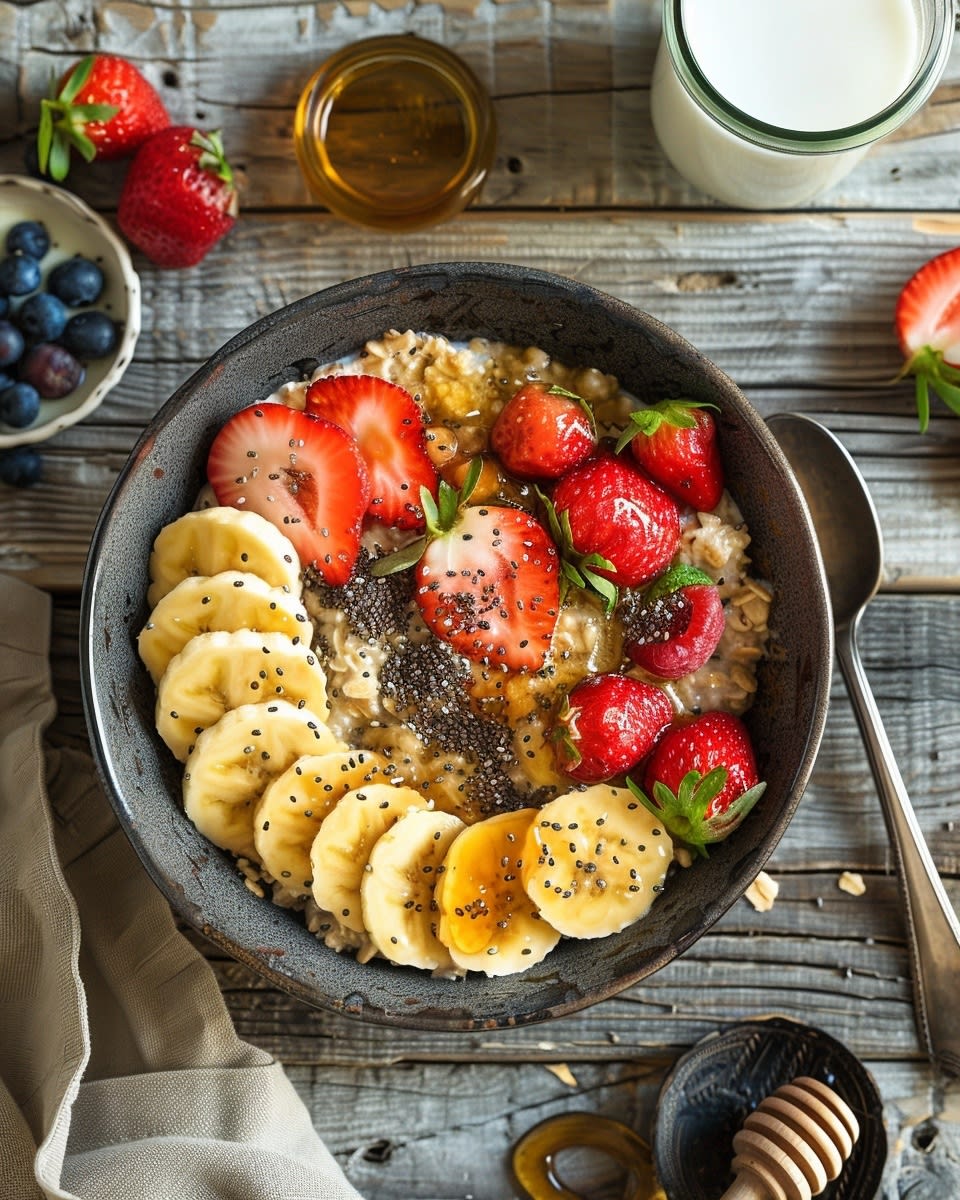
Why I Love Starting My Day with Oatmeal, Chia Seeds, and Fresh Fruit
I’ll never forget the morning I discovered this breakfast combination. I was running late for work, feeling sluggish, and desperately needed something quick yet filling. I threw together some oats, sprinkled in chia seeds, and topped everything with whatever fruit I had in the fridge. That simple bowl changed my entire morning routine. I felt energized for hours, didn’t crash before lunch, and actually looked forward to breakfast again.
Now I’m here to share why oatmeal with chia and fresh fruit has become my go-to breakfast. This isn’t just another trendy food combination that sounds healthy but leaves you hungry an hour later. This trio delivers real nutrition that fuels your body and tastes amazing at the same time.
Each ingredient brings something special to your bowl. Oats provide lasting energy and keep your digestive system happy. Chia seeds pack serious nutritional power in those tiny specks. Fresh fruit adds natural sweetness and a vitamin boost that your body craves. Together, they create a breakfast that checks every box: healthy, filling, delicious, and surprisingly simple to make.
The best part? You don’t need fancy cooking skills or expensive equipment. Anyone can master this breakfast in less than ten minutes. I’ve taught my teenagers to make it themselves, and they actually choose it over sugary cereal now.
Why Oatmeal with Chia and Fresh Fruit Works So Well
Let me break down what makes this combination so powerful for your morning meal. Understanding the nutrition behind your food helps you appreciate what you’re putting in your body.
Oats are fiber champions. One cup of cooked oatmeal gives you about 4 grams of fiber. That might not sound like much, but it’s enough to make a real difference in how you feel. The fiber in oats is special because it’s mostly soluble fiber, which means it dissolves in water and forms a gel-like substance in your gut.
This gel slows down digestion in a good way. You feel fuller longer, your blood sugar stays stable, and you avoid that mid-morning energy crash. I used to grab a muffin on my way to work and feel starving by 10 AM. Since switching to oatmeal, I can easily make it to lunch without snacking.
Oats also support heart health by helping lower cholesterol levels. They contain beta-glucan, a type of fiber that actually binds to cholesterol in your digestive system and helps remove it from your body. My doctor was impressed with my cholesterol improvements after just a few months of eating oats regularly.
Chia seeds might be tiny, but they’re nutritional giants. These little seeds were treasured by ancient Aztec warriors for good reason. Just two tablespoons contain about 5 grams of protein, 10 grams of fiber, and a hefty dose of omega-3 fatty acids.
The omega-3s in chia seeds are particularly important because most people don’t get enough of them. These healthy fats support brain function, reduce inflammation, and help your heart stay healthy. I like to think of them as brain food that happens to taste neutral and mix well with anything.
Chia seeds also have this cool trick where they absorb up to 10 times their weight in water. When you add them to your oatmeal, they create a thicker, more satisfying texture. Plus, that absorption helps keep you hydrated from the inside out.
The protein and fiber combination in chia seeds makes them perfect for steady energy. Unlike coffee that gives you a quick jolt followed by a crash, chia seeds provide fuel that lasts for hours.
Fresh fruit completes the picture. While oats and chia bring the staying power, fruit adds the flavor and micronutrients that make breakfast exciting. Berries are loaded with antioxidants that fight cell damage and keep your skin looking healthy. Bananas provide potassium for muscle function and heart health. Apples add extra fiber and a satisfying crunch.
The natural sugars in fruit give you quick energy without the blood sugar spike you’d get from added sugar or processed foods. Your body knows how to handle fruit sugar because it comes packaged with fiber, vitamins, and water. It’s the whole package your cells recognize and use efficiently.
I’ve noticed that adding fruit makes me actually crave my oatmeal. Without it, oats can taste pretty bland. With fresh berries or sliced peaches, every bite feels like a treat instead of a chore.
When you combine these three ingredients, you get complex carbohydrates from oats, protein and healthy fats from chia, and vitamins plus natural sweetness from fruit. This balance keeps your blood sugar stable, provides all three macronutrients, and delivers a wide range of vitamins and minerals your body needs.
Preparing Your Ingredients for the Best Results
The quality of your ingredients makes a real difference in taste and nutrition. I learned this the hard way after buying the cheapest oats I could find and wondering why my breakfast tasted like cardboard.
Choosing the right oats matters more than you might think. You’ll see several types at the store: steel-cut, rolled, quick, and instant. I prefer rolled oats (also called old-fashioned oats) because they cook quickly but still have texture. Steel-cut oats taste great but take 20-30 minutes to cook, which doesn’t work for busy mornings. Quick oats are fine, but they can get mushy. Skip instant oats if possible since they’re often loaded with added sugar and artificial flavors.
Look for oats that smell fresh and slightly sweet, not stale or dusty. I buy organic when I can because oats are one of those crops that often contain pesticide residues. Store your oats in an airtight container in a cool, dry place. They’ll stay fresh for several months this way.
Chia seeds are pretty straightforward to buy. Black and white chia seeds have the same nutritional value, so pick whichever you prefer. I like white chia in light-colored recipes because they blend in better. Make sure the seeds look uniform in size and don’t have any odd smells.
Store chia seeds in a sealed container in your pantry or refrigerator. They contain oils that can go rancid if exposed to heat and light for too long. I keep mine in a glass jar in the fridge, and they stay fresh for over a year.
Fresh fruit selection gives you room for creativity. Here are my top picks that work beautifully with oatmeal:
- Berries: Blueberries, strawberries, raspberries, and blackberries all add bright flavor and color. Buy them in season for the best taste and price. Frozen berries work great too and are often more affordable.
- Bananas: These add creamy sweetness and help thicken your oatmeal naturally. Use ripe bananas with brown spots for maximum sweetness.
- Apples: Diced apples add crunch and pair especially well with cinnamon. I leave the peel on for extra fiber.
- Peaches or nectarines: These stone fruits create a summery flavor that makes breakfast feel special.
- Pears: Soft and sweet, pears blend well and add subtle flavor.
Wash all fresh fruit before using it, even if you plan to peel it. Bacteria on the outside can transfer to the flesh when you cut into it. I keep a colander in my sink specifically for rinsing fruit.
For berries, store them unwashed in the refrigerator and only rinse right before eating. Washing them too early makes them spoil faster. Bananas can sit on your counter until they reach your preferred ripeness. Apples and pears last longest in the crisper drawer of your fridge.
I like to prep fruit the night before by washing and cutting what I need. I store it in a small container in the fridge so my oatmeal comes together even faster in the morning. This five-minute evening task has saved me countless rushed mornings.


How to Make the Perfect Bowl of Oatmeal with Chia and Fresh Fruit
Now that you’ve got your ingredients sorted, let me walk you through actually making this breakfast. I’ve made this thousands of times at this point, and I’ve figured out the little tricks that make all the difference.
Start with your liquid base. Pour one cup of water or milk into a small pot. Here’s where you can get creative right from the start. I usually use a mix of half water and half almond milk because it adds creaminess without too many extra calories. Whole milk makes it richer and more filling. Oat milk is surprisingly good in oatmeal, and coconut milk gives a tropical vibe that works great with berries. My husband prefers just water because he likes to keep things simple and let the fruit shine through.
Turn your burner to medium-high heat and bring the liquid to a gentle boil. This takes maybe two or three minutes. While you’re waiting, grab your oats.
Add half a cup of rolled oats to the boiling liquid and immediately reduce the heat to low. Stir it once to make sure nothing sticks to the bottom. Then here’s the important part: leave it alone. I used to hover over my oats and stir constantly, which made them gummy and weird. Just let them simmer peacefully for about five minutes.
During those five minutes, the oats absorb the liquid and soften. You’ll see them expand and the mixture will thicken. If you prefer thicker oatmeal, use slightly less liquid. For a runnier consistency that some people love, add an extra splash of milk.
Here’s where the chia seeds come in. About one minute before your oats finish cooking, stir in one tablespoon of chia seeds. Some people add them at the beginning, but I’ve found that adding them near the end prevents them from getting lost in the oats. They’ll still absorb liquid and create that satisfying texture, but you’ll see little speckles throughout your bowl instead of invisible mush.
Once the oats look creamy and have absorbed most of the liquid, remove the pot from heat. Let it sit for about thirty seconds. This resting period lets everything settle and thicken up a bit more.
Pour your oatmeal into a bowl and now comes the fun part: adding your fresh fruit. I like to arrange mine in sections rather than just dumping everything on top. A handful of blueberries on one side, sliced strawberries on another, and maybe some banana slices in the middle. It looks prettier and makes eating more interesting because each spoonful tastes slightly different.
By the way, don’t skip the visual presentation even if you’re eating alone. I notice I enjoy my breakfast more when it looks appealing. Something about seeing those bright colors makes my brain happy before I even take a bite.
My personal favorite combinations have evolved over the years. In summer, I go for what I call my “berry explosion”: mixed berries with a drizzle of honey and a sprinkle of sliced almonds on top. The sweetness from the honey balances the tartness of raspberries, and the almonds add crunch. Winter calls for my “apple cinnamon” version with diced apples cooked right into the oatmeal along with a generous shake of cinnamon and a few chopped walnuts.
When I’m feeling fancy or need extra protein after a workout, I do a “tropical power bowl” with sliced banana, diced mango, coconut flakes, and a scoop of protein powder mixed into the oats. This one reminds me of vacation even on gray Monday mornings.
For anyone dealing with dietary restrictions, this breakfast is incredibly adaptable. My sister is lactose intolerant, so she uses cashew milk and still gets a creamy result. If you’re watching your sugar intake, skip any added sweeteners and rely on the natural sweetness of ripe fruit. The banana trick works especially well here because super ripe bananas taste almost candy-like.
Vegan? You’re already set with plant-based milk and fruit. Want more protein? Stir in a tablespoon of nut butter while the oats are still hot so it melts throughout. Peanut butter, almond butter, or cashew butter all work beautifully and add richness that makes the whole bowl feel more indulgent.
Here’s the thing about breakfast routines: they can get boring fast if you don’t switch things up. That’s why I love overnight oats as an alternative preparation method. Before bed, combine half a cup of oats, one tablespoon of chia seeds, and three-quarters cup of your chosen milk in a jar. Stir well, cover it, and stick it in the fridge. In the morning, you’ve got cold, creamy oats ready to go. Top with fresh fruit and eat it straight from the jar.
Overnight oats save me on mornings when I’m rushing to get my kids to school. No cooking required means I can make three jars on Sunday night and have breakfast ready for half the week. They last about four days in the fridge, though I usually eat them within two days because I can’t help myself. Similar to how quinoa breakfast bowls work for meal prep, these oats become your morning lifesaver.
For something completely different, try baked oatmeal. Mix two cups of oats, two tablespoons of chia seeds, two cups of milk, one mashed banana, and your choice of spices in a baking dish. Bake at 350°F for about thirty-five minutes until golden. Cut it into squares and you’ve got portable breakfast for several days. I add fresh berries on top of each square when I eat them so they stay bright and fresh.
Funny enough, my teenage son who claimed to hate oatmeal now requests the baked version regularly. Something about it being in square form makes it feel less like “health food” and more like a breakfast bar.
The Real Health Benefits of This Breakfast Combination
Let me get specific about what this breakfast actually does for your body. I’m not just throwing around vague claims about “being healthy.” These ingredients work together in ways that science backs up.
Your heart gets significant support from this breakfast. The beta-glucan fiber in oats has been studied extensively, and research consistently shows it can lower LDL cholesterol by about 5-10%. That might not sound dramatic, but over time it makes a real difference in reducing heart disease risk. The omega-3 fatty acids in chia seeds reduce inflammation in your blood vessels, which helps prevent plaque buildup.
I started eating this breakfast partly because my dad had a heart attack in his fifties, and I wanted to be proactive about my own heart health. My doctor told me that dietary changes like adding oats and chia seeds were actually more effective than I realized. After six months of eating this breakfast most mornings, my cholesterol numbers improved enough that my doctor said to keep doing whatever I was doing.
Blood sugar control is another huge benefit that I feel personally every single day. The soluble fiber in both oats and chia seeds slows down how quickly glucose enters your bloodstream. Instead of a sugar spike followed by a crash, you get steady energy release over several hours.
This matters even if you don’t have diabetes. When your blood sugar spikes and crashes, you feel irritable, tired, and hungry again quickly. Stable blood sugar means stable energy and mood. I used to snap at my kids before I left for work because I was already feeling hungry and cranky. Now I’m actually pleasant in the mornings, which my family greatly appreciates.
The antioxidants in fresh fruit deserve their own recognition. Berries especially contain anthocyanins, which give them their deep colors and protect your cells from damage. Think of antioxidants as little bodyguards that neutralize harmful molecules called free radicals. Free radicals come from pollution, stress, and just normal metabolism, and they damage cells over time.
When I learned about antioxidants, I started thinking of my berry-topped oatmeal as my daily defense system. Blueberries rank among the highest antioxidant foods available. Strawberries provide vitamin C along with their antioxidants. Even apples contain quercetin, an antioxidant that supports immune function.
The energy boost from this breakfast is different from what you get from coffee or sugary cereals. It’s sustained and calm rather than jittery or short-lived. The combination of complex carbs, healthy fats, fiber, and protein creates what nutritionists call a “balanced meal.” Your body gets quick energy from the oats and fruit, medium-term energy from the chia protein, and long-term satisfaction from all the fiber.
I interviewed several friends who’ve made this breakfast part of their routine, and their experiences match mine. My coworker Sarah told me she used to fall asleep at her desk around 2 PM every day. After switching from a bagel to oatmeal with chia and berries, her afternoon slumps disappeared. She’s convinced the steady energy from breakfast carries her through the whole day.
My neighbor Tom started eating this after his doctor warned him about prediabetes. Six months later, his blood sugar levels had improved significantly, and he’d lost fifteen pounds without really trying. He says the breakfast kept him full enough that he stopped snacking on junk food at work. Much like people find success with cottage cheese and fruit for its protein content, this oat-chia combination provides lasting satisfaction.
This breakfast fits beautifully into a balanced lifestyle because it doesn’t require perfection. Some mornings I add extra chia seeds for more protein. Other mornings I’m rushing and just throw on whatever fruit is easiest. The flexibility means I actually stick with it instead of giving up when life gets hectic.
What I appreciate most is how this breakfast supports other healthy habits. When I start my day with nutritious food, I make better choices at lunch and dinner too. It creates positive momentum that carries through the day. On mornings when I skip breakfast or grab something processed, I notice I crave junk food all day long.
The digestive benefits can’t be ignored either. All that fiber keeps things moving smoothly, if you know what I mean. I used to struggle with digestive issues that disappeared once I started eating oats and chia regularly. Your gut bacteria love fiber, and when they’re happy, you feel better overall. Scientists are discovering more connections between gut health and everything from mood to immune function.
For anyone trying to manage their weight, this breakfast helps without feeling like diet food. The fiber and protein keep you satisfied for hours, which naturally reduces overall calorie intake. You’re not white-knuckling your way through the morning fighting hunger. Just like a sweet potato breakfast hash provides filling nutrients, this oatmeal combination keeps you full and focused.
The beauty of this breakfast is that it delivers health benefits without sacrifice. You’re not choking down something gross because it’s “good for you.” It actually tastes wonderful, takes minutes to make, and genuinely makes you feel better. That’s the sweet spot where healthy eating becomes sustainable rather than a temporary diet you eventually abandon.


Making Oatmeal with Chia and Fresh Fruit a Daily Habit
Here’s the thing about good intentions: they fall apart when life gets chaotic. You can read about healthy breakfasts all day long, but actually making them happen on a Wednesday morning when you overslept is a different story. I want to share the practical systems I’ve built over the years that make this breakfast realistic even during the messiest weeks.
Batch preparation changed everything for me. Every Sunday afternoon, I spend maybe twenty minutes setting up my breakfast station for the week. I measure out individual portions of oats and chia seeds into small containers or ziplock bags. Each one contains half a cup of oats and one tablespoon of chia. I stack them in my pantry where they’re easy to grab.
This simple step removes all the decision-making from morning time. I don’t have to think about measurements or dig through containers. Just grab a pre-portioned bag, dump it in a pot, add liquid, and I’m done. On particularly exhausting mornings, this makes the difference between eating properly and skipping breakfast entirely.
My friend Jessica takes this even further. She makes seven mason jars of overnight oats every Sunday night and lines them up in her fridge. Each morning she grabs one jar, adds fresh fruit, and heads out the door. She says it’s saved her probably a hundred dollars a month in coffee shop breakfast sandwiches.
For the stovetop method, you can actually pre-cook larger batches too. Make a big pot with four servings worth of oats and chia, then divide it into containers. These stay fresh in the refrigerator for up to five days. When you’re ready to eat, just microwave one portion for about ninety seconds, stir in a splash of milk to restore the creamy texture, and top with fresh fruit.
Setting up a breakfast station in your kitchen makes the whole process smoother. I keep my oats, chia seeds, and favorite toppings all on one shelf within easy reach. Cinnamon, vanilla extract, honey, and nuts live in a small basket right next to the oats. Everything I need sits in one spot instead of being scattered across different cabinets.
Next to my stove, I have a dedicated small pot that I use only for oatmeal. Sounds silly maybe, but it means I never have to hunt for the right size pot or wash yesterday’s dinner pan before I can start cooking. Little conveniences like this remove friction from the process.
By the way, if you’re reading food labels on oat packages, look for ones with just one ingredient: oats. Some brands sneak in sugar or salt, which you definitely don’t need. Plain oats let you control exactly what goes into your body.
Customizing this recipe keeps boredom away. I rotate through different “themes” for my oatmeal throughout the week. Monday might be berry chia with blueberries and raspberries. Tuesday becomes banana walnut with cinnamon. Wednesday I go tropical with mango and coconut. Thursday brings apple pie vibes with diced apples and pecans. Friday feels like a treat with dark chocolate chips and strawberries.
This rotation system means I never get tired of eating the same thing. Each morning feels fresh even though the base recipe stays consistent. My kids have started requesting specific combinations, which tells me they genuinely enjoy this breakfast rather than just tolerating it.
For texture variety, try different preparations throughout the week. Creamy stovetop oats one day, chewy overnight oats the next, then maybe crispy baked oatmeal squares for something completely different. The nutritional benefits stay the same, but your mouth gets different experiences.
Temperature matters too for keeping things interesting. Hot oatmeal feels comforting on cold mornings. Cold overnight oats hit differently on summer days when you don’t want anything warm. I even freeze oatmeal sometimes into popsicle molds with extra fruit for a weird but delicious breakfast-dessert hybrid my kids go crazy for.
Storage techniques make or break your meal prep success. Cooked oatmeal lasts about five days in airtight containers in the refrigerator. I write the date on each container with a marker so I know what’s still good. If it starts smelling sour or developing an off color, toss it out. Trust your nose on this one.
Uncooked dry portions of oats and chia can sit in your pantry for months if stored properly. Keep them away from moisture and heat. I learned this lesson after leaving oats near my stove where steam from cooking made them clump together into a gross brick.
Fresh fruit obviously needs different handling. Berries should stay in the fridge until you’re ready to use them. I wash and portion them into small containers for grab-and-go convenience. Bananas can ripen on your counter, but once they hit your preferred ripeness, stick them in the fridge to slow things down. The peel will turn brown but the inside stays perfect.
Frozen fruit deserves more credit than it gets. I keep bags of frozen berries, mango chunks, and peach slices in my freezer year-round. They’re picked at peak ripeness and flash-frozen, which means they’re often more nutritious than “fresh” fruit that traveled thousands of miles. Plus they last for months and cost less than fresh berries in winter.
When reheating refrigerated oatmeal, always add extra liquid because it thickens as it sits. A couple tablespoons of milk or water stirred in before microwaving brings back that creamy consistency. Heat it in thirty-second intervals, stirring between each one, so you don’t end up with volcanic hot spots next to cold sections.
Building the habit takes some intentional effort at first. I recommend starting with just three mornings per week rather than trying to go all-in every single day. Give yourself permission to ease into it. Once those three mornings feel automatic, add another day. Before you know it, reaching for oats and chia becomes second nature.
Pair your new breakfast with something you already do consistently. I make my oatmeal while my coffee brews. The timing works out perfectly, and linking the new habit to an existing one makes it stick better. My husband makes his oatmeal right after his morning shower. Find your own natural connection point.
Track your progress if that motivates you. I put a checkmark on my calendar for every morning I eat this breakfast. Seeing a string of checkmarks made me want to keep the streak going. Silly but effective. After about three weeks, I stopped needing the checkmarks because the habit felt automatic.
Get creative with mix-ins and toppings to match your goals and preferences. If you need more protein for muscle recovery after workouts, add a scoop of protein powder or an extra tablespoon of nut butter. For brain-boosting benefits, sprinkle on hemp seeds or ground flaxseed along with your chia.
Craving something more dessert-like? Dark chocolate chips, a swirl of almond butter, and sliced banana create a breakfast that feels indulgent but still fuels you properly. Want something warming for winter? Cook diced apples and pears right into your oats with cinnamon, nutmeg, and a tiny pinch of cloves.
Nuts and seeds add crunch that makes each bite more interesting. Sliced almonds, chopped walnuts, pumpkin seeds, or sunflower seeds all work beautifully. They bring healthy fats and extra protein while creating textural contrast against the creamy oats.
Spices transform the flavor without adding calories. Beyond cinnamon, try cardamom for a sophisticated taste, ginger for warmth, or vanilla extract for sweetness without sugar. I keep a small spice rack just for breakfast seasonings now because I got so into experimenting.
Dried fruit works when fresh isn’t available, though watch the portions since it’s calorie-dense. Raisins, dried cranberries, chopped dates, or dried apricots all rehydrate slightly in the warm oatmeal and add concentrated sweetness. Dates especially make your oatmeal taste almost candy-like.
Funny enough, savory oatmeal has become my secret weapon for when I’m tired of sweet flavors. Cook your oats in vegetable or chicken broth instead of milk. Top with a fried egg, sliced avocado, and everything bagel seasoning. I know it sounds weird, but it’s legitimately delicious and still includes chia seeds for that nutritional boost.
Troubleshooting common problems helps you stick with this breakfast long-term. If your oatmeal turns out too thick, you simply need more liquid next time or to add some while reheating. Too runny means use less liquid or cook it a minute longer. Getting the texture right depends on personal preference and sometimes takes a few tries.
Some people find chia seeds get stuck in their teeth. If this bugs you, try grinding them before adding to your oats. A coffee grinder pulverizes them in seconds. You lose the visual speckles but keep all the nutrition, and they blend invisibly into your breakfast.
When fruit makes your oatmeal too watery, the solution is adding it on top after cooking rather than stirring it in. Berries especially release juice when heated. I learned this after making purple, soggy oatmeal that looked unappetizing even though it tasted fine.
If you’re struggling to stay full until lunch despite eating this breakfast, you probably need more protein or fat. Add another tablespoon of chia seeds, stir in nut butter, or top with Greek yogurt. The combination of fiber and protein should absolutely carry you through the morning.
The investment in quality ingredients pays off in taste and satisfaction. I spent years buying the cheapest options and wondering why my oatmeal never tasted as good as I hoped. Once I upgraded to organic oats and fresh, high-quality fruit, everything changed. You’re eating this most mornings, so it deserves decent ingredients.
For anyone exploring more nutritious morning options beyond this recipe, there’s a whole world of healthy breakfast recipes worth discovering that can complement your routine and add even more variety to your week.
Remember that perfection isn’t the goal here. Some mornings you’ll make the most beautiful, Instagram-worthy bowl with perfectly arranged fruit. Other mornings you’ll dump everything in a container and eat it in your car. Both count as success because you’re nourishing your body with real food that supports your health.
The rhythm you build around this breakfast matters more than getting every detail right. Once it becomes part of your routine, you’ll wonder how you ever started your day any other way. That satisfaction of knowing you’ve done something genuinely good for yourself before your day even gets crazy creates momentum that carries through everything else.
Common Questions About Oatmeal with Chia and Fresh Fruit
Can I use instant oats instead of rolled oats?
You can definitely use instant oats if that’s what you have, though the texture won’t be quite as satisfying. Instant oats are more processed and break down into mush more quickly. They also tend to have a higher glycemic index, meaning they affect your blood sugar faster than rolled oats. If instant oats are your only option, they’re still way better than sugary cereal or a pastry. Just reduce your cooking time to about two minutes total, and expect a softer, less chewy final result.
What are some good alternatives to fresh fruit?
Frozen fruit works beautifully and is often more affordable than fresh, especially for berries out of season. You can also use unsweetened applesauce, which adds moisture and sweetness without chunks. Dried fruit like raisins, cranberries, or chopped dates provides concentrated sweetness, though use smaller amounts since they’re calorie-dense. Canned fruit packed in water or its own juice works too if you drain it first. Even fruit preserves or jam can work in a pinch, though watch the added sugar content.
Is this recipe suitable for people with gluten sensitivities?
Regular oats are naturally gluten-free, but they’re often processed in facilities that also handle wheat, which leads to cross-contamination. If you have celiac disease or serious gluten sensitivity, look for oats specifically labeled “gluten-free certified.” These are grown and processed separately from wheat products. I have a friend with celiac who eats certified gluten-free oats every morning without any issues. Chia seeds and fruit are naturally gluten-free, so those ingredients are safe for everyone.
How can I make this dish more filling?
Add more protein and healthy fats to increase satiety. Stir in a tablespoon of almond butter, peanut butter, or cashew butter while the oats are still hot so it melts throughout. Increase your chia seeds to two tablespoons for extra protein and fiber. Top with a handful of nuts like walnuts or pecans. You can also add a scoop of protein powder mixed in with the cooking liquid. Greek yogurt dolloped on top adds creaminess and substantial protein. Some people even add a soft-boiled egg on the side for serious staying power.
Can I add other superfoods to this recipe?
Absolutely, and I encourage experimenting with different nutritious additions. Ground flaxseed adds omega-3s and fiber without changing the taste much. Hemp seeds bring complete protein and a slightly nutty flavor. Goji berries or mulberries provide antioxidants if you enjoy their unique taste. Cacao nibs give you chocolate flavor with less sugar than chips. Bee pollen adds trace nutrients and a subtle sweetness. Spirulina or moringa powder boost the nutrition, though they definitely change the color to green, which some people find off-putting.
How long does this dish last in the fridge?
Cooked oatmeal stays good in an airtight container for about five days in the refrigerator. I write dates on my containers so I know what’s still fresh. The texture gets thicker and denser as it sits, which you can fix by stirring in a splash of milk when reheating. Overnight oats last about four days. If your oatmeal starts smelling sour, developing an odd color, or showing any signs of mold, throw it out immediately. Fresh fruit on top should be added right before eating rather than stored on the oatmeal, since it gets mushy and releases too much liquid over time.
Are there any potential side effects of eating chia seeds?
Most people tolerate chia seeds perfectly fine, but they are high in fiber, which can cause digestive discomfort if you’re not used to it. Start with smaller amounts like one teaspoon and gradually increase to a full tablespoon over a week or two. Drink plenty of water throughout the day since chia absorbs liquid and you need to stay hydrated. Some people with swallowing difficulties should avoid dry chia seeds since they expand so much. If you’re on blood thinners, check with your doctor since chia’s omega-3s might interact with medication. Allergic reactions are rare but possible, so watch for any unusual symptoms when trying them for the first time.
Can I make this dish without any sweeteners?
Definitely, and I often do exactly this. Ripe fruit provides plenty of natural sweetness without needing honey, maple syrup, or sugar. Bananas especially make oatmeal taste sweet when they have brown spots on the peel. Dates blended into the oats while cooking add sweetness that doesn’t feel like added sugar. Cinnamon and vanilla extract trick your brain into perceiving more sweetness than is actually there. Your taste buds adjust over time too. After a few weeks without added sweeteners, fruit will taste incredibly sweet on its own. This approach helps reduce overall sugar intake without feeling deprived.
What’s the best way to meal prep this breakfast for the whole week?
I’ve found that preparing dry portions separately from the cooking works best for maintaining quality. Measure out five to seven portions of oats and chia into individual bags or containers. Store these in your pantry where they stay fresh and ready to cook each morning. For overnight oats, make up to four jars at once and keep them refrigerated. You can also cook a large batch and refrigerate portions, though the texture isn’t quite as good as fresh. Wash and portion your fruit into grab-and-go containers so everything comes together quickly. This system takes maybe twenty minutes on Sunday but saves you time and decision fatigue all week long.
Can I make this recipe in the microwave instead of on the stovetop?
Yes, and it’s actually super convenient for those rushed mornings. Combine half a cup of oats, one tablespoon of chia seeds, and one cup of liquid in a large microwave-safe bowl. Use a bowl bigger than you think you need since oatmeal bubbles up and can overflow. Microwave on high for ninety seconds, stir it well, then microwave for another sixty to ninety seconds until it reaches your desired thickness. Let it sit for a minute before adding fruit since it continues thickening as it cools. The texture is slightly different from stovetop oats but still delicious and much faster when you’re running late.
Start tomorrow morning with this simple breakfast, and I think you’ll be surprised how quickly it becomes something you genuinely look forward to. Your body will thank you, your energy levels will stabilize, and you might just find yourself telling friends about this bowl that somehow makes mornings better.
Ingredients
Equipment
Method
- Pour one cup of water or milk into a small pot and bring to a gentle boil.
- Add half a cup of rolled oats to the boiling liquid and reduce the heat to low.
- Stir the oats once and let them simmer for about five minutes, undisturbed.
- One minute before cooking is done, stir in one tablespoon of chia seeds.
- Once the oats are creamy and have absorbed most of the liquid, remove from heat and let sit for about thirty seconds.
- Pour the oatmeal into a bowl and top with your choice of fresh fruit arranged in sections for a lovely presentation.