
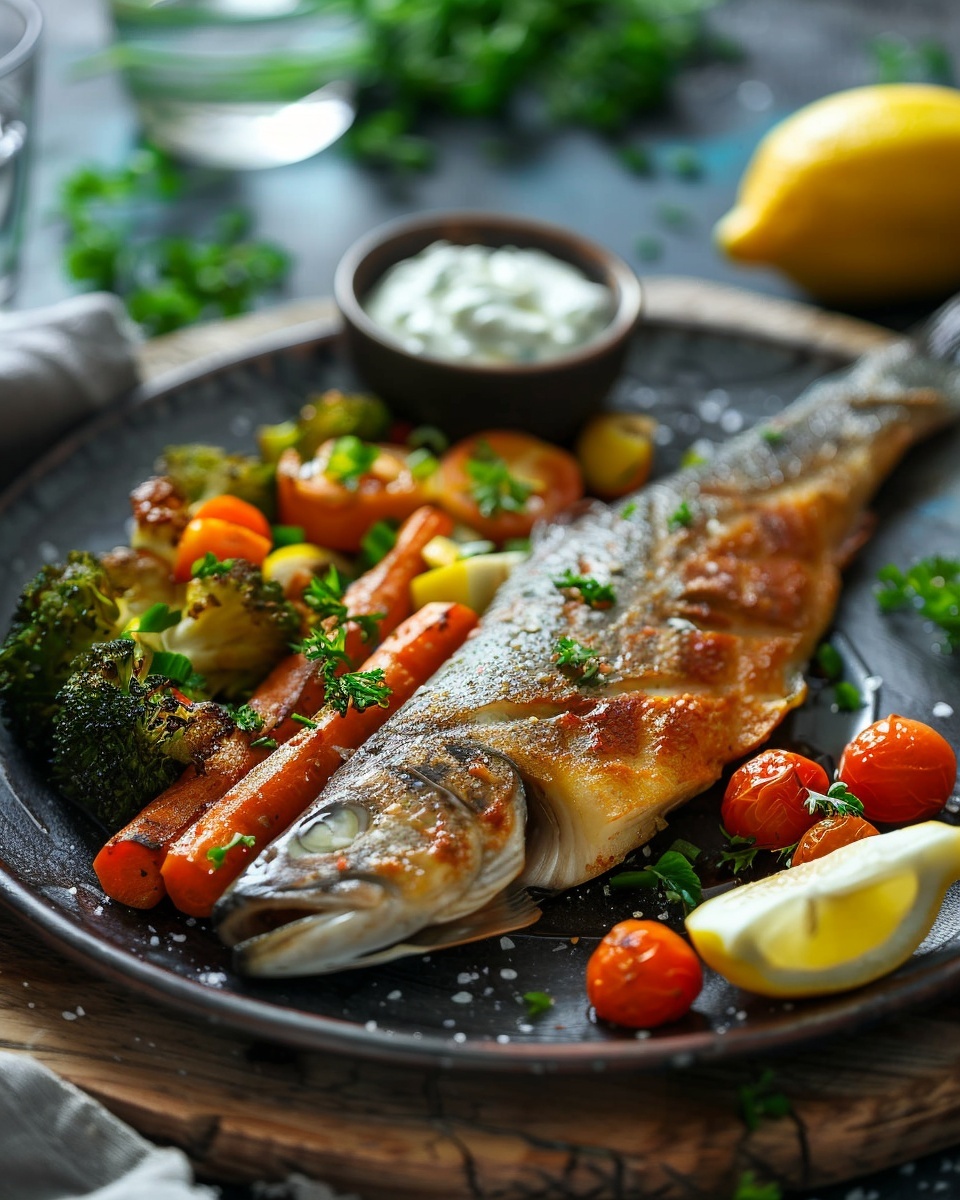
Why Pan Fried Fish with Veggies Is My Go-To Weeknight Dinner
Last Tuesday, I stood in my kitchen at 6 PM with a hungry family and zero energy. I opened the fridge and spotted some fresh fish fillets and a handful of colorful vegetables. Thirty minutes later, we were all sitting down to a beautiful meal that looked like it took hours. That’s the magic of pan fried fish with veggies.
I’ve been cooking this dish for years, and it never gets old. There’s something special about the way crispy, golden fish pairs with tender, flavorful vegetables. The best part? Everything cooks in one pan, which means less cleanup and more time to actually enjoy your evening.
This recipe saved me countless times during busy weeks. I work full days, and I don’t always have the energy to spend hours in the kitchen. But I still want my family to eat real food, not takeout or frozen meals. This dish checks every box. It’s quick, healthy, and tastes amazing.
The beauty of cooking fish and vegetables together is how the flavors blend. The fish juices mix with the veggie seasonings, creating this incredible taste that you can’t get when cooking things separately. Plus, you’re getting protein and fiber in one complete meal. No need to prepare side dishes or complicated sauces.
In this article, I’ll walk you through everything you need to know. We’ll cover the ingredients that work best, how to prep your fish and vegetables, and the exact cooking steps that give you perfect results every time. I’ll also answer common questions like whether you can cook raw fish and vegetables in the same pan and what you should put on fish before frying in a pan.
My goal is simple. I want you to feel confident making this dish tonight. Whether you’re cooking for one or feeding a whole family, this recipe adapts easily. You can use whatever vegetables are in your fridge and pick a fish that fits your budget.
Everything You Need for Perfect Pan Fried Fish with Veggies
Let me break down the ingredients that make this dish work. I’ve tested different combinations over the years, and these are my tried-and-true favorites.
Choosing Your Fish
Not all fish works the same in a pan. You want something that holds together well and doesn’t fall apart when you flip it. Here are my top picks:
- Tilapia – Mild flavor, affordable, and cooks quickly. Perfect for beginners.
- Cod – Slightly firmer texture with a clean taste. Holds up beautifully in the pan.
- Salmon – Rich and flavorful. The higher fat content keeps it moist.
- Snapper – Sweet and delicate. A bit pricier but worth it for special occasions.
- Halibut – Meaty and substantial. Great if you want something more filling.
I usually buy about 6 ounces of fish per person. That’s enough for a satisfying meal without going overboard. Fresh fish is ideal, but frozen works fine too. Just make sure to thaw it completely in the fridge before cooking.
Fresh Vegetables That Shine
The vegetables add color, texture, and nutrition to your dish. I stick with veggies that cook quickly and complement fish well. Here’s what I reach for most often:
- Bell peppers – I use red, yellow, or orange for sweetness and color. Green works too if that’s what you have.
- Zucchini – Absorbs flavors beautifully and adds a nice texture. Cut it into half-moons about ¼ inch thick.
- Cherry tomatoes – They burst when cooked and create a light, fresh sauce. So good.
- Asparagus – Trim the woody ends and cut into 2-inch pieces. Adds an elegant touch.
- Green beans – Snap off the ends and leave them whole or cut in half.
- Onions – Red or yellow, sliced thin. They caramelize slightly and add depth.
I usually pick three or four vegetables for one dish. Too many can overcrowd the pan and make everything steam instead of getting that nice sear.
Herbs and Spices for Maximum Flavor
Seasoning is where you take this dish from good to incredible. I keep things simple because fish has a delicate taste that you don’t want to overpower.
- Garlic – Fresh cloves, minced or sliced thin. Usually 3-4 cloves for one pan.
- Lemon – Both zest and juice. The brightness cuts through the richness perfectly.
- Black pepper – Freshly cracked if possible. It makes a difference.
- Salt – I prefer sea salt or kosher salt for better control.
- Fresh herbs – Parsley, dill, or basil. Add these at the end so they stay bright and fresh.
- Paprika – Just a pinch for color and a subtle smoky note.
- Red pepper flakes – Optional, if you like a little heat.
I sometimes mix together a simple blend before cooking. Equal parts salt, pepper, and paprika with a bit of garlic powder. Sprinkle it on the fish and veggies before they hit the pan.
The Oil Question: Olive Oil or Vegetable Oil?
People always ask me, is it better to pan fry fish in olive oil or vegetable oil? Both work, but they each have pros and cons.
Olive oil adds a fruity, rich flavor that pairs beautifully with fish. I use it when I want the oil to contribute to the overall taste. Extra virgin olive oil has a lower smoke point around 375°F, so you need to watch your heat. Regular olive oil can handle higher temperatures better.
Vegetable oil or canola oil has a neutral taste and a high smoke point around 400-450°F. This means you can get your pan hotter without burning the oil. I choose this when I want the fish and seasonings to be the star.
My personal preference? I use a combination. I start with vegetable oil for cooking because it handles the heat, then drizzle a bit of good olive oil at the end for flavor. Best of both worlds.
You’ll need about 2-3 tablespoons of oil for a standard 12-inch pan. Make sure it coats the bottom evenly so nothing sticks.
Other Pantry Staples You Might Need
A few extra items round out the ingredient list:
- Butter – A tablespoon added near the end creates a silky finish.
- White wine – Optional, but 2-3 tablespoons deglazes the pan and adds complexity.
- Flour or cornstarch – For lightly dusting the fish if you want an extra crispy coating.
- Chicken or vegetable broth – Use instead of wine if you prefer.
The ingredient list might look long, but most of these are things you probably already have. The actual shopping list is pretty short: fish, three or four vegetables, a lemon, and maybe fresh herbs if you don’t have them growing on your windowsill like I do.
Can you cook fish and veggies together? Absolutely. The trick is understanding timing and temperature, which we’ll get into in the cooking section. But first, you need these quality ingredients as your foundation. Fresh fish, crisp vegetables, and bold seasonings set you up for success every single time.


Getting Your Fish and Vegetables Ready for the Pan
Now that you’ve got your ingredients lined up on the counter, it’s time to prep everything. This part doesn’t take long, maybe fifteen minutes if you’re taking your time. I usually pour myself a glass of water, turn on some music, and get to work.
The key to great pan fried fish with veggies is proper preparation. When everything’s cut to the right size and seasoned well, the actual cooking becomes a breeze. Let me walk you through exactly what I do.
Preparing the Fish Like a Pro
First things first, take your fish out of the fridge about ten minutes before you plan to cook. Cold fish straight from the refrigerator won’t cook evenly. Room temperature fish sears better and cooks through more consistently.
If you’re working with frozen fish, make sure it’s completely thawed. I learned this the hard way when I tried rushing it once. The outside burned while the inside stayed icy. Not good. Thaw it overnight in the fridge on a plate lined with paper towels to catch any moisture.
Pat the fish fillets completely dry with paper towels. This is crucial. Water is the enemy of a good sear. I press down gently but firmly, getting both sides as dry as possible. Sometimes I let them sit on a clean kitchen towel for a few extra minutes just to be sure.
Check for any remaining bones by running your fingers along the fillet. You’ll feel them sticking up slightly. I use clean tweezers or small pliers to pull them out at an angle. Takes maybe two minutes but makes eating so much more enjoyable.
Here’s the thing: you don’t want to over-handle the fish. It’s delicate. Once it’s dry and deboned, I lay the fillets on a clean plate or cutting board and get ready to season.
What Do You Put on Fish Before Frying in a Pan?
This is where personality comes into your cooking. What you put on fish before frying in a pan depends on your mood and what flavors you’re craving. Some nights I keep it super simple with just salt and pepper. Other times I go a bit fancier.
My basic approach works like this: sprinkle both sides of the fish with salt and freshly cracked black pepper. I use about a half teaspoon of salt per pound of fish, maybe a bit less if I’m watching sodium. The pepper adds a nice bite without overwhelming the delicate fish flavor.
Then I add a light dusting of paprika. Not too much, just enough to give the fish a beautiful golden color when it cooks. Sometimes I substitute smoked paprika if I want a deeper flavor that reminds me of grilled fish.
If I’m feeling adventurous, I’ll rub a tiny bit of garlic powder on the fish along with the other seasonings. Fresh garlic can burn in the hot pan, so I save that for cooking with the vegetables instead. The powdered version gives you garlic flavor without the burning risk.
One technique I borrowed from my grandmother: a very light coating of flour or cornstarch on the fish. This creates an incredibly crispy exterior. I put about a quarter cup of flour on a plate, season it with salt and pepper, then gently press each fillet into it. Shake off the excess so you just have a thin coating. Too much flour and you end up with something that tastes more like fried dough than fish.
By the way, timing matters here. I season the fish right before cooking, not hours ahead. Salt draws out moisture, and we already worked hard to get the fish dry. Season it, then get it in the pan within five minutes.
A squeeze of fresh lemon juice right before the fish hits the pan is my secret touch. Just a little bit. The acid brightens everything up and helps the seasonings stick to the fish. Similar to how I approach my favorite baked chicken dishes, building layers of flavor from the start makes all the difference.
Cutting and Prepping Your Vegetables
While the fish is coming to room temperature, I prep my vegetables. The goal is cutting everything into similar-sized pieces so they all finish cooking at the same time. Nothing worse than crunchy peppers alongside mushy zucchini.
For bell peppers, I cut them into strips about a quarter-inch wide and two inches long. I remove all the seeds and white membrane because those can taste bitter. The strips should be substantial enough to hold their shape but thin enough to cook quickly.
Zucchini gets sliced into half-moons, about a quarter-inch thick. If the zucchini is really large with big seeds in the middle, I scoop those out. They get watery when cooked and can make your dish soggy. Medium-sized zucchini with small seeds work best.
Cherry tomatoes I leave whole or cut in half if they’re particularly large. They’ll burst and release their juices during cooking, creating a light sauce that coats everything else. It’s one of my favorite parts of the dish.
Funny enough, I used to overthink vegetable prep. I’d spend twenty minutes making perfect julienne cuts like I was on a cooking show. Then I realized that slightly irregular pieces actually look more homemade and appetizing. Now I just aim for consistent thickness and call it good.
Onions get sliced into thin half-moons, about an eighth of an inch thick. Any thicker and they won’t soften properly in the short cooking time. I’ve found that thinner onion slices also caramelize better, adding sweetness to balance the savory fish.
If I’m using green beans or asparagus, I trim the tough ends and cut them into two-inch pieces. These vegetables are a bit sturdier, so they can handle being slightly larger than the softer vegetables.
Once everything’s cut, I put each vegetable in its own small bowl or pile them separately on my cutting board. This makes the cooking process smoother because I can add them to the pan in stages based on how long each needs to cook. Organization isn’t my strong suit in most areas of life, but in the kitchen it saves so much stress.
Mastering the Pan Frying Technique
Alright, this is where everything comes together. The actual cooking process moves fast, so having everything prepped and ready matters. I’m talking ingredients within arm’s reach, spatula standing by, and your full attention on the pan.
Can You Cook Raw Fish and Vegetables in the Same Pan?
Absolutely yes. People worry about this all the time, but the answer is simple: you definitely can cook raw fish and vegetables in the same pan. The trick is understanding that they don’t all go in at once.
Here’s the deal: fish and vegetables cook at different rates. Fish is delicate and cooks quickly. Most vegetables need a bit more time to soften and develop flavor. So while they share the same pan, they don’t necessarily share the same timeline.
I’ve developed a method over the years that works every single time. You start with the vegetables that need the most time, get them going, then add the fish when the vegetables are about halfway done. Everything finishes together, and the flavors blend beautifully in that final stage.
The other question I get: can you cook fish and veggies together without one ruining the other? Yes, but you need to manage your pan space. Overcrowding causes steaming instead of searing. If your pan looks packed, split the recipe into two batches or use two pans side by side. I learned this lesson the hard way when I tried cramming too much into one pan and ended up with pale, soggy fish instead of the golden, crispy exterior I wanted.
Step-by-Step Cooking Process
Heat your pan over medium-high heat for about two minutes before adding oil. I use a 12-inch skillet because it gives me enough room to work without overcrowding. Cast iron is my favorite, but a good stainless steel or non-stick pan works fine too.
Add your oil and swirl it around to coat the bottom of the pan evenly. You’ll know it’s ready when the oil shimmers and moves easily across the surface. If you drop a tiny piece of vegetable in, it should sizzle immediately. This temperature control reminds me of techniques I use when making vegetable stir fry, where heat management makes or breaks the dish.
Start with your heartiest vegetables. I usually begin with onions because they take the longest to soften and develop that sweet, caramelized flavor. Spread them across the pan in a single layer. Let them cook undisturbed for about two minutes. Resist the urge to constantly stir. Letting them sit allows browning to happen.
After two minutes, give the onions a stir and add your bell peppers and zucchini. Season with a pinch of salt and pepper. The salt helps draw out moisture and speeds up cooking. Sauté these together for another three to four minutes, stirring occasionally. You want them to soften but still have some texture.
Now push all the vegetables to the sides of the pan, creating an open space in the center. If there’s not much oil left, add another tablespoon. Let it heat for about thirty seconds.
Carefully place your seasoned fish fillets in that center space. Don’t move them once they’re down. This is critical for getting that crispy, golden crust. Let the fish cook undisturbed for about three to four minutes on the first side. The exact time depends on thickness, but you’ll see the edges start to turn opaque and white.
While the fish cooks, I add my cherry tomatoes and garlic to the vegetables around the edges. The garlic flavors the veggies without sitting directly on the high heat where it might burn. The tomatoes start to soften and release their juices.
When the first side of the fish looks golden brown, gently slide a thin spatula underneath and flip it. This can feel scary at first, but if you’ve let it cook long enough, it releases easily. If it’s sticking, give it another minute. Forced flipping leads to torn fish that sticks to the pan.
Cook the second side for another two to three minutes. Fish cooks faster than you think. It’s done when it flakes easily with a fork and the center is opaque. Overcooked fish gets dry and tough, so I err on the side of slightly underdone. It’ll continue cooking a bit after you remove it from heat.
In the final minute, I toss all the vegetables together with the fish, letting everything mingle. If I’m using fresh herbs like parsley or basil, I add them now. Sometimes I squeeze fresh lemon juice over everything or add a pat of butter that melts into a light sauce.
Getting That Perfect Crispy Texture
The difference between good pan fried fish and amazing pan fried fish often comes down to texture. You want that exterior crispy and golden while keeping the inside moist and tender. The vegetables should have some caramelization but still offer a slight crunch.
Temperature control is everything. Too low and your fish steams instead of sears. Too high and the outside burns before the inside cooks through. Medium-high heat hits that sweet spot where browning happens quickly but controlled.
Don’t crowd the pan. I mentioned this before, but it bears repeating because it’s such a common mistake. When food has space around it, moisture evaporates quickly and browning occurs. When it’s packed tightly, moisture gets trapped and everything steams. If you’re cooking for more than two people, work in batches rather than stuffing everything in at once.
The light flour coating I mentioned earlier really does create superior crispiness. It’s the same principle I use when making homemade meatloaf with a crispy top. That thin layer of starch browns beautifully and creates texture.
One more tip: resist the urge to press down on the fish with your spatula. I see people do this all the time, thinking it helps with contact and browning. Actually, it squeezes out the juices and makes your fish dry. Let the heat do its work without interference.
For vegetables, the key is high enough heat to get some char and caramelization without turning them to mush. That’s why starting them before the fish works so well. They get a head start on browning, then finish cooking alongside the fish in those final minutes. Similar timing strategies work great for pasta dishes where you’re coordinating multiple components.
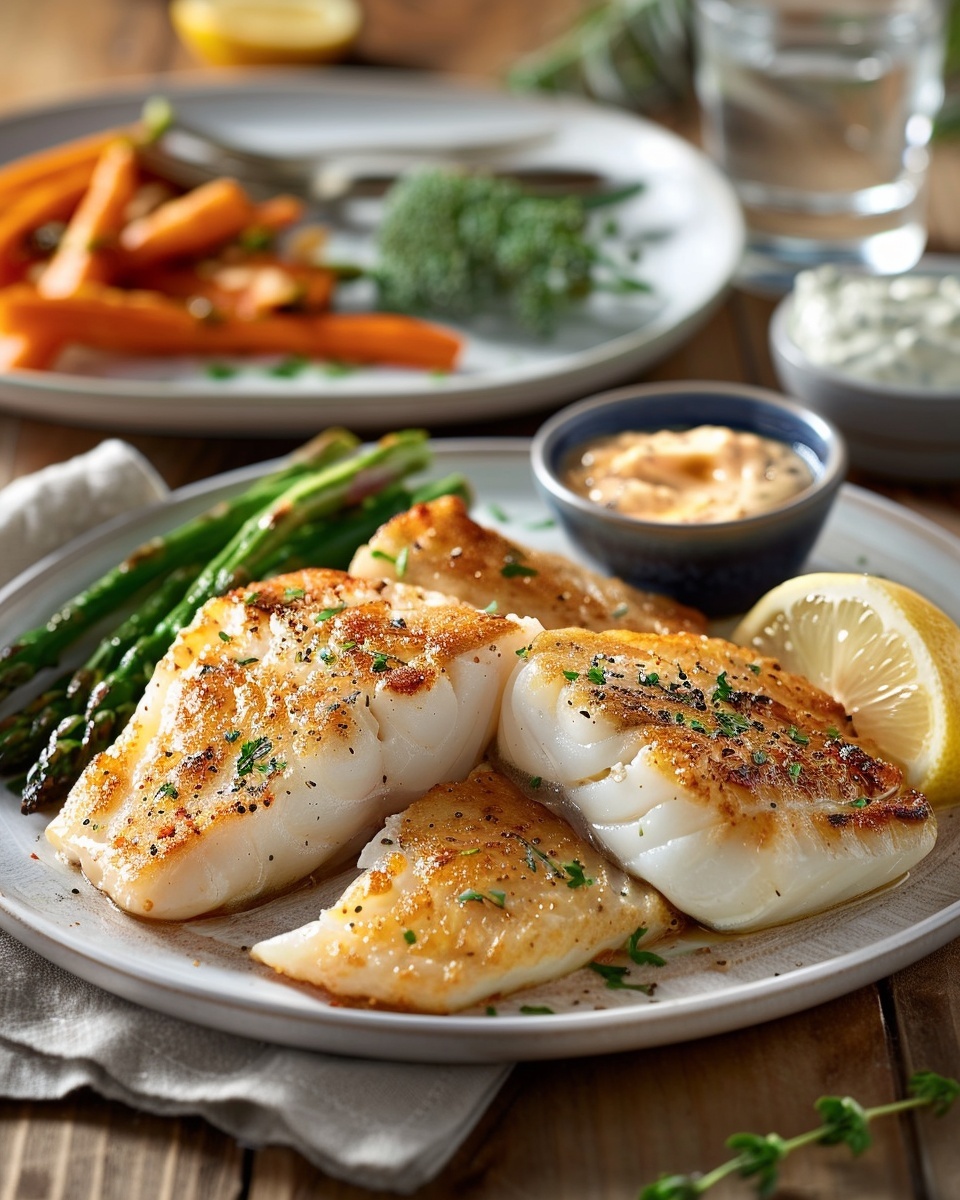
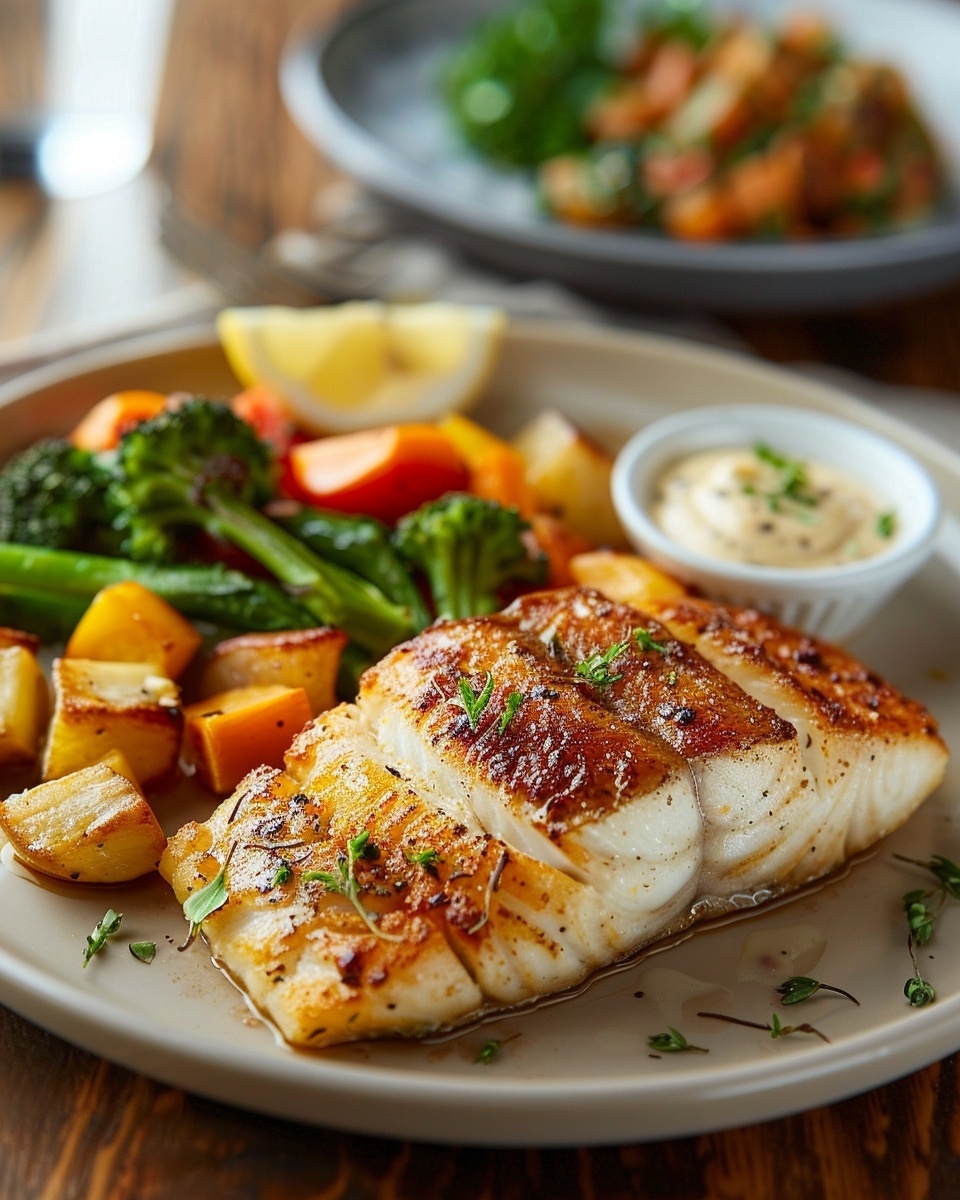
When everything’s done, I transfer it all to a serving platter or individual plates immediately. Leaving food in a hot pan continues cooking it, and you can go from perfectly done to overdone in just a minute or two. Get it out, garnish it with fresh herbs and lemon wedges, and serve it while it’s hot and at its absolute best.

Making This Pan Fried Fish Dish Your Own
Here’s where the fun really starts. Once you’ve nailed the basic technique, this dish becomes a canvas for whatever flavors you’re craving. I probably make this meal twice a week, and it’s never exactly the same. Sometimes I lean into Mediterranean vibes, other times I go tropical, and occasionally I’ll add an Asian-inspired twist.
The beauty of pan fried fish with veggies is its flexibility. You’re not locked into one flavor profile or one set of ingredients. Last week I used what was left in my produce drawer, which happened to be snap peas, mushrooms, and carrots. Turned out incredible, even though it wasn’t my usual combination.
Perfect Pairings to Complete Your Meal
While this dish is filling on its own, sometimes you want a little something extra on the plate. A simple side rounds everything out and makes the meal feel more substantial, especially if you’re feeding teenage boys like my neighbor does.
Rice is my most frequent choice. I make a big batch of white or brown rice at the beginning of the week and keep it in the fridge. When dinner rolls around, I reheat what I need in the microwave with a splash of water. The fish and vegetables create their own light sauce that soaks into the rice beautifully. Jasmine rice works particularly well because of its slightly floral aroma that complements the fish.
Quinoa offers a protein-packed alternative that cooks in about fifteen minutes. I like it because it adds a nutty flavor and interesting texture. Plus, the extra protein from quinoa combined with the fish creates a meal that keeps you satisfied for hours. Some people worry about getting enough nutrients to support their metabolism, and this combination definitely delivers on that front.
A fresh salad on the side keeps things light. I toss together mixed greens, cucumber, and a simple vinaigrette made from olive oil, lemon juice, and a touch of Dijon mustard. The crisp, cold salad contrasts nicely with the warm, savory fish and vegetables. Sometimes I add avocado slices or toasted nuts for extra richness.
Crusty bread is another winner. I buy a good baguette from the bakery, slice it, and toast it lightly. It’s perfect for soaking up any pan juices or lemon butter sauce. My husband especially loves this option because he’s a bread person through and through.
Mashed potatoes or roasted potatoes work if you want something more filling. The earthy potato flavor pairs well with almost any fish. I’ve also served this with couscous, which takes only five minutes to prepare and absorbs all those wonderful flavors.
Flavor Variations That Keep Things Interesting
Once you’re comfortable with the basic recipe, experimenting with different seasonings keeps your taste buds excited. I rotate through several variations depending on my mood or what sounds good that particular week.
The Mediterranean version uses oregano, thyme, and a generous amount of lemon. I add Kalamata olives and sun-dried tomatoes to the vegetables during the last few minutes of cooking. A sprinkle of crumbled feta cheese on top right before serving takes it over the edge. This combination reminds me of summer vacations and beachside restaurants.
For an Asian-inspired twist, I swap the lemon for lime and add fresh ginger to the vegetables. A splash of soy sauce near the end creates a light glaze. Sometimes I finish with sesame seeds and sliced green onions. If I want more heat, a drizzle of sriracha or chili oil does the trick. This version pairs incredibly well with rice.
The tropical approach uses mango or pineapple chunks mixed with the vegetables. I know it sounds unusual, but the sweetness balances the savory fish perfectly. A touch of coconut oil instead of regular oil reinforces those island flavors. Cilantro and lime juice finish it off. My kids request this version constantly during summer months.
A Cajun spin requires a different spice blend on the fish: paprika, cayenne, garlic powder, onion powder, and dried thyme. I increase the heat level and add sliced bell peppers with a bit more kick. Sometimes I throw in andouille sausage pieces for extra flavor and protein. This version definitely wakes up your palate.
Adding a touch of sweetness creates interesting depth. A drizzle of honey over the fish during the last minute of cooking caramelizes slightly and creates a beautiful glaze. Maple syrup works similarly and pairs especially well with salmon. I only use about a tablespoon for the whole pan, just enough to add complexity without making things cloying.
Fresh herb combinations change the entire character of the dish. Dill and parsley create a classic, refined flavor. Basil and mint together offer something bright and unexpected. Cilantro and lime give it that fresh, zesty quality. I keep several herb plants on my kitchen windowsill specifically for last-minute additions like these.
Storing Leftovers Without Losing Quality
Real talk: sometimes you have leftovers, and that’s actually a good thing. I intentionally make extra on Sunday nights so I have an easy lunch ready for Monday. But storing fish properly requires a bit of care because it doesn’t hold up quite as well as, say, leftover pasta.
Let everything cool down to room temperature before storing, but don’t leave it sitting out for more than two hours. Bacteria grows quickly on seafood, so I’m pretty vigilant about this timing. Once it’s cooled, transfer the fish and vegetables to an airtight container. Glass containers work better than plastic because they don’t absorb odors.
Store leftovers in the refrigerator for up to two days. I wouldn’t push it beyond that with fish. The vegetables hold up better and could probably go three days, but the fish quality starts declining after forty-eight hours. Better safe than sorry when it comes to seafood.
Reheating requires a gentle touch. The microwave works in a pinch, but it can make fish rubbery if you’re not careful. I use fifty percent power and heat in thirty-second intervals, checking between each one. Add a tablespoon of water or broth to the container before reheating to create steam that keeps everything moist.
My preferred reheating method is actually the stovetop. I heat a small pan over medium-low heat with a tiny bit of oil or butter. Add the leftovers and stir gently, heating just until warmed through. This preserves texture better than the microwave and sometimes even improves the vegetables as they pick up a bit more caramelization.
The oven works well too. Preheat it to 275°F, spread the fish and vegetables on a baking sheet, cover loosely with foil, and warm for about ten minutes. This method heats everything evenly without drying it out. I use this when I’m reheating larger portions.
Freezing is possible but not ideal for this dish. The vegetables get mushy when thawed, and fish texture suffers. If you absolutely need to freeze it, do so within twenty-four hours of cooking. Thaw it in the refrigerator overnight, never at room temperature. Honestly though, I just plan to eat leftovers within two days rather than dealing with the quality loss from freezing.
Making It Work for Different Dietary Needs
One reason I love this recipe is how easily it adapts to different eating styles. My sister-in-law follows a strict keto diet, and this fits perfectly without any modifications. The fish provides protein and healthy fats, while the low-carb vegetables keep everything aligned with her goals.
For paleo folks, just skip the flour coating and you’re good to go. The dish relies on whole, unprocessed ingredients that fit right into that framework. I actually prefer it without flour sometimes because the fish flavor shines through more clearly.
If you’re watching calories, this meal delivers serious nutrition without weighing you down. A typical serving comes in around 300-350 calories depending on your fish choice and how much oil you use. That’s incredibly reasonable for a complete dinner that keeps you full for hours.
Gluten-free? No problem at all. Just use cornstarch instead of flour for dusting, or skip it entirely. Everything else is naturally gluten-free as long as you’re careful with any sauces or broths you might add.
The dish also works for people trying to eat more anti-inflammatory foods. Fish provides omega-3 fatty acids, and vegetables like bell peppers and tomatoes offer antioxidants. Using olive oil adds even more anti-inflammatory benefits. My mom started eating this regularly when her doctor suggested dietary changes for joint pain, and she swears it helps.
By the way, if you’re looking for more balanced weeknight options that come together quickly, there are tons of other dinner ideas that follow this same simple approach of combining protein with vegetables in one pan.
Teaching Kids to Cook This Recipe
This might seem random, but I’ve successfully taught this recipe to my thirteen-year-old nephew, and now he makes it for his family once a week. It’s a great starter recipe for young cooks because it’s straightforward but produces impressive results.
The key is supervising the hot oil part until they’re comfortable and experienced. Once they understand heat management and proper spatula technique, the rest is pretty foolproof. There’s something really special about watching a kid’s face when they serve a beautiful plate of food they cooked themselves.
I start by having them prep all the ingredients while I handle the actual pan work. Then gradually they take over more steps as their confidence builds. Within a few sessions, they’re running the whole show. It’s a life skill that’ll serve them forever, way more useful than half the stuff they learn in school if you ask me.
This recipe taught my nephew about timing, seasoning, and how different ingredients work together. Plus, he’s way more willing to eat vegetables when he’s the one who cooked them. Funny how that works.
If you’re cooking with your fish and vegetables while building these skills together, you’re not just making dinner. You’re creating memories and teaching independence. That’s worth more than any restaurant meal, no matter how fancy.
Common Questions About Pan Fried Fish with Veggies
Can you cook raw fish and vegetables in the same pan?
Yes, absolutely. The key is adding them at different times since they cook at different rates. Start your vegetables first to give them a head start, then add the fish when the veggies are about halfway done. This way everything finishes together perfectly. Just make sure your pan is large enough to avoid overcrowding, which can cause steaming instead of proper searing. I’ve been cooking them together for years without any issues.
Can you cook fish and veggies together?
Definitely, and it’s actually one of the best ways to create a complete meal in minimal time. The flavors blend beautifully as they cook, with the fish juices mingling with the vegetable seasonings. You get protein, fiber, vitamins, and healthy fats all in one dish. The technique I described ensures both components cook properly without one suffering at the expense of the other. It’s also a huge time-saver on busy weeknights when you don’t want to juggle multiple pots and pans.
What do you put on fish before frying in a pan?
A simple combination of salt, freshly cracked black pepper, and a light dusting of paprika works beautifully for most fish. I also squeeze a bit of fresh lemon juice over it right before cooking. For extra crispiness, dust the fish lightly with flour or cornstarch after seasoning. The key is seasoning right before cooking rather than hours ahead, since salt draws out moisture. Keep it simple so the delicate fish flavor shines through rather than getting buried under heavy spices.
Is it better to pan fry fish in olive oil or vegetable oil?
Both work well but serve different purposes. Olive oil adds a richer, fruity flavor that complements fish nicely, but it has a lower smoke point around 375°F. Vegetable or canola oil has a neutral taste and handles higher heat better with a smoke point around 400-450°F. My personal approach is using vegetable oil for the cooking itself, then drizzling a bit of good quality olive oil at the end for flavor. This gives you the best of both worlds without risking burned oil.
How do I know when the fish is fully cooked?
The fish is done when it flakes easily with a fork and the center is opaque rather than translucent. Most fillets need about 3-4 minutes per side, depending on thickness. A good rule is cooking for about 10 minutes total per inch of thickness. The flesh should appear white or slightly pink depending on the fish type, and it should pull apart easily. If you have a food thermometer, the internal temperature should reach 145°F. Remember that fish continues cooking slightly after you remove it from heat.
What vegetables work best with pan fried fish?
Quick-cooking vegetables that complement fish flavors work best. Bell peppers, zucchini, cherry tomatoes, asparagus, green beans, and onions are my top choices. I avoid starchy vegetables like potatoes or winter squash because they take too long to cook in a pan. Leafy greens like spinach can work but add them at the very end since they wilt in seconds. Choose vegetables that are similar in density so they finish cooking at roughly the same time.
Can I use frozen fish for this recipe?
Yes, but make sure to thaw it completely first. Never cook fish straight from frozen for this recipe because the outside will overcook before the inside thaws. Thaw it overnight in the refrigerator on a plate lined with paper towels to catch moisture. Pat it very dry before seasoning and cooking. Frozen fish works just fine as long as it’s properly thawed and dried. I use it all the time when I haven’t made it to the fish market for fresh fillets.
How can I prevent the fish from sticking to the pan?
Make sure your pan and oil are properly heated before adding the fish. The oil should shimmer and move easily across the surface. Pat the fish completely dry with paper towels since moisture causes sticking. Don’t move the fish once it hits the pan; let it cook undisturbed until it develops a golden crust that naturally releases. Using enough oil is also important, about 2-3 tablespoons for a 12-inch pan. If you’re really struggling with sticking, a non-stick pan makes life easier while you’re learning the technique.
What’s the best type of pan to use?
A 12-inch skillet gives you enough room to cook without overcrowding. Cast iron is my favorite because it holds heat evenly and creates beautiful browning. Stainless steel works great too if you’re comfortable managing sticking. Non-stick pans are the most forgiving option, especially for beginners, though they won’t give you quite the same crispy crust. Whatever pan you choose, make sure it’s large enough that your fish and vegetables have space around them rather than being packed tightly together.
Can I make this recipe ahead of time for meal prep?
You can prep the ingredients ahead by cutting vegetables and seasoning the fish, storing them separately in the refrigerator for up to 24 hours. However, I don’t recommend cooking the entire dish ahead because fish quality declines significantly when reheated. If you’re meal prepping, cook it fresh each time but have everything prepped and ready to go. The actual cooking only takes 15-20 minutes anyway. For the best texture and flavor, this is a dish that really shines when served immediately after cooking.
There’s something deeply satisfying about pulling together a beautiful meal from simple ingredients in less than thirty minutes. This dish proves you don’t need complicated techniques or fancy equipment to eat really well. Just fresh fish, colorful vegetables, and a hot pan. Give it a try tonight and see how it transforms your weeknight cooking routine.
Ingredients
Equipment
Method
- Take fish out of the fridge 10 minutes before cooking to bring it to room temperature.
- Pat fish fillets dry with paper towels and check for any remaining bones.
- Season the fish with salt, pepper, and paprika. Optionally, dust lightly with flour or cornstarch.
- Prepare vegetables by cutting them into similar-sized pieces: bell peppers into strips, zucchini into half-moons, and onions into thin half-moons.
- Heat a 12-inch skillet over medium-high heat and add vegetable oil.
- Once the oil shimmers, add onions and sauté undisturbed for 2 minutes.
- Stir in bell peppers and zucchini, seasoning with salt and pepper, and cook for another 3-4 minutes.
- Push vegetables to the sides of the pan and add fish in the center, cooking for 3-4 minutes per side until golden brown.
- Add garlic and cherry tomatoes to the vegetables around the fish during the last few minutes of cooking.
- When fish is done, toss everything together and finish with fresh herbs and a squeeze of lemon juice.