
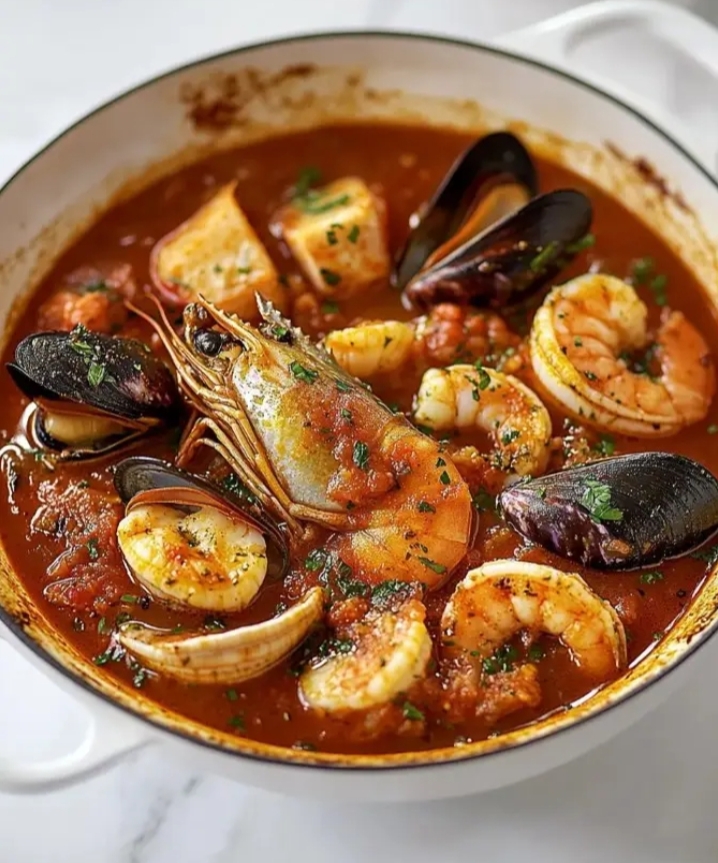
Why This Pan-Seared Salmon Curry Will Become Your New Favorite
Picture this: a cozy Friday night, your favorite playlist humming in the background, and the aroma of fresh herbs filling the kitchen. That’s exactly how I discovered the magic of Pan-Seared Salmon Curry. My husband loves salmon, but he’s picky about sauces. One day, while experimenting with Thai flavors, I whipped up this creamy curry with a vibrant green kick. His reaction? A thumbs-up so enthusiastic it almost knocked over his glass of wine. This dish is a symphony of flavors—rich, tangy, spicy, and refreshing all at once. Trust me, once you try it, you’ll want to make it again and again.
A Little History Behind the Dish
This recipe draws inspiration from Thai cuisine, where curries are a cornerstone of flavor-packed meals. Traditionally, green curry paste is made by pounding fresh herbs and spices in a mortar and pestle. I’ve simplified the process by using a blender, but the result is just as aromatic. The combination of coconut milk, fish sauce, and fresh herbs creates that signature balance of sweet, salty, and spicy. What makes this version special is its versatility—you can tweak the heat level or swap veggies based on what’s in your fridge. It’s like a warm hug for your taste buds, with a little zing to keep things interesting.
Why You’ll Love This Recipe
If you’re looking for a dish that’s both comforting and exciting, this Pan-Seared Salmon Curry checks all the boxes. First, it’s incredibly flavorful thanks to the homemade green curry paste. Second, it’s easy enough for a weeknight dinner but fancy enough to impress guests. Plus, it’s packed with healthy ingredients like salmon, coconut milk, and colorful veggies. The best part? You can customize it to suit your preferences. Whether you’re a spice lover or prefer milder flavors, this recipe has got you covered.
Perfect Occasions to Whip Up This Dish
This curry is perfect for any occasion, really. Need a quick yet impressive meal for date night? Done. Hosting a dinner party and want something exotic but stress-free? This is your go-to. It’s also great for family dinners because kids love the creamy sauce (just tone down the spice). I’ve even served it at potlucks—it disappears faster than you’d think! Pair it with jasmine rice or cauliflower rice for a complete meal that everyone will rave about.
Ingredients List
- For the green curry paste:
- 2 cups fresh cilantro leaves (about 50 g)
- 1 cup fresh basil leaves (preferably Thai, about 25 g)
- 3 garlic cloves
- 2.5 cm fresh ginger, grated (about 10 g)
- 1 jalapeño pepper, seeded and sliced
- 2 green onions, chopped
- 2 tablespoons melted coconut oil or vegetable oil
- For the dish:
- 2 tablespoons cooking oil (preferably coconut oil)
- Salt and pepper, to taste
- 225 g shiitake mushrooms, sliced
- ½ onion, thinly sliced
- 1 bell pepper, thinly sliced (any color)
- 1 large carrot, thinly sliced (ideally with a mandoline)
- 400 ml full-fat coconut milk
- 240 ml water (adjust for desired consistency)
- 1 teaspoon fish sauce (essential for flavor)
- 2 teaspoons sugar
- 1 tablespoon soy sauce or tamari (for gluten-free option)
- 4 salmon fillets, skinless (about 150 g each)
Substitution Options
Not everyone has access to every ingredient, and that’s okay! Here are some swaps you can make:
- Use spinach or parsley instead of cilantro if you’re not a fan.
- Swap shiitake mushrooms for cremini or button mushrooms.
- If you don’t have fish sauce, try Worcestershire sauce for a similar umami kick.
- Feel free to use chicken or tofu instead of salmon for a different protein option.
Step-by-Step Preparation
Step 1: Make the Green Curry Paste
Start by blending the cilantro, basil, garlic, ginger, jalapeño, green onions, and coconut oil in a food processor. Blend until smooth, adding a splash more oil if needed to help it come together. The vibrant green color and fresh aroma will make you feel like a culinary wizard. Pro tip: Taste the paste before moving on. If it needs more punch, add a pinch of salt or another slice of jalapeño.
Step 2: Cook the Vegetables
Heat your cooking oil in a large oven-safe skillet over medium heat. Add the mushrooms, onion, bell pepper, and carrot. Season with salt and pepper, then sauté for 6–8 minutes until the veggies soften. Watch them transform into a rainbow of colors as they cook. Stir frequently to prevent sticking and ensure even cooking.
Step 3: Add the Curry Paste and Sauce
Stir the green curry paste into the cooked veggies, coating them evenly. Next, pour in the coconut milk, water, fish sauce, sugar, and soy sauce. Let the mixture simmer gently, allowing the flavors to meld. The creamy sauce will start to thicken slightly, creating a luscious base for the salmon. Chef’s tip: If the sauce feels too thick, add a bit more water to loosen it up.
Step 4: Prepare the Salmon
Season the salmon fillets generously with salt and pepper. Nestle them into the skillet, partially submerged in the sauce. Arrange them between the veggies for an Instagram-worthy presentation. The salmon will absorb the fragrant curry flavors as it cooks, making it tender and juicy.
Step 5: Finish in the Oven
Preheat your oven to 220°C (425°F). Transfer the skillet to the oven and bake uncovered for 10–12 minutes. Keep an eye on the salmon—it should flake easily with a fork when done. If the sauce thickens too much, stir in a splash of water before serving.
Timing Breakdown
- Preparation time: 15 minutes
- Cooking time: 20 minutes
- Total time: 35 minutes
Chef’s Secret
Here’s a little trick I learned: toast the spices lightly in a dry pan before blending them into the curry paste. This enhances their natural oils and boosts the overall flavor profile. It’s a small step that makes a big difference!
Extra Info
Did you know that Thai basil has a slightly sweeter, licorice-like flavor compared to regular basil? If you can find it at your local market, grab a bunch—it adds an authentic touch to this dish. But don’t worry if you can’t; regular basil works beautifully too.
Necessary Equipment
- Food processor or blender
- Oven-safe skillet or frying pan
- Mandoline slicer (optional, for thin carrot slices)
- Measuring spoons and cups
Storage Tips
If you have leftovers (unlikely, but possible!), store them in an airtight container in the fridge. The flavors deepen overnight, making it even tastier the next day. Reheat gently on the stovetop or in the microwave, adding a splash of water to revive the sauce.
For longer storage, freeze individual portions in freezer-safe containers. Thaw overnight in the fridge before reheating. Note that the texture of the salmon may change slightly after freezing, but the flavors will still shine.
Never leave the curry sitting out at room temperature for more than two hours. Food safety first, folks!
Tips and Advice
- Use high-quality coconut milk for the creamiest results.
- Don’t skip the fish sauce—it’s the secret to authentic Thai flavor.
- Garnish with extra cilantro and sliced jalapeños for a pop of color and heat.
Presentation Ideas
- Serve in shallow bowls with a sprinkle of toasted sesame seeds.
- Add a wedge of lime on the side for squeezing over the curry.
- Pair with steamed jasmine rice shaped into small mounds for elegance.
Healthier Alternative Recipes
Looking to switch things up? Try these variations:
- Lightened-Up Version: Use light coconut milk and reduce the sugar to 1 teaspoon.
- Vegan Option: Replace salmon with firm tofu or chickpeas.
- Low-Carb Twist: Serve over cauliflower rice instead of regular rice.
- Spicy Kick: Double the jalapeño or add red chili flakes.
- Vegetable Medley: Swap in zucchini, broccoli, or snap peas.
- Seafood Mix: Combine shrimp and scallops with the salmon for variety.
Common Mistakes to Avoid
Mistake 1: Overcooking the Salmon
Salmon dries out quickly if left in the oven too long. To avoid this, check for doneness after 10 minutes. The flesh should be opaque and flake easily. Pro tip: Remove the skillet from the oven just before the salmon looks fully cooked—it will continue to cook from residual heat.
Mistake 2: Skipping the Fresh Herbs
Fresh herbs are non-negotiable here. Dried cilantro or basil won’t give you the same bright flavor. Invest in fresh produce—it’s worth it!
Mistake 3: Using Low-Quality Coconut Milk
Cheap coconut milk often separates and lacks richness. Splurge on a good brand for the best texture and taste.
FAQs
Can I make this recipe ahead of time?
Absolutely! You can prepare the curry paste a day in advance and store it in the fridge. When ready to cook, simply follow the steps starting from sautéing the veggies.
Is this dish gluten-free?
Yes, as long as you use tamari instead of soy sauce. Always double-check labels to ensure no hidden gluten sneaks in.
What can I do if I don’t have a food processor?
No problem! Finely chop all the curry paste ingredients by hand and mix them in a bowl. It takes a bit more effort, but the result is still delicious.
Can I use frozen salmon?
Definitely. Just thaw it completely and pat it dry before seasoning. This ensures even cooking and prevents excess moisture in the dish.
How spicy is this curry?
The heat level depends on the jalapeño. For mild spice, remove the seeds and membranes. If you love heat, leave them in or add extra chili.
Can I substitute the veggies?
Of course! Feel free to use whatever veggies you have on hand. Just adjust the cooking time accordingly based on their density.
What sides pair well with this dish?
Jasmine rice, cauliflower rice, or noodles work wonderfully. A simple cucumber salad also complements the rich flavors nicely.
How do I know when the curry is ready?
The sauce should be bubbly and slightly thickened, and the salmon should flake easily. Trust your senses—smell and taste are great indicators!
Can I use store-bought curry paste?
While homemade paste offers superior freshness, store-bought works in a pinch. Look for one without preservatives for better flavor.
What if I don’t have an oven-safe skillet?
No worries. After Step 3, transfer everything to a baking dish and proceed with baking as instructed.
Final Thoughts
This Pan-Seared Salmon Curry is a celebration of bold flavors, vibrant colors, and wholesome ingredients. Whether you’re a seasoned cook or a beginner, this recipe is approachable yet impressive. So gather your ingredients, crank up your favorite tunes, and let the magic happen in your kitchen. Bon appétit!
Pan-Seared Salmon Curry
Ingredients
Equipment
Method
- Start by blending the cilantro, basil, garlic, ginger, jalapeño, green onions, and coconut oil in a food processor until smooth.
- Heat cooking oil in a large oven-safe skillet over medium heat. Add the mushrooms, onion, bell pepper, and carrot; sauté for 6–8 minutes until softened.
- Stir the green curry paste into the cooked veggies, then pour in the coconut milk, water, fish sauce, sugar, and soy sauce. Let it simmer gently.
- Season the salmon fillets with salt and pepper and nestle them into the skillet, partially submerged in the sauce among the veggies.
- Preheat oven to 220°C (425°F) and bake the skillet uncovered for 10–12 minutes until the salmon flakes easily with a fork.