
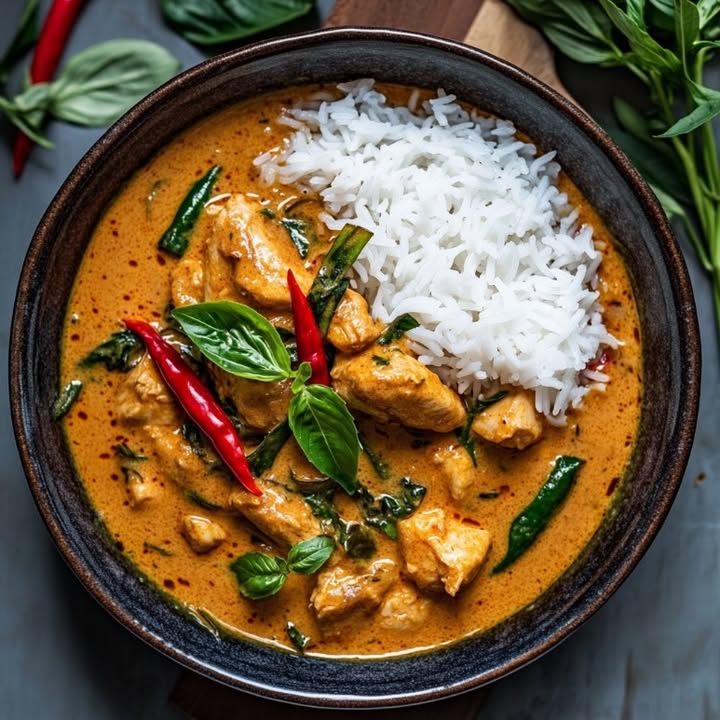
Why Panang Chicken Curry Will Become Your New Weeknight Favorite
Let me tell you a little story. A few months ago, I was hosting a dinner party for some friends. One of them, Sarah, is notorious for her love of bold flavors and spicy dishes. I wanted to impress her, so I decided to whip up a Panang Chicken Curry. The result? She asked for seconds, thirds, and even the recipe! This dish is creamy, rich, and packed with flavor—perfect for anyone who loves Thai cuisine or just wants to spice up their dinner routine.
The Story Behind Panang Chicken Curry
Panang curry hails from Thailand and is named after the island of Phanang in southern Thailand. It’s a red curry that’s slightly sweeter and creamier than other Thai curries, thanks to the addition of peanuts or peanut butter. Traditionally, it’s made with beef, but chicken has become a popular alternative, especially for weeknight meals. Fun fact: Panang curry paste often includes kaffir lime leaves, which give the dish its signature citrusy aroma. When I first tried making this dish, I couldn’t find kaffir lime leaves at my local grocery store, so I ordered them online. Trust me, they’re worth the hunt!
Why You’ll Love This Recipe
This Panang Chicken Curry is a winner for so many reasons. First, it’s quick—ready in just 30 minutes! Second, it’s easy enough for beginners but impressive enough for guests. Plus, the combination of tender chicken, creamy coconut milk, and fragrant spices will have your taste buds doing a happy dance. Whether you’re a fan of spicy food or prefer milder flavors, this recipe is customizable to suit your preferences.
Perfect Occasions to Prepare This Recipe
Need a dish to wow your family on a busy Tuesday night? Done. Want something comforting yet exotic for a weekend dinner party? Check. This Panang Chicken Curry is versatile enough for any occasion. It’s also a great way to introduce friends or kids to Thai flavors without overwhelming them. Serve it with jasmine rice, and you’ve got a meal that feels like a warm hug.
Ingredients
- 2 tablespoons of coconut oil or vegetable oil
- 3 to 4 tablespoons of prepared Panang curry paste (see notes)
- 1 can (400 ml) of full-fat, unsweetened coconut milk, divided
- 4 boneless, skinless chicken thighs, sliced against the grain (about 900 g)
- 1 tablespoon of palm sugar, coconut sugar, brown sugar, or turbinado sugar
- 2 tablespoons of fish sauce (adjust to taste, see notes)
- 1 red bell pepper, thinly sliced
- 6 kaffir lime leaves, lightly crushed by hand
- 1 cup of snow peas (optional)
- 10 Thai basil leaves (or Italian basil as a substitute), plus extra for garnish
- 3 tablespoons of natural peanut butter (see notes)
- 4 additional kaffir lime leaves, finely sliced (optional for garnish)
Substitution Options
If you can’t find certain ingredients, don’t worry! Here are some swaps:
- Panang curry paste: Use red curry paste as a substitute, though the flavor will be slightly different.
- Kaffir lime leaves: If unavailable, add a teaspoon of lime zest for a hint of citrus.
- Fish sauce: Replace with soy sauce or tamari for a vegetarian option.
- Thai basil: Regular basil works fine, but Thai basil adds a unique anise-like flavor.
Preparation Section
Step 1: Toast the Curry Paste
Heat the oil in a large skillet over medium heat until shimmering. Add the Panang curry paste and cook, stirring frequently, until it becomes fragrant and deepens in color—about 4 to 5 minutes. This step is crucial because toasting the paste releases its essential oils, intensifying the flavor. Pro tip: Keep an eye on it to avoid burning, which can make the curry bitter.
Step 2: Build the Sauce Base
Once the curry paste is toasted, pour in ¼ of the coconut milk. Stir constantly until the mixture thickens and becomes smooth, about 1 minute. Add the chicken pieces and toss to coat them evenly in the sauce. Cook for another minute before adding half of the remaining coconut milk. The sauce should start to thicken beautifully, coating the chicken in a luscious layer of flavor.
Step 3: Simmer and Season
Add the sugar, fish sauce, red bell pepper, and whole kaffir lime leaves to the skillet. Let everything simmer gently, stirring occasionally, until the chicken is cooked through—about 5 to 8 minutes. The aroma at this stage is incredible, with the sweet-savory sauce mingling with the citrusy notes of the kaffir lime. Pro tip: Taste as you go and adjust the seasoning to balance the sweetness, saltiness, and spiciness.
Step 4: Finish with Freshness
Toss in the snow peas and Thai basil leaves, then stir in the peanut butter and the rest of the coconut milk. Mix well until everything is combined and heated through. The final touch? Garnish each serving with finely sliced kaffir lime leaves and fresh basil. This not only looks beautiful but also adds a burst of freshness to every bite.
Chef’s Tip
For an authentic twist, toast your own peanuts and blend them into a coarse paste instead of using store-bought peanut butter. It takes a bit more effort, but the depth of flavor is unmatched.
Timing
- Prep time: 15 minutes
- Cook time: 15 minutes
- Total time: 30 minutes
Chef’s Secret
Here’s a little secret: Always let your curry rest for 5 minutes before serving. This allows the flavors to meld together, making each bite even more delicious.
Extra Info
Did you know that Panang curry is traditionally served dry, meaning the sauce is thicker than other Thai curries? That’s why we reduce the coconut milk slightly during cooking—it creates a velvety texture that clings perfectly to the chicken.
Necessary Equipment
- Large skillet or wok
- Wooden spoon or spatula
- Measuring spoons and cups
- Sharp knife and cutting board
Storage
This Panang Chicken Curry stores beautifully in the fridge. Transfer leftovers to an airtight container and refrigerate for up to 3 days. The flavors actually deepen over time, making it a fantastic make-ahead meal. For longer storage, freeze portions in freezer-safe bags for up to 3 months. Thaw overnight in the fridge before reheating.
To reheat, place the curry in a saucepan over low heat, adding a splash of coconut milk or water to loosen the sauce if needed. Stir gently until warmed through. Avoid microwaving, as it can alter the texture of the chicken and sauce.
Pro tip: Label your containers with the date to keep track of freshness. Nothing beats pulling out a homemade curry from the freezer on a busy night!
Tips and Advice
- Use high-quality ingredients, especially the curry paste and fish sauce, as they form the backbone of the dish.
- Don’t skip the kaffir lime leaves—they’re a game-changer for authenticity.
- If you’re sensitive to spice, start with less curry paste and gradually increase to taste.
Presentation Tips
- Serve the curry in a shallow bowl with a mound of fluffy jasmine rice in the center.
- Garnish with vibrant herbs like Thai basil and finely sliced kaffir lime leaves for a pop of color.
- Add a sprinkle of crushed peanuts on top for extra crunch and visual appeal.
Healthier Alternative Recipes
Love the idea of Panang Chicken Curry but looking for lighter options? Try these variations:
- Vegetarian Panang Curry: Swap chicken for tofu or chickpeas and use vegetable broth instead of fish sauce.
- Low-Carb Version: Serve the curry over cauliflower rice instead of regular rice.
- Shrimp Panang Curry: Replace chicken with shrimp for a seafood twist.
- Coconut Milk-Free Option: Use cashew cream or almond milk for a lighter sauce.
- Spice-Free Curry: Omit the chili in the curry paste and add a dash of paprika for color.
- Gluten-Free Adaptation: Ensure all sauces and pastes are gluten-free, and serve with quinoa.
Common Mistakes to Avoid
Mistake 1: Using Sweetened Coconut Milk
Sweetened coconut milk can throw off the delicate balance of flavors in your Panang Chicken Curry. Always opt for unsweetened, full-fat coconut milk for the richest texture and most authentic taste. Pro tip: Shake the can before opening to mix the cream and liquid layers.
Mistake 2: Overcooking the Chicken
Chicken thighs are forgiving, but overcooking can still make them tough. Cook just until the internal temperature reaches 165°F (74°C). To avoid drying out the meat, slice it thinly before adding it to the curry.
Mistake 3: Skipping the Kaffir Lime Leaves
These leaves are non-negotiable for true Panang curry flavor. If you can’t find fresh ones, dried leaves work too, though they’re less aromatic. Don’t substitute with regular lime leaves—they won’t deliver the same magic.
Mistake 4: Adding Too Much Peanut Butter
While peanut butter enhances the dish, too much can overpower the other flavors. Stick to 3 tablespoons for the perfect balance. Pro tip: Stir it in off the heat to prevent separation.
FAQ
What is Panang curry paste?
Panang curry paste is a blend of dried chilies, lemongrass, galangal, kaffir lime zest, and spices. It’s slightly sweeter and milder than other Thai curry pastes. Look for brands like Maesri for authentic flavor.
Can I use chicken breast instead of thighs?
Yes, but thighs are juicier and more flavorful. If using breasts, cut them into small pieces and reduce cooking time to prevent dryness.
Where can I buy kaffir lime leaves?
Check Asian markets or specialty grocery stores. Many online retailers also sell fresh or frozen leaves.
Is Panang curry very spicy?
It depends on the brand of curry paste and your tolerance. Start with 2 tablespoons and adjust upward if you like heat.
Can I make this dish vegan?
Absolutely! Substitute chicken with tofu or vegetables and swap fish sauce for soy sauce or tamari.
How do I store leftover curry?
Keep it in an airtight container in the fridge for up to 3 days or freeze for longer storage.
What sides pair well with Panang curry?
Jasmine rice, steamed broccoli, or a simple cucumber salad complement the dish nicely.
Can I use light coconut milk?
Yes, but the sauce won’t be as rich. For best results, mix light coconut milk with a bit of heavy cream.
Why does my curry taste bland?
You may need to adjust the seasoning. Add more fish sauce for saltiness, sugar for sweetness, or curry paste for spice.
What’s the difference between Panang and red curry?
Panang curry is sweeter and creamier, while red curry tends to be spicier and soupier. Both are delicious but distinct!
There you have it—a complete guide to mastering Panang Chicken Curry. Whether you’re cooking for one or feeding a crowd, this dish promises to deliver big flavors with minimal effort. So grab your skillet, gather your ingredients, and get ready to fall in love with Thai cooking all over again. Happy cooking!
Panang Chicken Curry
Ingredients
Equipment
Method
- Heat the oil in a large skillet over medium heat until shimmering.
- Add the Panang curry paste and cook, stirring frequently, until fragrant and deepened in color for about 4 to 5 minutes.
- Pour in ¼ of the coconut milk and stir until the mixture thickens and is smooth, about 1 minute.
- Add the chicken pieces and toss to coat, cooking for another minute before adding half of the remaining coconut milk.
- Add the sugar, fish sauce, red bell pepper, and whole kaffir lime leaves, then simmer gently for 5 to 8 minutes until the chicken is cooked through.
- Toss in the snow peas and Thai basil, then stir in the peanut butter and remaining coconut milk until combined and heated through.
- Garnish each serving with finely sliced kaffir lime leaves and fresh basil.