
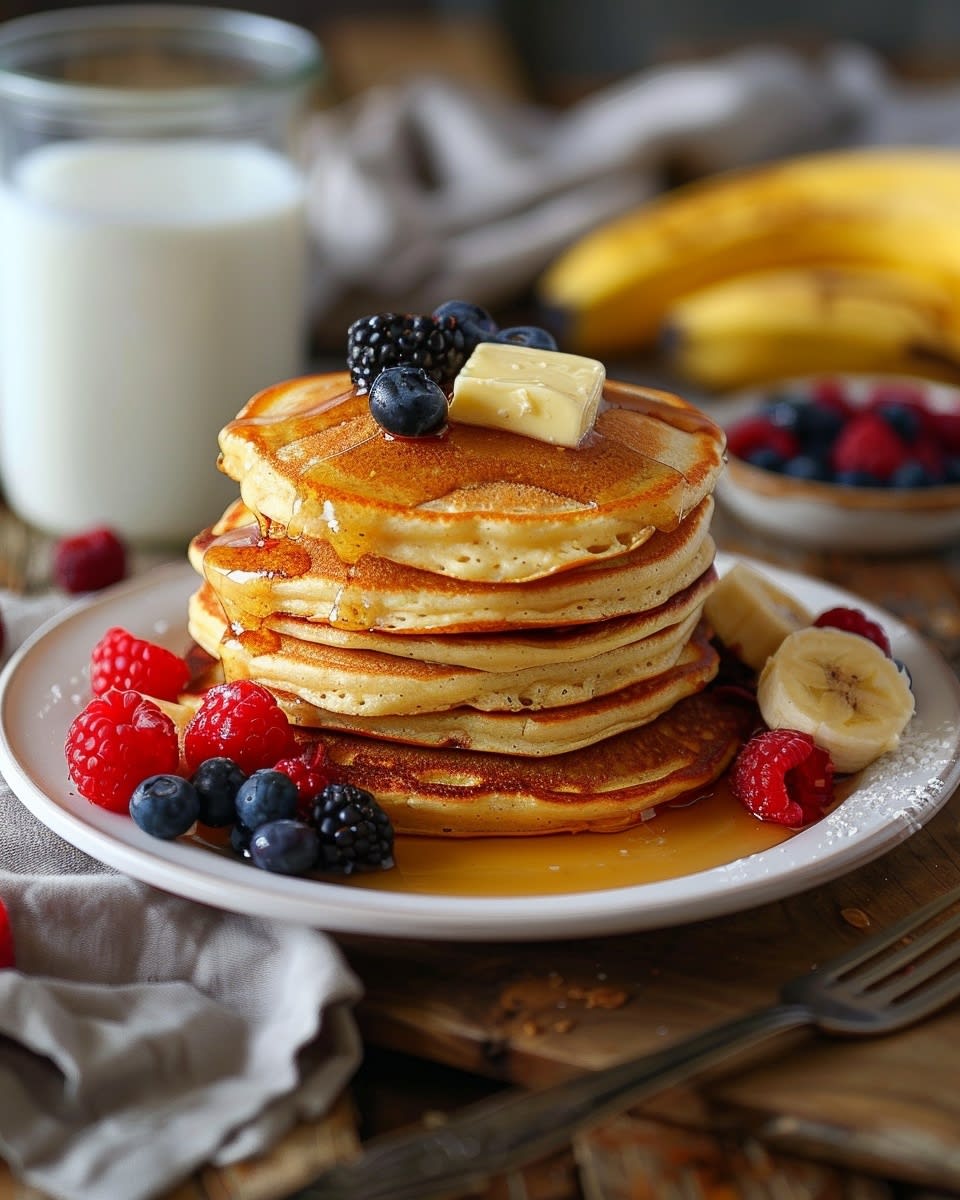
Last Saturday morning, I stood in my kitchen staring at a bunch of overripe bananas and a half-empty container of protein powder. My stomach was growling, but I wanted something better than my usual boring breakfast. That’s when I remembered the game-changing recipe that had been sitting in my notebook for weeks: protein banana pancakes. Twenty minutes later, I was sitting down to the fluffiest, most satisfying breakfast I’d had in months. And the best part? I didn’t feel that mid-morning energy crash I usually get from regular pancakes.
Welcome to my kitchen, where today we’re diving into a delicious and healthy breakfast option that’s become my go-to meal. Whether you’re a fitness enthusiast trying to hit your protein goals or just looking for a nutritious start to your day, this recipe is perfect for you. These pancakes pack a serious protein punch while staying naturally sweet and incredibly tasty.
In this article, I’ll share with you not only the classic protein banana pancakes recipe but also some fantastic variations and tips to make them even more enjoyable. You’ll learn how to make them with or without certain ingredients, adjust them for different dietary needs, and troubleshoot common problems. By the end, you’ll have everything you need to master this simple yet satisfying breakfast.
Why Choose Protein Banana Pancakes?
Let me tell you why I’ve become obsessed with these pancakes. First, the protein content keeps me full until lunch. Regular pancakes leave me hunting for snacks by 10 a.m., but these keep my hunger at bay for hours.
Protein at breakfast is crucial for several reasons:
- It stabilizes your blood sugar levels throughout the morning
- It helps build and repair muscle tissue, especially if you work out
- It boosts your metabolism and helps you burn more calories
- It reduces cravings and prevents overeating later in the day
- It improves focus and mental clarity during those morning tasks
The average protein pancakes recipe delivers between 15 to 25 grams of protein per serving. Compare that to regular pancakes, which barely have 5 grams, and you’ll see why fitness lovers everywhere are making the switch.
Now let’s talk about bananas. These yellow powerhouses are nature’s perfect pancake ingredient. They provide natural sweetness, which means you don’t need to dump sugar into your batter. One medium banana contains about 14 grams of natural sugar, along with fiber that slows down sugar absorption. This prevents those nasty blood sugar spikes that make you feel tired and cranky.
Bananas also bring serious nutritional value to the table. They’re loaded with potassium, which helps regulate blood pressure and supports muscle function. They contain vitamin B6 for brain health and vitamin C for immune support. Plus, the natural pectin in bananas acts as a binder, giving your pancakes that perfect fluffy texture without needing tons of flour.
These pancakes fit beautifully into various eating styles. Looking for low carb protein pancakes? You can adjust the recipe by using almond flour instead of regular flour. Need a vegan banana protein pancakes option? Swap the eggs for flax eggs and use plant-based protein powder. Have digestive issues with oats? You can make excellent protein pancakes without oats using other flour alternatives.
The flexibility of this recipe means almost anyone can enjoy it. Gluten-free? No problem. Dairy-free? Easy to manage. Watching your calorie intake? The standard protein pancakes calories range from 200 to 300 per serving, which fits perfectly into most meal plans.
The Classic Protein Banana Pancakes Recipe
This basic recipe serves as your foundation. Once you master it, you can experiment with all sorts of variations. I’ve made this recipe at least fifty times, and it never disappoints.
Here’s what you’ll need:
- 1 ripe banana (the more brown spots, the better)
- 2 large eggs
- 1 scoop (about 30g) of vanilla protein powder
- 1/4 cup of oat flour or regular flour
- 1/2 teaspoon of baking powder
- 1/4 teaspoon of cinnamon (optional but recommended)
- A pinch of salt
- Cooking spray or coconut oil for the pan
If you’re making protein pancakes without protein powder, you can substitute with 1/4 cup of Greek yogurt and an extra tablespoon of flour. The texture will be slightly different, but still delicious.
For those wanting protein pancakes without baking powder, you can use 1/4 teaspoon of baking soda mixed with a teaspoon of lemon juice or vinegar. This creates the same rising effect.
Step-by-step instructions:
- Mash your banana thoroughly. I use a fork and mash it in a medium bowl until it’s smooth with just a few small lumps. This takes about one minute. Don’t skip this step or you’ll have chunky pancakes.
- Add the eggs and whisk well. Beat them together with the mashed banana until everything is combined. The mixture should look slightly frothy.
- Mix in the protein powder. Add your scoop of protein powder and stir gently. Protein powder can clump easily, so I recommend adding it gradually while stirring. If you see lumps, use a whisk to break them up.
- Add the dry ingredients. Sprinkle in your flour, baking powder, cinnamon, and salt. Fold everything together with a spatula. Don’t overmix. A few small lumps are fine and actually help keep the pancakes tender.
- Let the batter rest. This is my secret tip. Let the batter sit for 5 minutes. This allows the flour to absorb the liquid and the baking powder to activate. Your pancakes will be fluffier because of this short wait.
- Heat your pan properly. Place a non-stick pan over medium heat. Let it warm up for 2 to 3 minutes. Add a small amount of cooking spray or coconut oil. To test if it’s ready, sprinkle a drop of water on the pan. It should sizzle gently.
- Pour the batter carefully. Use a 1/4 cup measuring cup to scoop the batter. Pour it onto the hot pan, leaving space between pancakes. They should be about 3 to 4 inches wide.
- Watch for bubbles. Cook for 2 to 3 minutes on the first side. You’ll see small bubbles forming on the surface. When the edges look set and the bubbles start to pop, it’s time to flip.
- Flip gently and finish cooking. Use a thin spatula to flip the pancake in one smooth motion. Cook for another 1 to 2 minutes on the second side. The pancake should be golden brown and cooked through.
- Keep them warm. Transfer finished pancakes to a plate and cover with a clean kitchen towel. This keeps them warm and soft while you cook the remaining batter.
Tips for perfect texture and flavor:
Temperature control is everything. If your pan is too hot, the outside will burn before the inside cooks. If it’s too cool, your pancakes will be flat and dense. Medium heat gives you that sweet spot where everything cooks evenly.
The ripeness of your banana matters more than you think. Overripe bananas with brown spots are sweeter and mash more easily. They also provide better binding. If your bananas are still yellow-green, let them sit on the counter for a few more days.
Don’t press down on your pancakes while they cook. I know it’s tempting, but pressing squeezes out the air bubbles that make them fluffy. Let them cook undisturbed.
If you want chocolate protein pancakes, add 1 tablespoon of cocoa powder to the dry ingredients. You can also use chocolate protein powder instead of vanilla. Just remember that chocolate protein powder can make the batter slightly thicker, so you might need to add a splash of milk.
For those exploring banana oat pancakes tasty variations, you can blend rolled oats into flour using a food processor. This gives you a heartier texture and adds extra fiber. Use 1/3 cup of oat flour instead of regular flour for the best results.
The batter should pour easily but not be watery. If it’s too thick, add milk one tablespoon at a time. If it’s too thin, add a little more flour. The consistency should be like thick cream.


Once you’ve got the basic recipe down, the real fun begins. And trust me, experimenting with different variations has become one of my favorite weekend activities.
Variations and Substitutions That Actually Work
Here’s the thing about this recipe. It’s incredibly forgiving. Last month, I ran out of bananas halfway through the week and almost gave up on my pancake routine. Then I realized I could make amazing protein pancakes without banana, and my breakfast world opened right up.
When you skip the banana, you need to replace both the moisture and the binding properties it provides. I’ve found that half a cup of unsweetened applesauce works beautifully. You get similar sweetness and moisture without any banana flavor. Another option that surprised me is mashed sweet potato. Sounds weird, I know, but it creates these incredible golden pancakes with a subtle sweetness that pairs perfectly with cinnamon.
Greek yogurt is another fantastic banana substitute. Use about three-quarters of a cup, and you’ll get extra protein plus a tangy flavor that balances the sweetness of any toppings you add. By the way, if you’re into high-protein breakfasts, you might want to check out this Greek yogurt protein breakfast guide for more ideas on incorporating yogurt into your morning routine.
Now let’s talk chocolate. My chocolate protein pancakes phase lasted about three months straight. My roommate actually staged an intervention because our kitchen counter was permanently dusted with cocoa powder. But these are genuinely incredible, especially if you’re someone who craves something sweet in the morning.
For chocolate pancakes, I add two tablespoons of unsweetened cocoa powder to the batter. The key is sifting the cocoa powder first because it clumps like crazy. I learned this the hard way after biting into what I thought was a chocolate chip but was actually a compressed cocoa lump. Not pleasant. You can also throw in a handful of dark chocolate chips if you’re feeling extra indulgent. They melt slightly during cooking and create these pockets of gooey chocolate heaven.
Funny enough, my most requested variation isn’t chocolate at all. It’s my blueberry lemon version. I fold in fresh blueberries and add the zest of half a lemon to the batter. The brightness of the lemon cuts through the richness of the protein powder, and the blueberries burst while cooking. It’s like spring on a plate, even in the middle of winter.
For those dealing with oat sensitivities, making protein pancakes without oats is actually easier than you’d think. Almond flour works wonderfully as a replacement. Use the same amount as you would oat flour, but be aware that almond flour creates a slightly denser pancake with a nuttier flavor. Some people love it even more than the original. Coconut flour is another option, though you’ll need less of it because it’s incredibly absorbent. Start with two tablespoons instead of a quarter cup, and add more liquid if needed.
Speaking of alternatives, if you’re someone who enjoys experimenting with different grains, you might appreciate this protein oatmeal with almond butter recipe that uses similar wholesome ingredients in a different format.
The low carb protein pancakes version has become my go-to when I’m trying to cut back on carbs before a vacation or event. Instead of regular flour or oat flour, I use a combination of almond flour and coconut flour. The ratio I’ve perfected is three tablespoons of almond flour to one tablespoon of coconut flour. This keeps the carbs under ten grams per serving while maintaining that fluffy texture we all want.
For low carb pancakes, I also reduce the banana to half and add an extra egg. This compensates for the lost moisture and keeps the protein content high. Sometimes I’ll throw in a tablespoon of cream cheese too. It sounds strange, but it makes the pancakes incredibly rich and creamy. The carb count stays low, but the satisfaction level goes through the roof.
My friend Sarah introduced me to banana protein pancakes vegan style about six months ago. She’s been vegan for years and refused to miss out on pancake mornings. Her version uses flax eggs instead of regular eggs. To make one flax egg, mix one tablespoon of ground flaxseed with three tablespoons of water. Let it sit for five minutes until it becomes gel-like. For this recipe, you’ll need two flax eggs.
The vegan version also requires plant-based protein powder. Pea protein, brown rice protein, or hemp protein all work well. I prefer pea protein because it has the most neutral flavor. Hemp protein can taste a bit earthy, which some people love but others find overpowering. You’ll also want to use a non-dairy milk like almond or oat milk if your batter needs thinning.
One surprising discovery was how well mashed chickpeas work in place of eggs for vegan pancakes. I know that sounds absolutely bizarre, but three tablespoons of mashed chickpeas can replace one egg. The flavor completely disappears once you add the banana and protein powder. My non-vegan friends have eaten these without knowing about the chickpeas, and nobody ever guessed.
If you’re looking for even more variety in your high-protein morning meals, this breakfast scramble with ground turkey offers a savory alternative when you need a break from sweet breakfasts.
Nutritional Benefits and Calorie Count
Let me break down exactly what you’re getting when you eat a serving of these pancakes. Understanding the nutrition has actually helped me stick to my fitness goals way better than when I was just guessing.
The classic recipe I shared earlier, which makes about three medium pancakes, contains approximately 280 calories. But here’s what makes those calories worthwhile. You’re getting around 25 grams of protein, which is roughly half of what many people need for breakfast to feel satisfied. The carbohydrate content sits around 32 grams, with about 5 grams coming from fiber. Fat content is typically 6 to 8 grams, mostly from the eggs and any cooking oil you use.
Compare this to regular buttermilk pancakes from your favorite breakfast chain. Three pancakes there will run you about 400 to 500 calories with maybe 8 grams of protein if you’re lucky. The carbs shoot up to 60 or 70 grams, mostly from refined flour and added sugar. You’re also looking at 15 to 20 grams of fat, often from butter and oil.
The protein content makes all the difference for how long you feel full. I used to eat regular pancakes and be starving by 10:30 a.m. Now I make it comfortably to lunch without even thinking about food. That’s the power of adequate breakfast protein.
The banana contributes about 100 calories and provides 422 milligrams of potassium. That’s roughly 12 percent of your daily needs. Potassium helps regulate fluid balance and supports healthy muscle function. After morning workouts, this potassium helps prevent those annoying muscle cramps.
The protein powder you choose significantly affects the overall nutrition profile. Whey protein typically has the highest protein concentration with fewer calories. A standard scoop gives you about 110 calories and 24 grams of protein. Plant-based proteins might have slightly more calories, around 120 to 140 per scoop, with 20 to 22 grams of protein. They also tend to include more fiber and sometimes added vitamins.
For those focused on weight loss, these pancakes fit beautifully into a calorie deficit. At 280 calories with high protein and fiber, they keep you satisfied while leaving room for other meals throughout the day. I’ve found that eating these for breakfast naturally reduces my calorie intake at lunch because I’m just not as hungry.
When I’m in a muscle-gaining phase, I boost the recipe slightly. I’ll add a tablespoon of almond butter to the batter, which adds 100 calories and healthy fats. Sometimes I’ll make four pancakes instead of three and top them with extra nut butter and berries. This brings the total to about 450 to 500 calories with 30 grams of protein. Perfect for recovery after a heavy lifting session.
The micronutrient profile deserves mention too. Eggs provide vitamin B12, selenium, and choline. The banana offers vitamin C and B6. If you use whole grain flour or oat flour, you’re adding B vitamins and minerals like magnesium and iron. These might seem like small details, but they add up to a genuinely nutritious meal rather than just empty calories.
For anyone tracking macros, the classic recipe breaks down to roughly 35 percent protein, 45 percent carbohydrates, and 20 percent fat. This balanced ratio works well for most people’s breakfast needs. If you’re following a specific macro split, you can adjust the ingredients accordingly.
Want lower carbs? Reduce the flour and banana while adding an extra egg or egg whites. Need more fat for a ketogenic approach? Add cream cheese or coconut oil to the batter. Trying to increase protein even more? Use egg whites instead of whole eggs and add an extra half scoop of protein powder.
If you’re meal prepping for the week and want more portable protein options, these high protein breakfast muffins use similar ingredients and are perfect for grab-and-go mornings.
The beauty of understanding these numbers is that you can make informed decisions based on your goals. I keep a basic version of the recipe for regular mornings and have my high-protein, high-calorie version ready for workout days. This flexibility has made sticking to my nutrition plan so much easier than following rigid meal plans that don’t adapt to my changing needs.


FAQs About Protein Banana Pancakes
After posting my pancake journey on social media last month, my inbox exploded with questions. Seems like everyone wants to make these but has specific concerns or situations that need addressing. So let me tackle the most common questions I get, along with some that I honestly wish someone had answered for me when I first started.
Can I make protein pancakes without protein powder?
Absolutely, and I actually did this for the first two weeks before I bought protein powder. Replace the scoop of protein powder with half a cup of Greek yogurt plus two tablespoons of flour. The yogurt adds about 10 grams of protein while giving you that creamy texture. Another option is cottage cheese, which sounds weird but completely blends into the batter. Use half a cup of cottage cheese and blend it smooth before mixing with the other ingredients. You won’t taste it at all, trust me. My cousin refused to believe there was cottage cheese in the batch I made for her until I showed her the container. The protein content drops slightly compared to using powder, but you still get a solid 15 grams per serving, which beats regular pancakes by a mile.
How do I make protein pancakes without banana?
This was literally my crisis moment last Tuesday morning. No bananas, but I was committed to pancakes. Unsweetened applesauce became my hero. Use half a cup and add a tiny bit of vanilla extract to compensate for the missing banana flavor. The texture stays moist and fluffy. Pumpkin puree works amazingly too, especially in fall when I’m craving those seasonal flavors. You’ll need about two-thirds of a cup because pumpkin is less sweet than banana. Add an extra pinch of cinnamon and maybe some nutmeg. Honestly, the pumpkin version might be my new favorite. Mashed sweet potato is another alternative that adds natural sweetness and creates this beautiful golden color. You need roughly half a cup, and the pancakes end up tasting slightly richer. Some people even use mashed avocado for a savory twist, though that’s definitely not for everyone.
Are there any low carb protein pancake options?
My low carb version has saved me during prep phases for events when I need to look my best. Swap all regular flour for almond flour, which drops the carbs significantly. Use only half a banana instead of a whole one, and add an extra egg to maintain the binding. The total carbs per serving come down to about 12 grams instead of 32. For even lower carbs, skip the banana entirely and use cream cheese instead. Two tablespoons of cream cheese plus a tiny bit of almond milk creates this rich, almost dessert-like pancake. You can also try coconut flour, but use it sparingly because it soaks up liquid like crazy. Start with two tablespoons and add more only if needed. Some people add psyllium husk powder for extra fiber and binding, which keeps carbs low while improving texture. Understanding the science of baking really helps when you’re experimenting with alternative flours and trying to maintain that perfect pancake structure.
What are the calories in a serving of protein pancakes?
The standard recipe clocks in around 280 calories for three medium pancakes. But this changes based on what you add. If you use whole eggs instead of egg whites, add about 40 calories. Cooking in butter instead of spray adds roughly 30 to 50 calories depending how generous you are. The protein powder brand matters too because some have added fats or carbs that increase calories. I’ve seen protein powders range from 100 to 150 calories per scoop. Check your specific brand’s label. Toppings obviously add up quickly. A tablespoon of maple syrup is 52 calories, while a tablespoon of almond butter is about 95. My typical breakfast with pancakes, a drizzle of honey, and some berries totals around 350 calories. That keeps me full until lunch and fits perfectly into my daily plan. For anyone counting calories seriously, I recommend weighing your banana because they vary wildly. A small banana might be 90 calories while a large one can hit 120.
Can I make banana protein pancakes vegan?
My vegan friends eat these regularly, and honestly, the vegan version is so good that sometimes I make it even though I’m not vegan. Replace each egg with a flax egg, which is one tablespoon ground flaxseed mixed with three tablespoons water. Let it sit for five minutes until it’s gooey. Use plant-based protein powder like pea, rice, or hemp protein. Make sure your protein powder is actually vegan because some sneaky brands add dairy derivatives. For extra moisture, add a tablespoon of unsweetened applesauce or plant-based yogurt. Coconut yogurt works beautifully and adds a subtle tropical flavor that pairs perfectly with banana. Cook them in coconut oil instead of butter, and you’ve got a completely plant-based breakfast. My friend Maya makes a massive batch every Sunday and freezes them for the week. She swears they taste better than non-vegan pancakes, though I think she might be slightly biased.
How do I make protein pancakes without oats?
Oat-free pancakes are actually easier than you’d think, especially if you have digestive issues with oats like my sister does. Almond flour is your best friend here. Use a quarter cup in place of oat flour, and the pancakes come out slightly nuttier and denser in a good way. All-purpose flour works too if you’re not worried about keeping things grain-free. Coconut flour is another option, though you’ll need less of it. Start with two tablespoons because coconut flour is super absorbent. I learned this the hard way when my first coconut flour batch turned into hockey pucks. If you want something more interesting, try buckwheat flour. Despite the name, it’s not related to wheat and is naturally gluten-free. It has this earthy, slightly nutty flavor that I actually love. The texture stays fluffy, and you get extra minerals like magnesium and manganese. Chickpea flour is another alternative that adds protein while keeping the pancakes grain-free, though it has a distinct taste that some people need to get used to.
What is the best way to store leftover pancakes?
Here’s my system that’s worked for months now. Let the pancakes cool completely on a wire rack first. This prevents condensation that makes them soggy. Once cool, I stack them with small pieces of parchment paper between each pancake. This stops them from sticking together. Then I put the stack in an airtight container or zip-top bag. They last three to four days in the fridge. For longer storage, freeze them. I arrange cooled pancakes in a single layer on a baking sheet and freeze for an hour. Once they’re solid, I transfer them to a freezer bag. They keep for up to three months. To reheat, I pop them straight from the freezer into my toaster. Two cycles on medium heat and they’re perfectly warm and slightly crispy on the edges. You can also microwave them for 30 to 45 seconds, though they won’t have that nice texture. My meal prep routine involves making a double batch every Sunday, and I’ve got breakfast sorted for the entire week without any morning stress.
Can I use different types of flour for the pancakes?
The flour world is your oyster with this recipe. Whole wheat flour adds fiber and creates heartier pancakes with more texture. I use it when I want something more filling. Spelt flour is another favorite because it’s easier to digest than regular wheat for some people. The taste is slightly sweeter and nuttier. Rice flour makes lighter, more delicate pancakes, though they can be a bit crumbly. If you go this route, add an extra egg for binding. Quinoa flour boosts the protein content even more and has this unique earthy flavor. Not everyone loves it, but I think it’s interesting. For gluten-free options, try a gluten-free all-purpose blend. These usually contain xanthan gum or guar gum, which helps with texture. Cassava flour is trending lately and works well if you don’t mind a slightly denser pancake. My advice is to experiment with small batches first. Write down what you tried and how it turned out. I have a whole notebook filled with flour experiments, and some combinations were disasters while others became new favorites.
How can I make my protein pancakes fluffier?
Fluffy pancakes were my obsession for about three weeks straight until I figured out the secrets. First, separate your eggs. Beat the egg whites until they form soft peaks, then fold them gently into the batter at the very end. This incorporates air and makes the pancakes rise beautifully. Don’t overmix the batter. Mix just until the ingredients come together. Those little lumps are actually your friends because they mean you haven’t overworked the gluten. Let the batter rest for five to ten minutes before cooking. This allows the leavening agents to activate and the flour to absorb liquid properly. Make sure your baking powder is fresh. Old baking powder loses its effectiveness, and your pancakes will be flat no matter what you do. Test it by dropping half a teaspoon in hot water. It should bubble vigorously. Control your heat carefully. Medium to medium-low is the sweet spot. Too high and the outside cooks before the inside has time to rise. Adding a tablespoon of Greek yogurt to the batter also helps create a lighter texture while adding protein.
Can kids eat these protein pancakes?
My nephew absolutely demolishes these pancakes, so yes, they’re totally kid-friendly. The natural sweetness from banana means you don’t need to add sugar, which makes them healthier than typical kid breakfasts. However, I’d recommend using a smaller amount of protein powder for young children since their protein needs are lower than adults. Maybe half a scoop instead of a full one. You can make them fun by adding chocolate chips or making them into fun shapes. I use cookie cutters to make stars and hearts, and suddenly vegetables at dinner become negotiable because breakfast was so exciting. Some protein powders taste chalky or artificial, so choose one with a flavor your kids will like. Vanilla and chocolate are usually safe bets. If your child has any allergies, obviously check all ingredients carefully. These pancakes are easily adaptable for common allergies like dairy, nuts, or gluten. The high protein content actually helps keep kids fuller longer, which prevents those mid-morning meltdowns from hunger.
What toppings work best with protein banana pancakes?
Toppings can make or break your pancake experience, honestly. Fresh berries are my go-to because they add natural sweetness without tons of calories. Strawberries, blueberries, and raspberries all work beautifully. A drizzle of pure maple syrup is classic, though I use it sparingly because the banana already provides sweetness. Nut butters are amazing for adding healthy fats and extra protein. I alternate between almond butter, peanut butter, and cashew butter depending on my mood. Greek yogurt on top adds creaminess and even more protein. Sometimes I mix the yogurt with a bit of honey and vanilla for a makeshift syrup. Sliced banana might seem redundant, but it actually works great. Dark chocolate chips or cacao nibs give you that dessert feel while providing antioxidants. For a fancy weekend breakfast, I’ll make a quick berry compote by heating frozen berries with a touch of honey. Coconut flakes add texture, and chopped nuts provide crunch. The key is balancing your toppings so you don’t accidentally turn a healthy breakfast into a 600-calorie sugar bomb.
By the way, if you’re looking for more ways to start your day with substantial nutrition, browsing through various high protein breakfast options might give you the variety you need to keep things interesting throughout the week.
These pancakes have genuinely changed how I approach breakfast. Instead of rushing through the morning with whatever’s convenient, I actually look forward to cooking. The fact that they’re healthy and delicious makes the whole experience that much better. Whether you’re trying to build muscle, lose weight, or just eat better in general, having a solid breakfast recipe that you can customize for any situation is incredibly valuable. Don’t be afraid to experiment with the variations I’ve mentioned. Some of my best discoveries happened by accident when I was just throwing ingredients together based on what was in my kitchen. Keep that batter slightly thick, don’t overmix, and remember that practice makes perfect. Your first batch might not be Instagram-worthy, and that’s completely fine. Mine certainly weren’t. But stick with it, and soon you’ll be flipping perfect protein pancakes without even thinking about it.
Ingredients
Equipment
Method
- Mash your banana thoroughly in a medium bowl until smooth with just a few small lumps.
- Add the eggs and whisk well until combined and slightly frothy.
- Mix in the protein powder gradually while stirring to avoid lumps.
- Add the dry ingredients: flour, baking powder, cinnamon, and salt; fold gently without overmixing.
- Let the batter rest for 5 minutes to allow the flour to absorb the liquid and baking powder to activate.
- Heat a non-stick pan over medium heat for 2 to 3 minutes and add cooking spray or coconut oil.
- Pour 1/4 cup of the batter onto the hot pan, leaving space between pancakes.
- Watch for bubbles and cook for 2 to 3 minutes until edges are set.
- Flip gently and finish cooking for another 1 to 2 minutes until golden brown.
- Keep finished pancakes warm by covering them with a clean kitchen towel while cooking the remaining batter.