
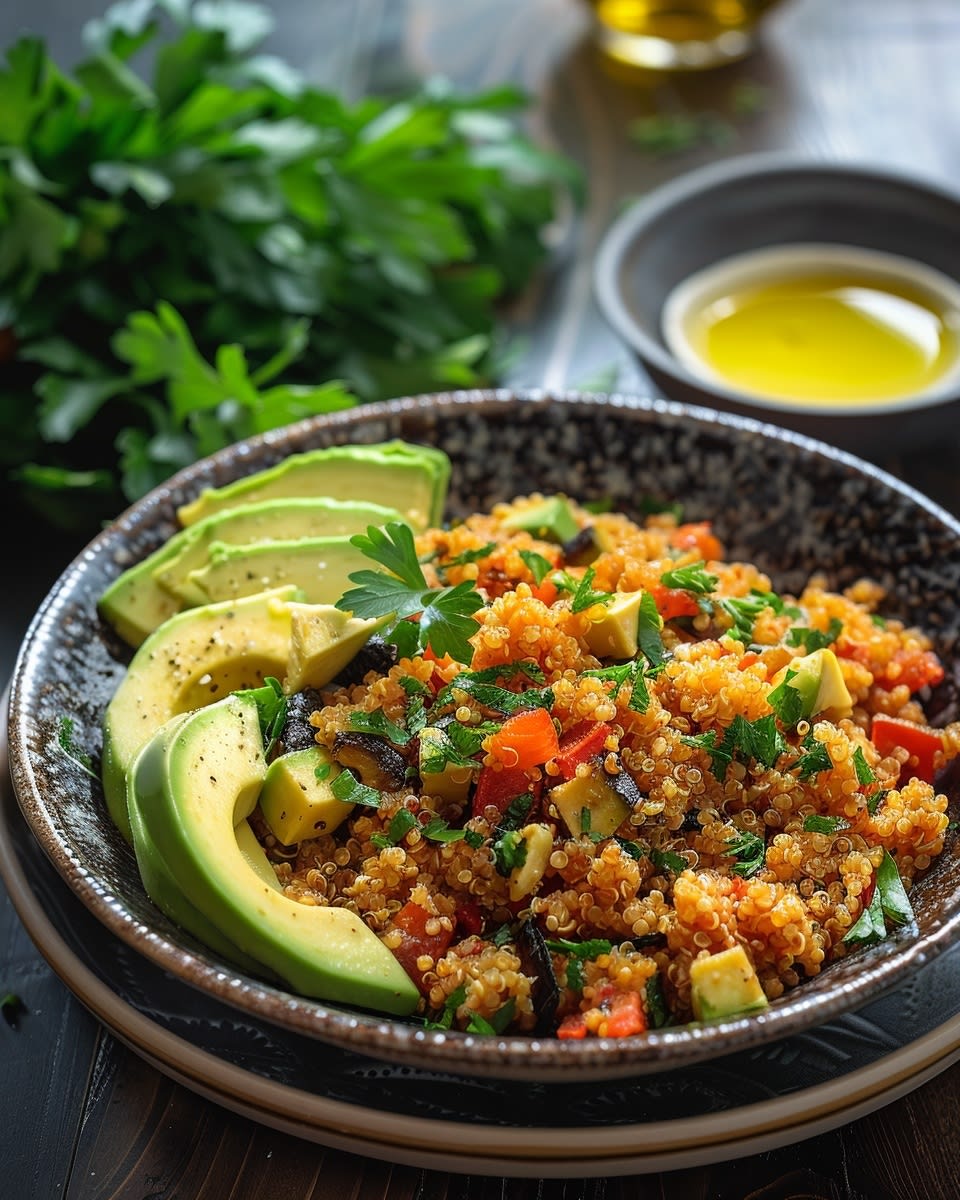
Introduction: Why I Love This Roasted Veggie Quinoa Bowl
I still remember the first time I tried a roasted veggie quinoa bowl at a small café near my office. I was tired of the same boring lunch options and wanted something filling but not heavy. One bite of that colorful bowl changed everything. The warm, nutty quinoa mixed with crispy roasted vegetables and a tangy dressing made me wonder why I hadn’t discovered this meal sooner.
Since that day, this dish has become my go-to meal for busy weeknights and lazy weekend lunches. It’s tasty, packed with nutrients, and takes less time to make than you’d think. Plus, you can throw in whatever vegetables are sitting in your fridge and still end up with something delicious.
The roasted veggie quinoa bowl tasty combination has won over vegetarians and health enthusiasts everywhere. It’s easy to see why. You get complete protein from quinoa, fiber from vegetables, and endless flavor possibilities. Whether you’re trying to eat more plant-based meals or just want something that tastes good and makes you feel good, this bowl checks all the boxes.
This article will walk you through everything you need to know about making the perfect roasted vegetable quinoa bowl. I’ll cover what makes this dish so special, share my favorite ingredient combinations, and give you tips for customizing it to match your taste preferences. By the end, you’ll have all the knowledge you need to create your own signature bowl.
What is a Roasted Veggie Quinoa Bowl?
A roasted veggie quinoa bowl is exactly what it sounds like. It’s a meal built on a base of fluffy quinoa topped with an assortment of roasted vegetables. Think of it as a roasted vegetable buddha bowl that puts nutrition and flavor in perfect balance.
The beauty of this dish lies in its simplicity. You cook quinoa until it’s light and fluffy. You roast your choice of vegetables until they’re golden and slightly caramelized. Then you combine them in a bowl and add a flavorful dressing. The result is a complete meal that satisfies your taste buds and your body’s nutritional needs.
What sets this vegetarian quinoa bowl apart from other grain bowls is the combination of textures and temperatures. The warm quinoa provides a soft, comforting base. The roasted vegetables add crispy edges and tender centers. When you add crunchy toppings like seeds or nuts, every bite becomes interesting.
This dish earns its reputation as a nutritional powerhouse for good reasons. Quinoa is a complete protein, meaning it contains all nine essential amino acids your body needs. Most plant foods can’t make that claim. One cup of cooked quinoa gives you about 8 grams of protein and 5 grams of fiber.
The roasted vegetables bring their own benefits to the table. Roasting concentrates their natural sugars and creates deep, rich flavors you don’t get from steaming or boiling. The high heat also helps your body absorb certain nutrients better. Carrots, for example, release more beta-carotene when cooked.
I love how this warm quinoa salad with roasted vegetables works for so many different eating styles. It’s naturally vegetarian and vegan if you skip dairy-based toppings. It’s gluten-free without any modifications. You can make it low-carb by using more vegetables and less quinoa. People with various dietary restrictions can all enjoy the same basic recipe with small tweaks.
The versatility extends beyond dietary needs. This bowl works as meal prep for the week, a quick weeknight dinner, or an impressive dish for guests. You can serve it warm right after cooking or cold as a refreshing salad. I’ve eaten it for breakfast, lunch, and dinner without getting bored.
Ingredients You’ll Need for Your Roasted Veggie Bowl
The ingredient list for a roasted veggie quinoa bowl is flexible and forgiving. That’s part of what makes it so great. You don’t need exotic ingredients or a fully stocked pantry. Here’s what I typically use to create my favorite version.
The Base
- Quinoa – I usually use white quinoa because it cooks faster, but red or tri-color quinoa add visual appeal and a slightly nuttier taste
- Water or vegetable broth – Broth adds more flavor to the quinoa as it cooks
- Salt – Just a pinch to season the quinoa while cooking
The Vegetables
This is where you can get creative. I rotate through different vegetables based on what’s in season or what needs to be used up in my fridge. Here are some of my favorite options for quinoa and roasted vegetables:
- Sweet potatoes or butternut squash – These add natural sweetness and become wonderfully caramelized
- Bell peppers – Red, yellow, or orange peppers bring bright colors and mild sweetness
- Zucchini or summer squash – They roast quickly and have a tender texture
- Broccoli or cauliflower – The florets get crispy edges that taste amazing
- Red onions – They become sweet and slightly charred when roasted
- Cherry tomatoes – These burst in the oven and create a light sauce
- Carrots – Cut them small so they roast in the same time as other vegetables
- Brussels sprouts – Halved and roasted until crispy, they’re a favorite of mine
- Eggplant – It becomes creamy and rich when roasted
The Flavor Boosters
These ingredients take your balsamic roasted vegetable and quinoa salad from good to unforgettable:
- Olive oil – Essential for roasting vegetables and getting those crispy edges
- Garlic – Fresh minced garlic or garlic powder both work well
- Fresh herbs – Thyme, rosemary, or oregano complement roasted vegetables perfectly
- Spices – Paprika, cumin, or za’atar add depth and warmth
- Lemon juice – A squeeze brightens all the flavors
- Salt and pepper – Don’t skip proper seasoning on your vegetables
The Toppings and Add-Ins
This is where you add texture and extra nutrients. For a roasted veggie bowl with tahini sauce, I like to include:
- Chickpeas – Roast them with the vegetables for extra protein and crunch
- Pumpkin seeds or sunflower seeds – They add a satisfying crunch
- Sliced almonds or walnuts – Toasted nuts bring richness and healthy fats
- Feta or goat cheese – For those who eat dairy, crumbled cheese adds tang
- Avocado – Creamy slices balance the crispy vegetables
- Fresh greens – A handful of spinach or arugula adds freshness
- Dried cranberries or raisins – A touch of sweetness creates nice contrast
The Dressing
The right roasted veggie bowl dressing or quinoa veggie bowl dressing ties everything together. You have several delicious options:
- Tahini sauce – My personal favorite, made with tahini, lemon juice, garlic, and water
- Balsamic vinaigrette – Perfect for a balsamic roasted vegetable and quinoa salad
- Lemon herb dressing – Light and fresh with olive oil, lemon, and fresh herbs
- Maple Dijon dressing – Sweet and tangy with a bit of kick
- Cilantro lime dressing – Bright and zesty for a Mexican-inspired bowl
The best part about these ingredients is that you don’t need all of them. Pick a few vegetables you enjoy, choose a dressing that sounds good, and add whatever toppings you have on hand. I’ve made incredible bowls with just three types of vegetables and a simple lemon dressing. The formula is flexible enough to work with whatever you have available.


Preparing Your Roasted Vegetables
Now that you’ve gathered your ingredients, let’s get into the actual cooking. This is where the magic happens, and honestly, roasting vegetables is one of those cooking techniques that sounds fancier than it actually is.
First things first, preheat your oven to 425°F (220°C). I can’t stress this enough because I’ve made the mistake of throwing vegetables into a cold oven before. They just sort of steam instead of getting those beautiful caramelized edges we’re after. A hot oven is your friend here.
While the oven heats up, chop your vegetables into similar-sized pieces. This is actually more important than most people realize. If you cut your sweet potatoes into huge chunks and your zucchini into tiny pieces, they’ll finish cooking at completely different times. I aim for pieces that are roughly one inch in size. The exception is cherry tomatoes, which I leave whole because they’re perfect little flavor bombs that burst in the heat.
Here’s the thing about roasting vegetables for your roasted veggie quinoa bowl. They need space to breathe. When I first started making these bowls, I’d cram everything onto one baking sheet because I didn’t want to wash extra dishes. Bad idea. Crowded vegetables steam each other instead of roasting. Now I use two sheet pans without hesitation, and the results are so much better.
Toss your chopped vegetables in a large bowl with olive oil. I use about two tablespoons for every four cups of vegetables. You want them lightly coated but not swimming in oil. Then add your seasonings. I typically go with salt, pepper, garlic powder, and a teaspoon of dried thyme or rosemary. Sometimes I’ll throw in some smoked paprika if I’m feeling adventurous.
By the way, this is the perfect time to add balsamic vinegar if you’re going for that balsamic roasted vegetable and quinoa salad vibe. Drizzle about a tablespoon over your vegetables before roasting. The vinegar caramelizes in the oven and creates this sweet-tangy glaze that makes people ask for your recipe. Just don’t use too much or it can make things soggy.
Spread your vegetables in a single layer on your baking sheets. Give them room. I know I already said this, but it matters that much. Roast them for about 25 to 35 minutes, depending on what vegetables you’re using. Denser vegetables like sweet potatoes and carrots take longer than softer ones like zucchini or bell peppers.
Set a timer for 15 minutes and flip everything with a spatula when it goes off. This ensures even browning on all sides. I learned this the hard way when I served a bowl with vegetables that were perfectly golden on top and pale on the bottom. My sister still teases me about it.
You’ll know they’re done when the edges turn golden brown and slightly crispy. Some pieces might even char a little bit, and that’s absolutely fine. Those darker bits add incredible flavor. The vegetables should be tender when you poke them with a fork but not mushy. If you’re roasting chickpeas alongside your vegetables for extra protein, they should sound a bit crunchy when you shake the pan.
One trick I picked up from a cooking show is to add delicate vegetables like cherry tomatoes or thinly sliced bell peppers halfway through the roasting time. They don’t need as long as root vegetables, and this way everything finishes at the same time. Works like a charm every single time.
Cooking the Quinoa
While your vegetables are roasting away and making your kitchen smell amazing, you can cook the quinoa. This is genuinely one of the easiest parts of making a vegetarian quinoa bowl, though I’ll admit I messed it up plenty of times before getting it right.
Start by rinsing your quinoa in a fine mesh strainer under cold water for about 30 seconds. This removes the natural coating called saponin that can make quinoa taste bitter or soapy. I skipped this step once because I was in a hurry, and my bowl tasted weird. Never again.
The basic ratio for cooking quinoa is one part quinoa to two parts liquid. So if you’re using one cup of dry quinoa, you’ll need two cups of water or vegetable broth. I almost always use vegetable broth instead of plain water because it adds so much more flavor. It’s such a simple swap that makes a real difference.
Pour your rinsed quinoa and liquid into a medium saucepan. Add a pinch of salt. Bring it to a boil over medium-high heat, then reduce the heat to low, cover the pot with a lid, and let it simmer. Set your timer for 15 minutes and then walk away. Seriously, don’t peek. Lifting the lid releases steam that the quinoa needs to cook properly.
When the timer goes off, remove the pot from the heat but keep it covered for another five minutes. This is called the resting period, and it lets the quinoa finish cooking in its own steam. After five minutes, remove the lid and fluff the quinoa with a fork. You should see these cute little spiral tails on each grain. That’s how you know it’s perfectly cooked.
Funny enough, the texture you’re going for is light and fluffy, almost like couscous. If your quinoa turns out mushy or clumpy, you probably used too much liquid or cooked it too long. If it’s crunchy or hard, it needed more cooking time or liquid. You’ll get a feel for it after making it a few times. I consider myself pretty good at cooking now, but I still had to practice to get my quinoa just right.
For extra flavor, you can add a bay leaf to the cooking liquid or stir in some lemon zest after fluffing. Sometimes I’ll mix in a tablespoon of olive oil or a pat of vegan butter while it’s still warm. These small touches make your warm quinoa salad with roasted vegetables taste restaurant-quality.
Assembling the Bowl
This is honestly my favorite part because you get to see everything come together. Similar to how I approach my kale and chickpea salad, the assembly is where your bowl transforms from individual components into a complete meal.
Start with your base. Scoop about one cup of cooked quinoa into your bowl. I use wide, shallow bowls because they give you more surface area to arrange everything nicely. If you’re making this as meal prep, you can divide the quinoa among several containers at this point.
Next comes the roasted vegetables. I like to arrange them in sections rather than just dumping everything on top. It looks more appealing and makes the bowl feel more special. Put your sweet potatoes in one section, broccoli in another, and so on. This technique works great when you’re serving guests or taking photos for social media.
Now add your protein and toppings. If you roasted chickpeas, scatter them over the bowl. Add some toasted nuts or seeds for crunch. When I want something lighter, I’ll add fresh greens like the ones I use in my turkey lettuce wraps. A handful of baby spinach or arugula wilts slightly from the warm vegetables and adds a fresh contrast.
If you’re including cheese, now’s the time to crumble some feta or goat cheese over everything. Slice up half an avocado and fan it out on one side. Maybe add a few dried cranberries for a pop of sweetness. The goal is to create different textures and flavors in every bite.
Here’s where the roasted veggie bowl dressing comes in. This is not optional, people. A dry grain bowl is sad and boring. The dressing brings moisture and ties all the flavors together. For a roasted veggie bowl with tahini sauce, I whisk together three tablespoons of tahini, two tablespoons of lemon juice, one minced garlic clove, a pinch of salt, and enough water to reach a pourable consistency. Usually about three to four tablespoons of water does the trick.
Drizzle your chosen dressing generously over the entire bowl. Don’t be shy with it. The quinoa and vegetables will soak it up. I usually make extra dressing and serve it on the side so people can add more if they want. Just like with my zucchini noodles with pesto, the sauce really makes or breaks the dish.
A final squeeze of fresh lemon juice over everything brightens all the flavors. Sometimes I’ll add a sprinkle of red pepper flakes for heat or some fresh herbs like cilantro or parsley. These finishing touches take about 10 seconds but make your roasted vegetable buddha bowl look and taste professionally made.
The beauty of this assembly method is that everyone can customize their own bowl. When I make this for my family, I set out all the components separately and let people build their own. My nephew loads up on sweet potatoes and skips the Brussels sprouts. My mom adds extra greens and goes light on the quinoa. Everyone’s happy with their personalized version.
If you’re meal prepping, keep the dressing separate until you’re ready to eat. Store it in small containers or mason jars. The assembled bowls (without dressing) will last about four days in the fridge. You can eat them cold, which I actually love on hot days, or reheat them for about 90 seconds in the microwave. They’re just as satisfying either way, much like how versatile something like baked cod with green beans can be served warm or at room temperature.
The whole process from start to finish takes about 45 minutes, and most of that is hands-off time while things cook. Once you’ve made it a couple times, you’ll develop your own rhythm and favorite combinations. That’s when this quinoa and roasted vegetables bowl becomes more than just a recipe. It becomes your go-to meal that you can make without even thinking about it.


Dressings and Sauces for Your Roasted Veggie Quinoa Bowl
Let me tell you something that took me way too long to figure out. The dressing can completely transform your roasted veggie quinoa bowl from something you eat because it’s healthy to something you actually crave. I used to think any old vinaigrette would do the job, but once I started experimenting with different sauces, my bowls went from bland to absolutely crave-worthy.
The right roasted vegetable quinoa bowl dressing does more than just add moisture. It brings all those individual flavors together into one cohesive experience. Think of it like the conductor of an orchestra, making sure all the instruments play in harmony. Without it, you’ve got separate good things happening but nothing that really sings.
Classic Tahini Sauce
This is my absolute favorite dressing for a roasted veggie bowl with tahini sauce, and I probably make it three times a week. The creamy, slightly nutty flavor pairs beautifully with just about any vegetable combination you throw at it.
Here’s my go-to recipe that I’ve tweaked over probably a hundred batches:
- 1/3 cup tahini (I buy the well-stirred kind to avoid that oil separation drama)
- 3 tablespoons fresh lemon juice (about one large lemon)
- 2 small garlic cloves, minced really fine
- 1/4 teaspoon salt, or more to taste
- 4 to 6 tablespoons warm water
- Optional: a tiny pinch of cumin or a dash of maple syrup
Mix the tahini, lemon juice, garlic, and salt in a bowl. Here’s where it gets weird for a second. The mixture will seize up and look grainy and terrible. Don’t panic. This happens every single time and it’s completely normal. Now start whisking in the warm water one tablespoon at a time. Like magic, it’ll transform into this smooth, pourable sauce. Keep adding water until it reaches the consistency you like. I prefer mine thin enough to drizzle but thick enough to cling to the vegetables.
The beauty of this tahini sauce is that it keeps for about a week in the fridge. It’ll thicken up when cold, so just add a splash of water and whisk it back to life before using. Sometimes I’ll make a double batch on Sunday and use it throughout the week on different meals.
Balsamic Vinaigrette
When I want something a bit tangier and slightly sweet, I go for a balsamic roasted vegetable and quinoa salad dressing. Balsamic vinegar has this incredible depth that works especially well with roasted root vegetables and Brussels sprouts.
My version is super straightforward. Whisk together 3 tablespoons balsamic vinegar, 1 tablespoon Dijon mustard (this helps it emulsify), 1 teaspoon honey or maple syrup, a minced garlic clove, salt, pepper, and then slowly drizzle in about 1/3 cup of good olive oil while whisking constantly. The key is adding the oil slowly so everything combines into a creamy dressing instead of separating.
By the way, if you’re short on time, you can skip the whisking drama and just shake everything together in a mason jar. Works just as well, even if it’s not quite as smooth. I’ve done this countless times when I’m running late and need to pack lunch for work.
Lemon Herb Dressing
This one’s perfect for summer when you want something light and refreshing. It’s basically a simple vinaigrette but loaded with fresh herbs. I use whatever’s growing in my little windowsill herb garden, usually parsley, dill, and chives.
Combine the juice of one lemon, 1/4 cup olive oil, a teaspoon of Dijon mustard, 2 tablespoons of chopped fresh herbs, a small minced garlic clove, salt, and pepper. This quinoa veggie bowl dressing is especially great if your roasted vegetables include lots of cherry tomatoes and zucchini. The bright, fresh flavors complement lighter vegetables better than heavier cream-based sauces.
Creamy Avocado Dressing
Here’s the thing about this one. It’s ridiculously creamy without any dairy, which makes it perfect for anyone avoiding milk products. Plus, you’re getting all those healthy fats from the avocado, which actually help your body absorb the vitamins from your vegetables better.
Blend together one ripe avocado, 2 tablespoons lime juice, 1/4 cup water (or more for thinner consistency), a handful of cilantro, a garlic clove, salt, and maybe a jalapeño if you like heat. This creates a gorgeous green sauce that looks restaurant-fancy but takes literally two minutes to make. The only downside is that it doesn’t keep as well as other dressings because avocados brown quickly. I usually make just enough for one or two bowls.
Maple Dijon Dressing
This one’s got a sweet and tangy thing going on that works incredibly well with roasted sweet potatoes and Brussels sprouts. I discovered it kind of by accident when I was trying to use up some maple syrup before it went bad.
Whisk together 2 tablespoons Dijon mustard, 2 tablespoons maple syrup, 3 tablespoons apple cider vinegar, 1/4 cup olive oil, salt, and pepper. The maple syrup caramelizes slightly on the warm roasted vegetables, creating this amazing flavor that my kids actually get excited about. Getting children to eat vegetables is always a win in my book.
How Each Dressing Changes the Game
What I’ve learned after making probably hundreds of these bowls is that the dressing you choose completely changes the personality of your meal. The tahini sauce makes it feel Middle Eastern and comforting. The balsamic dressing leans Italian and sophisticated. The cilantro lime version gives you Mexican-inspired vibes.
The texture matters too. Creamy dressings like tahini or avocado coat everything and make the bowl feel more indulgent and satisfying. Vinaigrettes keep things lighter and let the individual vegetable flavors shine through more. Neither approach is better, they’re just different experiences.
Funny enough, I’ve noticed that choosing your dressing first and then picking vegetables that complement it actually works better than the other way around. If you’re going with tahini, maybe add some chickpeas and cucumber for a Mediterranean vibe. Planning for balsamic? Load up on mushrooms and tomatoes. It’s a small shift in thinking that makes a real difference.
Variations and Customizations
One of my favorite things about the roasted vegetable buddha bowl concept is that it’s basically a template rather than a strict recipe. Once you understand the basic structure, you can riff on it endlessly and never get bored. I’ve been making these bowls for years and I still come up with new combinations.
Seasonal Variations
I like to build my bowls around what’s actually in season because those vegetables taste better and cost less. In fall and winter, I lean heavily into root vegetables. My cold-weather version usually features roasted butternut squash, Brussels sprouts, beets, and carrots. I’ll top it with toasted pecans, dried cranberries, and that maple Dijon dressing I mentioned earlier. It’s like autumn on a plate.
Come spring and summer, everything gets lighter and brighter. Asparagus, zucchini, bell peppers, and cherry tomatoes become the stars. I’ll add fresh corn kernels (you can roast them too for a smoky flavor), top everything with crumbled feta, and use the lemon herb dressing. Sometimes I’ll throw in some fresh strawberries or peach slices for a sweet surprise. Sounds weird but trust me on this one.
Protein-Packed Variations
While quinoa provides decent protein on its own, sometimes you want something more substantial. My go-to addition is roasted chickpeas because they crisp up beautifully and add that satisfying crunch. Toss drained chickpeas with olive oil, salt, paprika, and garlic powder, then roast them alongside your vegetables for the last 20 minutes.
When I’m really hungry or need extra protein after a workout, I’ll add some baked tofu. Cube firm tofu, press out the excess water, toss it with soy sauce and sesame oil, and bake it until golden. Edamame is another easy addition that bumps up the protein without much effort. Just throw some frozen edamame into boiling water for a few minutes and you’re done.
For people who eat eggs, a soft-boiled or fried egg on top transforms the bowl into something incredibly satisfying. That runny yolk mixes with the dressing and creates this amazing sauce situation. My husband always requests the egg addition when I make these bowls for dinner.
Grain Alternatives
Here’s something I wish someone had told me earlier. You don’t have to use quinoa. I love quinoa, obviously, but sometimes switching up the grain base keeps things interesting. Brown rice works beautifully and has a chewier texture. Farro is one of my favorites because it’s nutty and hearty. Couscous cooks in about five minutes and soaks up dressings like a dream.
For a lower-carb version, try cauliflower rice. I was skeptical about this when it first became trendy, but it’s actually really good in these bowls. You can buy it pre-riced or make your own by pulsing cauliflower florets in a food processor. Sauté it with a little olive oil and garlic for about five minutes until tender. It definitely changes the nutritional profile, which can be helpful if you’re managing your energy intake through the day.
International Flavor Profiles
This is where things get really fun. You can take the basic warm quinoa salad with roasted vegetables concept and dress it up with flavors from different cuisines.
For a Mexican-inspired bowl, roast sweet potatoes, bell peppers, and red onions with cumin and chili powder. Top with black beans, corn, avocado, a squeeze of lime, and cilantro. Use a chipotle cream sauce or that cilantro lime dressing. Sometimes I’ll add pickled jalapeños or a scoop of salsa.
An Asian-style variation might include roasted broccoli, snap peas, carrots, and shiitake mushrooms. Season everything with ginger and sesame oil. Top with edamame, sesame seeds, and sliced green onions. A miso-ginger dressing or a simple soy-sesame vinaigrette ties it together perfectly.
For a Mediterranean version, think roasted eggplant, zucchini, bell peppers, and red onion. Add chickpeas, kalamata olives, cucumber, tomatoes, and feta cheese. That tahini sauce works great here, or you could go with a classic lemon-oregano vinaigrette.
I once made an Indian-inspired bowl with roasted cauliflower and chickpeas tossed in curry powder and turmeric. Topped it with cucumber, tomatoes, cilantro, and a yogurt-based raita dressing. My friend who’s actually from India tried it and gave it her stamp of approval, which made me ridiculously happy.
Make-Ahead and Meal Prep Ideas
One reason I make this vegetarian quinoa bowl so often is because it’s perfect for meal prep. Every Sunday, I’ll roast a huge batch of vegetables and cook a big pot of quinoa. Then I portion everything into glass containers and keep them separate. Throughout the week, I can mix and match different combinations and use different dressings so I don’t feel like I’m eating the exact same thing every day.
The vegetables actually taste better after sitting for a day because the flavors have time to develop. The quinoa stays fluffy in the fridge for about five days. I keep three or four different dressings in small jars so I can switch things up. Monday might be tahini, Wednesday could be balsamic, Friday I’m feeling the maple Dijon vibe.
If you’re looking for more ideas for healthy lunch ideas that you can prep ahead, this bowl should definitely be in your regular rotation. It checks all the boxes for meal prep success. It travels well, tastes good cold or reheated, and stays fresh for several days.
Budget-Friendly Modifications
Let me be real with you for a second. Some recipes online act like everyone has unlimited grocery budgets and access to specialty stores. The truth is, you can make an incredible quinoa and roasted vegetables bowl with basic, affordable ingredients.
Instead of fancy heirloom carrots, regular carrots work perfectly fine. Skip the expensive pine nuts and use sunflower seeds or peanuts. Frozen vegetables are just as nutritious as fresh and sometimes cheaper. I keep frozen broccoli, cauliflower, and bell peppers in my freezer for weeks when money’s tight. You can roast them straight from frozen, just add a few extra minutes to the cooking time.
Buy quinoa in bulk if you can find it. The little boxes at regular grocery stores charge a premium. Asian or Hispanic markets often have great prices on grains and spices. A bag of dried chickpeas costs next to nothing and makes way more than canned versions, though canned is fine too when you need convenience.
Frequently Asked Questions
Can I make this roasted veggie quinoa bowl ahead of time?
Absolutely, and honestly it’s one of the best meal prep options out there. Cook your quinoa and roast your vegetables, then store them separately in airtight containers in the fridge for up to five days. Keep the dressing in a separate jar. When you’re ready to eat, just assemble your bowl and add the dressing. You can eat it cold or warm it up for about 90 seconds in the microwave. I do this every single week and it saves me so much time.
What’s the best way to reheat leftover quinoa bowls?
If you’ve already assembled your bowl with dressing, I recommend reheating it in the microwave for 60 to 90 seconds. If the components are separate, you can warm just the quinoa and vegetables together. The texture stays better if you add fresh toppings and dressing after reheating rather than before. Some people actually prefer eating these bowls cold, especially in summer, which eliminates the reheating question altogether.
How do I keep my roasted vegetables from getting soggy?
The key is storing them properly. Make sure your vegetables are completely cooled before putting them in containers, otherwise the steam will make them soggy. Use containers that aren’t completely airtight, or leave the lid slightly cracked for the first few hours. When reheating, use an oven or air fryer instead of a microwave if you want to restore some crispiness. Spreading them on a baking sheet at 400°F for about five minutes works wonders.
Can I freeze roasted veggie quinoa bowls?
You can freeze the components separately with mixed results. Quinoa freezes really well and stays good for up to three months. Most roasted vegetables freeze okay but lose some texture when thawed. Watery vegetables like zucchini and tomatoes don’t freeze well at all. Root vegetables like sweet potatoes and carrots handle freezing better. I’d recommend freezing only if you’re planning to use everything within a month, and definitely keep the dressing separate.
What can I substitute if I don’t like quinoa?
There are tons of options. Brown rice, white rice, farro, couscous, bulgur, or even pasta all work as bases. For a lower-carb option, try cauliflower rice or just use extra roasted vegetables. Each grain has a different texture and cooking time, so adjust accordingly. I actually think farro might be my second favorite base after quinoa because it’s so hearty and filling.
How can I make this bowl more filling?
Add more protein-rich toppings like chickpeas, lentils, black beans, tofu, tempeh, or a fried egg. Include healthy fats through avocado, nuts, seeds, or a generous drizzle of tahini sauce. Using heartier grains like farro or brown rice instead of quinoa also increases the staying power. Sometimes I’ll add roasted sweet potato in bigger portions because the complex carbs keep me satisfied longer. Don’t be shy with portions, these are healthy ingredients that fuel your body.
Is this bowl suitable for a vegan diet?
Yes, the basic roasted veggie quinoa bowl is completely vegan. Just make sure your dressing doesn’t contain honey or dairy. Tahini sauce, balsamic vinaigrette, and most oil-based dressings are naturally vegan. Skip the cheese topping or use a vegan alternative. The great thing about these bowls is that they’re so flavorful and satisfying that you won’t miss any animal products at all.
What vegetables roast at the same rate?
Root vegetables like carrots, potatoes, sweet potatoes, and beets take about 25 to 35 minutes at 425°F. Cruciferous vegetables like broccoli, cauliflower, and Brussels sprouts take 20 to 30 minutes. Softer vegetables like zucchini, bell peppers, and onions need only 15 to 25 minutes. Cherry tomatoes take just 10 to 15 minutes. My trick is to cut denser vegetables smaller and softer vegetables larger so everything finishes around the same time.
Can I use a different dressing than tahini?
Of course. While tahini sauce is amazing, any dressing you enjoy will work. Try balsamic vinaigrette, lemon herb dressing, ranch, Caesar, peanut sauce, or even a simple olive oil and lemon juice combination. The dressing is where you can really express your personal taste preferences. I probably rotate through five different dressings depending on my mood and what vegetables I’m using. There’s no wrong answer here.
How long does homemade tahini sauce last?
Homemade tahini sauce stays good in an airtight container in the refrigerator for about seven days, sometimes up to ten if you’re careful about using clean utensils. It’ll thicken as it sits, so just add a tablespoon or two of water and whisk it back to your desired consistency. The garlic flavor intensifies over time, which I actually like, but you can use less garlic if you’re planning to store it for a while. I usually make a batch on Sunday and use it all week.
Making your own roasted veggie quinoa bowl tasty version at home is easier than you probably thought before reading this. Start with the basic recipe, then let your creativity take over. Pay attention to which combinations you love and which ones just feel okay. Keep notes if that’s your thing. Before you know it, you’ll be throwing together incredible bowls without even looking at a recipe, adjusting flavors on instinct, and maybe even getting requests from friends to teach them your method. That’s when you know you’ve really mastered it.
Ingredients
Equipment
Method
- Preheat your oven to 425°F (220°C).
- Chop the vegetables into similar-sized pieces for even cooking.
- Toss the chopped vegetables with olive oil, garlic, herbs, spices, salt, and pepper in a large bowl.
- Spread the vegetables on baking sheets in a single layer and roast for 25-35 minutes until golden and tender.
- Rinse quinoa under cold water for about 30 seconds to remove bitterness.
- In a saucepan, combine the rinsed quinoa, water or broth, and a pinch of salt, and bring to a boil.
- Reduce heat to low, cover, and simmer for 15 minutes without lifting the lid.
- Once done, let the quinoa rest, covered, for an additional 5 minutes, then fluff with a fork.
- Assemble the bowl by adding cooked quinoa as the base, topping with roasted vegetables and any additional toppings.
- Drizzle with your choice of dressing and finish with a squeeze of fresh lemon juice.