
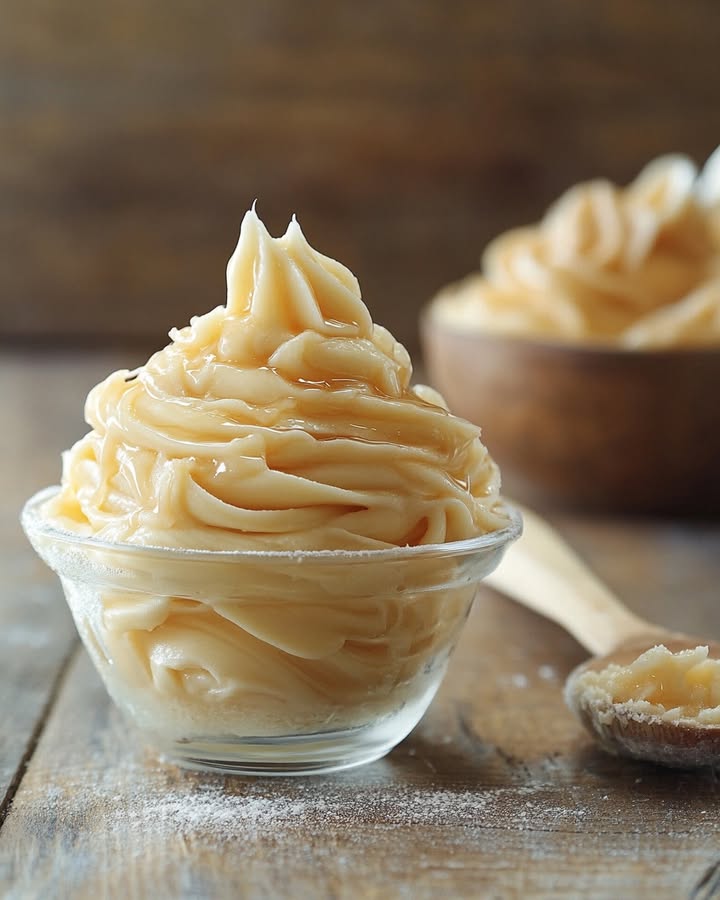
The Best Homemade Salted Caramel Frosting You’ll Ever Lick Off a Spoon
Confession time: I once made a batch of this salted caramel frosting just to eat with a spoon while hiding in the pantry. It’s that good. This isn’t just any frosting; it’s a silky, buttery cloud with deep, buttery caramel notes and the perfect salty kiss. Forget the store-bought tubs. Once you taste this homemade magic, you’ll want to slather it on everything, from cupcakes to your morning toast (I won’t judge).
A Sweet and Salty Love Story
Salted caramel feels fancy, but its story is wonderfully simple. It’s believed to have roots in Brittany, France, where they famously used salted butter for their caramels. That brilliant pairing of sweet and savory traveled the world and landed in our hearts. Today, it’s the superstar of dessert bars and coffee shops. My version keeps that luxurious vibe but makes it completely doable in your own kitchen. It’s the modern classic you can whip up for any special—or just-Tuesday—occasion.
Why This Salted Caramel Frosting Recipe Wins
You’ll adore this recipe because it strikes the perfect balance. It’s lusciously creamy yet stable enough to pipe beautiful swirls. The flavor is complex, not just one-note sweet. You control the salt level, making it as subtle or as bold as you like. It’s also surprisingly versatile. While it’s heavenly on a classic vanilla cake, imagine it on a dense cream cheese cake or even as a dip for apple slices!
When to Whip Up This Frosting
This frosting turns any dessert into a celebration. It’s perfect for birthday cakes, holiday pies, or a batch of weekend cupcakes. Bring a bowl to a potluck and watch it disappear. I love using it to fancy up a simple mocha sponge cake, adding a creamy contrast to the coffee flavor. It also makes a thoughtful gift—jar it up with a ribbon for the caramel lover in your life.
Gathering Your Salted Caramel Ingredients
Great frosting starts with great ingredients. Here’s what you need:
- 1 cup granulated sugar
- 4 tablespoons water
- 1/2 cup heavy cream
- 2 teaspoons pure vanilla extract
- 1/2 teaspoon flaky sea salt, plus more for garnish
- 1 cup (2 sticks) unsalted butter, at room temperature
- 2 cups powdered sugar, sifted
Smart Ingredient Substitutions
Out of something? Don’t panic. Here are easy swaps:
- Sea Salt: If you don’t have flaky salt, use 1/4 teaspoon of fine sea salt. Taste and adjust!
- Heavy Cream: Full-fat coconut cream can work for a dairy-free version, though the flavor will change slightly.
- Vanilla Extract: Try using the seeds from a vanilla bean for an extra special touch.
- Butter: For a distinct flavor, use European-style butter. For a hint of that traditional Breton taste, you could use one stick of salted butter and reduce the added salt.
Crafting Your Frosting: A Step-by-Step Journey
Let’s make something amazing. Follow these steps, and you’ll have perfect frosting.
Step 1: Melting the Sugar
Combine the granulated sugar and water in your heavy-bottomed saucepan. Place it over medium heat and stir gently with a wooden spoon until the sugar crystals completely melt into a clear syrup. This is the foundation of your caramel, so patience is key. You want a smooth liquid with no gritty sugar remaining. Pro tip: Brushing down the sides of the pan with a wet pastry brush prevents sugar crystals from forming and seizing your caramel.
Step 2: The Amber Transformation
Now, stop stirring. Increase the heat to medium-high and let the syrup boil. Watch as it transforms from clear, to light gold, and finally to a deep, gorgeous amber color. You can swirl the pan gently for even coloring. This stage is a visual and aromatic feast—the smell is incredible. Don’t walk away! Burnt sugar is bitter, so the moment it hits that rich copper hue, you’re ready for the next step.
Step 3: The Exciting Part: Adding Cream & Vanilla
Take the pan off the heat. Carefully and slowly pour in the heavy cream and vanilla extract. It will bubble and steam dramatically—that’s normal! Keep whisking steadily. The caramel will harden at first, but as you whisk and the warmth of the cream melts it, it will turn into a smooth, velvety sauce. This is the magic moment where liquid caramel is born.
Step 4: Salting and Cooling
Whisk in the flaky sea salt, letting those salty flakes mingle with the sweet caramel. Pour this beautiful sauce into a heat-proof bowl. It needs to cool completely to room temperature before you add it to the butter. Rushing this will give you a runny, soupy frosting. Let it sit while you work on the butter base, or pop it in the fridge for 15-20 minutes, stirring occasionally.
Step 5: Building the Butter Base
In a large mixing bowl, beat the softened butter with an electric mixer on medium speed. You want it pale, fluffy, and creamy—this takes a good 2-3 minutes. Gradually add the sifted powdered sugar, mixing on low at first to avoid a cloud of sugar, then increasing the speed. Beat until it’s light, airy, and well combined. This buttercream base is the sturdy pillow for your caramel.
Step 6: The Grand Finale: Marrying Caramel & Butter
Ensure your caramel is cool. Now, with the mixer on medium-low, slowly pour the caramel sauce into the butter mixture. Once it’s all in, crank the speed to medium-high and beat for 1-2 minutes. Watch as it turns into a fluffy, dreamy, spreadable frosting. Chef’s tip: If your kitchen is warm and the frosting seems soft, chill the whole bowl for 15 minutes, then rewhip. It will firm up perfectly.
Your Salted Caramel Frosting Timeline
This recipe is wonderfully efficient.
- Prep Time: 15 minutes (getting everything measured and ready)
- Cook Time: About 10 minutes for the caramel
- Cooling Time: 20-30 minutes (crucial!)
- Mixing Time: 10 minutes
- Total Time: About 1 hour
- Servings: Frosts 12 cupcakes or a 9-inch layer cake generously.
Chef’s Secret for the Smoothest Frosting
My biggest secret? Temperature control. Room temperature butter and completely cool caramel are non-negotiable. If either is off, your frosting can separate or become greasy. When in doubt, let ingredients sit on the counter a little longer. Patience here makes for a silky, pipeable frosting every single time.
A Little Extra for the Food Curious
Did you know the Maillard reaction is partly responsible for that deep flavor in your caramel? It’s the same browning process that makes seared steak and toasted bread taste so good. Mastering this simple cooking process of heating sugar unlocks a world of flavor, showing how transformative basic kitchen science can be.
Your Kitchen Toolbox
You don’t need fancy gear. Gather these:
- Medium heavy-bottomed saucepan (for even heat)
- Whisk and wooden spoon
- Heat-proof bowl
- Electric hand mixer or stand mixer
- Measuring cups and spoons
- Spatula (to get every last bit!)
How to Store Your Salty-Sweet Masterpiece
Leftovers are a blessing. Store your salted caramel frosting in an airtight container in the refrigerator for up to one week. It will firm up when cold.
When you’re ready to use it again, let it sit at room temperature for about 30 minutes, then re-whip it with your mixer for a minute to bring back its fluffy texture. This makes it perfect for do-ahead baking.
You can also freeze this frosting for up to 3 months. Thaw it overnight in the fridge and rewhip before using. It’s a fantastic staple to have on hand for last-minute dessert emergencies or inspiration.
Pro Tips for Frosting Success
- Salt to Taste: After mixing, taste your frosting. Want more salt? Add a tiny pinch of flaky salt and mix again.
- Boozy Twist: For an adult version, stir 1 tablespoon of bourbon or rum into the cooled caramel before adding it to the butter.
- Fixing Splits: If your frosting looks curdled, it’s likely too warm. Chill it and rewhip. If it’s too cold and hard, let it warm slightly.
Presentation Ideas to Wow Your Guests
Make it look as good as it tastes!
- Pipe big, swirly rosettes on cupcakes and sprinkle with extra sea salt.
- Use an offset spatula to create smooth, sleek sides on a layer cake, then drizzle with extra caramel.
- Fill a piping bag and write a sweet message directly onto a sheet cake.
- Serve as a dip with pretzel rods, sliced apples, and graham crackers.
6 Delicious Ways to Mix It Up
Love this base recipe? Try these fun variations:
- Chocolate Salted Caramel: Add 1/2 cup sifted cocoa powder to the powdered sugar when making the butter base.
- Salted Caramel Cream Cheese Frosting: Replace 1 stick of butter with 4 oz of softened cream cheese for a tangy twist.
- Espresso Caramel: Dissolve 1 tablespoon instant espresso powder in the vanilla extract before adding it to the caramel.
- Maple Salted Caramel: Substitute 1/4 cup of the granulated sugar with pure maple syrup (adjust cooking time slightly).
- Nutty Caramel: Fold in 1/2 cup finely chopped toasted pecans or hazelnuts after mixing.
- Fruit Swirl: Gently fold in a few tablespoons of a complementary fruit puree, like the raspberry puree from this beautiful raspberry roll, for a marbled effect.
Common Mistakes to Avoid
Mistake 1: Stirring the Boiling Sugar Syrup
This is the number one error. Once the sugar dissolves and starts to boil, put the spoon down. Stirring encourages sugar crystals to form, which can cause the whole batch to seize into a grainy, clumpy mess. Instead, gently swirl the pan if you see uneven coloring. Trust the process and let the heat do its work.
Mistake 2: Burning the Caramel
Caramel goes from perfect to burnt in seconds. It continues to cook from the residual heat of the pan even off the burner. The moment it reaches a deep amber color—think a shiny penny—it’s done. Have your cream measured and ready to go right next to the stove so you can stop the cooking immediately.
Mistake 3: Adding Hot Caramel to the Butter
Impatience leads to soup. If your caramel is even slightly warm when you mix it in, it will melt the buttercream base, resulting in a thin, greasy frosting that won’t hold its shape. Let the caramel cool until the bowl feels completely neutral to the touch. This step is crucial for a fluffy, spreadable texture.
Mistake 4: Using Cold Butter
Butter that’s too cold won’t cream properly and can lead to a lumpy frosting. Your butter should be softened—you should be able to easily press a dent into it with your finger, but it shouldn’t be oily or melted. Take it out of the fridge at least an hour before you start.
Your Salted Caramel Frosting Questions, Answered
Can I make this frosting ahead of time?
Absolutely! This frosting is a great make-ahead component. Store it in an airtight container in the fridge for up to a week, or freeze it for up to 3 months. When you’re ready to use it, let it come to room temperature for about 30 minutes (if refrigerated) and then re-whip it with your mixer for a minute or two. This brings back the light, airy texture and makes it perfectly spreadable again. It’s a fantastic time-saver for busy bakers.
Why is my caramel frosting runny and not fluffy?
A runny frosting usually points to a temperature issue. The most likely culprit is that the caramel was still too warm when added to the buttercream base. Another reason could be that your butter was too soft or the kitchen was very warm. Don’t worry, it’s fixable! Simply pop the entire bowl of frosting into the refrigerator for 20-30 minutes to firm up, then take it out and beat it again with your mixer. This should whip it right back into a fluffy, perfect consistency.
Can I use salted butter instead of unsalted?
You can, but you need to adjust. If you use salted butter, completely omit the added 1/2 teaspoon of sea salt in the caramel. Once your frosting is mixed, taste it. You can then decide if you want to add a tiny pinch of salt to enhance the flavor. Using unsalted butter gives you complete control over the salt level, which is why I prefer it, but salted butter in a pinch works if you’re mindful.
How can I fix grainy caramel?
Graininess happens when sugar crystals form. If you notice them in your syrup before adding cream, you can sometimes save it. Add a couple more tablespoons of water, return it to low heat, and stir gently until the crystals dissolve. Then proceed with boiling. If the graininess is in the finished frosting, it’s trickier. Try blending it with an immersion blender or food processor for a few seconds to break down the crystals. Prevention is best—avoid stirring while boiling and brush down sugar crystals.
What’s the best salt to use for salted caramel frosting?
Flaky sea salt, like Maldon or Jacobsen, is ideal. Its delicate crystals add little bursts of salty flavor and a nice texture. If you only have fine sea salt, use about half the amount (start with 1/4 teaspoon) because it disperses more evenly and can taste saltier. Avoid iodized table salt, as it can have a metallic aftertaste. The type of salt genuinely affects the final flavor profile of your frosting.
Is this frosting stable for piping on cupcakes?
Yes, when made correctly, it pipes beautifully! The key is getting the right consistency, which comes from fully cooled caramel and properly creamed butter. If your frosting is holding stiff peaks when you lift the beaters, it’s ready to pipe. If it seems a bit soft for detailed work, chill it briefly and rewhip. It holds its shape well at room temperature for several hours, making it perfect for parties and events.
Can I use this as a filling for cakes or pastries?
Definitely. It makes a wonderful cake filling. For a stacked layer cake, you might want to make a double batch. It’s also delicious as a filling for macarons or spread inside a crepe. For a different kind of roll cake, think about pairing it with banana slices instead of the classic raspberry filling for a delicious twist.
My frosting curdled. What did I do wrong and can I fix it?
“Curdling” or separation usually happens if the caramel and butter were at very different temperatures, or if you added the caramel too quickly. The good news is, it’s almost always salvageable. Keep beating! Often, continued mixing on medium-high speed will bring it back together. If that doesn’t work, the mixture is likely too warm. Chill the bowl for 15 minutes, then whip again. It should emulsify into a smooth frosting.
How sweet is this frosting compared to regular buttercream?
It’s less cloyingly sweet than a classic American buttercream made with just butter and powdered sugar. The deep, toasty, slightly bitter notes of the cooked caramel and the balance from the sea salt cut through the sweetness significantly. It has a more complex, adult flavor profile that people who usually find frosting “too sweet” often really enjoy.
What can I frost with this besides cupcakes and cake?
Let your imagination run wild! This frosting is incredibly versatile. Use it to top brownies, cinnamon rolls, or scones. Swirl it into yogurt or oatmeal. Fill sandwich cookies with it. It’s even amazing as a dip for fruit, pretzels, or shortbread cookies. Honestly, a spoon is a perfectly acceptable delivery method too—I’ve tested this extensively!
Go Forth and Frost!
There you have it—the secret to the most incredible homemade salted caramel frosting. It’s a recipe that feels luxurious but is built on simple, careful steps. The reward is a frosting that will have everyone asking for your secret. Whether you’re topping a classic birthday cake or just need a spoonful of happiness, this recipe is your new best friend. Now, get into that kitchen and make something wonderfully, deliciously sweet (and salty). You’ve got this!
Salted Caramel Frosting
Ingredients
Equipment
Method
- Combine the granulated sugar and water in a heavy-bottomed saucepan over medium heat and stir until the sugar dissolves.
- Stop stirring and increase the heat to medium-high, letting the syrup boil until it turns a deep amber color.
- Remove from heat and carefully pour in the heavy cream and vanilla extract, whisking steadily until smooth.
- Whisk in the flaky sea salt and pour the caramel into a heat-proof bowl to cool completely.
- In a large mixing bowl, beat the softened butter with an electric mixer on medium speed until pale and fluffy.
- Gradually mix in the sifted powdered sugar until light and airy.
- Slowly pour the cooled caramel into the butter mixture with the mixer on medium-low, then beat on medium-high for 1-2 minutes until fluffy.